
Use Code: ND30 And Get 30% OFF | Get Free Delivery With No Minimum Order
-1744229570.gif "Almujtama Pharmacy logo")
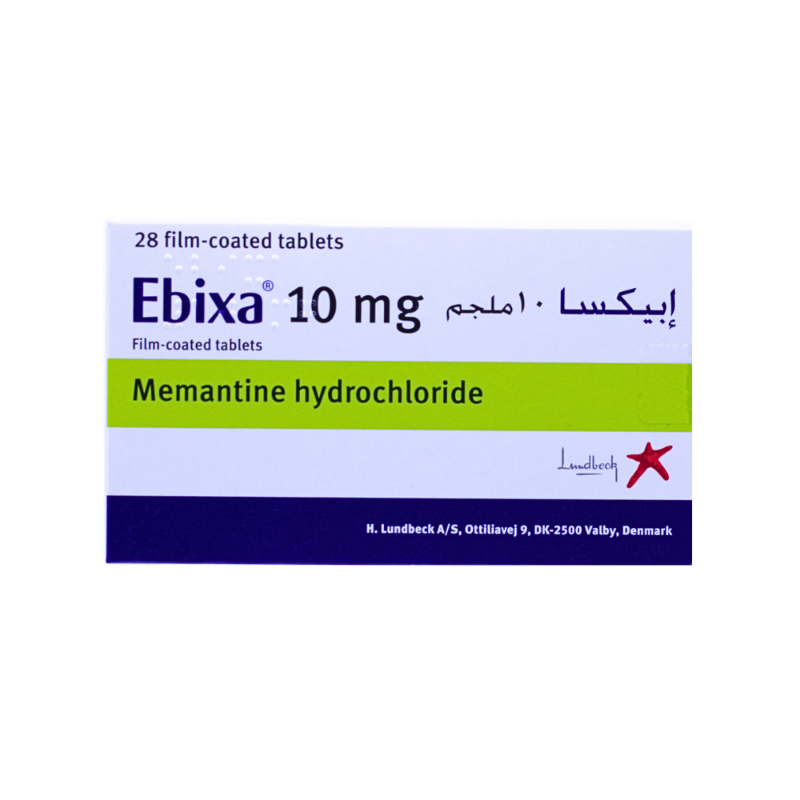




Frequently bought together
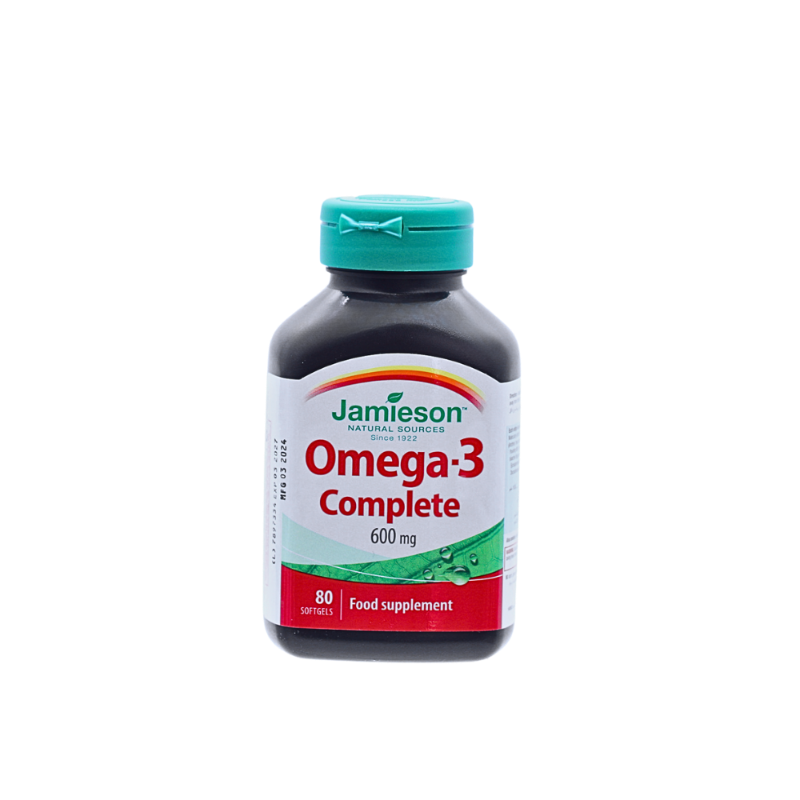
Vitamins & Supplements > Omega-3 Supplements
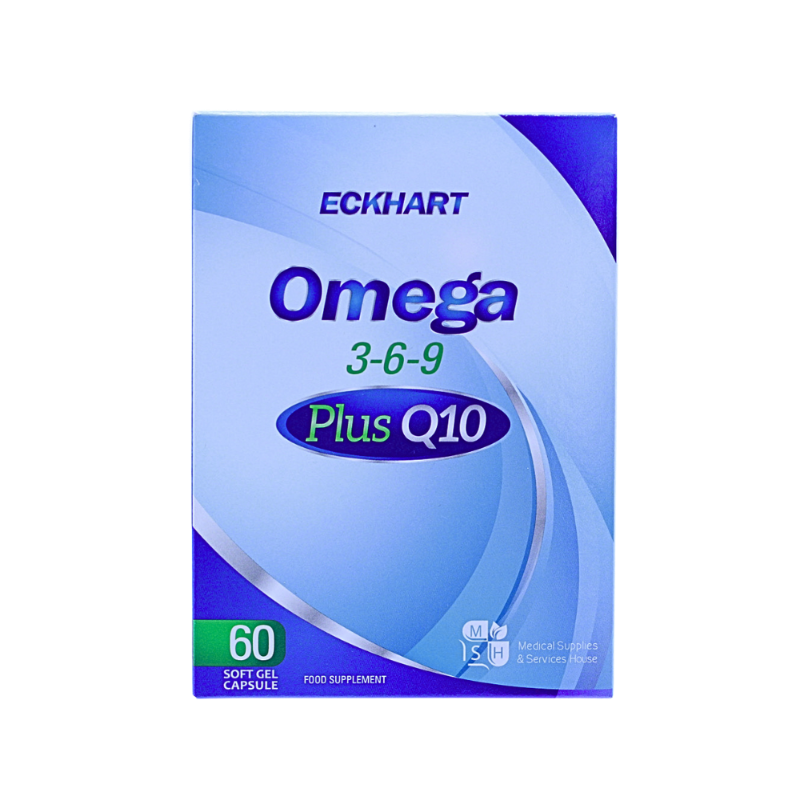
Vitamins & Supplements > Omega-3 Supplements
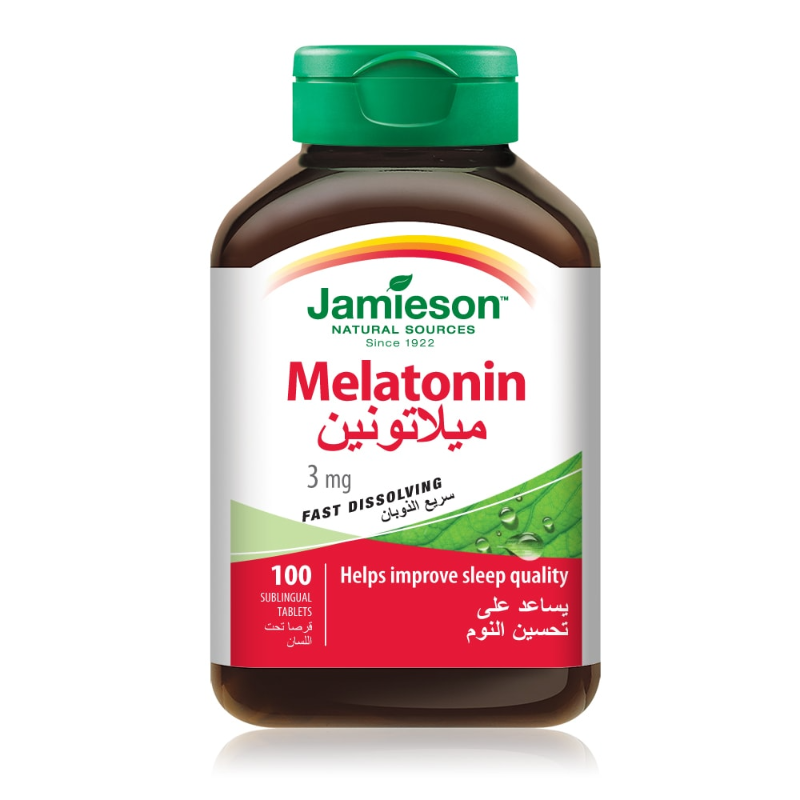
Vitamins & Supplements > Sleeping aid supplements
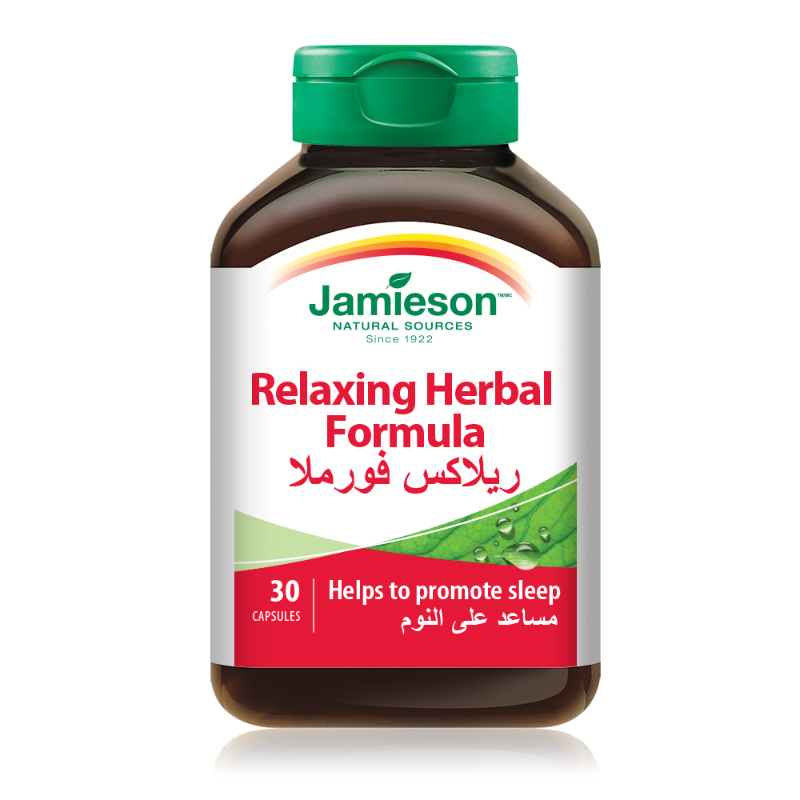
Vitamins & Supplements > Sleeping aid supplements
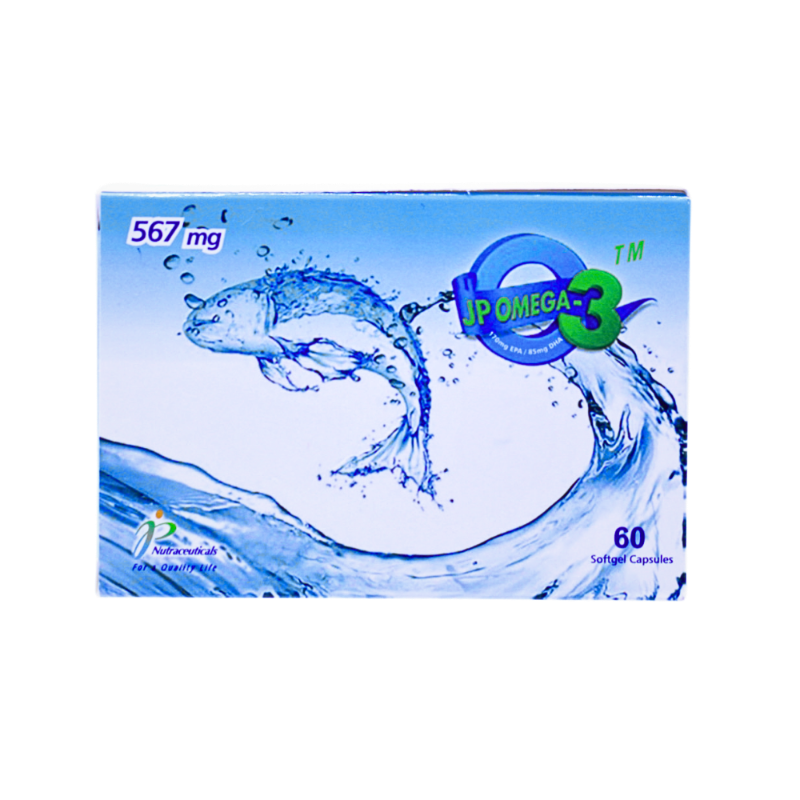
Vitamins & Supplements > Omega-3 Supplements
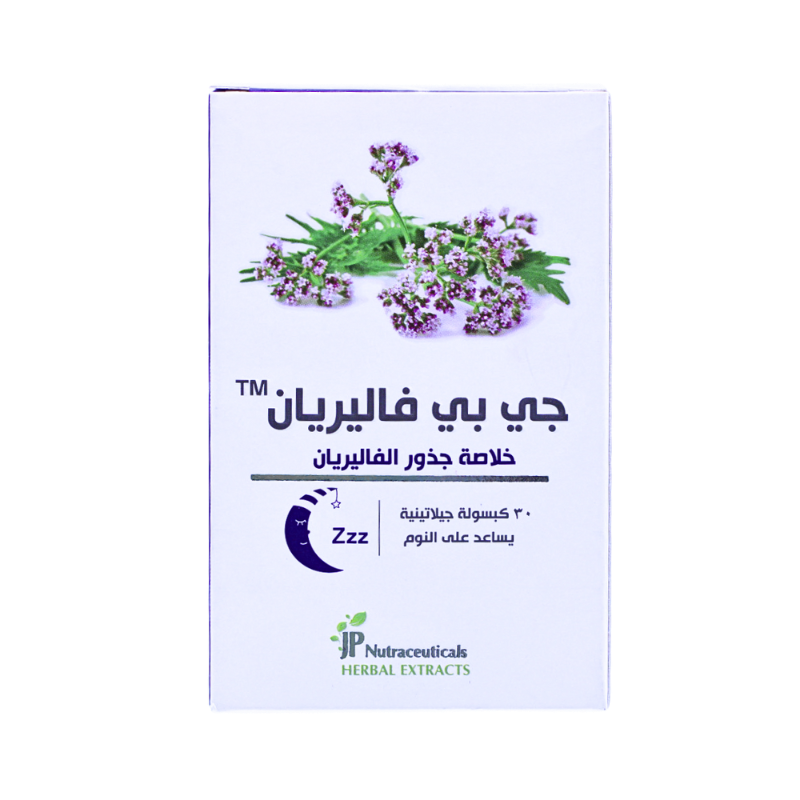
Vitamins & Supplements > Sleeping aid supplements
EBIXA 10/MG FC TAB 28/FC TAB
- Sku : I-014878
Key features
EBIXA 10 mg film-coated tablets contain memantine hydrochloride 10 mg, an anti-dementia medicine in tablet form. It works as a non-competitive NMDA receptor antagonist, helping reduce excessive glutamatergic activity while preserving normal neurotransmission. It is used for the treatment of moderate to severe dementia of the Alzheimer’s type. This pack contains 28 film-coated tablets.- Brand: EBIXA
- Active Ingredient: MEMANTINE HYDROCHLORIDE 10mg
- Strength: 10mg
- Dosage Form: Film-coated tablet
- Pack Size: 28 Tablets
- Route: Oral use
- Prescription Status: Prescription
- Therapeutic Class: Psychiatric
- Pharmacological Group: Psychoanaleptics
- Drug Class: Anti-dementia agent; non-competitive NMDA (N-methyl-D-aspartate) receptor antagonist.
- Manufacturer: ROTTENDORF PHARMA GMBH
- Country of Origin: Germany
- SFDA Registration No.: 2110258453
- Shelf Life: 48 months
- Storage: store below 30°c
- Psych Class: N-methyl-D-aspartate (NMDA) receptor antagonist
- Controlled Substance: No
Frequently bought together
Vitamins & Supplements > Omega-3 Supplements
Vitamins & Supplements > Omega-3 Supplements
Vitamins & Supplements > Sleeping aid supplements
Vitamins & Supplements > Sleeping aid supplements
Vitamins & Supplements > Omega-3 Supplements
Vitamins & Supplements > Sleeping aid supplements
Indications
Approved Uses
Treatment of moderate to severe dementia of the Alzheimer’s type (Alzheimer’s disease).
Off-Label Uses
Off-label (variable evidence): vascular dementia and other neurocognitive disorders; limited/experimental use in OCD and neuropathic pain (not routinely recommended).
Dosage & Administration
Dosing by Condition
Alzheimer’s dementia (moderate-severe), immediate-release: Week 1: 5 mg once daily; Week 2: 10 mg/day (5 mg twice daily or 10 mg once daily per local labeling); Week 3: 15 mg/day (5 mg + 10 mg in divided doses); Week 4+: 20 mg/day maintenance (10 mg twice daily).
Initial Dose
5 mg once daily for the first week
Maintenance Dose
20 mg once daily (after 4-week titration)
Maximum Dose
20 mg/day for immediate-release tablets.
Children's Dosage
Safety and effectiveness in pediatric patients have not been established.
Dose Adjustment Notes
Titrate in 5 mg increments at weekly intervals to target 20 mg/day; reduce dose in renal impairment-CrCl 30-49 mL/min: max 10 mg/day; CrCl 5-29 mL/min: max 10 mg/day; may be taken with or without food.
How to Take
Swallow whole with water; can be taken with or without food; administer once daily at the same time each day
Side Effects
Common Side Effects
Dizziness, headache, confusion, constipation, somnolence/drowsiness, and hypertension.
Side Effect Frequency
Common (≥5% and >placebo): dizziness, headache, confusion, constipation; other reactions reported at lower frequencies include fatigue, hypertension, somnolence, hallucinations, vomiting, cough/back pain (rates vary by study/label).
Safety & Warnings
Contraindications
Hypersensitivity to memantine hydrochloride or to any excipients.
Warnings & Precautions
Use with caution in seizure disorders/history of convulsions; in renal impairment (dose adjust) and conditions/drugs that alkalinize urine (e.g., renal tubular acidosis, severe UTI) which can increase exposure; caution in significant cardiovascular disease (recent MI, uncompensated heart failure, uncontrolled hypertension); may cause dizziness/somnolence affecting driving/machinery.
Age Restriction
Not approved/recommended for use in children and adolescents (<18 years).
Driving Warning
May Cause Drowsiness
Drug Interactions
Drug Interactions
Avoid/monitor with other NMDA antagonists (amantadine, ketamine, dextromethorphan); caution with urine-alkalinizing agents (e.g., sodium bicarbonate, carbonic anhydrase inhibitors) which reduce clearance; caution with drugs using renal cationic transport (e.g., cimetidine, ranitidine, procainamide, quinidine, metformin) which may increase memantine exposure; possible additive effects with dopaminergics/anticholinergics.
Interaction Severity
Avoid/major: other NMDA antagonists (amantadine, ketamine, dextromethorphan) due to additive CNS toxicity; Moderate: urinary alkalinizers/carbonic anhydrase inhibitors (e.g., sodium bicarbonate, acetazolamide) and drugs competing for renal cation transport (e.g., cimetidine, ranitidine, procainamide, quinidine, metformin) which may increase memantine exposure.
Food Interaction
No restriction.
Alcohol Interaction
Avoid
Special Populations
Pregnancy
Consult Doctor
Children
Safety and effectiveness in pediatric patients have not been established.
Elderly
Standard adult dosing applies; dose titration should proceed cautiously; renal function should be assessed before and during treatment as elderly patients commonly have reduced renal clearance
Kidney Impairment
CrCl 50-80 mL/min: no adjustment; CrCl 30-49 mL/min: target 10 mg/day (often 5 mg BID) after titration; CrCl 5-29 mL/min: target 10 mg/day (5 mg BID); CrCl <5 mL/min: not recommended/insufficient data-use only with specialist advice if at all.
Liver Impairment
Mild-moderate hepatic impairment (Child-Pugh A/B): no dose adjustment; severe hepatic impairment (Child-Pugh C): use with caution (not well studied).
Storage & Patient Advice
Missed Dose
If a dose is missed, take the next dose at the usual time (do not double); if several doses are missed, contact the prescriber as re-titration may be needed.
Stopping the Medicine
Do not stop abruptly without consulting the prescriber; if discontinuation is needed, do so under medical advice/monitoring.
Overdose
Symptoms: CNS effects such as agitation/restlessness, confusion, hallucinations/psychosis, somnolence/stupor, dizziness, gait disturbance, seizures/coma; Management: supportive/symptomatic care, consider urine acidification to enhance elimination; no specific antidote; seek urgent medical care.
Patient Counseling
Take exactly as prescribed and follow the titration schedule; may take with or without food; may cause dizziness/somnolence-use caution with driving; do not double doses if missed and call the prescriber if several doses are missed; inform clinicians about other NMDA antagonists (amantadine/ketamine/dextromethorphan) and kidney problems; this medicine helps symptoms but does not cure Alzheimer’s disease.
Monitoring Requirements
Monitor clinical response/tolerability and cognition/functional status periodically; assess renal function (especially in older adults or known CKD) and consider blood pressure monitoring.
Pharmacology
Mechanism of Action
Non-competitive NMDA receptor antagonist that reduces pathologic, sustained glutamatergic activity while preserving physiologic neurotransmission.
Onset of Action
Symptomatic effects may begin within days to 1-2 weeks after initiation/titration; full clinical benefit is typically assessed after reaching maintenance dose, often within ~4-8 weeks.
Duration of Effect
Approximately 24 hours per dose (supports once-daily dosing); clinical symptomatic benefit is maintained with continued daily therapy.
Half-Life
60-100 hours
Bioavailability
Approximately 100% (essentially complete oral bioavailability).
Metabolism
Minimal hepatic metabolism; a portion is converted to three inactive/polar metabolites (e.g., N-glucuronide conjugate, hydroxylated memantine, and nitroso derivative), and metabolism is not meaningfully CYP450-mediated.
Excretion
Primarily renal; about 48% of a dose is excreted unchanged in urine, with additional drug recovered as metabolites; renal clearance involves pH-dependent tubular reabsorption (alkaline urine reduces clearance).
Protein Binding
45%
Product Information
Available Dosage Forms
Film-coated tablet (oral) for this SFDA-registered product (EBIXA 10 mg FC tab).
Composition per Dose
Each film-coated tablet: 10 mg memantine as memantine hydrochloride
Generic Availability
Yes
OTC Alternatives
No OTC alternative
Psych Class
N-methyl-D-aspartate (NMDA) receptor antagonist
Controlled Substance
No
Reviewed by Al Mujtama Pharmacy Medical Review Team. Last reviewed 26-06-2026
Similar Products
Medications > Hypertesion & Cardiovascular Medications
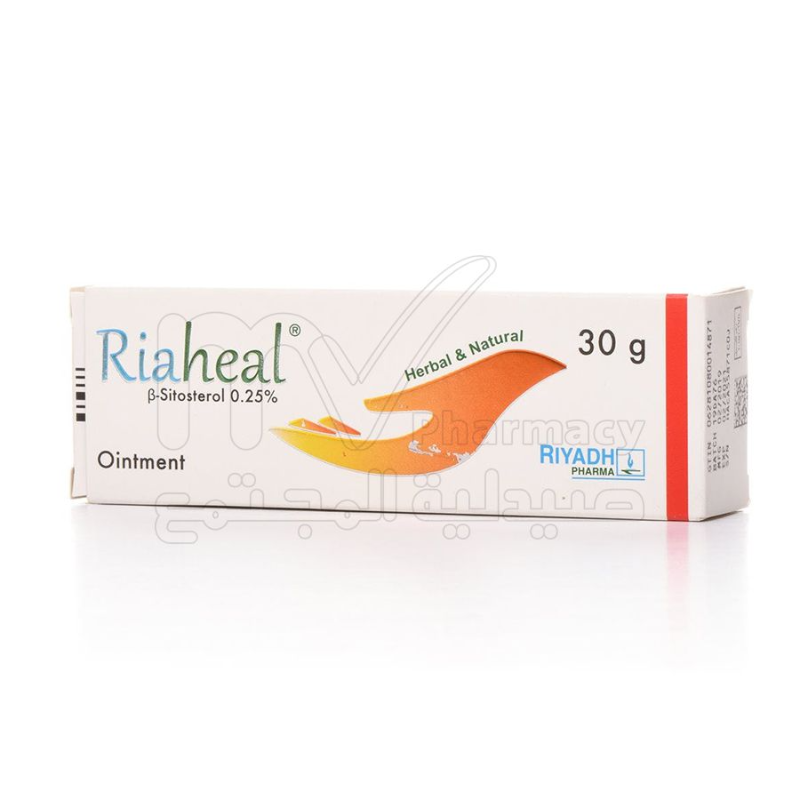
Medications > Dermatology Medications
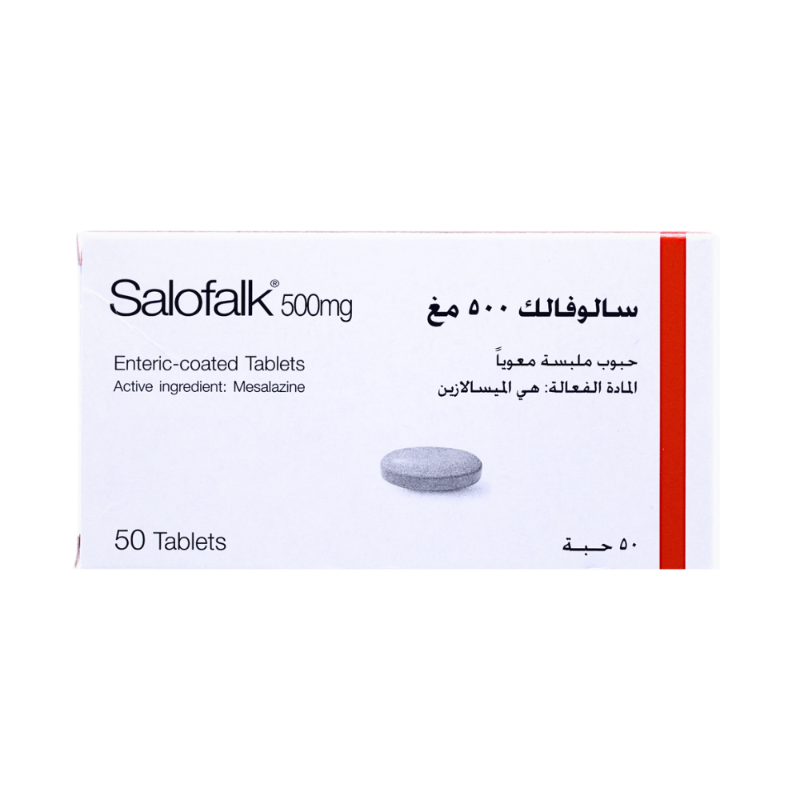
Medications > Gastrointestinal Medications
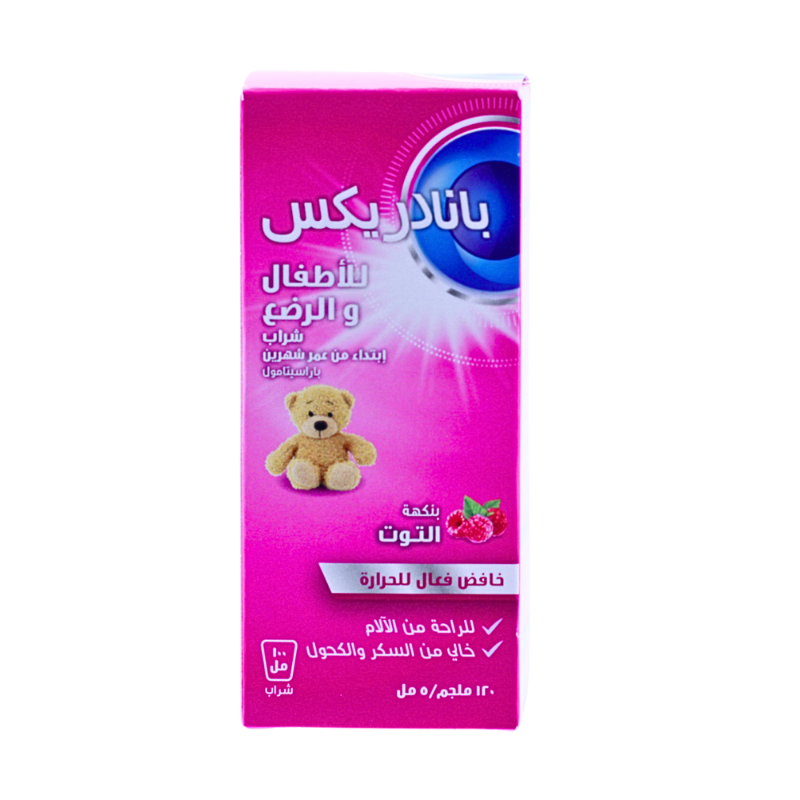
Medications > Painkillers and Antipyretics
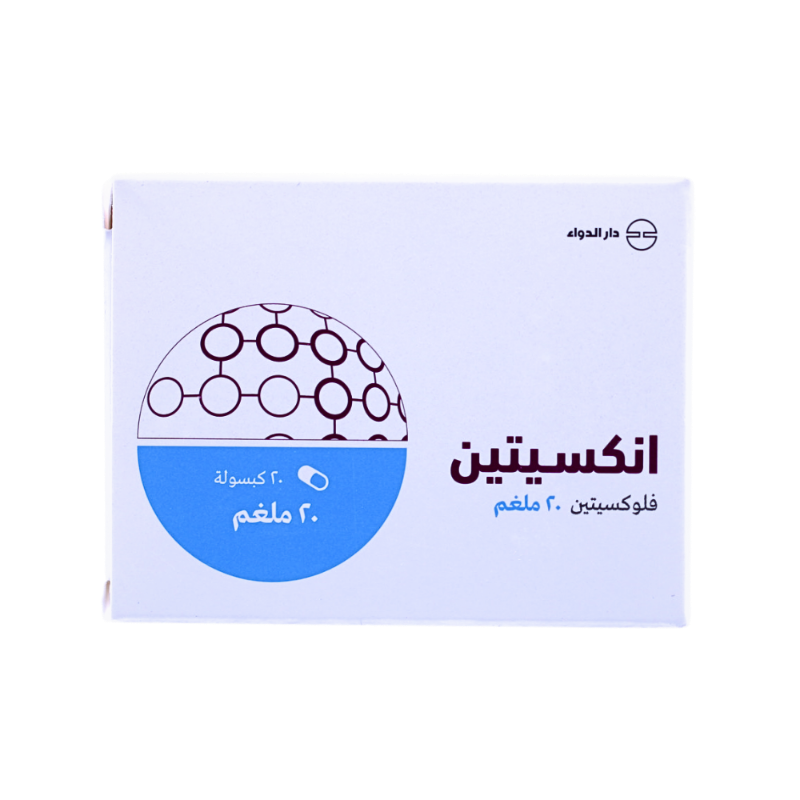
Medications > Psychiatric Medications
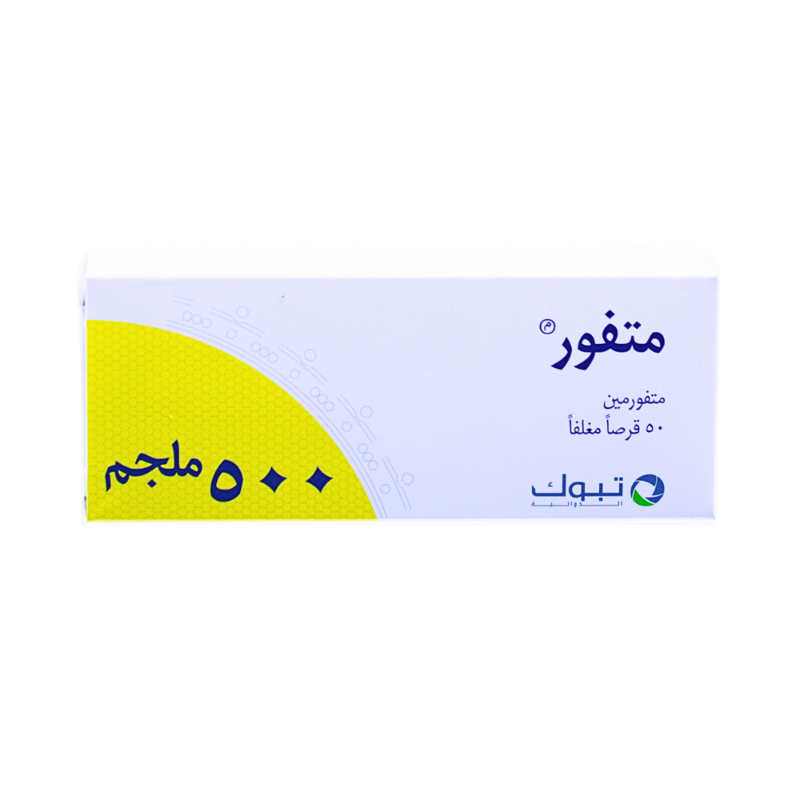
Medications > Diabetes Medications
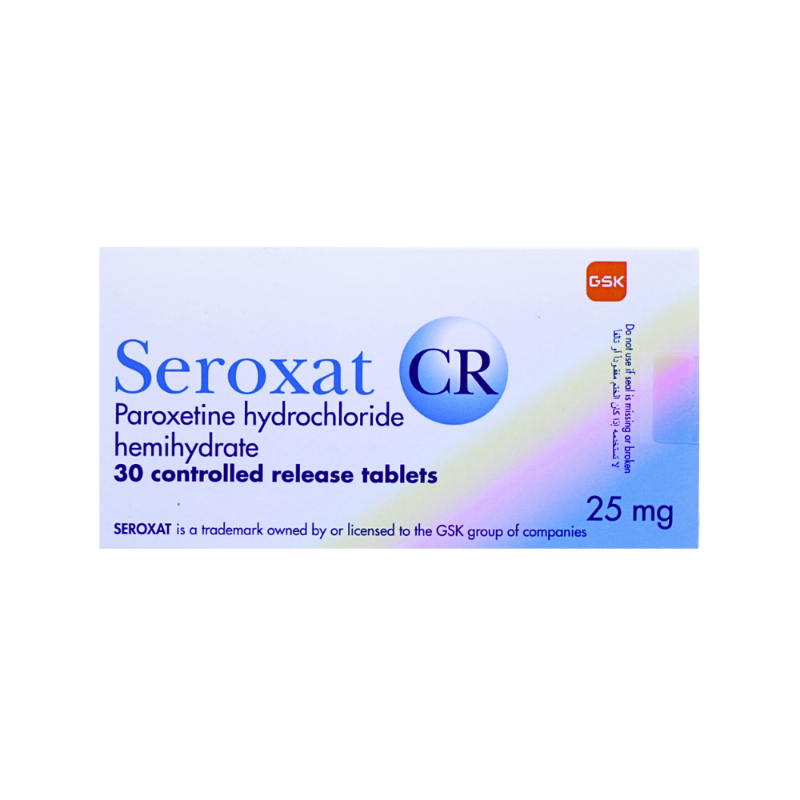
Medications > Psychiatric Medications
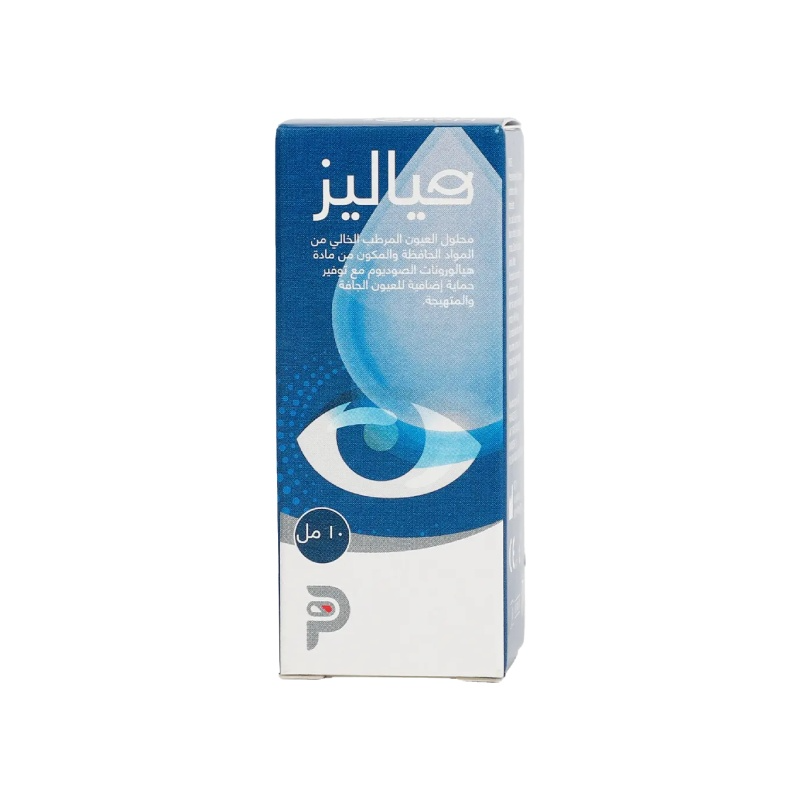
Medications > Eye and Ear Medications
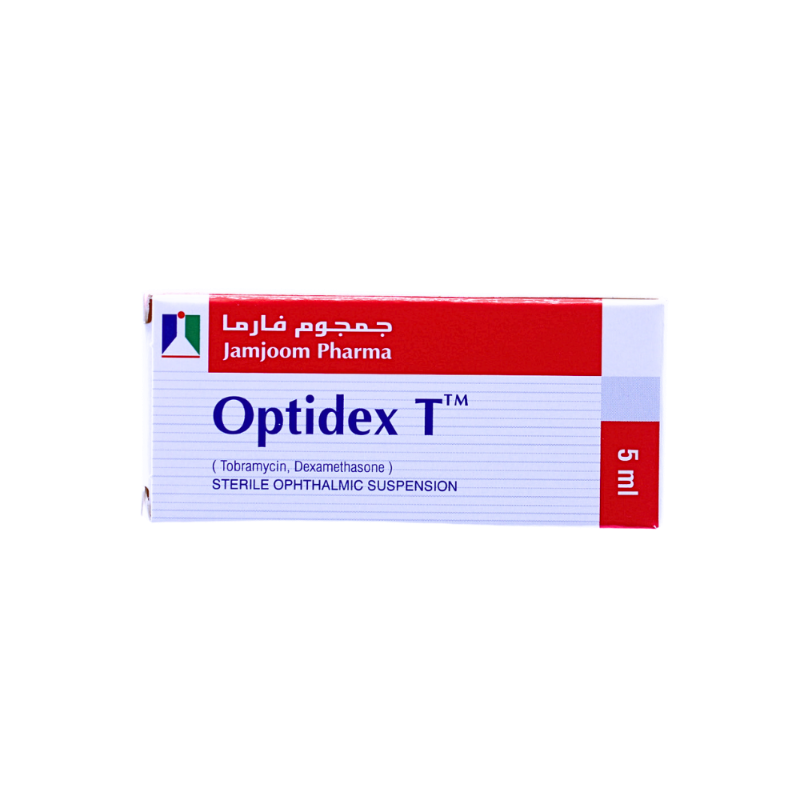
Medications > Eye and Ear Medications
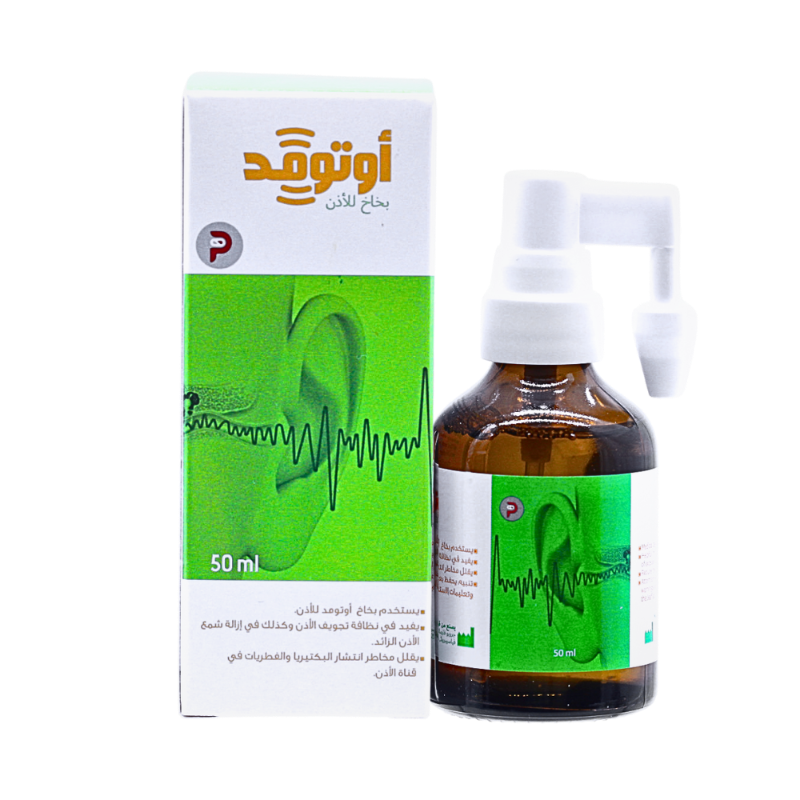
Medications > Eye and Ear Medications
