
Use Code: ND30 And Get 30% OFF | Get Free Delivery With No Minimum Order
-1744229570.gif "Almujtama Pharmacy logo")
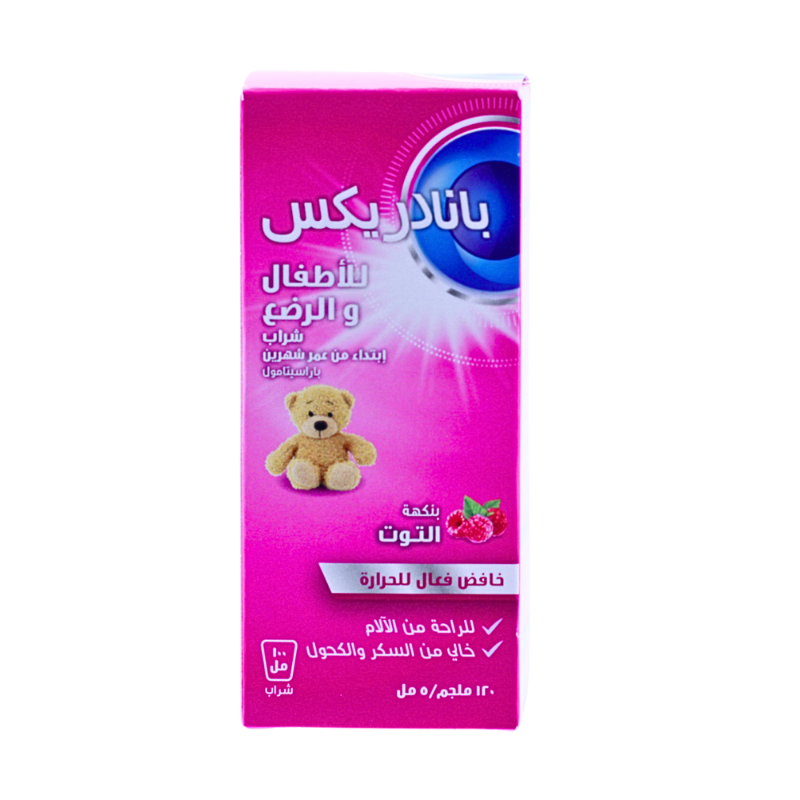




Frequently bought together
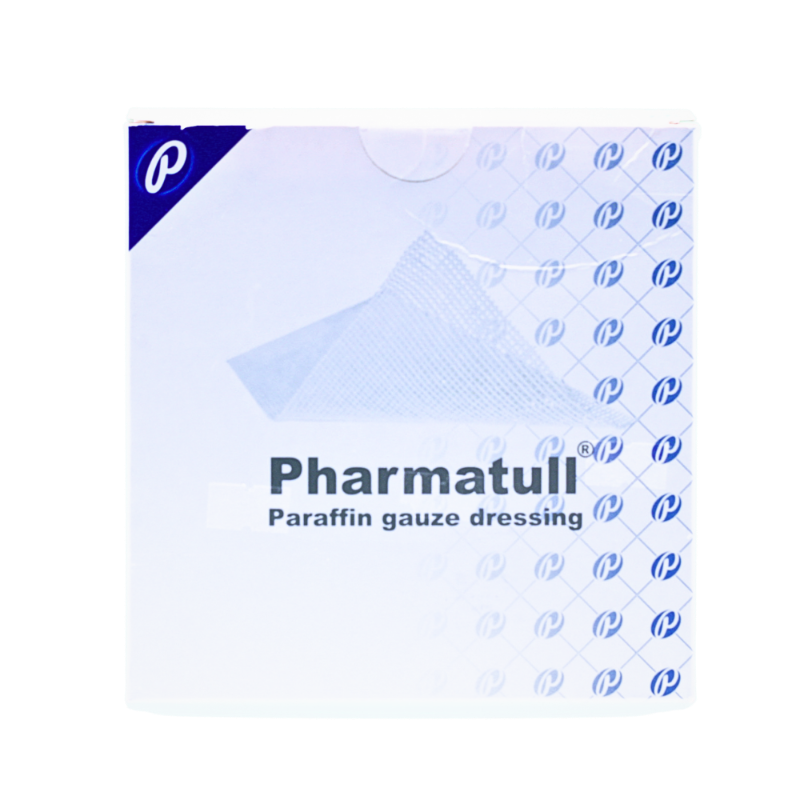
Health Care & Wellness > Medical Supplies
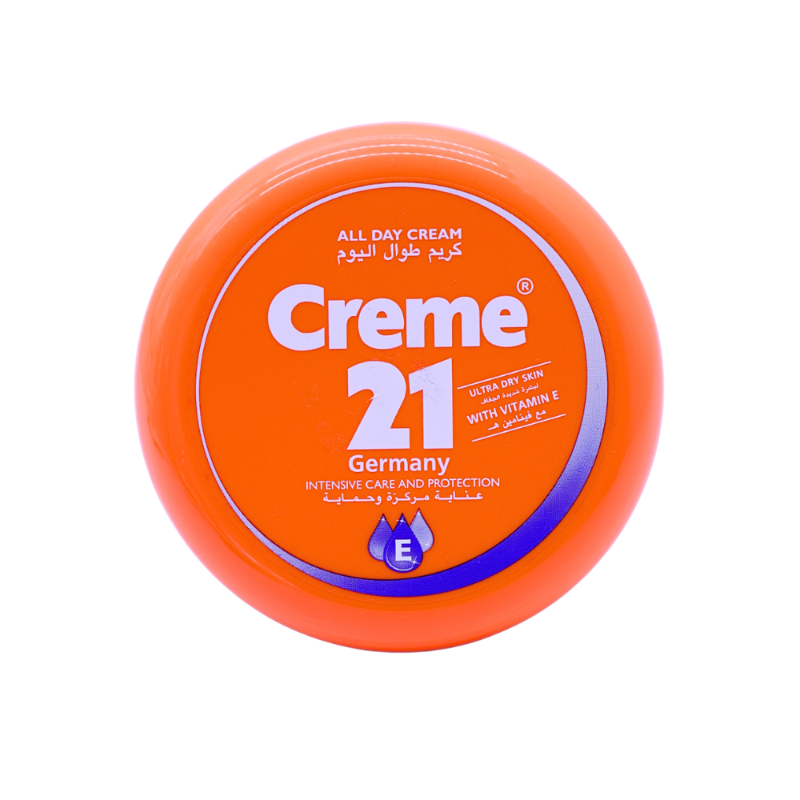
Skin And Body Care > Moisturizers
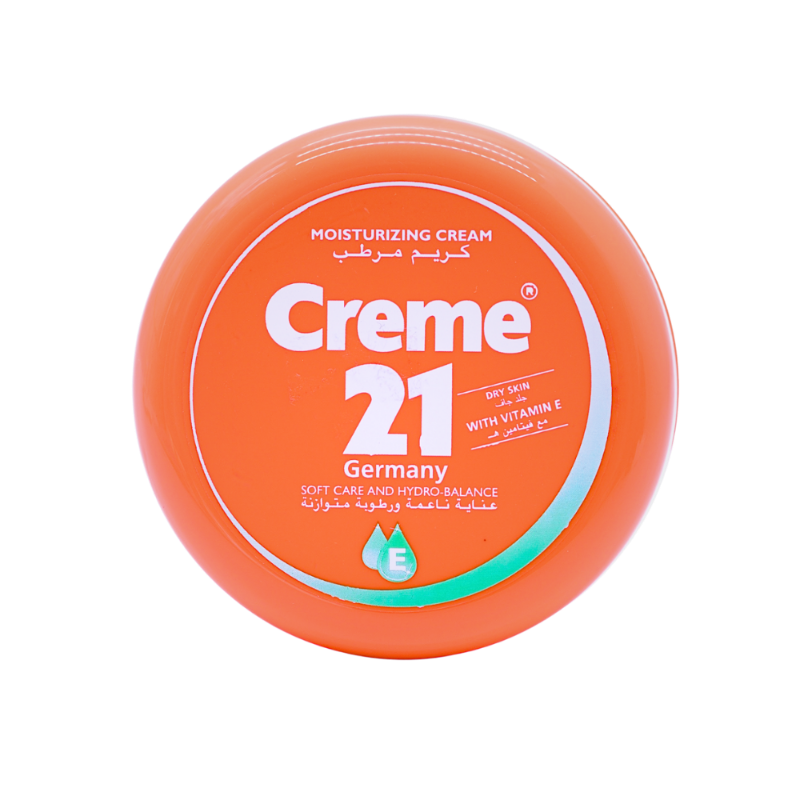
Skin And Body Care > Moisturizers
Vitamins & Supplements > Vitamins and Minerals
PANADREX BABY&INFANT SYRUP 100ML
- Sku : I-004907
Key features
PANADREX Baby & Infant Syrup is a 100 ml syrup formulation containing paracetamol 24 mg/ml. It acts as a non-opioid analgesic and antipyretic by inhibiting central prostaglandin synthesis (central COX activity) and influencing hypothalamic thermoregulation, with minimal peripheral anti-inflammatory action. The product is indicated for relief of mild to moderate pain and for reduction of fever in infants and children. Available OTC in a 100 ml syrup pack.- Brand: PANADREX
- Active Ingredient: PARACETAMOL 24mg/ml
- Strength: 24mg/ml
- Dosage Form: Syrup
- Pack Size: 100 ml
- Route: Oral use
- Prescription Status: OTC
- Therapeutic Class: Analgesic
- Pharmacological Group: Anilides (Paracetamol)
- Drug Class: Non-opioid analgesic and antipyretic (anilide/para-aminophenol derivative).
- Manufacturer: KUWAIT SAUDI PHARMACEUTICAL INDUSTRIES
- Country of Origin: Kuwait
- SFDA Registration No.: 2811246350
- Shelf Life: 36 months
- Storage: Store below 30°C , protect from Light
- Pain Type: General
- Nsaid: No
- Opioid: No
Frequently bought together
Health Care & Wellness > Medical Supplies
Skin And Body Care > Moisturizers
Skin And Body Care > Moisturizers
Vitamins & Supplements > Vitamins and Minerals
Indications
Approved Uses
Mild to moderate pain relief, fever reduction in infants and children
Dosage & Administration
Dosing by Condition
Fever or mild-to-moderate pain (infants/children): 10-15 mg/kg per dose orally every 4-6 hours as needed; maximum 4 doses in 24 hours (and do not exceed age/weight-appropriate maximum daily dose).
Initial Dose
10-15mg/kg per dose orally
Maintenance Dose
10-15 mg/kg per dose every 4-6 hours as needed.
Maximum Dose
60mg/kg/day (not to exceed 4 doses in 24 hours); do not use for more than 3 days for fever or 5 days for pain without medical advice
Children's Dosage
Infants 3-6 months: 2.5ml (60mg) per dose; 6-24 months: 5ml (120mg) per dose; 2-4 years: 7.5ml (180mg) per dose; 4-6 years: 10ml (240mg) per dose; all doses every 4-6 hours, maximum 4 doses per day. Not recommended for infants under 3 months without medical supervision.
Dose Adjustment Notes
Renal impairment: extend dosing interval in severe impairment (e.g., CrCl <30 mL/min-dose no more frequently than every 6-8 hours). Hepatic impairment: use caution, avoid exceeding recommended total daily dose, and avoid use in severe hepatic impairment/active liver disease.
How to Take
Shake well before each use. Measure the dose with the provided oral syringe/cup (do not use a household spoon). Administer orally; may be given with or without food.
Side Effects
Common Side Effects
Side effects are uncommon at recommended doses. Possible: nausea, vomiting, abdominal discomfort; skin rash/urticaria (hypersensitivity). Rare: blood dyscrasias (e.g., thrombocytopenia, agranulocytosis).
Side Effect Frequency
Uncommon: nausea, vomiting, abdominal discomfort; rash/urticaria. Rare: serious hypersensitivity reactions and blood dyscrasias (e.g., thrombocytopenia, agranulocytosis).
Safety & Warnings
Contraindications
Hypersensitivity to paracetamol or any excipient, severe hepatic impairment, active liver disease
Warnings & Precautions
Do not exceed recommended dose; do not use with any other paracetamol-containing products; use caution in hepatic impairment, chronic alcohol use, malnutrition/low glutathione states (e.g., dehydration, prolonged fasting), and renal impairment; seek medical advice for infants <3 months or if symptoms persist.
Age Restriction
Usable from birth only under medical advice; routine OTC use generally from ≥3 months (or ≥5 kg) per pediatric guidance-consult a doctor for infants <3 months.
Drug Interactions
Drug Interactions
Warfarin (INR may increase with repeated/prolonged use), alcohol and other hepatotoxic drugs (↑ liver injury risk), enzyme inducers (e.g., carbamazepine, phenytoin, phenobarbital, rifampicin) and isoniazid (↑ hepatotoxicity risk), cholestyramine (↓ absorption if given close), metoclopramide/domperidone (↑ rate of absorption), and flucloxacillin (rare risk of high anion gap metabolic acidosis/pyroglutamic acidosis especially with risk factors).
Interaction Severity
MAJOR/clinically significant: Warfarin (regular, repeated paracetamol use may increase INR/bleeding risk). MODERATE: Alcohol/chronic heavy alcohol use or other hepatotoxic drugs (increased hepatotoxicity risk), enzyme inducers (e.g., carbamazepine, phenytoin, phenobarbital) and isoniazid (may increase hepatotoxicity risk). MINOR: Metoclopramide/domperidone (may increase absorption rate), cholestyramine (may reduce absorption if given close together).
Food Interaction
No restriction; can be taken with or without food (food may slightly delay onset/absorption).
Special Populations
Children
Infants 3-6 months: 2.5ml (60mg) per dose; 6-24 months: 5ml (120mg) per dose; 2-4 years: 7.5ml (180mg) per dose; 4-6 years: 10ml (240mg) per dose; all doses every 4-6 hours, maximum 4 doses per day. Not recommended for infants under 3 months without medical supervision.
Kidney Impairment
If significant renal impairment, extend dosing interval: CrCl 10-50 mL/min give no more often than every 6 hours; CrCl <10 mL/min no more often than every 8 hours.
Storage & Patient Advice
Storage Conditions
Store below 30°C and protect from light.
Missed Dose
If a dose is missed (when scheduled/regular use): give as soon as remembered unless it is close to the next dose; then skip and resume the usual schedule-do not double doses.
Stopping the Medicine
Do not stop abruptly if the medicine has been used regularly for several days or at high/frequent doses; reduce and stop under medical advice. If used only occasionally/as needed, it may be stopped when no longer required. Do not exceed the recommended dose or duration; seek medical advice if fever/pain persists or if repeated dosing is needed.
Overdose
Early symptoms: nausea, vomiting, diaphoresis/pallor, abdominal pain; hepatotoxicity may be delayed with LFT rise and liver failure typically 24-72 h after ingestion. Management: urgent medical evaluation, consider activated charcoal if within ~1-2 h, and give N-acetylcysteine as early as possible per nomogram-based protocols.
Patient Counseling
Dose by the child’s weight using the provided measuring device; shake well; give every 4-6 hours as needed and do not exceed 4 doses/24 hours; avoid any other products containing paracetamol; seek urgent help after any suspected overdose even if the child seems well; see a clinician if fever lasts >3 days, symptoms worsen, or the child is very young/has red-flag symptoms; store below 30°C and protect from light.
Monitoring Requirements
No routine monitoring for short-term OTC use at recommended doses; consider liver function monitoring with prolonged/repeated use, high-risk patients, or known hepatic disease, and monitor INR if used regularly with warfarin.
Pharmacology
Mechanism of Action
Analgesic/antipyretic via inhibition of central prostaglandin synthesis (central COX activity) and action on hypothalamic thermoregulation; peripheral anti-inflammatory activity is minimal.
Onset of Action
30-60 minutes.
Duration of Effect
4-6 hours.
Half-Life
Approximately 2 hours in children (typical range ~1-3 hours).
Bioavailability
Oral bioavailability approximately 63-89%.
Metabolism
Hepatic metabolism primarily via glucuronidation and sulfation; a small fraction undergoes CYP-mediated oxidation (mainly CYP2E1, also CYP1A2/CYP3A4) to NAPQI, which is detoxified by glutathione.
Excretion
Renal excretion predominantly as conjugated metabolites (glucuronide and sulfate); only a small fraction is excreted unchanged (typically <5%).
Protein Binding
10-25%.
Product Information
Available Dosage Forms
Syrup (oral liquid).
Composition per Dose
Each 5ml: Paracetamol 120mg (24mg/ml)
Generic Availability
Yes
OTC Alternatives
Other OTC pediatric paracetamol products of equivalent strength/formulation; pediatric ibuprofen suspension (generally for children ≥6 months, if no contraindications).
Pain Type
General
Nsaid
No
Opioid
No
Reviewed by Al Mujtama Pharmacy Medical Review Team. Last reviewed 04-05-2026
Similar Products
Medications > Gastrointestinal Medications
Medications > Hypertesion & Cardiovascular Medications
Medications > Psychiatric Medications
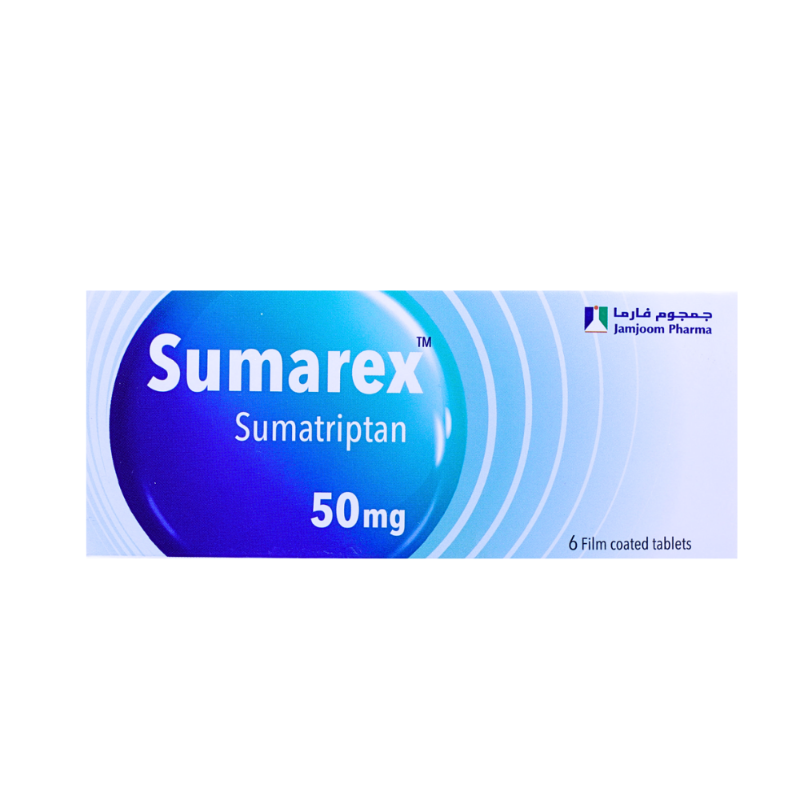
Medications > Painkillers and Antipyretics
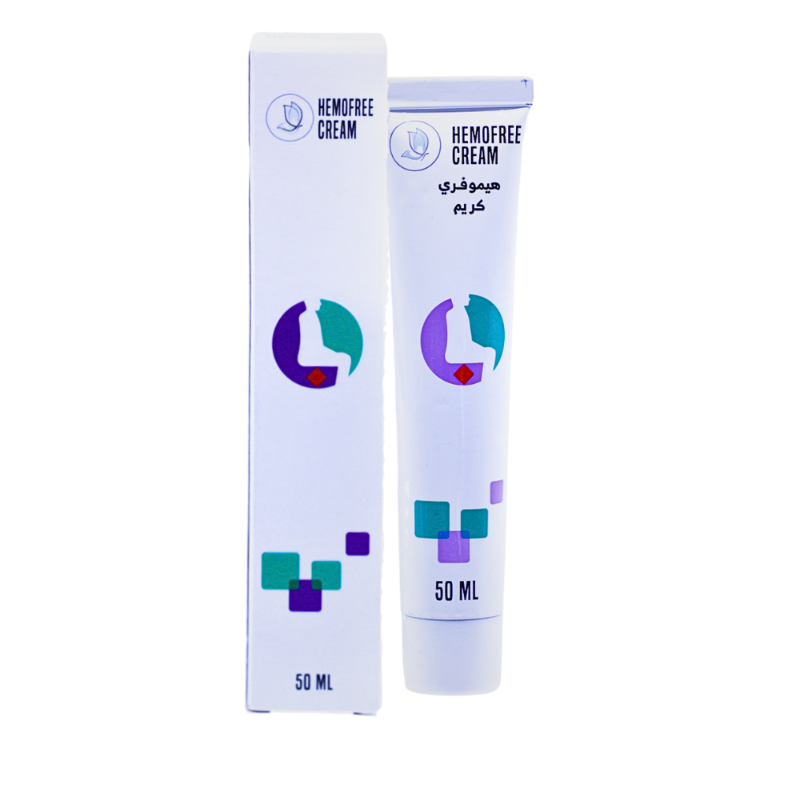
Medications > Hemorrhoid Medications
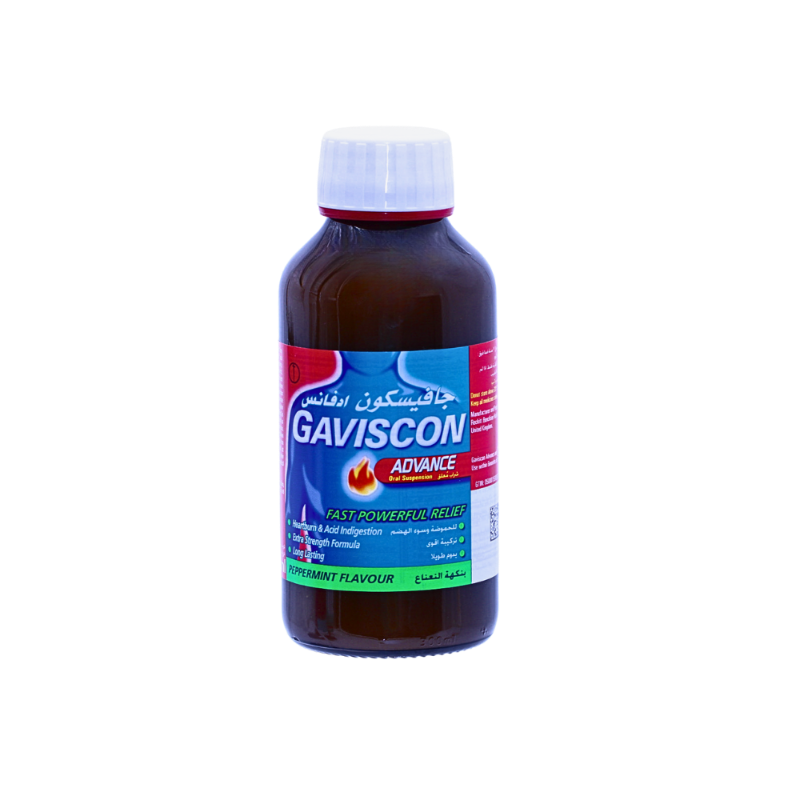
Medications > Gastrointestinal Medications
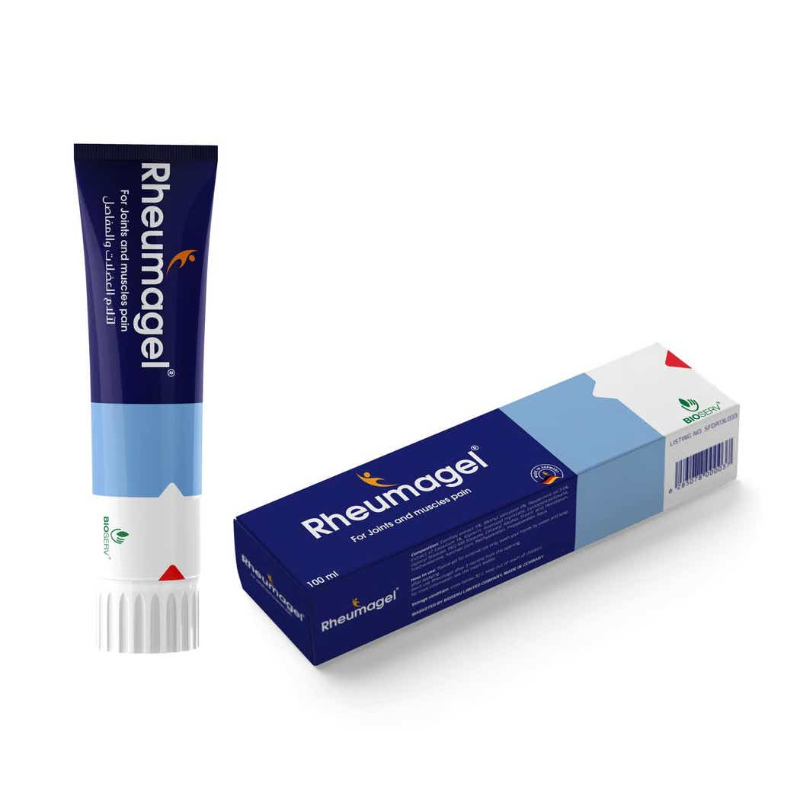
Medications > Painkillers and Antipyretics
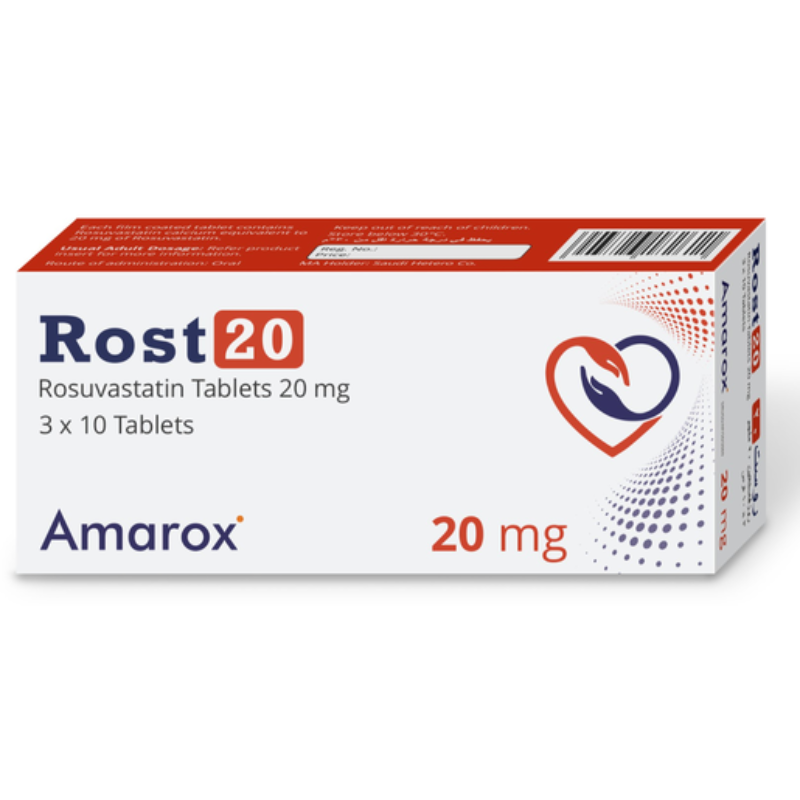
Medications > Cholesterol Medications
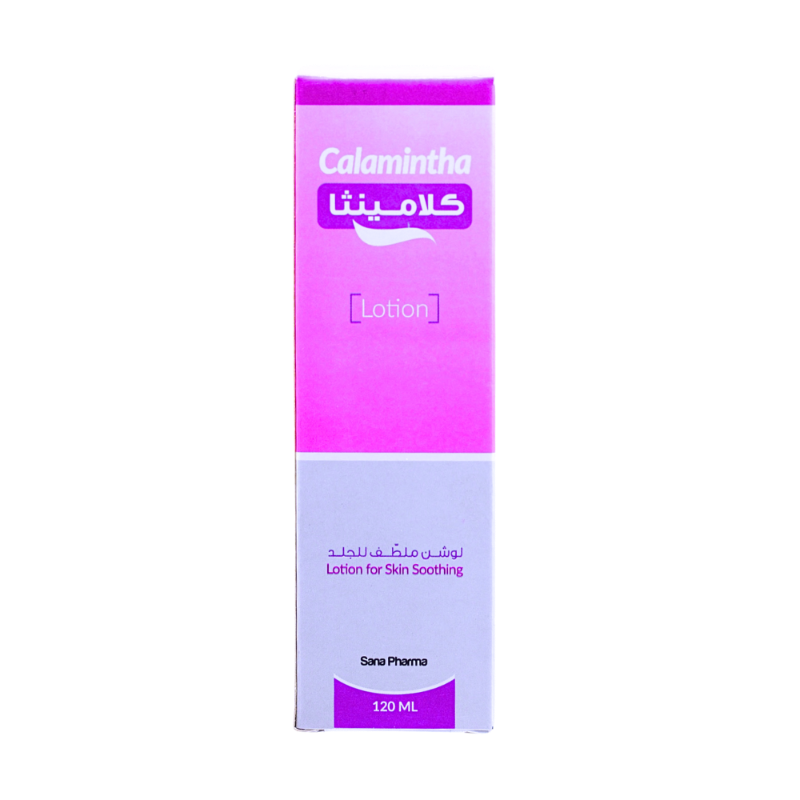
Medications > Dermatology Medications
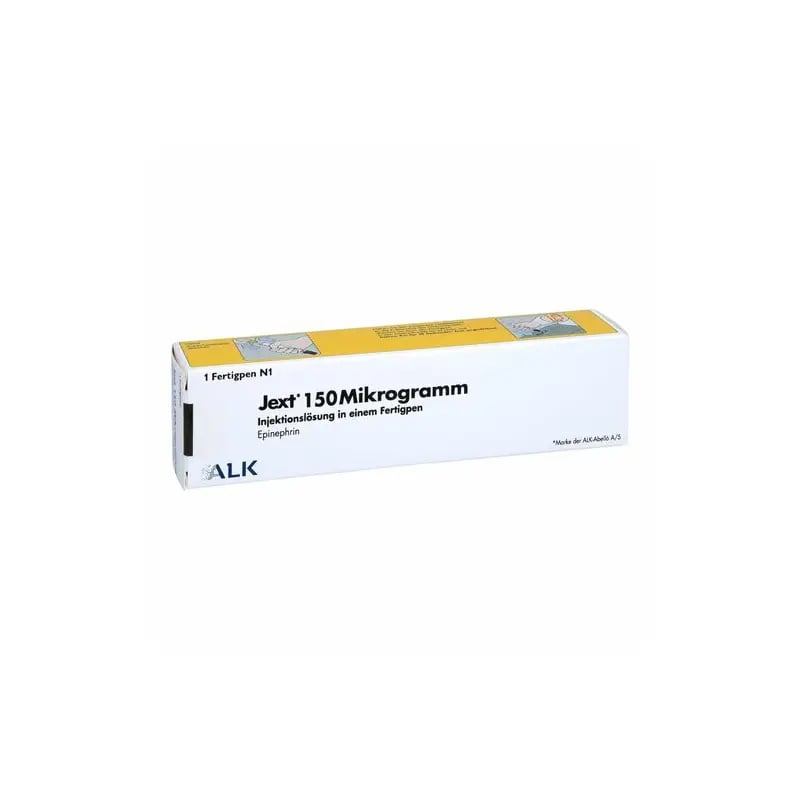
Medications > Hypertesion & Cardiovascular Medications
