
Use Code: ND30 And Get 30% OFF | Get Free Delivery With No Minimum Order
-1744229570.gif "Almujtama Pharmacy logo")




Frequently bought together
Health Care & Wellness > Diabetes Care
Health Care & Wellness > Diabetes Care
Health Care & Wellness > Diabetes Care
Skin And Body Care > Moisturizers
Skin And Body Care > Moisturizers
Skin And Body Care > Moisturizers
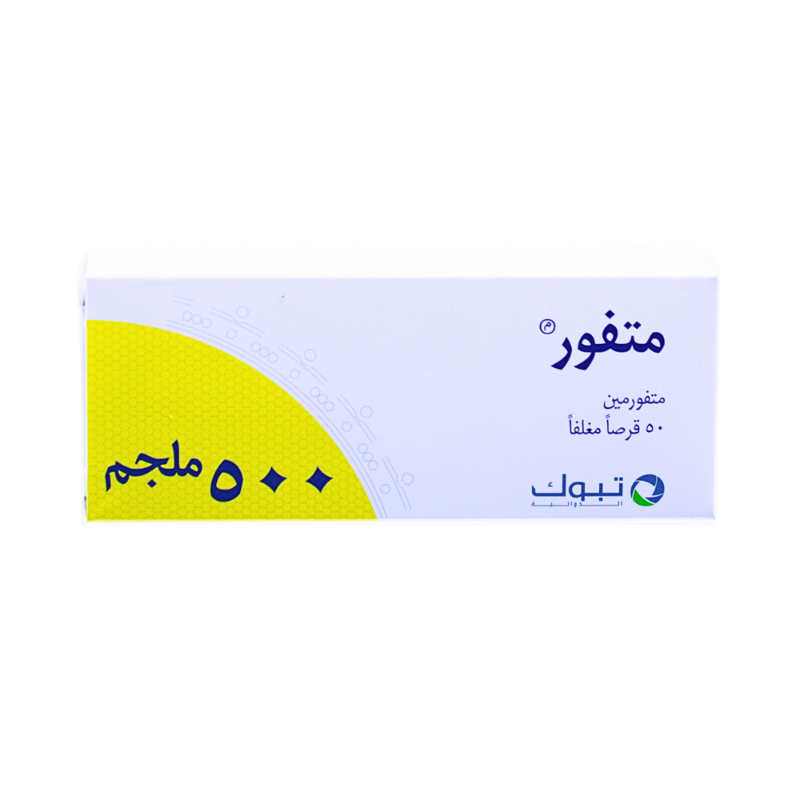
METFOR 500/MG FC TAB 50/FC TAB
- Sku : I-003819
Key features
METFOR 500 mg film-coated tablet (METFOR) contains the active ingredient metformin hydrochloride. It lowers blood glucose by decreasing hepatic gluconeogenesis and intestinal glucose absorption while improving insulin sensitivity and peripheral glucose uptake, with AMPK activation a key mediator. It is indicated for the management of type 2 diabetes mellitus as an adjunct to diet and exercise, either as monotherapy or in combination with other antidiabetic agents, including insulin. Available as film-coated tablets in a pack of 50.- Brand: METFOR
- Active Ingredient: METFORMIN HYDROCHLORIDE
- Strength: 500mg
- Dosage Form: Film-coated tablet
- Pack Size: 50 Tablets
- Route: Oral use
- Prescription Status: Prescription
- Therapeutic Class: Antidiabetic
- Pharmacological Group: Biguanides
- Drug Class: Biguanide Antidiabetic Agent
- Manufacturer: TABUK PHARMACEUTICAL MANUFACTURING CO.
- Country of Origin: Saudi Arabia
- SFDA Registration No.: 1110211114
- Shelf Life: 36 months
- Storage: store below 30°c
- Diabetes Type: Type 2
Frequently bought together
Health Care & Wellness > Diabetes Care
Health Care & Wellness > Diabetes Care
Health Care & Wellness > Diabetes Care
Skin And Body Care > Moisturizers
Skin And Body Care > Moisturizers
Skin And Body Care > Moisturizers
Indications
Approved Uses
Type 2 diabetes mellitus: as an adjunct to diet and exercise, used as monotherapy or in combination with other antidiabetic agents (including insulin) when appropriate.
Dosage & Administration
Initial Dose
500mg twice daily or 850mg once daily, taken with meals.
Maintenance Dose
1500-2000 mg/day in 2-3 divided doses
How to Take
Swallow the film‑coated tablet whole with water; take with or immediately after meals (divide doses with meals if taken more than once daily) to reduce gastrointestinal adverse effects.
Safety & Warnings
Contraindications
Contraindicated in: eGFR <30 mL/min/1.73 m²; acute or chronic metabolic acidosis (including DKA); hypersensitivity to metformin.
Drug Interactions
Drug Interactions
Key interactions: iodinated contrast media (temporarily withhold in at-risk patients); alcohol (↑ lactic acidosis risk); carbonic anhydrase inhibitors e.g., topiramate (↑ metabolic/lactic acidosis risk); cationic drugs that reduce renal tubular secretion/clearance (e.g., cimetidine, ranolazine) (↑ metformin levels); insulin/secretagogues (↑ hypoglycemia risk); drugs that can impair renal function or raise glucose (e.g., diuretics, corticosteroids).
Food Interaction
Take with food
Special Populations
Elderly
Start at lower dose, titrate slowly, monitor renal function regularly; dose selection should be conservative due to potential decrease in renal function; contraindicated if eGFR <30 mL/min/1.73m²
Kidney Impairment
eGFR ≥60: no adjustment, monitor at least annually; eGFR 45-59: continue, monitor every 3-6 months; eGFR 30-44: do not initiate-if already on, consider dose reduction and close monitoring (every ~3 months) and reassess benefit/risk; eGFR <30: contraindicated.
Liver Impairment
Avoid use in patients with hepatic impairment/clinical or laboratory evidence of hepatic disease (no dose-adjustment strategy recommended).
Storage & Patient Advice
Monitoring Requirements
Monitor renal function (eGFR) before initiation and at least annually (more often if eGFR <60 or in the elderly/at risk); monitor glycemic control (HbA1c about every 3 months until stable then every 3-6 months, plus SMBG as appropriate); check vitamin B12 periodically during long‑term therapy (especially if anemia/neuropathy).
Pharmacology
Mechanism of Action
Decreases hepatic glucose production (gluconeogenesis), decreases intestinal glucose absorption, and improves insulin sensitivity by increasing peripheral glucose uptake/utilization (AMPK activation is a key proposed mediator).
Half-Life
Plasma elimination half‑life is about 6 hours (commonly reported range ~4-8.7 hours); the apparent half‑life in whole blood is longer (~17 hours) due to erythrocyte distribution.
Bioavailability
50-60% (under fasting conditions)
Metabolism
Metformin is not metabolized (including not hepatically metabolized) and is excreted unchanged in the urine via renal tubular secretion.
Excretion
Eliminated by the kidneys largely as unchanged drug (via tubular secretion and glomerular filtration).
Product Information
Diabetes Type
Type 2
Reviewed by Al Mujtama Pharmacy Medical Review Team. Last reviewed 04-06-2026
Similar Products
Medications > Eye and Ear Medications
Medications > Painkillers and Antipyretics
Medications > Painkillers and Antipyretics
Medications > Eye and Ear Medications
Medications > Painkillers and Antipyretics
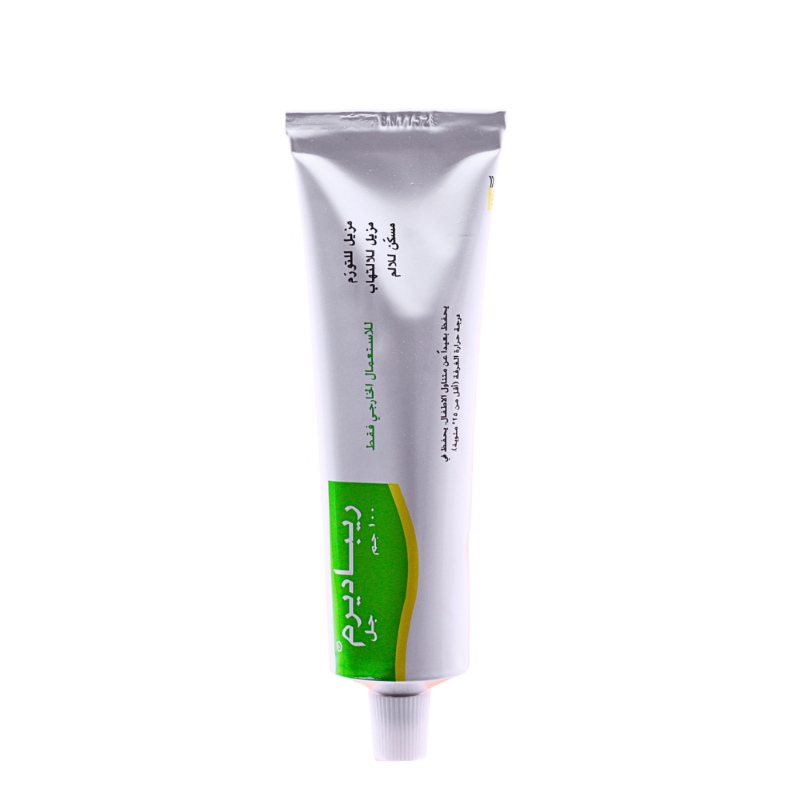
Medications > Painkillers and Antipyretics
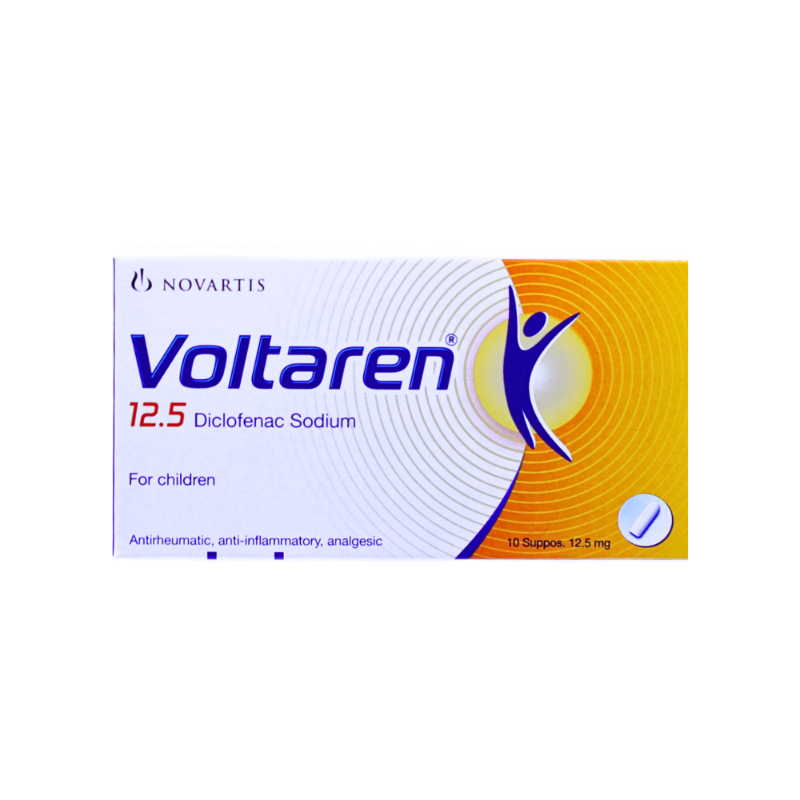
Medications > Painkillers and Antipyretics
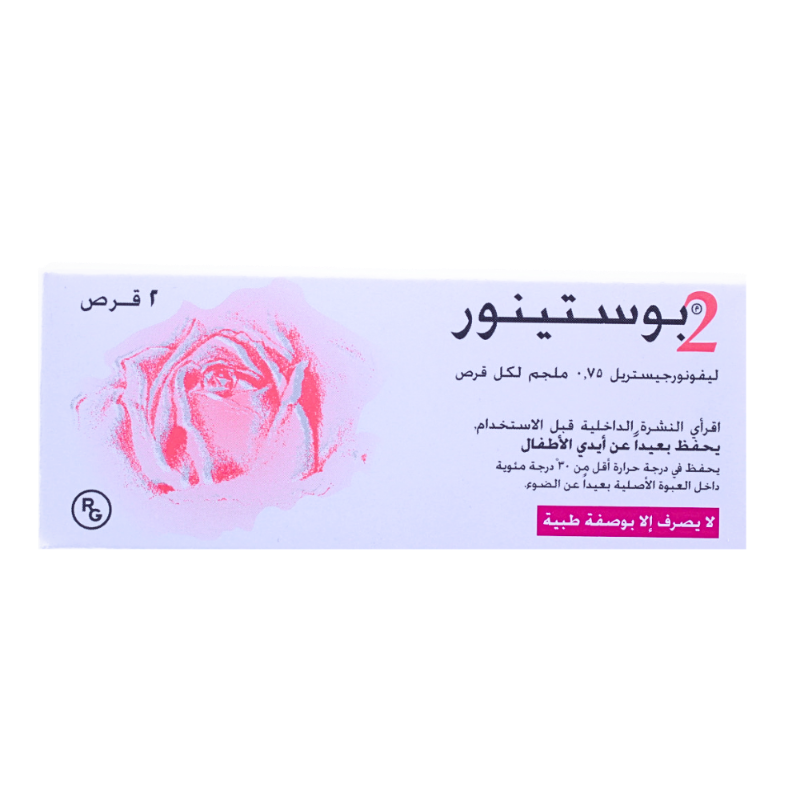
Medications > Contraceptives and Hormonal Medications
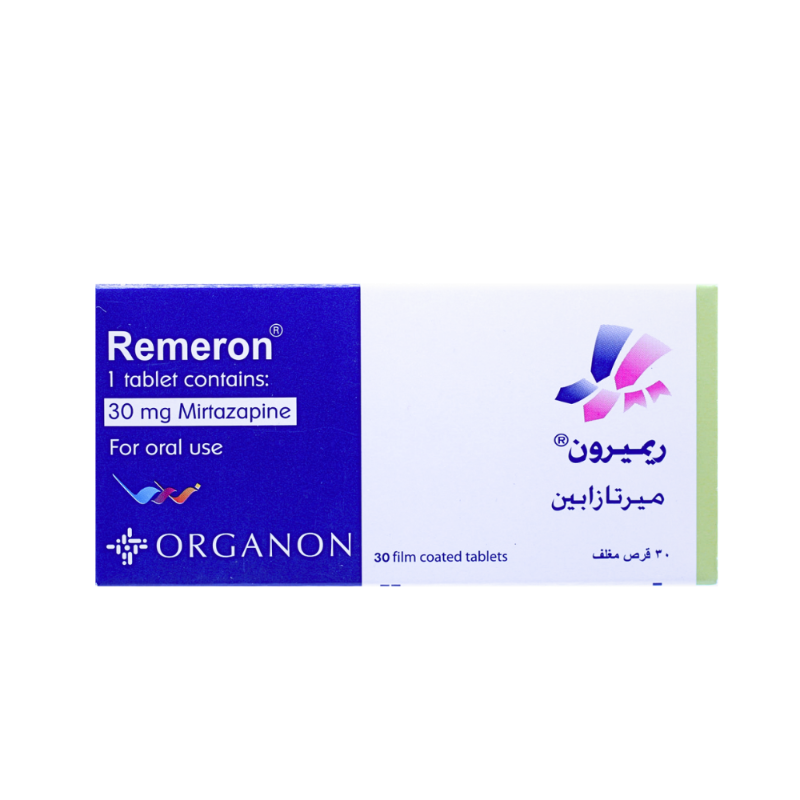
Medications > Psychiatric Medications
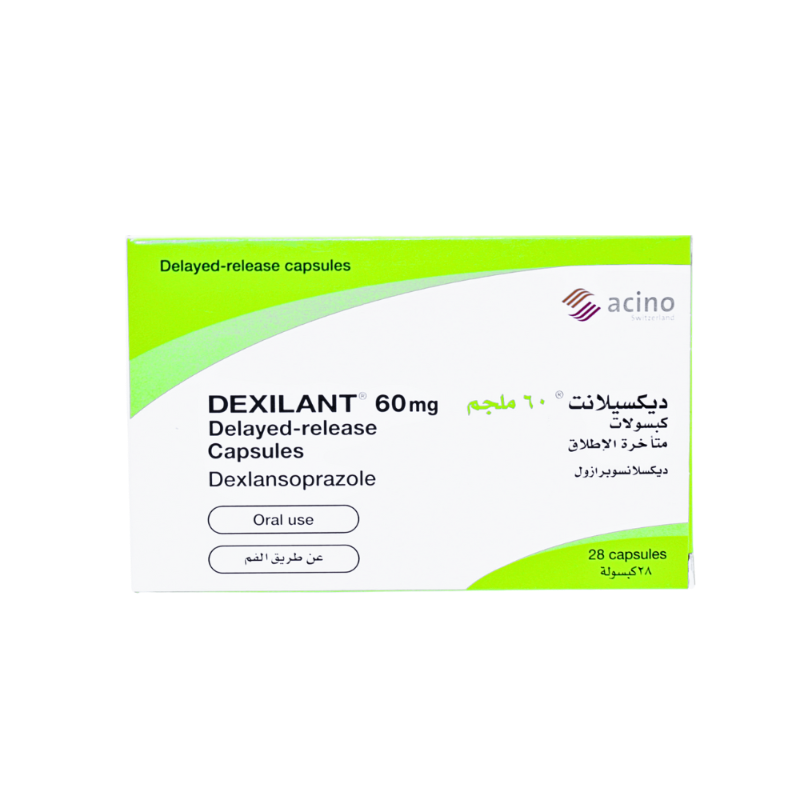
Medications > Gastrointestinal Medications
