
Use Code: ND30 And Get 30% OFF | Get Free Delivery With No Minimum Order
-1744229570.gif "Almujtama Pharmacy logo")




Frequently bought together
Vitamins & Supplements > Omega-3 Supplements
Vitamins & Supplements > Sleeping aid supplements
Vitamins & Supplements > Sleeping aid supplements
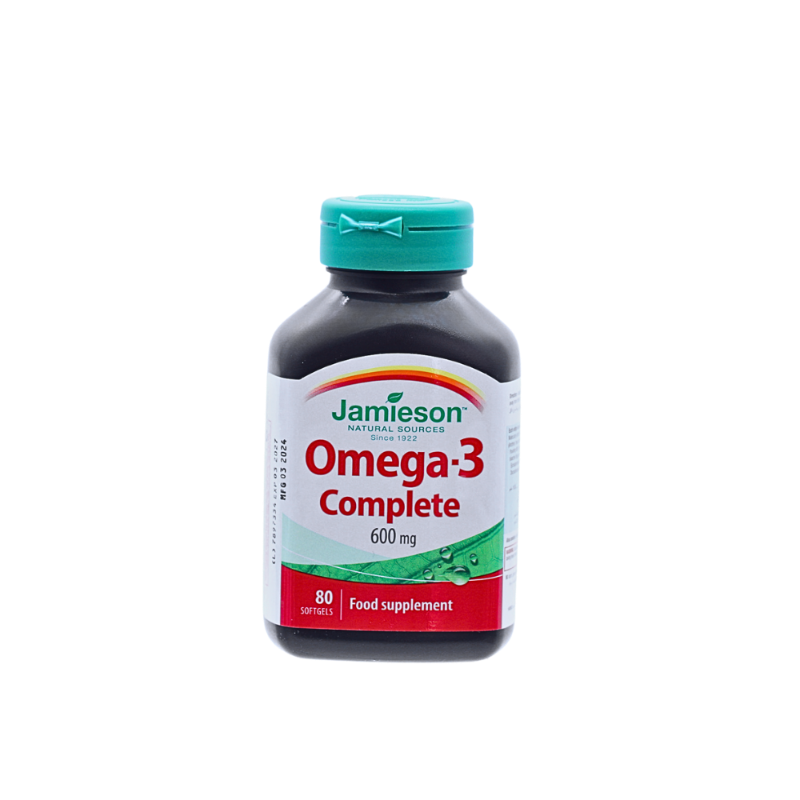
Vitamins & Supplements > Omega-3 Supplements
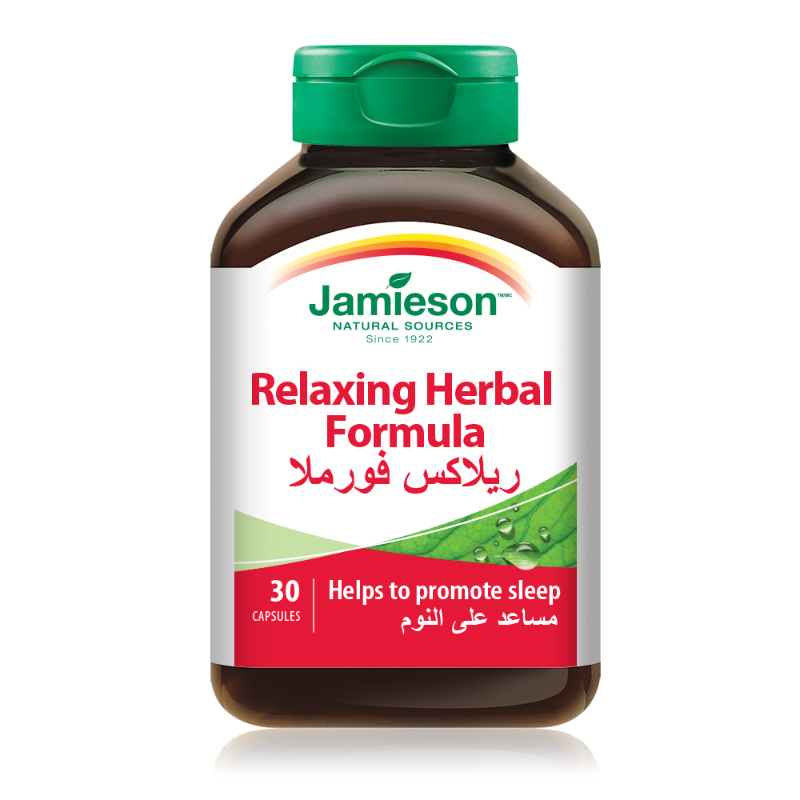
Vitamins & Supplements > Sleeping aid supplements
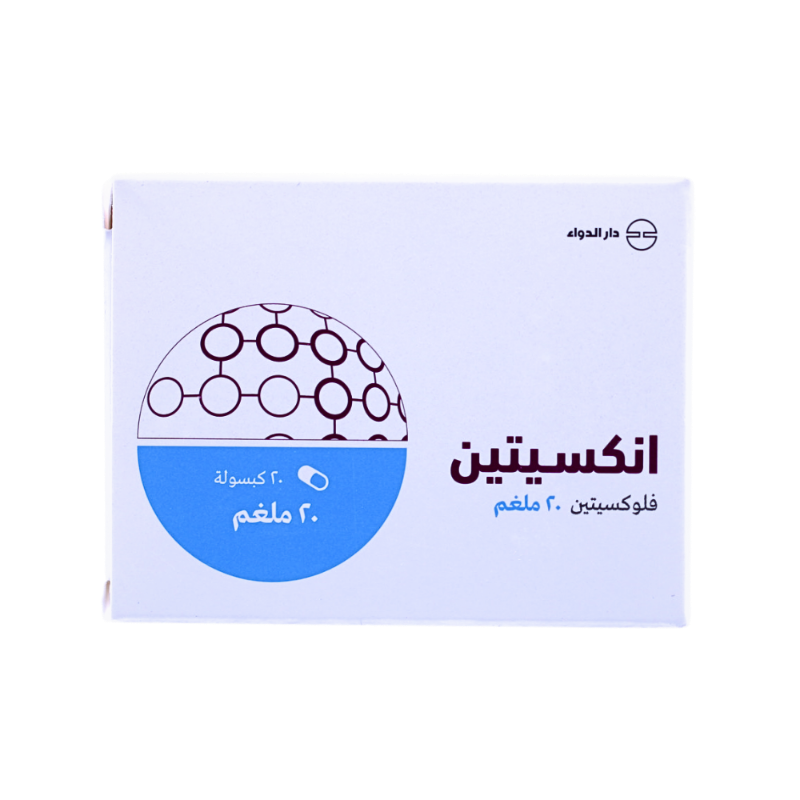
ANXETIN 20/MG CAP 20/CAP
- Sku : I-000246
Key features
Anxetin 20 mg Capsules are a prescription capsule medicine containing fluoxetine 20 mg. It works as a selective serotonin reuptake inhibitor (SSRI) by increasing serotonin levels in the brain. It is used for major depressive disorder, obsessive-compulsive disorder, panic disorder, bulimia nervosa, premenstrual dysphoric disorder, and bipolar depression when used with olanzapine. It is supplied as a pack of 20 capsules.- Brand: ANXETIN
- Active Ingredient: FLUOXETINE
- Strength: 20mg
- Dosage Form: Capsule
- Pack Size: 20 Capsules
- Route: Oral use
- Prescription Status: Prescription
- Therapeutic Class: Psychiatric
- Pharmacological Group: SSRIs
- Drug Class: SSRI Antidepressant (Selective Serotonin Reuptake Inhibitor)
- Manufacturer: DAR ALDAWA
- Country of Origin: Jordan
- SFDA Registration No.: 2809222659
- Shelf Life: 36 months
- Storage: store below 30°c
- Psych Class: Antidepressant-SSRI
- Controlled Substance: No
Frequently bought together
Vitamins & Supplements > Omega-3 Supplements
Vitamins & Supplements > Sleeping aid supplements
Vitamins & Supplements > Sleeping aid supplements
Vitamins & Supplements > Omega-3 Supplements
Vitamins & Supplements > Sleeping aid supplements
Indications
Approved Uses
Major depressive disorder (MDD), obsessive-compulsive disorder (OCD), panic disorder, bulimia nervosa, premenstrual dysphoric disorder (PMDD), bipolar depression (as adjunct with olanzapine)
Off-Label Uses
Common off-label uses include generalized anxiety disorder, PTSD, social anxiety disorder, binge-eating disorder, and premature ejaculation.
Dosage & Administration
Dosing by Condition
Major depressive disorder: start 20 mg once daily; typical range 20-60 mg/day; max 80 mg/day. OCD: start 20 mg/day; typical range 20-60 mg/day; max 80 mg/day. Panic disorder: start 10 mg/day then increase to 20 mg/day; max 60 mg/day. Bulimia nervosa: 60 mg/day. PMDD: 20 mg/day either continuously or intermittently (luteal-phase dosing).
Initial Dose
20 mg once daily in the morning.
Maintenance Dose
20-60mg once daily
Maximum Dose
80 mg per day for depression and OCD; 60 mg per day for panic disorder and bulimia.
Children's Dosage
OCD (ages 7-17): Initial 10mg/day, may increase to 20-60mg/day. MDD (ages 8-18): Initial 10mg/day, may increase to 20mg/day after 1 week. Lower weight children: 10-20mg/day. Not approved for children under 7 years
Dose Adjustment Notes
If response is inadequate, increase gradually after several weeks; use lower or less frequent dosing in hepatic impairment and consider lower dosing in the elderly; when switching with MAOIs: wait at least 14 days after stopping an MAOI before starting fluoxetine, and wait at least 5 weeks after stopping fluoxetine before starting an MAOI.
How to Take
Swallow the capsule whole with water; may be taken with or without food; usually taken once daily in the morning (if activating/insomnia occurs, avoid late-day dosing).
Side Effects
Common Side Effects
Nausea, headache, insomnia, somnolence/drowsiness, diarrhea, dry mouth, anxiety/nervousness, tremor, sweating, decreased appetite/weight loss, fatigue/weakness, and sexual dysfunction (e.g., decreased libido, delayed ejaculation/anorgasmia).
Side Effect Frequency
Very common (≥10%): nausea, headache, insomnia, diarrhea; sexual dysfunction is common to very common depending on definition/study. Common (1-10%): anxiety/nervousness, decreased appetite/anorexia, tremor, dizziness, dry mouth, dyspepsia, sweating, abnormal dreams, fatigue/somnolence. Rare/serious: hyponatremia/SIADH, seizures, mania/hypomania, serotonin syndrome, abnormal bleeding, angle-closure glaucoma; QT prolongation is uncommon/rare and not a typical frequent effect at usual doses.
Safety & Warnings
Contraindications
Contraindicated with: (1) concomitant use of MAOIs or within 14 days of stopping an MAOI, and do not start an MAOI within 5 weeks of stopping fluoxetine; (2) concomitant use with thioridazine; (3) concomitant use with pimozide; (4) known hypersensitivity to fluoxetine.
Warnings & Precautions
Key warnings/precautions: monitor for clinical worsening/suicidality (especially children/adolescents/young adults) during initiation and dose changes; risk of serotonin syndrome with serotonergic drugs; screen for bipolar disorder and monitor for mania/hypomania; increased bleeding risk with NSAIDs/antiplatelets/anticoagulants; hyponatremia/SIADH risk (higher in elderly/diuretics); seizure risk (use caution in seizure disorders); consider QT prolongation risk and avoid interacting QT-prolonging agents; use lower/less frequent dosing in hepatic impairment; taper when discontinuing when feasible.
Age Restriction
Not approved for MDD in children under 8 years or for OCD in children under 7 years
Driving Warning
May Cause Drowsiness
Drug Interactions
Drug Interactions
Major interactions include: MAOIs (contraindicated; serotonin syndrome), linezolid or IV methylene blue (avoid/contraindicated due to serotonin syndrome risk), thioridazine and pimozide (contraindicated; QT prolongation/arrhythmia), other serotonergic agents (e.g., triptans, tramadol, lithium, other SSRIs/SNRIs/TCAs, St John’s wort-serotonin syndrome), anticoagulants/antiplatelets/NSAIDs (increased bleeding), and CYP2D6 substrates with narrow therapeutic index (fluoxetine is a strong CYP2D6 inhibitor-can increase levels of TCAs and some antipsychotics).
Interaction Severity
MAJOR/contraindicated: MAOIs (including linezolid and IV methylene blue) due to serotonin syndrome risk; thioridazine and pimozide due to QT prolongation/arrhythmia risk. MODERATE/clinically significant: other serotonergic agents (e.g., tramadol, triptans, TCAs, lithium, St. John’s wort) and anticoagulants/antiplatelets/NSAIDs (increased bleeding risk); CYP2D6 substrates with narrow therapeutic index (e.g., TCAs, some antipsychotics) may have increased levels.
Food Interaction
No clinically significant food restrictions; may be taken with or without food.
Alcohol Interaction
Avoid
Special Populations
Pregnancy
Category C
Children
OCD (ages 7-17): Initial 10mg/day, may increase to 20-60mg/day. MDD (ages 8-18): Initial 10mg/day, may increase to 20mg/day after 1 week. Lower weight children: 10-20mg/day. Not approved for children under 7 years
Elderly
Start at lower dose (10mg/day), titrate slowly. Monitor for hyponatremia, falls, and drug interactions. Reduced clearance may necessitate lower maintenance doses.
Kidney Impairment
No routine dose adjustment is generally required in renal impairment; use caution and clinical monitoring in severe renal dysfunction.
Liver Impairment
Use a lower dose or less frequent dosing (e.g., reduced dose and/or longer dosing interval such as every other day) in hepatic impairment; use extra caution in severe hepatic disease.
Storage & Patient Advice
Missed Dose
Take the missed dose as soon as remembered the same day; if it is close to the next dose, skip the missed dose and resume the regular schedule; do not double doses.
Stopping the Medicine
Do not stop abruptly without medical advice; tapering is generally recommended, although fluoxetine’s long half-life makes discontinuation symptoms less likely/severe than many other SSRIs.
Overdose
Overdose may cause nausea/vomiting, agitation/CNS excitation, tremor, seizures, tachycardia/arrhythmias (including QT prolongation), somnolence, and serotonin syndrome; management is supportive (airway/breathing/circulation, consider activated charcoal if appropriate, treat seizures, and cardiac/ECG monitoring) and requires urgent emergency evaluation.
Patient Counseling
Take exactly as prescribed (usually once daily in the morning); may take several weeks to feel full benefit; do not stop abruptly without clinician advice; report suicidal thoughts, worsening mood, or unusual behavior changes; avoid combining with other serotonergic products (including St. John’s wort) unless advised and seek urgent care for serotonin syndrome symptoms; use caution with driving if drowsy; limit alcohol; report unusual bleeding/bruising and rash.
Monitoring Requirements
Monitor for worsening depression/suicidal ideation especially at initiation and dose changes; monitor for serotonin syndrome when combined with serotonergic drugs; monitor sodium (hyponatremia/SIADH) in older adults or at-risk patients; monitor weight/appetite; consider bleeding risk when used with NSAIDs/anticoagulants and monitor glucose in diabetics as clinically indicated.
Pharmacology
Mechanism of Action
Selective serotonin reuptake inhibitor (SSRI): inhibits presynaptic serotonin (5‑HT) reuptake, increasing synaptic serotonin; minimal direct affinity for muscarinic, histaminic, or adrenergic receptors compared with TCAs.
Onset of Action
Initial symptom improvement may be seen in 1-2 weeks; full antidepressant effect typically requires 4-6 weeks.
Metabolism
Hepatic metabolism to active norfluoxetine primarily via CYP2D6; other CYPs (notably CYP2C9 and CYP3A4) also contribute.
Excretion
Excreted mainly in urine as metabolites (≈60%); the remainder is excreted in feces (≈15%) with minimal unchanged drug.
Product Information
Available Dosage Forms
For this SFDA product: oral capsule (20 mg). In general fluoxetine is also available in tablets/capsules and oral solution; a delayed-release capsule formulation is not a standard fluoxetine dosage form (that is typical of some other SSRIs).
Composition per Dose
Each capsule: 20mg fluoxetine (as fluoxetine hydrochloride)
Generic Availability
Yes
OTC Alternatives
No OTC alternative
Psych Class
Antidepressant-SSRI
Controlled Substance
No
Reviewed by Al Mujtama Pharmacy Medical Review Team. Last reviewed 10-05-2026
Similar Products
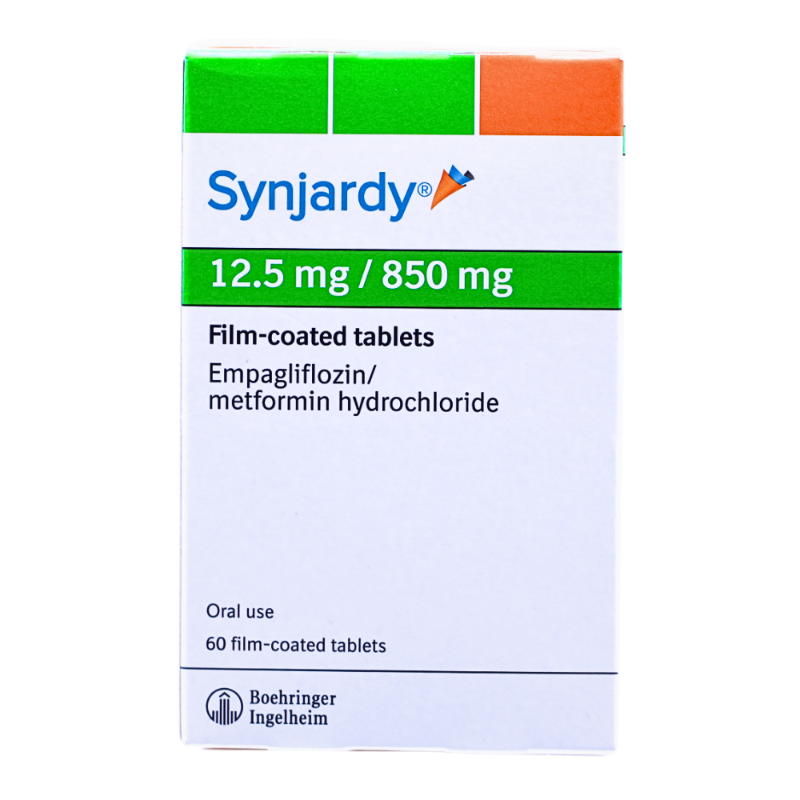
Medications > Diabetes Medications
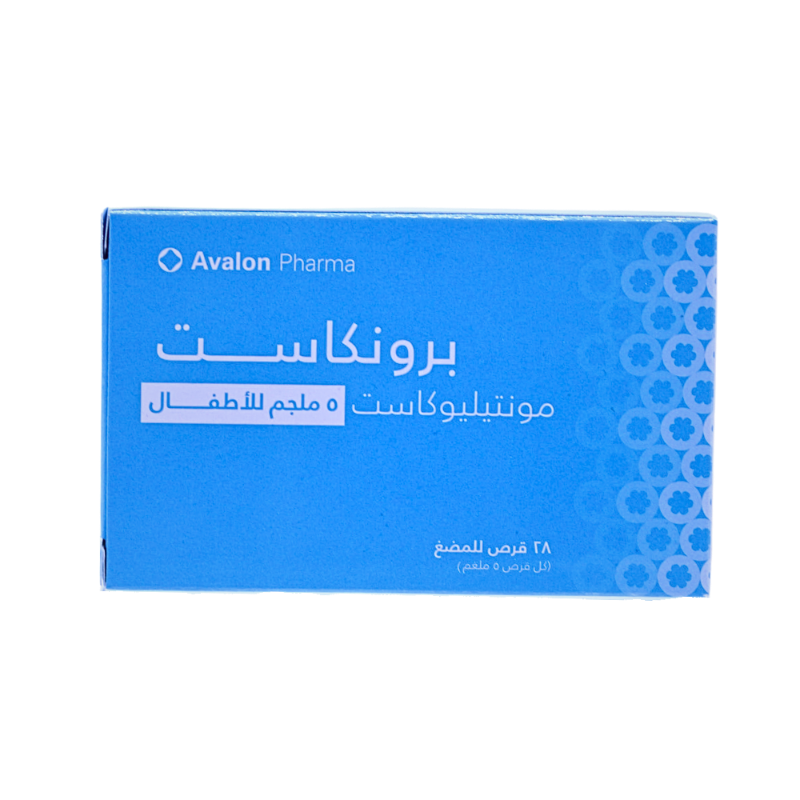
Medications > Cold, Cough, and Allergy Medications
Medications > Cholesterol Medications
Medications > Psychiatric Medications
Medications > Other Medicines
Medications > Psychiatric Medications
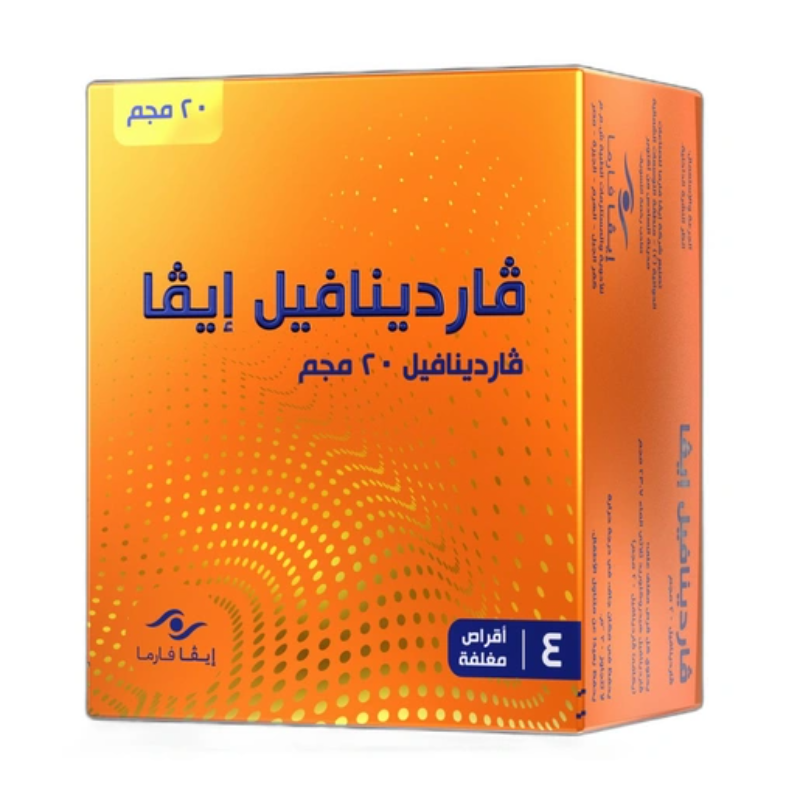
Medications > Sexual Health
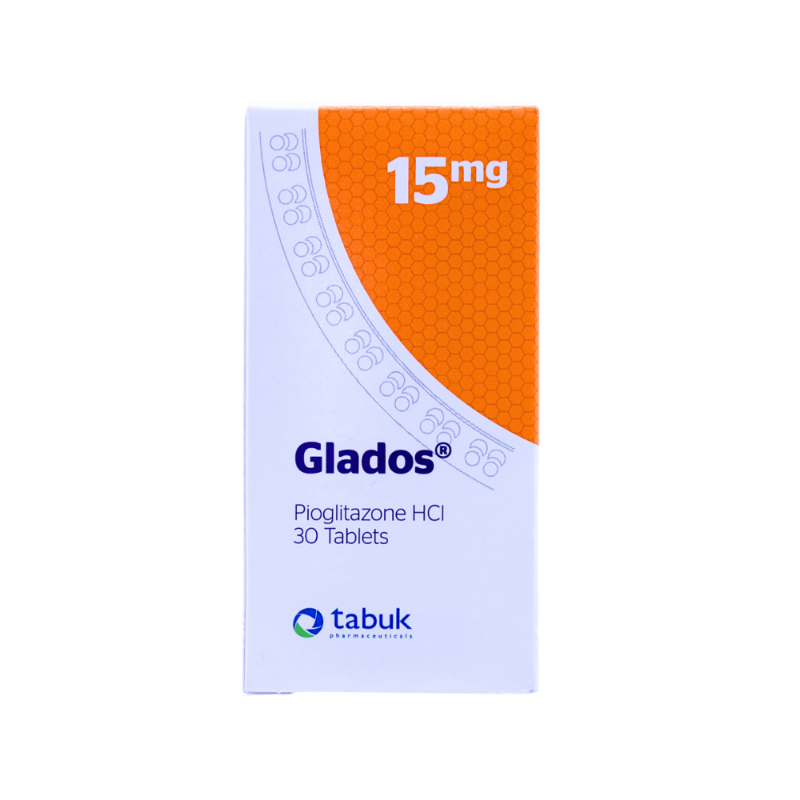
Medications > Diabetes Medications
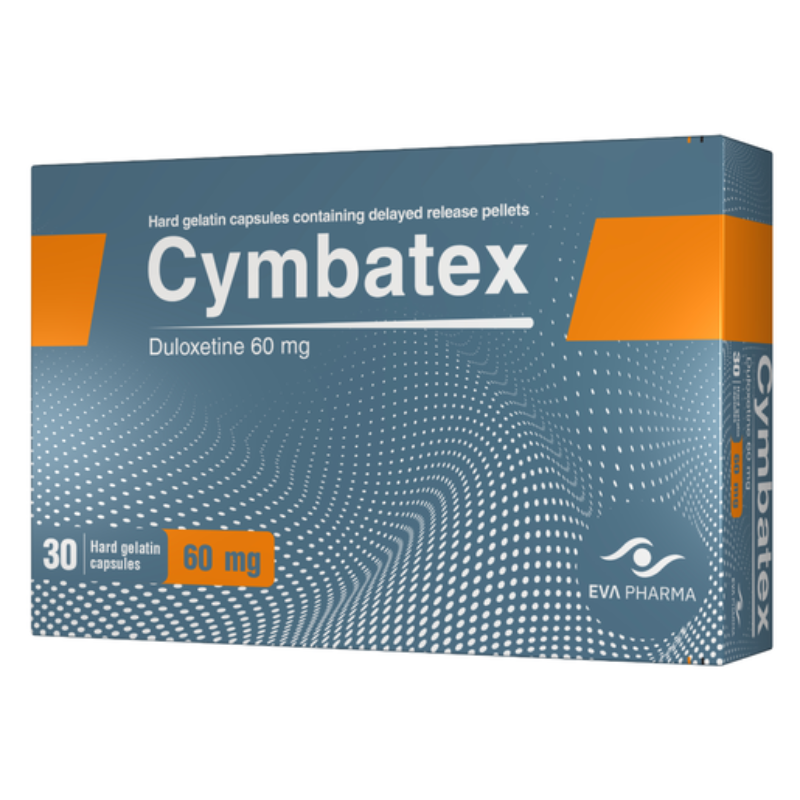
Medications > Anticonvulsants and antiepileptics
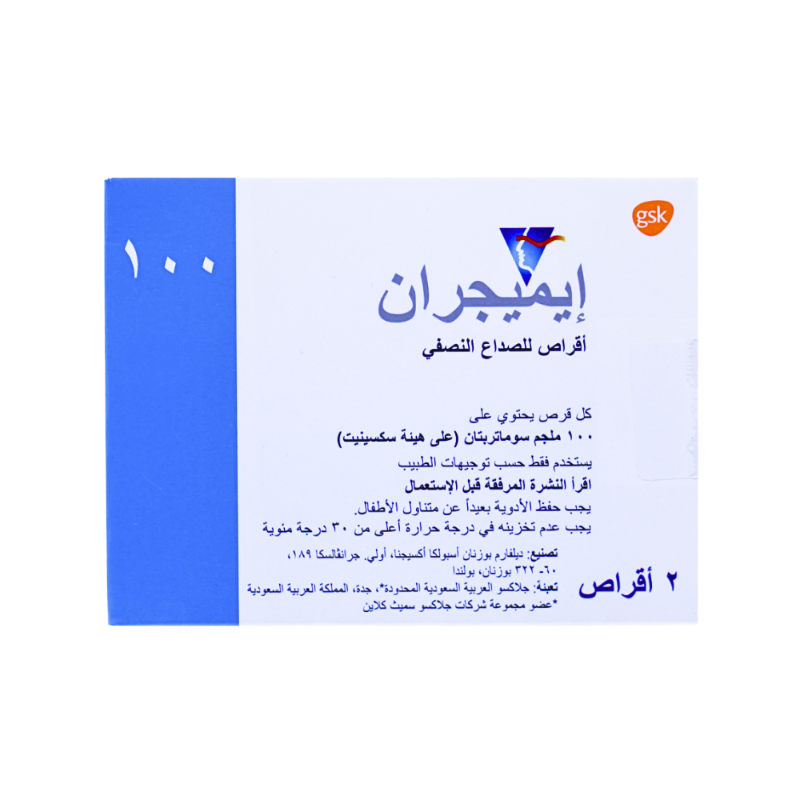
Medications > Painkillers and Antipyretics
