
Use Code: ND30 And Get 30% OFF | Get Free Delivery With No Minimum Order
-1744229570.gif "Almujtama Pharmacy logo")
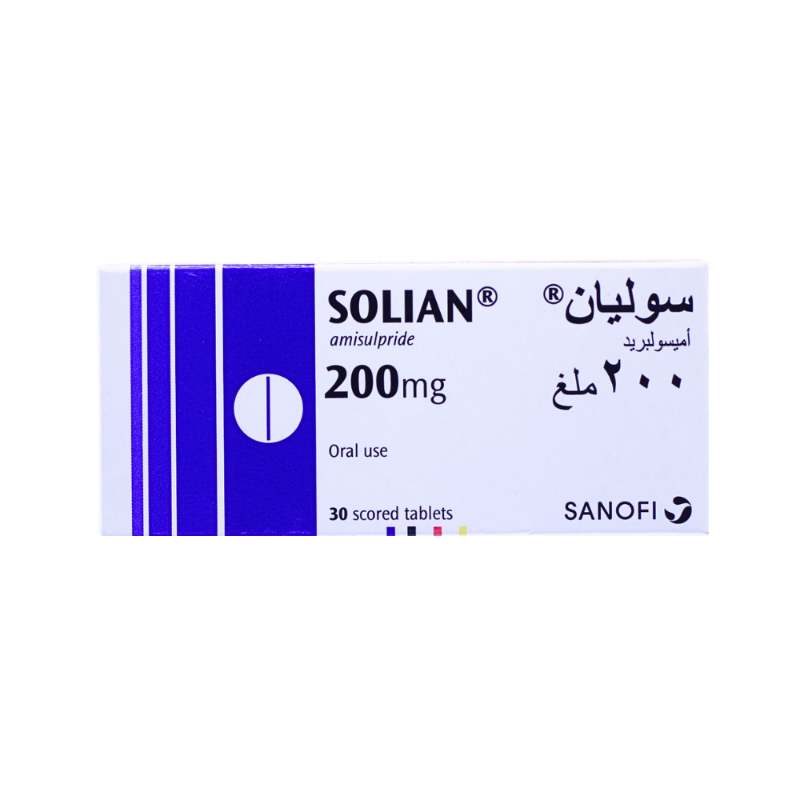




Frequently bought together
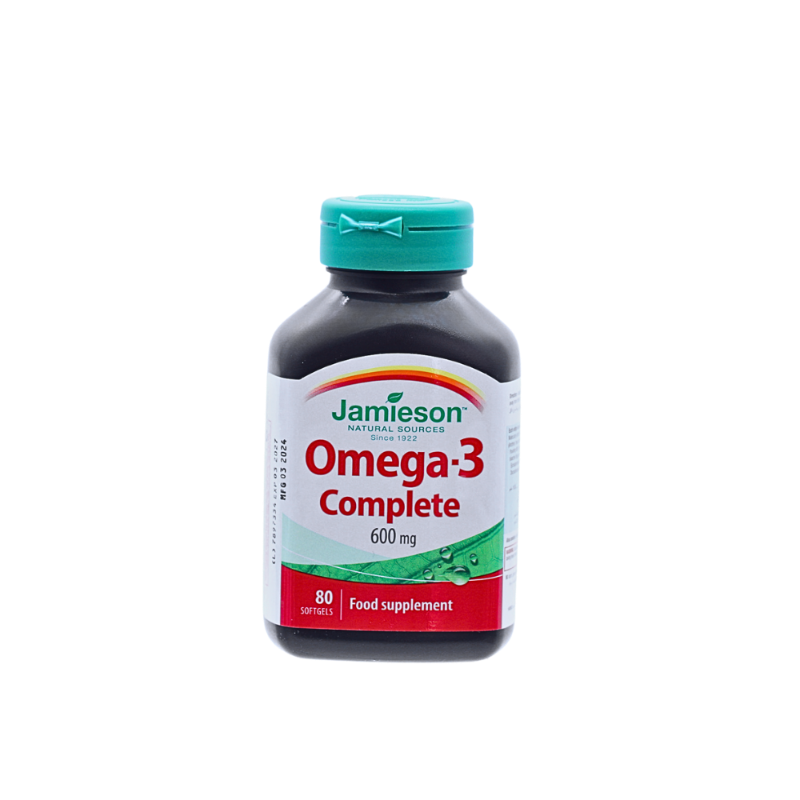
Vitamins & Supplements > Omega-3 Supplements
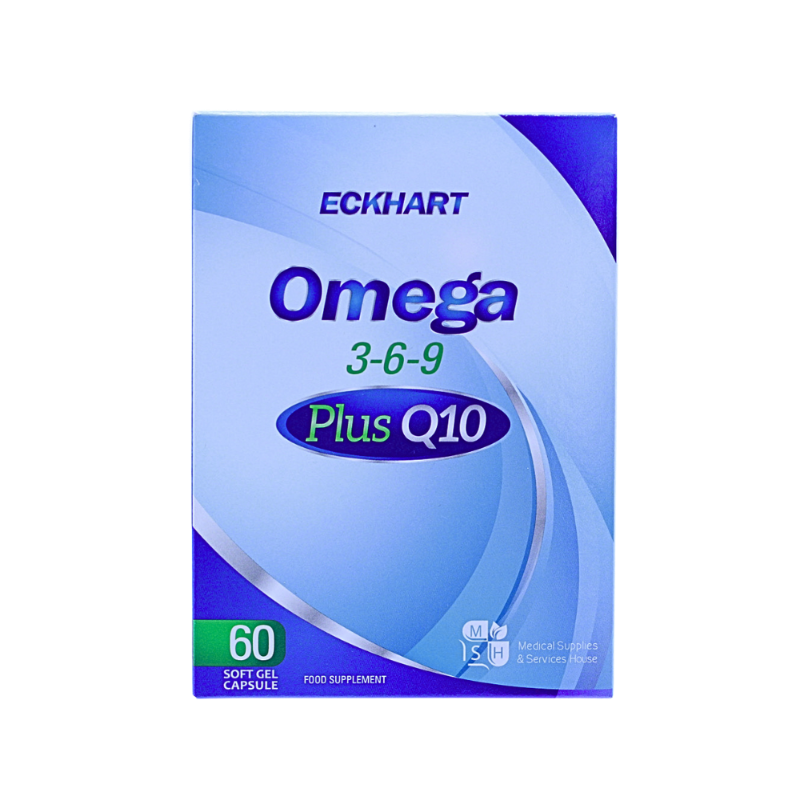
Vitamins & Supplements > Omega-3 Supplements

Vitamins & Supplements > Sleeping aid supplements
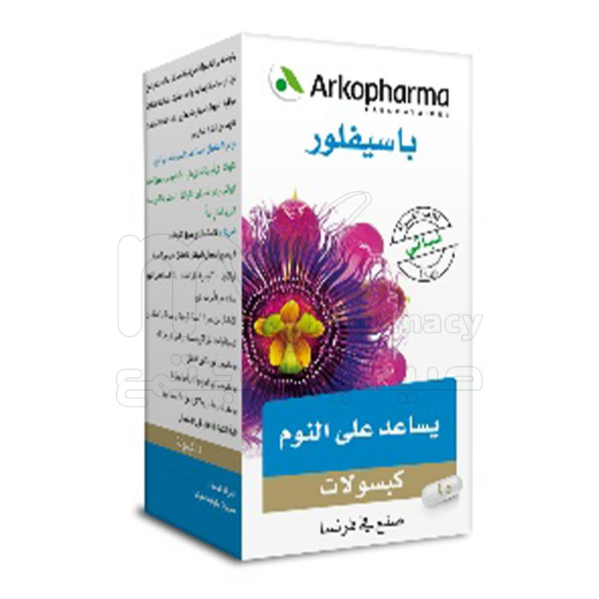
Vitamins & Supplements > Sleeping aid supplements
Vitamins & Supplements > Omega-3 Supplements
Vitamins & Supplements > Sleeping aid supplements
SOLIAN 200MG 30TAB
- Sku : I-006038
Key features
Solian 200mg Tablet is a prescription tablet containing amisulpride, an atypical antipsychotic medicine. It works by selectively blocking dopamine D2/D3 receptors to help balance dopaminergic activity in the brain. It is used for the treatment of schizophrenia, including acute and chronic disorders with prominent positive and/or negative symptoms. It is available as a pack of 30 tablets.- Brand: SOLIAN
- Active Ingredient: AMISULPRIDE
- Strength: 200mg
- Dosage Form: Tablet
- Pack Size: 30 Tablets
- Route: Oral use
- Prescription Status: Prescription
- Therapeutic Class: Psychiatric
- Pharmacological Group: Antipsychotics
- Drug Class: Atypical antipsychotic; substituted benzamide derivative; selective dopamine D2/D3 receptor antagonist.
- Manufacturer: Delpharm Dijon
- Country of Origin: France
- SFDA Registration No.: 4-883-16
- Shelf Life: 36 months
- Storage: do not store above 30°c
- Psych Class: Antipsychotic-Atypical
- Controlled Substance: No
Frequently bought together
Vitamins & Supplements > Omega-3 Supplements
Vitamins & Supplements > Omega-3 Supplements
Vitamins & Supplements > Sleeping aid supplements
Vitamins & Supplements > Sleeping aid supplements
Vitamins & Supplements > Omega-3 Supplements
Vitamins & Supplements > Sleeping aid supplements
Indications
Approved Uses
Treatment of schizophrenia, including acute and chronic schizophrenic disorders with prominent positive symptoms and/or negative symptoms.
Off-Label Uses
Off-label uses vary by jurisdiction; evidence exists for adjunctive treatment in depressive disorders (e.g., dysthymia or treatment-resistant depression augmentation) and some other psychiatric conditions, but these are not SFDA-verified indications and should be specialist-directed.
Dosage & Administration
Dosing by Condition
Predominantly negative symptoms: 50-300 mg/day (often once daily). Acute psychotic episodes/mixed symptoms: 400-800 mg/day (usually in 2 divided doses); may be increased up to 1200 mg/day in severe cases per specialist direction; maintenance at the lowest effective dose.
Initial Dose
For acute psychotic episodes, 400-800 mg/day in divided doses. For predominant negative symptoms, 50-100 mg/day.
Maintenance Dose
Should be established individually with the minimally effective dose, typically between 100-600 mg/day.
Maximum Dose
1200 mg/day.
Children's Dosage
Not approved for children. Contraindicated in children before the onset of puberty. Use from puberty to 18 years is not recommended.
Dose Adjustment Notes
Dose reduction is required in renal impairment (amisulpride is primarily renally eliminated); use the lowest effective dose and divide higher daily doses. Avoid abrupt discontinuation when possible-taper gradually to reduce relapse/withdrawal phenomena.
Side Effects
Common Side Effects
Common/clinically important adverse effects include extrapyramidal symptoms (e.g., tremor, rigidity, akathisia), hyperprolactinemia (galactorrhea, amenorrhea, gynecomastia, sexual dysfunction), weight gain, insomnia/anxiety/agitation or somnolence, gastrointestinal effects (constipation, nausea/vomiting), and QT interval prolongation.
Side Effect Frequency
Very common (>10%): hyperprolactinemia (and related effects) and extrapyramidal symptoms; Common (1-10%): insomnia, anxiety/agitation, somnolence, GI effects (e.g., constipation, nausea), weight gain; QT prolongation is a recognized risk/ADR (frequency varies by source).
Safety & Warnings
Contraindications
Hypersensitivity to amisulpride/excipients; pheochromocytoma; prolactin-dependent tumors (e.g., pituitary prolactinoma, breast cancer); concomitant use with levodopa; breastfeeding (lactation); severe renal impairment (CrCl <10 mL/min).
Warnings & Precautions
QT prolongation risk-avoid other QT-prolonging drugs, correct electrolytes, consider baseline/periodic ECG in at-risk patients; risk of NMS-stop immediately if suspected; tardive dyskinesia with long-term use; hyperprolactinemia (monitor for symptoms); lowers seizure threshold; venous thromboembolism risk; caution in cardiovascular disease, Parkinson’s disease, epilepsy, and renal impairment; increased mortality and cerebrovascular adverse events risk in elderly patients with dementia; monitor metabolic parameters (weight/glucose/lipids) as clinically indicated.
Age Restriction
Not approved under 18 years.
Driving Warning
May Cause Drowsiness
Drug Interactions
Drug Interactions
Major: levodopa/dopamine agonists (mutual antagonism-avoid/contraindicated); QT-prolonging drugs (e.g., class IA/III antiarrhythmics, certain antipsychotics, macrolides/fluoroquinolones, methadone) and drugs causing hypokalemia/hypomagnesemia (e.g., loop/thiazide diuretics, amphotericin B)-increased torsades risk. Moderate: CNS depressants/alcohol (additive sedation); antihypertensives (additive hypotension). Caution: lithium (increased risk of neurotoxicity/NMS).
Interaction Severity
MAJOR/AVOID: concomitant levodopa or dopamine agonists (pharmacodynamic antagonism) and other QT-prolonging drugs (e.g., class IA/III antiarrhythmics such as quinidine/amiodarone/sotalol, certain antipsychotics like thioridazine/droperidol, and QT-prolonging antibiotics like moxifloxacin) due to torsades risk. MODERATE: CNS depressants (additive sedation), agents causing hypokalemia/hypomagnesemia (increased arrhythmia risk), and antihypertensives (additive hypotension).
Special Populations
Pregnancy
Consult Doctor
Children
Not approved for children. Contraindicated in children before the onset of puberty. Use from puberty to 18 years is not recommended.
Elderly
Start at lower doses and titrate slowly; increased sensitivity to extrapyramidal effects, hypotension, and QT prolongation; monitor renal function; not recommended for dementia-related psychosis
Kidney Impairment
CrCl 30-60 mL/min: use 50% of usual dose; CrCl 10-30 mL/min: use one-third of usual dose; CrCl <10 mL/min: contraindicated/avoid.
Liver Impairment
No dose adjustment generally required in hepatic impairment.
Storage & Patient Advice
Stopping the Medicine
Do not stop abruptly; taper gradually under medical supervision to reduce withdrawal symptoms and relapse/recurrence of psychosis.
Overdose
Symptoms: sedation/CNS depression up to coma, hypotension, extrapyramidal symptoms, QT prolongation and torsades de pointes (± bradycardia). Management: immediate emergency care, supportive/symptomatic treatment, consider activated charcoal if early, continuous ECG/cardiac monitoring and correction of electrolytes; no specific antidote; hemodialysis is of limited value.
Patient Counseling
Take exactly as prescribed (oral tablets; store below 30°C per SFDA); do not stop abruptly without medical advice. May cause dizziness/somnolence-avoid driving/machinery until effects are known; avoid alcohol and other sedatives. Seek urgent care for palpitations, fainting, severe dizziness, or signs of neuroleptic malignant syndrome (fever, severe rigidity, confusion). Discuss prolactin-related effects (breast changes, milk secretion, menstrual/sexual changes) and attend recommended follow-up (ECG/electrolytes/renal and other monitoring as advised).
Monitoring Requirements
Baseline and follow-up: ECG/QTc in patients with cardiac disease, risk factors, or when combined with QT-prolonging drugs; monitor potassium and magnesium (and correct abnormalities). Also monitor renal function, weight/BMI and metabolic parameters as clinically indicated, and assess for extrapyramidal symptoms and hyperprolactinemia symptoms (consider prolactin if symptomatic).
Pharmacology
Mechanism of Action
Selective dopamine D2/D3 receptor antagonist: at lower doses preferentially blocks presynaptic autoreceptors (increasing dopamine transmission), while at higher doses blocks postsynaptic D2/D3 receptors to reduce dopaminergic hyperactivity; minimal affinity for serotonin, histamine, muscarinic, and adrenergic receptors.
Onset of Action
Within a few days for initial effects; noticeable improvement usually within 1-2 weeks; full response may take 4-6 weeks or longer.
Duration of Effect
Clinical effect begins within days; meaningful symptom improvement typically within 1-2 weeks; full antipsychotic response may take 4-6 weeks or longer.
Half-Life
Approximately 12 hours (terminal elimination half-life).
Metabolism
Minimal hepatic metabolism; not significantly CYP-mediated; two inactive metabolites have been identified.
Protein Binding
Plasma protein binding ranges from 25% to 30% in the concentration range from 37 to 1850 ng/mL
Product Information
Available Dosage Forms
Tablet, Injectable solution.
Composition per Dose
Each tablet: 200 mg amisulpride
OTC Alternatives
No OTC alternative
Psych Class
Antipsychotic-Atypical
Controlled Substance
No
Reviewed by Al Mujtama Pharmacy Medical Review Team. Last reviewed 12-05-2026
Similar Products
Medications > Gastrointestinal Medications
Medications > Eye and Ear Medications
Medications > Other Medicines
Medications > Painkillers and Antipyretics

Medications > Painkillers and Antipyretics
Medications > Painkillers and Antipyretics
Medications > Diabetes Medications
Medications > Painkillers and Antipyretics
Medications > Painkillers and Antipyretics
Medications > Painkillers and Antipyretics
