
Use Code: ND30 And Get 30% OFF | Get Free Delivery With No Minimum Order
-1744229570.gif "Almujtama Pharmacy logo")
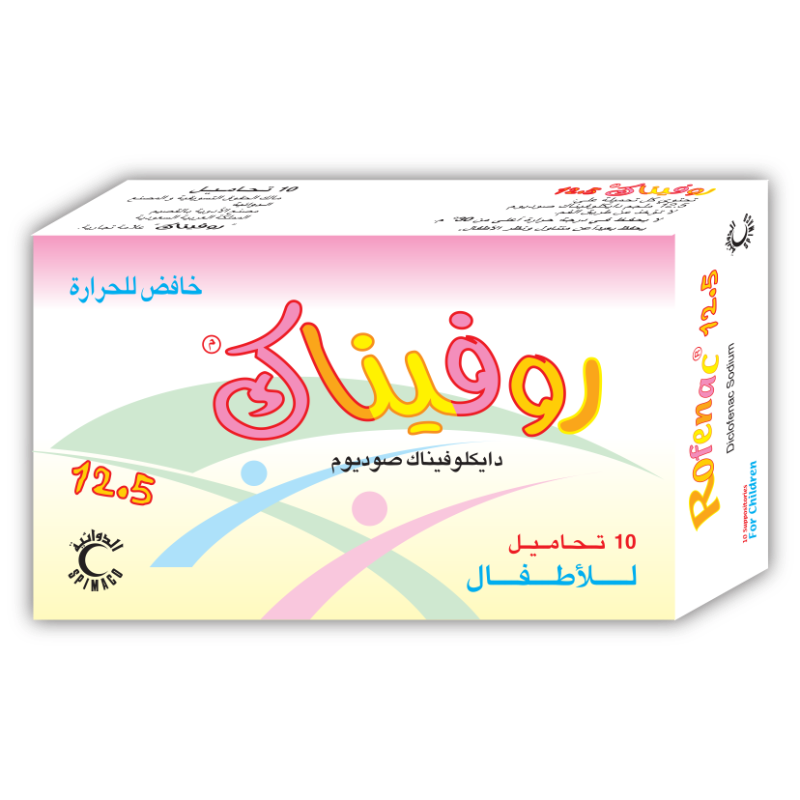




Frequently bought together
Health Care & Wellness > Medical Supplies
Skin And Body Care > Moisturizers
Skin And Body Care > Moisturizers
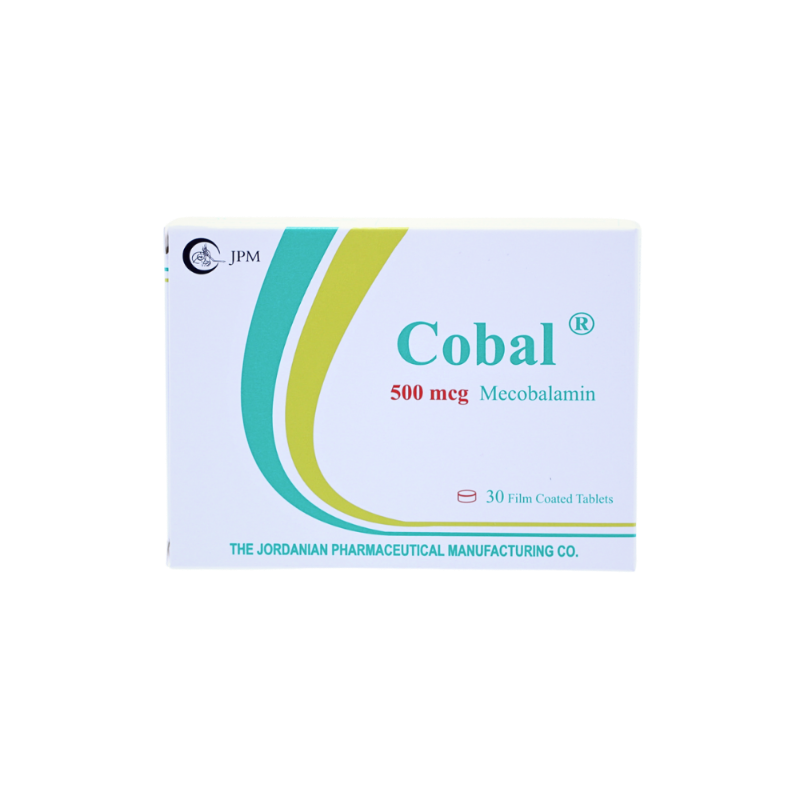
Vitamins & Supplements > Vitamins and Minerals
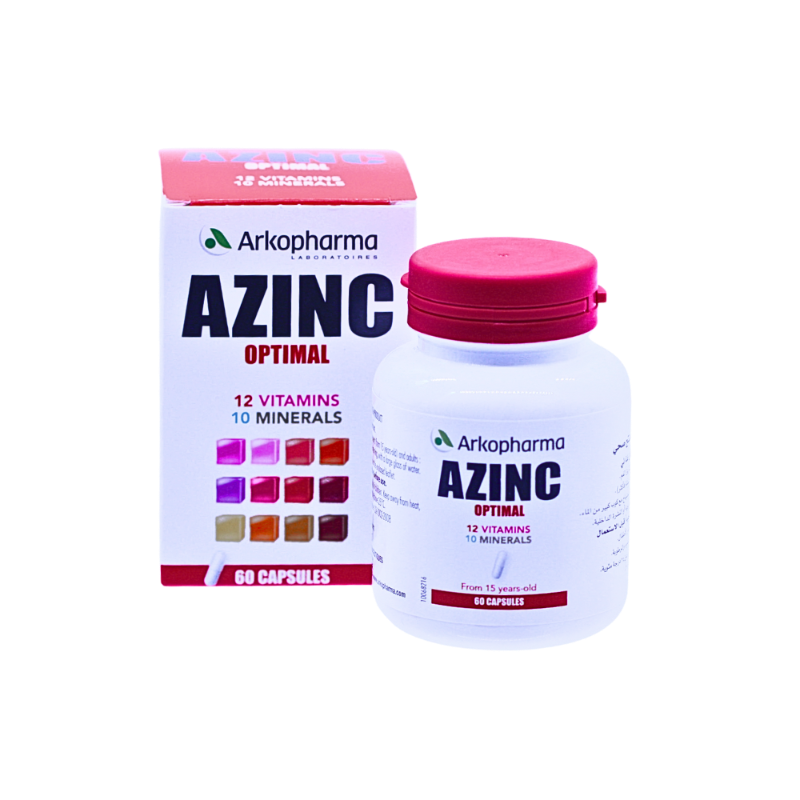
Vitamins & Supplements > Vitamins and Minerals
ROFENAC 12.5/MG SUPP FOR CHILDREN 10/SUPP
- Sku : I-005622
Key features
ROFENAC 12.5/MG SUPP FOR CHILDREN is a suppository formulation containing diclofenac sodium 12.5 mg. It inhibits cyclo-oxygenase enzymes (COX-1 and COX-2), reducing prostaglandin synthesis and thereby decreasing inflammation, pain and fever. It is indicated for symptomatic relief of pain and inflammation in children for short-term treatment of pain and/or fever, such as postoperative, musculoskeletal or inflammatory pain. Available by prescription in a pack of 10 suppositories.- Brand: ROFENAC
- Active Ingredient: DICLOFENAC SODIUM 12.5mg
- Strength: 12.5mg
- Dosage Form: Suppository
- Pack Size: 10 Suppositories
- Route: Rectal use
- Prescription Status: Prescription
- Therapeutic Class: Analgesic
- Pharmacological Group: Acetic Acid Derivatives (NSAIDs)
- Drug Class: Nonsteroidal anti-inflammatory drug (NSAID); non-selective cyclo-oxygenase (COX-1/COX-2) inhibitor; acetic-acid derivative (ATC M01AB05).
- Manufacturer: SPIMACO
- Country of Origin: Saudi Arabia
- SFDA Registration No.: 94-212-99
- Shelf Life: 24 months
- Storage: store below 30°c
- Pain Type: General/Muscular/Joint
- Nsaid: Yes
- Opioid: No
Frequently bought together
Health Care & Wellness > Medical Supplies
Skin And Body Care > Moisturizers
Skin And Body Care > Moisturizers
Vitamins & Supplements > Vitamins and Minerals
Vitamins & Supplements > Vitamins and Minerals
Indications
Approved Uses
Symptomatic relief of pain and inflammation where diclofenac is indicated; in children, commonly used for short-term treatment of pain and/or fever when prescribed (e.g., postoperative pain, musculoskeletal/inflammatory pain).
Dosage & Administration
Dosing by Condition
Pediatric analgesia/antipyresis (rectal): 0.5-1 mg/kg per dose every 8-12 hours as needed; maximum 3 mg/kg/day (do not exceed adult maximums).
Initial Dose
For children, single dose 0.5 mg/kg body weight rectally.
Maintenance Dose
0.5-2 mg/kg body weight daily in divided doses.
Maximum Dose
Children (rectal): Maximum total daily dose 3 mg/kg/day, given in 2-3 divided doses.
Children's Dosage
For children aged 1 year and over, the recommended dose is 0.5-2 mg/kg body weight daily, in 2-3 divided doses, depending on the severity of the condition. For juvenile rheumatoid arthritis, the daily dose can be increased up to a maximum of 3 mg/kg in divided doses.
Dose Adjustment Notes
Use the lowest effective dose for the shortest duration; use caution in renal or hepatic impairment and avoid in severe renal/hepatic failure; consider dose reduction/close monitoring in impairment and in dehydration.
How to Take
For rectal use only: remove the suppository from the blister, insert gently into the rectum (preferably after a bowel movement) with the child lying on their side; hold the buttocks together briefly and keep the child lying down for a few minutes; wash hands before and after. If the suppository is soft, chill briefly; if needed, moisten with water to aid insertion.
Side Effects
Common Side Effects
Common adverse effects include gastrointestinal upset (abdominal pain, nausea, vomiting, diarrhea, dyspepsia), headache/dizziness, and with rectal use local irritation/burning/discomfort; less commonly constipation and flatulence can occur.
Side Effect Frequency
Common: GI upset (nausea, abdominal pain/dyspepsia, diarrhea), headache/dizziness; rectal irritation can occur with suppositories. Uncommon: rash/pruritus, elevated liver enzymes, fluid retention/edema. Rare/very rare but serious: GI ulcer/bleeding/perforation, severe skin reactions (SJS/TEN), anaphylaxis/bronchospasm, renal impairment, hepatitis.
Safety & Warnings
Contraindications
Hypersensitivity to diclofenac/other NSAIDs (including aspirin-induced asthma/urticaria); active GI ulcer/bleeding; severe hepatic, renal, or heart failure; third trimester of pregnancy; perioperative pain in CABG surgery; proctitis/rectal bleeding (for suppository use).
Warnings & Precautions
Use the lowest effective dose for the shortest duration; caution in patients with CV disease/risk factors, hypertension, heart failure/edema, history of GI ulcer/bleed, renal impairment/dehydration, hepatic impairment, asthma/NSAID sensitivity, and in the elderly; monitor for GI bleeding, BP/edema, renal function and LFTs with ongoing use; rectal use may cause local irritation and should be avoided in proctitis/rectal bleeding.
Age Restriction
Use in children only when prescribed; generally not recommended in infants <1 year. The 12.5 mg suppository strength is typically used in children ≥1 year (weight-based dosing).
Drug Interactions
Drug Interactions
Clinically important interactions include: anticoagulants (e.g., warfarin) and antiplatelets (e.g., aspirin, clopidogrel) ↑ bleeding; other NSAIDs/aspirin ↑ GI/renal toxicity; corticosteroids and SSRIs/SNRIs ↑ GI bleeding; ACEi/ARBs + diuretics ↑ AKI risk and may blunt antihypertensive/diuretic effect; lithium ↑ levels; methotrexate ↑ toxicity; cyclosporine/tacrolimus ↑ nephrotoxicity; digoxin ↑ levels.
Interaction Severity
MAJOR: anticoagulants/antiplatelets (e.g., warfarin), other NSAIDs (including high-dose aspirin), systemic corticosteroids and SSRIs/SNRIs (↑ GI bleeding risk), methotrexate (↑ toxicity), lithium (↑ levels). MODERATE: ACE inhibitors/ARBs and diuretics (↓ antihypertensive/diuretic effect, ↑ renal risk), cyclosporine/tacrolimus (↑ nephrotoxicity).
Food Interaction
Not applicable for this rectal suppository; food does not affect rectal administration.
Special Populations
Children
For children aged 1 year and over, the recommended dose is 0.5-2 mg/kg body weight daily, in 2-3 divided doses, depending on the severity of the condition. For juvenile rheumatoid arthritis, the daily dose can be increased up to a maximum of 3 mg/kg in divided doses.
Storage & Patient Advice
Missed Dose
Use as soon as remembered if still needed; if it is close to the next scheduled dose, skip the missed dose and continue the regular schedule; do not use two doses at once.
Stopping the Medicine
Can be stopped at any time; no taper is required. If used chronically, stop and seek medical advice if symptoms recur or if stopping is due to adverse effects.
Overdose
Symptoms: nausea/vomiting, epigastric/abdominal pain, drowsiness, dizziness/headache; severe: GI bleeding, hypotension, metabolic acidosis, acute kidney injury, seizures, respiratory depression. Management: urgent medical evaluation, supportive care, monitor renal/hepatic function and bleeding; activated charcoal is considered only for recent significant oral ingestion (not applicable to rectal overdose).
Patient Counseling
For rectal use only: insert one suppository into the rectum (preferably after a bowel movement) and wash hands before/after; do not swallow. Use the lowest effective dose for the shortest duration and do not exceed the prescribed dose. Avoid using other NSAIDs (e.g., ibuprofen, naproxen, aspirin/NSAID cold products) unless the prescriber approves. Seek urgent care and stop the medicine if signs of GI bleeding occur (black/tarry stools, vomiting blood), severe abdominal pain, severe rash/skin blistering, facial swelling, wheeze or breathing difficulty, or rectal bleeding/marked rectal irritation. Use with caution in children with asthma, dehydration, kidney disease, or history of ulcer/bleeding; keep well hydrated. Prescription-only medicine-do not share.
Monitoring Requirements
If used beyond short-term: monitor for GI bleeding, blood pressure/edema, renal function (SCr/eGFR), liver function tests, and CBC periodically; monitor asthma/bronchospasm risk in susceptible patients.
Pharmacology
Mechanism of Action
Inhibits cyclooxygenase-1 (COX-1) and cyclooxygenase-2 (COX-2) enzymes, reducing prostaglandin synthesis, thereby decreasing inflammation, pain, and fever
Onset of Action
30-60 minutes
Duration of Effect
Approximately 6-8 hours for analgesic/antipyretic effect (often dosed every 8-12 hours depending on clinical need and tolerability).
Half-Life
Approximately 1-2 hours (plasma elimination half-life of diclofenac).
Bioavailability
Rectal diclofenac has variable systemic bioavailability, commonly reported around ~50-60% of oral exposure (range roughly 30-70% depending on formulation and rectal conditions).
Excretion
Excreted mainly as metabolites: ~60-70% in urine and ~30-35% via bile/feces (minimal unchanged drug).
Protein Binding
>99%
Product Information
Available Dosage Forms
Diclofenac (as a molecule) is available in multiple dosage forms globally, including rectal suppositories, oral immediate-release and enteric-coated/delayed-release tablets, extended-release tablets, topical gel/solution/patch, ophthalmic drops, and injectable formulations; availability is product- and country-specific.
Composition per Dose
Each suppository: 12.5 mg diclofenac sodium
Generic Availability
Yes
OTC Alternatives
Paracetamol (acetaminophen) is the preferred OTC alternative for fever/mild pain in children; ibuprofen is another OTC option if age/weight-appropriate and no contraindications (e.g., dehydration, renal disease, GI risk).
Pain Type
General/Muscular/Joint
Nsaid
Yes
Opioid
No
Reviewed by Al Mujtama Pharmacy Medical Review Team. Last reviewed 28-06-2026
Similar Products
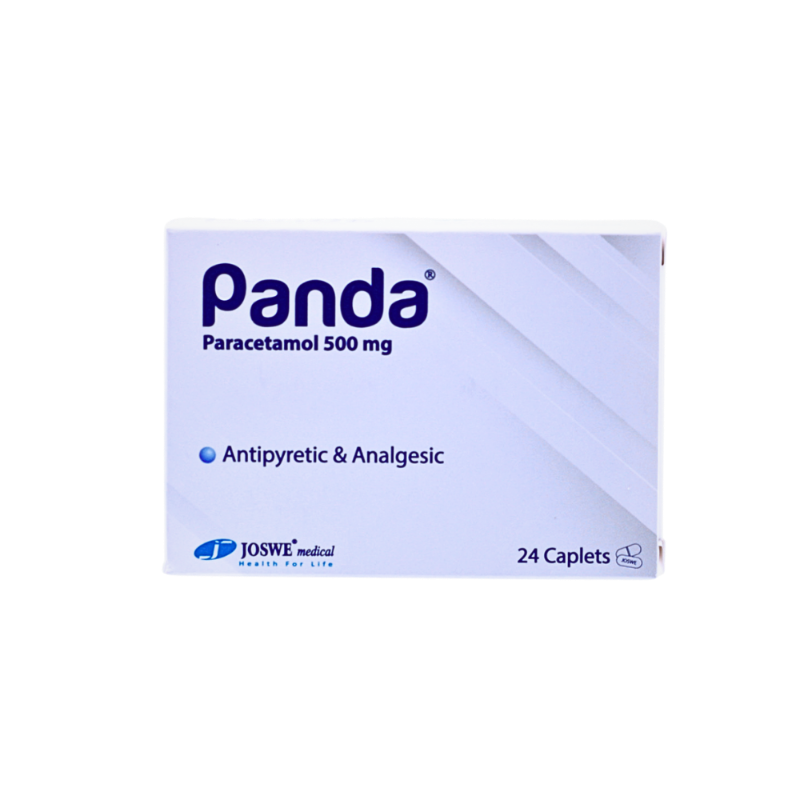
Medications > Painkillers and Antipyretics
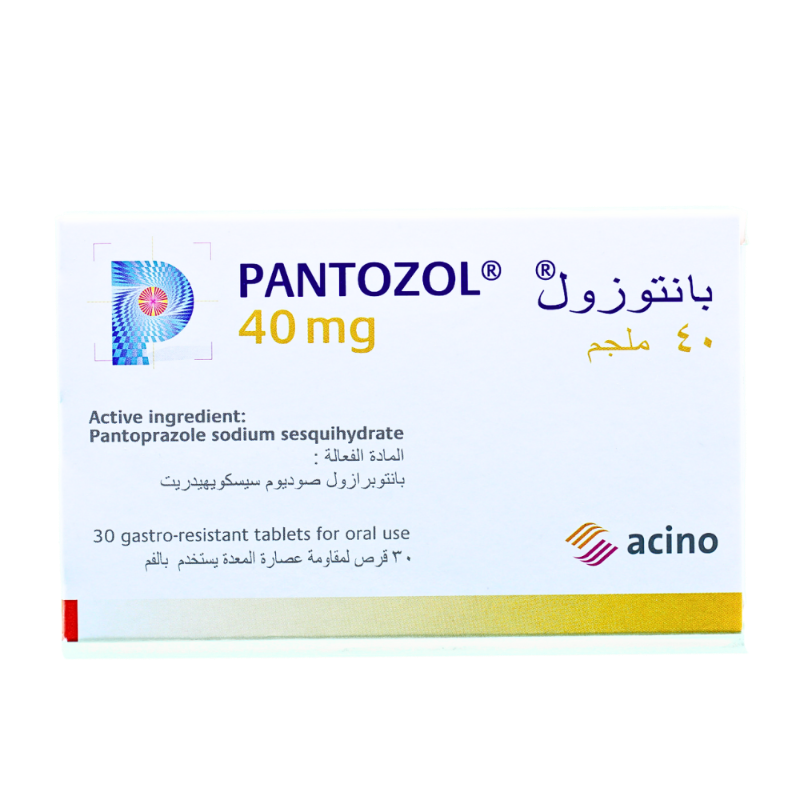
Medications > Gastrointestinal Medications
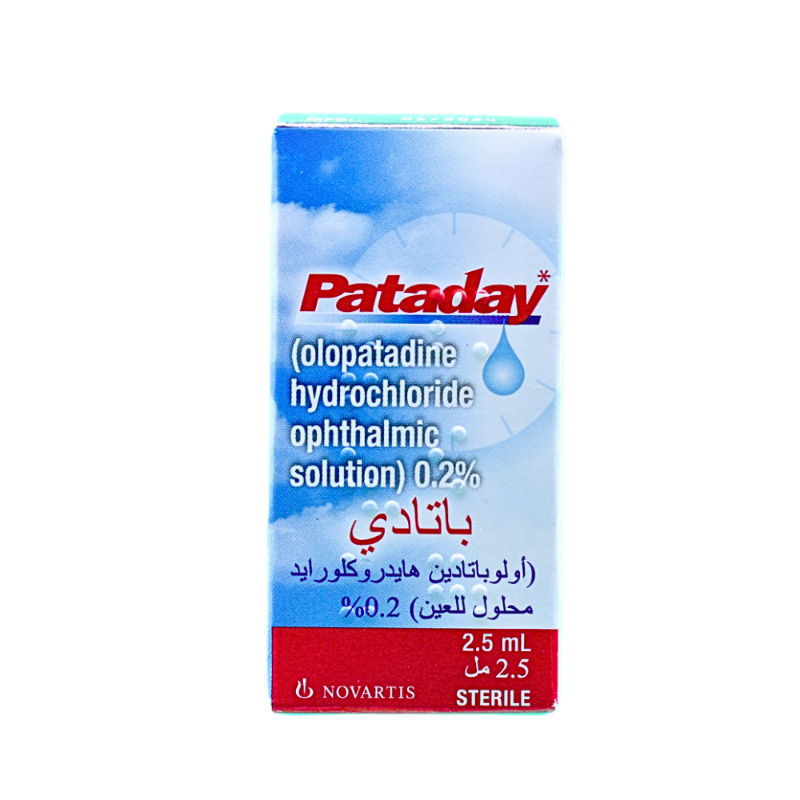
Medications > Eye and Ear Medications
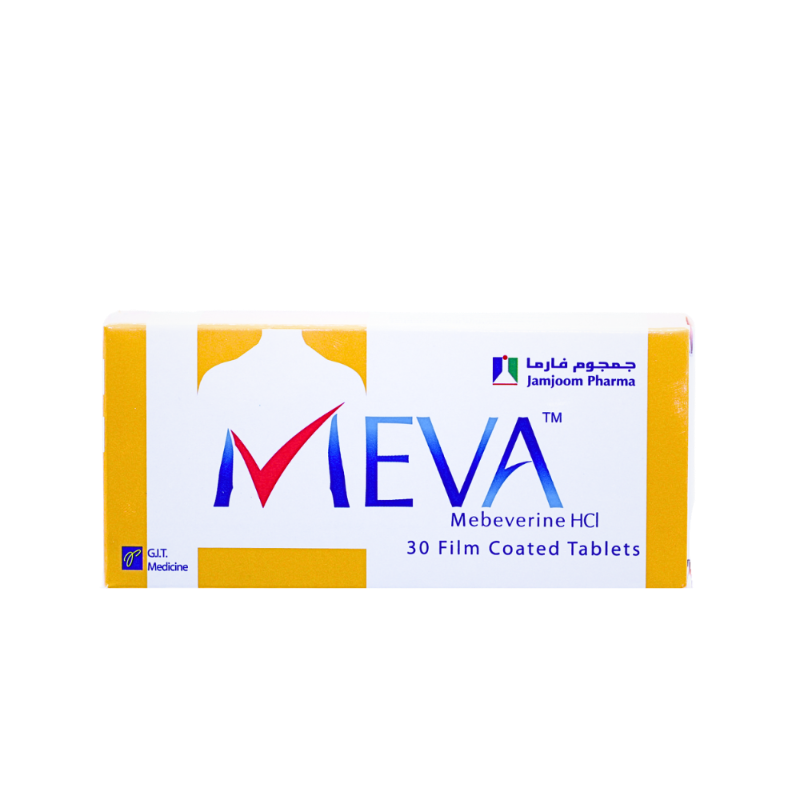
Medications > Gastrointestinal Medications
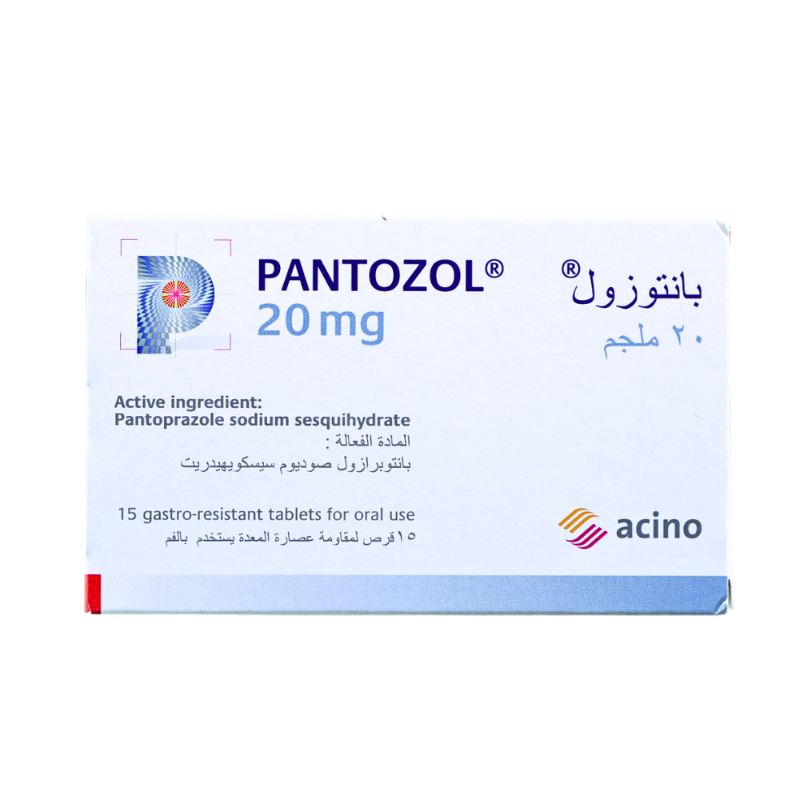
Medications > Gastrointestinal Medications
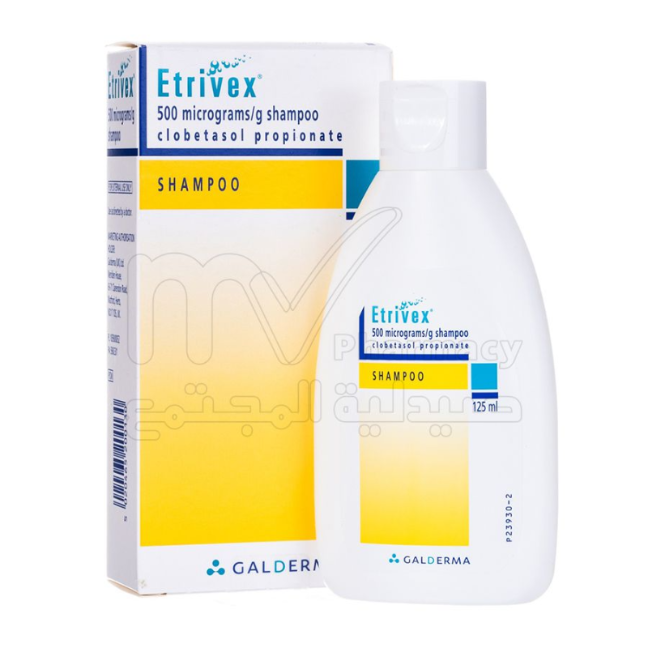
Medications > Dermatology Medications
Medications > Painkillers and Antipyretics
Medications > Gastrointestinal Medications
Medications > Cold, Cough, and Allergy Medications
Medications > Cholesterol Medications
