
Use Code: ND30 And Get 30% OFF | Get Free Delivery With No Minimum Order
-1744229570.gif "Almujtama Pharmacy logo")
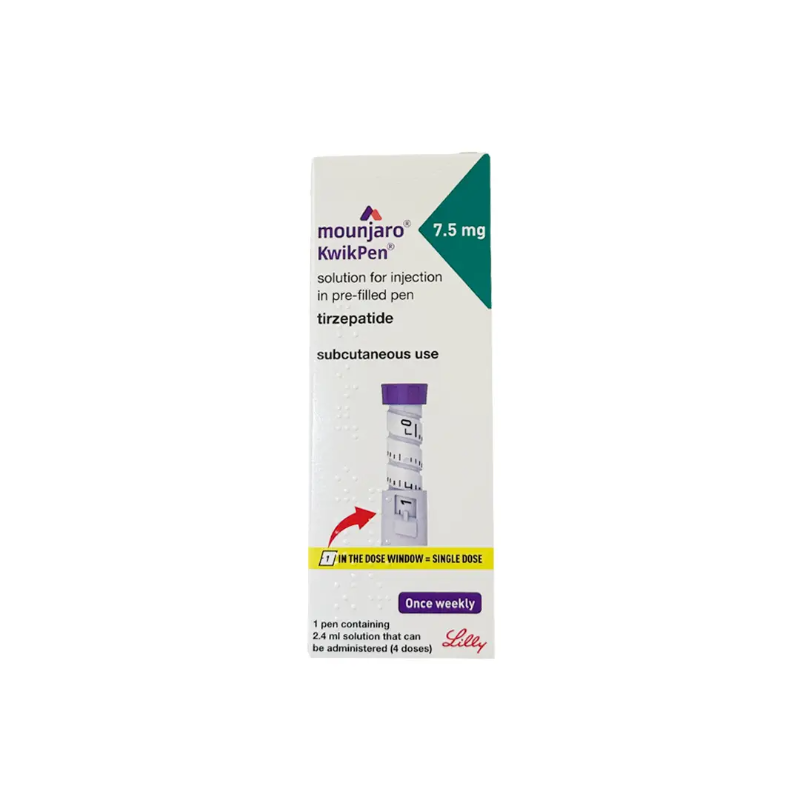




Frequently bought together
Health Care & Wellness > Diabetes Care
Health Care & Wellness > Diabetes Care
Health Care & Wellness > Diabetes Care
Skin And Body Care > Moisturizers
Skin And Body Care > Moisturizers
MOUNJARO KWIKPEN 7.5/MG/0.6/ML 1/PENFILL @
- Sku : I-032842
Key features
MOUNJARO KwikPen 7.5 mg is a pre-filled pen containing tirzepatide 7.5 mg as a solution for injection. It is a dual GIP/GLP-1 receptor agonist that enhances glucose-dependent insulin secretion, reduces glucagon release, slows gastric emptying and acts on appetite-regulating centers to decrease food intake. It is indicated as an adjunct to diet and exercise to improve glycemic control in adults with type 2 diabetes mellitus. Available as a 3 mL pre-filled injection pen.- Brand: MOUNJARO
- Active Ingredient: TIRZEPATIDE 7.5mg
- Strength: 7.5mg
- Dosage Form: Solution for injection in pre-filled pen
- Pack Size: 3 ml
- Route: Subcutaneous use
- Prescription Status: Prescription
- Therapeutic Class: Glucose-dependent Insulinotropic Polypeptide Receptor Agonist [EPC], GLP-1 Receptor Agonist [EPC]
- Pharmacological Group: G-Protein-linked Receptor Interactions [MoA], Glucagon-like Peptide-1 (GLP-1) Agonists [MoA]
- Drug Class: Dual GIP/GLP-1 Receptor Agonist (Twincretin)
- Manufacturer: Eli Lilly Italia SpA
- Country of Origin: Italy
- SFDA Registration No.: 1208245750
- Shelf Life: 24 months
- Storage: store in a refrigerator (2°c - 8°c)
- Diabetes Type: Type 2
Frequently bought together
Health Care & Wellness > Diabetes Care
Health Care & Wellness > Diabetes Care
Health Care & Wellness > Diabetes Care
Skin And Body Care > Moisturizers
Skin And Body Care > Moisturizers
Indications
Approved Uses
Type 2 diabetes mellitus in adults: as an adjunct to diet and exercise to improve glycemic control.
Dosage & Administration
Dosing by Condition
Type 2 diabetes (adults): 2.5 mg SC once weekly for 4 weeks (initiation dose), then 5 mg once weekly; if additional control needed, increase by 2.5 mg increments after at least 4 weeks on the current dose to 7.5 mg, 10 mg, 12.5 mg, or max 15 mg once weekly.
Initial Dose
2.5 mg subcutaneously once weekly for 4 weeks (this dose is for treatment initiation and not for glycemic control).
Maintenance Dose
After 4 weeks on the 2.5 mg dose, increase the dosage to 5 mg subcutaneously once weekly. After at least 4 weeks on the 5 mg dose, the dose can be increased to 7.5 mg, 10 mg, 12.5 mg, or 15 mg subcutaneously once weekly.
Maximum Dose
Maximum 15 mg subcutaneously once weekly.
Children's Dosage
Approved for pediatric patients 10 years of age and older with type 2 diabetes mellitus.
Dose Adjustment Notes
Titrate in 2.5 mg steps no more frequently than every 4 weeks based on tolerability and glycemic needs; when used with insulin or a sulfonylurea, consider reducing the insulin/sulfonylurea dose to lower hypoglycemia risk; no dosage adjustment is required for renal or hepatic impairment.
How to Take
For subcutaneous injection only. Inject once weekly on the same day each week, at any time of day, with or without meals, into the abdomen, thigh, or upper arm; rotate injection sites and do not inject into areas that are tender, bruised, red, or hard. If a dose is missed, administer as soon as possible within 4 days (96 hours) after the missed dose; if more than 4 days have passed, skip the missed dose and resume the regular once-weekly schedule. When used with insulin, administer as separate injections and do not mix.
How to Prepare
Ready-to-use pre-filled pen (no reconstitution/dilution); visually inspect solution (clear, colorless to slightly yellow) and do not use if discolored/particulate; attach a new needle and administer subcutaneously per manufacturer instructions
Side Effects
Common Side Effects
Nausea, diarrhea, decreased appetite, vomiting, constipation, dyspepsia/indigestion, and abdominal pain; injection-site reactions can also occur.
Side Effect Frequency
Very common (≥10%): nausea, diarrhea, decreased appetite, vomiting, constipation. Common (1-10%): abdominal pain, dyspepsia, injection site reactions, fatigue, hypoglycemia (with insulin or sulfonylurea), eructation, flatulence, gastroesophageal reflux.
Safety & Warnings
Contraindications
Personal or family history of medullary thyroid carcinoma (MTC), Multiple Endocrine Neoplasia syndrome type 2 (MEN 2), known serious hypersensitivity to tirzepatide or its excipients.
Warnings & Precautions
Key warnings/precautions: thyroid C-cell tumor risk-contraindicated with personal/family history of MTC or MEN2; pancreatitis-discontinue if suspected (do not restart if confirmed); hypoglycemia risk with insulin/secretagogues; severe GI adverse reactions and dehydration leading to AKI-advise hydration/monitor renal function; gallbladder disease; hypersensitivity reactions-discontinue if serious; diabetic retinopathy complications in at-risk patients; not for type 1 diabetes or DKA and not a substitute for insulin.
Age Restriction
Approved for use in patients 10 years of age and older with type 2 diabetes mellitus.
Drug Interactions
Drug Interactions
Major: increased hypoglycemia risk with insulin and insulin secretagogues (e.g., sulfonylureas) - consider dose reduction. Delays gastric emptying and may reduce exposure of oral contraceptives - use alternative/backup contraception for 4 weeks after initiation and for 4 weeks after each dose escalation. May affect absorption of other oral drugs (use caution with narrow therapeutic index agents such as warfarin/digoxin; monitor as appropriate). Avoid combining with other GLP-1 receptor agonists due to overlapping effects.
Interaction Severity
MAJOR/clinically significant: insulin and insulin secretagogues (e.g., sulfonylureas) due to increased hypoglycemia risk-consider dose reduction and monitor; MODERATE: oral contraceptives (reduced exposure due to delayed gastric emptying-use alternative/backup contraception for 4 weeks after initiation and after each dose escalation) and other oral drugs where delayed absorption is clinically important; warfarin is not a consistent major interaction but INR monitoring is prudent when glycemic control/weight changes or GI effects occur.
Food Interaction
No food restrictions; may be administered with or without meals.
Special Populations
Pregnancy
Consult Doctor
Breastfeeding
Consult Doctor
Children
Approved for pediatric patients 10 years of age and older with type 2 diabetes mellitus.
Elderly
Standard adult dosing - no dose adjustment required based on age alone; titrate based on tolerability
Kidney Impairment
No dose adjustment required for any degree of renal impairment, including end-stage renal disease; monitor renal function if severe GI reactions occur (dehydration/AKI risk).
Liver Impairment
No dose adjustment required in hepatic impairment (mild, moderate, or severe).
Storage & Patient Advice
Storage Conditions
store in a refrigerator (2°c - 8°c)
Preparation Instructions
Ready-to-use pre-filled pen (no reconstitution/dilution); visually inspect solution (clear, colorless to slightly yellow) and do not use if discolored/particulate; attach a new needle and administer subcutaneously per manufacturer instructions
Missed Dose
If a dose is missed, administer as soon as possible within 4 days (96 hours) of the missed dose. If more than 4 days have passed, skip the missed dose and resume on the next regularly scheduled day. Do not administer two doses within 3 days of each other
Stopping the Medicine
Can be stopped without tapering, but should be done in consultation with the prescriber because glycemic control (and weight) may worsen after discontinuation.
Overdose
Expected symptoms: severe GI effects (nausea/vomiting) and hypoglycemia (especially with insulin/sulfonylureas). Management: supportive care, monitor glucose, treat hypoglycemia with carbohydrates/IV dextrose as needed; no specific antidote-seek urgent medical care/poison center.
Patient Counseling
Inject once weekly on the same day each week (with or without food) into abdomen/thigh/upper arm and rotate sites; if a dose is missed, take within 4 days (96 hours) or skip and resume-do not take doses within 3 days of each other; store refrigerated 2-8°C and do not freeze; counsel on common GI effects and hydration, hypoglycemia risk when combined with insulin/sulfonylurea, and to seek care for severe/persistent abdominal pain (pancreatitis) or symptoms of gallbladder disease; warn about thyroid C-cell tumor risk/contraindication in patients with personal/family history of medullary thyroid carcinoma or MEN2; advise backup contraception for 4 weeks after starting and after each dose increase if using oral contraceptives.
Monitoring Requirements
Monitor HbA1c periodically (typically every ~3 months until stable, then per clinical need), self-monitored blood glucose as appropriate (especially if used with insulin/sulfonylurea), weight, and tolerability; monitor for symptoms/signs of pancreatitis and gallbladder disease; assess renal function if significant GI losses/dehydration occur; monitor for diabetic retinopathy complications in patients with pre-existing retinopathy when glycemia improves rapidly.
Pharmacology
Mechanism of Action
A dual glucose-dependent insulinotropic polypeptide (GIP) and glucagon-like peptide-1 (GLP-1) receptor agonist. It increases insulin secretion, decreases glucagon secretion in a glucose-dependent manner, slows gastric emptying, and acts on brain centers to reduce appetite.
Onset of Action
Glucose-lowering can begin after the first dose (within the first week); maximal effect is reached over several weeks as the dose is titrated.
Duration of Effect
Approximately 1 week per dose (supports once-weekly dosing).
Half-Life
Approximately 5 days (120 hours)
Metabolism
Metabolized by proteolytic cleavage of the peptide backbone with beta-oxidation of the fatty diacid moiety and amide hydrolysis; not a CYP450 substrate.
Excretion
Eliminated primarily via proteolytic degradation with metabolites excreted in urine and feces; intact tirzepatide is not expected to be excreted unchanged to a meaningful extent.
Product Information
Available Dosage Forms
Solution for injection in single-dose pre-filled pen.
Composition per Dose
Each 0.5 mL dose contains 7.5 mg tirzepatide; excipients: sodium phosphate dibasic heptahydrate, sodium chloride, L-arginine hydrochloride, polysorbate 80, water for injection.
Generic Availability
No
OTC Alternatives
No OTC alternative
Diabetes Type
Type 2
Reviewed by Al Mujtama Pharmacy Medical Review Team. Last reviewed 22-08-2026
Similar Products
Medications > Dermatology Medications
Medications > Diabetes Medications
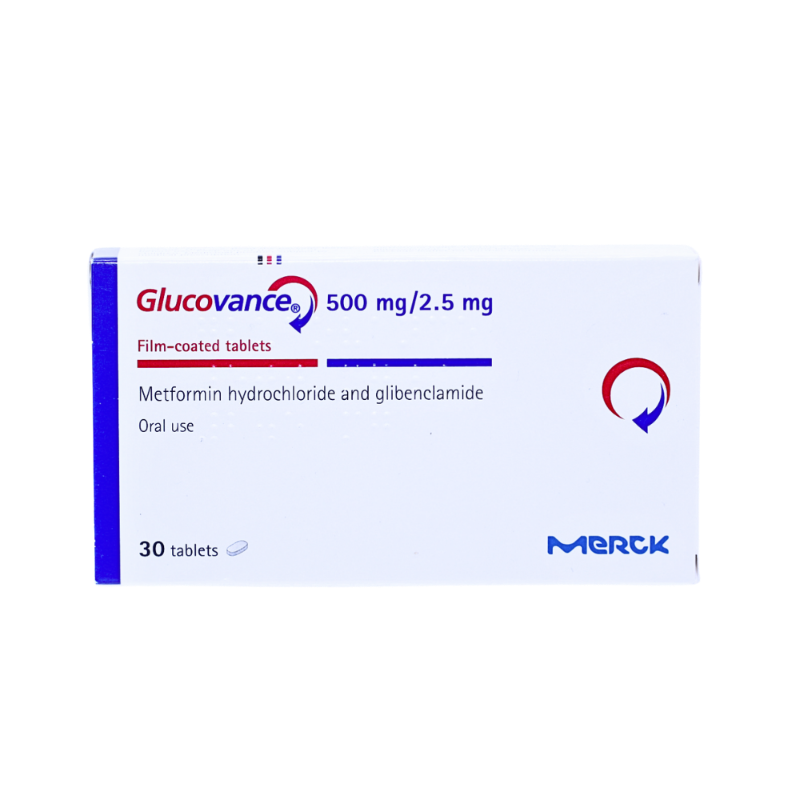
Medications > Diabetes Medications
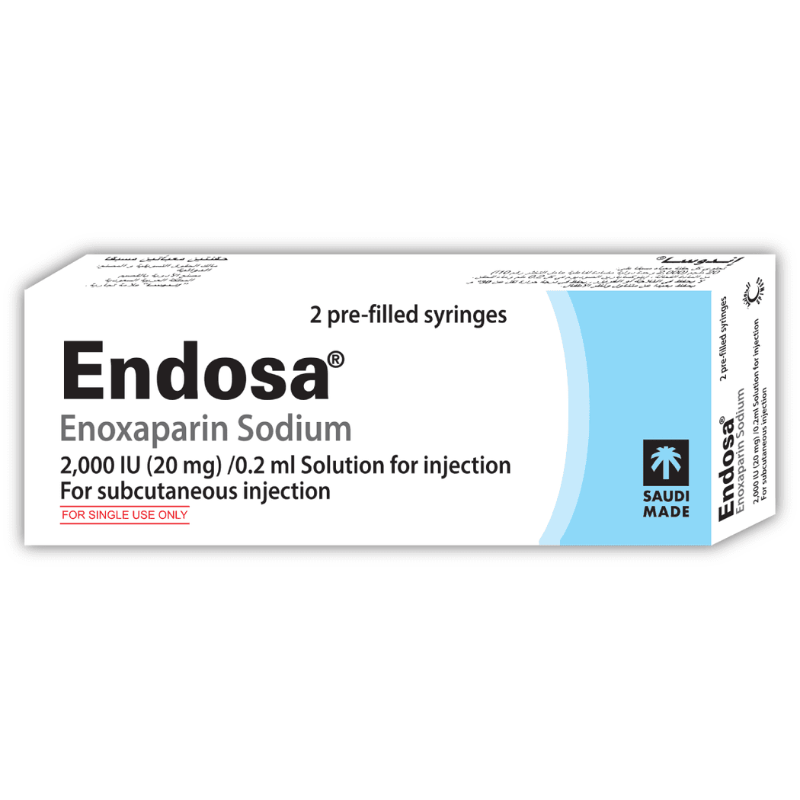
Medications > Other Medicines
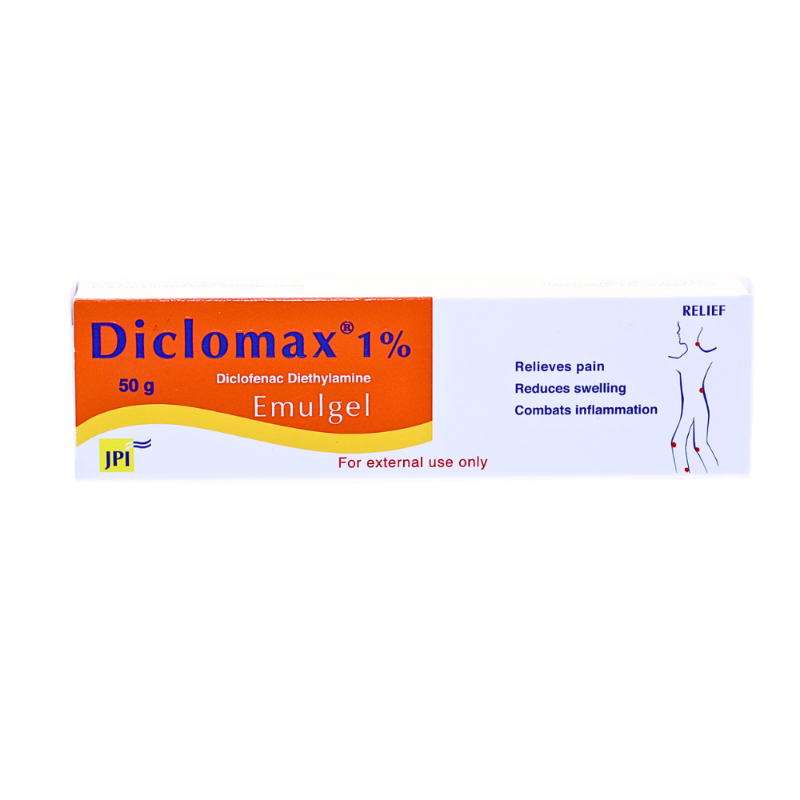
Medications > Painkillers and Antipyretics
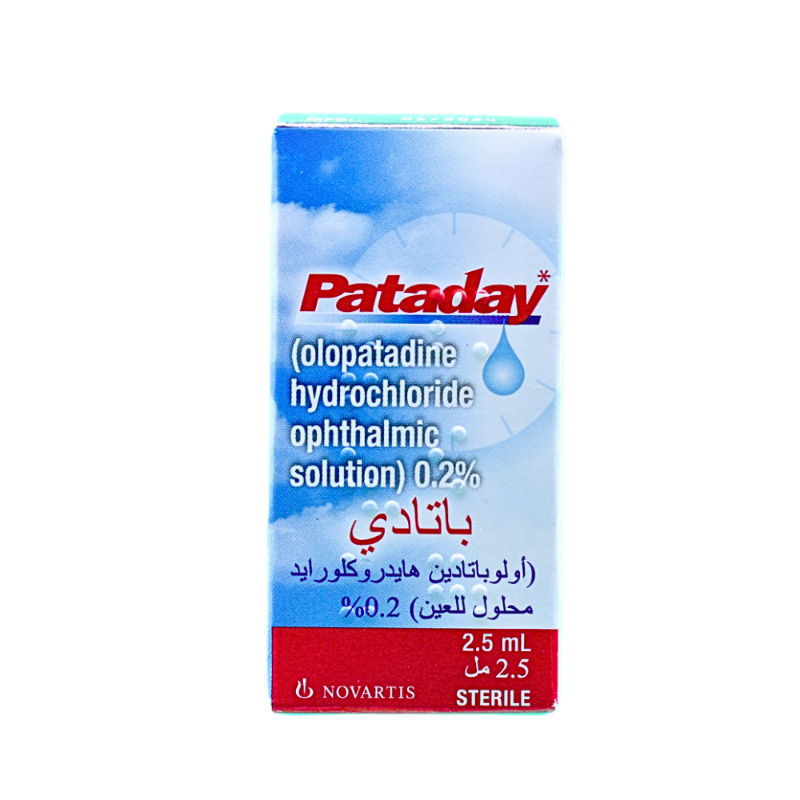
Medications > Eye and Ear Medications
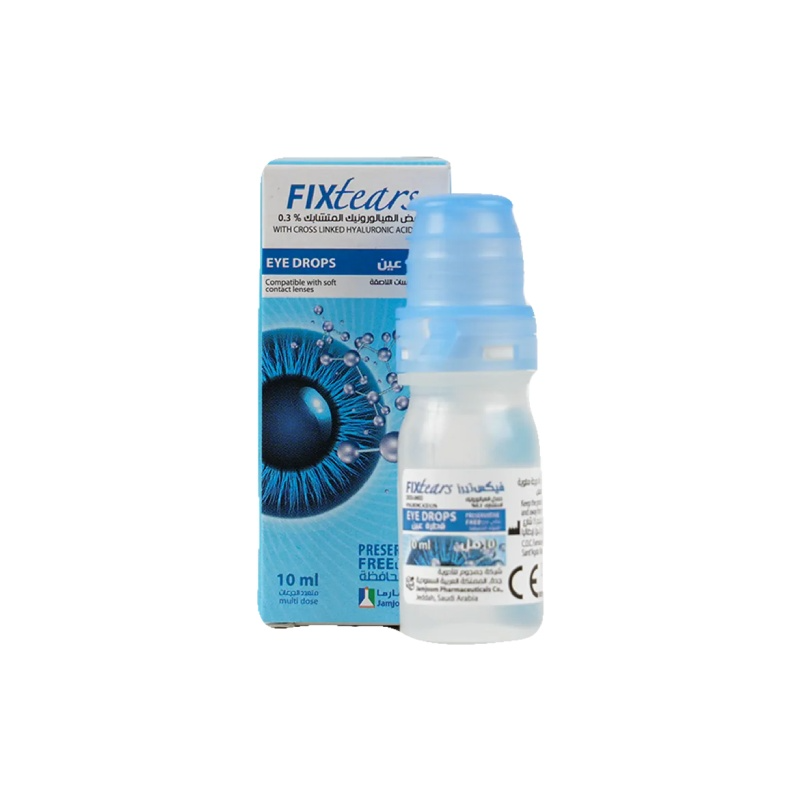
Medications > Eye and Ear Medications
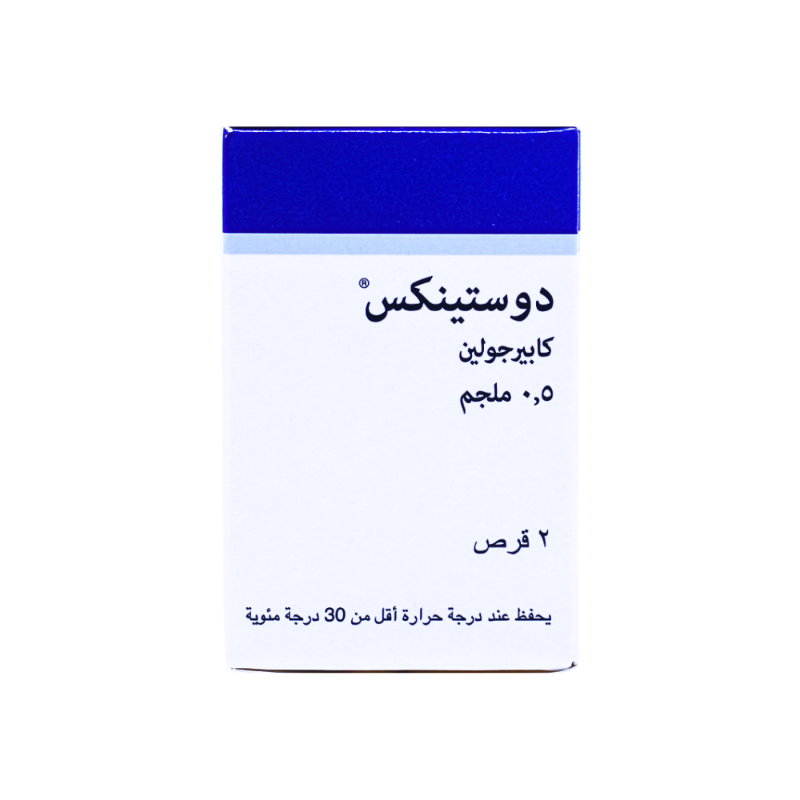
Medications > Contraceptives and Hormonal Medications
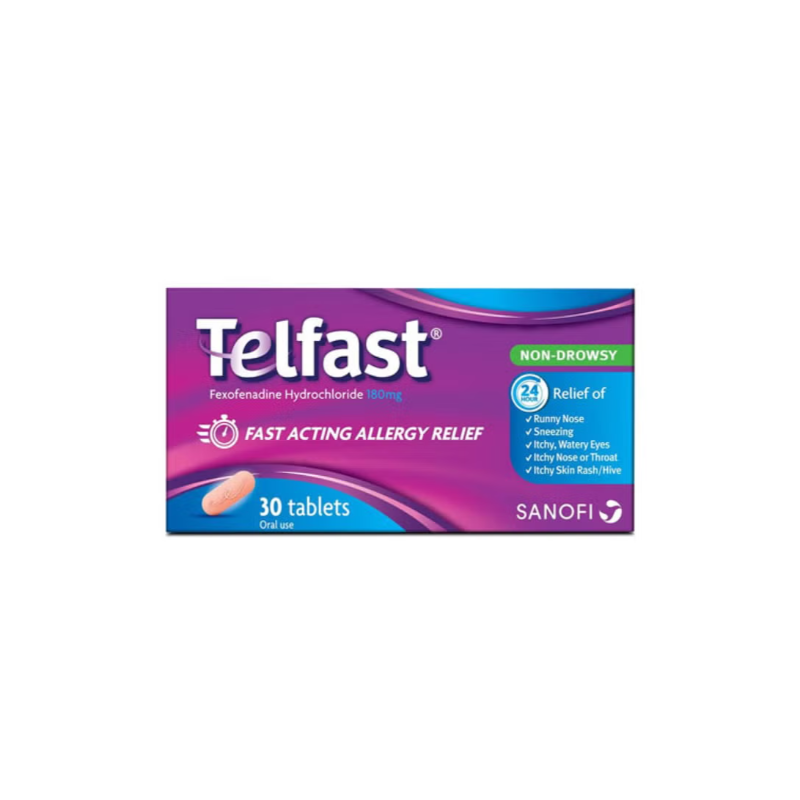
Medications > Cold, Cough, and Allergy Medications
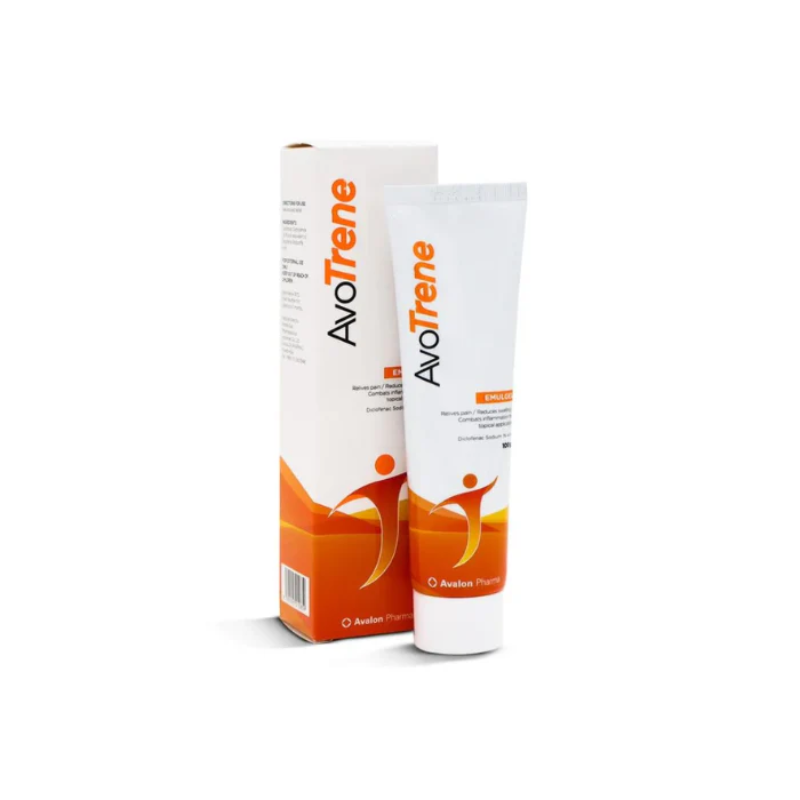
Medications > Painkillers and Antipyretics
