
Use Code: SAVE26 And Get 30% OFF | Get Free Delivery With No Minimum Order
-1744229570.gif "Almujtama Pharmacy logo")




Frequently bought together
Vitamins & Supplements > Omega-3 Supplements
Vitamins & Supplements > Omega-3 Supplements

Vitamins & Supplements > Sleeping aid supplements

Vitamins & Supplements > Sleeping aid supplements
Vitamins & Supplements > Omega-3 Supplements
Vitamins & Supplements > Sleeping aid supplements
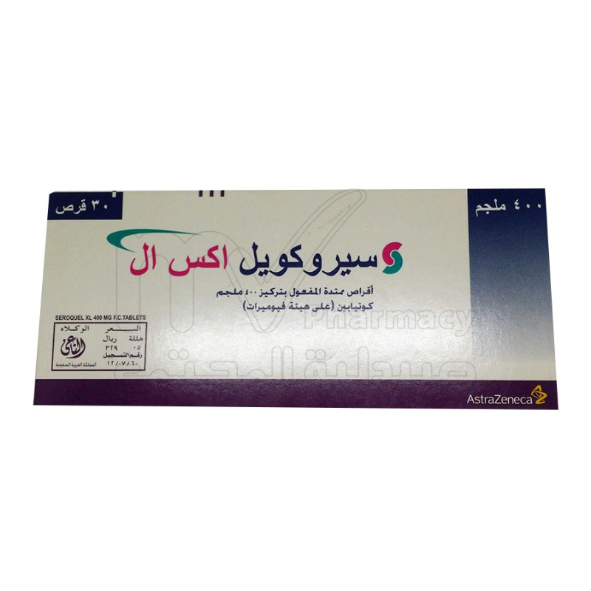
SEROQUEL XL 400/MG TAB 30/TAB
- Sku : I-017051
Key features
Seroquel XL 400 mg Film-coated Tablets contain quetiapine 400 mg, an extended-release prescription medicine in a film-coated tablet form. It works as an atypical antipsychotic by balancing key brain chemicals, including serotonin and dopamine, with extended absorption that supports once-daily use. It is used for the treatment of schizophrenia, bipolar I disorder, and as adjunctive therapy for major depressive disorder. This pack contains 30 tablets.- Brand: SEROQUEL
- Active Ingredient: QUETIAPINE 400mg
- Strength: 400mg
- Dosage Form: Film-coated tablet
- Pack Size: 30 Tablets
- Route: Oral use
- Prescription Status: Prescription
- Therapeutic Class: Psychiatric
- Pharmacological Group: Antipsychotics
- Drug Class: Atypical Antipsychotic (Second-Generation Antipsychotic), Dibenzothiazepine derivative
- Manufacturer: AstraZeneca
- Country of Origin: United Kingdom
- SFDA Registration No.: 1512258792
- Shelf Life: 36 months
- Storage: store below 30°c
- Psych Class: Antipsychotic-Atypical
- Controlled Substance: No
Frequently bought together
Vitamins & Supplements > Omega-3 Supplements
Vitamins & Supplements > Omega-3 Supplements
Vitamins & Supplements > Sleeping aid supplements
Vitamins & Supplements > Sleeping aid supplements
Vitamins & Supplements > Omega-3 Supplements
Vitamins & Supplements > Sleeping aid supplements
Indications
Approved Uses
Schizophrenia (adults; XR also approved in adolescents 13-17 years in many jurisdictions), Bipolar I disorder: acute manic episodes and acute depressive episodes, and maintenance (as adjunct to lithium or valproate); Major depressive disorder: adjunctive therapy in adults.
Off-Label Uses
Generalized anxiety disorder, Post-traumatic stress disorder (PTSD), Insomnia, Obsessive-compulsive disorder (adjunctive), Delirium, Borderline personality disorder
Dosage & Administration
Dosing by Condition
Adults-Schizophrenia (XR): Day 1: 300 mg once daily; Day 2: 600 mg once daily; maintenance 400-800 mg once daily. Bipolar I mania (XR): Day 1: 300 mg; Day 2: 600 mg; maintenance 400-800 mg once daily. Bipolar depression (XR): 50 mg Day 1, 100 mg Day 2, 200 mg Day 3, 300 mg Day 4 (target 300 mg once daily). MDD adjunct (XR): start 50 mg once daily; titrate to 150 mg by Day 3; usual 150-300 mg once daily.
Initial Dose
Schizophrenia: 300mg once daily; Bipolar mania: Day 1: 300mg, Day 2: 600mg, Day 3: 400-800mg once daily
Maintenance Dose
400-800mg once daily for schizophrenia and bipolar mania; 300mg once daily for bipolar depression; 150-300mg once daily for MDD adjunctive therapy
Maximum Dose
800 mg per day.
Children's Dosage
Schizophrenia (adolescents 13-17 years, immediate-release only): Initial 25mg twice daily, titrate to 400-800mg/day. Bipolar mania (children 10-17 years, immediate-release only): Initial 25mg twice daily, titrate to 400-600mg/day. XL formulation is not approved for pediatric use.
Dose Adjustment Notes
Use lower starting doses and slower titration in elderly/debilitated patients and in hepatic impairment. Avoid concomitant strong CYP3A4 inhibitors; if unavoidable, reduce quetiapine dose to about one-sixth. With strong CYP3A4 inducers, higher doses may be required; if an inducer is stopped, reduce quetiapine dose accordingly. When switching IR to XR, the same total daily dose may be used (clinical judgment).
How to Take
Swallow Seroquel XL/XR tablets whole with water; do not crush, chew, or split. Take once daily, preferably in the evening. Take without food or with a light meal; avoid taking with a high-fat meal and take consistently with respect to meals.
Side Effects
Common Side Effects
Somnolence/drowsiness, dizziness, dry mouth, constipation, orthostatic hypotension, weight gain and increased appetite, fatigue, headache; metabolic changes can occur (increased glucose and lipids).
Side Effect Frequency
Very common (≥10%): somnolence/sedation, dizziness, dry mouth, headache, weight gain. Common (1-10%): constipation, orthostatic hypotension, tachycardia, fatigue/asthenia, increased appetite, dyspepsia, nasal congestion, peripheral edema, blurred vision, abnormal dreams. Metabolic/lab changes commonly reported with quetiapine XR include increases in triglycerides/total cholesterol and increases in blood glucose (frequency varies by study/label section). Uncommon/rare (<1% or post‑marketing): QT prolongation/arrhythmias, seizures, neuroleptic malignant syndrome, tardive dyskinesia, severe neutropenia/agranulocytosis, hyponatremia (SIADH), priapism, cataract/lens changes.
Safety & Warnings
Contraindications
Hypersensitivity to quetiapine or any excipients
Warnings & Precautions
Key warnings/precautions: dementia-related psychosis mortality (not approved); suicidality risk in children/adolescents/young adults; metabolic monitoring (weight, glucose, lipids); orthostatic hypotension (slow titration); NMS; tardive dyskinesia; QT prolongation risk (avoid in high-risk patients/with QT-prolonging drugs); leukopenia/neutropenia (CBC if risk/symptoms); seizures; dysphagia/aspiration risk; cataracts (consider eye exams); potential for withdrawal with abrupt stop.
Age Restriction
Not approved for patients <18 years for Seroquel XR/XL indications; pediatric approvals (where applicable) are for immediate‑release quetiapine, not XR/XL.
Driving Warning
Avoid Driving
Drug Interactions
Drug Interactions
Major: strong CYP3A4 inhibitors (e.g., ketoconazole, clarithromycin, ritonavir) markedly increase quetiapine-avoid; strong CYP3A4 inducers (e.g., carbamazepine, phenytoin, rifampin, St John’s wort) markedly decrease levels-avoid/alternative. Other clinically important: additive CNS depression with alcohol/benzodiazepines/opioids; enhanced hypotension with antihypertensives; additive QT-risk with QT‑prolonging drugs; caution with other CYP3A4 inhibitors (moderate) and with dopamine agonists/levodopa (pharmacodynamic antagonism).
Interaction Severity
MAJOR: Strong CYP3A4 inhibitors (e.g., ketoconazole, clarithromycin, ritonavir) and strong CYP3A4 inducers (e.g., carbamazepine, phenytoin, rifampin) due to large exposure changes; QT-prolonging drugs are clinically significant especially in at-risk patients. MODERATE: CNS depressants (alcohol, opioids, benzodiazepines), antihypertensives (additive hypotension), other QT-prolonging agents, and dopamine agonists/levodopa (pharmacodynamic antagonism).
Food Interaction
Take without food or with a light meal; avoid administration with a high-fat meal and take consistently with respect to meals.
Alcohol Interaction
Dangerous
Special Populations
Pregnancy
Not assigned (risk summary: Neonates exposed to antipsychotics during 3rd trimester at risk of extrapyramidal symptoms
Children
Schizophrenia (adolescents 13-17 years, immediate-release only): Initial 25mg twice daily, titrate to 400-800mg/day. Bipolar mania (children 10-17 years, immediate-release only): Initial 25mg twice daily, titrate to 400-600mg/day. XL formulation is not approved for pediatric use.
Elderly
Start at 50mg/day and titrate slowly in increments of 50mg/day. Lower maintenance doses may be sufficient. Monitor closely for orthostatic hypotension, sedation, and metabolic effects. Not recommended for dementia-related psychosis.
Kidney Impairment
No dosage adjustment generally required in renal impairment.
Liver Impairment
Hepatic impairment: start low and titrate slowly; for XR/XL, start 50 mg once daily and increase by 50 mg/day as tolerated to effective dose.
Storage & Patient Advice
Missed Dose
Take as soon as remembered. If it is almost time for the next dose, skip the missed dose and continue with the regular schedule. Do not take a double dose.
Stopping the Medicine
Do not stop abruptly; taper gradually (commonly over at least 1-2 weeks, individualized) to reduce withdrawal symptoms and relapse risk.
Overdose
Typical overdose: marked sedation/somnolence, tachycardia, hypotension, anticholinergic effects; may include QT prolongation/arrhythmias and coma. Management: emergency care with airway/ventilation support, activated charcoal if appropriate, continuous cardiac/vital monitoring, IV fluids/vasopressors as needed; no specific antidote.
Patient Counseling
Swallow XR/XL tablet whole; do not crush/chew/split. Take once daily in the evening; take without food or with a light meal and avoid high-fat meals. May cause drowsiness/dizziness-avoid driving/alcohol and rise slowly. Do not stop abruptly without prescriber advice. Report abnormal movements, severe rash, fever/rigidity, fainting/palpitations, signs of high blood sugar, or significant weight gain; keep follow-ups for metabolic monitoring.
Monitoring Requirements
Baseline and periodic: weight/BMI and waist circumference (if used), blood pressure, fasting glucose or HbA1c, fasting lipid panel; assess for EPS/tardive dyskinesia, sedation/orthostasis, and suicidality (especially in younger patients). CBC if clinically indicated (history of low WBC/neutropenia or infection symptoms). Consider ECG in patients with cardiac disease, electrolyte abnormalities, or on QT-prolonging drugs. Consider eye exam if long-term use or visual symptoms (cataract signal).
Pharmacology
Mechanism of Action
Quetiapine is an atypical antipsychotic with antagonism at 5‑HT2A and D2 receptors and activity at H1 and alpha-1/alpha-2 receptors; its active metabolite norquetiapine contributes via norepinephrine transporter (NET) inhibition and 5‑HT1A partial agonism. The XR/XL formulation provides extended absorption enabling once-daily dosing.
Onset of Action
Sedation may occur within hours; antipsychotic/mood symptom improvement typically begins within 1-2 weeks, with full therapeutic response often taking 4-6 weeks.
Duration of Effect
Sedative effects may last several hours; extended-release clinical effect supports once-daily dosing with approximately 24-hour coverage.
Half-Life
Approximately 7 hours (quetiapine); active metabolite norquetiapine approximately 12 hours
Bioavailability
Absolute oral bioavailability is low (approximately ~9%) due to first-pass metabolism; XR has similar overall exposure to IR at equivalent total daily doses (relative bioavailability approximately ~100%).
Metabolism
Extensively hepatically metabolized primarily by CYP3A4 to multiple metabolites; norquetiapine (N-desalkyl quetiapine) is a major active metabolite.
Excretion
Excreted mainly as metabolites: ~73% in urine and ~20-21% in feces; <5% excreted unchanged.
Protein Binding
Approximately 83%.
Product Information
Available Dosage Forms
Quetiapine is available as immediate-release tablets and extended-release tablets (XR/XL); some markets also have an oral solution for immediate-release quetiapine (availability varies by country).
Composition per Dose
Each extended-release film-coated tablet: 400mg quetiapine (as quetiapine fumarate 461.1mg)
Generic Availability
Yes
OTC Alternatives
No OTC alternative
Psych Class
Antipsychotic-Atypical
Controlled Substance
No
Reviewed by Al Mujtama Pharmacy Medical Review Team. Last reviewed 07-06-2026
Similar Products
Medications > Diabetes Medications
Medications > Gastrointestinal Medications
Medications > Diabetes Medications
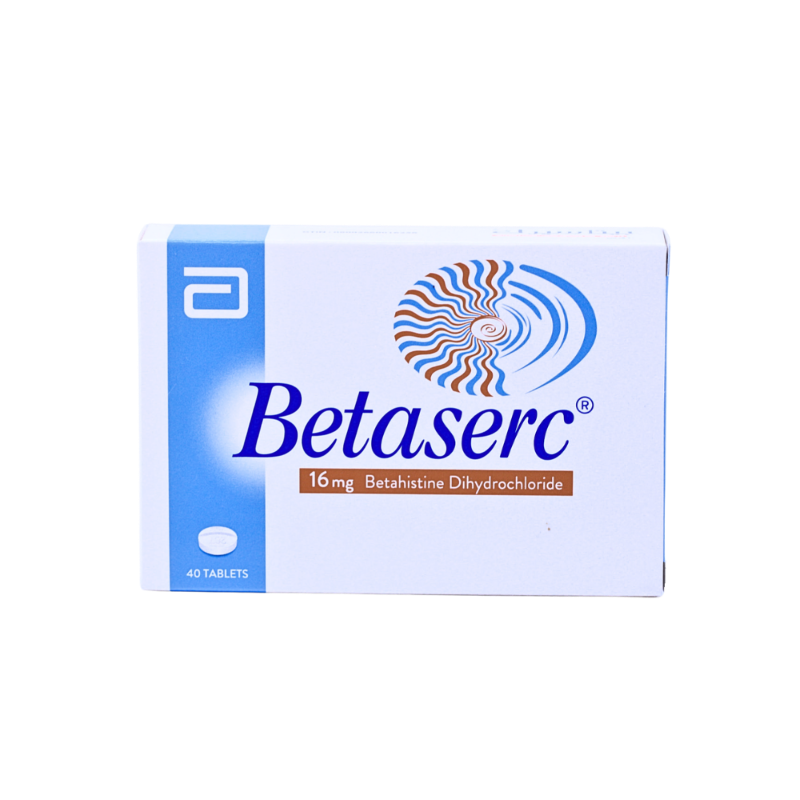
Medications > Other Medicines
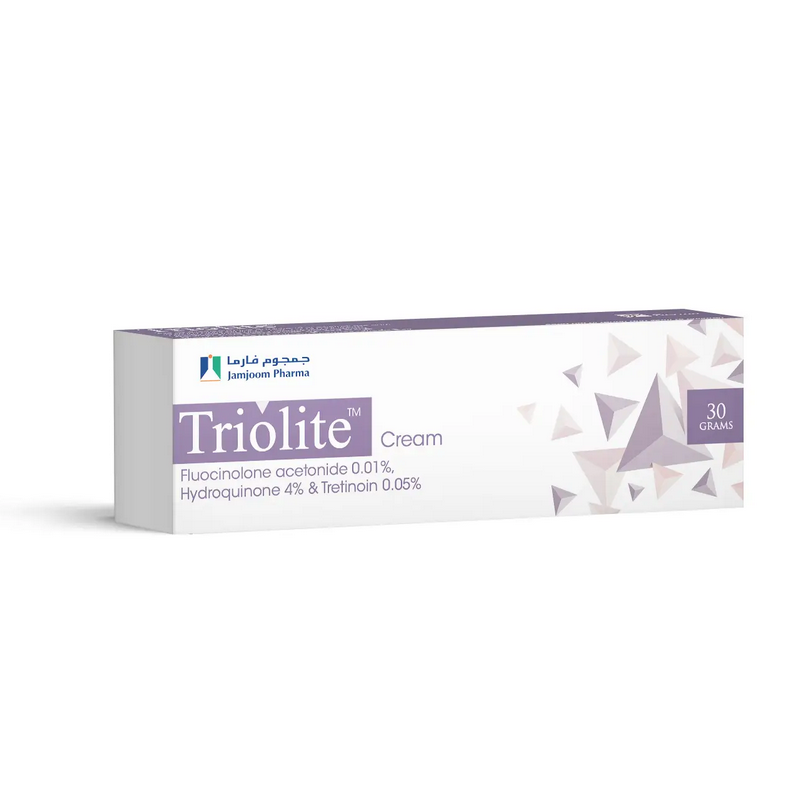
Medications > Dermatology Medications
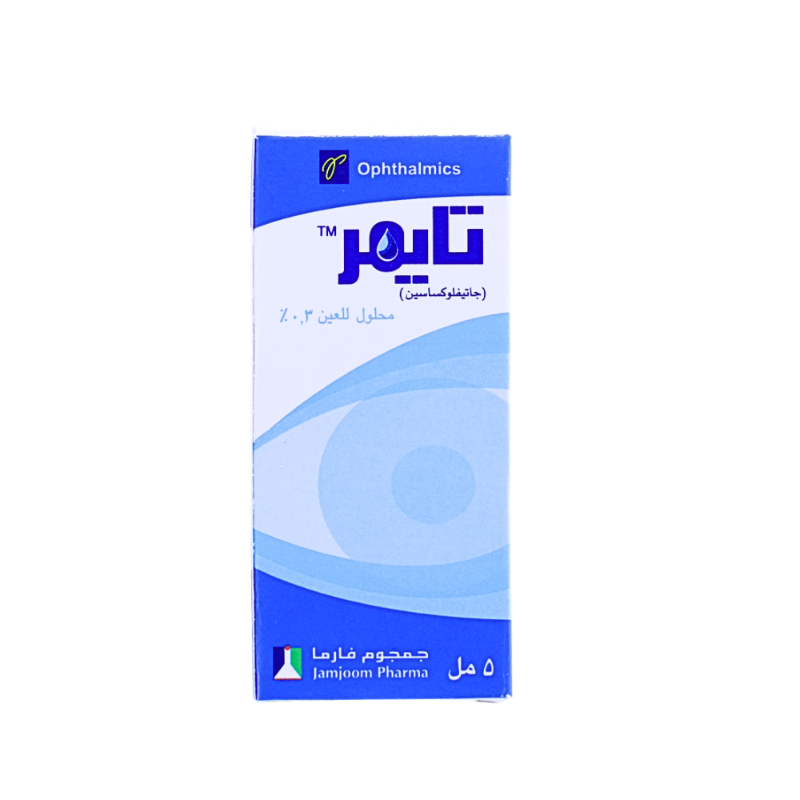
Medications > Eye and Ear Medications
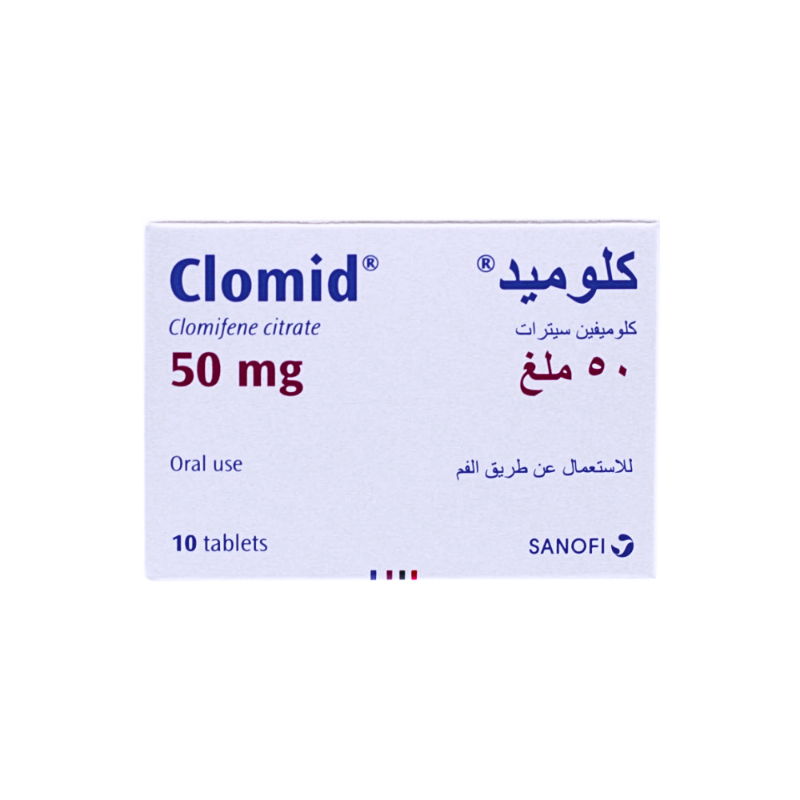
Medications > Contraceptives and Hormonal Medications
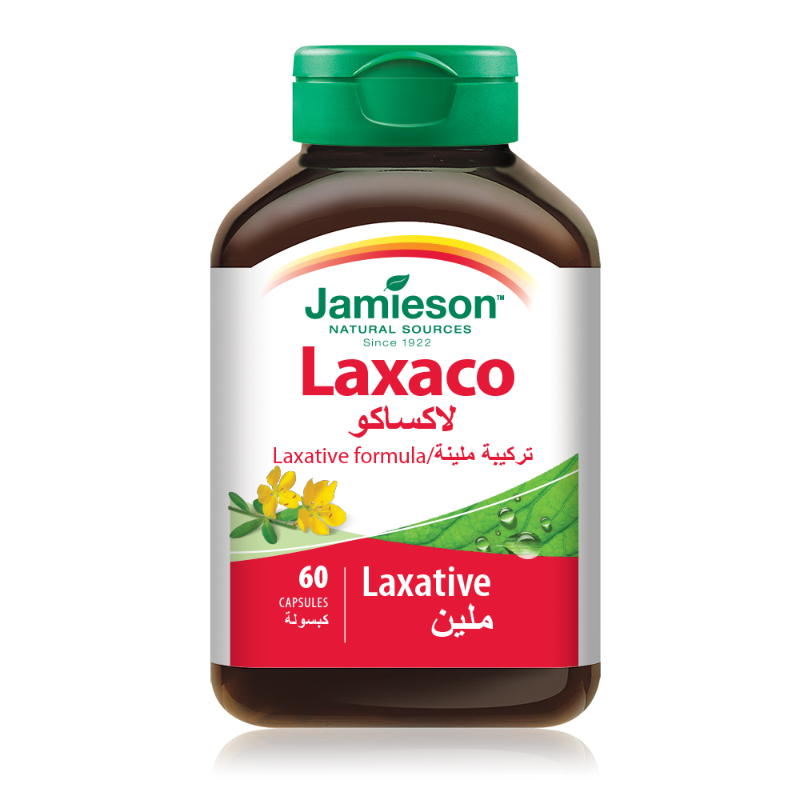
Medications > Gastrointestinal Medications
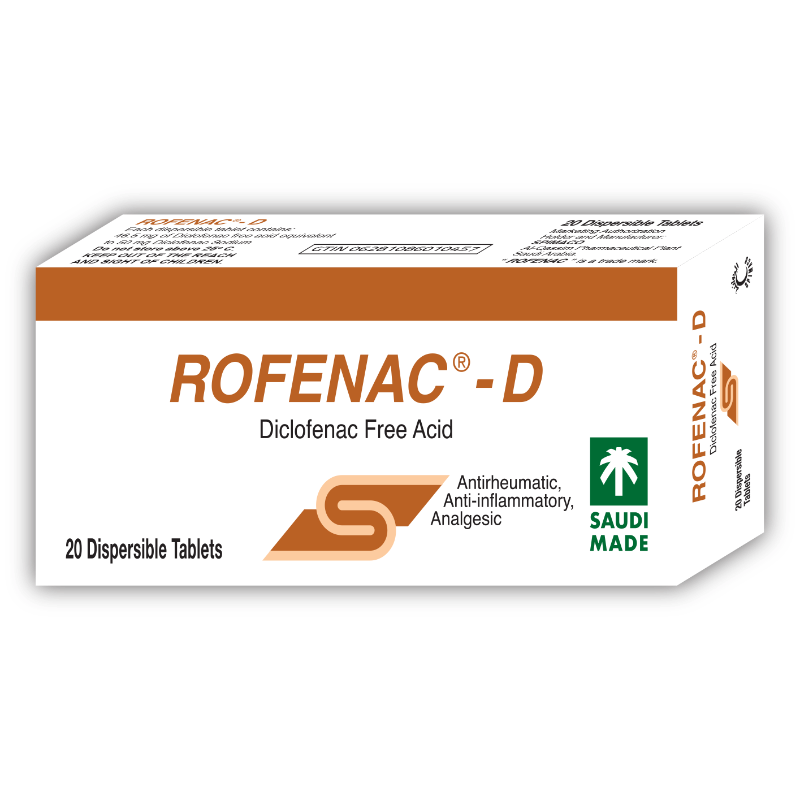
Medications > Painkillers and Antipyretics
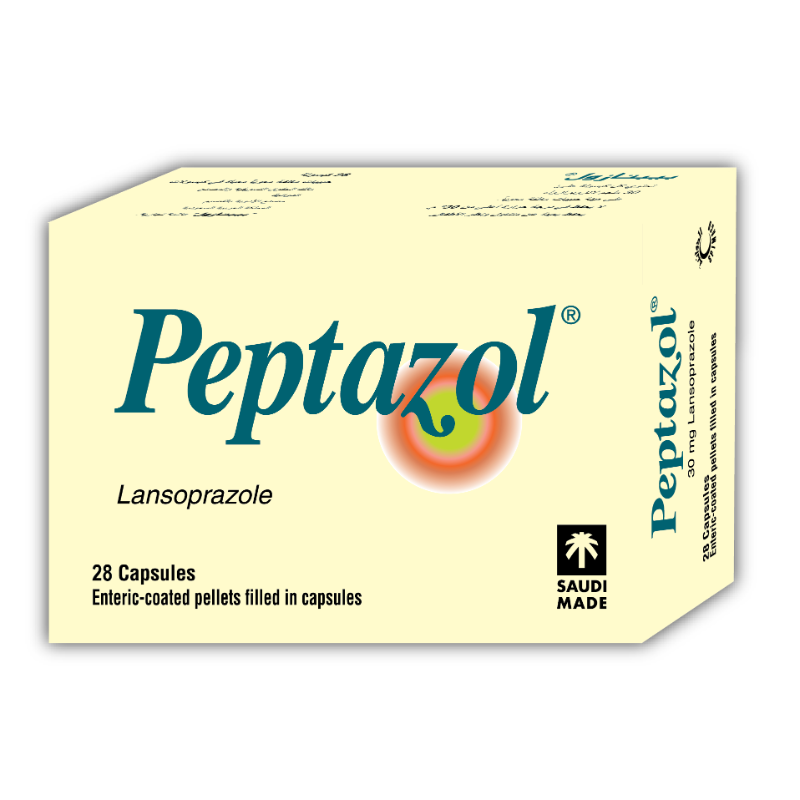
Medications > Gastrointestinal Medications
