
Use Code: ND30 And Get 30% OFF | Get Free Delivery With No Minimum Order
-1744229570.gif "Almujtama Pharmacy logo")




Frequently bought together
Vitamins & Supplements > Vitamins and Minerals
Vitamins & Supplements > Vitamins and Minerals
Vitamins & Supplements > Vitamins and Minerals
Vitamins & Supplements > Vitamins and Minerals
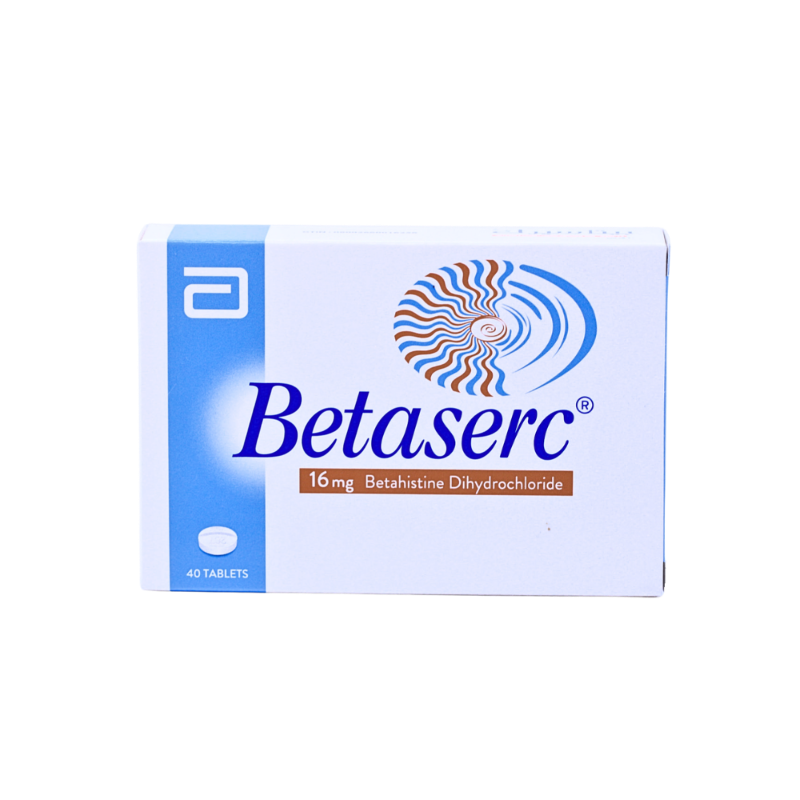
BETASERC 16/MG TAB 40/TAB
- Sku : I-000667
Key features
Betaserc 16 mg Tablet contains betahistine dihydrochloride, a prescription tablet used as an anti-vertigo medicine. It works as a histamine analogue that helps improve inner-ear circulation and vestibular compensation, supporting relief from dizziness symptoms. It is used for Ménière’s disease, including vertigo, tinnitus, and hearing loss, as well as symptomatic treatment of vestibular vertigo. This pack contains 40 tablets.- Brand: BETASERC
- Active Ingredient: BETAHISTINE DIHYDROCHLORIDE
- Strength: 16mg
- Dosage Form: Tablet
- Pack Size: 40 Tablets
- Route: Oral use
- Prescription Status: Prescription
- Therapeutic Class: Nervous System
- Pharmacological Group: Other Nervous System Drugs
- Drug Class: Histamine analogue; H1 receptor agonist (weak/partial) and H3 receptor antagonist-anti-vertigo agent.
- Manufacturer: Mylan Laboratories SAS
- Country of Origin: France
- SFDA Registration No.: 16-137-94
- Shelf Life: 36 months
- Storage: do not store above 30°c
- Primary Use: Treatment of Ménière's disease and vestibular vertigo, reducing episodes of dizziness, tinnitus, and hearing disturbances
Frequently bought together
Vitamins & Supplements > Vitamins and Minerals
Vitamins & Supplements > Vitamins and Minerals
Vitamins & Supplements > Vitamins and Minerals
Vitamins & Supplements > Vitamins and Minerals
Indications
Approved Uses
Ménière’s disease (symptoms such as vertigo, tinnitus and hearing loss); symptomatic treatment of vestibular vertigo.
Off-Label Uses
Off-label: vestibular vertigo/vestibular disorders outside Ménière’s (where not included in local labeling); other proposed uses (e.g., migraine) have limited/variable evidence and are not standard.
Dosage & Administration
Dosing by Condition
Ménière’s disease / vestibular vertigo: 24-48 mg/day orally in divided doses (e.g., 16 mg three times daily); maximum commonly 48 mg/day.
Initial Dose
16 mg three times daily (48 mg/day)
Maintenance Dose
24mg to 48mg daily in divided doses.
Maximum Dose
48 mg per day
Children's Dosage
Not recommended for use in children and adolescents below 18 years of age due to lack of data on safety and efficacy.
How to Take
Swallow the tablet with water; take with or after food to reduce gastrointestinal upset.
Side Effects
Common Side Effects
Nausea, dyspepsia/indigestion, headache; may include abdominal pain/bloating.
Side Effect Frequency
Common (≥1/100 to <1/10): headache, nausea, dyspepsia; Not known: hypersensitivity reactions (including rash, pruritus, urticaria, angioedema) and other gastrointestinal complaints (e.g., vomiting, GI pain, abdominal distension/bloating).
Safety & Warnings
Age Restriction
Not approved under 18 years.
Drug Interactions
Drug Interactions
MAO inhibitors (including MAO-B inhibitors) may increase betahistine exposure/effects; antihistamines may theoretically reduce betahistine efficacy; no clinically established interaction with beta-2 agonists (theoretical only, not routinely listed).
Interaction Severity
MAO inhibitors: clinically relevant interaction (may increase betahistine exposure)-use caution; antihistamines: may reduce betahistine effect (pharmacodynamic antagonism)-avoid or monitor; other interactions are not well established.
Food Interaction
Food has little effect on absorption
Special Populations
Children
Not recommended for use in children and adolescents below 18 years of age due to lack of data on safety and efficacy.
Storage & Patient Advice
Overdose
Overdose symptoms: nausea, somnolence/drowsiness, abdominal pain (± vomiting/ataxia); severe cases (often intentional) may include convulsions and cardiopulmonary complications; management is symptomatic/supportive (consider decontamination if early) and urgent medical evaluation.
Pharmacology
Mechanism of Action
Histamine analogue acting as an H1 agonist (weak/partial) and H3 antagonist, increasing histamine turnover/release and improving inner-ear microcirculation and vestibular compensation, reducing endolymphatic pressure.
Onset of Action
Clinical improvement may take 2-4 weeks; maximal benefit can require several weeks to months of regular dosing.
Duration of Effect
Requires regular continuous dosing; symptomatic benefit is maintained with ongoing use and typically diminishes after discontinuation.
Half-Life
Approximately 3-4 hours (reported for the main metabolite 2‑PAA).
Bioavailability
Orally absorbed and rapidly converted to the active metabolite (2-pyridylacetic acid); peak levels occur within a few hours; absolute bioavailability is not well characterized in many references.
Metabolism
Rapid and extensive metabolism to inactive 2‑pyridylacetic acid (2‑PAA); not reliably described as specifically hepatic/MAO-mediated in labeling.
Excretion
Renal; almost completely excreted in urine mainly as 2‑pyridylacetic acid (2‑PAA), with >90% recovered within 24 hours.
Product Information
Available Dosage Forms
Tablet.
Composition per Dose
Each tablet: 16 mg betahistine as dihydrochloride
Generic Availability
Yes
OTC Alternatives
No OTC alternative
Primary Use
Treatment of Ménière's disease and vestibular vertigo, reducing episodes of dizziness, tinnitus, and hearing disturbances
Reviewed by Al Mujtama Pharmacy Medical Review Team. Last reviewed 16-06-2026
Similar Products
Medications > Cold, Cough, and Allergy Medications
Medications > Gastrointestinal Medications
Medications > Dermatology Medications
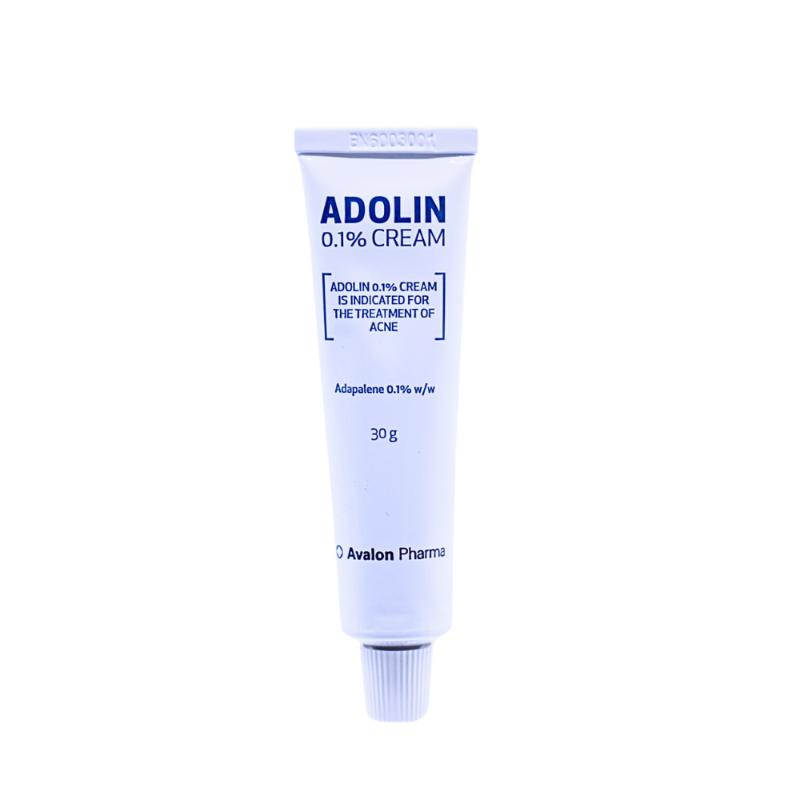
Medications > Dermatology Medications
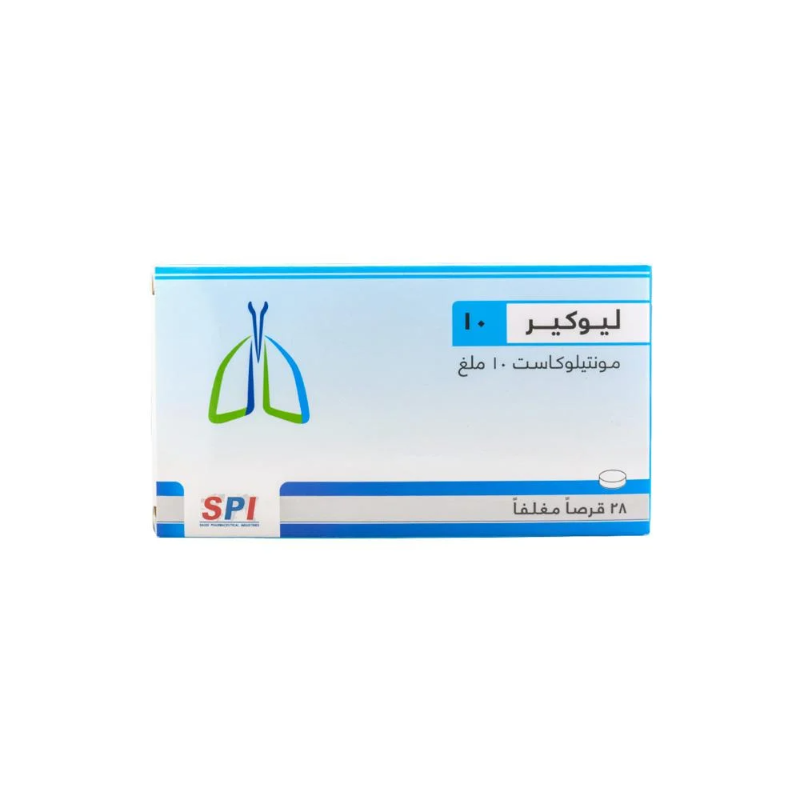
Medications > Cold, Cough, and Allergy Medications
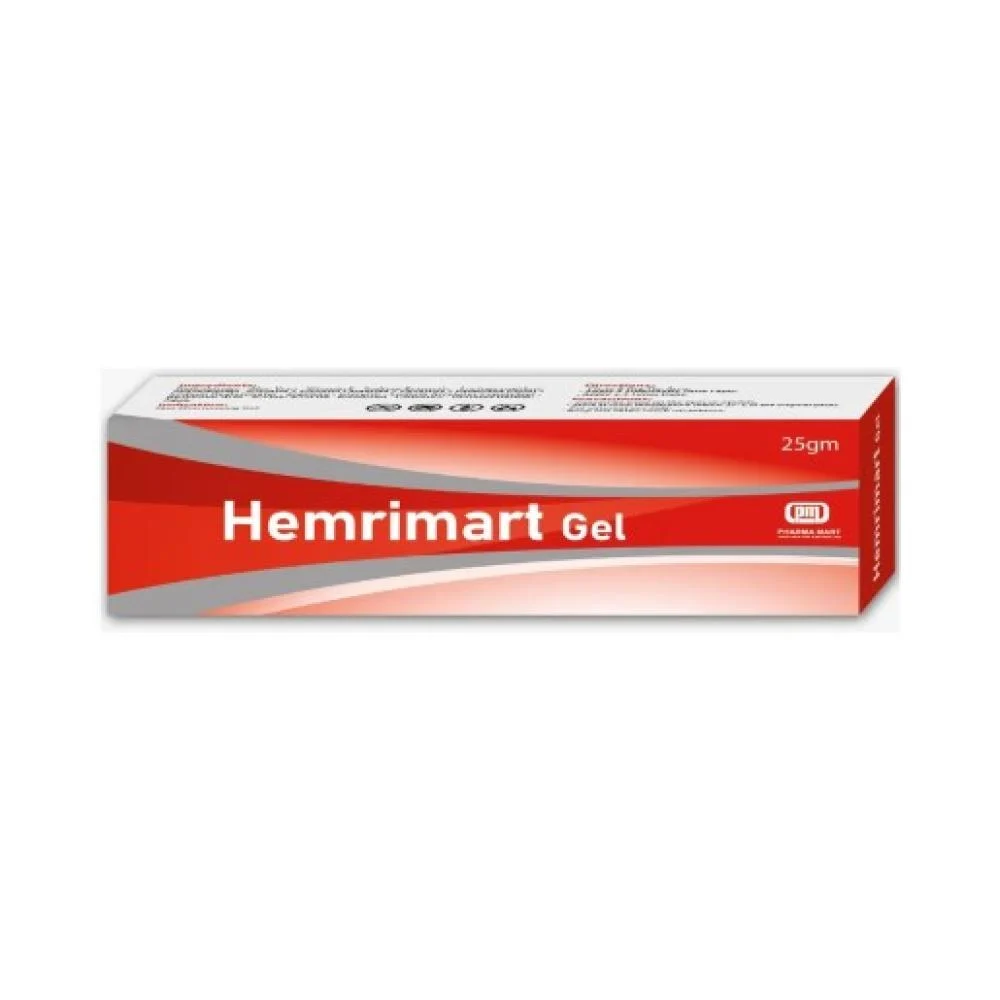
Medications > Hemorrhoid Medications
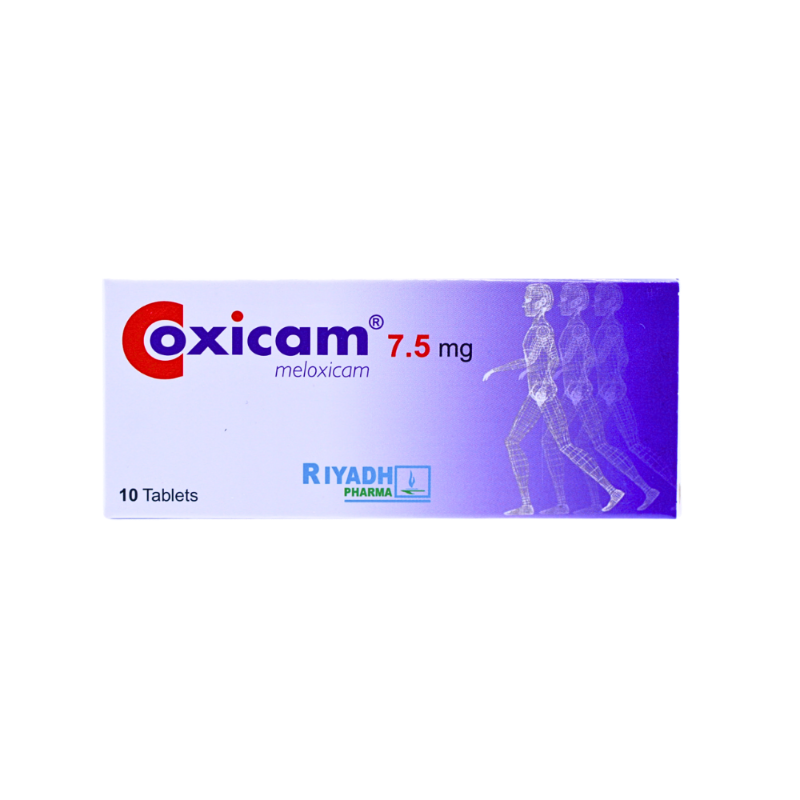
Medications > Painkillers and Antipyretics
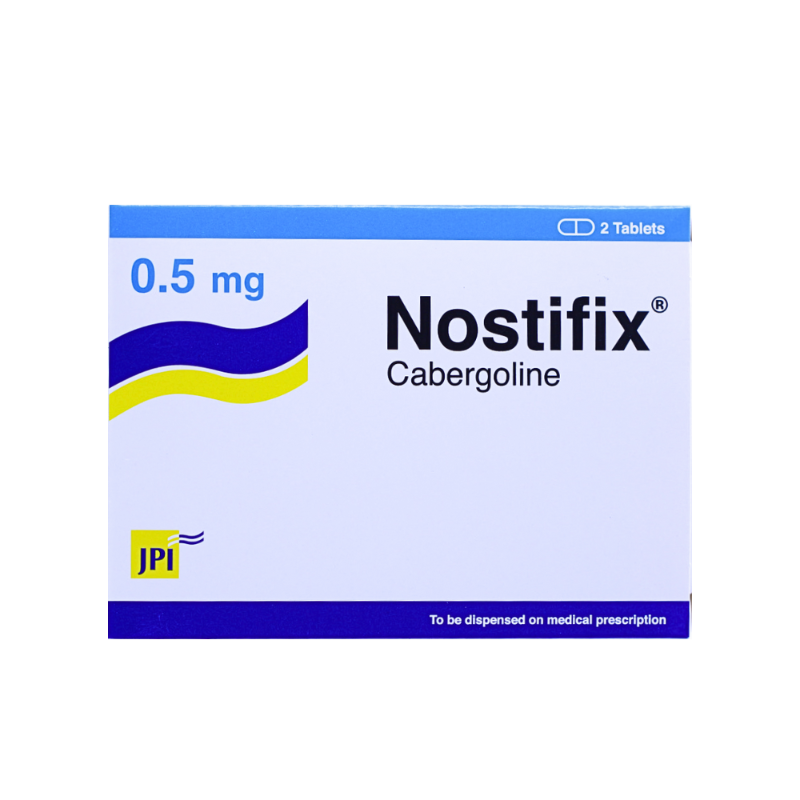
Medications > Contraceptives and Hormonal Medications
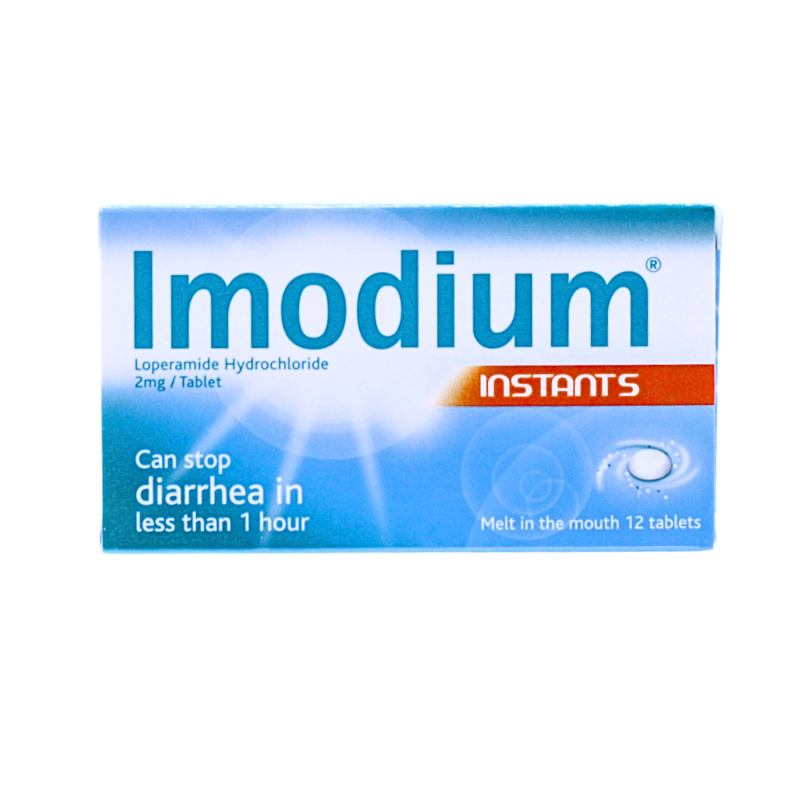
Medications > Gastrointestinal Medications
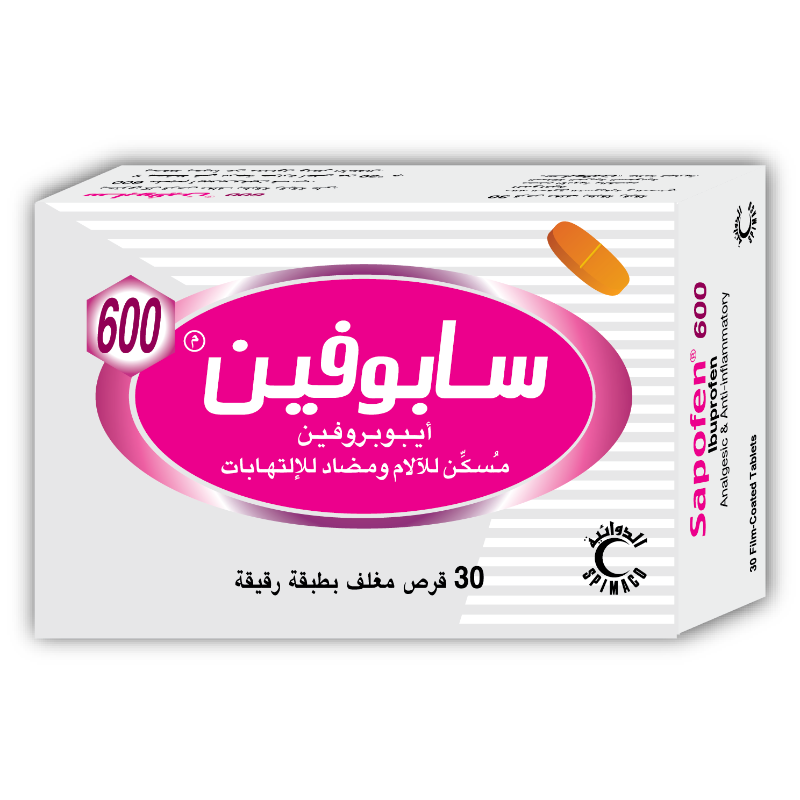
Medications > Painkillers and Antipyretics
