
Use Code: WF26 And Get 30% OFF, T&C Applay | Get Free Delivery With No Minimum Order
-1744229570.gif "Almujtama Pharmacy logo")


Frequently bought together
Oral & Dental Care > Throat & Oral Care

Oral & Dental Care > Throat & Oral Care
Vitamins & Supplements > Vitamins and Minerals
RIAPHYLLIN SYRUP 100ML
- Sku : I-006287
Key features
RIAPHYLLIN Syrup 100 ml is an oral syrup formulation containing the active ingredient theophylline 12 mg/mL. It produces bronchodilation primarily via nonselective phosphodiesterase inhibition (increasing intracellular cAMP) and adenosine receptor antagonism, and it also enhances diaphragmatic contractility and stimulates respiratory drive. It is indicated for maintenance treatment of reversible airway obstruction associated with asthma and chronic obstructive pulmonary disease, including chronic bronchitis and emphysema. Available as a 100 ml syrup pack.- Brand: RIAPHYLLIN
- Active Ingredient: THEOPHYLLINE 12mg/ml
- Strength: 12mg/ml
- Dosage Form: Syrup
- Pack Size: 100 ml
- Route: Oral use
- Prescription Status: Prescription
- Therapeutic Class: Respiratory
- Pharmacological Group: Anti-asthma & COPD
- Drug Class: Methylxanthine Bronchodilator
- Manufacturer: RIYADH PHARMA
- Country of Origin: Saudi Arabia
- SFDA Registration No.: 1407245565
- Shelf Life: 36 months
- Storage: do not store above 30°c
- Symptom Target: Wheezing, Shortness of Breath, Chest Tightness
- Sedating: No
Frequently bought together
Oral & Dental Care > Throat & Oral Care
Oral & Dental Care > Throat & Oral Care
Vitamins & Supplements > Vitamins and Minerals
Indications
Approved Uses
Maintenance treatment of reversible airway obstruction associated with asthma and chronic obstructive pulmonary disease (including chronic bronchitis and emphysema).
Off-Label Uses
Off-label examples: central sleep apnea/Cheyne-Stokes respiration (limited evidence) and diaphragmatic dysfunction/fatigue (limited evidence).
Dosage & Administration
Dosing by Condition
Asthma/COPD (immediate-release oral): dosing is individualized and titrated to serum concentrations; typical adult starting total daily dose ~300 mg/day in divided doses, then titrate (often up to ~400-600 mg/day) based on response, tolerability, and serum levels.
Initial Dose
Adults (oral syrup 12 mg/mL): Start 1.7-3.3 mg/kg/day (theophylline base) in divided doses (e.g., every 8-12 hours), then titrate based on clinical response and serum theophylline concentrations.
Maintenance Dose
Adults: 400-600 mg/day in divided doses, adjusted to serum theophylline levels of 10-20 mcg/mL
Maximum Dose
Adults: Usual maximum 10 mg/kg/day (not to exceed 600 mg/day) with dose individualized to target serum theophylline concentrations (commonly 5-15 mcg/mL; avoid >20 mcg/mL).
Children's Dosage
For children 1-15 years (<45kg): Initially 12-14mg/kg/day, divided every 4-6 hours. Maximum dose is typically 20mg/kg/day or 600mg/day, whichever is less. Dose must be guided by serum levels.
Dose Adjustment Notes
Dose must be individualized using serum theophylline concentrations; reduce dose in hepatic impairment, heart failure, older adults, and during sustained high fever; increase dose may be needed in smokers; adjust with interacting drugs (CYP1A2/3A4 inhibitors/inducers).
How to Take
Oral use: shake well before each dose; measure with an oral syringe/medicine cup (not a kitchen spoon); may be taken with food or milk if stomach upset occurs; take doses at evenly spaced times each day as prescribed; do not switch brands/formulations without prescriber advice.
Side Effects
Common Side Effects
Common: nausea, vomiting, abdominal pain/heartburn, headache, insomnia, nervousness/restlessness, tremor, palpitations/tachycardia; may also cause diuresis and diarrhea.
Side Effect Frequency
Common dose-related GI/CNS stimulant effects (e.g., nausea/vomiting, headache, insomnia, tremor, palpitations); serious toxicity (e.g., seizures, ventricular arrhythmias) is associated with elevated serum concentrations, typically >20 mcg/mL.
Safety & Warnings
Contraindications
Contraindicated in patients with hypersensitivity to theophylline/other xanthines (e.g., aminophylline, caffeine) or any formulation component.
Warnings & Precautions
Key warnings/precautions: narrow therapeutic index-monitor serum theophylline concentrations and adjust for interacting drugs and smoking changes; use caution in seizure disorders, cardiac arrhythmias/ischemic heart disease, hyperthyroidism, peptic ulcer disease, hepatic impairment, and heart failure; febrile illness and age extremes can reduce clearance and increase toxicity risk.
Age Restriction
No absolute age restriction; may be used in pediatrics including infants only with specialist-directed weight-based dosing and therapeutic drug monitoring (TDM), with extra caution in neonates/infants due to reduced clearance and higher toxicity risk.
Drug Interactions
Drug Interactions
Major interactions: inhibitors that increase levels/toxicity (e.g., ciprofloxacin, macrolides such as erythromycin/clarithromycin, cimetidine, fluvoxamine; also allopurinol at higher doses) and inducers that decrease levels (e.g., rifampin, carbamazepine, phenytoin, phenobarbital) plus smoking (tobacco) decreases levels; stopping smoking can increase levels.
Interaction Severity
MAJOR (↑ levels/toxicity): ciprofloxacin, fluvoxamine, macrolides (erythromycin/clarithromycin), cimetidine; MAJOR (↓ levels/efficacy): rifampicin; MODERATE (↓ levels): carbamazepine, phenytoin, phenobarbital; MODERATE (pharmacodynamic): nonselective beta-blockers may reduce bronchodilation; MINOR/variable: caffeine (additive stimulation), oral contraceptives may modestly increase levels in some patients.
Food Interaction
May be taken with or without food; if GI upset occurs, take with food/milk; keep administration consistent relative to meals; avoid excessive caffeine and other xanthines; major diet pattern changes (e.g., high-protein/low-carb, charcoal-broiled foods) can increase clearance and may affect levels.
Special Populations
Children
For children 1-15 years (<45kg): Initially 12-14mg/kg/day, divided every 4-6 hours. Maximum dose is typically 20mg/kg/day or 600mg/day, whichever is less. Dose must be guided by serum levels.
Kidney Impairment
Generally no routine dose adjustment in renal impairment, but use caution and consider closer monitoring in severe renal failure due to possible metabolite accumulation and toxicity risk.
Storage & Patient Advice
Storage Conditions
Do not store above 30°C.
Missed Dose
Take the missed dose as soon as remembered unless it is close to the next scheduled dose; if close, skip the missed dose and resume the regular schedule-do not double doses.
Stopping the Medicine
Do not stop or change the dose without prescriber advice; taper is not routinely required, but symptoms may worsen if therapy is stopped and the regimen should be reassessed clinically.
Overdose
Overdose can cause severe/persistent vomiting, agitation/tremor, tachycardia, hypotension, ventricular arrhythmias, and seizures; it is a medical emergency requiring immediate hospital care, GI decontamination (activated charcoal when appropriate), continuous cardiac/neurologic monitoring, benzodiazepines for seizures, and consideration of extracorporeal removal (e.g., hemodialysis/hemoperfusion) in severe cases.
Patient Counseling
Take exactly as prescribed and do not change dose/brand without medical advice; shake well and measure doses accurately; take at evenly spaced times and keep timing consistent with meals; avoid excessive caffeine; report toxicity symptoms (persistent nausea/vomiting, severe headache, tremor, palpitations/fast heartbeat, insomnia, seizures); inform clinicians about all medicines (especially antibiotics like ciprofloxacin/macrolides) and any start/stop smoking or major diet changes; attend blood tests for theophylline levels; store below 30°C and keep out of reach of children.
Monitoring Requirements
Monitor serum theophylline concentration (typical target 10-20 mcg/mL for asthma; often 5-15 mcg/mL for COPD depending on local practice), clinical response (symptoms/PEF or spirometry), heart rate, and signs of toxicity; recheck levels with dose changes, illness/fever, smoking changes, or interacting drugs.
Pharmacology
Mechanism of Action
Bronchodilation primarily via nonselective phosphodiesterase inhibition (↑ cAMP) and adenosine receptor antagonism; also increases diaphragmatic contractility and stimulates respiratory drive.
Onset of Action
Immediate-release oral theophylline: onset typically about 30-60 minutes.
Duration of Effect
Immediate-release theophylline syrup: approximately 6-8 hours per dose (hence divided dosing).
Half-Life
Healthy non-smoking adults: ~5-8 hours (range commonly cited ~7-9 hours); shorter in children and smokers; longer in elderly and in hepatic impairment/heart failure (can be markedly prolonged, up to ~24 hours in severe cases).
Bioavailability
Approximately 100% (immediate-release oral syrup/solution).
Metabolism
Extensive hepatic metabolism primarily via CYP1A2, with contributions from CYP2E1 and CYP3A4 (demethylation/hydroxylation to mostly inactive metabolites).
Excretion
Renal - approximately 10% excreted unchanged in urine in adults; remainder as metabolites
Protein Binding
Approximately 40% protein bound (mainly to albumin; may be concentration-dependent).
Product Information
Available Dosage Forms
Syrup, immediate-release tablet, sustained-release tablet, sustained-release capsule, intravenous solution
Composition per Dose
Each 5 mL: Theophylline 60 mg (anhydrous)
Generic Availability
Yes
OTC Alternatives
No OTC alternative - prescription required for theophylline; salbutamol inhaler available OTC in some regions for acute bronchospasm
Symptom Target
Wheezing, Shortness of Breath, Chest Tightness
Sedating
No
Reviewed by Al Mujtama Pharmacy Medical Review Team. Last reviewed 19-08-2026
Similar Products
Medications > Cholesterol Medications
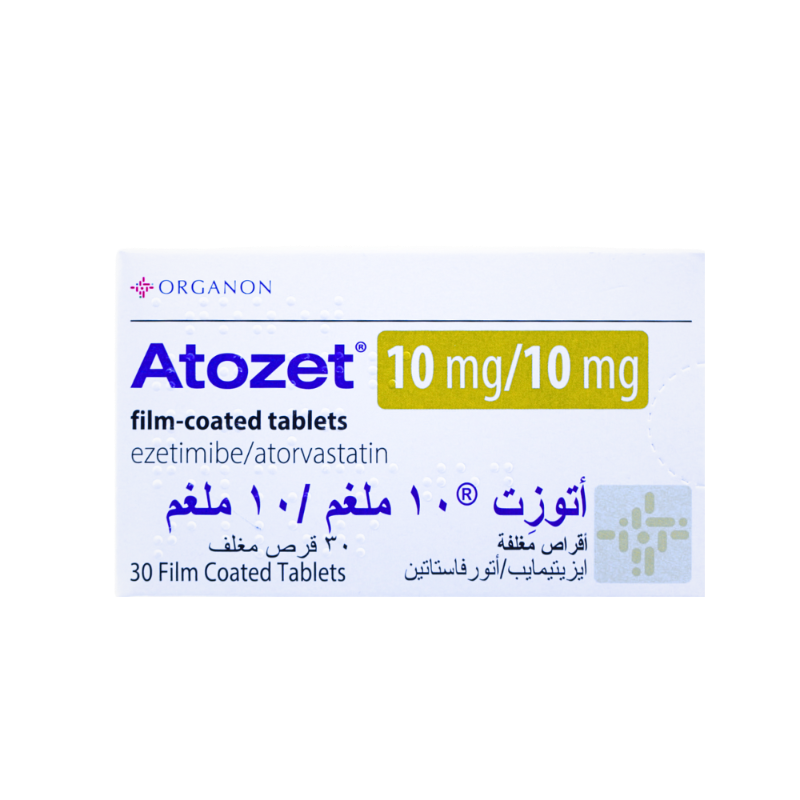
Medications > Cholesterol Medications
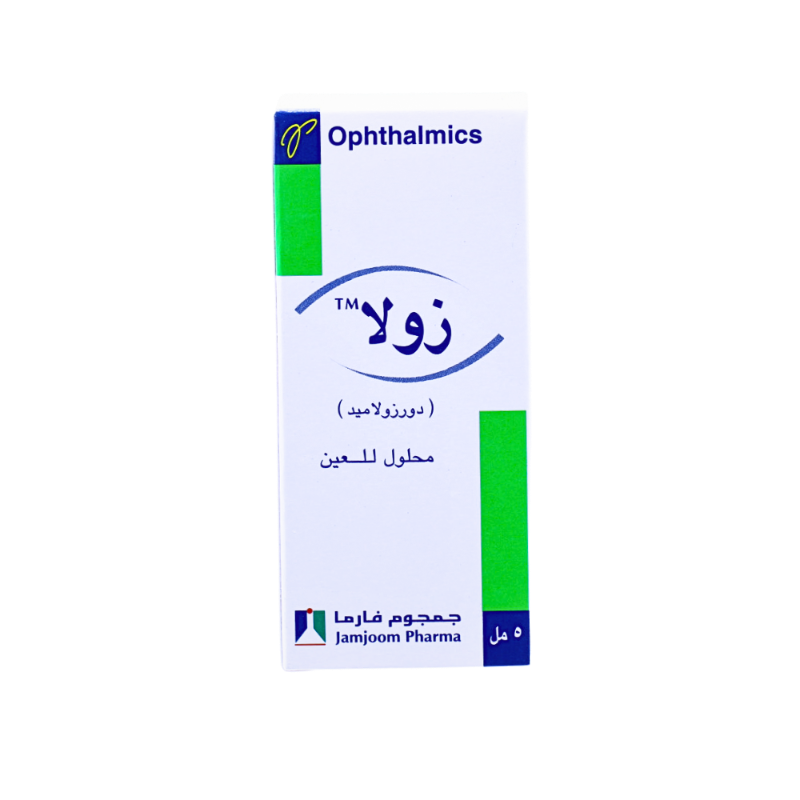
Medications > Eye and Ear Medications
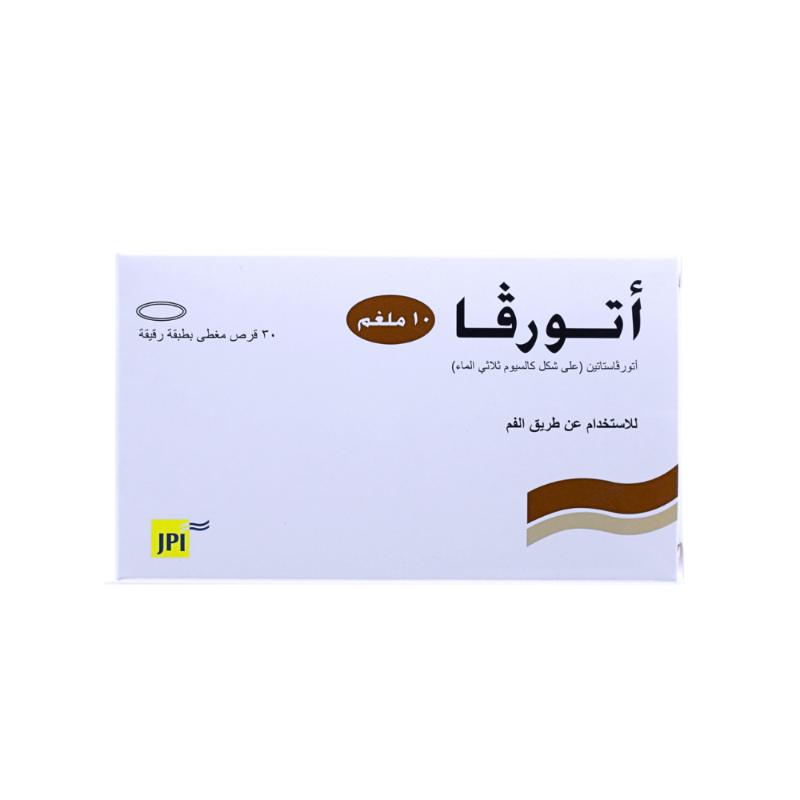
Medications > Cholesterol Medications

Medications > Urology Medications

Medications > Psychiatric Medications
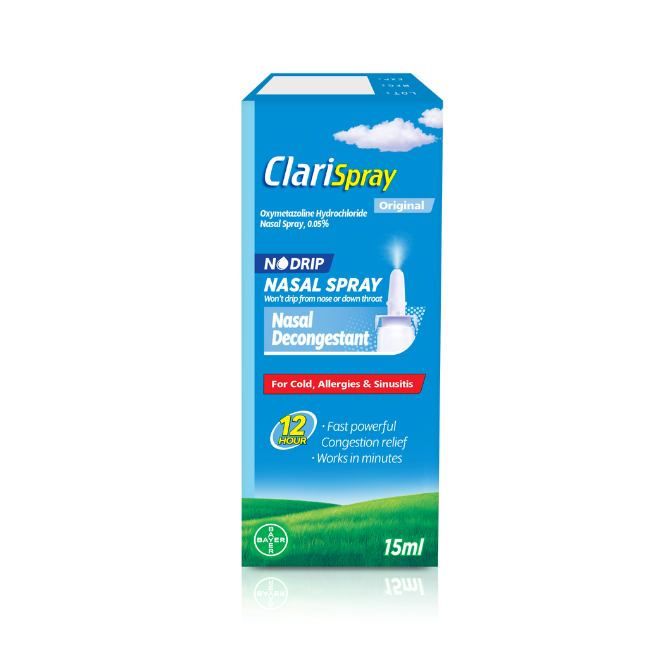
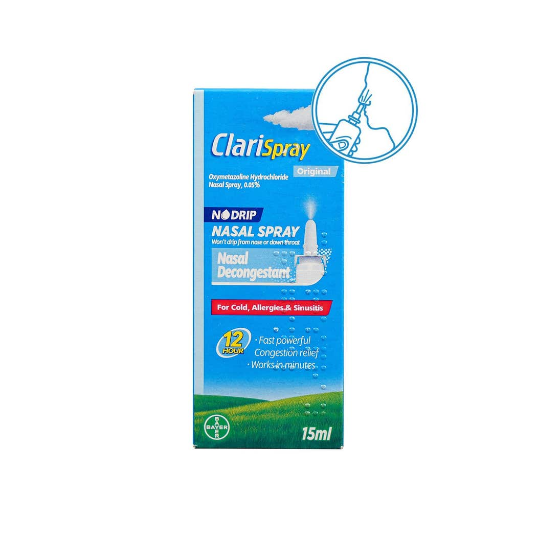
Medications > Cold, Cough, and Allergy Medications
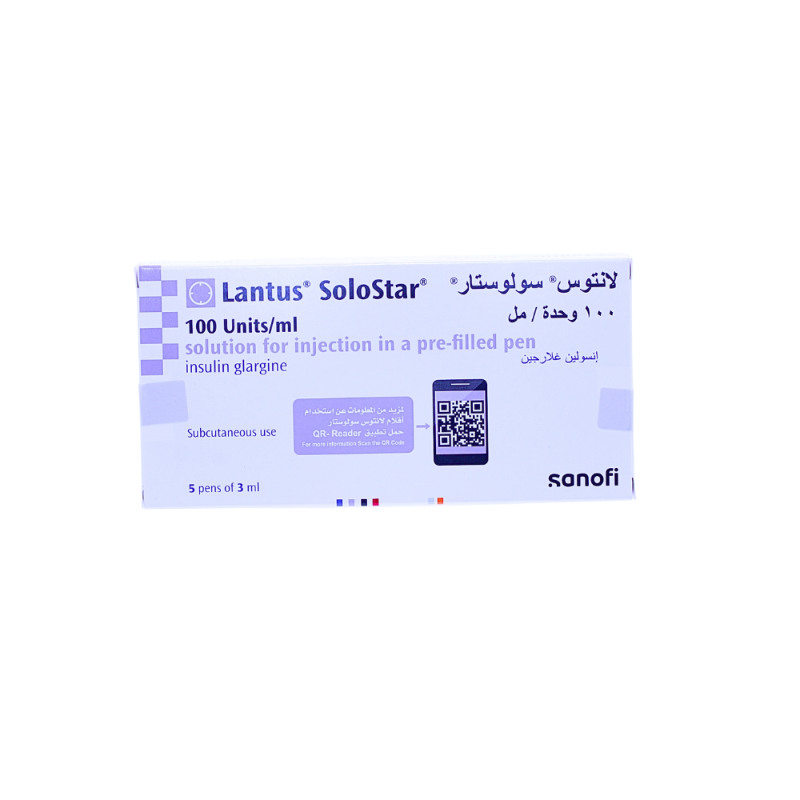
Medications > Diabetes Medications
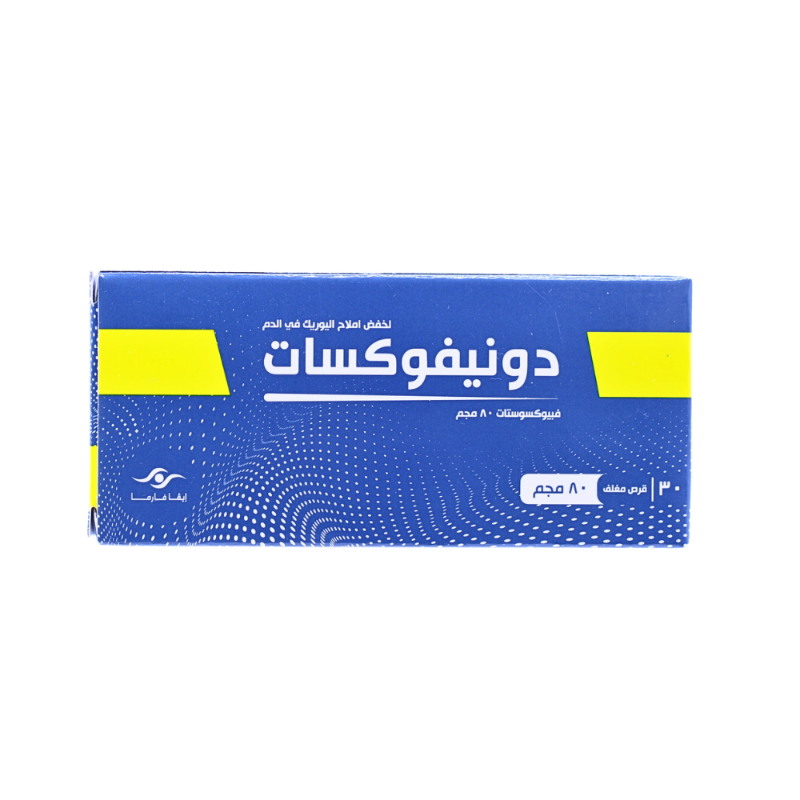
Medications > Urology Medications
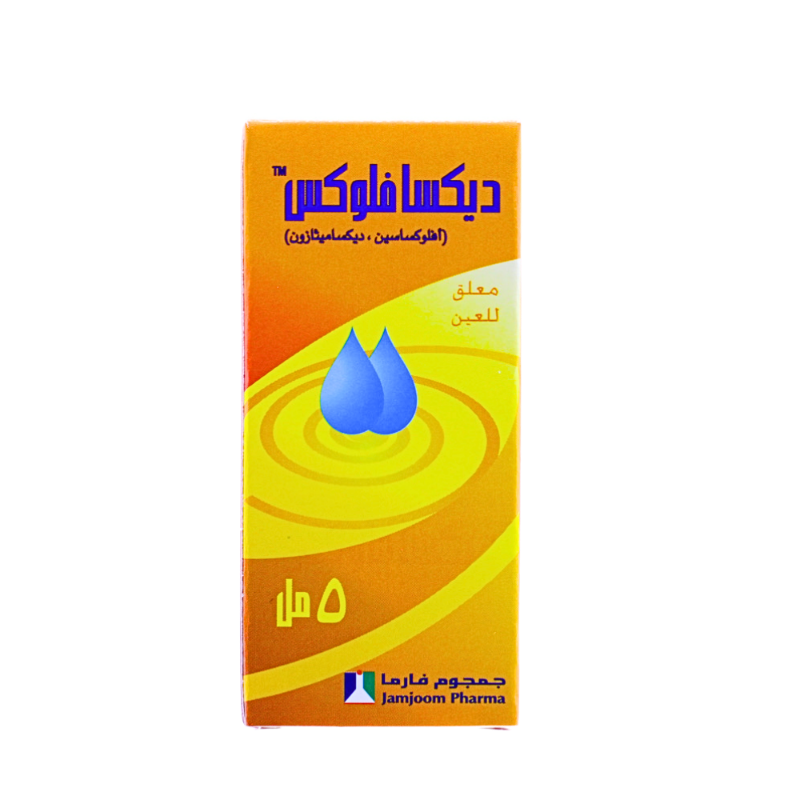
Medications > Eye and Ear Medications
