
Use Code: ND30 And Get 30% OFF | Get Free Delivery With No Minimum Order
-1744229570.gif "Almujtama Pharmacy logo")
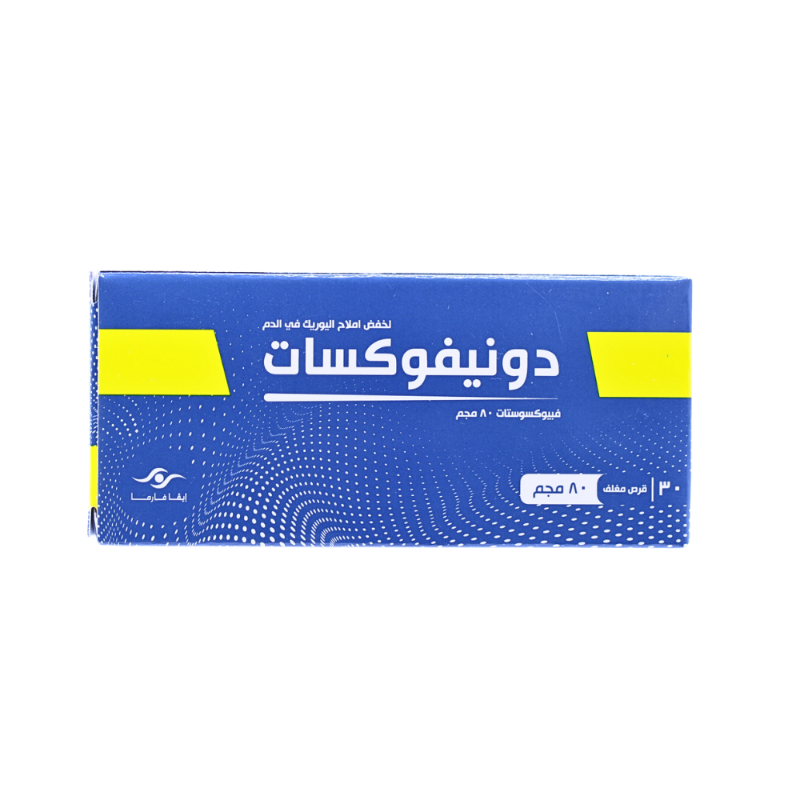




Frequently bought together
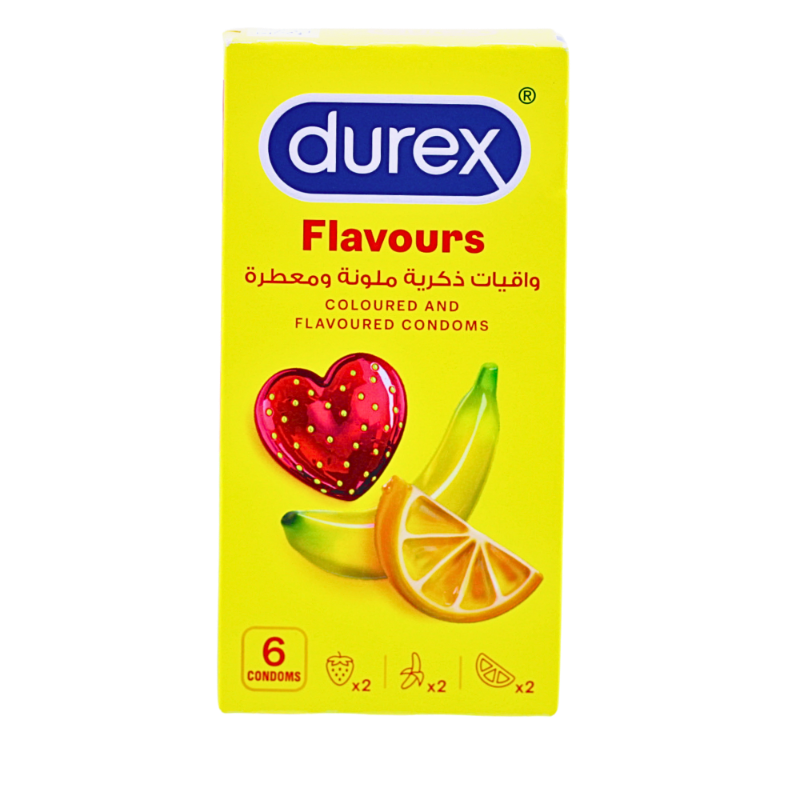
Personal Care > Sexual Care
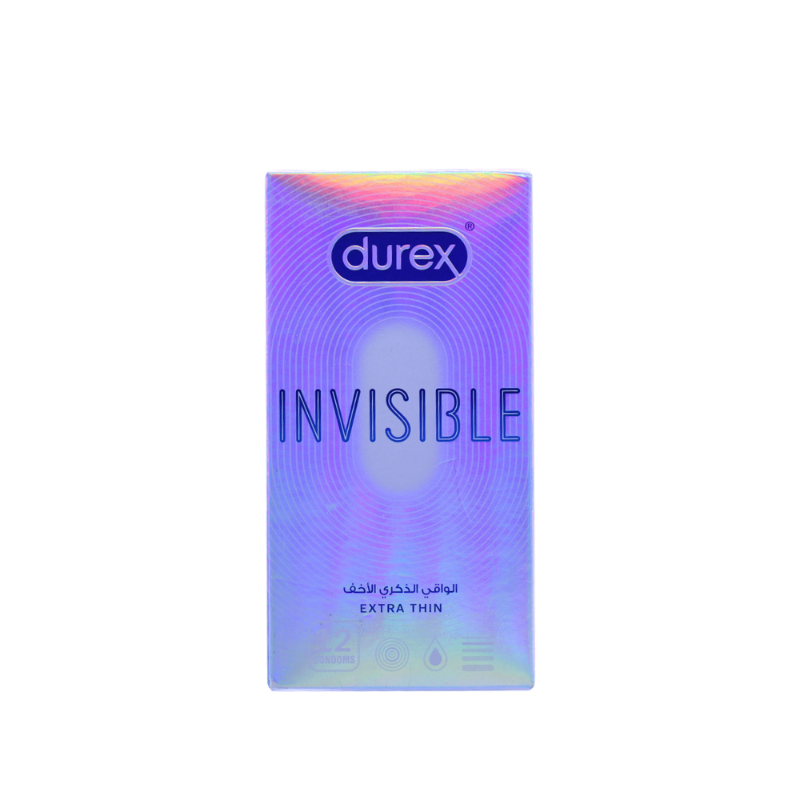
Personal Care > Sexual Care
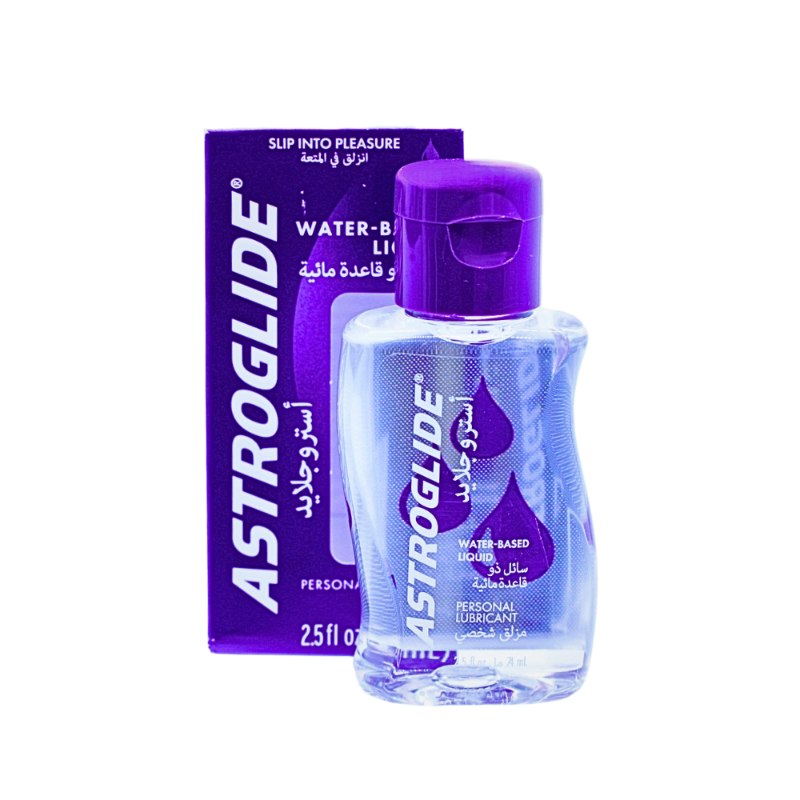
Personal Care > Sexual Care
Vitamins & Supplements > Natural Supplements
DONIFOXATE 80/MG FC TAB 30/FC TAB
- Sku : I-032456
Key features
Donifoxate Film-coated Tablets 80 mg contain febuxostat, a prescription-strength xanthine oxidase inhibitor. It works by selectively blocking xanthine oxidase, helping reduce the body’s production of uric acid. It is used for the chronic management of hyperuricemia in adult patients with gout. This product is supplied as film-coated tablets in a pack of 30 tablets.- Brand: DONIFOXATE
- Active Ingredient: FEBUXOSTAT 80mg
- Strength: 80mg
- Dosage Form: Film-coated tablet
- Pack Size: 30 Tablets
- Route: Oral use
- Prescription Status: Prescription
- Therapeutic Class: Musculoskeletal
- Pharmacological Group: Anti-gout Preparations
- Drug Class: Xanthine oxidase inhibitor (non‑purine selective).
- Manufacturer: EVA PHARMA
- Country of Origin: Egypt
- SFDA Registration No.: 2611234550
- Shelf Life: 36 months
- Storage: do not store above 30°c
- Urological Condition: Kidney Stones
Frequently bought together
Personal Care > Sexual Care
Personal Care > Sexual Care
Personal Care > Sexual Care
Vitamins & Supplements > Natural Supplements
Indications
Approved Uses
Chronic management of hyperuricemia in adult patients with gout.
Off-Label Uses
Off‑label: asymptomatic hyperuricemia (generally not recommended routinely); hyperuricemia in CKD when allopurinol is not tolerated/ineffective (use is individualized).
Dosage & Administration
Dosing by Condition
Gout/chronic hyperuricemia (adults): 40 mg orally once daily initially; if serum urate remains >6 mg/dL after ~2 weeks, increase to 80 mg once daily (this product strength is 80 mg per SFDA).
Initial Dose
Initial dose is typically 80 mg once daily; 40 mg may be used in certain circumstances but 80 mg is the standard starting dose
Maintenance Dose
80mg once daily
Maximum Dose
80mg once daily
Dose Adjustment Notes
Assess serum urate after ~2 weeks; if target not achieved, increase dose (e.g., 40 mg to 80 mg once daily); use flare prophylaxis with colchicine/NSAID when starting urate‑lowering therapy for at least 3-6 months (often up to 6 months).
How to Take
Swallow the film‑coated tablet whole with water; may be taken with or without food; take once daily at the same time each day.
Side Effects
Common Side Effects
Gout flares (especially at initiation), liver function test abnormalities, nausea, arthralgia, rash, diarrhea, headache.
Side Effect Frequency
Common (≥1% to <10%): liver function test elevations, nausea, rash, arthralgia, diarrhea; gout flares are common during initiation (often reported among the most frequent adverse effects).
Safety & Warnings
Contraindications
Contraindicated with azathioprine or mercaptopurine; contraindicated in patients with hypersensitivity to febuxostat/excipients.
Warnings & Precautions
Key warnings/precautions: increased CV mortality risk in patients with established CV disease; gout flares may increase on initiation (use flare prophylaxis); serious hypersensitivity reactions (stop immediately); monitor liver function tests; use caution in severe renal impairment and avoid with azathioprine/mercaptopurine.
Drug Interactions
Drug Interactions
Major: azathioprine and mercaptopurine (contraindicated); important: theophylline (avoid/caution with monitoring), didanosine (avoid), and other xanthine-oxidase-metabolized drugs; antacids may reduce absorption (separate dosing).
Food Interaction
No clinically significant food restriction; may be taken with or without food.
Special Populations
Elderly
Standard adult dosing; no dose adjustment required based on age alone, but monitor renal and hepatic function
Kidney Impairment
CrCl 30-89 mL/min: no adjustment; CrCl <30 mL/min: do not exceed 40 mg once daily.
Liver Impairment
Child-Pugh A or B: no dose adjustment; Child-Pugh C: use with caution (limited data) and monitor liver tests.
Storage & Patient Advice
Stopping the Medicine
Do not stop without clinician advice; stopping can raise urate and precipitate gout flares, and urate-lowering therapy is typically long-term.
Overdose
Limited overdose data; manage with symptomatic/supportive care, consider GI decontamination if appropriate, and monitor renal/hepatic function; dialysis is unlikely to be effective due to high protein binding.
Patient Counseling
Take once daily consistently (with or without food) and continue even when symptom‑free; gout flares may increase initially-use/continue prescribed prophylaxis; seek urgent care for chest pain/shortness of breath or stroke symptoms; stop and seek care for severe rash; report signs of liver injury (jaundice, dark urine, RUQ pain); avoid azathioprine/mercaptopurine and discuss all medicines with the prescriber; attend follow‑up labs for urate and liver tests.
Monitoring Requirements
Monitor serum uric acid (as early as 2 weeks after initiation and after dose changes until at goal, then periodically) and liver function tests at baseline and periodically; assess renal function and cardiovascular risk/clinical status.
Pharmacology
Mechanism of Action
A non-purine, selective inhibitor of xanthine oxidase, the enzyme responsible for the conversion of hypoxanthine to xanthine and then to uric acid. By blocking this enzyme, it reduces the production of uric acid in the body.
Onset of Action
Within 24 hours (initial serum uric acid reduction begins after the first dose; full effect may take up to 2 weeks).
Duration of Effect
Approximately 24 hours (supports once‑daily dosing).
Half-Life
Approximately 5-8 hours (terminal elimination half-life).
Bioavailability
Oral bioavailability: at least ~84%.
Metabolism
Hepatic metabolism mainly via glucuronidation (UGT1A1, UGT1A3, UGT1A9, UGT2B7) and oxidation via CYP1A2, CYP2C8, and CYP2C9; CYP3A4 is not a major pathway.
Protein Binding
Approximately 99% (highly protein bound, mainly to albumin).
Product Information
Available Dosage Forms
Film-coated tablet.
Composition per Dose
Each film-coated tablet: Febuxostat 80mg
OTC Alternatives
For acute gout pain relief: NSAIDs (e.g., ibuprofen, naproxen). For lowering uric acid: No OTC alternative.
Urological Condition
Kidney Stones
Reviewed by Al Mujtama Pharmacy Medical Review Team. Last reviewed 03-06-2026
Similar Products
Medications > Sexual Health
Medications > Diabetes Medications
Medications > Painkillers and Antipyretics
Medications > Painkillers and Antipyretics
Medications > Cold, Cough, and Allergy Medications
Medications > Gastrointestinal Medications
Medications > Eye and Ear Medications
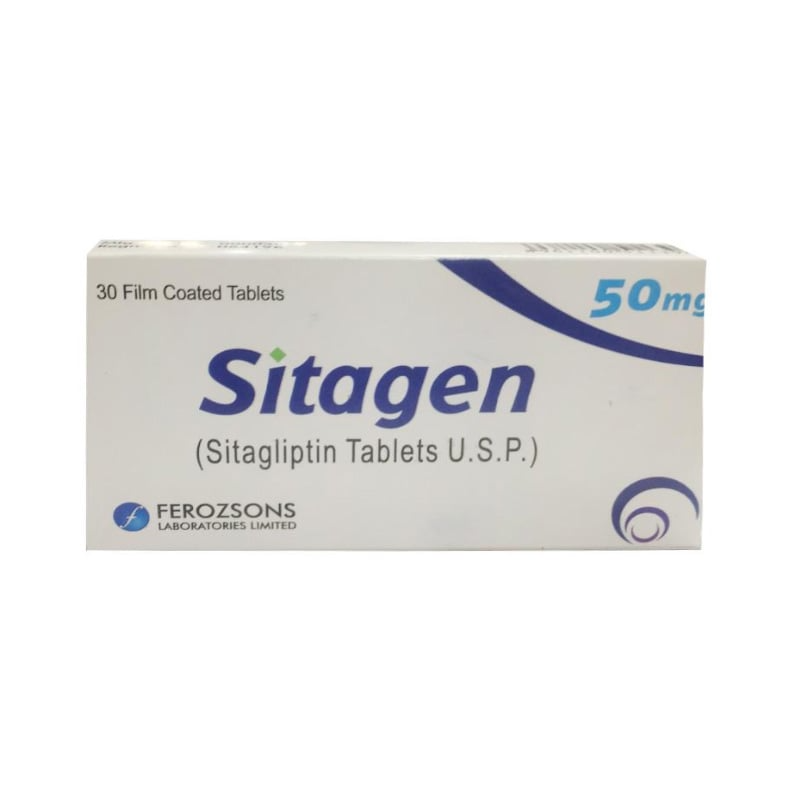
Medications > Diabetes Medications
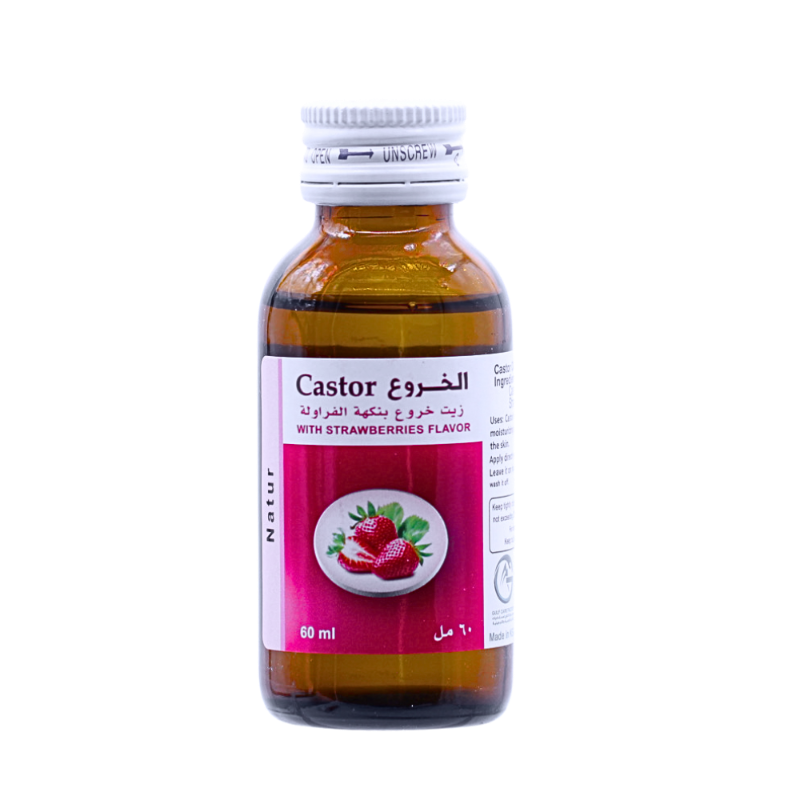
Medications > Gastrointestinal Medications
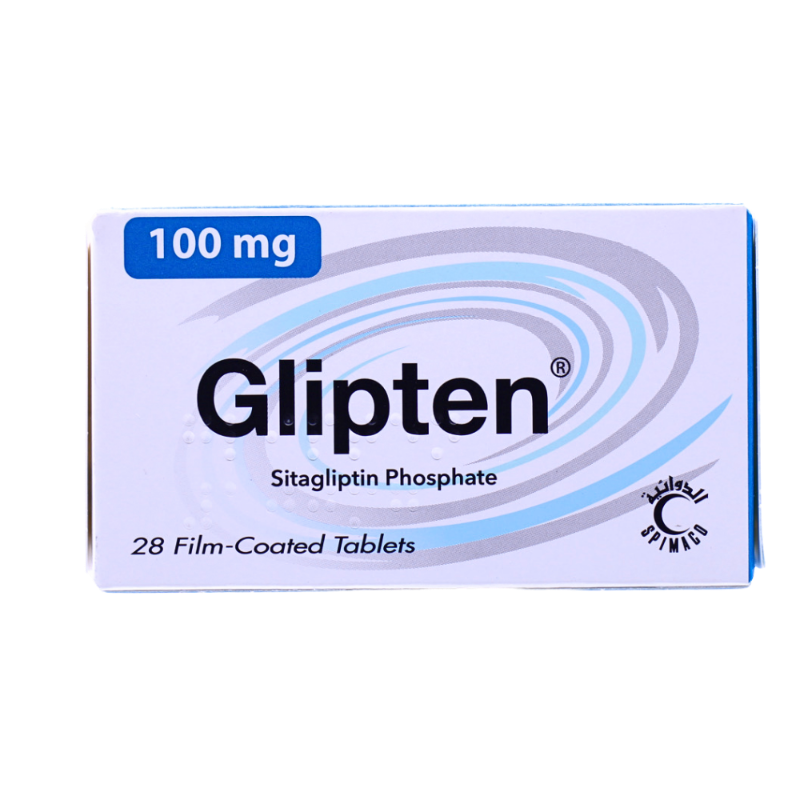
Medications > Diabetes Medications
