
Use Code: ND30 And Get 30% OFF | Get Free Delivery With No Minimum Order
-1744229570.gif "Almujtama Pharmacy logo")





Frequently bought together
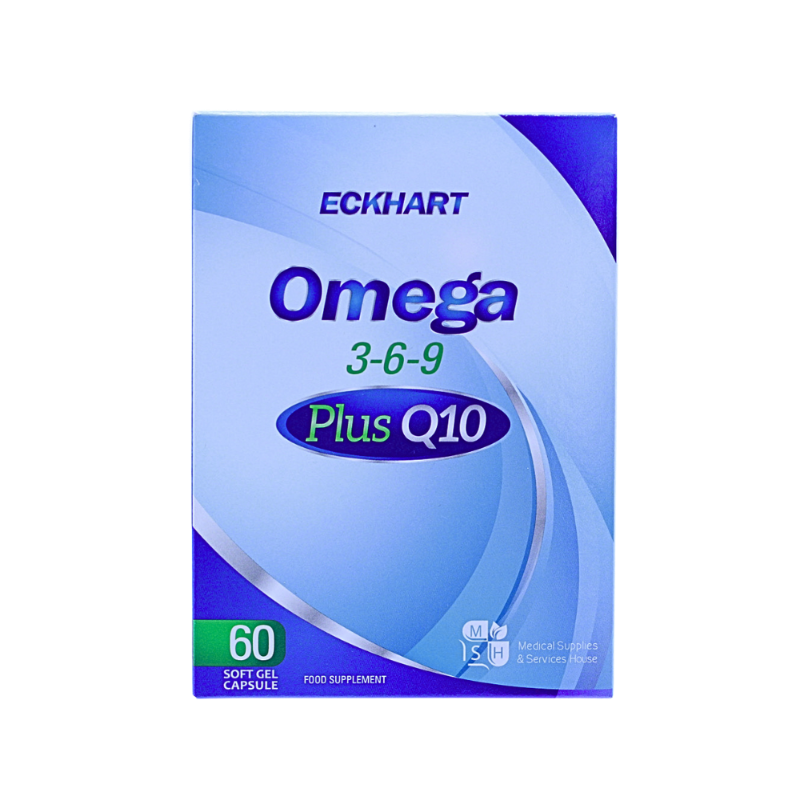
Vitamins & Supplements > Omega-3 Supplements
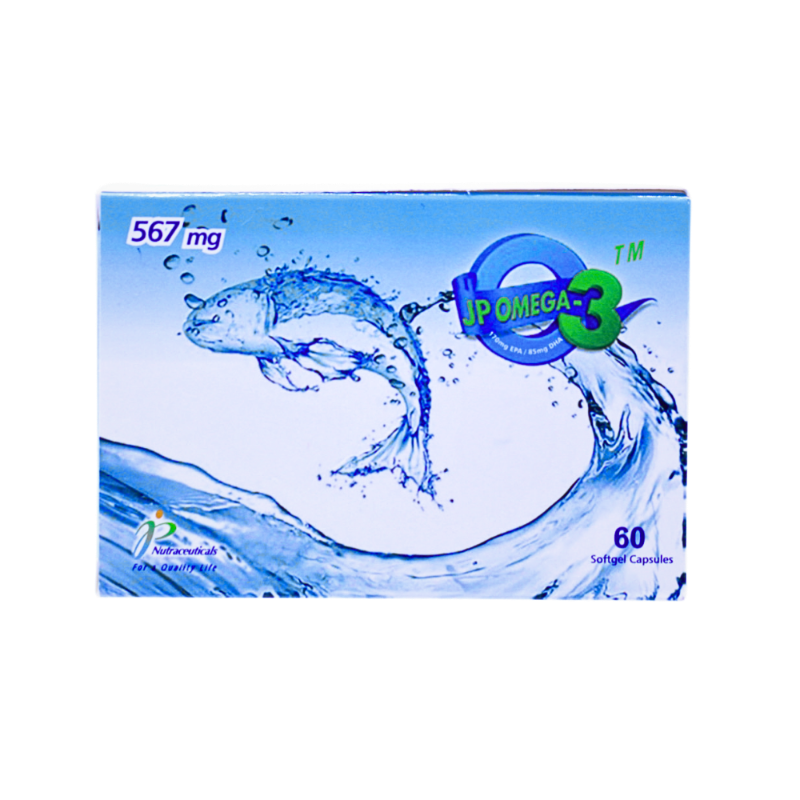
Vitamins & Supplements > Omega-3 Supplements
Vitamins & Supplements > Sleeping aid supplements
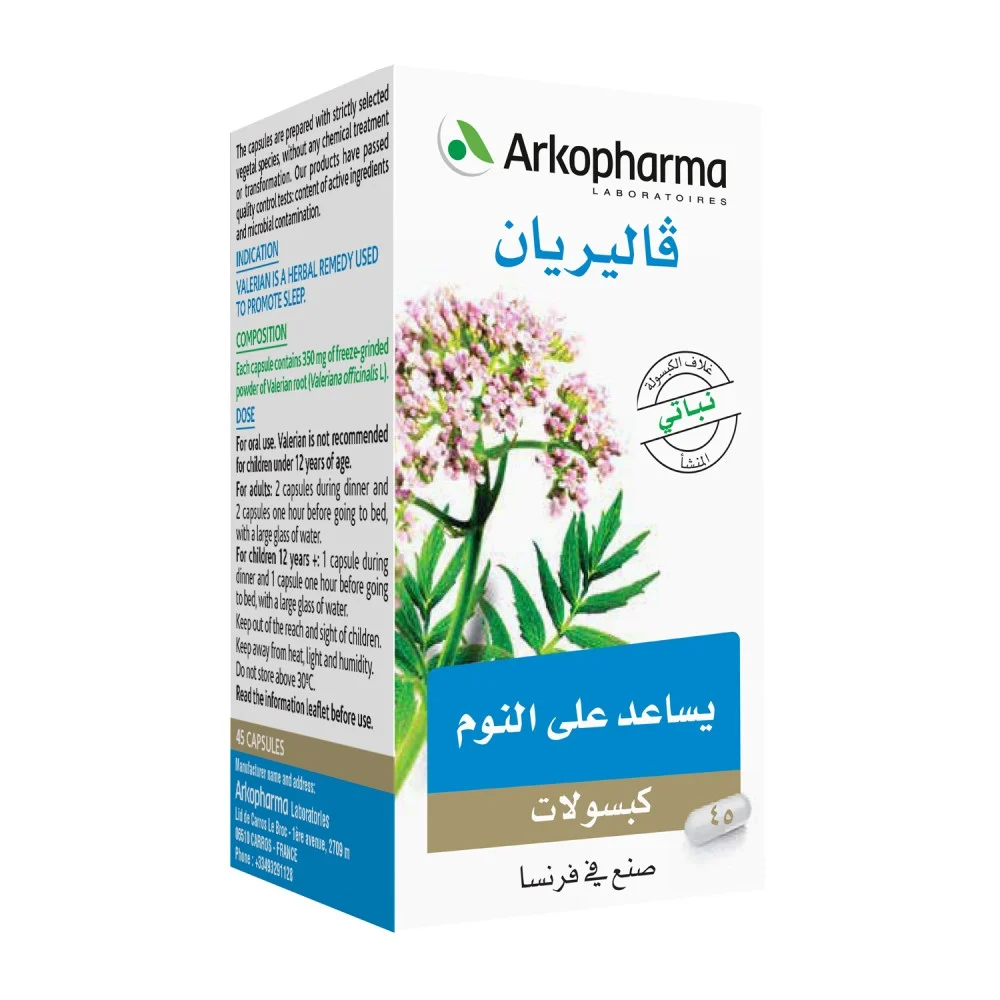
Vitamins & Supplements > Sleeping aid supplements
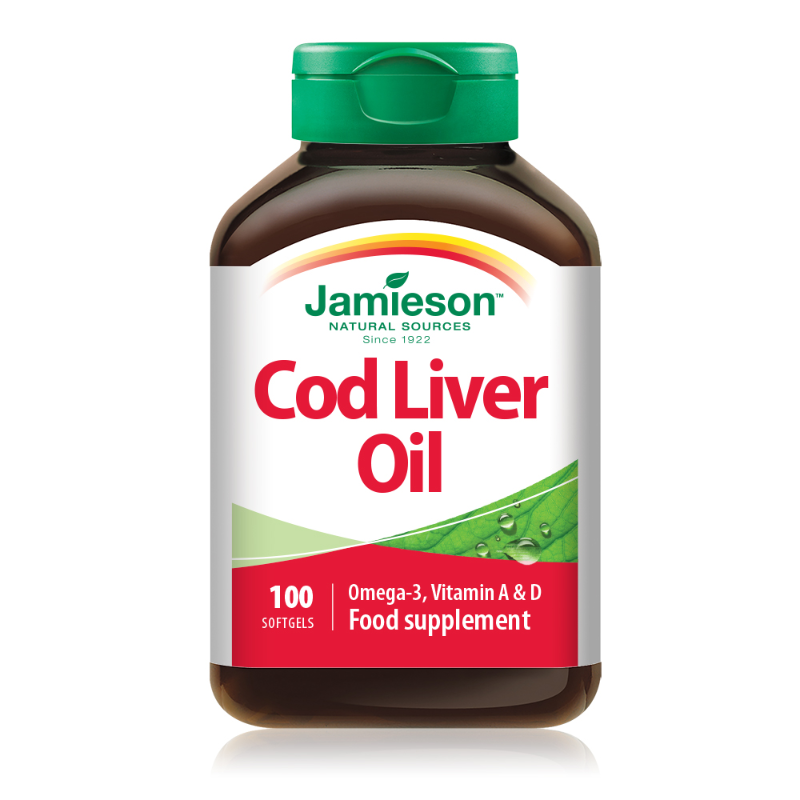
Vitamins & Supplements > Omega-3 Supplements
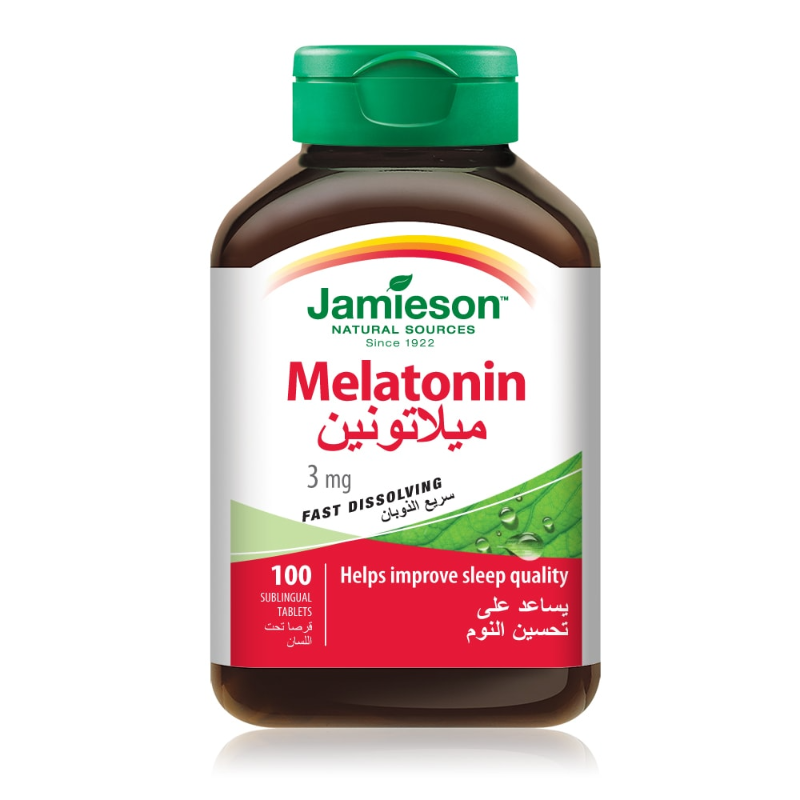
Vitamins & Supplements > Sleeping aid supplements
PAROXAT 20/MG FC TAB 30/FC TAB
- Sku : I-013143
Key features
Paroxat 20 Mg F-C Film-coated tablet is a prescription medicine containing paroxetine 20 mg, supplied as 30 film-coated tablets. It belongs to the SSRI antidepressant class and works by increasing serotonin levels in the brain through selective reuptake inhibition. It is used for the treatment of major depressive disorder, obsessive-compulsive disorder, panic disorder, social anxiety disorder, generalized anxiety disorder, post-traumatic stress disorder, and premenstrual dysphoric disorder. The product is available in a film-coated tablet formulation, packed in 30 tablets.- Brand: PAROXAT
- Active Ingredient: PAROXETINE 20mg
- Strength: 20mg
- Dosage Form: Film-coated tablet
- Pack Size: 30 Tablets
- Route: Oral use
- Prescription Status: Prescription
- Therapeutic Class: Psychiatric
- Pharmacological Group: SSRIs
- Drug Class: SSRI Antidepressant (Selective Serotonin Reuptake Inhibitor)
- Manufacturer: SPIMACO
- Country of Origin: Saudi Arabia
- SFDA Registration No.: 247-212-08
- Shelf Life: 36 months
- Storage: store below 30°c
- Psych Class: Antidepressant-SSRI
- Controlled Substance: No
Frequently bought together
Vitamins & Supplements > Omega-3 Supplements
Vitamins & Supplements > Omega-3 Supplements
Vitamins & Supplements > Sleeping aid supplements
Vitamins & Supplements > Sleeping aid supplements
Vitamins & Supplements > Omega-3 Supplements
Vitamins & Supplements > Sleeping aid supplements
Indications
Approved Uses
For paroxetine (IR, oral): Major depressive disorder (MDD), obsessive-compulsive disorder (OCD), panic disorder, social anxiety disorder (social phobia), generalized anxiety disorder (GAD), post-traumatic stress disorder (PTSD), premenstrual dysphoric disorder (PMDD). (Menopausal vasomotor symptoms are NOT an approved indication for paroxetine 20 mg IR; that indication applies to low-dose paroxetine 7.5 mg.)
Off-Label Uses
Common off-label uses: premature ejaculation; menopausal vasomotor symptoms (off-label for standard doses, noting only 7.5 mg is approved for VMS); certain chronic pain conditions/neuropathic pain (limited evidence); body dysmorphic disorder (often treated similarly to OCD).
Dosage & Administration
Dosing by Condition
Adults (paroxetine IR): MDD 20 mg daily; may increase by 10 mg weekly; max 50 mg/day. OCD 20 mg daily; target 40-60 mg/day; max 60 mg/day. Panic disorder 10 mg daily then increase; target ~40 mg/day; max 60 mg/day. Social anxiety disorder 20 mg daily; usual 20-50 mg/day; max 60 mg/day. GAD 20 mg daily; usual 20-50 mg/day (commonly max 50 mg/day). PTSD 20 mg daily; usual 20-50 mg/day (commonly max 50 mg/day). PMDD 20 mg daily either continuously or during luteal phase only.
Initial Dose
20mg once daily for Major Depressive Disorder, Social Anxiety Disorder, or Generalized Anxiety Disorder; 10mg once daily for Panic Disorder.
Maintenance Dose
20-50mg/day for Major Depressive Disorder; 40-60mg/day for OCD; 10-60mg/day for Panic Disorder; 20-50mg/day for Social Anxiety Disorder and GAD.
Maximum Dose
50mg/day for Major Depressive Disorder; 60mg/day for OCD, Panic Disorder, and Social Anxiety Disorder.
Children's Dosage
Not approved for use in children and adolescents under 18 years of age for major depressive disorder. Off-label use for OCD and social anxiety disorder has been studied.
Dose Adjustment Notes
Titrate by 10 mg increments no more frequently than weekly; in elderly or severe hepatic impairment or severe renal impairment (CrCl <30 mL/min), start 10 mg/day and use lower target doses with cautious titration (generally do not exceed 40 mg/day).
How to Take
Swallow tablet whole with water. Take once daily in the morning, with or after food to reduce nausea. Do not crush or chew the tablet.
Side Effects
Common Side Effects
Nausea, somnolence/drowsiness, insomnia, sexual dysfunction, sweating, dry mouth, dizziness, headache, tremor, constipation/diarrhea, decreased appetite, asthenia/fatigue, weight gain (with longer-term use).
Side Effect Frequency
Very common (≥10%): nausea, somnolence, insomnia, sexual dysfunction (e.g., decreased libido, delayed ejaculation/anorgasmia), sweating, dry mouth, dizziness, headache. Common (1-10%): constipation/diarrhea, tremor, asthenia/fatigue, decreased appetite, abnormal dreams, agitation/anxiety, blurred vision, yawning, weight change. Important uncommon/rare but clinically significant: hyponatremia/SIADH, abnormal bleeding (esp. with NSAIDs/anticoagulants), serotonin syndrome, mania/hypomania, seizures, angle-closure glaucoma/acute mydriasis, severe skin reactions.
Safety & Warnings
Contraindications
Contraindicated with MAOIs (including within 14 days of stopping an MAOI; and allow 14 days after stopping paroxetine before starting an MAOI), and with thioridazine or pimozide; contraindicated in patients with hypersensitivity to paroxetine/excipients; avoid/contraindicated with linezolid or IV methylene blue unless no alternatives and with close monitoring.
Warnings & Precautions
Monitor for clinical worsening/suicidality (especially early therapy and in <25); avoid serotonergic combinations that raise serotonin syndrome risk; taper to prevent discontinuation syndrome; screen for bipolar disorder/mania risk; use caution with seizure disorders; increased bleeding risk with NSAIDs/anticoagulants; monitor for hyponatremia (elderly/diuretics); consider angle-closure glaucoma risk; potent CYP2D6 inhibition (interaction management); pregnancy: potential fetal/neonatal risks with exposure, especially late pregnancy.
Age Restriction
Not approved for pediatric use (<18 years) for any indication; avoid routine use in <18 unless specialist-directed.
Driving Warning
May Cause Drowsiness
Drug Interactions
Drug Interactions
Major interactions: MAOIs/linezolid/IV methylene blue (serotonin syndrome-avoid/contraindicated), thioridazine and pimozide (QT/proarrhythmia-contraindicated), other serotonergic agents (e.g., triptans, tramadol, fentanyl, lithium, other SSRIs/SNRIs/TCAs-serotonin syndrome), anticoagulants/antiplatelets/NSAIDs (bleeding risk), strong CYP2D6 inhibition by paroxetine (↑ levels of CYP2D6 substrates; reduces tamoxifen activation), and alcohol/CNS depressants (additive impairment).
Interaction Severity
MAJOR/contraindicated: MAOIs (including linezolid and IV methylene blue) due to serotonin syndrome risk; thioridazine and pimozide due to QT/arrhythmia risk. MODERATE/clinically significant: other serotonergic drugs (triptans, tramadol, lithium, St John’s wort) → serotonin syndrome; anticoagulants/antiplatelets/NSAIDs → bleeding risk; strong CYP2D6 substrates (e.g., TCAs, some antipsychotics) → increased levels; tamoxifen → reduced activation/efficacy (avoid).
Food Interaction
May be taken with or without food; taking with food can improve GI tolerability (e.g., nausea).
Special Populations
Pregnancy
Category D
Children
Not approved for use in children and adolescents under 18 years of age for major depressive disorder. Off-label use for OCD and social anxiety disorder has been studied.
Elderly
Start at 10mg once daily. The usual effective dose is 20mg/day, but may be increased up to a maximum of 40mg/day.
Kidney Impairment
Severe renal impairment (CrCl <30 mL/min): start 10 mg once daily and titrate slowly; do not exceed 40 mg/day; mild-moderate impairment generally no adjustment but use caution.
Liver Impairment
Hepatic impairment: start 10 mg once daily and titrate slowly; do not exceed 40 mg/day (use lower/slow titration in severe impairment).
Storage & Patient Advice
Missed Dose
Take the missed dose as soon as remembered the same day; if it is close to the next dose, skip the missed dose and resume the regular schedule-do not double doses.
Stopping the Medicine
Do not stop abruptly; taper gradually (commonly over at least several weeks, individualized) to reduce discontinuation symptoms (e.g., dizziness, sensory disturbances, anxiety/irritability, flu-like symptoms).
Overdose
Overdose may cause nausea/vomiting, tremor, agitation/somnolence, tachycardia, seizures, and serotonin syndrome; management is urgent medical evaluation with supportive care (airway/ventilation, vitals), consider activated charcoal if early and appropriate, treat seizures/serotonin syndrome as indicated, and monitor ECG; no specific antidote.
Patient Counseling
Take PAROXAT (paroxetine) exactly as prescribed, once daily at the same time each day; it can be taken with or without food (taking with food may reduce nausea). Benefits may take 2-4 weeks (sometimes longer) to be noticeable-continue even if you do not feel better right away. Do not stop suddenly; taper only under prescriber guidance to reduce discontinuation symptoms (e.g., dizziness, “electric shock” sensations, irritability, flu-like symptoms). Avoid alcohol and use caution with driving/operating machinery until you know how it affects you (may cause drowsiness or impair concentration). Seek urgent help for suicidal thoughts, worsening depression/anxiety, severe agitation, or unusual behavior changes-especially early in treatment or after dose changes. Avoid combining with other serotonergic drugs (e.g., MAOIs, linezolid, triptans, tramadol, St John’s wort) unless supervised due to serotonin syndrome risk; inform all healthcare providers/pharmacists because paroxetine has important drug interactions (notably via CYP2D6 inhibition and increased bleeding risk with NSAIDs/anticoagulants). Discuss pregnancy planning/breastfeeding with your clinician (paroxetine is generally avoided in pregnancy when possible, especially 1st trimester).
Monitoring Requirements
Monitor for suicidality/clinical worsening especially early and after dose changes; monitor for serotonin syndrome when combined with serotonergic agents; monitor for hyponatremia/SIADH risk (especially elderly/diuretics) and for abnormal bleeding if on NSAIDs/anticoagulants; monitor weight/sexual dysfunction and discontinuation symptoms.
Pharmacology
Mechanism of Action
Selective serotonin reuptake inhibitor (SSRI): inhibits SERT to increase synaptic serotonin in the CNS; paroxetine also has relatively higher anticholinergic activity among SSRIs.
Duration of Effect
Clinical antidepressant/anxiolytic effect persists with continued daily dosing; symptomatic benefit is maintained over weeks to months once therapeutic response is achieved (not a single-dose effect).
Half-Life
Approximately 21 hours (typical range about 15-24 hours; may be longer in some patients due to nonlinear/saturable metabolism).
Bioavailability
Approximately 50% (reduced by first-pass metabolism; systemic exposure can increase with repeated dosing due to saturable metabolism/CYP2D6 inhibition).
Metabolism
Extensive hepatic metabolism, primarily via CYP2D6; paroxetine is also a strong CYP2D6 inhibitor and exhibits nonlinear (saturable) pharmacokinetics; metabolites are largely inactive and eliminated in urine/feces.
Protein Binding
High protein binding ~95% (commonly cited range 93-95%).
Product Information
Available Dosage Forms
This SFDA product: film-coated tablet (oral). (Paroxetine as a molecule is also available in some markets as immediate-release tablets, controlled/extended-release tablets, and oral suspension; a capsule form is specific to paroxetine 7.5 mg for VMS and is not applicable to this 20 mg tablet product.)
Composition per Dose
Each film-coated tablet: Paroxetine 20 mg (as paroxetine hydrochloride)
Generic Availability
Yes
OTC Alternatives
No OTC alternative equivalent to paroxetine for its approved indications; OTC options (e.g., sleep aids or herbal products) are not appropriate substitutes for prescription SSRI therapy.
Psych Class
Antidepressant-SSRI
Controlled Substance
No
Reviewed by Al Mujtama Pharmacy Medical Review Team. Last reviewed 30-05-2026
Similar Products
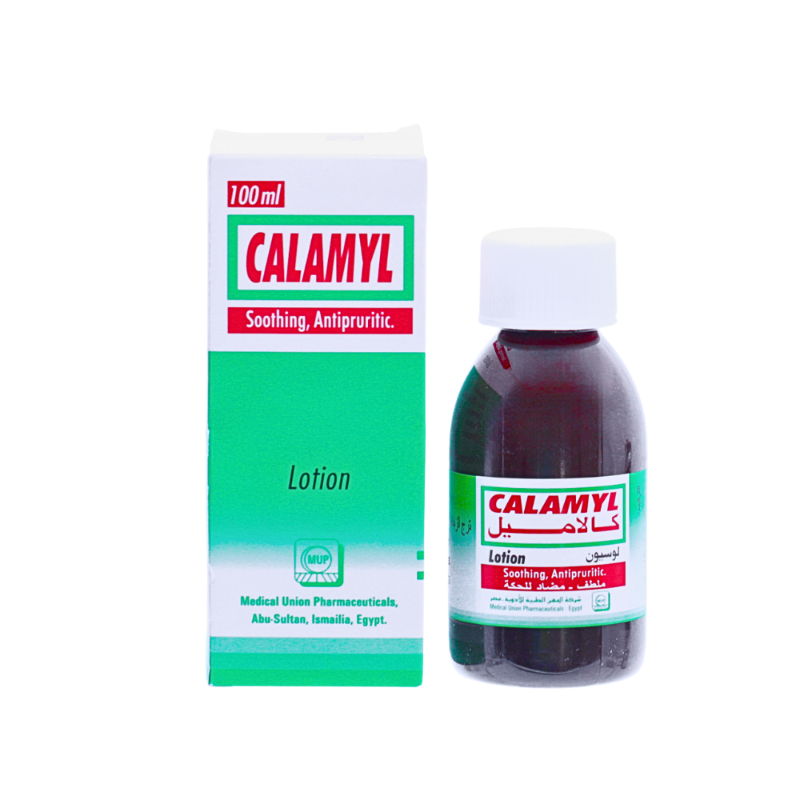
Medications > Dermatology Medications

Medications > Painkillers and Antipyretics
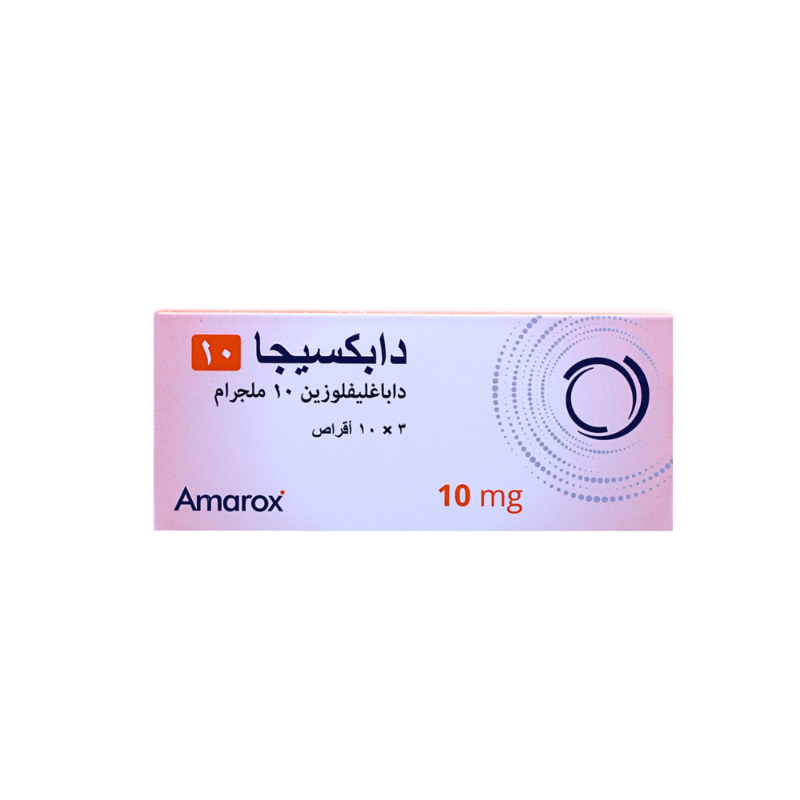
Medications > Diabetes Medications
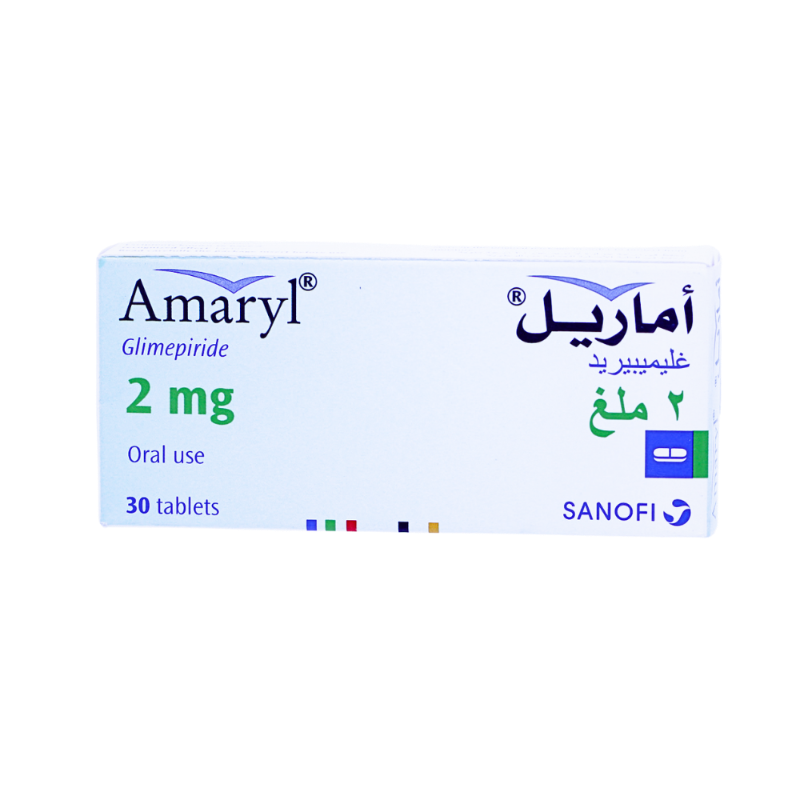
Medications > Diabetes Medications
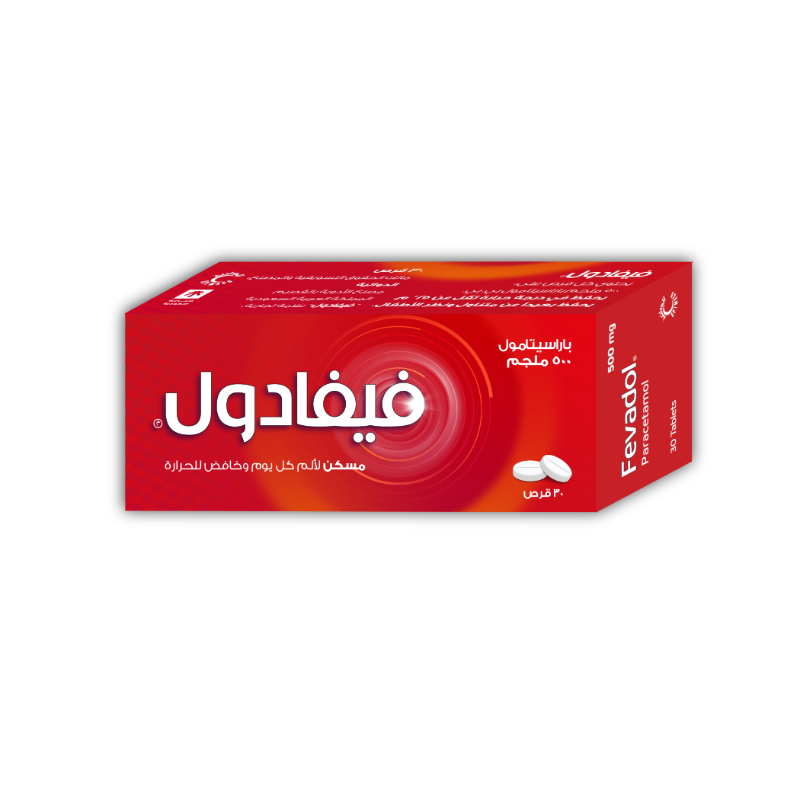
Medications > Painkillers and Antipyretics
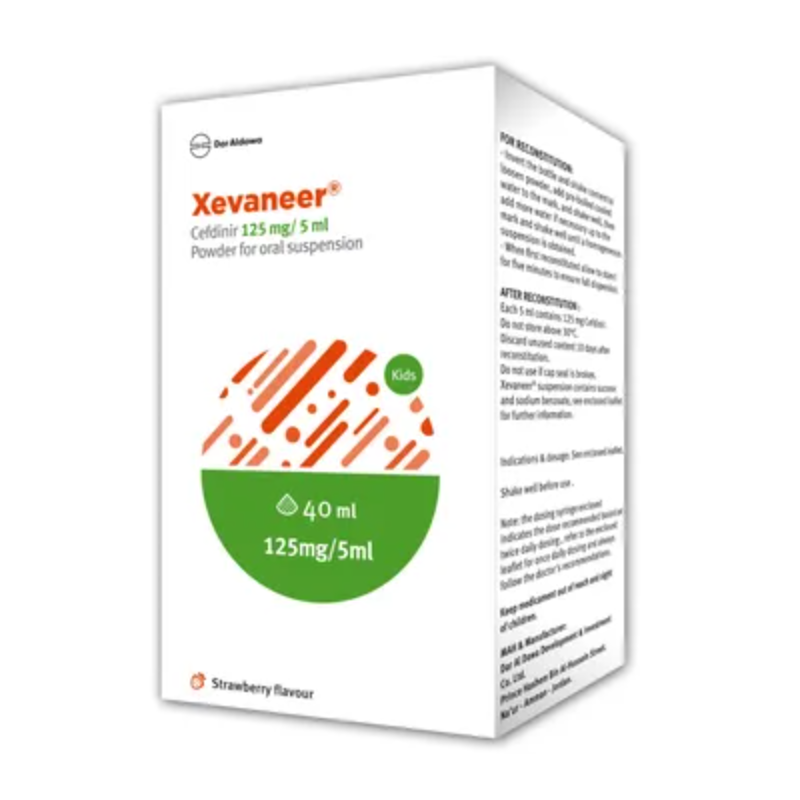
Medications > Hypertesion & Cardiovascular Medications

Medications > Cold, Cough, and Allergy Medications
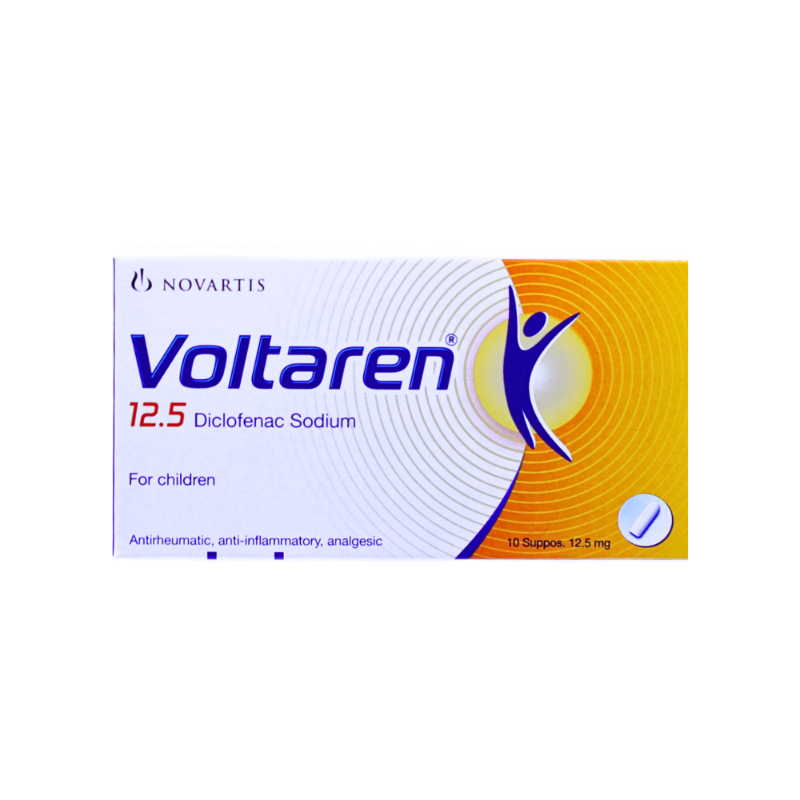
Medications > Painkillers and Antipyretics
Medications > Gastrointestinal Medications

Medications > Painkillers and Antipyretics
