
Use Code: ND30 And Get 30% OFF | Get Free Delivery With No Minimum Order
-1744229570.gif "Almujtama Pharmacy logo")




Frequently bought together
Health Care & Wellness > Diabetes Care
Health Care & Wellness > Diabetes Care
Health Care & Wellness > Diabetes Care
Skin And Body Care > Moisturizers
Skin And Body Care > Moisturizers
Skin And Body Care > Moisturizers
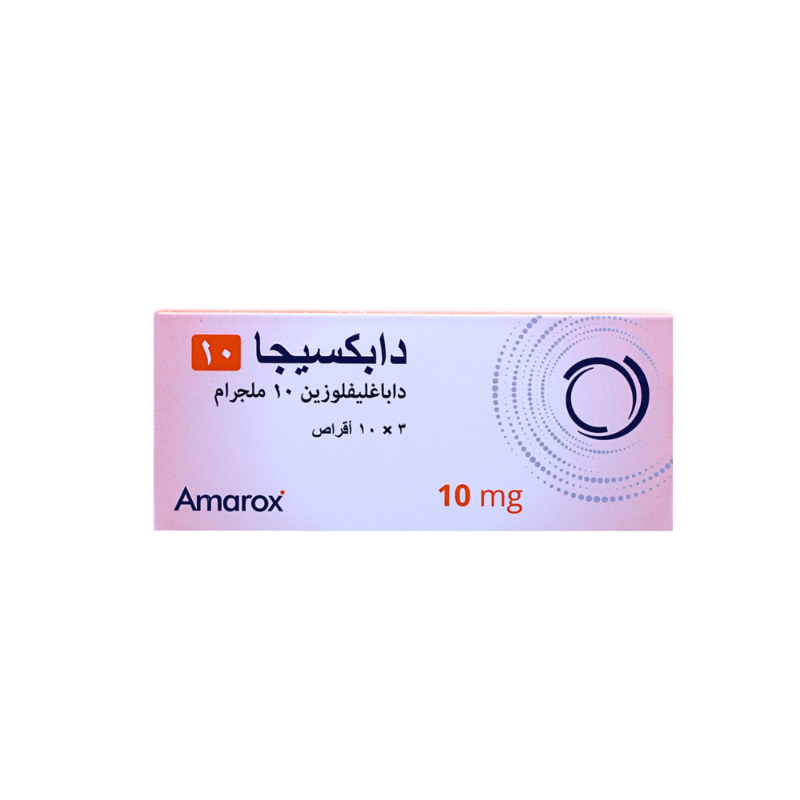
DAPXIGA 10/MG TAB 30/TAB
- Sku : I-032063
Key features
Dapxiga Film-coated tablet 10mg 30 Tabl is a film-coated tablet containing dapagliflozin 10 mg as the active ingredient. It selectively inhibits SGLT2 in the renal proximal tubule, reducing renal glucose reabsorption and increasing urinary glucose excretion for insulin-independent glycemic control, with associated natriuretic, diuretic and cardio-renal effects. It is indicated for adults with type 2 diabetes mellitus as an adjunct to diet and exercise to improve glycemic control; for adults with heart failure to reduce the risk of cardiovascular death and hospitalization for heart failure; and for adults with chronic kidney disease at risk of progression to reduce the risk of sustained eGFR decline, end-stage kidney disease, cardiovascular death and hospitalization for heart failure. Prescription-only product supplied as film-coated tablets in a pack of 30.- Brand: DAPXIGA
- Active Ingredient: DAPAGLIFLOZIN 10mg
- Strength: 10mg
- Dosage Form: Film-coated tablet
- Pack Size: 30 Tablets
- Route: Oral use
- Prescription Status: Prescription
- Therapeutic Class: Antidiabetic
- Pharmacological Group: SGLT2 Inhibitors
- Drug Class: SGLT2 Inhibitor (Sodium-Glucose Cotransporter-2 Inhibitor)
- Manufacturer: Hetero Labs Limited Unit - III
- Country of Origin: India
- SFDA Registration No.: 2906222287
- Shelf Life: 24 months
- Storage: store below 30°c
- Diabetes Type: Type 2
- Insulin Type: Not an insulin
Frequently bought together
Health Care & Wellness > Diabetes Care
Health Care & Wellness > Diabetes Care
Health Care & Wellness > Diabetes Care
Skin And Body Care > Moisturizers
Skin And Body Care > Moisturizers
Skin And Body Care > Moisturizers
Indications
Approved Uses
Adults with type 2 diabetes mellitus (as an adjunct to diet and exercise to improve glycemic control); adults with heart failure (to reduce the risk of cardiovascular death and hospitalization for heart failure); adults with chronic kidney disease at risk of progression (to reduce the risk of sustained eGFR decline, end-stage kidney disease, cardiovascular death, and hospitalization for heart failure).
Off-Label Uses
Type 1 diabetes mellitus (adjunct to insulin) is off-label in many jurisdictions and generally not recommended due to increased DKA risk; other proposed uses (e.g., NAFLD) remain investigational and are not established indications.
Dosage & Administration
Dosing by Condition
Type 2 Diabetes Mellitus (for glycemic control): Initial 5mg once daily, may increase to 10mg once daily. Heart Failure: 10mg once daily. Chronic Kidney Disease: 10mg once daily.
Maintenance Dose
10mg once daily.
Maximum Dose
10mg once daily.
Children's Dosage
Approved ≥10 years for T2DM; not recommended <10 years.
Dose Adjustment Notes
Dose: 10 mg orally once daily (no titration above 10 mg). Renal function: for glycemic control in T2DM, initiation is generally not recommended at eGFR <45 mL/min/1.73 m² due to reduced glucose-lowering efficacy; for HF/CKD indications, may be initiated/continued down to eGFR ≥25 mL/min/1.73 m² per contemporary labeling/guidelines. Concomitant insulin or insulin secretagogues: consider dose reduction to reduce hypoglycemia risk.
How to Take
Swallow tablet whole with water; can be taken with or without food; take at the same time each day, preferably in the morning
Side Effects
Common Side Effects
Genital mycotic infections (e.g., vulvovaginitis, balanitis), urinary tract infection, increased urination (polyuria/pollakiuria), and nasopharyngitis; volume depletion-related symptoms (e.g., dizziness) can occur especially with diuretics/elderly.
Safety & Warnings
Warnings & Precautions
Warnings/precautions: assess/correct volume depletion before start and monitor BP/renal function; risk of DKA (withhold during acute illness, prolonged fasting, and before major surgery); genital mycotic infections and UTIs (including urosepsis/pyelonephritis); Fournier’s gangrene; hypoglycemia risk with insulin/secretagogues; monitor renal function and consider temporary interruption during dehydration/acute serious illness.
Age Restriction
Approved for patients ≥10 years with type 2 diabetes; not recommended <10 years.
Driving Warning
May cause dizziness or lightheadedness (rise slowly from sitting/lying).
Drug Interactions
Interaction Severity
MODERATE: insulin and insulin secretagogues (additive hypoglycemia risk-consider dose reduction); MODERATE: diuretics (additive volume depletion/hypotension risk). Additional clinically relevant: UGT1A9 inducers (e.g., rifampin) may reduce exposure/efficacy-monitor response.
Food Interaction
No clinically meaningful food restriction; may be taken with or without food.
Alcohol Interaction
Avoid
Special Populations
Pregnancy
Not assigned (Risk Summary: Insufficient data in pregnant women to inform drug-associated risk; animal data suggest potential risk).
Breastfeeding
Use with caution (present in human milk; consider benefits/risks).
Children
Approved ≥10 years for T2DM; not recommended <10 years.
Kidney Impairment
eGFR ≥25 mL/min/1.73m²: 10 mg once daily (no adjustment) for HF/CKD benefit; for glycemic control, efficacy is reduced at lower eGFR and initiation for glucose lowering is generally not recommended below 45. eGFR <25: do not initiate; if already on 10 mg for HF/CKD, may continue per clinician judgment. Dialysis: contraindicated/not recommended.
Liver Impairment
Mild-moderate hepatic impairment: no dose adjustment; severe hepatic impairment: start with 5 mg once daily (use caution; may increase to 10 mg if tolerated/needed).
Storage & Patient Advice
Stopping the Medicine
Do not stop without consulting the prescriber; therapy is typically long-term and stopping may worsen glycemic control and/or HF/CKD outcomes.
Overdose
Overdose: provide supportive care (monitor volume status, BP, renal function/electrolytes); hypoglycemia is uncommon unless used with insulin/secretagogues; dapagliflozin is not effectively removed by hemodialysis-seek urgent medical/poison center advice.
Patient Counseling
Take 10 mg once daily (with or without food; often in the morning). Expect increased urination and maintain hydration; rise slowly if dizzy. Report genital itching/discharge or UTI symptoms promptly. Seek urgent care for symptoms of ketoacidosis (nausea/vomiting, abdominal pain, rapid breathing, unusual fatigue) even if glucose is not very high. Temporarily withhold during prolonged fasting/acute illness and before major surgery per local guidance; discuss sick-day rules. If used with insulin/sulfonylurea, watch for hypoglycemia. Seek urgent care for severe perineal pain/swelling/redness (rare Fournier’s gangrene).
Monitoring Requirements
Before initiation and periodically: renal function (eGFR/serum creatinine) and volume status/blood pressure; in diabetes: glucose/HbA1c as appropriate. Ongoing: monitor for genital mycotic infections/UTIs, symptoms of ketoacidosis (especially during acute illness/fasting), and signs of volume depletion; consider foot/skin monitoring in high-risk patients.
Pharmacology
Mechanism of Action
Selective SGLT2 inhibition in the proximal renal tubule, reducing renal glucose reabsorption and increasing urinary glucose excretion (insulin-independent glucose lowering) with downstream natriuretic/diuretic and cardio-renal effects.
Onset of Action
Within hours after the first dose (increased urinary glucose excretion begins rapidly).
Duration of Effect
Approximately 24 hours (supports once-daily dosing).
Half-Life
Approximately 12.9 hours
Bioavailability
Approximately 78%
Metabolism
Primarily metabolized via UGT1A9-mediated glucuronidation to inactive dapagliflozin 3‑O‑glucuronide; minimal CYP involvement.
Excretion
Elimination is mainly as metabolites in urine, with additional fecal excretion; only a small fraction is excreted unchanged in urine.
Protein Binding
Approximately 91%
Product Information
Available Dosage Forms
Film-coated tablet (oral).
Composition per Dose
Each film-coated tablet: 10mg dapagliflozin (as dapagliflozin propanediol monohydrate)
Generic Availability
Yes
OTC Alternatives
No OTC alternative
Diabetes Type
Type 2
Insulin Type
Not an insulin
Reviewed by Al Mujtama Pharmacy Medical Review Team. Last reviewed 14-06-2026
Similar Products
Medications > Gastrointestinal Medications
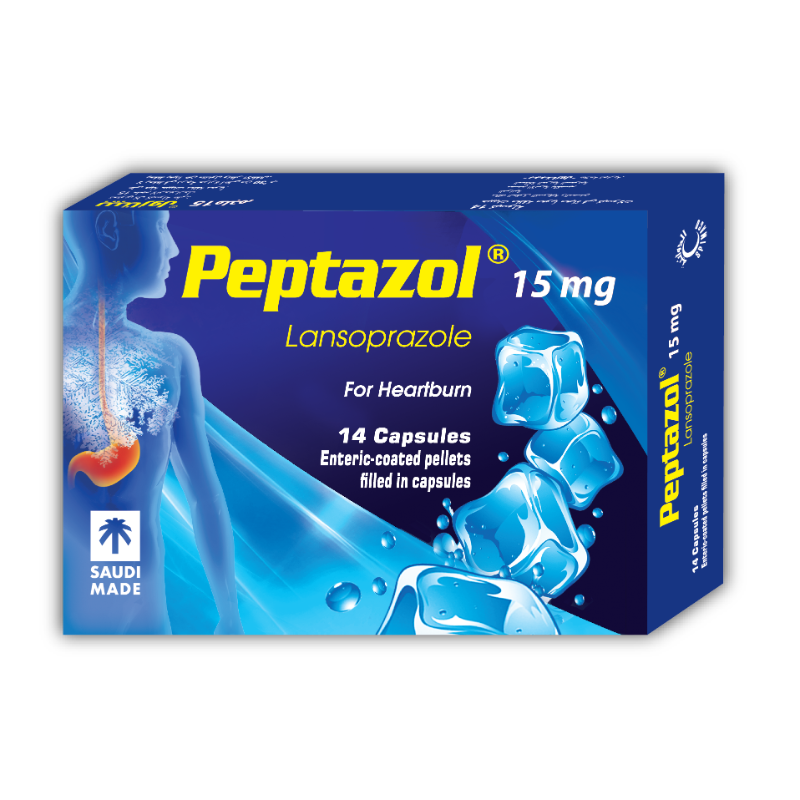
Medications > Gastrointestinal Medications
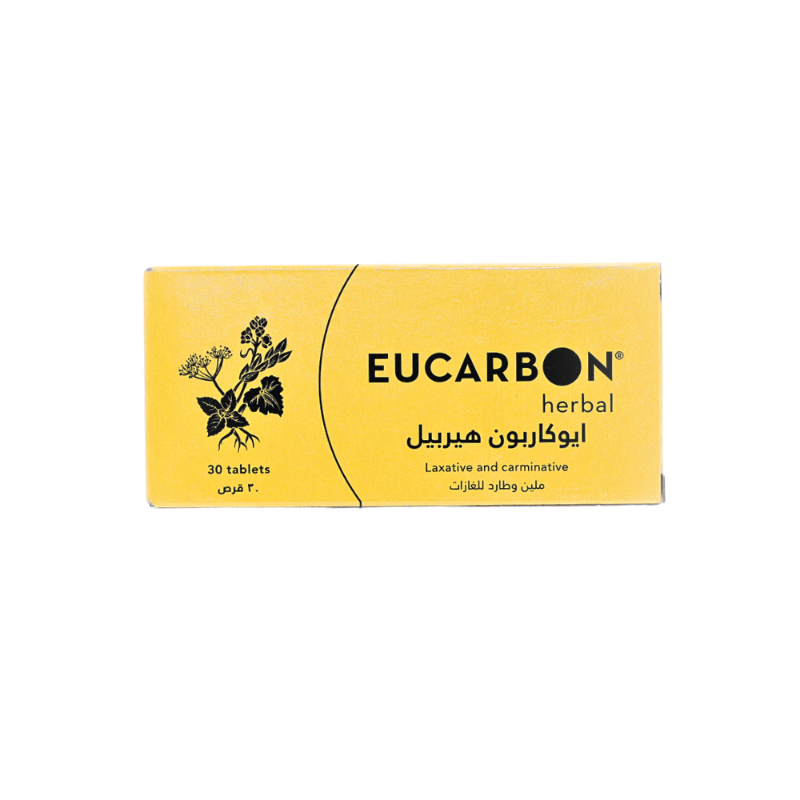
Medications > Gastrointestinal Medications
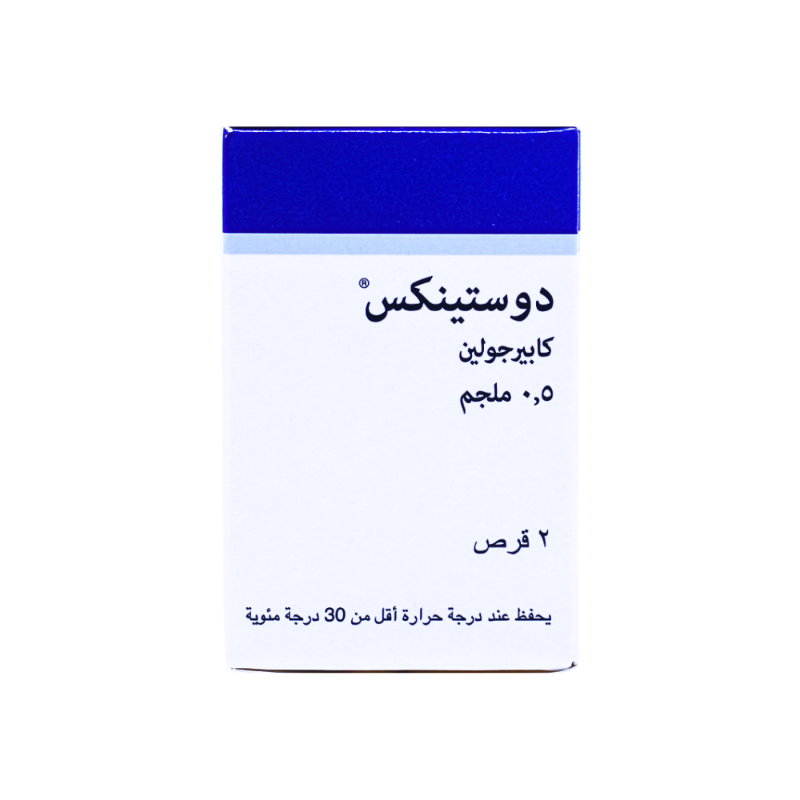
Medications > Contraceptives and Hormonal Medications
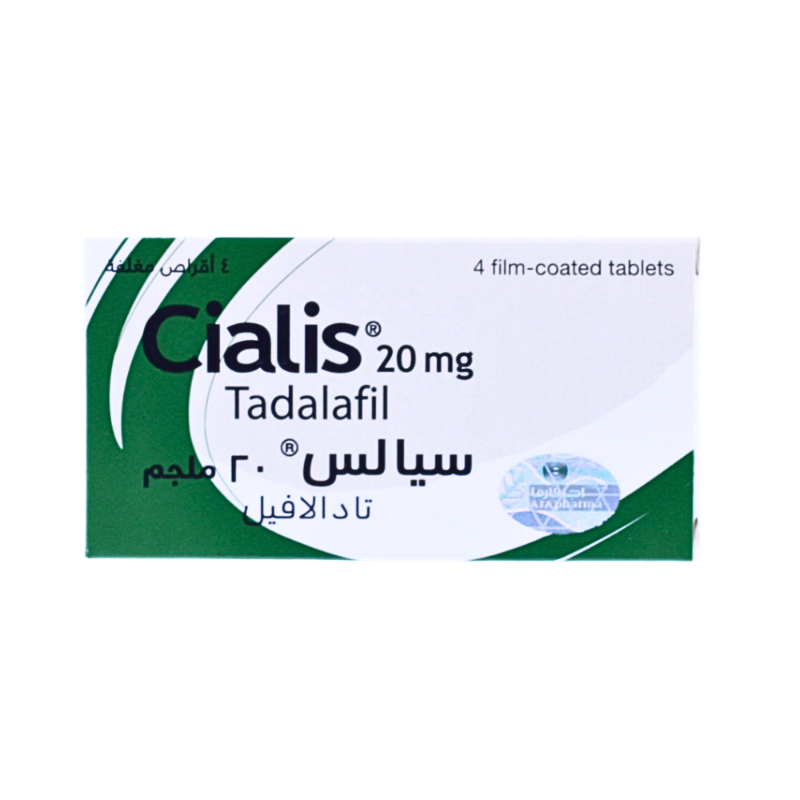
Medications > Sexual Health
Medications > Painkillers and Antipyretics
Medications > Eye and Ear Medications
Medications > Gastrointestinal Medications
Medications > Cold, Cough, and Allergy Medications
Medications > Painkillers and Antipyretics
