
Use Code: ND30 And Get 30% OFF | Get Free Delivery With No Minimum Order
-1744229570.gif "Almujtama Pharmacy logo")




Frequently bought together
Vitamins & Supplements > Omega-3 Supplements
Vitamins & Supplements > Sleeping aid supplements
Vitamins & Supplements > Sleeping aid supplements
Vitamins & Supplements > Omega-3 Supplements
Vitamins & Supplements > Sleeping aid supplements
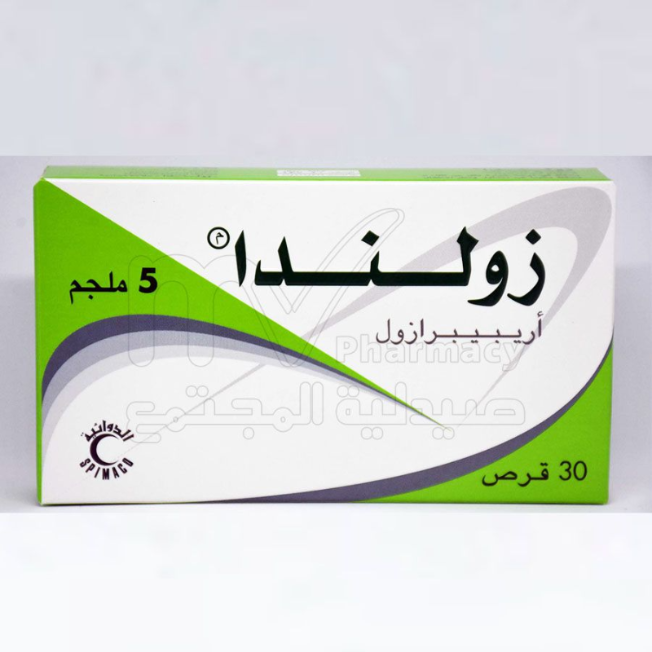
ZOLINDA 5/MG TAB 30/TAB
- Sku : I-018655
Key features
ZOLINDA 5 mg tablet is a prescription oral tablet containing aripiprazole. It works as a dopamine-serotonin system stabilizer by partially activating dopamine D2/D3 and serotonin 5-HT1A receptors while blocking serotonin 5-HT2A receptors. It is used for schizophrenia, acute manic and mixed episodes of Bipolar I disorder, adjunctive treatment of Major Depressive Disorder with antidepressants, irritability associated with autistic disorder, and Tourette’s disorder. This pack contains 30 tablets.- Brand: ZOLINDA
- Active Ingredient: ARIPIPRAZOLE
- Strength: 5mg
- Dosage Form: Tablet
- Pack Size: 30 Tablets
- Route: Oral use
- Prescription Status: Prescription
- Therapeutic Class: Psychiatric
- Pharmacological Group: Antipsychotics
- Drug Class: Atypical Antipsychotic (Third-generation / Dopamine-Serotonin System Stabilizer)
- Manufacturer: SPIMACO
- Country of Origin: Saudi Arabia
- SFDA Registration No.: 0302221676
- Shelf Life: 36 months
- Storage: store below 30°c
- Psych Class: Antipsychotic-Atypical
- Controlled Substance: No
Frequently bought together
Vitamins & Supplements > Omega-3 Supplements
Vitamins & Supplements > Sleeping aid supplements
Vitamins & Supplements > Sleeping aid supplements
Vitamins & Supplements > Omega-3 Supplements
Vitamins & Supplements > Sleeping aid supplements
Indications
Approved Uses
Schizophrenia; acute treatment of manic and mixed episodes associated with Bipolar I disorder; adjunctive treatment of Major Depressive Disorder (with antidepressants); irritability associated with autistic disorder; Tourette’s disorder.
Off-Label Uses
Common off-label uses include augmentation in OCD and PTSD, behavioral symptoms/agitation in dementia (not recommended routinely due to boxed warning), and other anxiety-spectrum conditions; other proposed uses (e.g., eating disorders, substance use disorders) have variable/limited evidence.
Dosage & Administration
Dosing by Condition
Adults-Schizophrenia: start 10-15 mg once daily, target/maintenance 10-15 mg/day, max 30 mg/day; Bipolar I mania/mixed: start 15 mg once daily (mono- or adjunct), maintenance 15 mg/day, max 30 mg/day; MDD adjunct: start 2-5 mg/day, target 5-10 mg/day, max 15 mg/day. Pediatric indications (where approved in labeling): schizophrenia (13-17), bipolar mania (10-17), autism irritability (6-17), Tourette’s (6-18) use lower starting doses (often 2 mg/day) with titration to age/weight-based targets.
Initial Dose
10-15 mg once daily for schizophrenia; 2-5 mg once daily for MDD adjunct
Maintenance Dose
10-30 mg once daily depending on indication and response
Maximum Dose
30 mg/day.
Children's Dosage
Schizophrenia (13-17 years): Start 2 mg/day, target 10 mg/day, max 30 mg/day. Bipolar I (10-17 years): Start 2 mg/day, target 10 mg/day, max 30 mg/day. Autism-related irritability (6-17 years): Start 2 mg/day, target 5-15 mg/day, max 15 mg/day. Tourette's (6-18 years): Start 2 mg/day, max 20 mg/day.
Dose Adjustment Notes
With strong CYP2D6 inhibitors OR strong CYP3A4 inhibitors: reduce aripiprazole dose to 50%; with BOTH strong CYP2D6 and strong CYP3A4 inhibitors: reduce to 25% of usual dose; with strong CYP3A4 inducers: increase dose (typically double) over 1-2 weeks and reduce back when inducer stopped; no routine adjustment for renal impairment or mild-moderate hepatic impairment.
How to Take
Swallow tablet whole with water. Can be taken with or without food. Take at the same time each day.
Side Effects
Common Side Effects
Akathisia/restlessness, headache, insomnia or somnolence, anxiety, nausea/vomiting, constipation, dizziness/lightheadedness, weight gain, fatigue; increased salivation can occur.
Safety & Warnings
Contraindications
Known hypersensitivity to aripiprazole or any component/excipient of the formulation.
Warnings & Precautions
Key warnings/precautions: increased mortality in elderly with dementia-related psychosis (not approved); suicidality risk in children/adolescents/young adults when used with antidepressants for MDD; monitor for NMS and tardive dyskinesia; monitor weight, glucose and lipids; orthostatic hypotension (caution in cardiovascular disease/dehydration); seizures (caution in predisposed); leukopenia/neutropenia (monitor CBC if history/low WBC); impulse-control/compulsive behaviors; caution with dysphagia/aspiration risk; avoid abrupt discontinuation.
Age Restriction
Pediatric use is indication-specific: approved in children/adolescents for certain indications with minimum ages (e.g., ≥6 years for irritability associated with autistic disorder; ≥10 years for bipolar I manic/mixed episodes; ≥13 years for schizophrenia). Not established/approved below these ages.
Driving Warning
May Cause Drowsiness
Drug Interactions
Interaction Severity
MAJOR: strong CYP3A4 inducers (e.g., carbamazepine, rifampin) ↓ levels-may require dose increase; strong CYP3A4 inhibitors (e.g., ketoconazole) and strong CYP2D6 inhibitors (e.g., fluoxetine/paroxetine) ↑ levels-require dose reduction. MODERATE: additive CNS depression with alcohol/benzodiazepines/opioids; additive hypotension with antihypertensives. Other interactions (e.g., lithium) are generally not major but require clinical monitoring.
Food Interaction
No restriction.
Special Populations
Pregnancy
Category C
Children
Schizophrenia (13-17 years): Start 2 mg/day, target 10 mg/day, max 30 mg/day. Bipolar I (10-17 years): Start 2 mg/day, target 10 mg/day, max 30 mg/day. Autism-related irritability (6-17 years): Start 2 mg/day, target 5-15 mg/day, max 15 mg/day. Tourette's (6-18 years): Start 2 mg/day, max 20 mg/day.
Elderly
Start at lower doses, titrate slowly. Not approved for dementia-related psychosis. Monitor for orthostatic hypotension and falls. Standard adult dosing applies otherwise.
Kidney Impairment
No adjustment needed
Liver Impairment
No dosage adjustment is generally required in mild-to-severe hepatic impairment, but use clinical caution in severe impairment.
Storage & Patient Advice
Stopping the Medicine
Do not stop abruptly; taper gradually under medical supervision when discontinuing.
Patient Counseling
Take once daily at the same time with or without food; avoid alcohol and use caution driving until effects known; rise slowly to reduce dizziness; do not stop abruptly without prescriber advice; report akathisia/EPS, signs of neuroleptic malignant syndrome, new/worsening mood or suicidality, and impulse-control problems (e.g., gambling/binge eating); attend metabolic monitoring; store below 30°C (per SFDA).
Monitoring Requirements
Baseline and periodic: weight/BMI (and waist circumference if used), blood pressure, fasting glucose/HbA1c, fasting lipids; assess for EPS/akathisia and tardive dyskinesia (e.g., AIMS), sedation/orthostasis; monitor for suicidality/mood changes (especially in younger patients); CBC if history of low WBC/neutropenia.
Pharmacology
Mechanism of Action
Dopamine-serotonin system stabilizer: partial agonist at dopamine D2 (and D3) and serotonin 5‑HT1A receptors, and antagonist at serotonin 5‑HT2A receptors.
Duration of Effect
Approximately 24 hours (supports once-daily dosing).
Half-Life
Aripiprazole: ~75 hours; Active metabolite (dehydro-aripiprazole): ~94 hours.
Metabolism
Extensive hepatic metabolism mainly via CYP2D6 and CYP3A4 to the active metabolite dehydro-aripiprazole.
Product Information
Available Dosage Forms
For aripiprazole (active ingredient): oral tablet; orally disintegrating tablet; oral solution; short-acting IM injection; long-acting IM injectable suspension (extended-release). For ZOLINDA specifically (per SFDA API): oral tablet only.
Composition per Dose
Each tablet: 5 mg aripiprazole
Generic Availability
Yes
OTC Alternatives
No OTC alternative
Psych Class
Antipsychotic-Atypical
Controlled Substance
No
Reviewed by Al Mujtama Pharmacy Medical Review Team. Last reviewed 28-08-2026
Similar Products
Medications > Dermatology Medications
Medications > Contraceptives and Hormonal Medications
Medications > Painkillers and Antipyretics
Medications > Hypertesion & Cardiovascular Medications
Medications > Cholesterol Medications
Medications > Gastrointestinal Medications
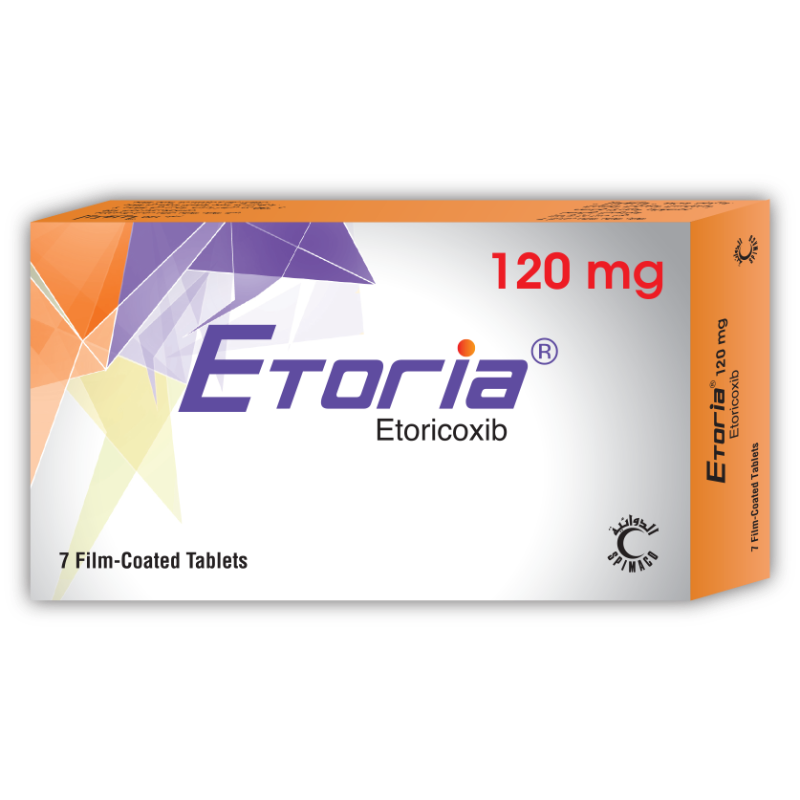
Medications > Painkillers and Antipyretics
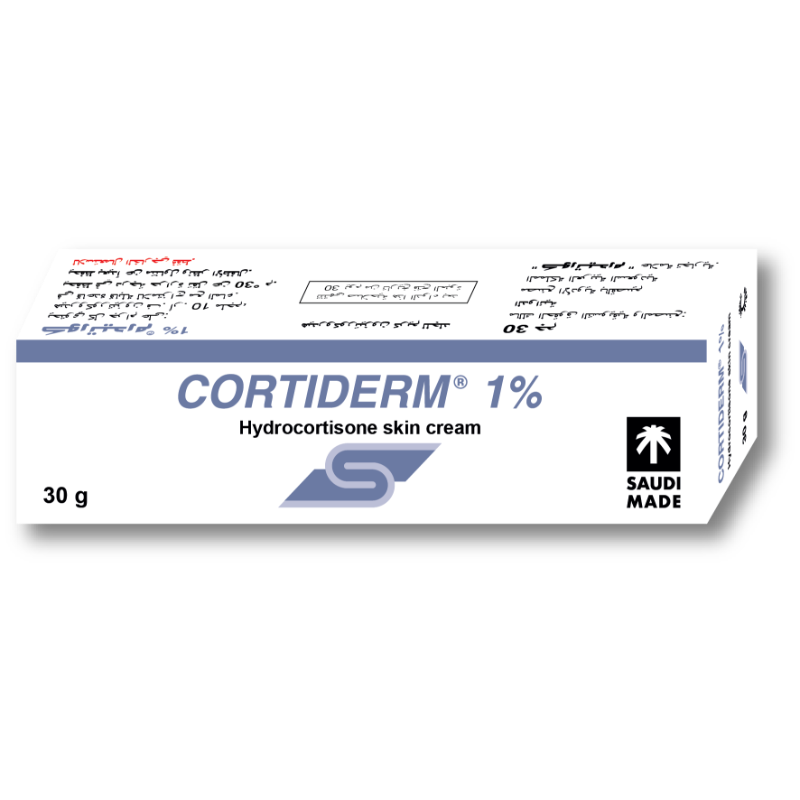
Medications > Dermatology Medications

Medications > Diabetes Medications
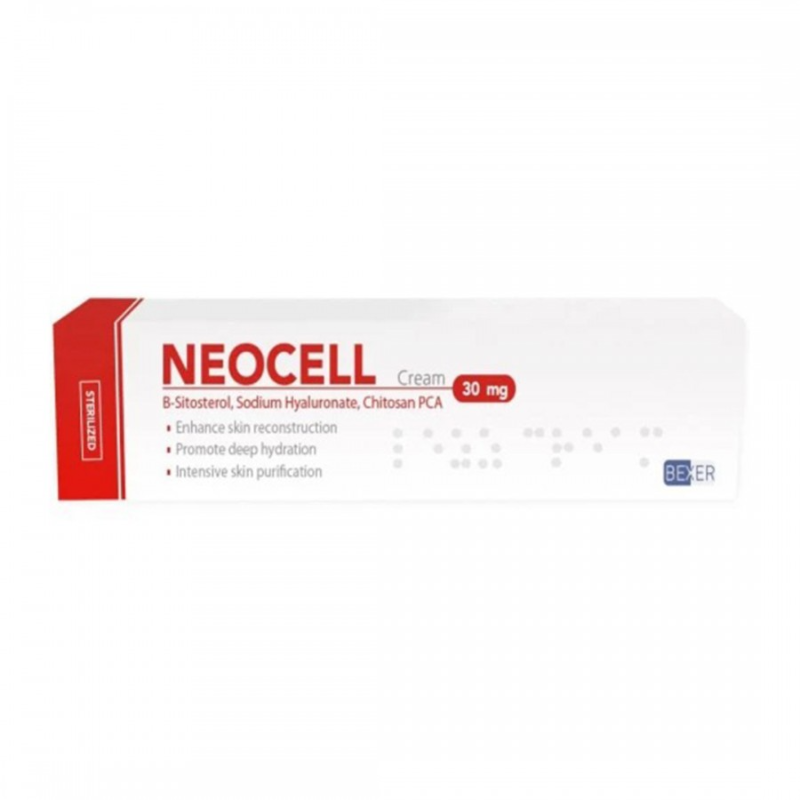
Medications > Dermatology Medications
