
Use Code: ND30 And Get 30% OFF | Get Free Delivery With No Minimum Order
-1744229570.gif "Almujtama Pharmacy logo")




Frequently bought together
Health Care & Wellness > Medical Devices And Accessories
Health Care & Wellness > Medical Devices And Accessories
Vitamins & Supplements > Omega-3 Supplements
Vitamins & Supplements > Omega-3 Supplements
Vitamins & Supplements > Omega-3 Supplements
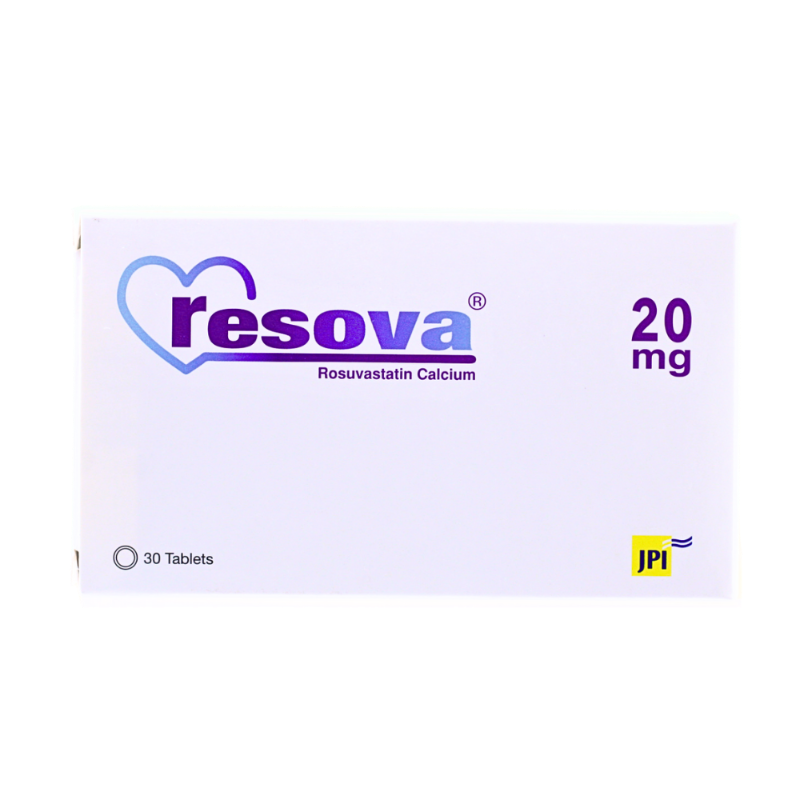
RESOVA 20/MG TAB 30/TAB
- Sku : I-018462
Key features
RESOVA 20 mg film-coated tablets contain the active ingredient rosuvastatin 20 mg. As a hydrophilic synthetic HMG-CoA reductase inhibitor (statin), it lowers cholesterol by reducing hepatic cholesterol synthesis and increasing LDL clearance. It is indicated as an adjunct to diet for primary (including heterozygous familial) hypercholesterolemia, mixed dyslipidemia, hypertriglyceridemia, homozygous familial hypercholesterolemia, to slow progression of atherosclerosis, and to reduce the risk of major cardiovascular events in appropriate high-risk patients. Available by prescription as 20 mg film-coated tablets, pack of 30.- Brand: RESOVA
- Active Ingredient: ROSUVASTATIN 20mg
- Strength: 20mg
- Dosage Form: Film-coated tablet
- Pack Size: 30 Tablets
- Route: Oral use
- Prescription Status: Prescription
- Therapeutic Class: Lipid Modifying
- Pharmacological Group: Statins
- Drug Class: HMG-CoA Reductase Inhibitor (Statin) - Synthetic, hydrophilic statin
- Manufacturer: Jazeera Pharmaceutical Industries (JPI)
- Country of Origin: Saudi Arabia
- SFDA Registration No.: 0501221566
- Shelf Life: 24 months
- Storage: store below 30°c
- Lipid Target: Both: Triglycerides & LDL
Frequently bought together
Health Care & Wellness > Medical Devices And Accessories
Health Care & Wellness > Medical Devices And Accessories
Vitamins & Supplements > Omega-3 Supplements
Vitamins & Supplements > Omega-3 Supplements
Vitamins & Supplements > Omega-3 Supplements
Indications
Approved Uses
Adjunct to diet for treatment of primary hypercholesterolemia (heterozygous familial and non‑familial) and mixed dyslipidemia; adjunct to diet for treatment of hypertriglyceridemia; adjunct to diet for treatment of homozygous familial hypercholesterolemia; to slow the progression of atherosclerosis; and to reduce risk of major cardiovascular events (e.g., MI, stroke, arterial revascularization) in appropriate high‑risk patients.
Dosage & Administration
Dosing by Condition
Primary hypercholesterolemia/mixed dyslipidemia: start 5-10 mg once daily (or 10 mg in many patients), titrate to 10-20 mg; max 40 mg once daily. Hypertriglyceridemia: start 5-10 mg once daily, titrate; max 40 mg. Homozygous familial hypercholesterolemia: start 20 mg once daily, max 40 mg. Cardiovascular risk reduction: 20 mg once daily (or intensity-based dosing per risk).
Initial Dose
10-20mg once daily for hyperlipidemia; 5mg once daily for patients of Asian descent.
Maintenance Dose
10-20mg once daily
Maximum Dose
40mg once daily.
Children's Dosage
Heterozygous Familial Hypercholesterolemia (HeFH): 5-10mg daily for ages 8 to <10 years; 5-20mg daily for ages 10 to 17 years. Homozygous Familial Hypercholesterolemia (HoFH): 20mg daily for ages 7 to 17 years.
Dose Adjustment Notes
Adjust dose at intervals of ≥4 weeks based on LDL-C response; avoid the 40 mg dose unless patients fail to reach goal on 20 mg; with cyclosporine limit rosuvastatin to 5 mg daily; with gemfibrozil avoid if possible and if used do not exceed 10 mg daily; with protease inhibitors (e.g., atazanavir/ritonavir or lopinavir/ritonavir) do not exceed 10 mg daily; consider lower starting dose (e.g., 5 mg) in Asian patients and in those at higher myopathy risk.
How to Take
Swallow tablet whole with water. Can be taken at any time of day, with or without food. Take at the same time each day for consistency.
Side Effects
Common Side Effects
Headache, myalgia (muscle pain), abdominal pain, nausea, constipation, and asthenia/weakness; laboratory abnormalities can include increased liver enzymes and increased CK (less common).
Side Effect Frequency
Common (1-10%): headache, myalgia, abdominal pain, nausea, asthenia; laboratory: dose-related increases in transaminases and possible CK elevations. Uncommon (0.1-1%): rash/pruritus/urticaria, dizziness, constipation, proteinuria/hematuria. Rare (<0.1%): myopathy/rhabdomyolysis, pancreatitis, hepatitis/serious liver injury, angioedema; very rare/unknown frequency: interstitial lung disease, immune-mediated necrotizing myopathy; diabetes risk is recognized (frequency varies by population).
Safety & Warnings
Contraindications
Contraindicated in: active liver disease or unexplained persistent elevations of hepatic transaminases; pregnancy; breastfeeding; hypersensitivity to rosuvastatin/excipients; concomitant cyclosporine use.
Age Restriction
Pediatric use: approved for heterozygous familial hypercholesterolemia (HeFH) in children and adolescents 8 to 17 years; approved for homozygous familial hypercholesterolemia (HoFH) in children and adolescents 7 to 17 years. Safety and efficacy are not established below these ages or for non-familial hypercholesterolemia indications in patients <18 years. Pediatric dosing applies only within these approved age ranges/indications.
Drug Interactions
Drug Interactions
Clinically important interactions include: cyclosporine (contraindicated/avoid); gemfibrozil and other fibrates (↑ myopathy risk; avoid gemfibrozil or use lowest dose); protease inhibitors (e.g., atazanavir/ritonavir, lopinavir/ritonavir-↑ rosuvastatin exposure; dose limits/avoid per label); warfarin (↑ INR-monitor); aluminum/magnesium antacids (↓ absorption-separate dosing); niacin (↑ myopathy risk); colchicine (↑ myopathy risk); fusidic acid (avoid combination due to rhabdomyolysis risk).
Interaction Severity
MAJOR: Cyclosporine (markedly increases exposure-limit to 5 mg/day), gemfibrozil (avoid if possible; if used max 10 mg/day), protease inhibitors such as atazanavir/ritonavir or lopinavir/ritonavir (max 10 mg/day), and systemic fusidic acid (avoid concurrent use due to rhabdomyolysis risk). MODERATE: Warfarin (may increase INR-monitor), other fibrates/niacin (↑ myopathy risk), colchicine (↑ myopathy risk). MINOR: Aluminum/magnesium antacids (↓ absorption-separate by ~2 hours), oral contraceptives (may ↑ hormone exposure).
Food Interaction
No clinically significant food restriction; may be taken with or without food.
Special Populations
Pregnancy
Contraindicated
Breastfeeding
Contraindicated
Children
Heterozygous Familial Hypercholesterolemia (HeFH): 5-10mg daily for ages 8 to <10 years; 5-20mg daily for ages 10 to 17 years. Homozygous Familial Hypercholesterolemia (HoFH): 20mg daily for ages 7 to 17 years.
Elderly
No specific dose adjustment required based on age alone; however, consider starting at 5 mg once daily and titrate cautiously in patients over 70 years due to increased risk of myopathy.
Kidney Impairment
CrCl ≥30 mL/min: no adjustment; severe renal impairment (CrCl <30 mL/min, not on hemodialysis): start 5 mg once daily and do not exceed 10 mg once daily.
Storage & Patient Advice
Missed Dose
Take the missed dose as soon as remembered the same day; if it is close to the next dose, skip the missed dose and resume the regular schedule-do not double doses (and avoid taking two doses close together).
Stopping the Medicine
No taper is required; therapy can be stopped abruptly, but patients should not discontinue without prescriber advice because LDL-C will rise and cardiovascular risk reduction benefit is lost.
Overdose
Overdose: no specific antidote; manage with supportive care (monitor CK, renal function, and liver enzymes; treat rhabdomyolysis with aggressive hydration and standard measures) and seek urgent medical attention.
Patient Counseling
Take once daily at the same time, with or without food; continue diet/exercise; report unexplained muscle pain/weakness or dark urine promptly; avoid use in pregnancy and stop if pregnancy occurs; inform clinicians about all medicines (notably cyclosporine, fibrates/niacin, protease inhibitors, warfarin); separate aluminum/magnesium antacids by ~2 hours; attend follow-up lipid testing.
Monitoring Requirements
Fasting lipid panel at baseline and 4-12 weeks after initiation or dose change, then every 3-12 months; liver enzymes at baseline and if symptoms/signs of hepatotoxicity occur; CK only if muscle symptoms or high myopathy risk; consider glucose/HbA1c monitoring in patients at risk for diabetes.
Pharmacology
Onset of Action
LDL-C lowering begins within ~1 week; clinically meaningful effect is typically evident by 2 weeks, with near-maximal effect by 4 weeks (often assessed at ~4 weeks).
Duration of Effect
Approximately 24 hours (supports once-daily dosing). LDL-C lowering is maintained with continued daily dosing; after discontinuation, lipid levels gradually return toward baseline over several weeks.
Metabolism
Minimal hepatic metabolism (~10%); primarily via CYP2C9 (minor CYP2C19), with most circulating drug as unchanged rosuvastatin.
Protein Binding
Approximately 88-90%, mainly to albumin.
Product Information
Available Dosage Forms
Film-coated tablet (oral).
Composition per Dose
Each film-coated tablet: 20mg rosuvastatin (as rosuvastatin calcium)
Generic Availability
Yes
Lipid Target
Both
Reviewed by Al Mujtama Pharmacy Medical Review Team. Last reviewed 10-08-2026
Similar Products
Medications > Dermatology Medications
Medications > Cholesterol Medications
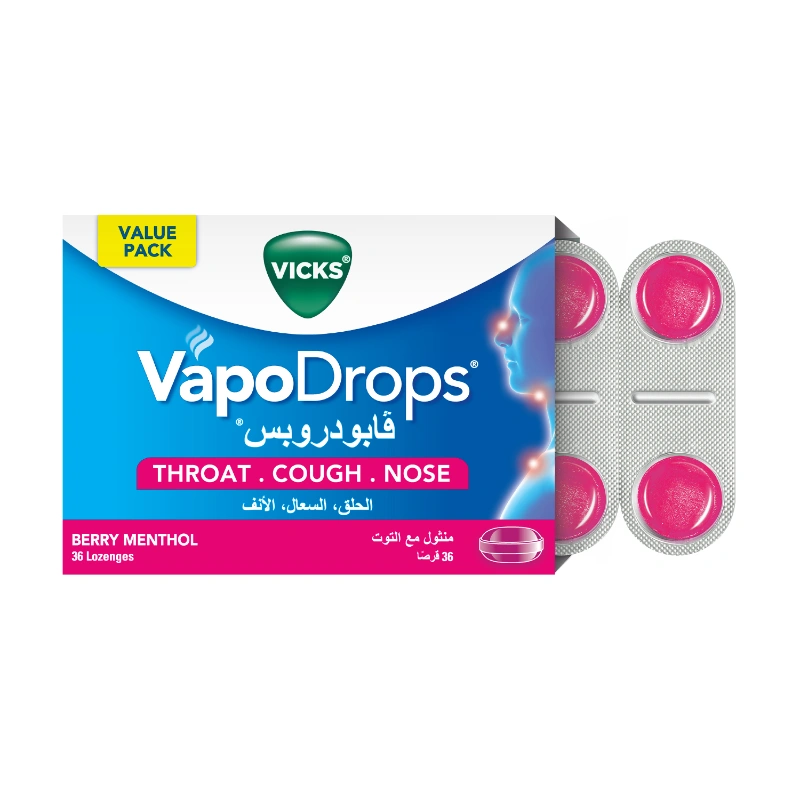
Medications > Cold, Cough, and Allergy Medications
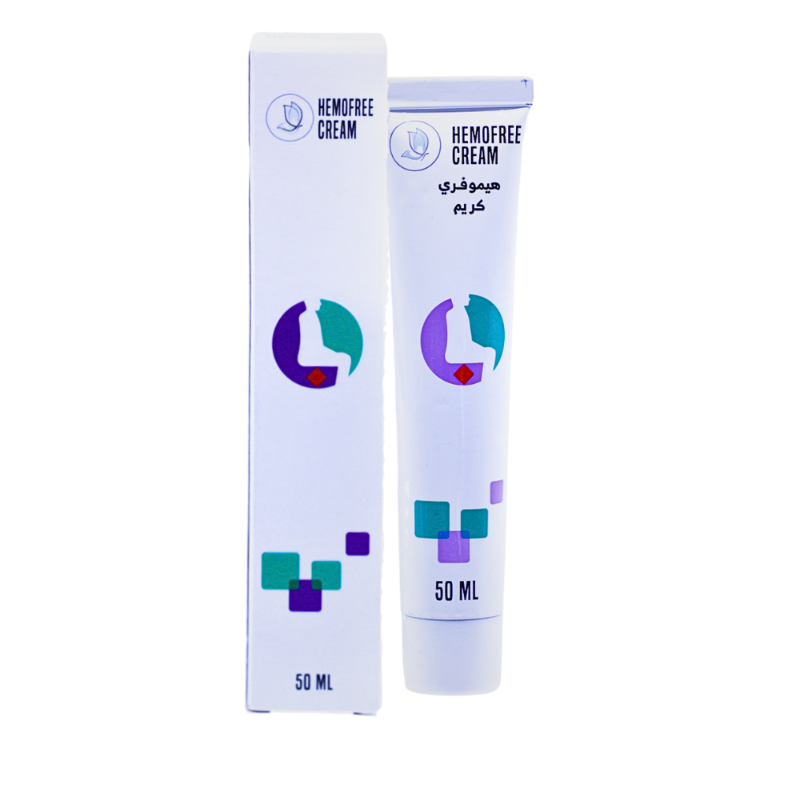
Medications > Hemorrhoid Medications
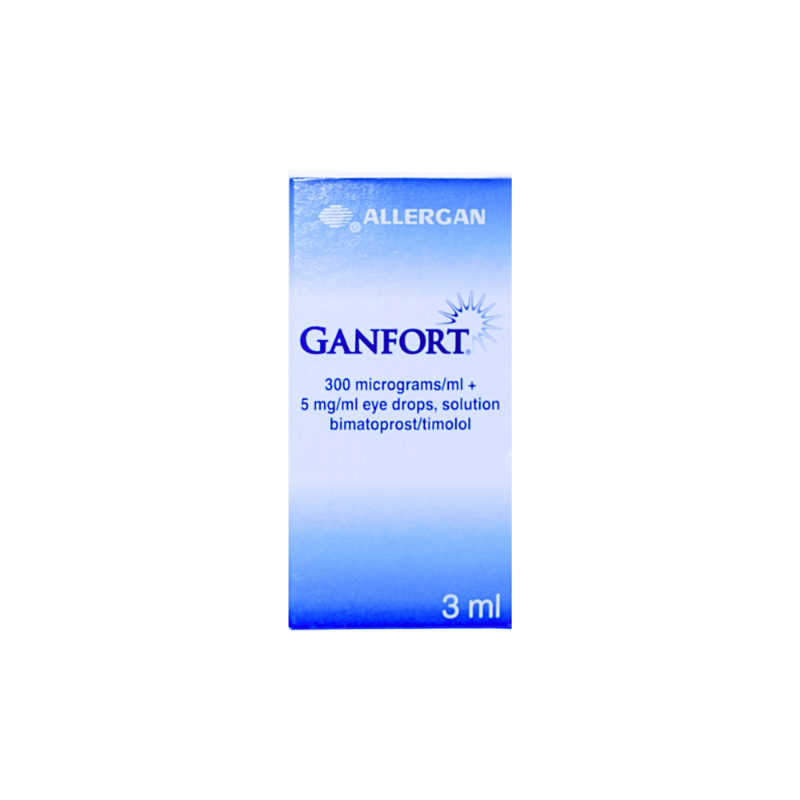
Medications > Eye and Ear Medications
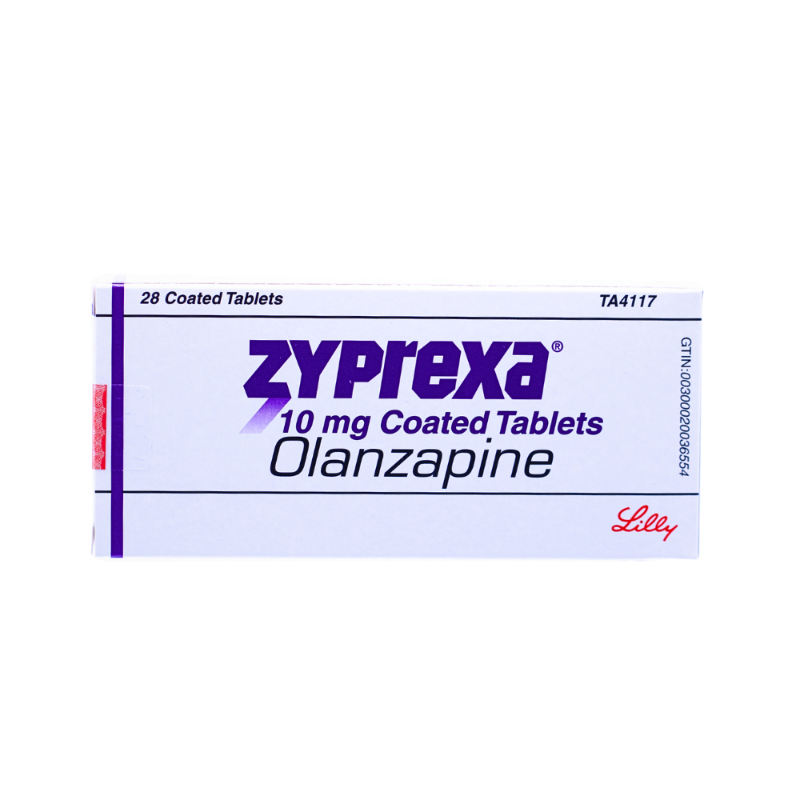
Medications > Psychiatric Medications
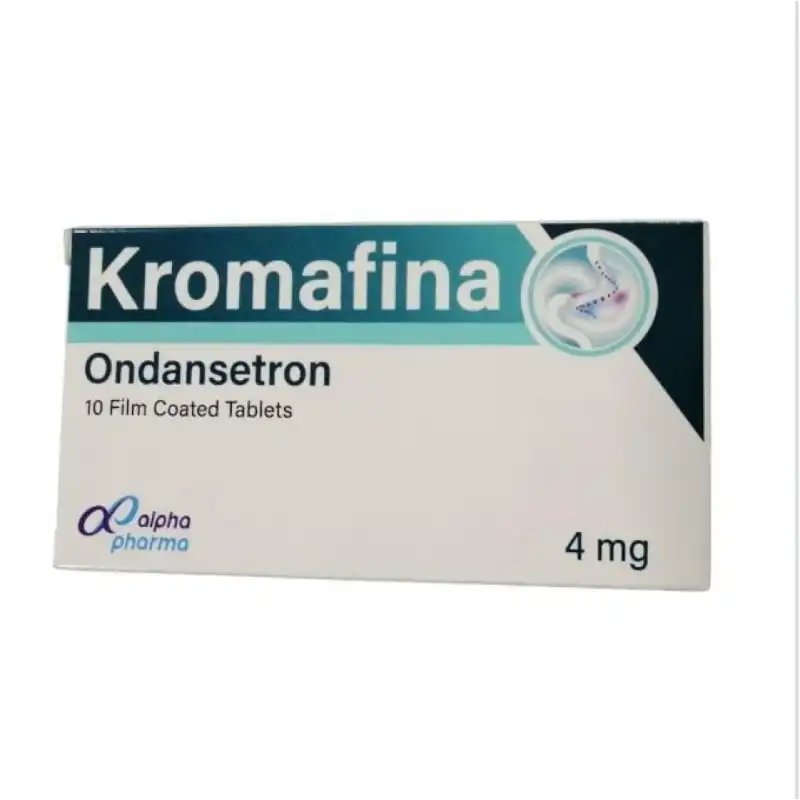
Medications > Gastrointestinal Medications
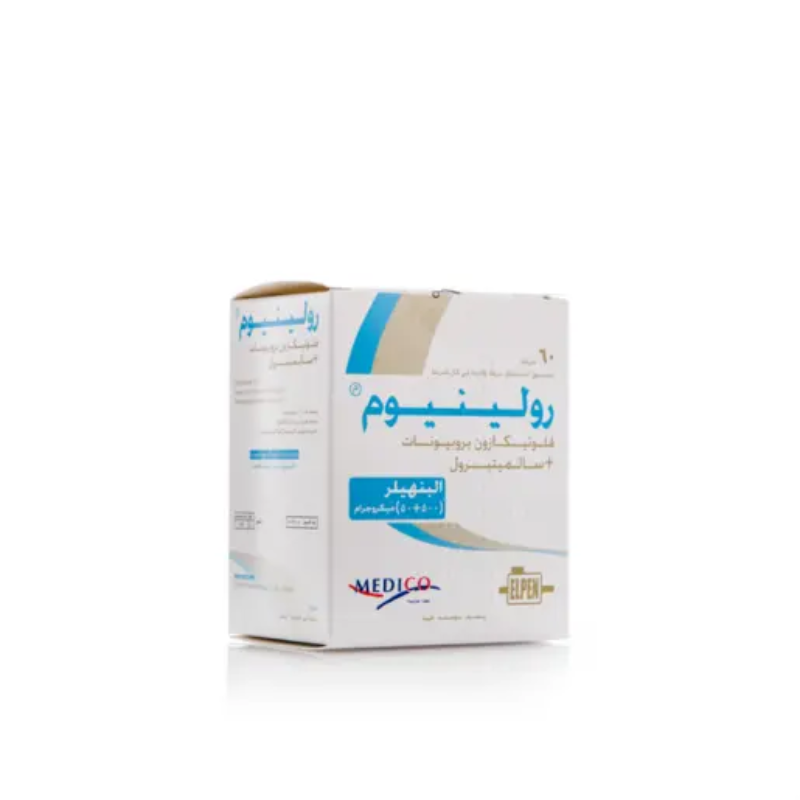
Medications > Cold, Cough, and Allergy Medications
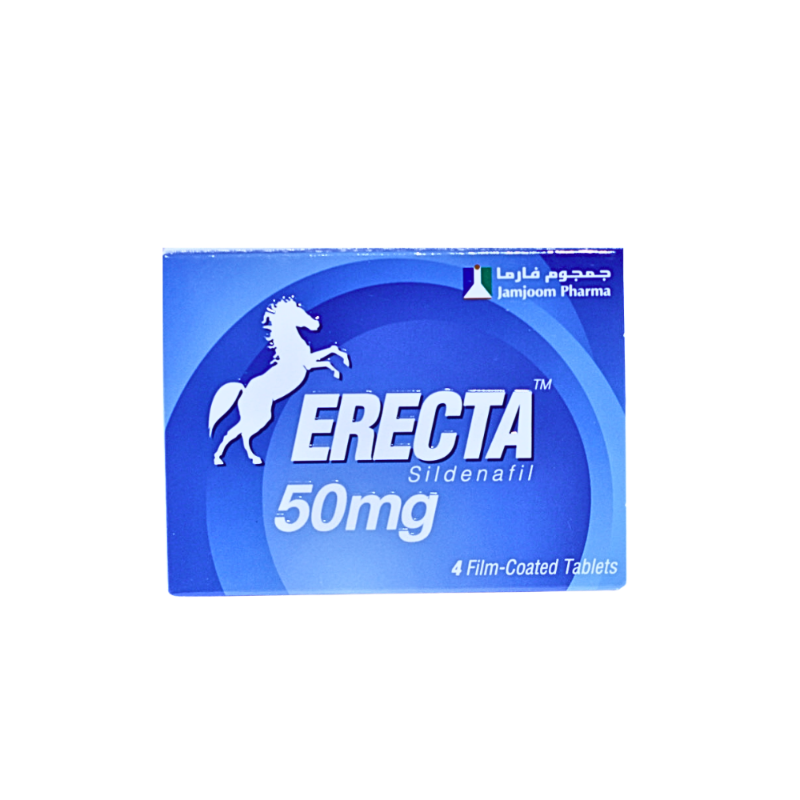
Medications > Sexual Health
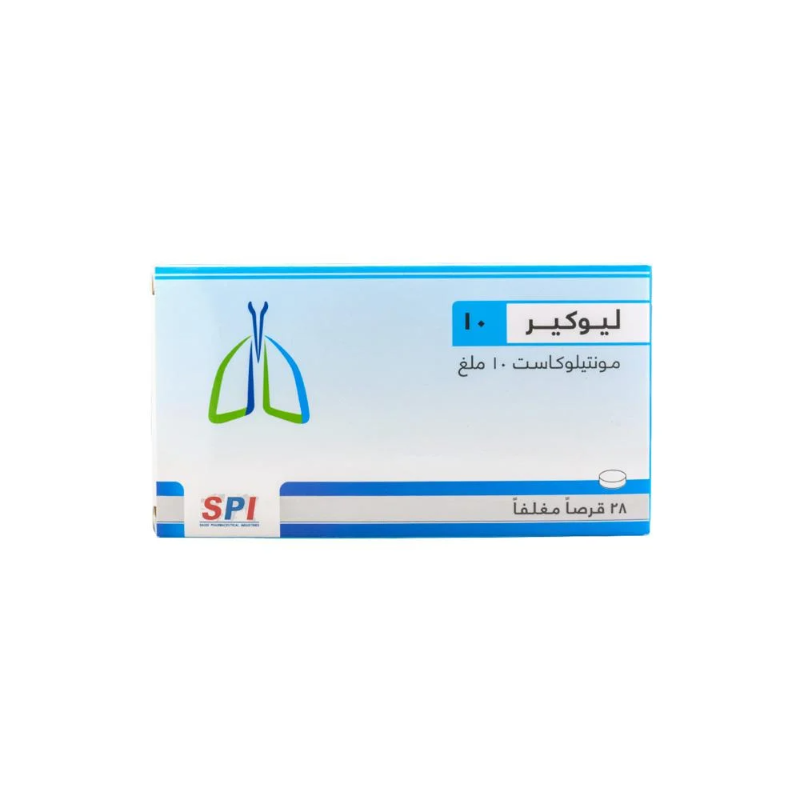
Medications > Cold, Cough, and Allergy Medications
