
Use Code: ND30 And Get 30% OFF | Get Free Delivery With No Minimum Order
-1744229570.gif "Almujtama Pharmacy logo")




Frequently bought together
Health Care & Wellness > Medical Devices And Accessories
Health Care & Wellness > Medical Devices And Accessories
Health Care & Wellness > Medical Devices And Accessories
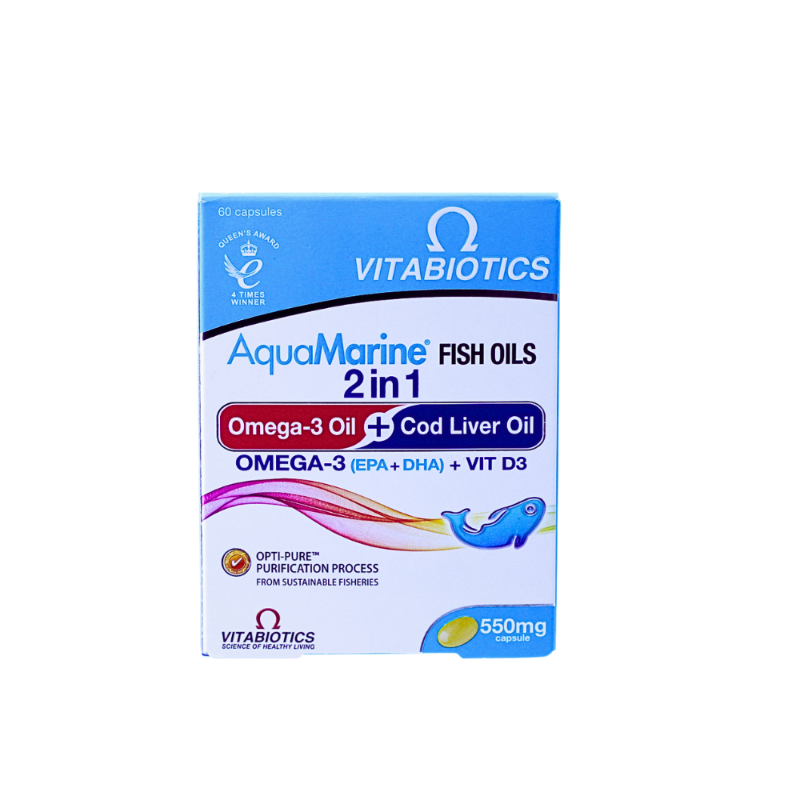
Vitamins & Supplements > Omega-3 Supplements
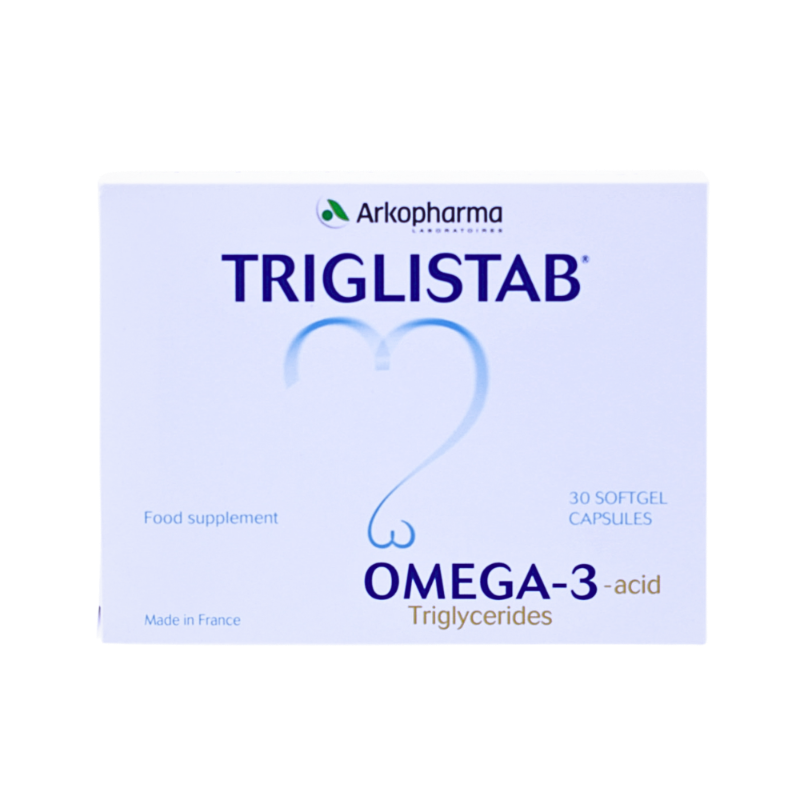
Vitamins & Supplements > Omega-3 Supplements
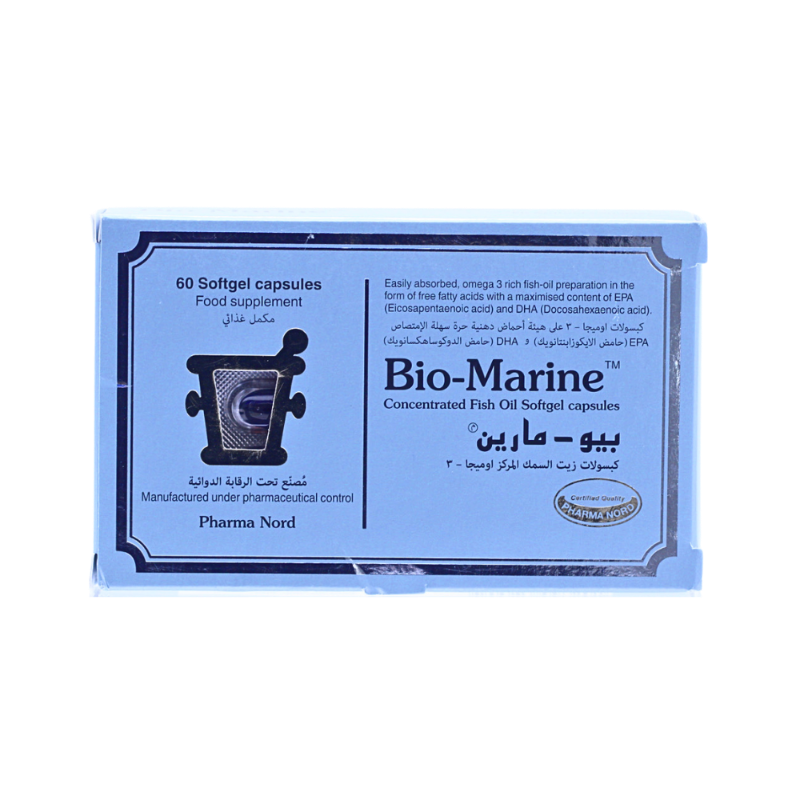
Vitamins & Supplements > Omega-3 Supplements
DIUSEMIDE 40 MG TAB 30 TAB
- Sku : I-034174
Key features
DIUSEMIDE 40 mg tablets contain the active ingredient furosemide. It acts by inhibiting the Na+-K+-2Cl− cotransporter (NKCC2) in the thick ascending limb of the loop of Henle, reducing NaCl reabsorption and increasing excretion of sodium, chloride and water, with secondary losses of potassium, magnesium and calcium. It is indicated for edema associated with congestive heart failure, liver cirrhosis and renal disease (including nephrotic syndrome), and for hypertension. Available by prescription in a pack of 30 tablets.- Brand: DIUSEMIDE
- Active Ingredient: FUROSEMIDE
- Strength: 40mg
- Dosage Form: Tablet
- Pack Size: 30 Tablets
- Route: Oral use
- Prescription Status: Prescription
- Therapeutic Class: Cardiovascular
- Pharmacological Group: Diuretics
- Drug Class: Loop diuretic (sulfonamide-derived).
- Manufacturer: APM
- Country of Origin: Jordan
- SFDA Registration No.: 10-119-82
- Shelf Life: 48 months
- Storage: store below 30°c
- Cv Drug Class: Diuretic
Frequently bought together
Health Care & Wellness > Medical Devices And Accessories
Health Care & Wellness > Medical Devices And Accessories
Health Care & Wellness > Medical Devices And Accessories
Vitamins & Supplements > Omega-3 Supplements
Vitamins & Supplements > Omega-3 Supplements
Vitamins & Supplements > Omega-3 Supplements
Indications
Approved Uses
Edema associated with congestive heart failure, liver cirrhosis, and renal disease (including nephrotic syndrome), Hypertension.
Off-Label Uses
Adjunct in severe hypercalcemia after adequate hydration (to promote calciuresis); sometimes used in acute pulmonary edema as part of urgent management (practice varies by guideline and patient hemodynamics).
Dosage & Administration
Dosing by Condition
Edema (HF/renal/hepatic): 20-80 mg PO once; may repeat or increase by 20-40 mg at 6-8 hour intervals based on response; usual maintenance 40-120 mg/day in 1-2 doses; maximum up to 600 mg/day in severe cases. Hypertension (adjunct): 40 mg PO twice daily; adjust based on BP/volume status.
Initial Dose
Edema: 20-80 mg orally once daily. Hypertension: 40 mg orally twice daily.
Maintenance Dose
Adjusted based on clinical response, given once or twice daily.
Maximum Dose
600 mg/day (edema); 240 mg/day (hypertension)
Dose Adjustment Notes
Renal impairment: higher doses may be required due to reduced diuretic delivery to the tubule; avoid/ineffective in anuria. Hepatic impairment/cirrhosis: use the lowest effective dose and monitor closely as electrolyte/volume shifts can precipitate hepatic encephalopathy.
How to Take
Swallow the tablet with water; may be taken with or without food. Preferably take in the morning (and if a second dose is needed, early afternoon) to reduce nocturia.
Side Effects
Common Side Effects
Increased urination, dizziness/orthostatic hypotension, dehydration, electrolyte disturbances (especially hypokalemia; also hyponatremia, hypomagnesemia), nausea; muscle cramps may occur.
Side Effect Frequency
Common (≥1% to <10%): hypokalemia, hyponatremia, hypomagnesemia, dehydration/volume depletion, hypotension/dizziness, hyperuricemia (may precipitate gout), nausea; frequency of polyuria is dose-related and commonly reported. Uncommon/Rare: ototoxicity (risk increases with high IV doses/rapid infusion, renal impairment, or aminoglycosides), blood dyscrasias (e.g., thrombocytopenia/agranulocytosis), pancreatitis, interstitial nephritis, photosensitivity.
Safety & Warnings
Contraindications
Contraindicated in anuria and hypersensitivity to furosemide (or excipients; sulfonamide cross-reactivity is possible); also contraindicated in hepatic coma/precoma and in severe electrolyte depletion (e.g., severe hyponatremia, hypokalemia) and severe hypovolemia/dehydration until corrected.
Warnings & Precautions
Key precautions: monitor BP, renal function, and electrolytes (Na/K/Mg) due to risk of profound diuresis; correct hypovolemia/electrolyte deficits before aggressive dosing; ototoxicity risk with high doses/renal impairment/concomitant ototoxins; caution in diabetes (may worsen glycemic control), gout (↑ uric acid), urinary outflow obstruction (risk of retention), and possible sulfonamide cross-sensitivity; in cirrhosis monitor for hepatic encephalopathy.
Age Restriction
No specific minimum age restriction; pediatric use is possible under specialist supervision (extra caution in premature neonates).
Drug Interactions
Drug Interactions
Clinically important interactions include: aminoglycosides/cisplatin (↑ ototoxicity/nephrotoxicity), NSAIDs (↓ diuretic effect/↑ renal risk), ACEi/ARB/other antihypertensives (↑ hypotension/renal dysfunction especially at initiation), digoxin (hypokalemia → ↑ toxicity), lithium (↑ lithium levels/toxicity), corticosteroids/amphotericin B (additive hypokalemia), probenecid (↓ diuretic effect), sucralfate (↓ absorption if coadministered).
Interaction Severity
MAJOR: Aminoglycosides (↑ ototoxicity/nephrotoxicity), cisplatin (↑ ototoxicity/nephrotoxicity), lithium (↑ lithium levels/toxicity). MODERATE: Digoxin (risk of toxicity via hypokalemia), NSAIDs (↓ diuretic/antihypertensive effect; ↑ renal risk), ACEi/ARBs/other antihypertensives (additive hypotension/renal effects), corticosteroids/amphotericin B (↑ hypokalemia). MINOR/management: Sucralfate (↓ absorption-separate dosing), probenecid (↓ tubular secretion/diuretic effect).
Food Interaction
Bioavailability variable (10-90%); may be improved if taken before meals as food can disrupt absorption.
Special Populations
Kidney Impairment
Renal impairment: higher doses may be required to achieve diuresis; titrate to response with close monitoring of renal function/electrolytes; discontinue if worsening azotemia/oliguria occurs; contraindicated in anuria.
Storage & Patient Advice
Missed Dose
Take as soon as remembered; skip if near the time of the next scheduled dose. Do not double the dose
Stopping the Medicine
Do not stop abruptly without prescriber advice; tapering is not pharmacologically required, but abrupt cessation can worsen edema/heart failure symptoms (rebound fluid retention).
Overdose
Overdose typically causes marked diuresis with dehydration, hypotension, and severe electrolyte disturbances (e.g., hyponatremia, hypokalemia) ± acute kidney injury; management is supportive with prompt fluid/electrolyte replacement and monitoring (consider decontamination only if very recent ingestion per toxicology guidance).
Patient Counseling
Take in the morning (and if twice daily, the second dose early afternoon) to avoid nighttime urination; expect increased urination. Stand up slowly to reduce dizziness. Maintain hydration as directed and report signs of dehydration or low electrolytes (marked thirst, weakness, confusion, muscle cramps, palpitations). Follow lab monitoring for kidney function and electrolytes; discuss potassium intake/supplementation if prescribed. Seek care for hearing changes/ringing in ears, severe dizziness/fainting, or rash.
Monitoring Requirements
Monitor blood pressure, weight/edema and fluid status, renal function (SCr/BUN), and serum electrolytes (especially K+, Na+, Mg2+; consider Ca2+), with additional monitoring of glucose and uric acid in at-risk patients; consider hearing/ototoxicity monitoring with high-dose or IV therapy or when combined with ototoxins.
Pharmacology
Mechanism of Action
Inhibits the Na+-K+-2Cl− cotransporter (NKCC2) in the thick ascending limb of the loop of Henle, reducing NaCl reabsorption and increasing excretion of sodium, chloride, water (and secondarily potassium, magnesium, and calcium).
Onset of Action
About 1 hour (oral)
Duration of Effect
Approximately 6-8 hours after an oral dose.
Half-Life
Approximately 1-2 hours (often cited ~1.5 hours); prolonged in renal impairment (and in severe hepatic disease/heart failure).
Bioavailability
Oral bioavailability is variable, roughly ~50% (commonly cited range about 40-70%).
Metabolism
Minimal metabolism; a small fraction undergoes hepatic glucuronidation, but most is excreted unchanged (primarily renal, with some biliary/fecal excretion).
Excretion
Primarily renal elimination (substantial fraction excreted unchanged in urine via tubular secretion), with a smaller portion eliminated via bile/feces.
Protein Binding
Highly protein bound, about 95-99% (mainly to albumin).
Product Information
Available Dosage Forms
Tablet, oral solution, injection (IV/IM)
Composition per Dose
Each tablet: 40 mg furosemide
Generic Availability
Yes
OTC Alternatives
No OTC alternative
Cv Drug Class
Diuretic
Reviewed by Al Mujtama Pharmacy Medical Review Team. Last reviewed 20-08-2026
Similar Products
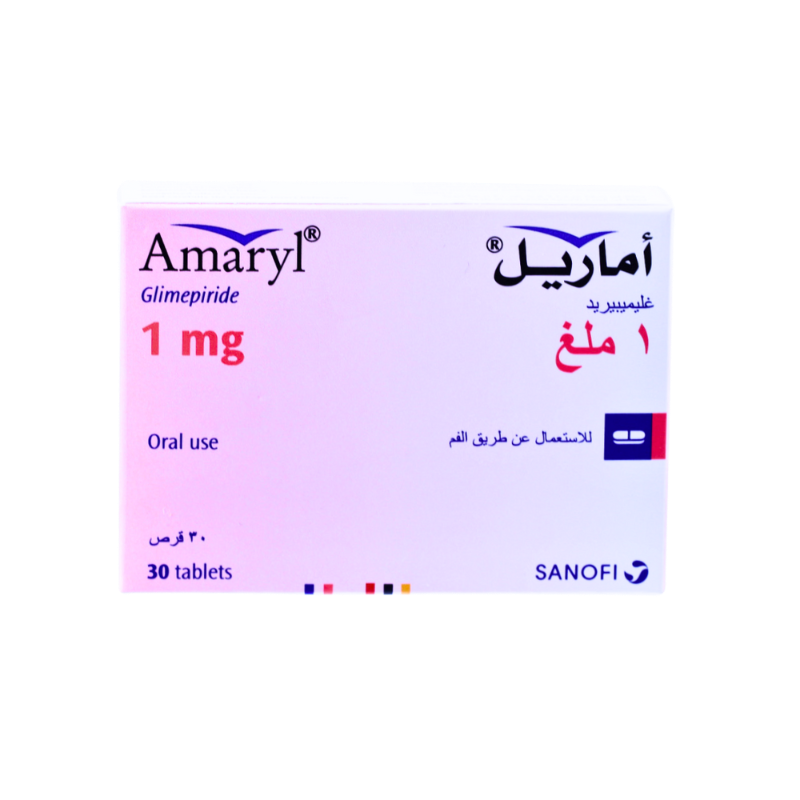
Medications > Diabetes Medications
Medications > Sexual Health

Medications > Urology Medications
Medications > Painkillers and Antipyretics
Medications > Painkillers and Antipyretics
Medications > Eye and Ear Medications
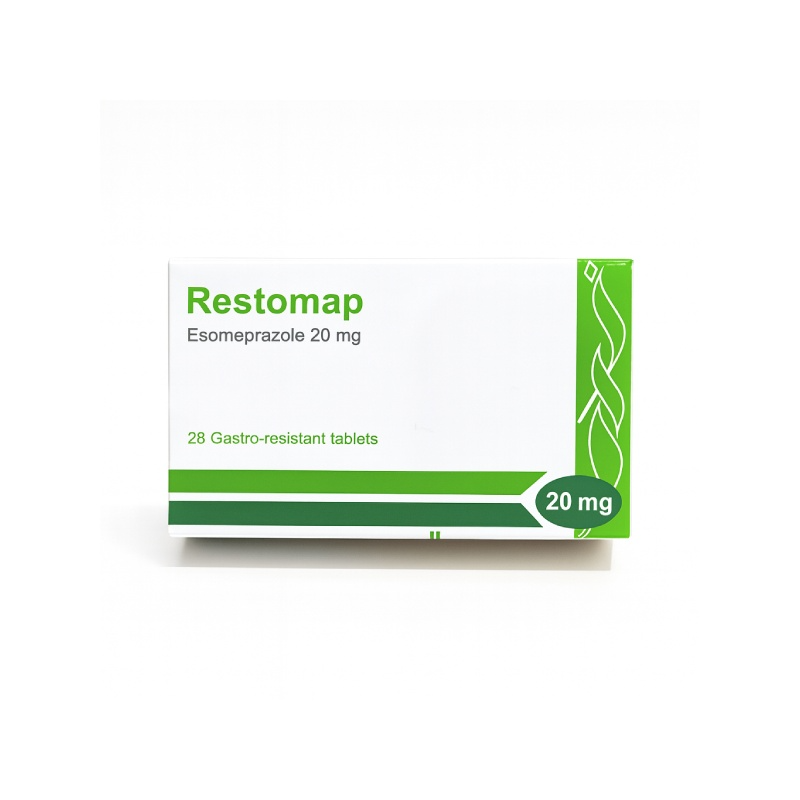
Medications > Gastrointestinal Medications
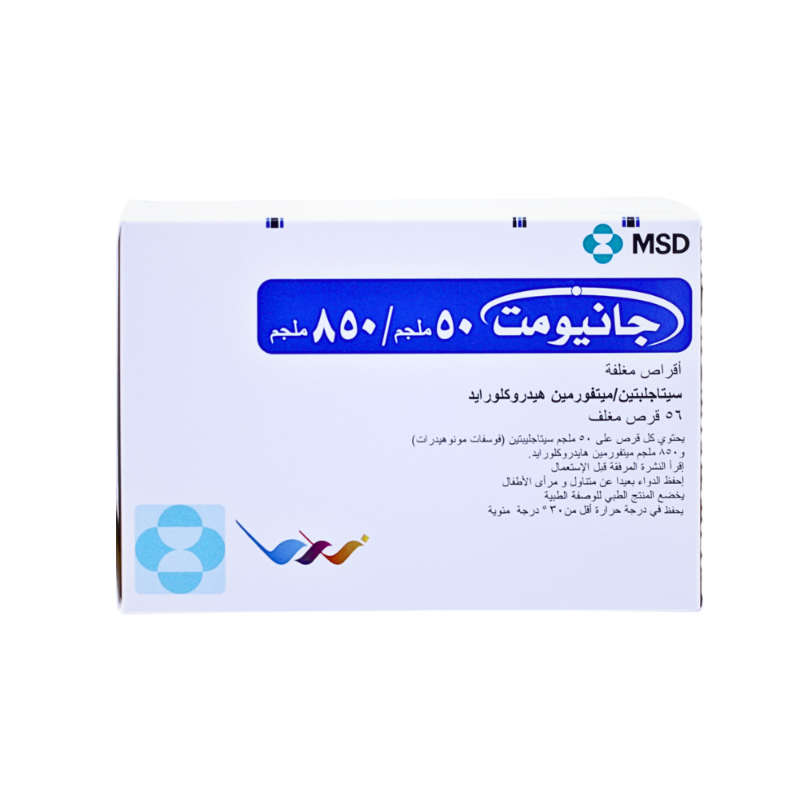
Medications > Diabetes Medications
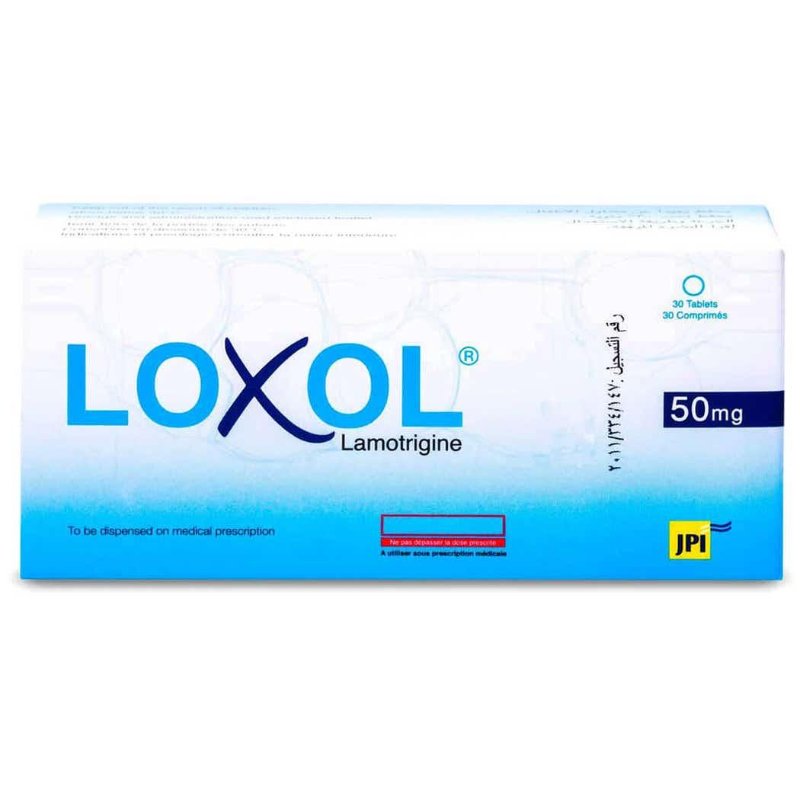
Medications > Anticonvulsants and antiepileptics
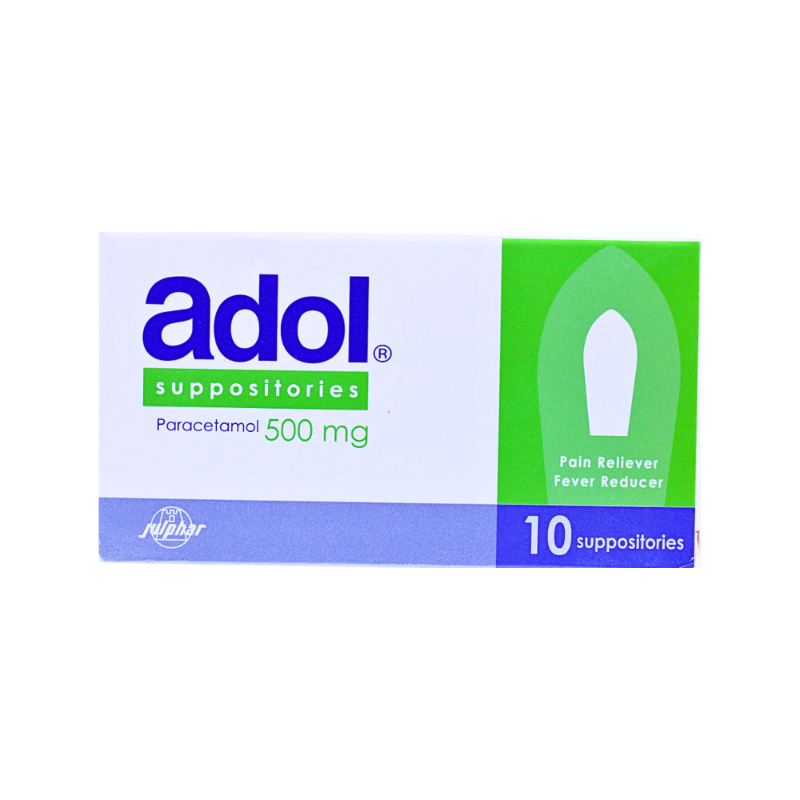
Medications > Painkillers and Antipyretics
