
Use Code: ND30 And Get 30% OFF | Get Free Delivery With No Minimum Order
-1744229570.gif "Almujtama Pharmacy logo")
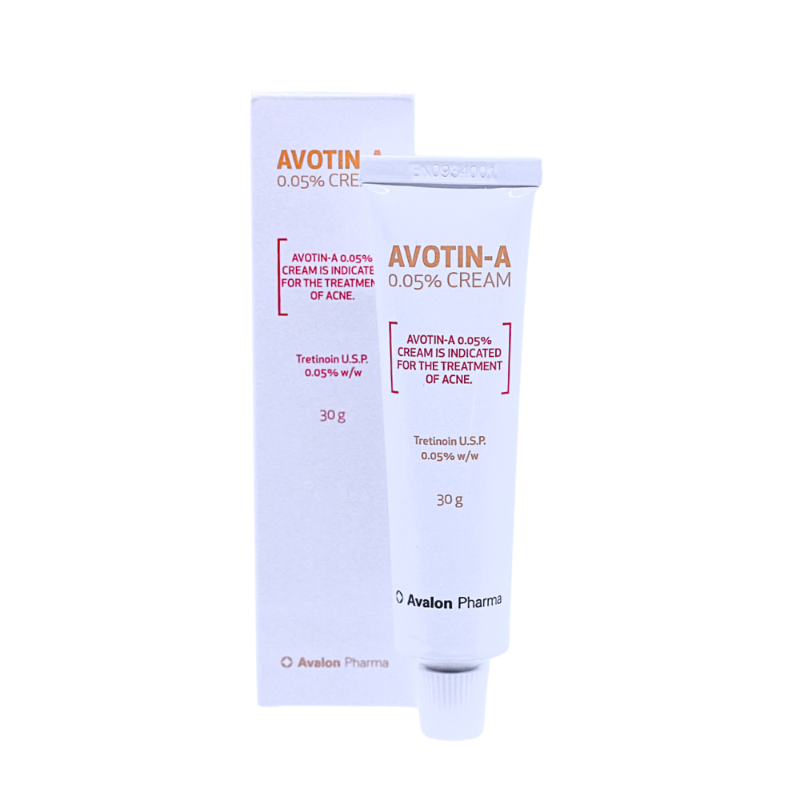




Frequently bought together
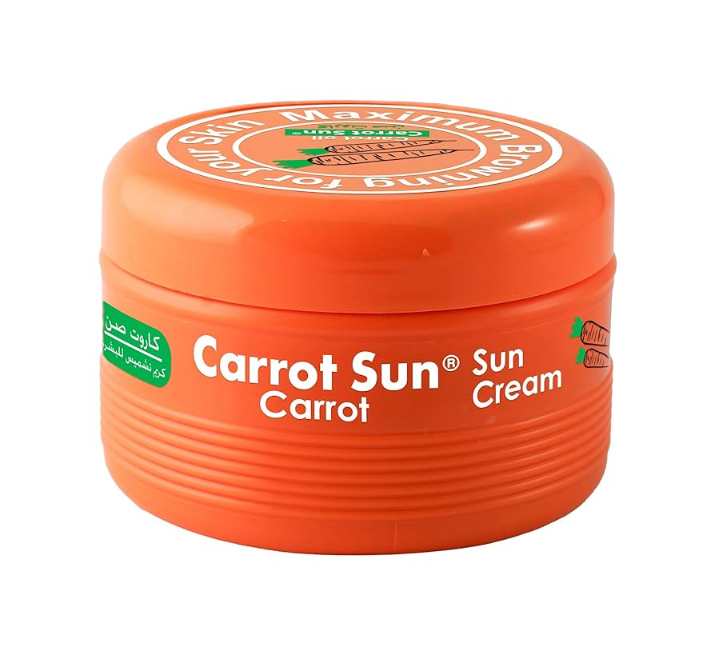
Skin And Body Care > Sun Protection And Tans
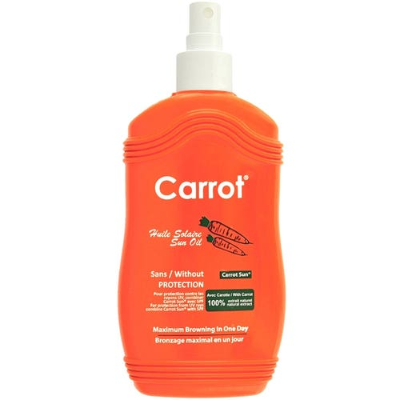
Skin And Body Care > Sun Protection And Tans
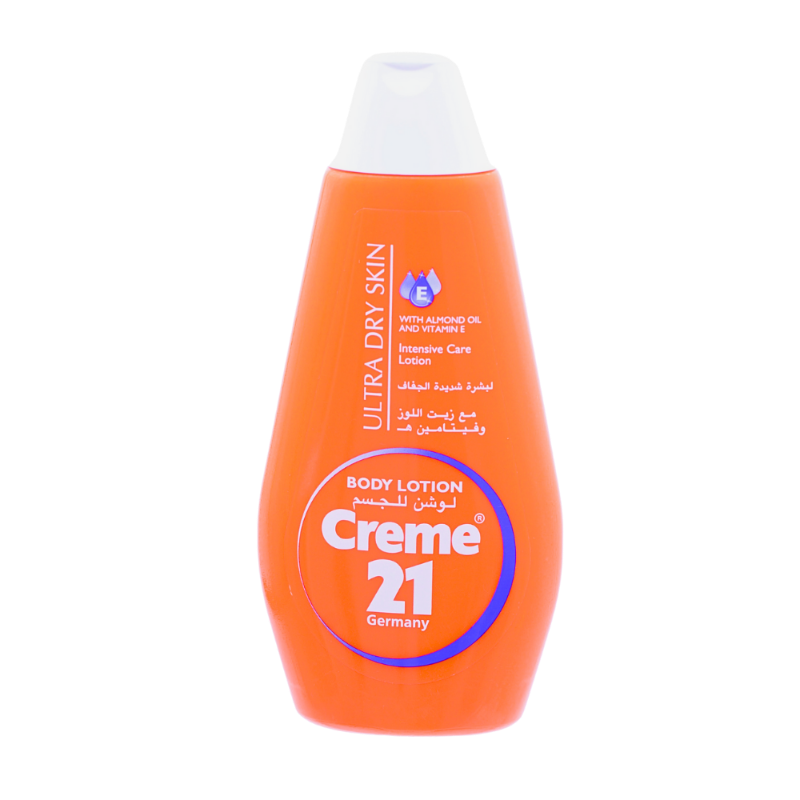
Skin And Body Care > Moisturizers
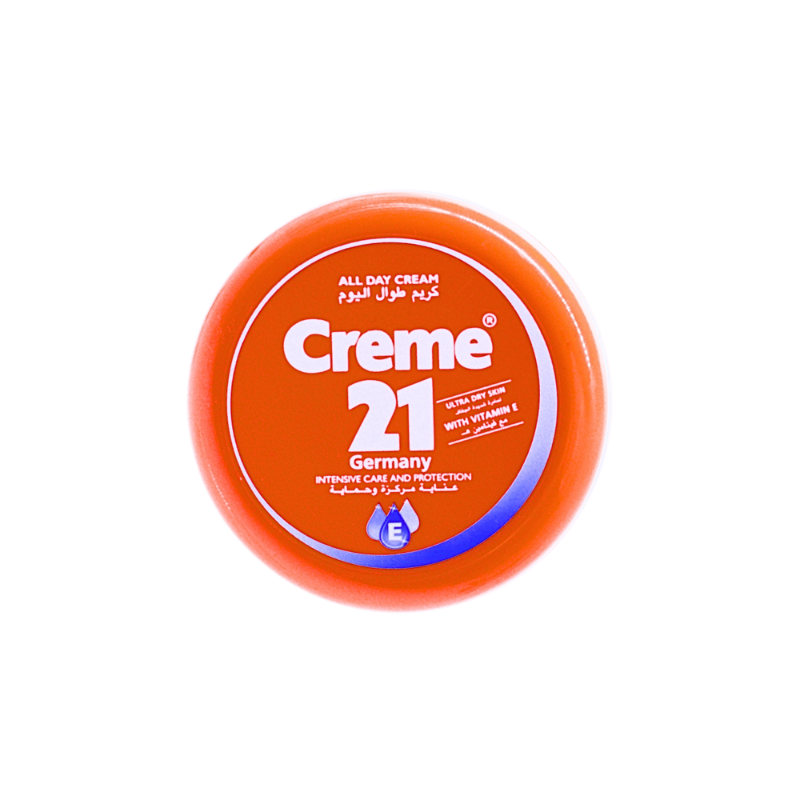
Skin And Body Care > Moisturizers
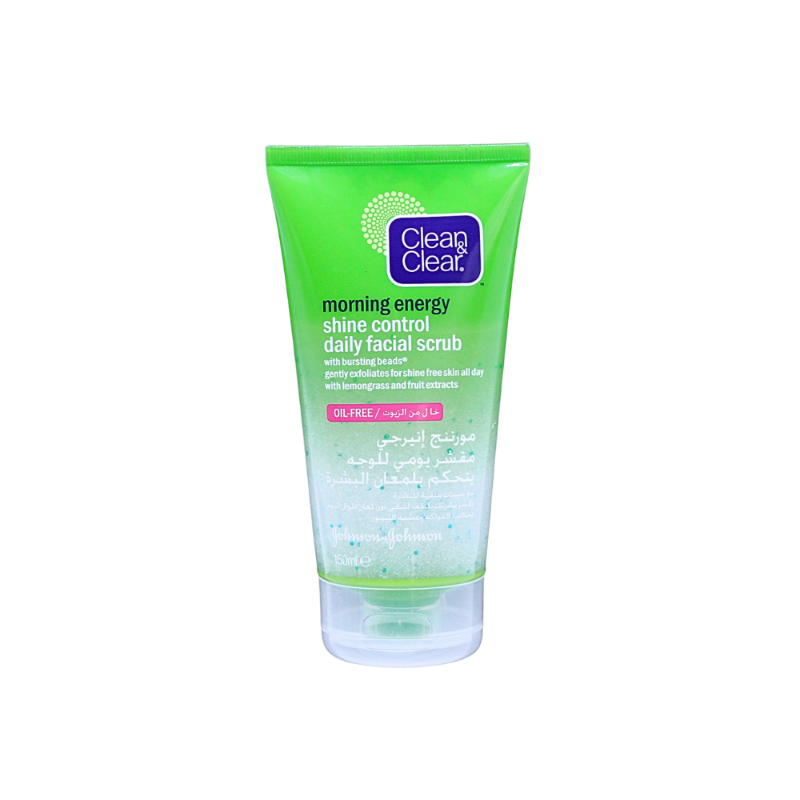
Skin And Body Care > Facial Wash And Exfoliators
AVOTIN-A 0.05% CREAM 30G
- Sku : I-000409
Key features
AVOTIN-A 0.05% Cream is a topical formulation containing the active ingredient tretinoin 0.05%. It acts on nuclear retinoic acid receptors to normalize follicular keratinization, accelerate epidermal turnover and reduce microcomedone formation, with potential dermal collagen remodeling over time. It is indicated for the topical treatment of acne vulgaris. Supplied as a 30 g cream tube.- Brand: AVOTIN
- Active Ingredient: TRETINOIN
- Strength: 0.05%
- Dosage Form: Cream
- Pack Size: 30 g
- Route: Topical
- Prescription Status: Prescription
- Therapeutic Class: Dermatological
- Pharmacological Group: Anti-acne Preparations
- Drug Class: Topical retinoid (vitamin A derivative; first-generation retinoid); anti-acne preparation (ATC D10AD01).
- Manufacturer: (Avalon Pharma) Middle East Pharmaceutical Industries Co. Ltd
- Country of Origin: Saudi Arabia
- SFDA Registration No.: 1106245406
- Shelf Life: 36 months
- Storage: store below 25°c
- Skin Condition: Acne
- Steroid Potency: Not a corticosteroid
Frequently bought together
Skin And Body Care > Sun Protection And Tans
Skin And Body Care > Sun Protection And Tans
Skin And Body Care > Moisturizers
Skin And Body Care > Moisturizers
Skin And Body Care > Facial Wash And Exfoliators
Indications
Approved Uses
Acne vulgaris (topical).
Off-Label Uses
Common dermatology off-label uses include melasma and post-inflammatory hyperpigmentation (often in combination regimens), photoaging, and some disorders of keratinization (e.g., ichthyosis/keratosis pilaris); use for warts/actinic keratoses is less consistent and typically specialist-directed.
Dosage & Administration
Dosing by Condition
Acne vulgaris: apply a thin layer once daily at bedtime to the entire affected/acne-prone area; if irritation occurs, start or step down to less frequent application and titrate up as tolerated.
Initial Dose
Apply a thin layer to the affected area once daily at bedtime. For sensitive skin, application may be started every other night.
Maintenance Dose
Once daily at bedtime; frequency may be reduced to every other night if irritation occurs
Maximum Dose
Apply a thin layer once daily (typically at night); do not apply more than once per day.
Children's Dosage
Not recommended for children under 12 years; adolescents 12 years and older: same as adult dosing under medical supervision
Dose Adjustment Notes
Adjust based on tolerability: reduce frequency (e.g., every other night/2-3 times weekly) and/or temporarily stop if significant irritation occurs, then restart and titrate up as tolerated; consider moisturizer and short-contact strategies if needed.
How to Take
Cleanse with a mild cleanser and pat dry; wait 20-30 minutes until skin is completely dry; apply a thin film (about a pea-sized amount for the whole face) once daily at bedtime to the entire acne‑prone/affected area (not just individual spots); avoid eyes, lips, corners of nose, and mucous membranes; wash hands after application; use moisturizer as needed and apply sunscreen daily.
Side Effects
Common Side Effects
Application-site irritation (erythema/redness, dryness, peeling/desquamation, burning/stinging, pruritus), and increased photosensitivity/sunburn risk; less commonly temporary pigment changes.
Side Effect Frequency
Very common (>10%): application-site irritation including erythema, dryness, peeling/scaling, burning/stinging, and pruritus. Less common: photosensitivity, contact dermatitis, edema, blistering, and pigmentary changes (frequency varies by formulation and patient factors).
Safety & Warnings
Contraindications
Hypersensitivity to tretinoin or any component of the cream; pregnancy (avoid use).
Warnings & Precautions
Avoid contact with eyes, lips, angles of the nose, and mucous membranes; do not apply to eczematous, sunburned, abraded, or broken skin; minimize sun/UV exposure and use sunscreen/protective clothing; avoid concurrent abrasive/irritant products and waxing on treated areas; expect early irritation/peeling and possible initial acne flare.
Age Restriction
Safety and efficacy in children <12 years are not established; use only if prescribed/under physician supervision.
Driving Warning
Safe
Drug Interactions
Drug Interactions
Additive irritation with other topical irritants/keratolytics (e.g., benzoyl peroxide, salicylic acid, sulfur/resorcinol, astringents/abrasives, alcohol-based products); avoid concurrent topical retinoids on same area; photosensitizing drugs may increase sunburn risk.
Interaction Severity
MODERATE: concomitant irritating/drying topical agents (e.g., benzoyl peroxide, salicylic acid, sulfur/resorcinol, astringents, alcohol-based products) increase irritation; MODERATE: photosensitizing drugs may add to sunburn risk; MINOR: topical antibiotics (e.g., clindamycin/erythromycin) generally compatible though irritation may increase.
Food Interaction
No restriction
Alcohol Interaction
Safe
Special Populations
Pregnancy
Contraindicated
Children
Not recommended for children under 12 years; adolescents 12 years and older: same as adult dosing under medical supervision
Elderly
Standard adult dosing; elderly patients may have more sensitive skin - start with lower frequency (every other night) and titrate as tolerated
Kidney Impairment
No adjustment needed
Liver Impairment
No adjustment needed
Storage & Patient Advice
Stopping the Medicine
Can be stopped at any time; acne may relapse after discontinuation-seek clinician advice if stopping due to significant irritation or if on a clinician-directed long-term plan.
Overdose
Topical overuse may cause marked erythema, peeling, burning/stinging-reduce frequency/stop temporarily and wash off if needed; accidental oral ingestion: seek medical attention/poison center (supportive care).
Patient Counseling
Apply a pea-sized amount once daily at night to clean, completely dry skin (wait ~20-30 minutes after washing); start every other night if sensitive, then increase as tolerated. Avoid eyes, lips, corners of nose, and broken/sunburned/eczema skin; wash hands after. Expect dryness, redness, burning/stinging and peeling in the first 2-4 weeks and possible initial acne flare; improvement typically begins after 6-8 weeks and may take up to ~12 weeks. Use a gentle cleanser and moisturizer; avoid harsh scrubs, astringents, alcohol-based products, waxing/depilatories, and other irritating acne products unless directed. Use daily broad-spectrum sunscreen (SPF ≥30) and limit sun/UV exposure because tretinoin increases photosensitivity; nighttime use also reduces photodegradation. Do not use during pregnancy (avoid if pregnant/trying to conceive); use only with prescriber advice if breastfeeding. Store below 25°C; prescription-only topical tretinoin 0.05% cream (SFDA).
Monitoring Requirements
No routine laboratory monitoring; monitor clinically for local irritation/dermatitis, excessive dryness/peeling, and photosensitivity, and reassess response after ~8-12 weeks.
Pharmacology
Mechanism of Action
Binds nuclear retinoic acid receptors (RARs) to alter gene transcription, normalizing follicular keratinization and reducing microcomedone formation while increasing epidermal turnover; may also promote dermal collagen remodeling with longer-term use.
Onset of Action
Acne may look worse initially; early improvement often begins in ~2-4 weeks, with more meaningful benefit typically at 8-12 weeks.
Duration of Effect
Benefits require continued use; acne control and skin improvements diminish after discontinuation.
Bioavailability
Systemic bioavailability is very low with topical use (typically minimal; may increase with large surface area, prolonged use, occlusion, or compromised skin barrier).
Excretion
If systemically absorbed, tretinoin is eliminated mainly as metabolites via biliary/fecal and renal excretion.
Product Information
Available Dosage Forms
Cream
Composition per Dose
Each gram of cream: 0.5 mg tretinoin (0.05%) in a cream base
Generic Availability
Yes
OTC Alternatives
No OTC equivalent to tretinoin; OTC alternatives for acne include benzoyl peroxide and salicylic acid, and adapalene 0.1% gel is OTC in some countries/regions.
Skin Condition
Acne
Steroid Potency
Not a corticosteroid
Reviewed by Al Mujtama Pharmacy Medical Review Team. Last reviewed 08-06-2026
Similar Products
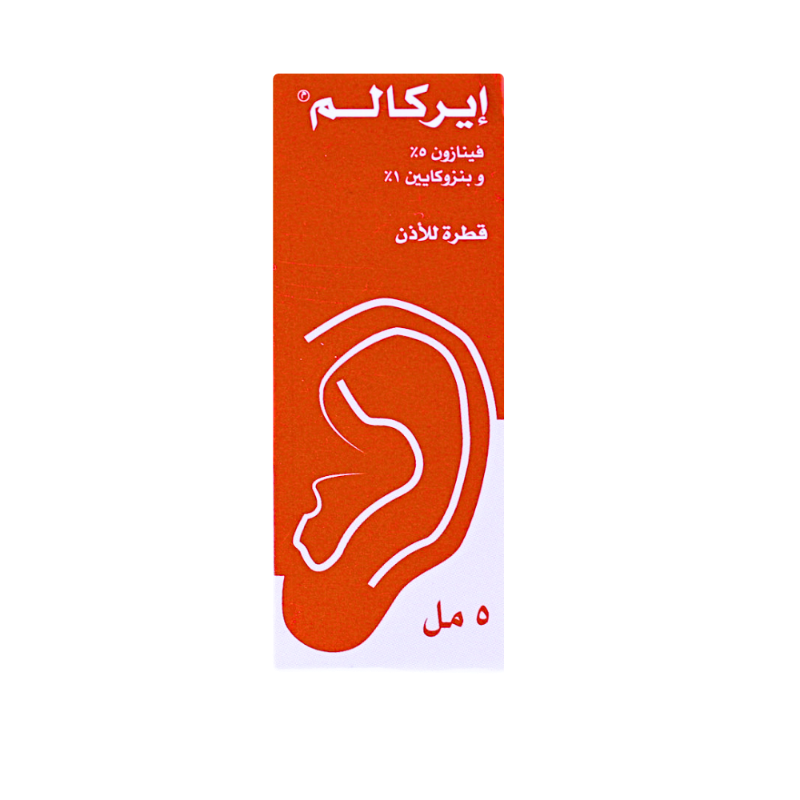
Medications > Eye and Ear Medications
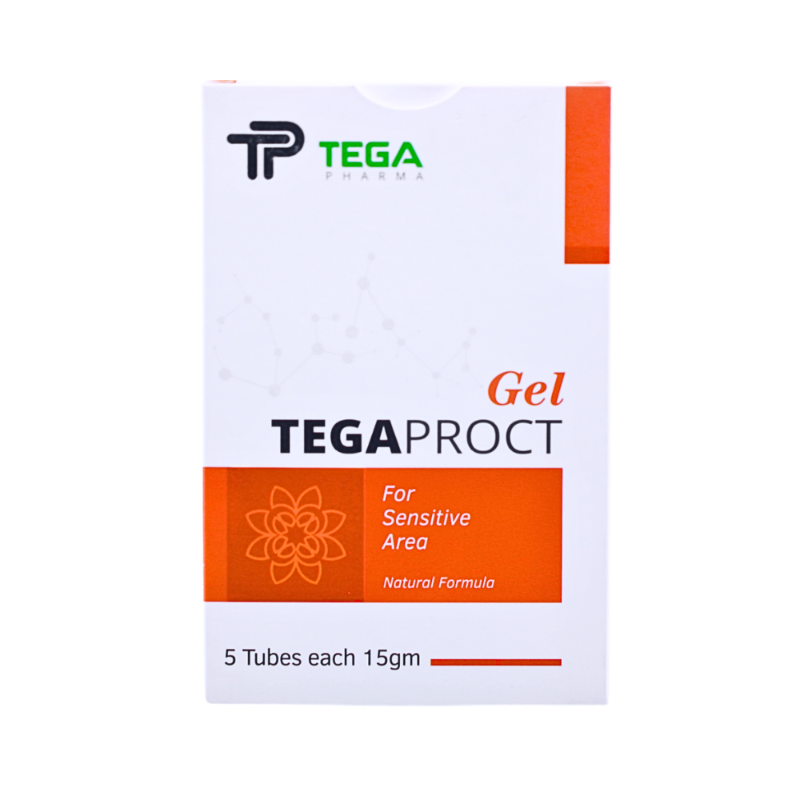
Medications > Hemorrhoid Medications
Medications > Painkillers and Antipyretics
Medications > Diabetes Medications
Medications > Cholesterol Medications
Medications > Eye and Ear Medications

Medications > Dermatology Medications
Medications > Psychiatric Medications
Medications > Cold, Cough, and Allergy Medications

Medications > Psychiatric Medications
