
Use Code: ND30 And Get 30% OFF | Get Free Delivery With No Minimum Order
-1744229570.gif "Almujtama Pharmacy logo")




Frequently bought together
Vitamins & Supplements > Omega-3 Supplements
Vitamins & Supplements > Omega-3 Supplements
Vitamins & Supplements > Sleeping aid supplements
Vitamins & Supplements > Sleeping aid supplements
Vitamins & Supplements > Omega-3 Supplements
Vitamins & Supplements > Sleeping aid supplements
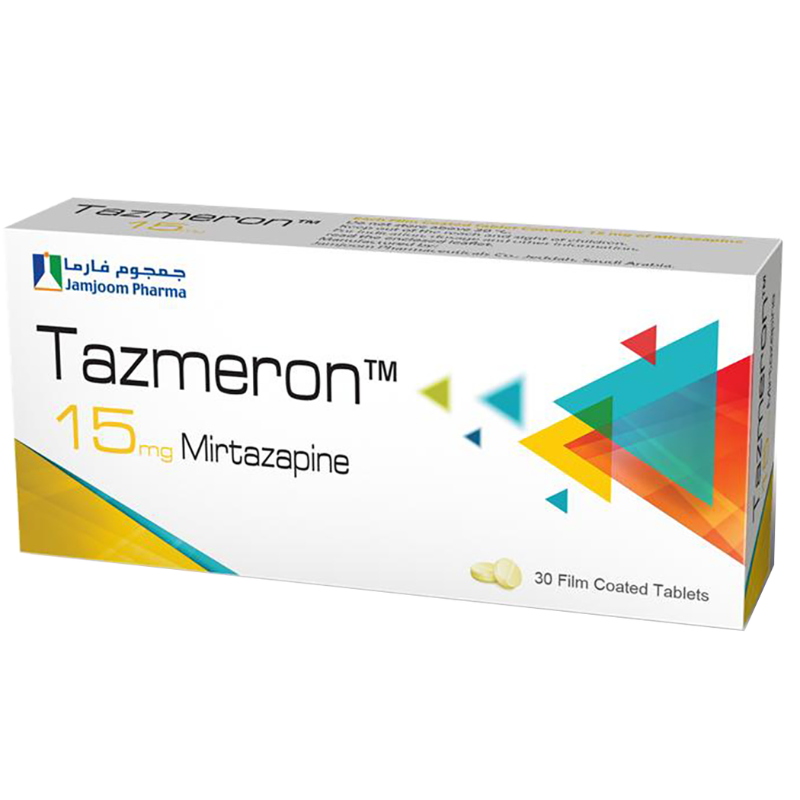
TAZMERON 15MG F.C.TAB 30 FILM-COATED TAB
- Sku : I-034209
Key features
Tazmeron 15 mg Film-coated Tablets contain mirtazapine 15 mg, presented as a prescription-only oral tablet. It works as a noradrenergic and specific serotonergic antidepressant by increasing norepinephrine and serotonin activity in the brain. It is used for the treatment of major depressive disorder (MDD). This pack contains 30 film-coated tablets.- Brand: TAZMERON
- Active Ingredient: MIRTAZAPINE 15mg
- Strength: 15mg
- Dosage Form: Film-coated tablet
- Pack Size: 30 Tablets
- Route: Oral use
- Prescription Status: Prescription
- Therapeutic Class: Psychiatric
- Pharmacological Group: Other Antidepressants
- Drug Class: Noradrenergic and Specific Serotonergic Antidepressant (NaSSA)
- Manufacturer: Jamjoom Pharmaceuticals Factory Company
- Country of Origin: Saudi Arabia
- SFDA Registration No.: 2201256735
- Shelf Life: 36 months
- Storage: store below 30°c
- Psych Class: Antidepressant-Other (NaSSA)
- Controlled Substance: No
Frequently bought together
Vitamins & Supplements > Omega-3 Supplements
Vitamins & Supplements > Omega-3 Supplements
Vitamins & Supplements > Sleeping aid supplements
Vitamins & Supplements > Sleeping aid supplements
Vitamins & Supplements > Omega-3 Supplements
Vitamins & Supplements > Sleeping aid supplements
Indications
Approved Uses
Major depressive disorder (MDD)
Off-Label Uses
Commonly used off‑label for insomnia (especially with comorbid depression/anxiety) and for anxiety disorders (e.g., GAD, panic disorder, PTSD); sometimes used to stimulate appetite/weight gain in chronic illness-evidence varies by indication.
Dosage & Administration
Dosing by Condition
Major Depressive Disorder: Initial 15mg once daily at bedtime; Maintenance 15-45mg once daily at bedtime; Maximum 45mg once daily
Initial Dose
15mg once daily at bedtime.
Maintenance Dose
15-45mg once daily at bedtime
Maximum Dose
45mg per day.
Children's Dosage
Not approved for children or adolescents under 18 years
Dose Adjustment Notes
Increase dose no more frequently than every 1-2 weeks based on response/tolerability; use caution and consider lower doses in elderly patients and in moderate-severe hepatic or renal impairment.
How to Take
Swallow the film‑coated tablet whole with water; take once daily, preferably in the evening/at bedtime due to sedation; may be taken with or without food.
Side Effects
Common Side Effects
Somnolence (drowsiness), increased appetite, weight gain, dry mouth, dizziness, constipation; fatigue is also common.
Side Effect Frequency
Very common (≥10%): somnolence/drowsiness, increased appetite, weight gain, dry mouth. Common (1-10%): dizziness, constipation, nausea, fatigue/asthenia, headache, peripheral edema. Uncommon/Rare (≤1%): orthostatic hypotension, tremor, confusion/abnormal dreams, hyponatremia (SIADH), seizures, serotonin syndrome, severe skin reactions (e.g., SJS/TEN), blood dyscrasias including agranulocytosis/neutropenia.
Safety & Warnings
Contraindications
Hypersensitivity to mirtazapine, Concurrent use with or within 14 days of Monoamine Oxidase Inhibitors (MAOIs), Concurrent use with linezolid or intravenous methylene blue.
Warnings & Precautions
Warnings/precautions: monitor for clinical worsening/suicidality (especially early and in <25); avoid MAOIs and monitor for serotonin syndrome with serotonergic agents; sedation and impaired psychomotor performance (caution driving/CNS depressants); weight gain/increased appetite; orthostatic hypotension; rare agranulocytosis (evaluate infection symptoms); caution in bipolar disorder/mania risk, seizure disorders, hepatic/renal impairment, cardiovascular disease/QT risk factors, angle-closure glaucoma/urinary retention; taper to discontinue.
Age Restriction
Not approved/recommended for use in patients <18 years (pediatric safety/efficacy not established).
Driving Warning
May Cause Drowsiness
Drug Interactions
Drug Interactions
Key interactions: MAOIs (contraindicated; require washout), linezolid/IV methylene blue (avoid-serotonin syndrome risk), other serotonergic drugs (e.g., SSRIs/SNRIs/triptans/tramadol/St. John’s wort-serotonin syndrome risk), CNS depressants/alcohol/benzodiazepines (additive sedation), strong CYP3A4 inducers (carbamazepine, phenytoin, rifampin-↓ levels), CYP inhibitors (e.g., cimetidine; azole antifungals such as ketoconazole-may ↑ levels), warfarin (monitor INR).
Interaction Severity
MAJOR/Contraindicated: MAO inhibitors (and within 14 days), linezolid, IV methylene blue (serotonin syndrome risk). MODERATE: other serotonergic drugs (SSRIs/SNRIs/triptans, etc.)-serotonin syndrome risk; CNS depressants including alcohol/benzodiazepines-additive sedation; strong CYP3A4 inhibitors (e.g., ketoconazole)-↑ levels; CYP inducers (e.g., carbamazepine, rifampicin, phenytoin)-↓ levels/efficacy; warfarin-possible ↑ INR/bleeding risk. QT‑prolonging drugs: use caution in at‑risk patients.
Food Interaction
No clinically significant food restriction; may be taken with or without food.
Alcohol Interaction
Avoid
Special Populations
Pregnancy
Consult Doctor
Breastfeeding
Caution
Children
Not approved for children or adolescents under 18 years
Elderly
Start at 7.5-15mg once daily at bedtime; titrate slowly with careful monitoring; elderly patients may have reduced clearance and increased sensitivity to sedation and orthostatic hypotension
Kidney Impairment
Moderate to severe renal impairment: use with caution; consider lower starting dose and slower titration (clearance reduced, especially when CrCl <40 mL/min).
Liver Impairment
Hepatic impairment: use with caution; consider lower starting dose and slower titration (no single fixed adjustment, but reduced clearance is expected).
Storage & Patient Advice
Storage Conditions
Store below 30°C, in a dry place, protected from light
Missed Dose
If remembered the same night/evening, take it then; if it is close to the next scheduled dose (e.g., next day), skip the missed dose and resume the regular schedule-do not double.
Stopping the Medicine
Do not stop abruptly; taper gradually over several weeks (individualize based on dose/duration and symptoms).
Overdose
Overdose: commonly marked sedation, disorientation, tachycardia and blood pressure changes; serious toxicity is uncommon alone but can include arrhythmias/QT effects especially with co-ingestants; management is supportive (airway/ventilation as needed, activated charcoal if appropriate, cardiac/vital sign monitoring); no specific antidote-seek emergency care.
Patient Counseling
Take once daily in the evening/at bedtime; may cause drowsiness-avoid driving/operating machinery until effects are known; avoid alcohol and other sedatives unless advised; do not stop abruptly-taper with prescriber; improvement may take several weeks; report worsening mood/suicidal thoughts; report fever/sore throat/mouth ulcers (possible neutropenia); expect possible increased appetite/weight gain and consider diet/weight monitoring; inform clinicians about all medicines, especially MAOIs/linezolid/serotonergic drugs and warfarin.
Monitoring Requirements
Monitor clinical response and worsening depression/suicidal ideation (especially early); monitor weight/BMI and metabolic parameters (lipids; consider glucose if risk); consider CBC if signs of infection occur (rare agranulocytosis/neutropenia); consider sodium in elderly or those at hyponatremia risk; monitor for sedation and falls risk.
Pharmacology
Mechanism of Action
Noradrenergic and specific serotonergic antidepressant (NaSSA): antagonizes central presynaptic α2 auto/heteroreceptors to increase norepinephrine and serotonin release; antagonizes 5‑HT2 and 5‑HT3 receptors (shifting signaling toward 5‑HT1A); also blocks H1 histamine receptors (sedation/weight gain).
Onset of Action
Sedation and appetite effects may occur within days; antidepressant effect typically begins within 1-2 weeks with clearer benefit by 2-4 weeks; full effect may take 4-6 weeks.
Duration of Effect
Single-dose pharmacologic effects last about 24 hours (supports once-daily dosing). Antidepressant therapeutic effect is maintained only with continued daily dosing; after discontinuation, clinical benefit may persist for days to weeks depending on response and tapering.
Half-Life
20-40 hours.
Bioavailability
Approximately 50%.
Metabolism
Extensive hepatic metabolism primarily via CYP1A2, CYP2D6, and CYP3A4 (e.g., demethylation/hydroxylation) to metabolites.
Excretion
Eliminated mainly as metabolites in urine (~75%) and feces (~15%).
Protein Binding
Approximately 85%.
Product Information
Available Dosage Forms
For this product: film‑coated tablet (oral). Mirtazapine is also available in some markets as an orally disintegrating/orodispersible tablet, but that is a different dosage form than this SFDA-registered product.
Composition per Dose
Each film-coated tablet: 15mg mirtazapine
Generic Availability
Yes
OTC Alternatives
No OTC alternative
Psych Class
Antidepressant-Other (NaSSA)
Controlled Substance
No
Reviewed by Al Mujtama Pharmacy Medical Review Team. Last reviewed 14-08-2026
Similar Products
Medications > Sexual Health
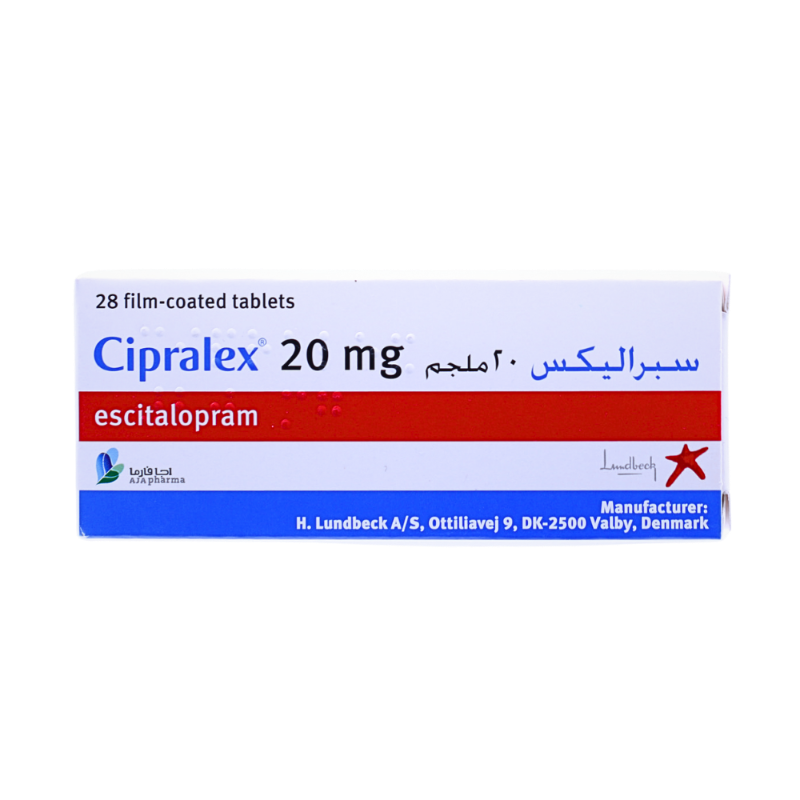
Medications > Psychiatric Medications
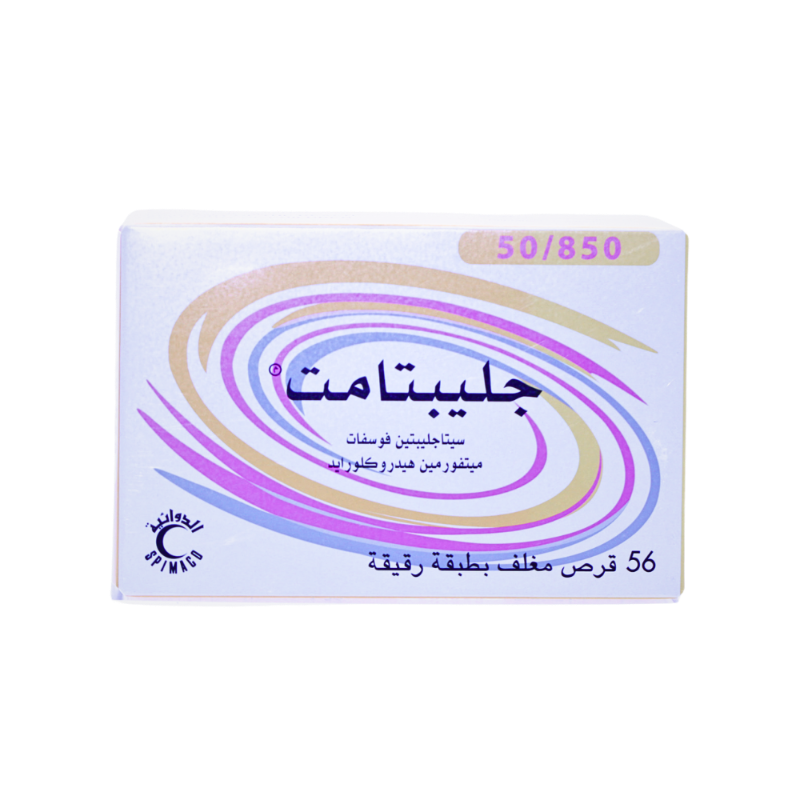
Medications > Diabetes Medications
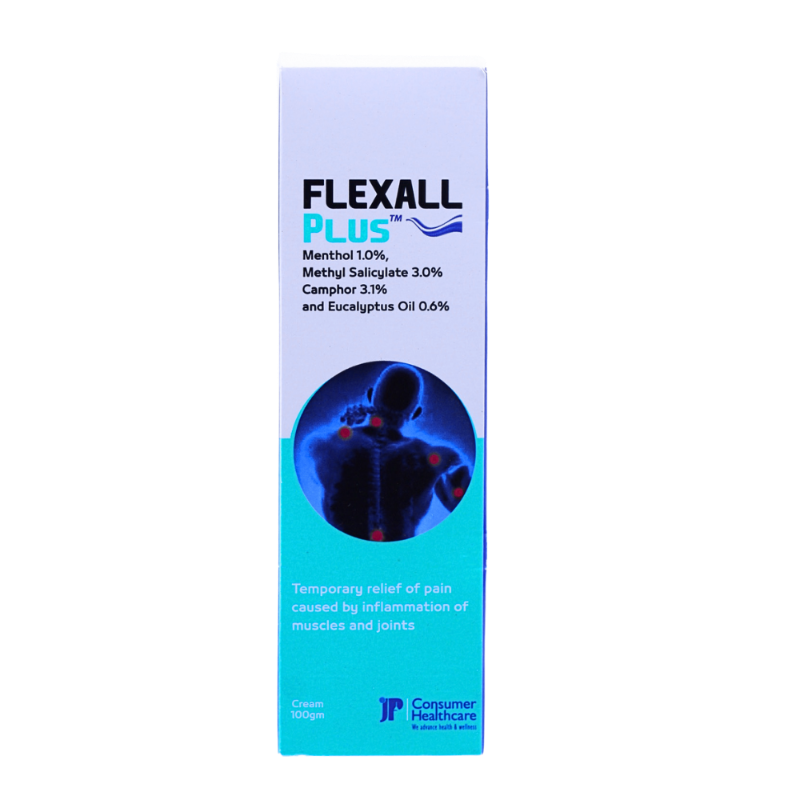
Medications > Painkillers and Antipyretics
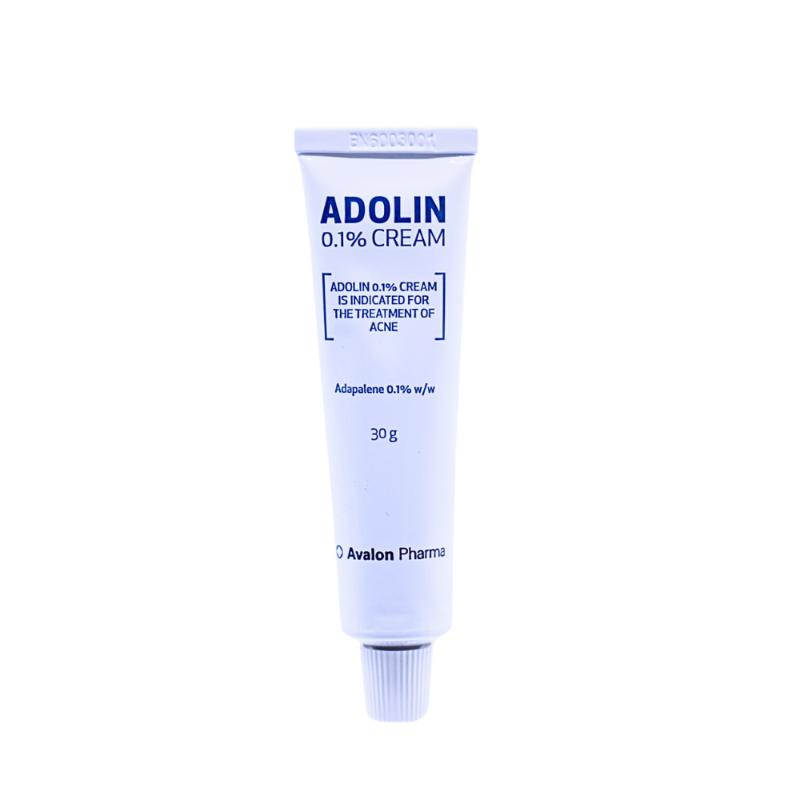
Medications > Dermatology Medications
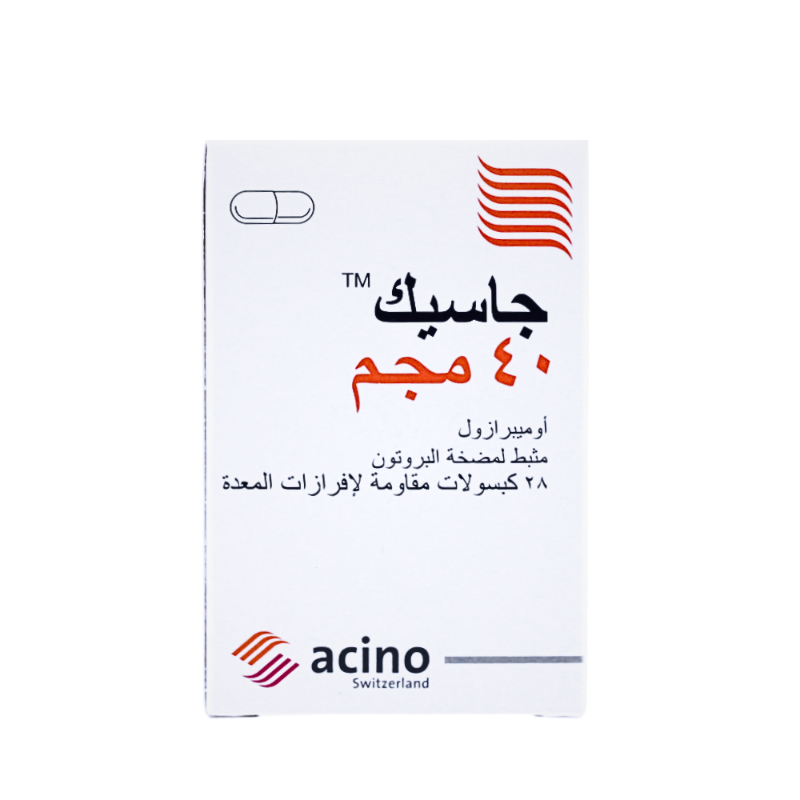
Medications > Gastrointestinal Medications
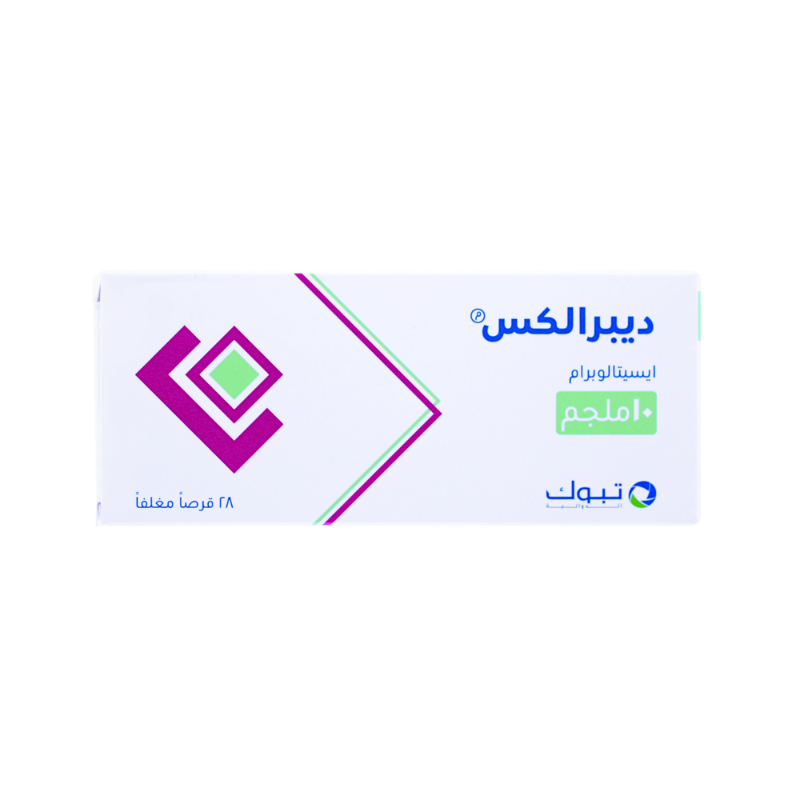
Medications > Psychiatric Medications
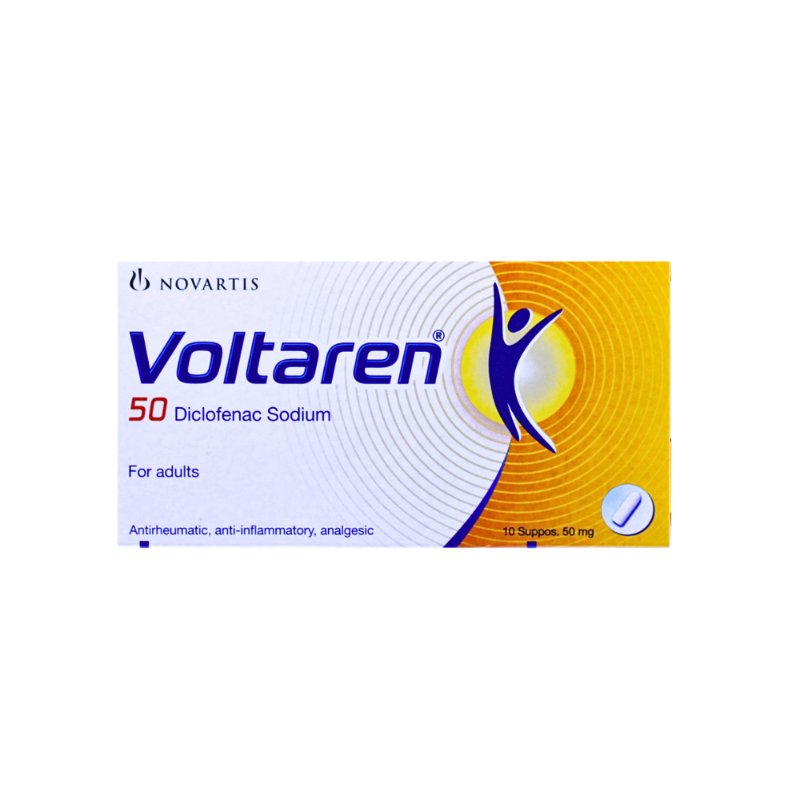
Medications > Painkillers and Antipyretics
Medications > Eye and Ear Medications
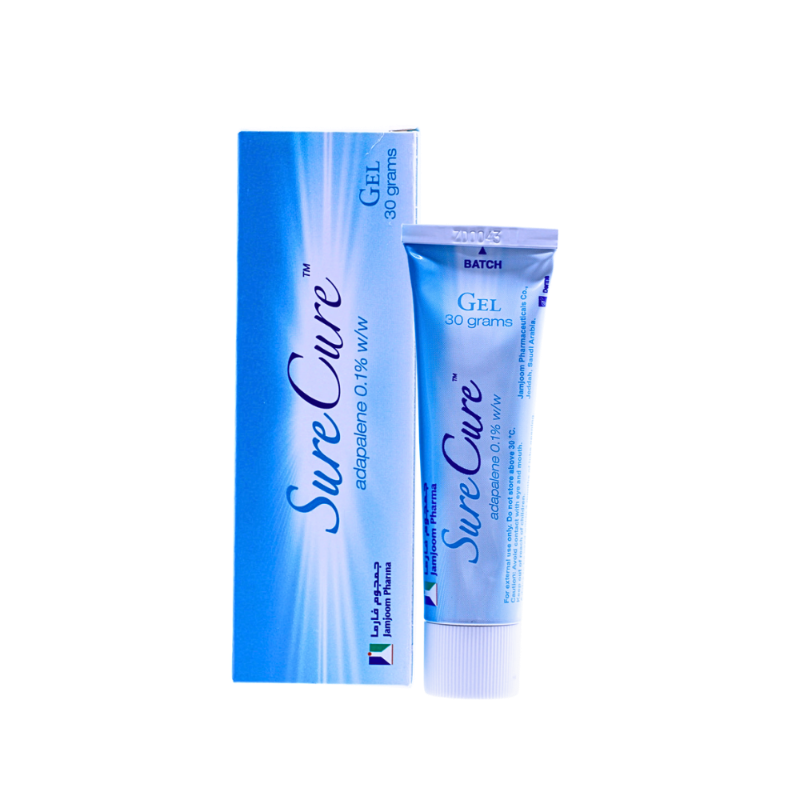
Medications > Dermatology Medications
