
Use Code: ND30 And Get 30% OFF | Get Free Delivery With No Minimum Order
-1744229570.gif "Almujtama Pharmacy logo")




Frequently bought together
Vitamins & Supplements > Omega-3 Supplements

Vitamins & Supplements > Omega-3 Supplements

Vitamins & Supplements > Sleeping aid supplements
Vitamins & Supplements > Sleeping aid supplements
Vitamins & Supplements > Omega-3 Supplements
Vitamins & Supplements > Sleeping aid supplements
SIFROL 0.18 MG 0.25MG 30TAB
- Sku : I-005932
Key features
Sifrol 0.18 mg (equ. 0.25 mg) Tablet contains pramipexole and is presented as an oral tablet. It is a non-ergot dopamine agonist that stimulates D2/D3 receptors in the central nervous system to help improve dopaminergic signaling. It is used for the treatment of the signs and symptoms of idiopathic Parkinson’s disease and for symptomatic treatment of moderate to severe primary Restless Legs Syndrome (RLS). It is available in a pack of 30 tablets.- Brand: SIFROL
- Active Ingredient: PRAMIPEXOLE 180mg
- Strength: 180mg
- Dosage Form: Tablet
- Pack Size: 30 Tablets
- Route: Oral use
- Prescription Status: Prescription
- Therapeutic Class: Nervous System
- Pharmacological Group: Anti-Parkinson Drugs
- Drug Class: Non‑ergot (non‑ergoline) dopamine agonist with high affinity for D2/D3 receptors; antiparkinsonian agent (ATC N04BC05).
- Manufacturer: BOEHRINGER INGELHEIM
- Country of Origin: Germany
- SFDA Registration No.: 81-68-00
- Shelf Life: 36 months
- Storage: store below 30°c
- Psych Class: Anti-Parkinson Drugs
- Controlled Substance: No
Frequently bought together
Vitamins & Supplements > Omega-3 Supplements
Vitamins & Supplements > Omega-3 Supplements
Vitamins & Supplements > Sleeping aid supplements
Vitamins & Supplements > Sleeping aid supplements
Vitamins & Supplements > Omega-3 Supplements
Vitamins & Supplements > Sleeping aid supplements
Indications
Approved Uses
Treatment of the signs and symptoms of idiopathic Parkinson's disease, Symptomatic treatment of moderate to severe primary Restless Legs Syndrome (RLS).
Dosage & Administration
Dosing by Condition
Parkinson’s disease (immediate‑release): start 0.088 mg base three times daily (equivalent to 0.125 mg salt TID) and titrate at ~5-7 day intervals to effect/tolerability; usual max is 1.1 mg base TID (3.3 mg/day base). RLS (immediate‑release): start 0.088 mg base once daily 2-3 hours before bedtime (equivalent to 0.125 mg salt), increase every 4-7 days if needed; max 0.54 mg/day base (equivalent to 0.75 mg salt).
Initial Dose
Parkinson's disease: 0.125 mg (salt) three times daily; RLS: 0.125 mg (salt) once daily 2-3 hours before bedtime
Maximum Dose
Parkinson’s disease (immediate-release): 4.5 mg/day (salt). RLS: 0.5 mg/day (salt
Children's Dosage
Safety and effectiveness in pediatric patients have not been established.
Dose Adjustment Notes
Titrate gradually; reduce dose in renal impairment (pramipexole is renally cleared); when used with levodopa, levodopa dose may need reduction; when discontinuing (especially in Parkinson’s disease), taper gradually rather than stopping abruptly.
How to Take
Oral: swallow tablet with water; may be taken with or without food (taking with food can reduce nausea). Immediate‑release pramipexole is typically given three times daily for Parkinson’s disease and once daily 2-3 hours before bedtime for restless legs syndrome (RLS), per prescriber directions.
Side Effects
Common Side Effects
Common: nausea, dizziness, somnolence/drowsiness, insomnia, constipation, fatigue, headache; also common/clinically important especially in Parkinson’s disease: hallucinations/confusion, peripheral edema, and dyskinesia (particularly with concomitant levodopa).
Safety & Warnings
Contraindications
Hypersensitivity to pramipexole or any excipients
Warnings & Precautions
Warn/monitor for: somnolence and sudden sleep (avoid driving until effects known), hallucinations/psychotic behavior (higher risk in elderly), orthostatic hypotension (monitor BP during initiation/titration), impulse-control disorders (monitor and reduce/stop if occurs), dyskinesia with levodopa (may need levodopa reduction), renal impairment (dose adjust), and avoid abrupt discontinuation (taper to prevent severe withdrawal/NMS-like syndrome); in RLS monitor for augmentation.
Age Restriction
Not approved/recommended for patients <18 years
Driving Warning
Avoid Driving
Drug Interactions
Drug Interactions
Key interactions: dopamine antagonists (e.g., antipsychotics, metoclopramide) may reduce effect; CNS depressants/alcohol increase sedation; cimetidine and other OCT2/renal cation-transport inhibitors (e.g., ranitidine, verapamil, quinidine/quinine, triamterene) can increase pramipexole exposure; with levodopa may increase dyskinesia/hallucinations (often requires levodopa dose reduction).
Interaction Severity
MAJOR: dopamine antagonists (e.g., antipsychotics, metoclopramide) may reduce pramipexole efficacy. MODERATE: CNS depressants/alcohol (additive sedation/sleep attacks), cimetidine (may increase pramipexole levels via reduced renal tubular secretion), levodopa (increased dyskinesia/hallucinations-often requires levodopa dose reduction).
Food Interaction
No clinically significant food restriction; may be taken with or without food, and taking with food can lessen nausea.
Alcohol Interaction
Avoid
Special Populations
Breastfeeding
Weigh the potential benefits against the potential risks before taking this medication while breastfeeding
Children
Safety and effectiveness in pediatric patients have not been established.
Elderly
Start at lowest dose and titrate slowly; increased risk of hallucinations, confusion, and orthostatic hypotension; monitor renal function as clearance is reduced with age
Storage & Patient Advice
Missed Dose
Parkinson’s disease (TID): take as soon as remembered unless it is close to the next dose; if close, skip-do not double. RLS (once daily evening): skip the missed dose and take the next dose at the usual time the next evening; do not take extra doses to make up.
Stopping the Medicine
Parkinson’s disease: do not stop abruptly-taper gradually (typically over ≥1 week). RLS: may be discontinued without taper in many patients, but tapering can be considered to reduce rebound/withdrawal risk.
Patient Counseling
Counsel on: risk of somnolence and sudden sleep attacks (avoid driving/machinery until effects known), orthostatic dizziness (rise slowly), nausea (may take with food), hallucinations/confusion (especially older PD patients), impulse control disorders (gambling/shopping/sexual urges/binge eating), edema; avoid alcohol/CNS depressants if possible; do not stop abruptly-taper under prescriber guidance; follow renal-dose instructions and attend monitoring follow-up.
Monitoring Requirements
Monitor: blood pressure (orthostatic hypotension), somnolence/sudden sleep episodes, neuropsychiatric effects (hallucinations, confusion), impulse control disorders, peripheral edema; assess renal function for dosing; in Parkinson’s disease, periodic skin examination for melanoma risk is advised.
Pharmacology
Mechanism of Action
Non‑ergot dopamine agonist that stimulates dopamine D2/D3 receptors in the CNS (notably striatal pathways), improving dopaminergic signaling in Parkinson’s disease and relieving symptoms in RLS.
Product Information
Available Dosage Forms
Immediate-release tablet, extended-release tablet
OTC Alternatives
No OTC alternative
Psych Class
Anti-Parkinson Drugs
Controlled Substance
No
Reviewed by Al Mujtama Pharmacy Medical Review Team. Last reviewed 20-07-2026
Similar Products
Medications > Psychiatric Medications
Medications > Sexual Health

Medications > Psychiatric Medications
Medications > Cholesterol Medications
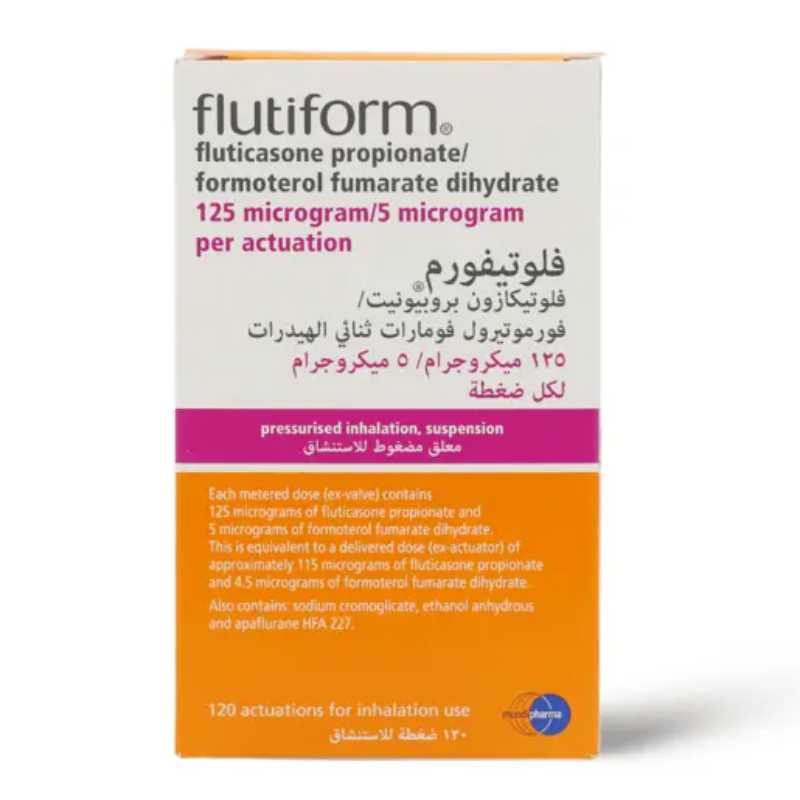
Medications > Other Medicines

Medications > Gastrointestinal Medications
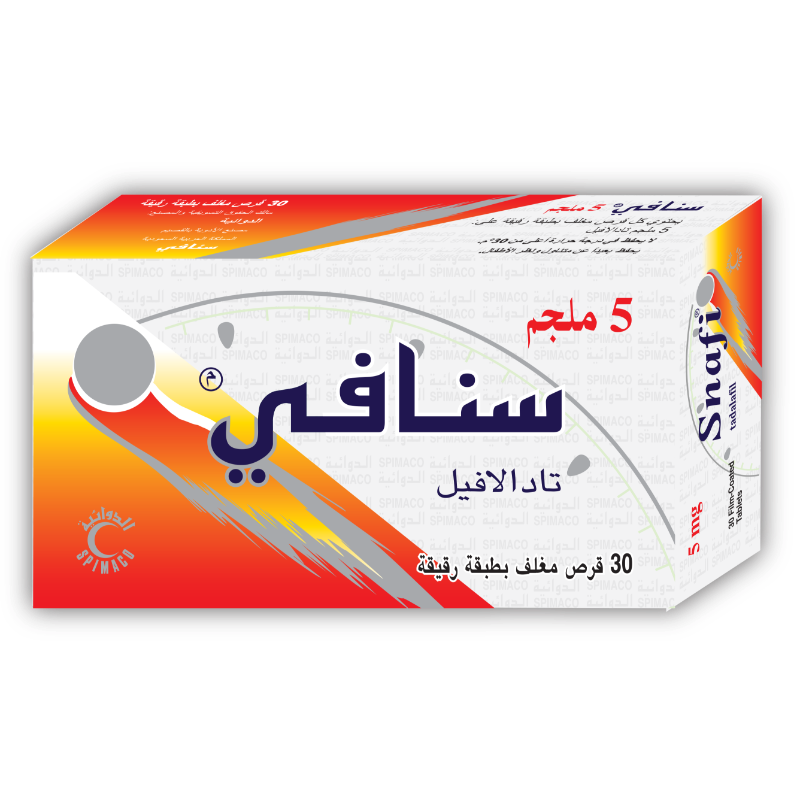
Medications > Sexual Health
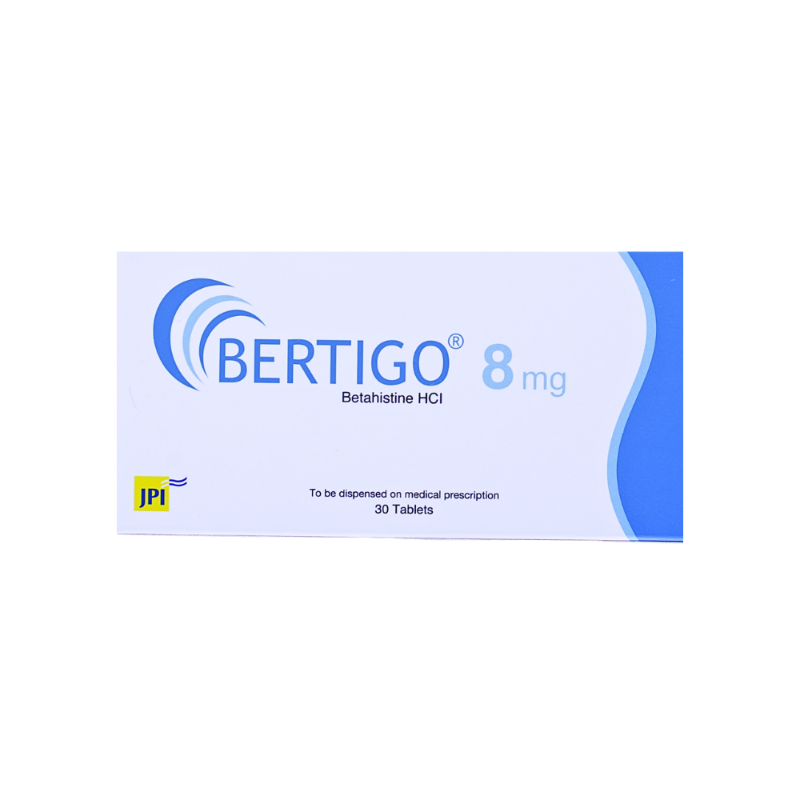
Medications > Other Medicines
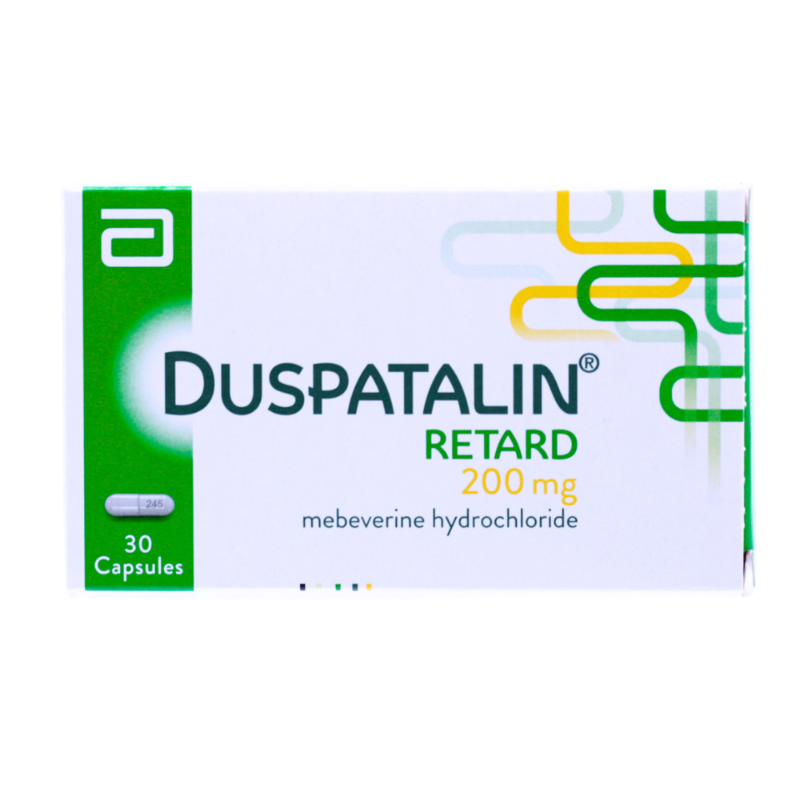
Medications > Gastrointestinal Medications
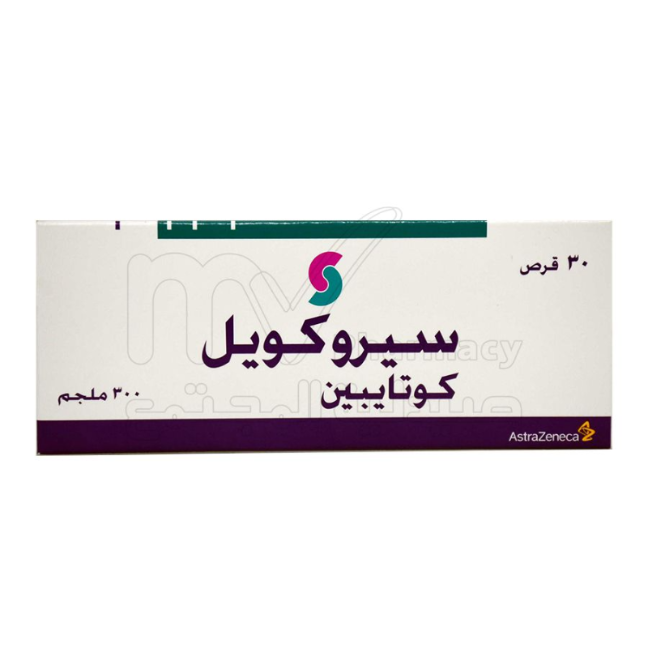
Medications > Psychiatric Medications
