
Use Code: ND30 And Get 30% OFF | Get Free Delivery With No Minimum Order
-1744229570.gif "Almujtama Pharmacy logo")




Frequently bought together
Vitamins & Supplements > Omega-3 Supplements
Vitamins & Supplements > Sleeping aid supplements
Vitamins & Supplements > Sleeping aid supplements
Vitamins & Supplements > Sleeping aid supplements
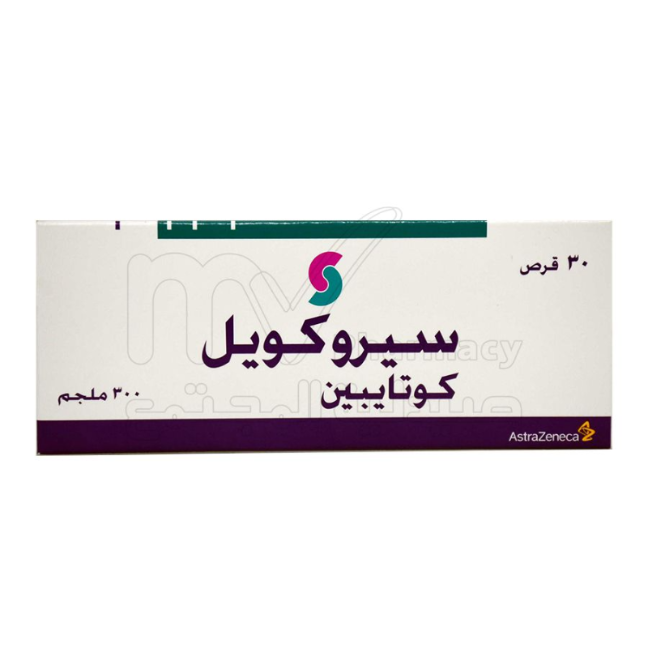
SEROQUEL 300/MG TAB 30/TAB
- Sku : I-013702
Key features
Seroquel 300 mg film-coated tablets contain quetiapine 300 mg, a prescription atypical antipsychotic. It works by helping balance key neurotransmitters in the brain, including dopamine and serotonin. It is used for the treatment of schizophrenia and bipolar I disorder, including acute manic and depressive episodes, as well as maintenance treatment as an adjunct to lithium or valproate. This product is supplied as 30 film-coated tablets per pack.- Brand: SEROQUEL
- Active Ingredient: QUETIAPINE 300mg
- Strength: 300mg
- Dosage Form: Film-coated tablet
- Pack Size: 30 Tablets
- Route: Oral use
- Prescription Status: Prescription
- Therapeutic Class: Psychiatric
- Pharmacological Group: Antipsychotics
- Drug Class: Atypical Antipsychotic (Second-Generation Antipsychotic), Dibenzothiazepine derivative
- Manufacturer: AstraZeneca
- Country of Origin: United Kingdom
- SFDA Registration No.: 8-5641-22
- Shelf Life: 36 months
- Storage: store below 25°c
- Psych Class: Antipsychotic-Atypical
- Controlled Substance: No
Frequently bought together
Vitamins & Supplements > Omega-3 Supplements
Vitamins & Supplements > Sleeping aid supplements
Vitamins & Supplements > Sleeping aid supplements
Vitamins & Supplements > Sleeping aid supplements
Indications
Approved Uses
Schizophrenia; Bipolar I disorder (acute manic episodes and acute depressive episodes, and maintenance as adjunct to lithium/valproate
Off-Label Uses
Common off-label uses include insomnia (not recommended as first-line), generalized anxiety disorder, PTSD-related symptoms, delirium/agitation, and adjunctive OCD; Parkinson’s disease psychosis is more commonly treated with quetiapine off-label in practice but evidence is mixed.
Dosage & Administration
Dosing by Condition
Adults (IR typical): Schizophrenia: start 25 mg twice daily, titrate to 300-400 mg/day by day 4; usual range 150-750 mg/day. Bipolar I mania: start 50 mg twice daily (100 mg/day) and titrate to 400 mg/day by day 4; usual range 400-800 mg/day (max 800 mg/day). Bipolar depression: 50 mg QHS day 1, 100 mg day 2, 200 mg day 3, 300 mg day 4; 300 mg/day
Initial Dose
Schizophrenia: Day 1: 25 mg twice daily, Day 2: 50 mg twice daily, Day 3: 100 mg twice daily, then adjust to 300-400 mg/day by Day 5; Bipolar mania: Day 1: 100 mg/day, Day 2: 200 mg/day, Day 3: 300 mg/day; Bipolar depression: Day 1: 50 mg, Day 2: 100 mg, Day 3: 200 mg, Day 4: 300 mg/day
Maintenance Dose
Schizophrenia (IR): 150-750 mg/day in 2-3 divided doses; Bipolar mania (IR): 400-800 mg/day in 2 divided doses; Bipolar depression (IR): 300 mg/day
Maximum Dose
800mg/day.
Children's Dosage
Schizophrenia (13-17 years): 400-800mg/day in 2-3 divided doses, max 800mg/day. Bipolar mania (10-17 years): 400-600mg/day in 2-3 divided doses, max 600mg/day. Not approved for children under 10 years.
Dose Adjustment Notes
Elderly/debilitated or hypotension-prone: start low and titrate slowly (often 25 mg/day increments for IR). Hepatic impairment: start 25 mg/day and titrate cautiously. Renal impairment: no adjustment generally required. Strong CYP3A4 inhibitors: reduce quetiapine dose to ~1/6 of usual; strong CYP3A4 inducers: may require higher doses and reassess when inducer is stopped (down-titrate back over ~1-2 weeks).
How to Take
Swallow tablet whole with water; do not crush, chew, or split. May be taken with or without food (for immediate-release); if using extended-release (XR), swallow whole and take once daily, preferably in the evening, without food or with a light meal.
Side Effects
Common Side Effects
Somnolence/drowsiness, dizziness, dry mouth, constipation, orthostatic hypotension, tachycardia, weight gain/increased appetite, fatigue, dyspepsia/nausea.
Safety & Warnings
Contraindications
Contraindication: Known hypersensitivity to quetiapine or any component of the formulation.
Warnings & Precautions
Key warnings/precautions: Increased mortality in elderly with dementia-related psychosis (not approved); suicidality risk in children/adolescents/young adults; metabolic changes (hyperglycemia/diabetes, dyslipidemia, weight gain); orthostatic hypotension (especially during titration); NMS; tardive dyskinesia; QT prolongation (caution with cardiac disease/electrolyte abnormalities/QT-prolonging drugs); seizures; leukopenia/neutropenia; potential withdrawal symptoms if abruptly stopped; caution in hepatic impairment; cataracts/lens changes (consider periodic eye exams).
Age Restriction
Approved for pediatric use in schizophrenia (13-17 years) and bipolar mania (10-17 years
Driving Warning
May Cause Drowsiness
Drug Interactions
Drug Interactions
Major interactions: Strong CYP3A4 inhibitors (e.g., ketoconazole, itraconazole, clarithromycin, ritonavir) markedly increase quetiapine exposure; strong CYP3A4 inducers (e.g., carbamazepine, phenytoin, rifampin, St. John’s wort) markedly decrease exposure; additive CNS depression with alcohol/benzodiazepines/opioids; additive hypotension with antihypertensives; additive QT-prolongation risk with other QT-prolonging drugs.
Interaction Severity
MAJOR: Strong CYP3A4 inhibitors (e.g., ketoconazole, clarithromycin, ritonavir) ↑ quetiapine; strong CYP3A4 inducers (e.g., carbamazepine, phenytoin, rifampin) ↓ quetiapine; other QT-prolonging drugs (additive risk). MODERATE: CNS depressants (alcohol, benzodiazepines, opioids), antihypertensives (hypotension), anticholinergics (additive anticholinergic burden).
Food Interaction
Immediate-release: may be taken with or without food. Extended-release (XR): take without food or with a light meal; avoid grapefruit/grapefruit juice.
Alcohol Interaction
Avoid
Special Populations
Pregnancy
Not assigned a pregnancy category; risk summary: Neonates exposed to antipsychotics during 3rd trimester at risk of extrapyramidal symptoms and withdrawal
Breastfeeding
Consult Doctor
Children
Schizophrenia (13-17 years): 400-800mg/day in 2-3 divided doses, max 800mg/day. Bipolar mania (10-17 years): 400-600mg/day in 2-3 divided doses, max 600mg/day. Not approved for children under 10 years.
Elderly
Start at a lower dose (e.g., 25-50 mg/day) and titrate more slowly. Plasma clearance is reduced by 30-50% in the elderly.
Kidney Impairment
No adjustment needed.
Liver Impairment
Hepatic impairment: start 25 mg/day and increase by 25-50 mg/day to effective dose based on response/tolerability (titrate cautiously, including in severe impairment).
Storage & Patient Advice
Patient Counseling
Counsel to take exactly as prescribed and not stop abruptly; expect drowsiness/dizziness and avoid driving until effects known; rise slowly to reduce orthostasis; avoid alcohol and consult before grapefruit or interacting drugs; monitor/report symptoms of high blood sugar, significant weight gain, abnormal movements, fever/rigidity (NMS), or worsening mood/suicidality; keep follow-up for metabolic monitoring and other clinician-directed labs/ECG/eye exams; store below 25°C.
Monitoring Requirements
Baseline and periodic: weight/BMI (and waist circumference if available), blood pressure (including orthostatic during titration), fasting glucose or HbA1c, fasting lipid panel. Clinical monitoring: sedation/falls, extrapyramidal symptoms/tardive dyskinesia, mood/suicidality (especially in younger patients), and signs of hyperglycemia. Consider: ECG if QT-risk factors; LFTs if hepatic disease; eye exam at baseline and periodically (often every 6 months) for cataract signal per labeling.
Pharmacology
Duration of Effect
Immediate-release (IR): typically provides ~12-hour coverage and is dosed twice daily; this is IR formulation
Half-Life
Approximately 6-7 hours for quetiapine
Bioavailability
Absolute oral bioavailability is not established; quetiapine is well absorbed but undergoes extensive first-pass hepatic metabolism (food has minimal effect on IR; XR exposure increases with high-fat meals).
Metabolism
Extensive hepatic metabolism primarily via CYP3A4; minor contribution from CYP2D6; active metabolite includes norquetiapine (notably relevant for XR/antidepressant effects).
Product Information
Available Dosage Forms
Film-coated tablet (immediate-release) and extended-release tablet (XR).
Composition per Dose
Each film-coated tablet: 300mg quetiapine (as quetiapine fumarate)
Generic Availability
Yes
OTC Alternatives
No OTC alternative
Psych Class
Antipsychotic-Atypical
Controlled Substance
No
Reviewed by Al Mujtama Pharmacy Medical Review Team. Last reviewed 12-07-2026
Similar Products
Medications > Other Medicines
Medications > Cold, Cough, and Allergy Medications
Medications > Painkillers and Antipyretics
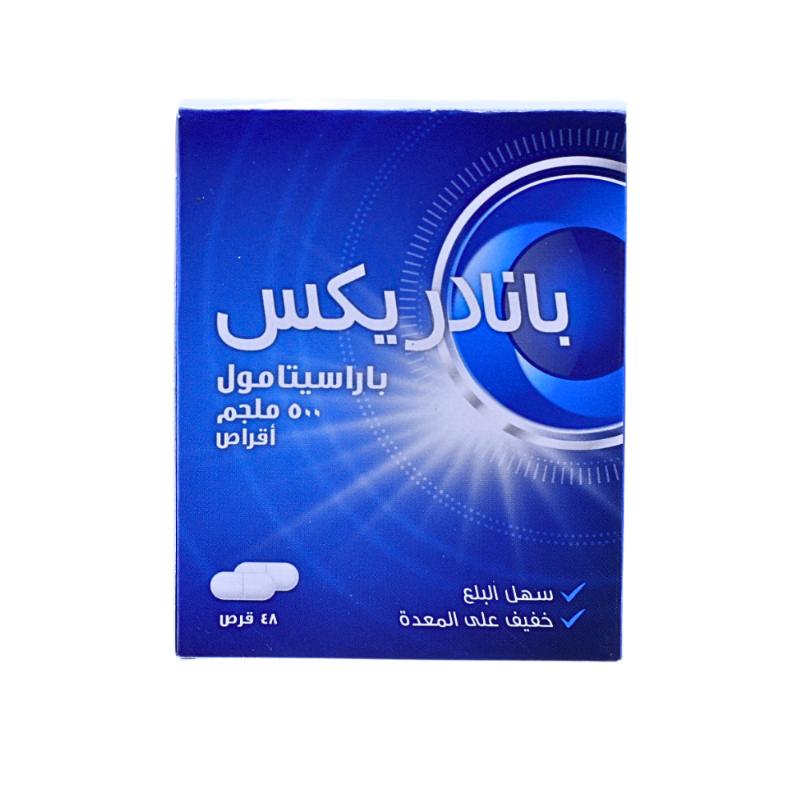
Medications > Painkillers and Antipyretics
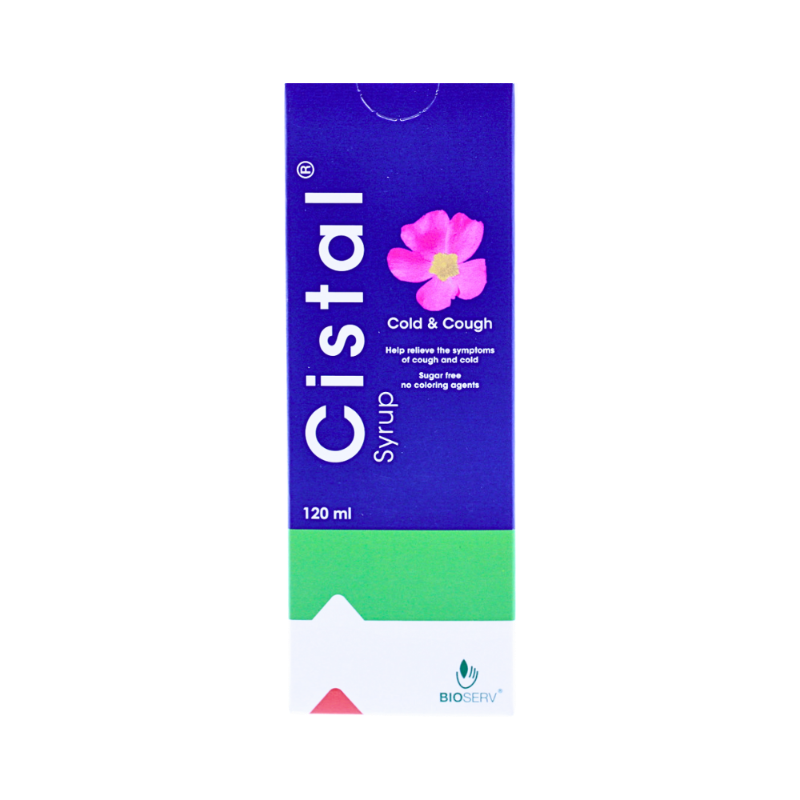
Medications > Cold, Cough, and Allergy Medications
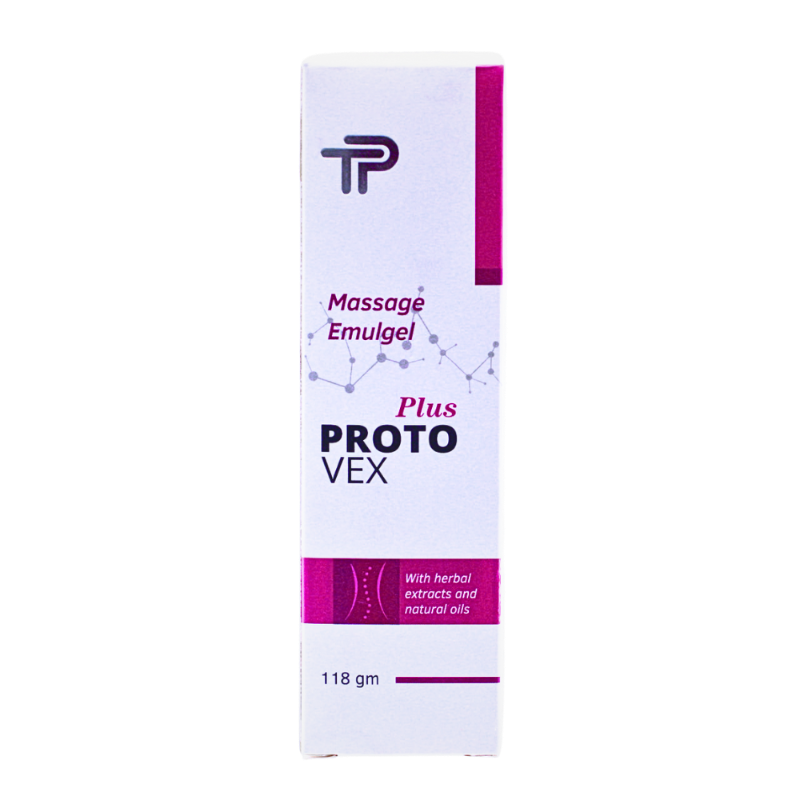
Medications > Painkillers and Antipyretics
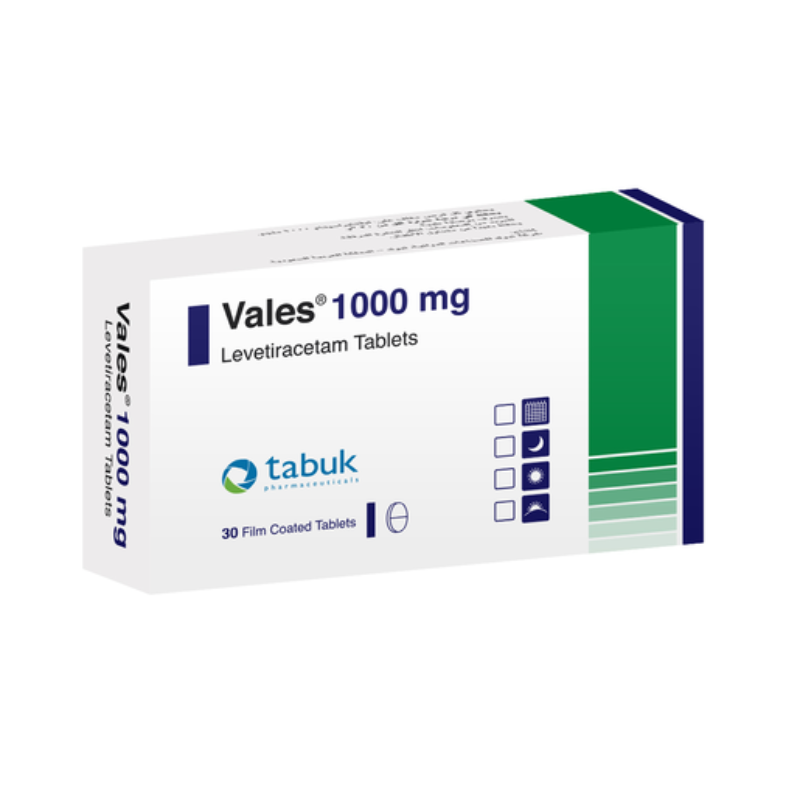
Medications > Psychiatric Medications
Medications > Dermatology Medications
Medications > Dermatology Medications
Medications > Gastrointestinal Medications
