
Use Code: ND30 And Get 30% OFF | Get Free Delivery With No Minimum Order
-1744229570.gif "Almujtama Pharmacy logo")




Frequently bought together
Vitamins & Supplements > Omega-3 Supplements
Vitamins & Supplements > Omega-3 Supplements

Vitamins & Supplements > Sleeping aid supplements
Vitamins & Supplements > Sleeping aid supplements
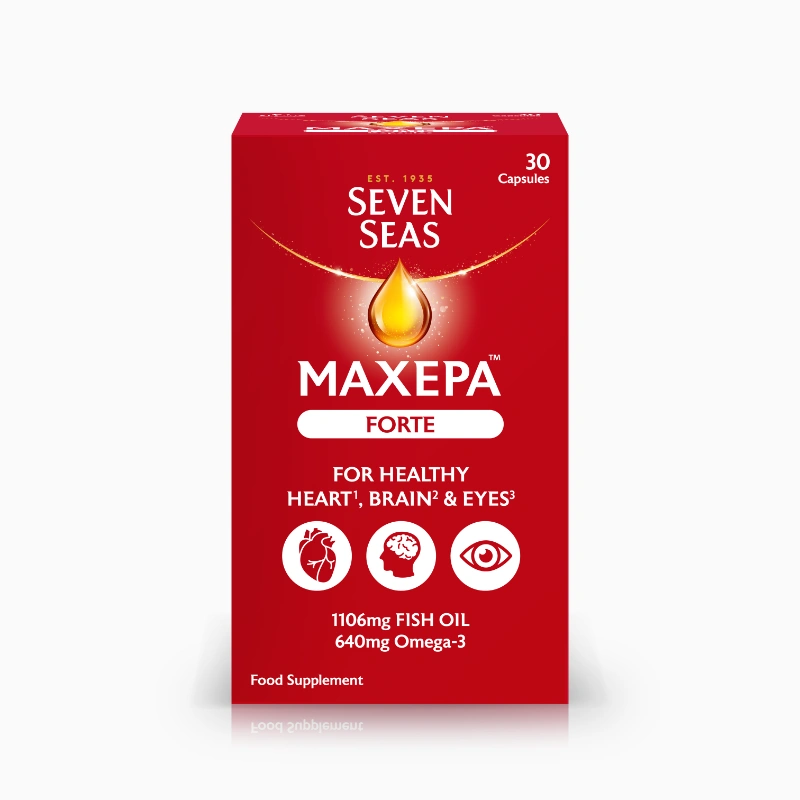
Vitamins & Supplements > Omega-3 Supplements
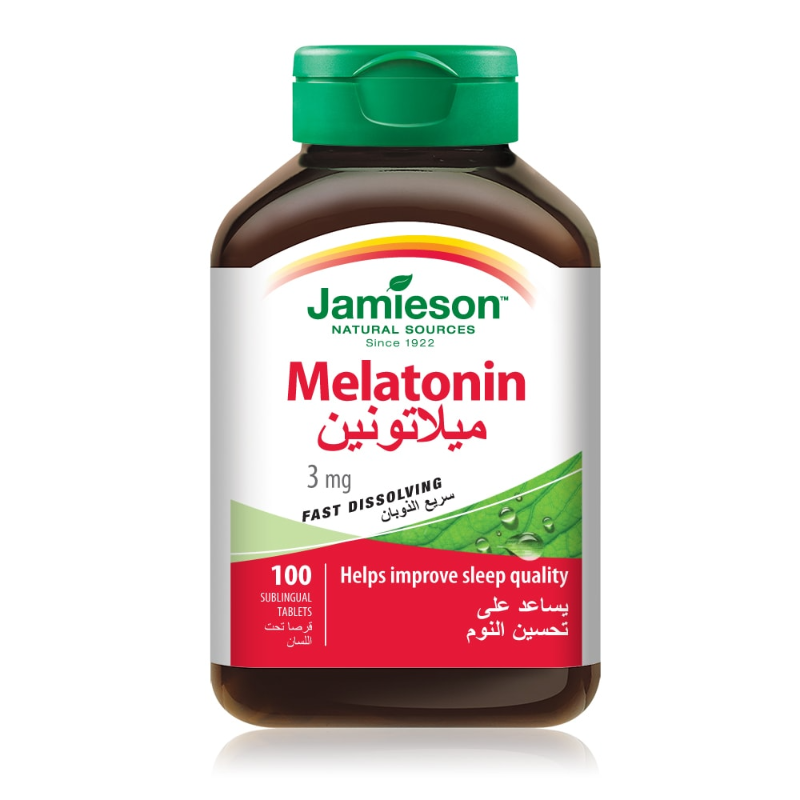
Vitamins & Supplements > Sleeping aid supplements
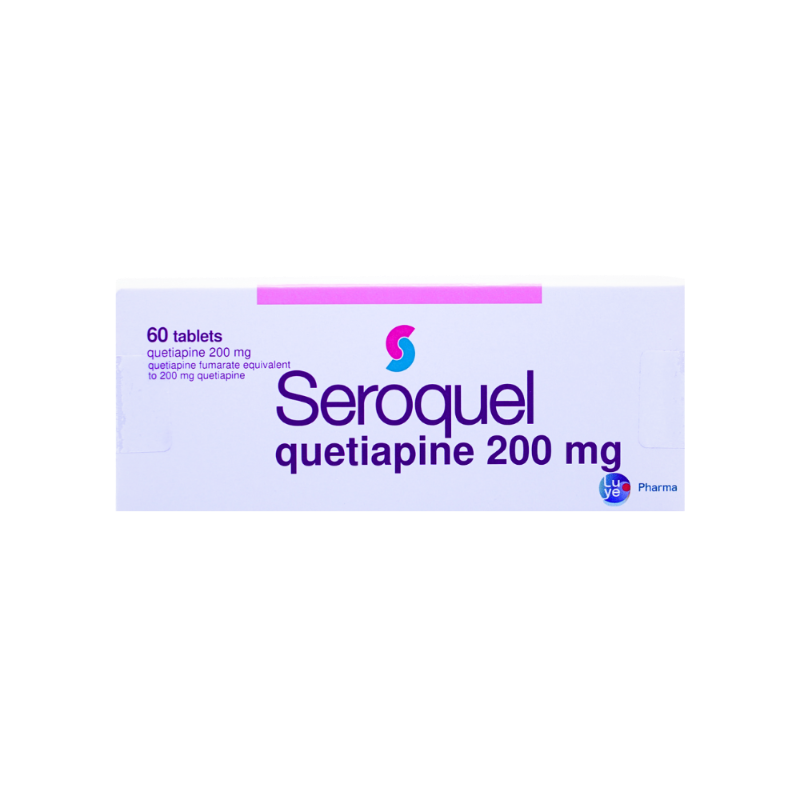
SEROQUEL 200/MG TAB 60/TAB
- Sku : I-015035
Key features
Seroquel 200 mg is a prescription film-coated tablet containing quetiapine 200 mg. It works by blocking serotonin 5-HT2A and dopamine D2 receptors, with additional effects on histamine and adrenergic receptors. It is used to treat schizophrenia, bipolar I disorder, and, in some formulations, as adjunctive treatment for major depressive disorder. This pack contains 60 tablets.- Brand: SEROQUEL
- Active Ingredient: QUETIAPINE 200mg
- Strength: 200mg
- Dosage Form: Film-coated tablet
- Pack Size: 60 Tablets
- Route: Oral use
- Prescription Status: Prescription
- Therapeutic Class: Psychiatric
- Pharmacological Group: Antipsychotics
- Drug Class: Atypical Antipsychotic (Second-Generation Antipsychotic), Dibenzothiazepine derivative
- Manufacturer: AstraZeneca
- Country of Origin: United Kingdom
- SFDA Registration No.: 7-5641-22
- Shelf Life: 36 months
- Storage: store below 25°c
- Psych Class: Antipsychotic-Atypical
- Controlled Substance: No
Frequently bought together
Vitamins & Supplements > Omega-3 Supplements
Vitamins & Supplements > Omega-3 Supplements
Vitamins & Supplements > Sleeping aid supplements
Vitamins & Supplements > Sleeping aid supplements
Vitamins & Supplements > Omega-3 Supplements
Vitamins & Supplements > Sleeping aid supplements
Indications
Approved Uses
Schizophrenia; Bipolar I disorder (acute manic episodes, acute depressive episodes, and maintenance as adjunct to lithium/divalproex); Adjunctive treatment of Major Depressive Disorder (MDD) (product- and formulation-dependent, commonly for XR).
Off-Label Uses
Common off-label uses include insomnia (not recommended routinely due to metabolic risk), generalized anxiety disorder, PTSD-related symptoms, delirium/agitation (selected cases), and OCD augmentation; use in Parkinson’s disease psychosis is generally avoided in favor of alternatives due to D2 blockade risk (though sometimes used clinically).
Dosage & Administration
Dosing by Condition
Immediate-release (IR) typical dosing: Schizophrenia adults: start 25 mg twice daily; titrate to 300-400 mg/day by day 4; usual range 150-750 mg/day (max 750 mg/day). Bipolar mania adults: start 50 mg twice daily (or 100 mg/day divided); titrate to 400 mg/day by day 4; range 400-800 mg/day (max 800 mg/day). Bipolar depression adults: 50 mg at bedtime day 1, 100 mg day 2, 200 mg day 3, 300 mg day 4; target 300 mg/day (max 300 mg/day for IR in many labels; some references allow up to 600 mg/day though 300 mg is typical). Pediatric/adolescent indications and doses are product/label dependent.
Initial Dose
Schizophrenia (adults): Day 1: 25 mg twice daily; Day 2: 50 mg twice daily; Day 3: 100 mg twice daily; Day 4: 150 mg twice daily; Day 5: 200 mg twice daily. Bipolar mania (adults): Day 1: 100 mg/day in 2 doses; Day 2: 200 mg/day in 2 doses; Day 3: 300 mg/day in 2 doses; Day 4: 400 mg/day in 2 doses. Bipolar depression (adults): Day 1: 50 mg; Day 2: 100 mg; Day 3: 200 mg; Day 4: 300 mg
Maintenance Dose
200-800 mg/day depending on indication and formulation; typical maintenance 400-800 mg/day for schizophrenia/bipolar mania; 300 mg/day for bipolar depression; 150-300 mg/day for MDD adjunctive
Maximum Dose
800 mg/day.
Children's Dosage
Schizophrenia (13-17 years): 25 mg twice daily on day 1, 50 mg twice daily on day 2, 100 mg twice daily on day 3, 150 mg twice daily on day 4, then 400-800 mg/day in 2-3 divided doses, max 800 mg/day. Bipolar mania (10-17 years): 25 mg twice daily on day 1, 50 mg twice daily on day 2, 100 mg twice daily on day 3, 150 mg twice daily on day 4, then 400-600 mg/day, max 600 mg/day. Not approved under 10 years.
Dose Adjustment Notes
Elderly/debilitated: start low and titrate slowly (commonly 25 mg/day for IR) due to orthostasis/sedation risk. Hepatic impairment: start 25 mg/day and titrate cautiously. Renal impairment: no dosage adjustment generally required. Strong CYP3A4 inhibitors: reduce quetiapine dose to one-sixth. Strong CYP3A4 inducers: may require higher quetiapine doses; when an inducer is stopped, reduce quetiapine back toward the original dose over ~7-14 days.
How to Take
Immediate-release film-coated quetiapine tablets: swallow whole with water; may be taken with or without food; take exactly as prescribed (often in divided doses). Extended-release (XR) tablets (if used): swallow whole-do not split, crush, or chew; take once daily, preferably in the evening; may be taken without food or with a light meal (avoid a high-fat meal). Avoid grapefruit/grapefruit juice.
Side Effects
Common Side Effects
Somnolence, dizziness, dry mouth, constipation, headache, orthostatic hypotension, weight gain, increased appetite, fatigue, peripheral edema, tachycardia, dyspepsia
Side Effect Frequency
Very common (>10%): somnolence, dizziness, dry mouth, headache, weight gain (often also increased appetite). Common (1-10%): constipation, orthostatic hypotension, tachycardia, dyspepsia, fatigue, increased appetite, elevated liver enzymes; metabolic changes (e.g., hyperglycemia, dyslipidemia) are recognized and may occur.
Safety & Warnings
Contraindications
Contraindication: Known hypersensitivity to quetiapine or any component of the formulation.
Warnings & Precautions
Key warnings/precautions: Increased mortality in elderly with dementia-related psychosis; suicidality risk in children/adolescents/young adults (monitor); metabolic monitoring (weight, glucose, lipids); orthostatic hypotension especially during titration; QT prolongation risk (caution with cardiac disease/electrolyte issues/QT drugs); NMS and tardive dyskinesia; seizure risk; hepatic impairment-slower titration; avoid alcohol/CNS depressants; gradual discontinuation; consider eye exam for cataract risk per labeling/practice.
Age Restriction
Not approved for children under 10 years for bipolar mania; under 13 years for schizophrenia
Driving Warning
May Cause Drowsiness
Drug Interactions
Drug Interactions
Major interactions: Strong CYP3A4 inhibitors (e.g., ketoconazole, itraconazole, ritonavir, clarithromycin) markedly increase quetiapine exposure-avoid or reduce dose per labeling; strong CYP3A4 inducers (e.g., carbamazepine, phenytoin, rifampin) markedly decrease exposure-avoid or adjust; additive CNS depression with alcohol/benzodiazepines/other sedatives; additive hypotension with antihypertensives; additive QT prolongation risk with other QT-prolonging drugs and in electrolyte abnormalities.
Interaction Severity
MAJOR: Strong CYP3A4 inhibitors (e.g., ketoconazole, itraconazole, clarithromycin, ritonavir) and strong CYP3A4 inducers (e.g., carbamazepine, phenytoin, rifampin) due to large exposure changes; other QT-prolonging drugs in patients with risk factors. MODERATE: CNS depressants (alcohol, benzodiazepines, opioids), antihypertensives (orthostasis), dopamine agonists/levodopa (pharmacodynamic antagonism).
Food Interaction
IR: may be taken with or without food. XR: avoid taking with a high-fat meal (can increase absorption); take without food or with a light meal. Grapefruit/grapefruit juice should be avoided.
Alcohol Interaction
Avoid
Special Populations
Pregnancy
Category C
Breastfeeding
Caution
Children
Schizophrenia (13-17 years): 25 mg twice daily on day 1, 50 mg twice daily on day 2, 100 mg twice daily on day 3, 150 mg twice daily on day 4, then 400-800 mg/day in 2-3 divided doses, max 800 mg/day. Bipolar mania (10-17 years): 25 mg twice daily on day 1, 50 mg twice daily on day 2, 100 mg twice daily on day 3, 150 mg twice daily on day 4, then 400-600 mg/day, max 600 mg/day. Not approved under 10 years.
Elderly
Start at 25 mg/day, titrate slowly in increments of 25-50 mg/day, monitor closely for orthostatic hypotension and sedation. Not approved for dementia-related psychosis.
Kidney Impairment
No renal dose adjustment generally required.
Liver Impairment
Hepatic impairment: start 25 mg/day and increase by 25-50 mg/day to effective dose based on response/tolerability (titrate cautiously).
Storage & Patient Advice
Missed Dose
Take the missed dose as soon as remembered unless it is close to the next scheduled dose; if close, skip the missed dose and resume the regular schedule-do not double doses.
Stopping the Medicine
Do not stop abruptly; taper gradually (commonly over at least 1-2 weeks, individualized) to reduce withdrawal symptoms (e.g., insomnia, nausea, headache, irritability) and relapse risk.
Overdose
Overdose: commonly causes marked sedation/drowsiness, tachycardia, hypotension; may cause QT prolongation/arrhythmias and coma. Management is supportive with airway/ventilation, IV fluids/vasopressors as needed, ECG/cardiac monitoring; consider activated charcoal if appropriate; seek emergency care/poison center guidance.
Patient Counseling
Take exactly as prescribed and do not stop abruptly without medical advice. May cause drowsiness/dizziness and orthostatic hypotension-avoid driving until effects are known and rise slowly. Avoid alcohol and other sedatives unless advised. Monitor/expect possible weight gain and metabolic changes; keep follow-up for weight, glucose, and lipids. Seek urgent care for severe rash, signs of neuroleptic malignant syndrome (fever/rigidity/confusion), abnormal movements, or palpitations/syncope. Avoid grapefruit/grapefruit juice. Store below 25°C in original packaging (per SFDA storage conditions).
Monitoring Requirements
Baseline and periodic: weight/BMI and waist circumference, blood pressure (including orthostatic if symptomatic), fasting plasma glucose or HbA1c, fasting lipid panel; assess for EPS/tardive dyskinesia, sedation/orthostasis, and suicidality (especially in younger patients). CBC if history of low WBC/neutropenia or infection symptoms. ECG/QTc if cardiac disease, electrolyte abnormalities, or concomitant QT-prolonging drugs. Eye exam for cataracts is sometimes recommended in labeling though evidence is limited.
Pharmacology
Mechanism of Action
Antagonist at serotonin 5-HT2A and dopamine D2 receptors (key for antipsychotic effects), with additional antagonism at histamine H1 and adrenergic α1/α2 receptors; its active metabolite (norquetiapine) contributes via norepinephrine reuptake inhibition and partial 5-HT1A agonism.
Onset of Action
Sedative effects within 1-2 hours; initial antipsychotic effect in 1-2 weeks; full therapeutic effect may take 4-6 weeks.
Duration of Effect
Immediate-release quetiapine has a short half-life (~6 hours) and is typically dosed twice daily; clinical effect coverage is commonly described as ~8-12 hours per dose. Extended-release provides ~24-hour coverage with once-daily dosing.
Half-Life
Quetiapine (IR): ~6 hours; norquetiapine (active metabolite): ~9-12 hours (XR has similar terminal half-life but prolonged absorption).
Bioavailability
Absolute oral bioavailability is not well established; quetiapine undergoes extensive first-pass metabolism (systemic availability is substantially less than 100%).
Metabolism
Extensive hepatic metabolism primarily via CYP3A4; minor contribution from CYP2D6; forms active metabolite norquetiapine (N-desalkyl quetiapine).
Excretion
Eliminated mainly as metabolites: ~73% recovered in urine and ~20-21% in feces; <1% excreted unchanged in urine.
Protein Binding
Approximately 83%.
Product Information
Available Dosage Forms
Film-coated tablet (immediate-release) for SEROQUEL 200 mg in the SFDA record; extended-release tablet exists as a separate product line (SEROQUEL XR per OpenFDA).
Composition per Dose
Each film-coated tablet: 200 mg quetiapine (as quetiapine fumarate 230 mg)
Generic Availability
Yes
OTC Alternatives
No OTC alternative
Psych Class
Antipsychotic-Atypical
Controlled Substance
No
Reviewed by Al Mujtama Pharmacy Medical Review Team. Last reviewed 03-07-2026
Similar Products
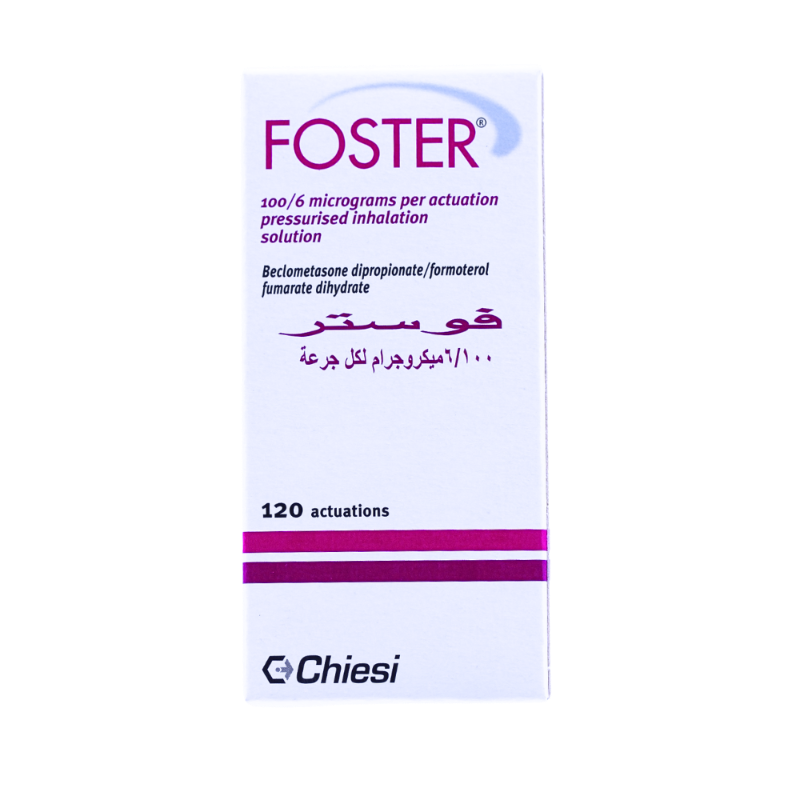
Medications > Cold, Cough, and Allergy Medications
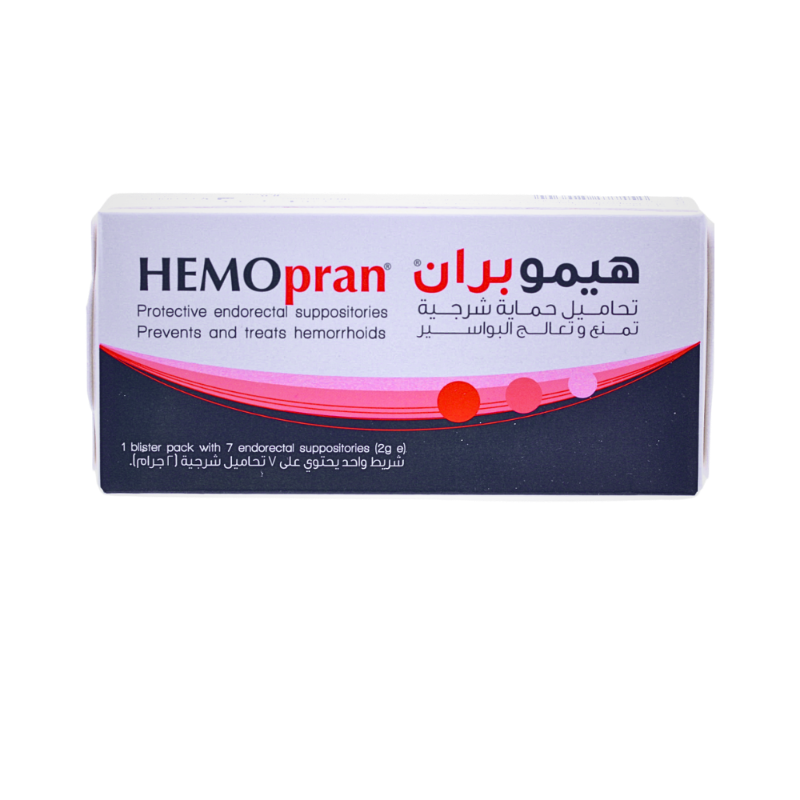
Medications > Hemorrhoid Medications
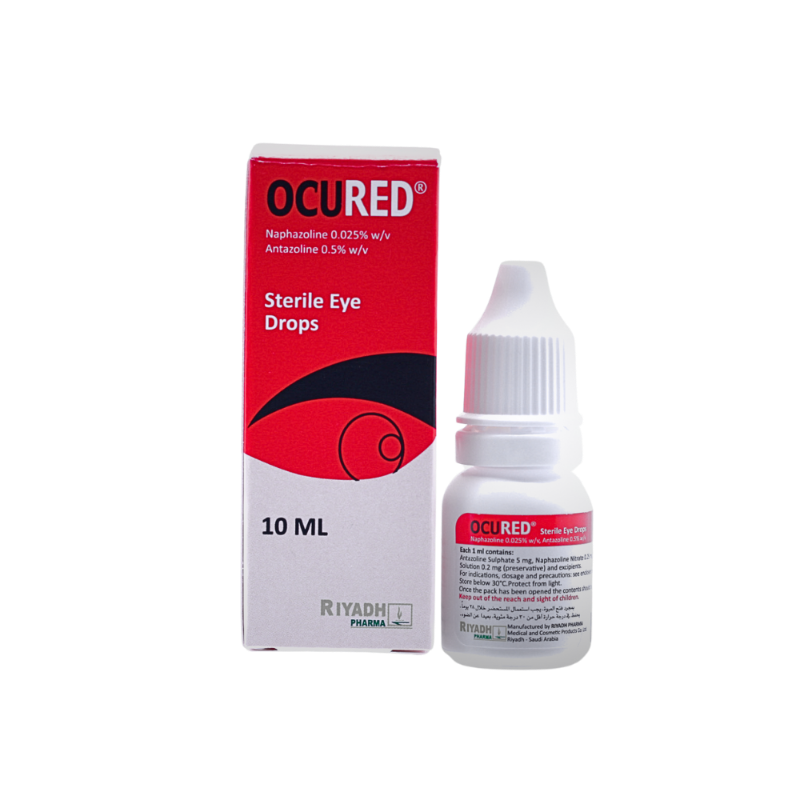
Medications > Eye and Ear Medications

Medications > Urology Medications
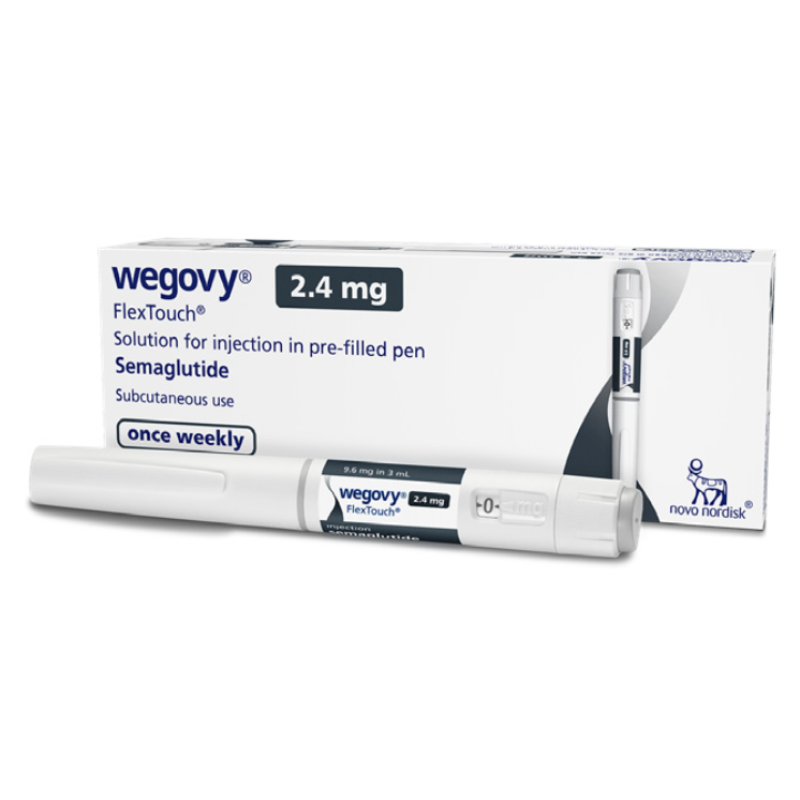

Medications > Diabetes Medications
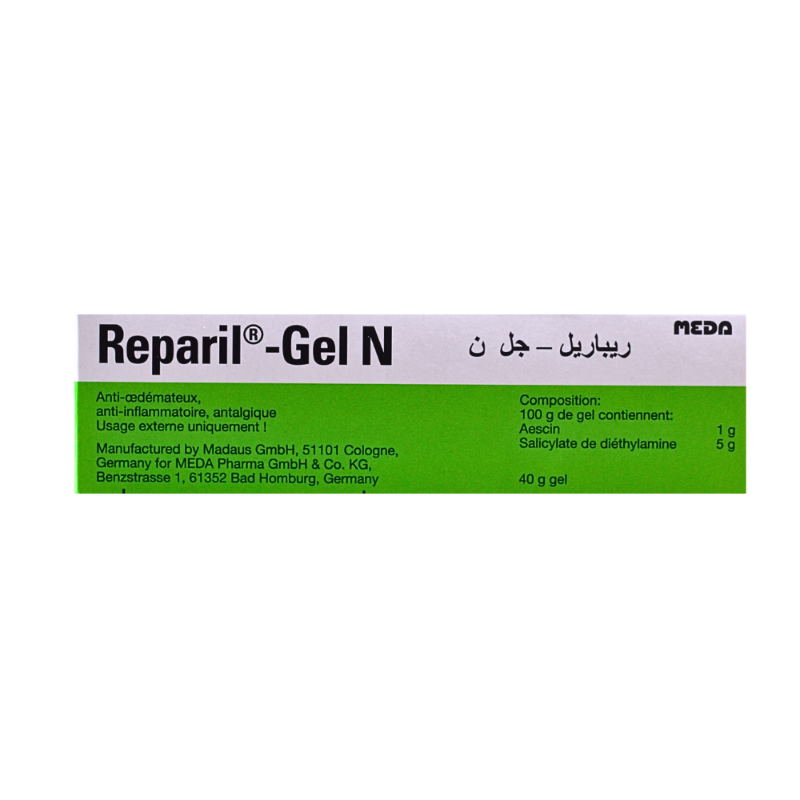
Medications > Painkillers and Antipyretics
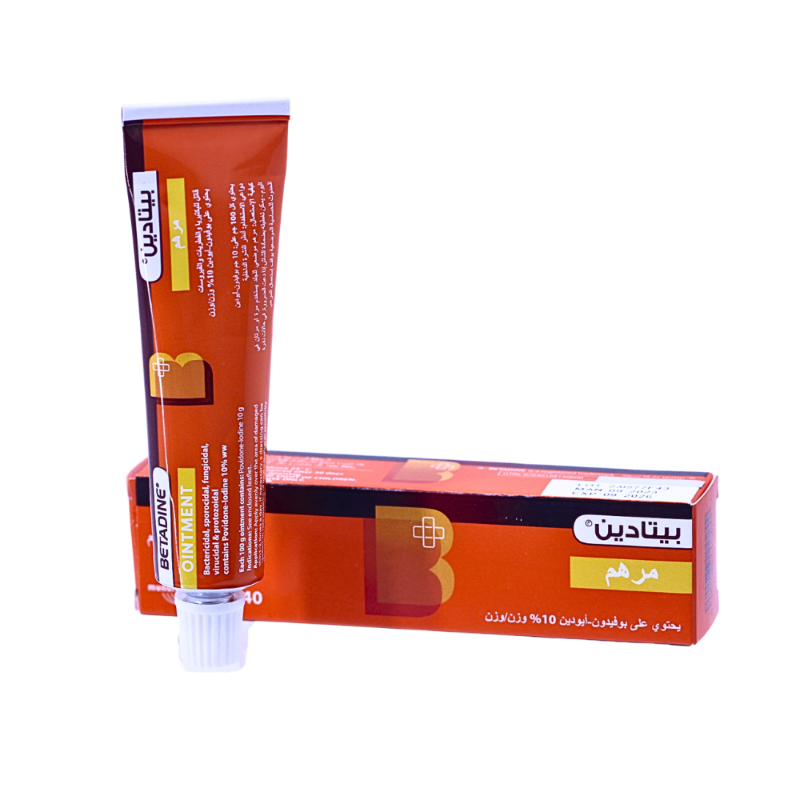
Medications > Dermatology Medications
Medications > Gastrointestinal Medications
Medications > Painkillers and Antipyretics
Medications > Eye and Ear Medications
