
Use Code: ND30 And Get 30% OFF | Get Free Delivery With No Minimum Order
-1744229570.gif "Almujtama Pharmacy logo")






Frequently bought together
Health Care & Wellness > Diabetes Care
Health Care & Wellness > Diabetes Care
Health Care & Wellness > Diabetes Care

Skin And Body Care > Moisturizers
Skin And Body Care > Moisturizers

Skin And Body Care > Moisturizers
WEGOVY 2.4/MG 1/PENFILL @
- Sku : I-033617
Key features
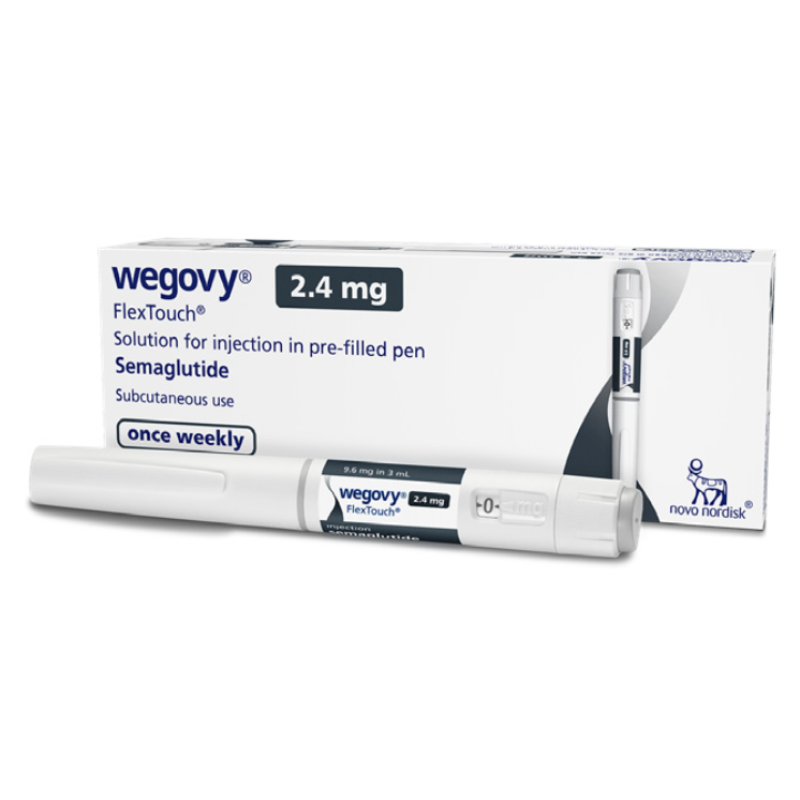
WEGOVY 2.4 mg is supplied as a solution for subcutaneous injection in a pre-filled pen containing semaglutide 2.4 mg. It is a long-acting GLP-1 (glucagon-like peptide-1) receptor agonist that reduces appetite and energy intake via central mechanisms, slows gastric emptying, and improves glycemic control by increasing glucose-dependent insulin secretion and decreasing glucagon release. It is used for chronic weight management in adults with obesity or overweight with at least one weight‑related comorbidity. Available by prescription as a four-dose pre-filled pen.- Active Ingredient: SEMAGLUTIDE 2.4mg
- Strength: 2.4mg
- Dosage Form: Solution for injection in pre-filled pen
- Pack Size: 4 dose
- Route: Subcutaneous use
- Prescription Status: Prescription
- Therapeutic Class: Antidiabetic
- Pharmacological Group: GLP-1 Receptor Agonists
- Drug Class: GLP-1 Receptor Agonist (Glucagon-Like Peptide-1 Receptor Agonist) - long-acting subcutaneous formulation
- Manufacturer: NOVO NORDISK
- Country of Origin: Denmark
- SFDA Registration No.: 2101256697
- Shelf Life: 36 months
- Storage: store in a refrigerator (2°c - 8°c)
- Diabetes Type: Type 2
Frequently bought together
Health Care & Wellness > Diabetes Care
Health Care & Wellness > Diabetes Care
Health Care & Wellness > Diabetes Care
Skin And Body Care > Moisturizers
Skin And Body Care > Moisturizers
Skin And Body Care > Moisturizers
Indications
Off-Label Uses
Off-label: type 2 diabetes management (semaglutide is approved for T2D as Ozempic/Rybelsus, not Wegovy) and metabolic-associated steatotic liver disease/steatohepatitis (NAFLD/NASH/MASH) in selected patients (investigational/off-label).
Dosage & Administration
Dosing by Condition
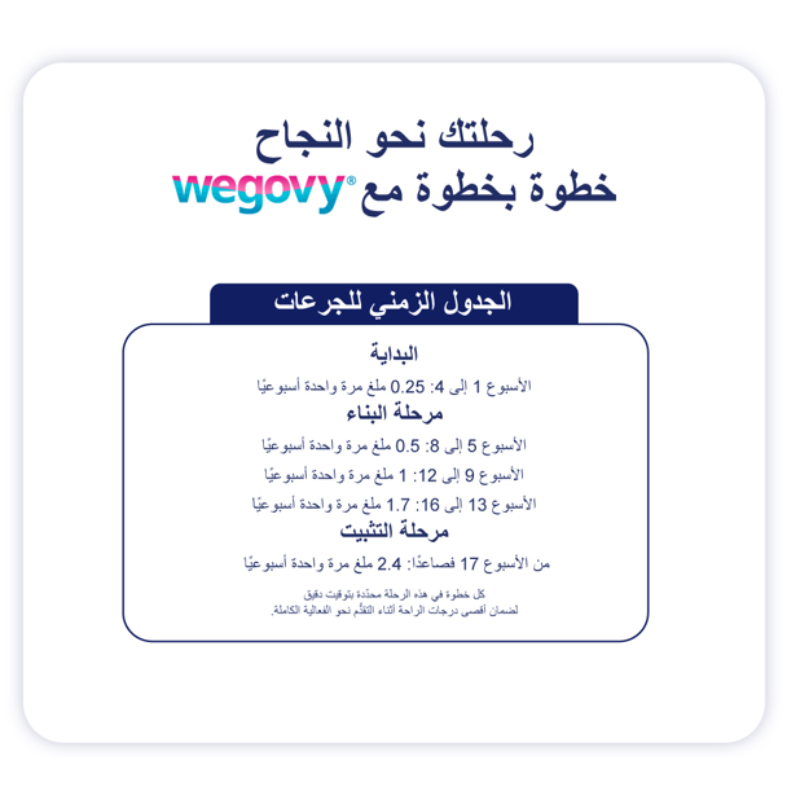
For Wegovy indications (chronic weight management and MACE risk reduction): 0.25 mg SC once weekly x4 weeks, then 0.5 mg x4 weeks, then 1 mg x4 weeks, then 1.7 mg x4 weeks, then 2.4 mg once weekly maintenance from week 17 onward.
Maximum Dose
2.4 mg subcutaneously once weekly
Children's Dosage
Not approved for pediatric use
Dose Adjustment Notes
Escalate dose every 4 weeks to improve gastrointestinal tolerability; if a dose is not tolerated during escalation, consider delaying the dose increase for 4 additional weeks. If the 2.4 mg maintenance dose is not tolerated, reduce temporarily to 1.7 mg once weekly for up to 4 weeks, then attempt to re-escalate; discontinue if 2.4 mg cannot be tolerated. No dose adjustment is recommended for renal or hepatic impairment, but monitor renal function if severe GI reactions/dehydration occur.
Side Effects
Common Side Effects
Nausea, vomiting, diarrhea, constipation, abdominal pain, headache, fatigue, dyspepsia, dizziness, abdominal distension, eructation, flatulence, gastroesophageal reflux disease (GERD), gastritis.
Side Effect Frequency
Very common (≥10%): nausea, diarrhea, vomiting, constipation, abdominal pain. Common (1-10%): dyspepsia, eructation, flatulence, gastroesophageal reflux disease, abdominal distension, dizziness, headache, fatigue, injection-site reactions; hypoglycemia mainly when used with insulin/sulfonylurea; cholelithiasis. Uncommon/rare: acute pancreatitis, acute gallbladder disease, hypersensitivity reactions (including anaphylaxis/angioedema), suicidal ideation/behavior, NAION.
Safety & Warnings
Warnings & Precautions
Key warnings/precautions: thyroid C-cell tumor risk (contraindicated in MTC/MEN2); pancreatitis (discontinue if suspected/confirmed); gallbladder disease; hypoglycemia with insulin/secretagogues; acute kidney injury risk with dehydration (monitor renal function during severe GI events); hypersensitivity reactions (discontinue if occurs); suicidal ideation/behavior monitoring; increased heart rate; caution in patients with diabetic retinopathy (especially with type 2 diabetes); not a substitute for insulin and not for type 1 diabetes.
Age Restriction
Approved for adults only (≥18 years)
Driving Warning
Safe
Drug Interactions
Interaction Severity
MAJOR/CLINICALLY SIGNIFICANT: Concomitant insulin or insulin secretagogues (e.g., sulfonylureas) increases hypoglycemia risk-consider dose reduction and monitor glucose. MODERATE: Oral drugs may have altered absorption due to delayed gastric emptying (clinically relevant for some narrow-therapeutic-index agents; monitor as appropriate).
Special Populations
Pregnancy
Risk Summary: Available data with Wegovy use in pregnant women are insufficient to evaluate for a drug-associated risk of major birth defects, miscarriage, or other adverse maternal or fetal outcomes.
Breastfeeding
Consult Doctor
Children
Not approved for pediatric use
Storage & Patient Advice
Stopping the Medicine
Can be stopped without tapering; counsel that appetite/weight regain is common after discontinuation and discuss a long-term weight-management plan with the prescriber.
Overdose
Symptoms: severe nausea/vomiting and possible hypoglycemia (especially with insulin/sulfonylureas). Management: supportive/symptomatic care, monitor glucose and hydration/electrolytes; no specific antidote; seek urgent medical attention.
Patient Counseling
Teach once-weekly subcutaneous injection (abdomen/thigh/upper arm) with site rotation; take on the same day each week, any time, with or without meals. Explain gradual dose titration every 4 weeks to reduce nausea/vomiting and advise dietary strategies (smaller, lower-fat meals). Warn about pancreatitis symptoms (severe persistent abdominal pain), gallbladder symptoms, hypoglycemia risk if used with insulin/secretagogues, and thyroid tumor warning (report neck mass/hoarseness; avoid if MTC/MEN2). Do not share pens/needles; store refrigerated (2-8°C) per SFDA storage conditions; discuss pregnancy avoidance and that weight regain may occur if stopped.
Pharmacology
Mechanism of Action
GLP-1 receptor agonist that reduces appetite and energy intake via central mechanisms, slows gastric emptying, and improves glycemic control by increasing glucose-dependent insulin secretion and decreasing glucagon secretion.
Duration of Effect
Approximately 1 week (supports once-weekly dosing).
Half-Life
Approximately 7 days (about 165-184 hours).
Bioavailability
Subcutaneous bioavailability approximately 89%.
Metabolism
Metabolized by proteolytic cleavage of the peptide backbone and sequential beta-oxidation of the fatty-acid side chain; not metabolized by CYP450 enzymes.
Excretion
Eliminated via proteolytic degradation and beta-oxidation with metabolites excreted in urine and feces; minimal unchanged drug is excreted.
Protein Binding
>99% protein bound, primarily to albumin.
Product Information
Available Dosage Forms
Solution for injection in pre-filled pen (subcutaneous injection)
Composition per Dose
Each dose (0.75 mL): semaglutide 2.4 mg; excipients: disodium phosphate dihydrate, propylene glycol, phenol, water for injections, hydrochloric acid/sodium hydroxide (pH adjustment)
Generic Availability
No
OTC Alternatives
No OTC alternative
Diabetes Type
Type 2
Reviewed by Al Mujtama Pharmacy Medical Review Team. Last reviewed 28-06-2026
Similar Products
Medications > Cold, Cough, and Allergy Medications
Medications > Dermatology Medications
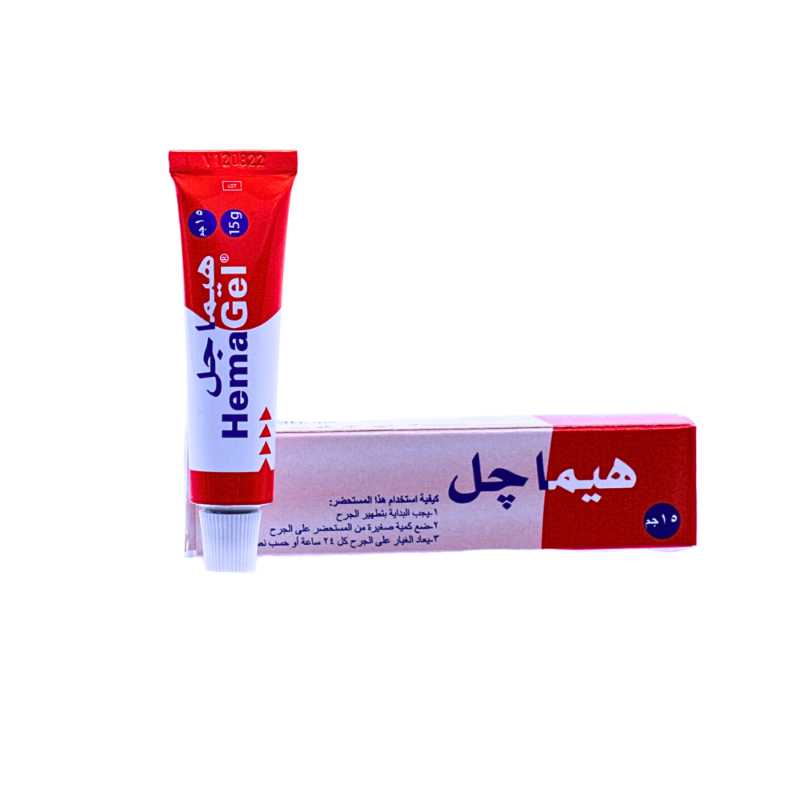
Medications > Dermatology Medications
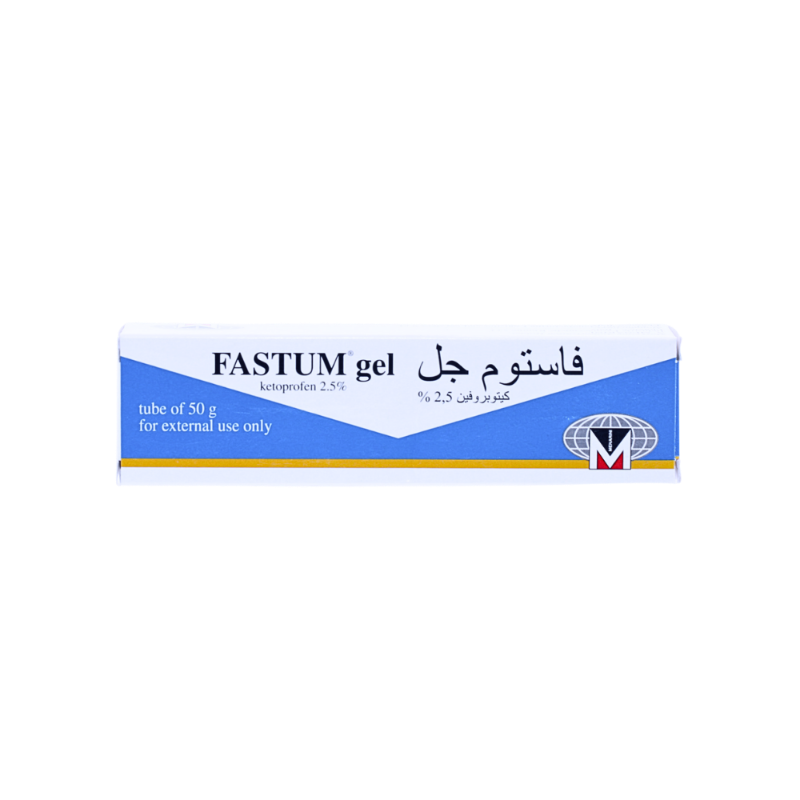
Medications > Painkillers and Antipyretics
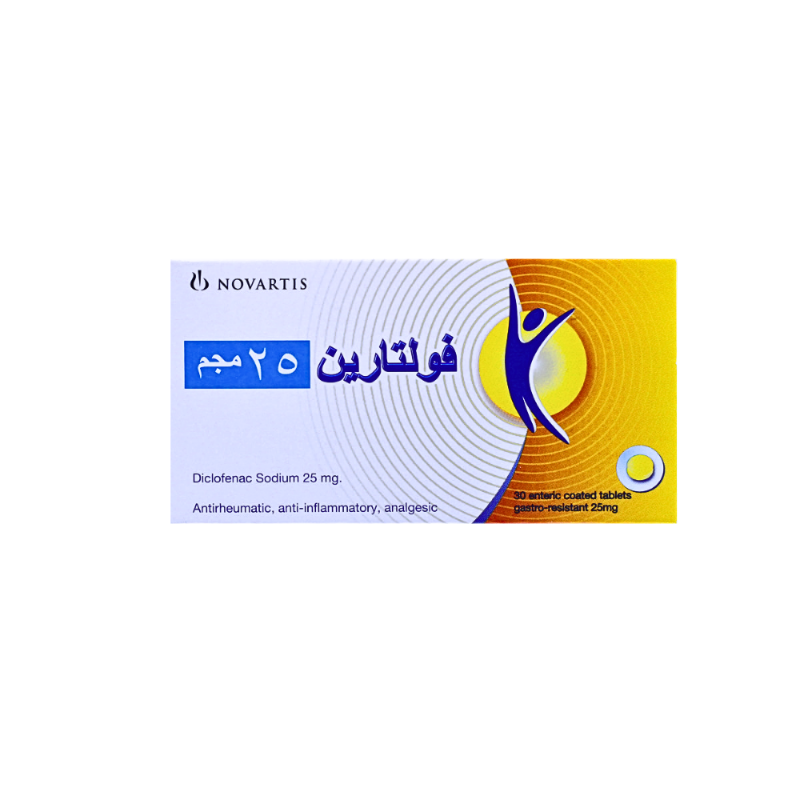
Medications > Painkillers and Antipyretics

Medications > Psychiatric Medications
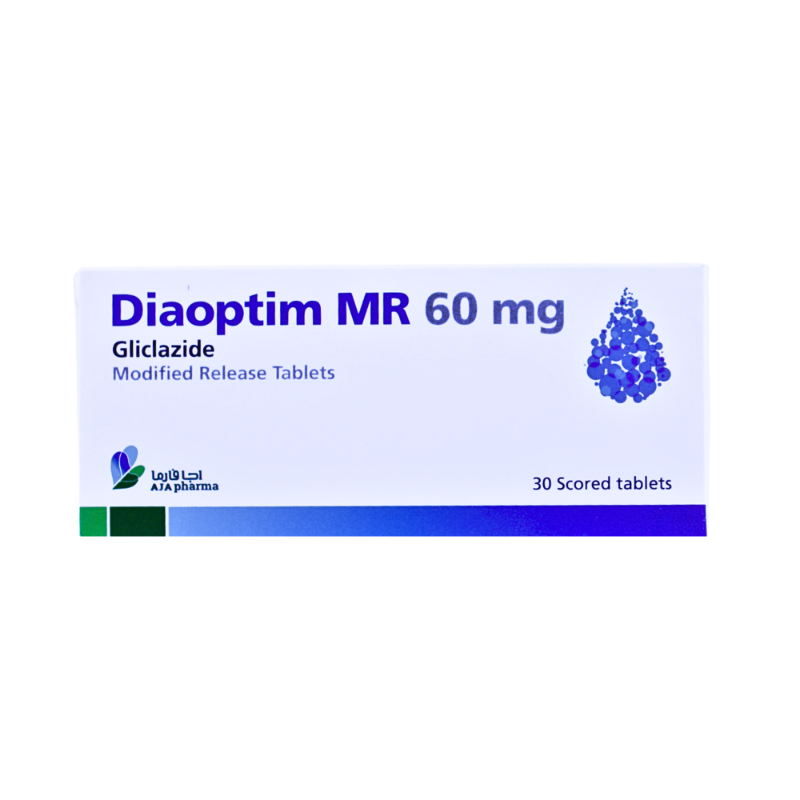
Medications > Diabetes Medications
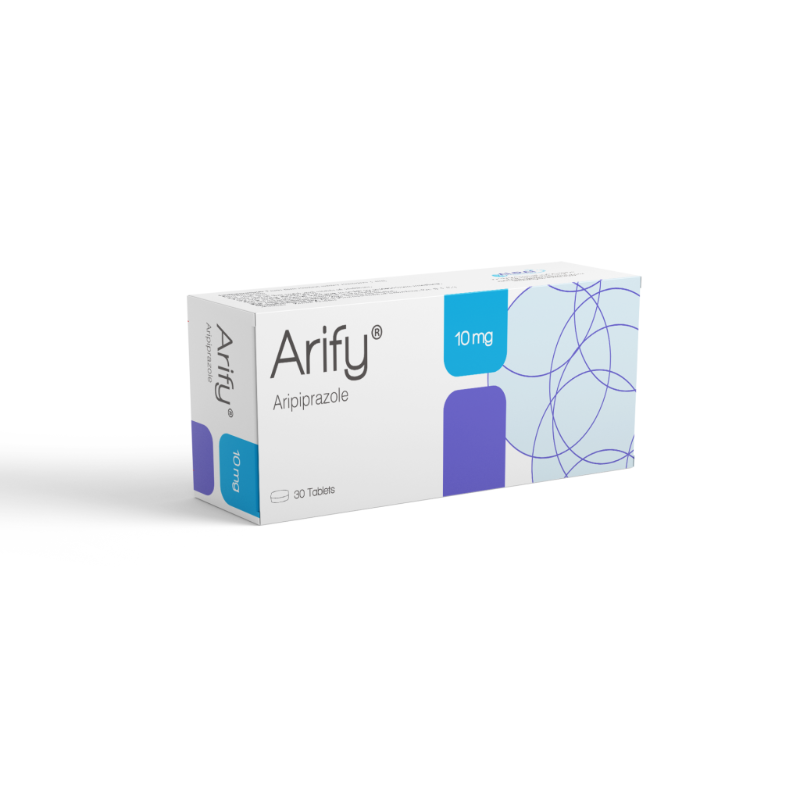
Medications > Psychiatric Medications
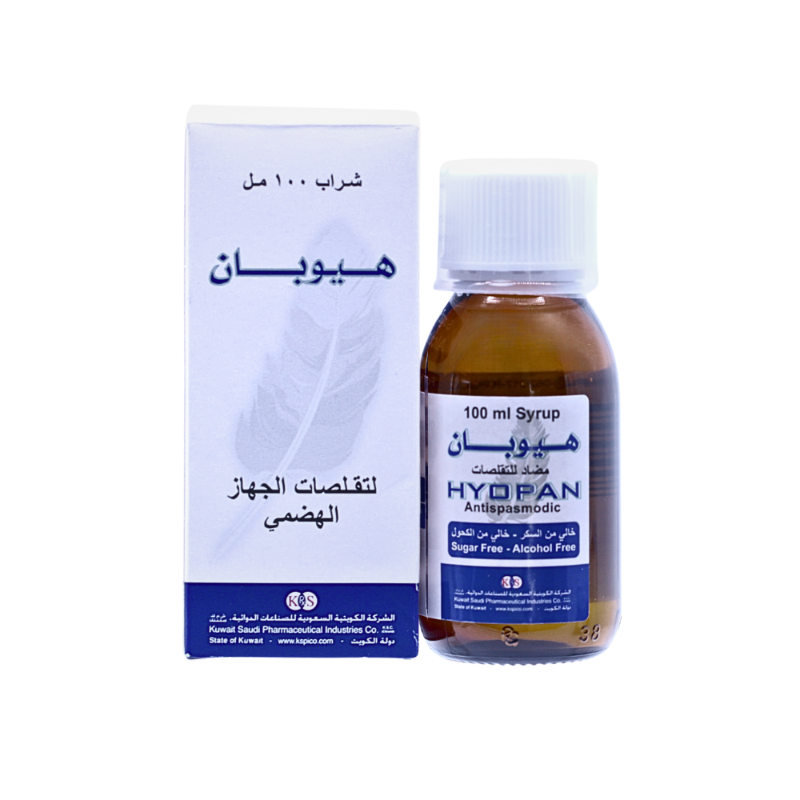
Medications > Gastrointestinal Medications
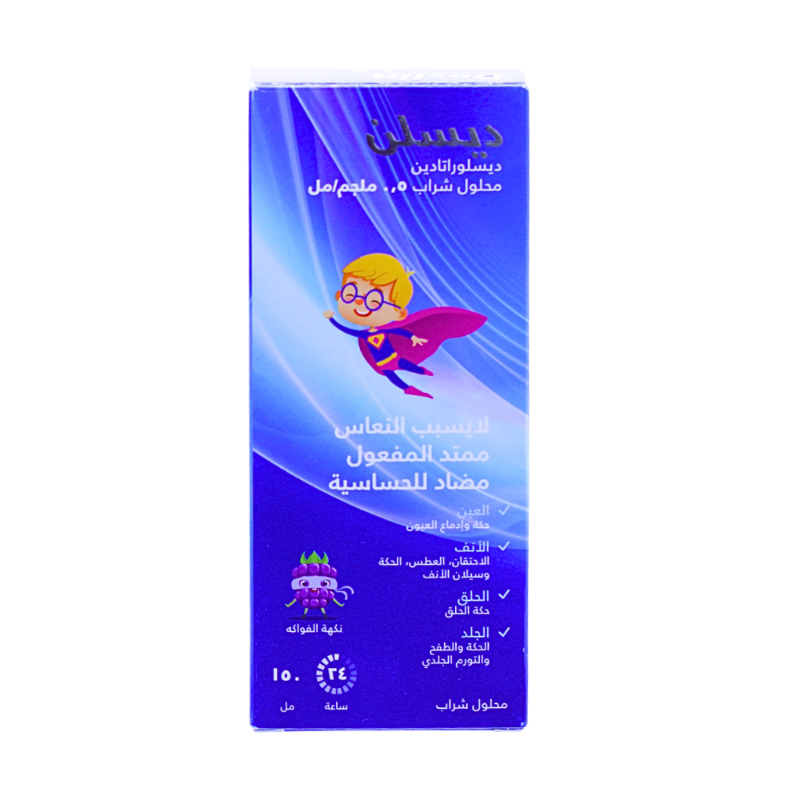
Medications > Cold, Cough, and Allergy Medications
