
Use Code: ND30 And Get 30% OFF | Get Free Delivery With No Minimum Order
-1744229570.gif "Almujtama Pharmacy logo")
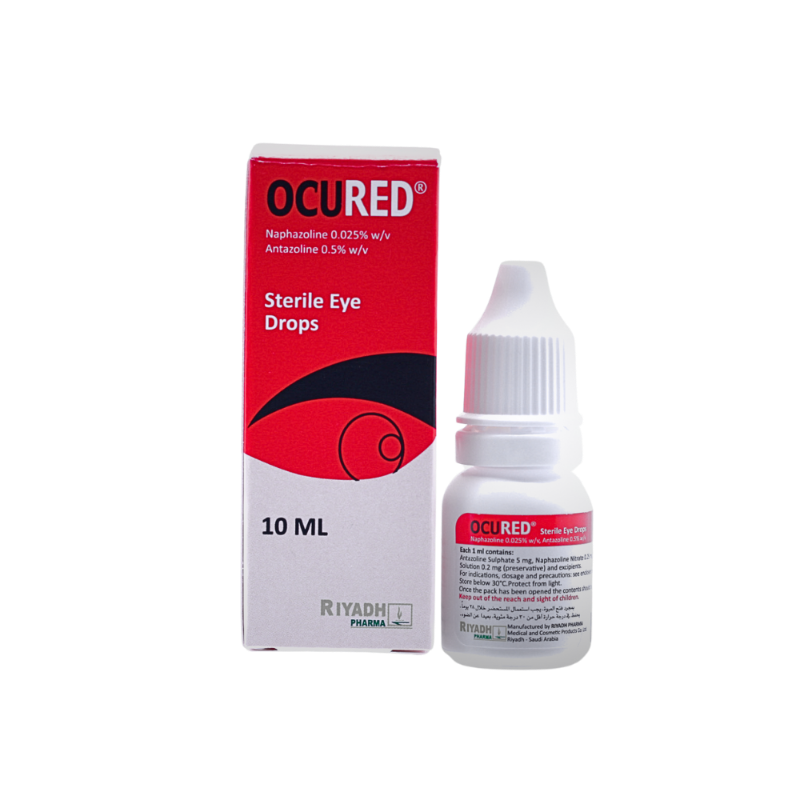




Frequently bought together
Health Care & Wellness > Napkins
Health Care & Wellness > Napkins
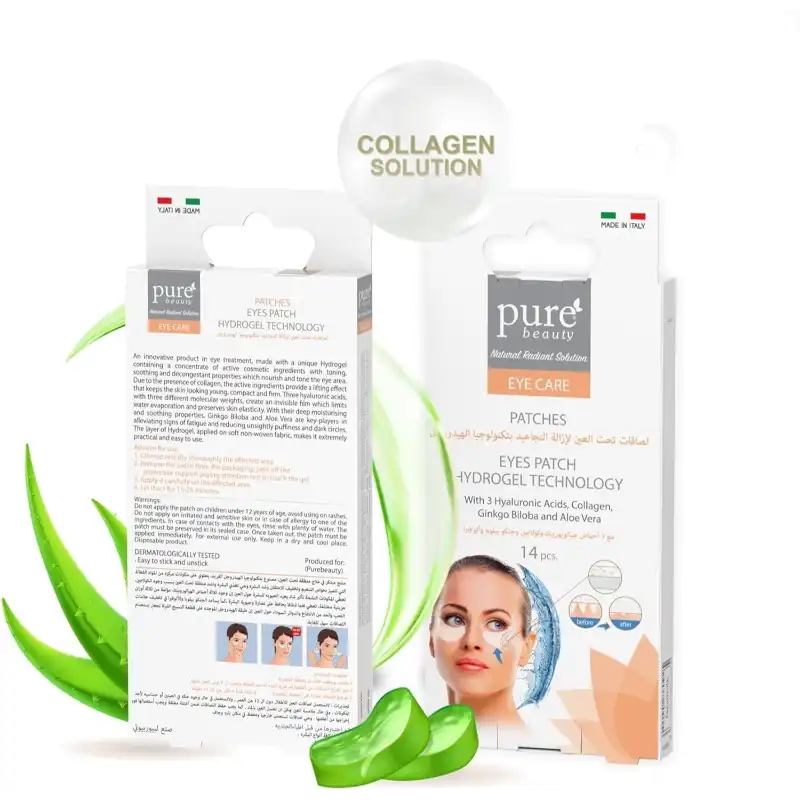
Skin And Body Care > Eye Care
Skin And Body Care > Eye Care
OCURED EYE DROPS 10ML
- Sku : I-004497
Key features
OCURED Eye Drops 10 ml is an ophthalmic solution containing antazoline sulfate 5 mg and naphazoline nitrate 0.25 mg. Antazoline competitively antagonizes H1 receptors to reduce histamine‑mediated itching and tearing, while naphazoline stimulates alpha‑adrenergic receptors to induce conjunctival vasoconstriction and reduce redness. It is indicated for symptomatic relief of allergic conjunctivitis, including ocular itching, watering and conjunctival hyperemia. Available as a prescription ophthalmic solution in a 10 ml pack.- Brand: OCURED
- Active Ingredient: ANTAZOLINE SULFATE 5mg, NAPHAZOLINE NITRATE 0.25mg
- Strength: 5,0.25mg
- Dosage Form: Eye drops
- Pack Size: 10 ml
- Route: Ophthalmic use
- Prescription Status: Prescription
- Therapeutic Class: Ophthalmic
- Pharmacological Group: Decongestants & Antiallergics (Eye)
- Drug Class: Ophthalmic antihistamine (H1 antagonist) + alpha-adrenergic agonist ocular decongestant combination.
- Manufacturer: RIYADH PHARMA
- Country of Origin: Saudi Arabia
- SFDA Registration No.: 2001268951
- Shelf Life: 36 months
- Storage: store below 25°c
- Target Organ: Eye
Frequently bought together
Health Care & Wellness > Napkins
Health Care & Wellness > Napkins
Skin And Body Care > Eye Care
Skin And Body Care > Eye Care
Indications
Approved Uses
Symptomatic relief of allergic conjunctivitis (ocular itching, watering/tearing) with associated conjunctival hyperemia (redness).
Dosage & Administration
Dosing by Condition
Allergic conjunctivitis: Instill 1-2 drops in the affected eye(s) up to 4 times daily as needed; avoid prolonged continuous use (generally >3-5 days) without medical advice.
Initial Dose
1-2 drops into the affected eye(s)
Maintenance Dose
1-2 drops in the affected eye(s) every 4-6 hours as needed, not to exceed 72 hours of use without medical advice.
Maximum Dose
1-2 drops in the affected eye(s) up to 4 times daily; do not use longer than 72 hours (up to 3 days) without medical advice.
Children's Dosage
Not recommended in children under 6 years due to risk of systemic naphazoline toxicity (CNS depression, bradycardia)
Dose Adjustment Notes
No routine renal/hepatic dose adjustment is required for ophthalmic use; use caution in patients with hypertension/cardiovascular disease, hyperthyroidism, and diabetes due to potential systemic absorption of naphazoline.
How to Take
Wash hands before use. Tilt head back, pull down lower eyelid to form a pocket, instill 1-2 drops into the conjunctival sac. Close eye gently and apply gentle pressure to the inner corner of the eye (nasolacrimal occlusion) for 1-2 minutes to reduce systemic absorption. Do not touch the dropper tip to the eye or any surface.
Side Effects
Common Side Effects
Transient burning/stinging on instillation, ocular irritation, blurred vision; possible mydriasis; rebound conjunctival hyperemia with prolonged/frequent use.
Side Effect Frequency
Frequency not reliably quantifiable from standard labeling for this product; typical adverse effects: common-transient burning/stinging, ocular irritation, blurred vision; uncommon/rare-mydriasis, increased intraocular pressure (especially in narrow-angle glaucoma risk), rebound hyperemia with prolonged use; rare-systemic sympathomimetic effects (e.g., headache, palpitations, hypertension) and hypersensitivity.
Safety & Warnings
Contraindications
Hypersensitivity to antazoline/naphazoline (or excipients); narrow-angle (angle-closure) glaucoma; concomitant use with MAO inhibitors or within 14 days of stopping an MAOI.
Warnings & Precautions
Short-term use only (avoid prolonged/frequent use due to rebound redness); remove contact lenses before instillation and reinsert after ~15 minutes; avoid contamination (do not touch dropper tip); stop and seek care if eye pain, vision changes, marked irritation, or symptoms persist >72 hours; use caution in cardiovascular disease/hypertension, hyperthyroidism, diabetes, and in patients at risk of angle-closure glaucoma.
Age Restriction
Not recommended in children <6 years; use only with medical advice/supervision
Drug Interactions
Drug Interactions
MAO inhibitors (and within 14 days of stopping); tricyclic antidepressants and related antidepressants (e.g., maprotiline) may potentiate pressor/sympathomimetic effects; other sympathomimetics may have additive effects.
Interaction Severity
MAJOR: MAO inhibitors (and within ~14 days of use) may potentiate pressor responses/hypertension; MODERATE: tricyclic antidepressants and other drugs with sympathomimetic/pressor effects (e.g., maprotiline, other decongestants) may enhance cardiovascular effects.
Food Interaction
No restriction
Special Populations
Pregnancy
Consult Doctor
Breastfeeding
Consult Doctor
Children
Not recommended in children under 6 years due to risk of systemic naphazoline toxicity (CNS depression, bradycardia)
Elderly
Use with caution; elderly patients may be more susceptible to systemic effects of naphazoline (cardiovascular effects) and anticholinergic effects of antazoline
Kidney Impairment
No dose adjustment needed for renal impairment (ophthalmic use).
Liver Impairment
No dose adjustment needed for hepatic impairment (ophthalmic use).
Storage & Patient Advice
Stopping the Medicine
May stop at any time; if symptoms persist >72 hours or worsen, seek medical advice; avoid prolonged/frequent use because rebound redness can occur.
Overdose
Ocular overdose: rinse/flush with water or saline; systemic overdose (especially accidental ingestion in children) may cause CNS depression (drowsiness/coma), hypothermia, bradycardia, and blood pressure changes-seek urgent medical care/supportive management.
Patient Counseling
Instill as directed and avoid prolonged continuous use (generally >3-5 days) to prevent rebound redness; remove contact lenses before use and wait ~15 minutes before reinsertion; avoid touching the dropper tip; stop and seek care for eye pain, vision changes, or worsening redness; consider nasolacrimal occlusion (press inner corner) to reduce systemic absorption.
Monitoring Requirements
No routine monitoring required for short-term use; monitor blood pressure in hypertensive patients if systemic absorption is suspected
Pharmacology
Mechanism of Action
Antazoline competitively antagonizes H1 receptors to reduce histamine-mediated itching/tearing; naphazoline stimulates alpha-adrenergic receptors causing conjunctival vasoconstriction to reduce redness.
Half-Life
Unknown / not well-established for the ophthalmic combination (systemic half-life not clinically relevant at labeled ophthalmic doses).
Bioavailability
Primarily local ocular effect with low systemic bioavailability, but some systemic absorption can occur via nasolacrimal drainage.
Metabolism
Unknown / not well-characterized for ophthalmic use; if systemically absorbed, both components are expected to undergo hepatic metabolism.
Product Information
Available Dosage Forms
Eye drops (ophthalmic solution).
Composition per Dose
Each 1ml of eye drops contains: 5mg Antazoline Sulfate and 0.25mg Naphazoline Nitrate.
Generic Availability
Yes
OTC Alternatives
OTC availability depends on country; where OTC options exist, alternatives include ketotifen ophthalmic drops (antihistamine/mast-cell stabilizer) and ocular decongestants such as naphazoline or tetrahydrozoline (often with an antihistamine).
Target Organ
Eye
Reviewed by Al Mujtama Pharmacy Medical Review Team. Last reviewed 17-06-2026
Similar Products
Medications > Sexual Health
Medications > Gastrointestinal Medications
Medications > Cold, Cough, and Allergy Medications
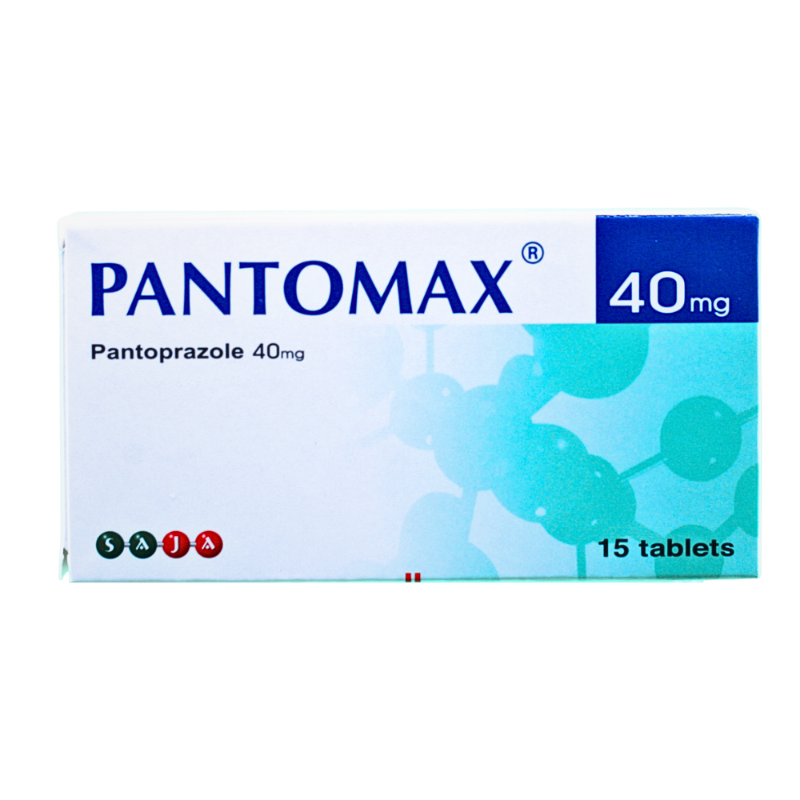
Medications > Gastrointestinal Medications
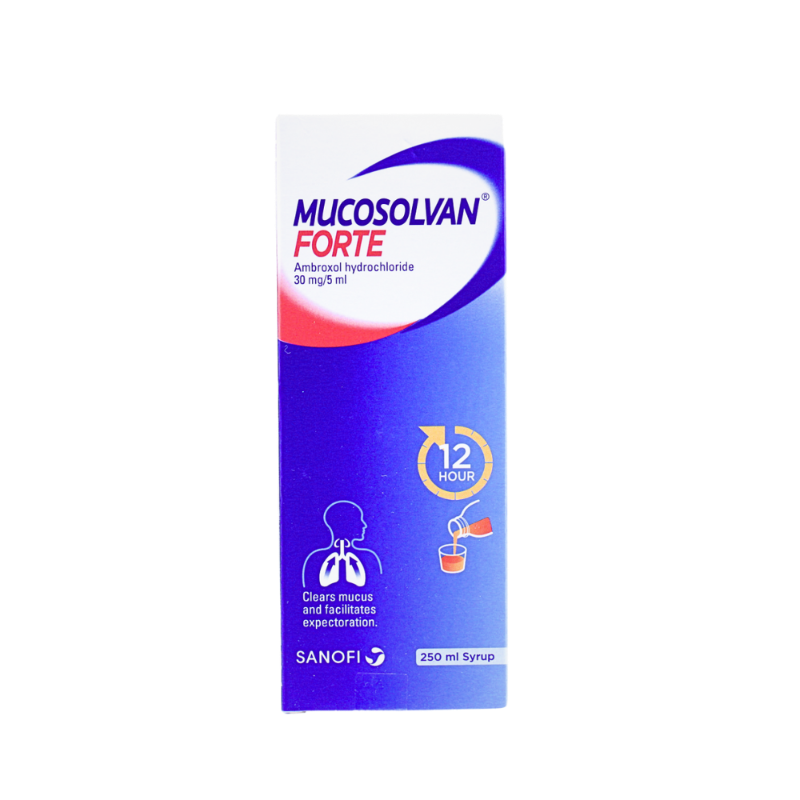
Medications > Cold, Cough, and Allergy Medications
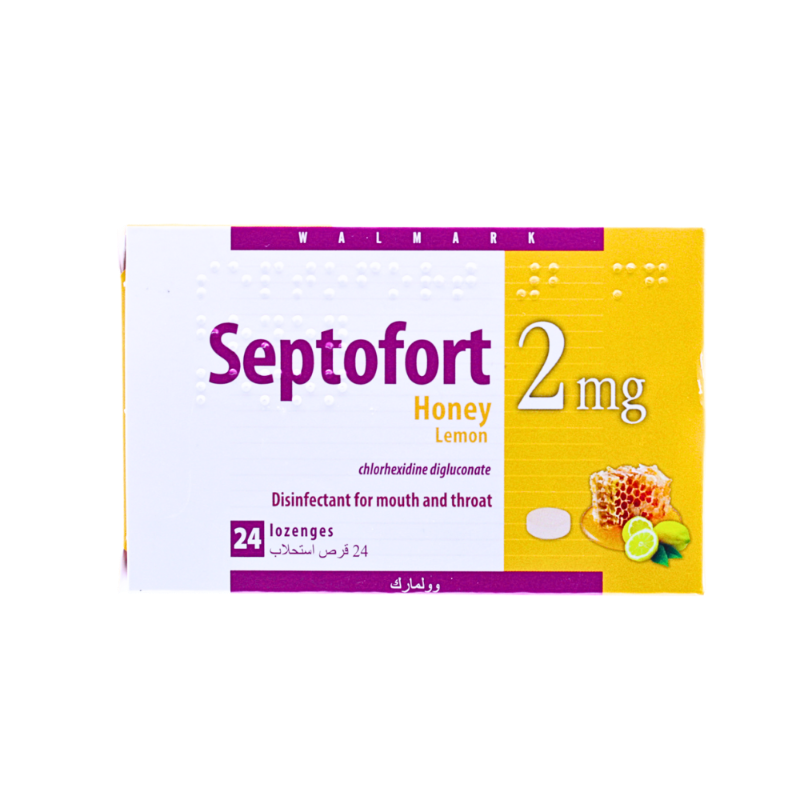
Medications > Cold, Cough, and Allergy Medications
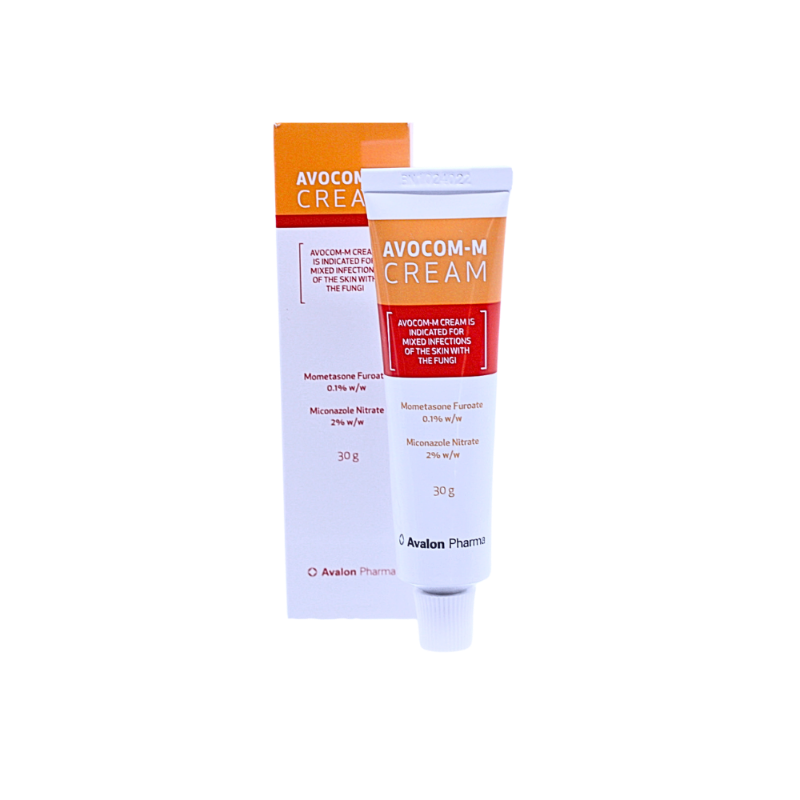
Medications > Dermatology Medications
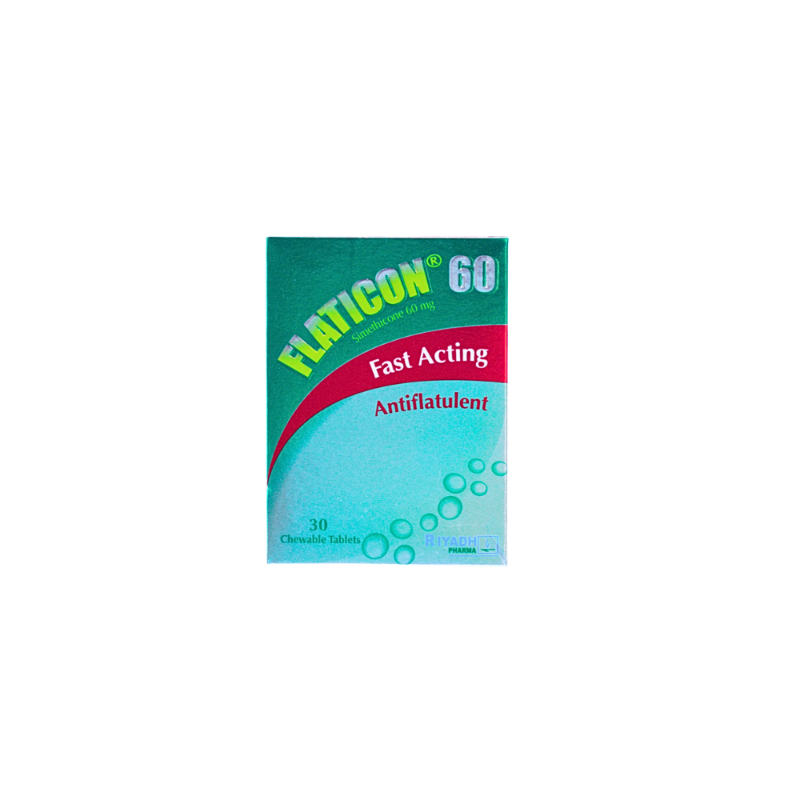
Medications > Gastrointestinal Medications
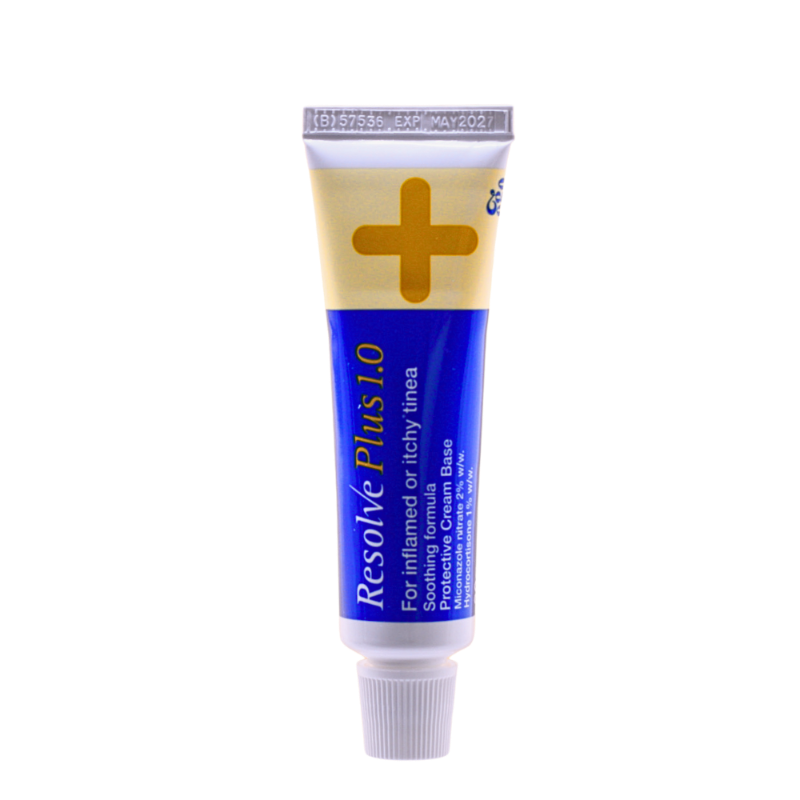
Medications > Dermatology Medications
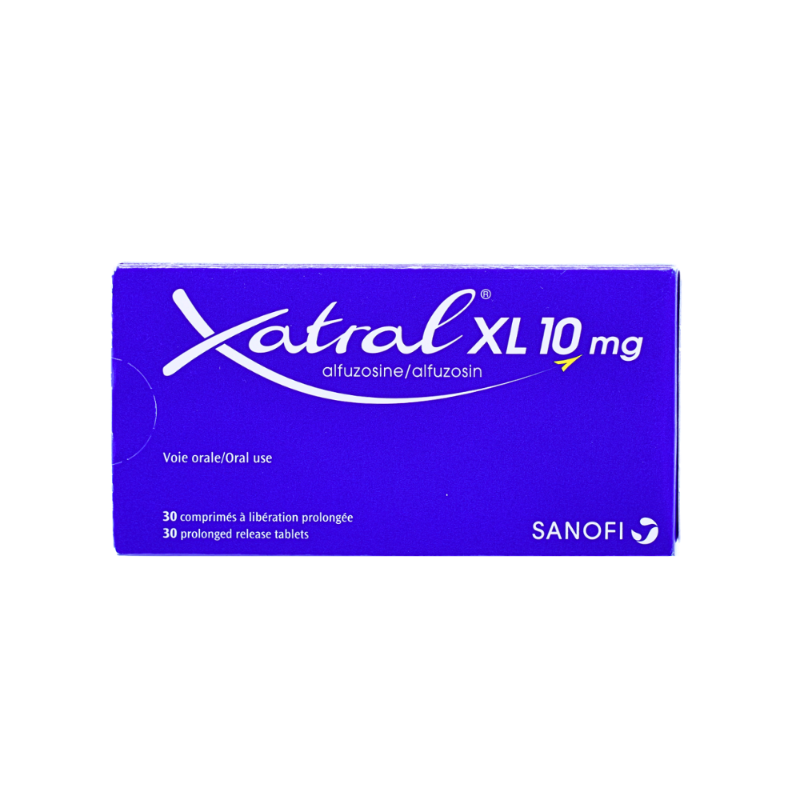
Medications > Urology Medications
