
Use Code: ND30 And Get 30% OFF | Get Free Delivery With No Minimum Order
-1744229570.gif "Almujtama Pharmacy logo")




Frequently bought together
Health Care & Wellness > Medical Supplies
Health Care & Wellness > Medical Supplies
Skin And Body Care > Moisturizers
Skin And Body Care > Moisturizers
Vitamins & Supplements > Vitamins and Minerals
PROXEN 250/MG FC TAB 20/FC TAB
- Sku : I-005384
Key features
PROXEN 250 mg film-coated tablets contain naproxen 250 mg as the active ingredient. It reversibly inhibits COX-1 and COX-2 enzymes, reducing prostaglandin synthesis to provide anti-inflammatory, analgesic and antipyretic effects. It is used for relief of pain and inflammation in rheumatic and musculoskeletal conditions (including osteoarthritis, rheumatoid arthritis and ankylosing spondylitis), for acute pain such as primary dysmenorrhea and acute gout, and for antipyresis. Available OTC as film-coated tablets in packs of 20.- Brand: PROXEN
- Active Ingredient: NAPROXEN 250mg
- Strength: 250mg
- Dosage Form: Film-coated tablet
- Pack Size: 20 Tablets
- Route: Oral use
- Prescription Status: OTC
- Therapeutic Class: Analgesic
- Pharmacological Group: Propionic Acid Derivatives (NSAIDs)
- Drug Class: Nonsteroidal anti-inflammatory drug (NSAID); propionic acid derivative; nonselective COX-1/COX-2 inhibitor.
- Manufacturer: GRUNENTHAL
- Country of Origin: Germany
- SFDA Registration No.: 0310246011
- Shelf Life: 48 months
- Storage: do not store above 30°c
- Pain Type: General, Migraine, Muscular, Joint
- Nsaid: Yes
- Opioid: No
Frequently bought together
Health Care & Wellness > Medical Supplies
Health Care & Wellness > Medical Supplies
Skin And Body Care > Moisturizers
Skin And Body Care > Moisturizers
Vitamins & Supplements > Vitamins and Minerals
Indications
Approved Uses
Pain and inflammation in rheumatic/musculoskeletal conditions (e.g., osteoarthritis, rheumatoid arthritis, ankylosing spondylitis), acute pain including primary dysmenorrhea, and acute gout; antipyretic use is also recognized for naproxen as an NSAID.
Dosage & Administration
Dosing by Condition
Mild to moderate pain/dysmenorrhea: Initial 500mg, then 250mg every 6-8 hours; max 1250mg/day. Osteoarthritis/Rheumatoid arthritis/Ankylosing spondylitis: 250-500mg twice daily; max 1000mg/day. Acute gout: Initial 750mg, then 250mg every 8 hours until attack subsides.
Initial Dose
500mg for pain/dysmenorrhea; 250-500mg twice daily for inflammatory conditions
Maintenance Dose
250-500mg twice daily for osteoarthritis/rheumatoid arthritis/ankylosing spondylitis.
Maximum Dose
1250mg on the first day for acute pain, then 1000mg daily. Up to 1500mg daily for short-term use in arthritis.
Children's Dosage
Children (juvenile arthritis): 5mg/kg twice daily (max 10mg/kg/day). Not recommended for children <50kg with tablets.
Dose Adjustment Notes
Use the lowest effective dose for the shortest duration; use caution and consider dose reduction in older adults; avoid use in severe renal impairment (e.g., CrCl <30 mL/min) and use caution in hepatic impairment, heart failure, dehydration, or concomitant nephrotoxic drugs.
How to Take
Swallow the film‑coated tablet whole with a full glass of water; take with food or milk (or just after food) to reduce GI upset; do not crush or chew.
Side Effects
Common Side Effects
Common: dyspepsia/heartburn, nausea, abdominal pain, constipation or diarrhea, headache, dizziness, drowsiness; may also cause peripheral edema and rash/pruritus; tinnitus can occur.
Side Effect Frequency
Common (≥1%): dyspepsia/heartburn, nausea, abdominal pain, constipation or diarrhea, headache, dizziness, drowsiness. Uncommon/rare (<1%): GI ulceration/bleeding/perforation, elevated liver enzymes, renal impairment, hypertension/edema, severe hypersensitivity and severe cutaneous adverse reactions (e.g., SJS/TEN).
Safety & Warnings
Contraindications
Contraindications: hypersensitivity to naproxen/other NSAIDs; history of asthma/urticaria or other allergic-type reactions after aspirin/NSAIDs (AERD); active GI bleeding or active peptic ulcer; use for peri-operative pain in CABG surgery; (commonly also: late pregnancy/third trimester due to fetal ductus arteriosus/renal risks).
Warnings & Precautions
Key warnings/precautions: use lowest effective dose for shortest duration; increased risk of CV thrombotic events and GI bleeding/ulceration/perforation; avoid around CABG; caution in hypertension, heart failure/edema, ischemic heart disease, prior stroke, CKD, hepatic disease, older adults, and history of ulcer/GI bleed; avoid in AERD; monitor for renal function decline and BP elevation; may mask fever/inflammation and signs of infection; avoid combining with other NSAIDs and use gastroprotection when high GI risk.
Age Restriction
OTC: not recommended for children <12 years unless directed by a doctor; prescription use: approved in children ≥2 years for juvenile idiopathic arthritis (JIA) (age limits for other pediatric uses depend on indication/product labeling).
Driving Warning
Safe
Drug Interactions
Interaction Severity
MAJOR/clinically significant: anticoagulants (e.g., warfarin) and antiplatelets (incl. aspirin) and SSRIs/SNRIs (↑ bleeding risk), other NSAIDs (↑ GI/renal toxicity), methotrexate (↑ toxicity), lithium (↑ levels/toxicity). MODERATE: ACE inhibitors/ARBs and diuretics (↓ antihypertensive/diuretic effect; ↑ AKI risk-"triple whammy"), cyclosporine/tacrolimus (↑ nephrotoxicity), systemic corticosteroids (↑ GI ulcer/bleed).
Food Interaction
Take with food
Alcohol Interaction
Avoid
Special Populations
Pregnancy
Avoid in late pregnancy (third trimester); no FDA category assigned.
Children
Children (juvenile arthritis): 5mg/kg twice daily (max 10mg/kg/day). Not recommended for children <50kg with tablets.
Elderly
Use lowest effective dose for shortest duration; increased risk of GI bleeding, renal impairment, and cardiovascular events; monitor renal function and blood pressure regularly; consider dose reduction
Kidney Impairment
Avoid in severe renal impairment/advanced renal disease (commonly CrCl <30 mL/min); in mild-moderate impairment use with caution at the lowest effective dose and monitor renal function, especially with ACEi/ARB/diuretic use or dehydration.
Liver Impairment
No specific dose adjustment is defined; use the lowest effective dose with caution in hepatic impairment, and avoid use in severe hepatic failure/active severe liver disease.
Storage & Patient Advice
Missed Dose
Take as soon as remembered; skip if near the time of the next scheduled dose; do not double the dose
Stopping the Medicine
No taper is required; it can be stopped at any time-if used chronically, stop due to adverse effects or lack of benefit should be discussed with a clinician and the underlying condition reassessed.
Overdose
Symptoms may include nausea/vomiting, epigastric pain/dyspepsia, drowsiness, dizziness, tinnitus; severe toxicity can include GI bleeding, metabolic acidosis, seizures, hypotension, acute kidney injury, and respiratory depression. Management: urgent medical evaluation/poison control, activated charcoal if early after ingestion, and supportive care with monitoring (renal function, electrolytes, acid-base, bleeding).
Patient Counseling
Take with food/milk and a full glass of water; do not exceed the labeled dose and use the lowest effective dose for the shortest time; avoid combining with other NSAIDs/aspirin unless advised; limit alcohol (↑ GI bleed risk); stop and seek urgent care for black/tarry stools, vomiting blood, severe abdominal pain, chest pain, shortness of breath, or sudden weakness; consult a clinician before use if history of ulcer/GI bleed, kidney disease, heart disease/heart failure, uncontrolled hypertension, or if taking anticoagulants/antiplatelets/SSRIs; avoid in the 3rd trimester of pregnancy.
Monitoring Requirements
Monitor for GI bleeding/ulcer symptoms; check blood pressure and signs of fluid retention/edema; with prolonged use or in at-risk patients monitor renal function (SCr/eGFR), liver enzymes, and CBC (for anemia/bleeding).
Pharmacology
Mechanism of Action
Reversibly inhibits COX-1 and COX-2, decreasing prostaglandin synthesis and thereby producing anti-inflammatory, analgesic, and antipyretic effects.
Duration of Effect
Approximately 8-12 hours (often up to ~12 hours) for analgesic effect.
Bioavailability
Oral naproxen is well absorbed with high bioavailability (commonly reported ~95% or greater).
Protein Binding
>99% protein bound (primarily to albumin).
Product Information
Available Dosage Forms
Tablet, film-coated tablet.
Composition per Dose
Each film-coated tablet: 250mg naproxen
Generic Availability
Yes
OTC Alternatives
Paracetamol (acetaminophen) and ibuprofen are common OTC alternatives for mild-moderate pain/fever (choice depends on patient risk factors).
Pain Type
General, Migraine, Muscular, Joint
Nsaid
Yes
Opioid
No
Reviewed by Al Mujtama Pharmacy Medical Review Team. Last reviewed 15-08-2026
Similar Products
Medications > Psychiatric Medications
Medications > Contraceptives and Hormonal Medications
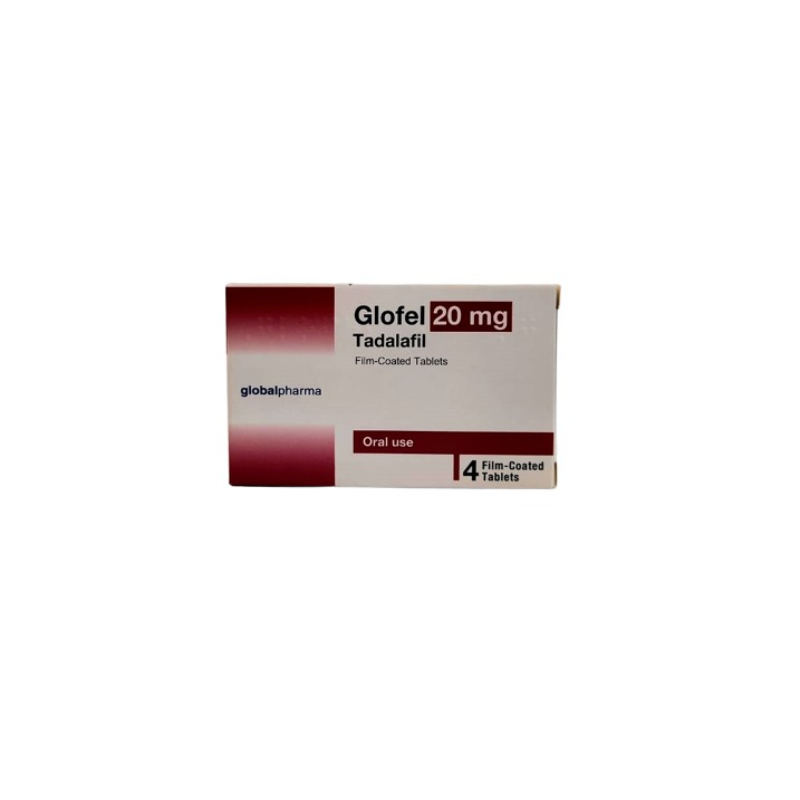
Medications > Sexual Health
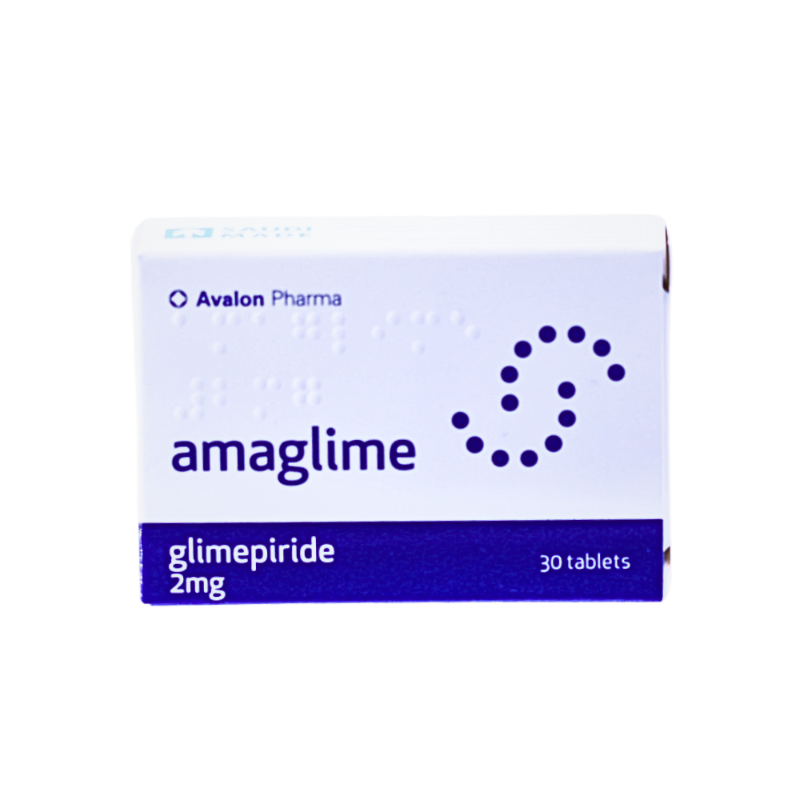
Medications > Diabetes Medications
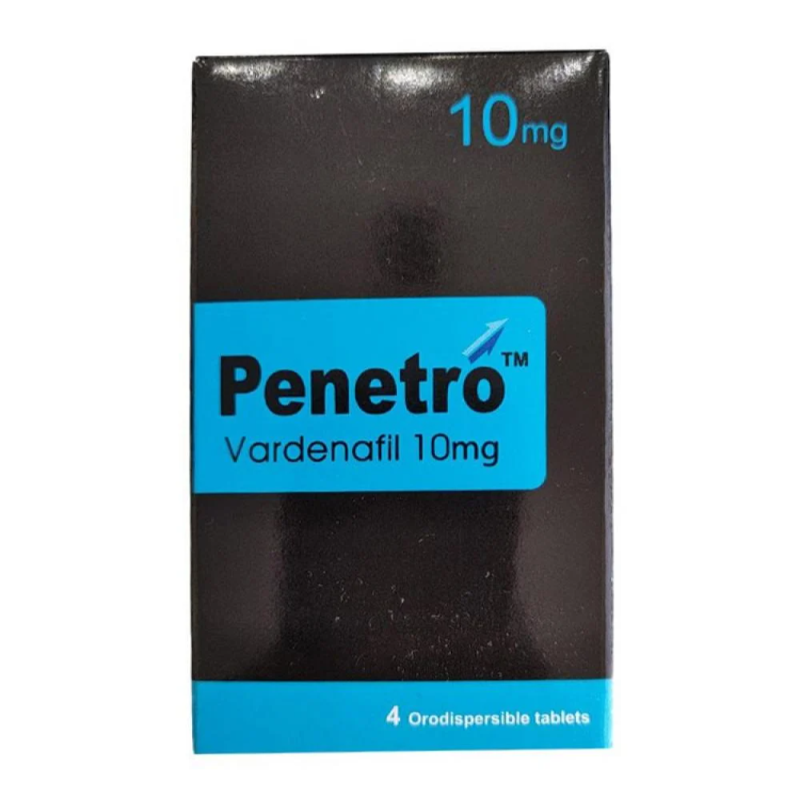
Medications > Sexual Health
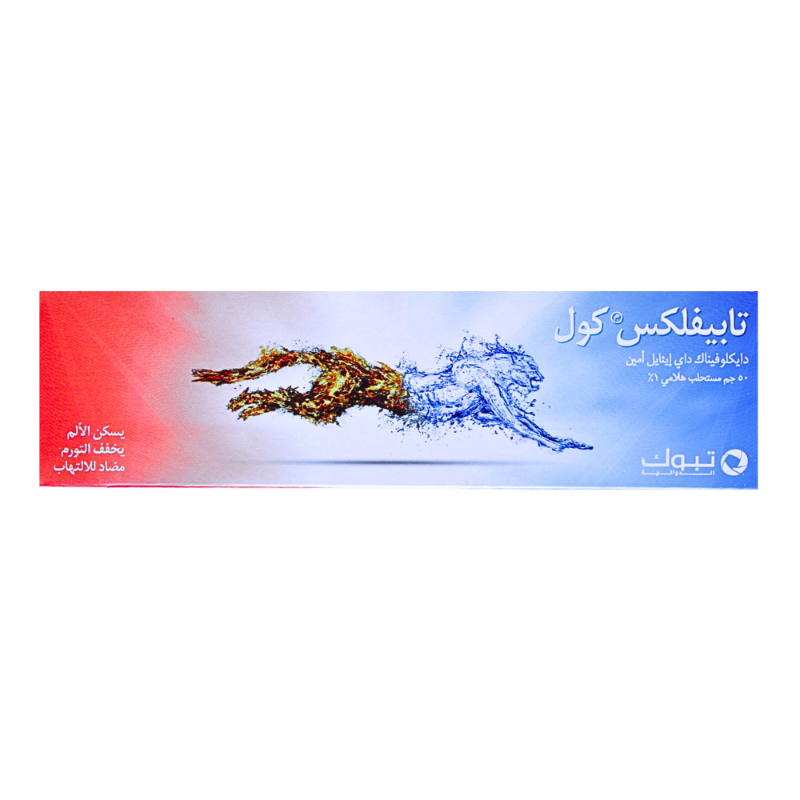
Medications > Painkillers and Antipyretics
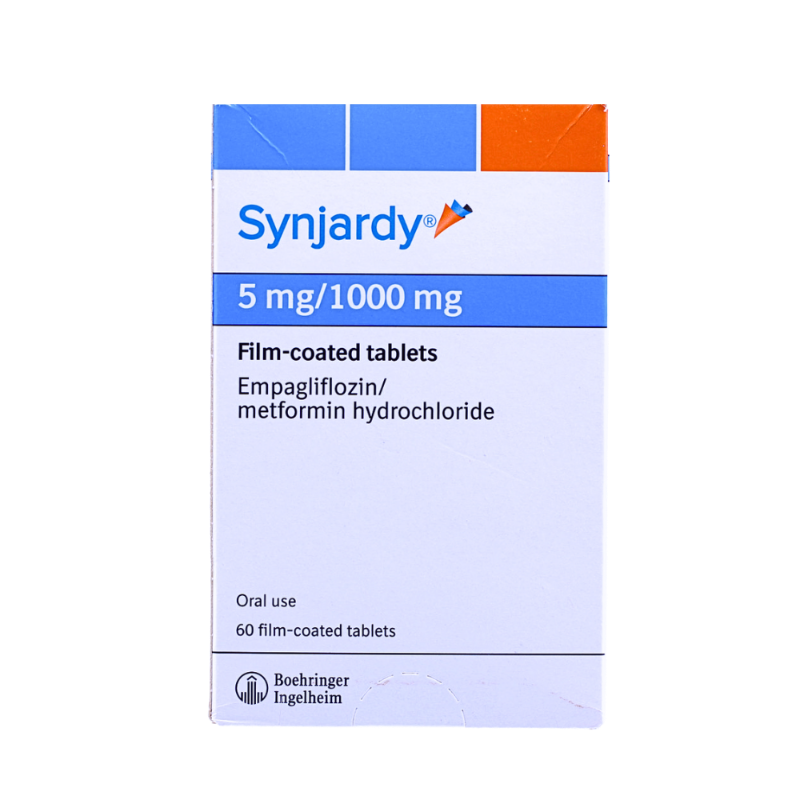
Medications > Diabetes Medications
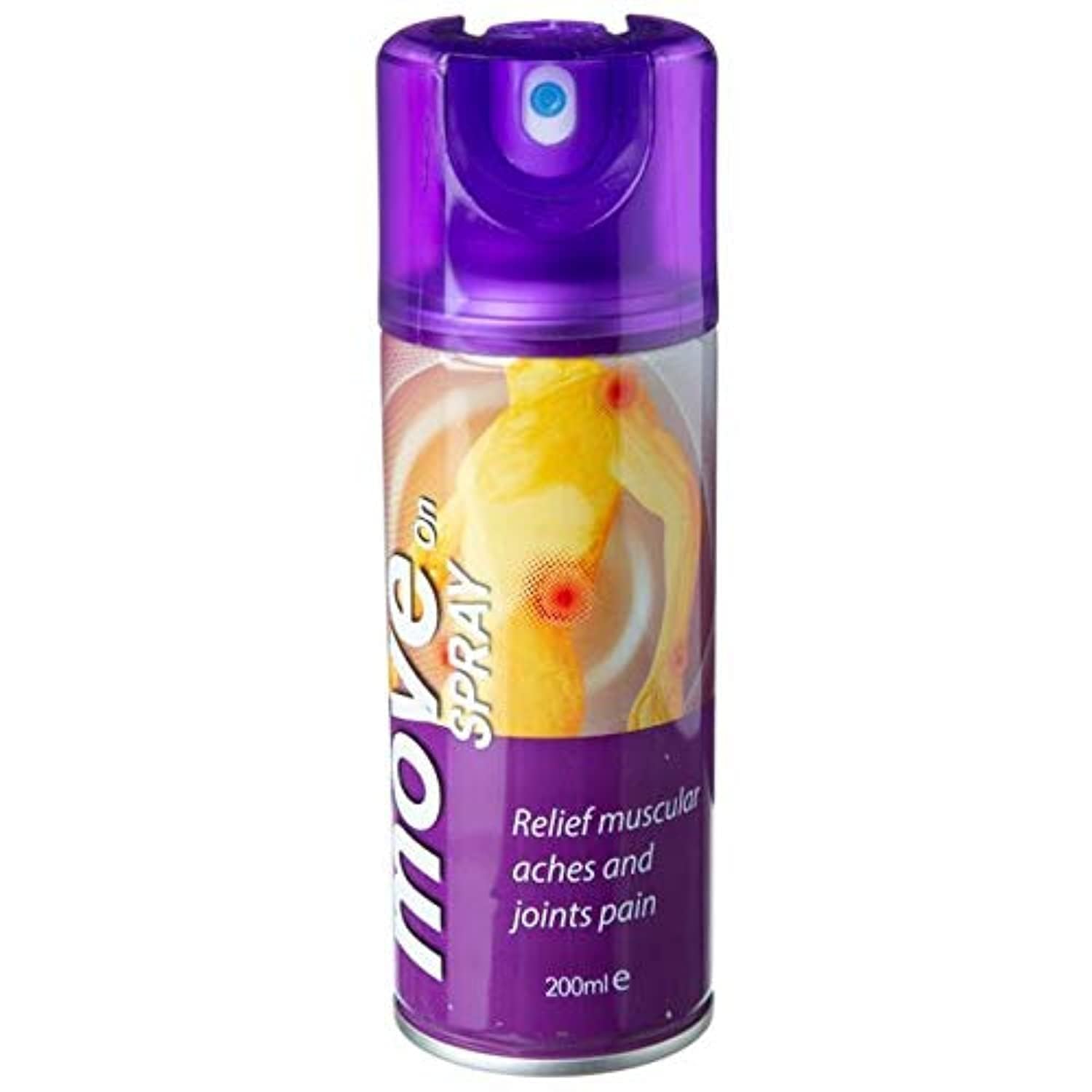
Medications > Painkillers and Antipyretics
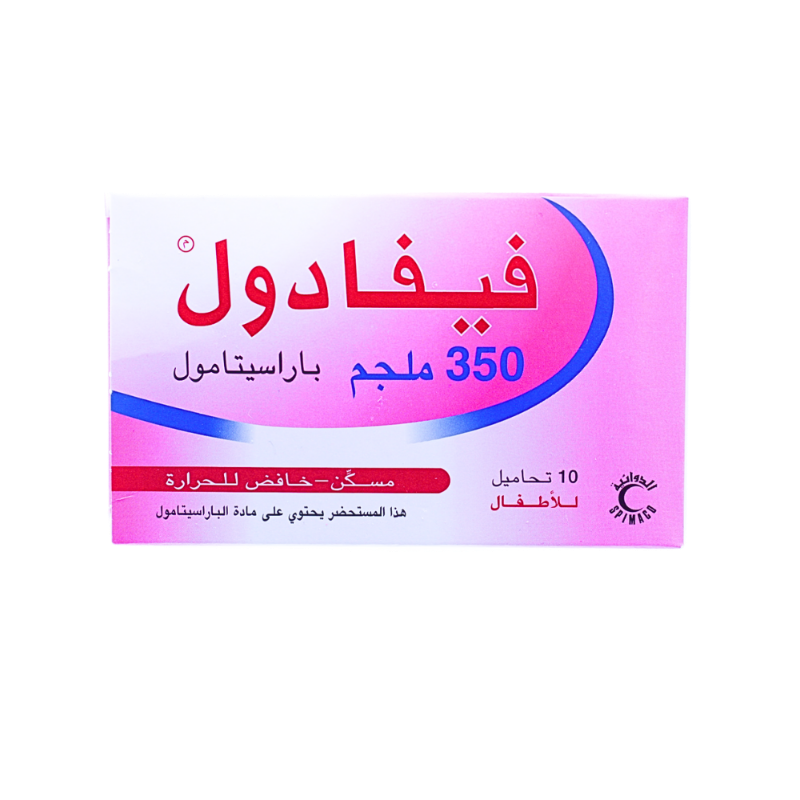
Medications > Painkillers and Antipyretics

Medications > Urology Medications
