
Use Code: ND30 And Get 30% OFF | Get Free Delivery With No Minimum Order
-1744229570.gif "Almujtama Pharmacy logo")
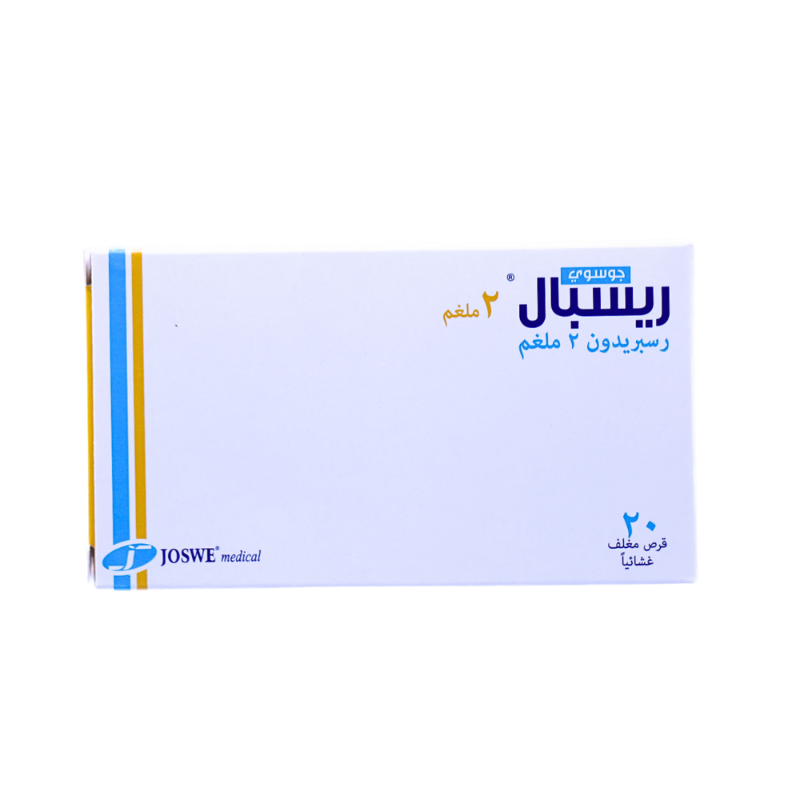




Frequently bought together
Vitamins & Supplements > Sleeping aid supplements
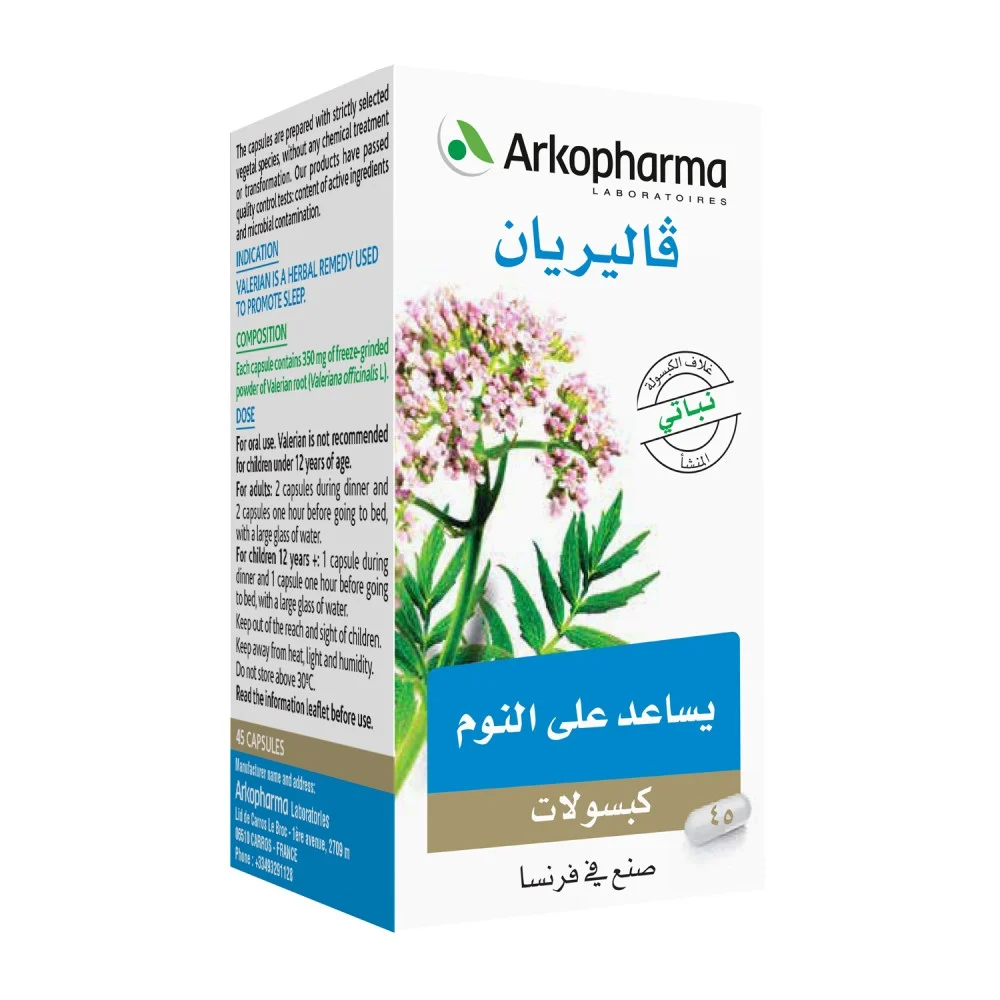
Vitamins & Supplements > Sleeping aid supplements
Vitamins & Supplements > Omega-3 Supplements
Vitamins & Supplements > Sleeping aid supplements
RESPAL 2MG 20CAP
- Sku : I-012140
Key features
Respal 2 mg Tablets are a prescription tablet containing risperidone 2 mg. It works by blocking dopamine D2 and serotonin 5-HT2A receptors, with additional effects on certain adrenergic and histamine receptors. It is used to treat schizophrenia, acute manic or mixed episodes of bipolar I disorder, and irritability associated with autistic disorder in children and adolescents. This product is available as 20 tablets per pack.- Brand: RESPAL
- Active Ingredient: RISPERIDONE 2mg
- Strength: 2mg
- Dosage Form: Tablet
- Pack Size: 20 Tablets
- Route: Oral use
- Prescription Status: Prescription
- Therapeutic Class: Psychiatric
- Pharmacological Group: Antipsychotics
- Drug Class: Second-generation (atypical) antipsychotic; benzisoxazole derivative.
- Manufacturer: Jordan Sweden Medical and Sterilization Co.
- Country of Origin: Jordan
- SFDA Registration No.: 1003257033
- Shelf Life: 36 months
- Storage: store below 30°c
- Psych Class: Antipsychotic-Atypical
- Controlled Substance: No
Frequently bought together
Vitamins & Supplements > Sleeping aid supplements
Vitamins & Supplements > Sleeping aid supplements
Vitamins & Supplements > Omega-3 Supplements
Vitamins & Supplements > Sleeping aid supplements
Indications
Approved Uses
Schizophrenia; Bipolar I disorder-acute manic or mixed episodes (monotherapy or adjunct to lithium/valproate); Irritability associated with autistic disorder (children/adolescents).
Off-Label Uses
Common off-label uses include Tourette syndrome/tic disorders, augmentation in treatment-resistant depression, and behavioral symptoms/agitation in dementia (not recommended routinely due to boxed warning and increased mortality risk); other uses (e.g., OCD augmentation, delirium) may be considered case-by-case.
Dosage & Administration
Dosing by Condition
Schizophrenia (adults): start ~2 mg/day (once daily or divided), titrate to usual target 4-6 mg/day (some patients 4-8 mg/day); avoid routine doses >8 mg/day due to higher EPS risk. Bipolar I acute mania/mixed (adults): start 2-3 mg/day, adjust by ~1 mg/day; usual range 1-6 mg/day. Autism-related irritability (pediatrics): weight-based low starting dose (e.g., 0.25 mg/day if <20 kg; 0.5 mg/day if ≥20 kg) with gradual titration; typical effective range ~0.5-3 mg/day.
Initial Dose
2mg once daily or in two divided doses for schizophrenia
Maintenance Dose
4-8mg/day for schizophrenia; 1-6mg/day for bipolar mania
Maximum Dose
16mg/day (schizophrenia); 6mg/day (bipolar mania)
Children's Dosage
Autism-related irritability (5-17 years): 0.25mg/day for <20kg, 0.5mg/day for ≥20kg; titrate after ≥4 days; max 3mg/day. Schizophrenia (13-17 years): 0.5mg/day initial, target 3mg/day, max 6mg/day. Bipolar mania (10-17 years): 0.5mg/day initial, target 2.5mg/day, max 6mg/day
Dose Adjustment Notes
Elderly and patients with renal or hepatic impairment: use lower starting doses and slower titration (commonly 0.5 mg twice daily initially, then increase cautiously). Strong CYP2D6 inhibitors (e.g., fluoxetine/paroxetine) can increase exposure-consider dose reduction; strong enzyme inducers (e.g., carbamazepine) can decrease exposure-may require dose increase with monitoring.
Side Effects
Common Side Effects
Somnolence/sedation, dizziness, extrapyramidal symptoms (parkinsonism, akathisia, dystonia, tremor), weight gain/increased appetite, hyperprolactinemia, gastrointestinal effects (nausea, constipation, dry mouth), fatigue; orthostatic hypotension can occur.
Safety & Warnings
Contraindications
Contraindication: known hypersensitivity to risperidone (and typically to paliperidone, its active metabolite) or excipients; dementia-related psychosis is not a contraindication but a boxed warning/not approved indication.
Warnings & Precautions
Warnings/precautions include: increased mortality in elderly with dementia-related psychosis and increased cerebrovascular event risk in that population; monitor for NMS and tardive dyskinesia; metabolic monitoring (weight, glucose, lipids); orthostatic hypotension and cardiovascular/QT-risk caution; seizure risk; hyperprolactinemia; caution in renal/hepatic impairment and in Parkinsonism/dementia with Lewy bodies.
Age Restriction
Not approved under 5 years; pediatric use is indication-specific (e.g., irritability associated with autistic disorder ages 5-16 years; schizophrenia ages 13-17; bipolar mania ages 10-17).
Driving Warning
May Cause Drowsiness
Drug Interactions
Drug Interactions
Key interactions: CNS depressants (additive sedation), antihypertensives (additive hypotension), CYP2D6 inhibitors (e.g., fluoxetine/paroxetine ↑ risperidone exposure), CYP3A4 inducers (e.g., carbamazepine/rifampin ↓ exposure), dopamine agonists/levodopa (pharmacodynamic antagonism), and caution with QT-prolonging drugs (additive QT risk).
Interaction Severity
MAJOR/clinically significant: strong CYP2D6 inhibitors (fluoxetine, paroxetine) ↑ risperidone exposure; strong enzyme inducers (carbamazepine, phenytoin, rifampin) ↓ exposure; additive QT-risk with other QT-prolonging drugs in at-risk patients; additive CNS depression/psychomotor impairment with alcohol/benzodiazepines/opioids. MODERATE: antihypertensives (additive hypotension); dopamine agonists/levodopa (pharmacodynamic antagonism).
Food Interaction
No restriction
Special Populations
Pregnancy
Category C
Children
Autism-related irritability (5-17 years): 0.25mg/day for <20kg, 0.5mg/day for ≥20kg; titrate after ≥4 days; max 3mg/day. Schizophrenia (13-17 years): 0.5mg/day initial, target 3mg/day, max 6mg/day. Bipolar mania (10-17 years): 0.5mg/day initial, target 2.5mg/day, max 6mg/day
Elderly
Start at 0.5mg twice daily; increase by 0.5mg twice daily increments; target 1-2mg twice daily. Monitor for orthostatic hypotension, sedation, and extrapyramidal symptoms. Avoid use in dementia-related psychosis.
Liver Impairment
Hepatic impairment: start 0.5 mg twice daily and titrate slowly/cautiously (applies to moderate-severe impairment; use caution).
Storage & Patient Advice
Patient Counseling
Take exactly as prescribed; do not stop abruptly without medical advice. Drowsiness/dizziness may occur-avoid driving until effects are known and avoid alcohol. Rise slowly to reduce orthostatic dizziness. Report abnormal involuntary movements, severe stiffness, fever/confusion (possible NMS), or symptoms of high blood sugar/rapid weight gain. Keep follow-up appointments for weight and metabolic monitoring; discuss pregnancy/breastfeeding plans with the prescriber.
Monitoring Requirements
Baseline and periodic: weight/BMI (± waist circumference), blood pressure (including orthostatic if symptomatic), fasting glucose or HbA1c, lipid profile; assess EPS/tardive dyskinesia and clinical response; consider prolactin if symptomatic; consider ECG in patients with cardiac disease, electrolyte abnormalities, or concomitant QT-prolonging drugs.
Pharmacology
Mechanism of Action
Antagonism of dopamine D2 and serotonin 5‑HT2A receptors; also blocks α1-adrenergic and H1 receptors (and other serotonergic/adrenergic sites), contributing to efficacy and adverse effects.
Duration of Effect
Clinical effect per dose is typically about 24 hours (supports once-daily dosing in many patients; some may require twice-daily dosing depending on response/tolerability).
Half-Life
Risperidone t½: ~3 hours in extensive metabolizers and ~20 hours in poor CYP2D6 metabolizers; 9-hydroxyrisperidone t½: ~21 hours; active moiety (risperidone + 9-hydroxyrisperidone) effective t½ is ~20-24 hours.
Bioavailability
Approximately 70% oral bioavailability.
Metabolism
Hepatic metabolism primarily via CYP2D6 to the active metabolite 9-hydroxyrisperidone (paliperidone), with minor contribution from CYP3A4.
Protein Binding
Risperidone ~88-90% protein bound; 9-hydroxyrisperidone ~77% protein bound.
Product Information
Available Dosage Forms
For RESPAL 2 mg (SFDA 1003257033): Oral tablet (blister pack). For risperidone generally: tablets, orally disintegrating tablets, oral solution, and long-acting injectable formulations exist in some markets.
Composition per Dose
Each tablet: 2mg risperidone
OTC Alternatives
No OTC alternative
Psych Class
Antipsychotic-Atypical
Controlled Substance
No
Reviewed by Al Mujtama Pharmacy Medical Review Team. Last reviewed 17-06-2026
Similar Products
Medications > Gastrointestinal Medications
Medications > Sexual Health
Medications > Dermatology Medications
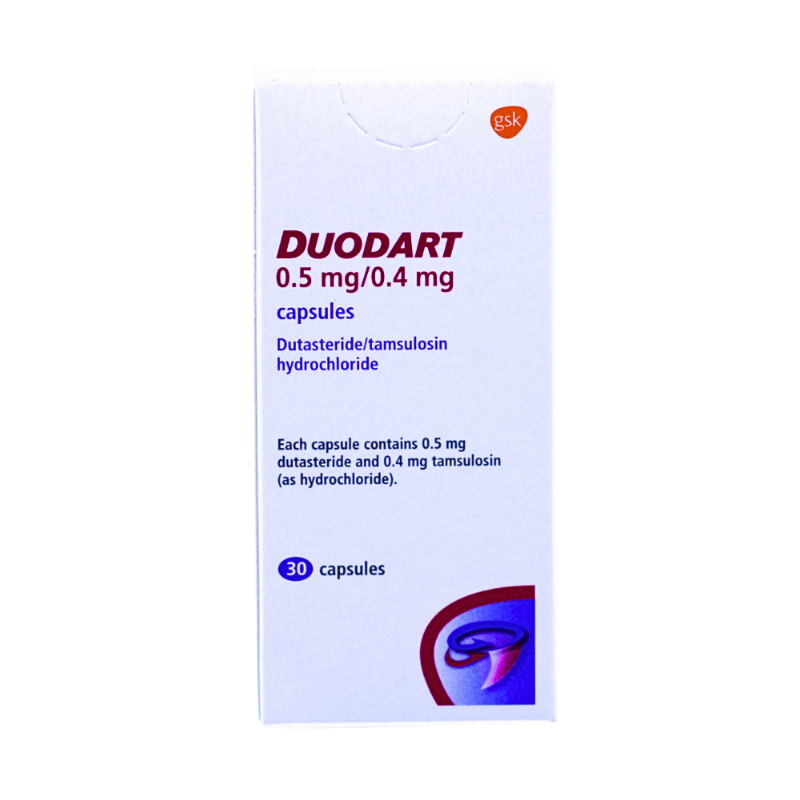
Medications > Urology Medications
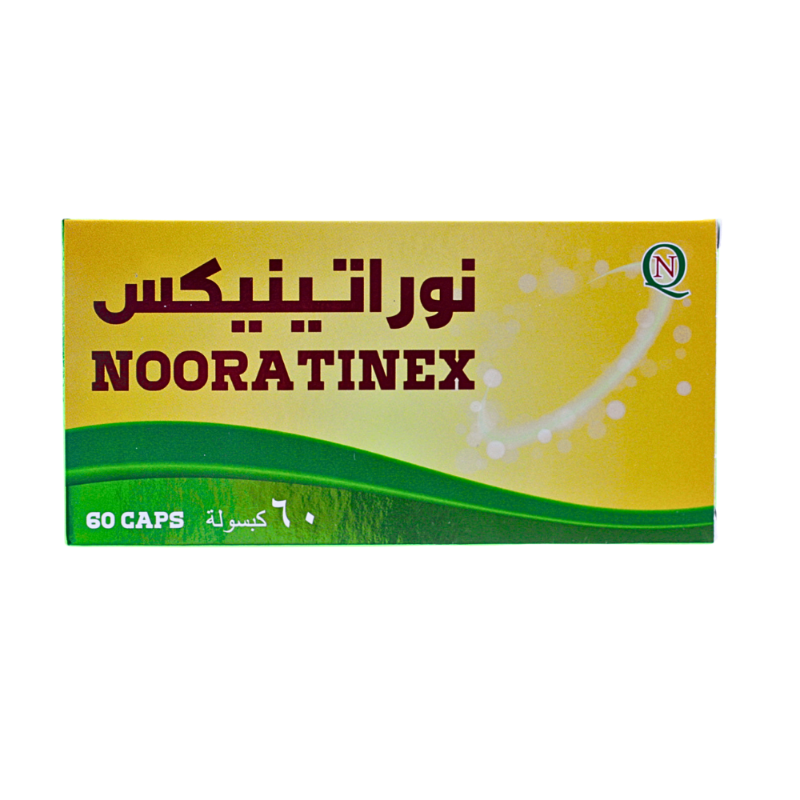
Medications > Urology Medications
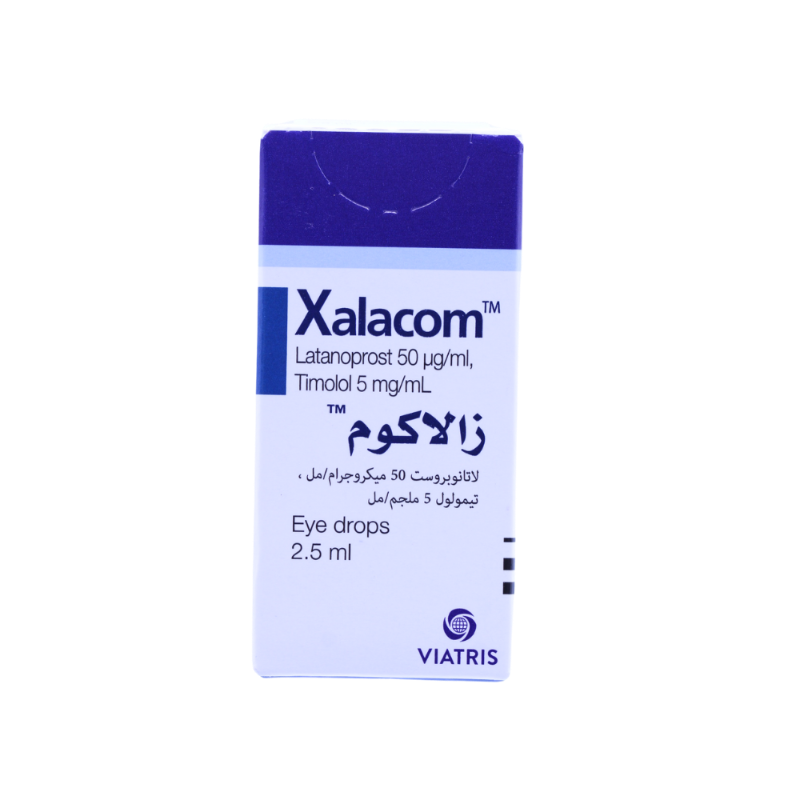
Medications > Eye and Ear Medications
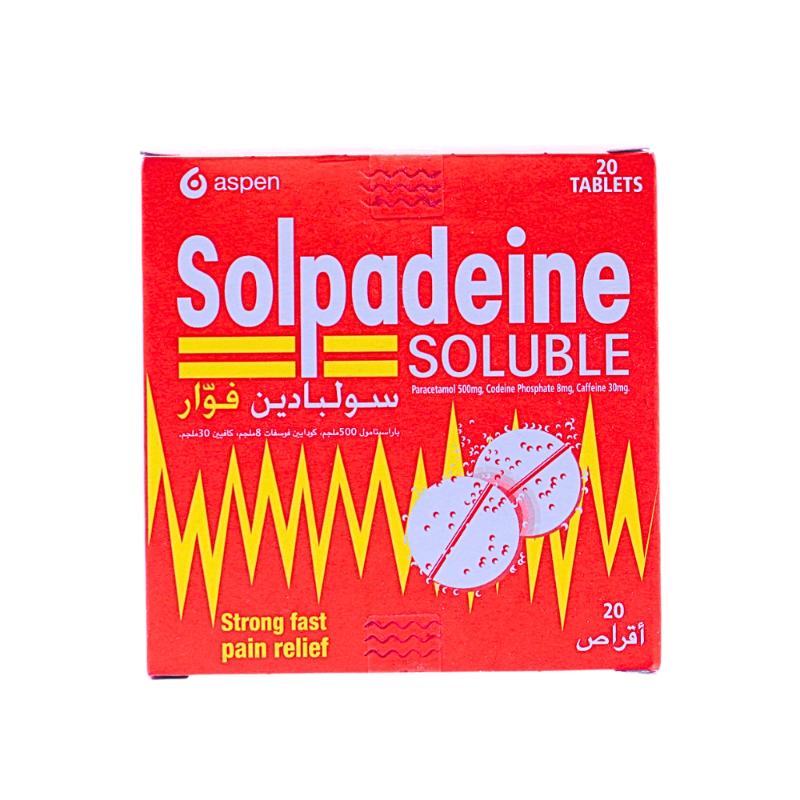
Medications > Painkillers and Antipyretics
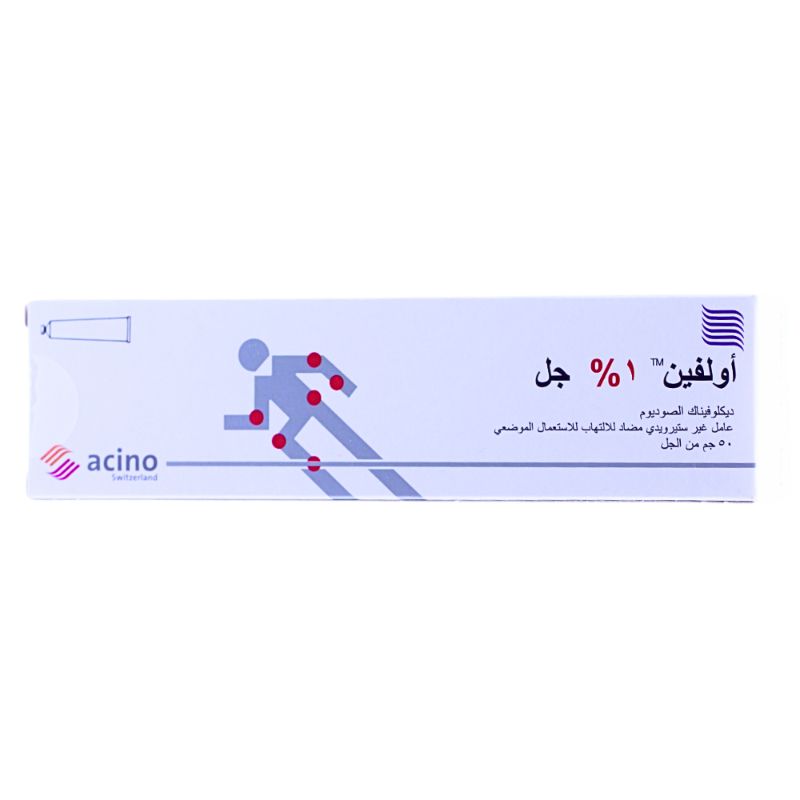
Medications > Painkillers and Antipyretics
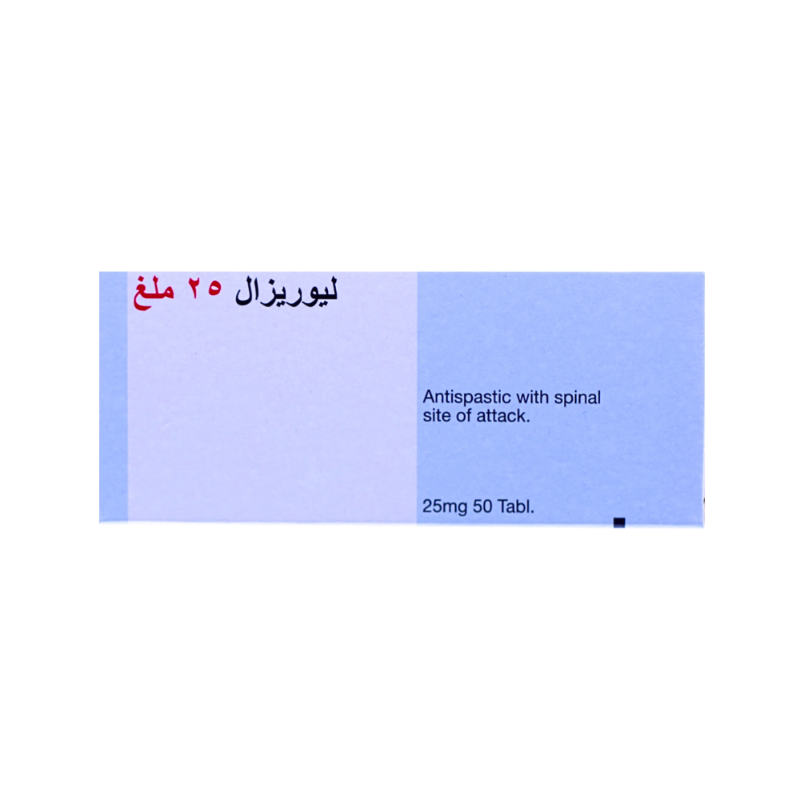
Medications > Painkillers and Antipyretics
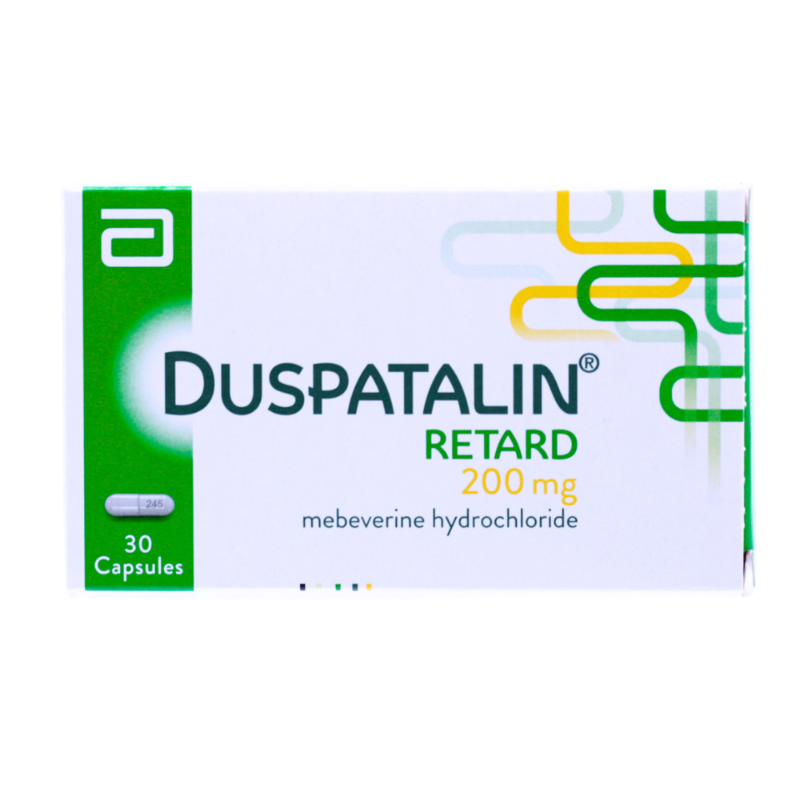
Medications > Gastrointestinal Medications
