
Use Code: ND30 And Get 30% OFF | Get Free Delivery With No Minimum Order
-1744229570.gif "Almujtama Pharmacy logo")




Frequently bought together
Health Care & Wellness > Medical Supplies
Health Care & Wellness > Medical Supplies
Skin And Body Care > Moisturizers
Skin And Body Care > Moisturizers
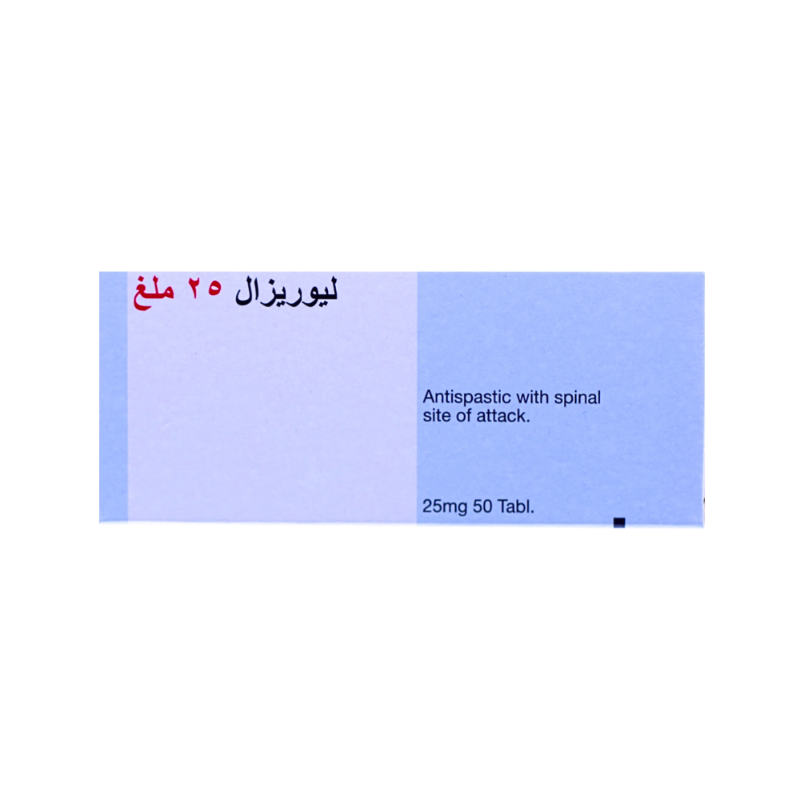
LIORESAL 25/MG TAB 50/TAB
- Sku : I-003607
Key features
LIORESAL 25 mg tablets contain the active ingredient baclofen. It is a GABA-B receptor agonist that inhibits mono- and polysynaptic spinal reflexes, reducing the release of excitatory neurotransmitters to relieve muscle spasticity. It is used to treat spasticity associated with multiple sclerosis, spinal cord injuries and disorders, and, in some regions, cerebral palsy. Available by prescription as 25 mg tablets in packs of 50.- Brand: LIORESAL
- Active Ingredient: BACLOFEN
- Strength: 25mg
- Dosage Form: Tablet
- Pack Size: 50 Tablets
- Route: Oral use
- Prescription Status: Prescription
- Therapeutic Class: Musculoskeletal
- Pharmacological Group: Muscle Relaxants
- Drug Class: Centrally acting skeletal muscle relaxant/antispastic agent; GABA-B receptor agonist (ATC M03BX01).
- Manufacturer: Siegfried Barbera, S.L
- Country of Origin: Spain
- SFDA Registration No.: 3107245707
- Shelf Life: 48 months
- Storage: store below 25°c
- Pain Type: Muscular
- Nsaid: No
- Opioid: No
Frequently bought together
Health Care & Wellness > Medical Supplies
Health Care & Wellness > Medical Supplies
Skin And Body Care > Moisturizers
Skin And Body Care > Moisturizers
Indications
Approved Uses
Spasticity resulting from multiple sclerosis, spinal cord injuries, spinal cord diseases, cerebral palsy (in some regions)
Dosage & Administration
Dosing by Condition
Spasticity (adults, oral): start 5 mg three times daily; increase by 5 mg per dose every ~3 days as tolerated; usual maintenance 40-80 mg/day in divided doses; typical maximum 80 mg/day (20 mg four times daily).
Initial Dose
5mg three times daily (15mg/day), titrated upward every 3 days
Maintenance Dose
40-80 mg/day in divided doses
Maximum Dose
80 mg per day (maximum recommended dose); doses above 80 mg/day are not recommended in standard prescribing information
Dose Adjustment Notes
Titrate gradually to effect and tolerability (often every ~3 days); use lower doses/caution in renal impairment and in older adults; avoid abrupt discontinuation-taper gradually.
How to Take
Oral tablet: swallow with water; may be taken with or without food (taking with food/milk can reduce GI upset); doses are typically given in divided doses 3-4 times daily as prescribed.
Side Effects
Common Side Effects
Common: drowsiness/somnolence, dizziness, weakness/fatigue, nausea; may also cause confusion and constipation (and other anticholinergic-like GI effects) in some patients.
Side Effect Frequency
Very common (≥10%): somnolence/drowsiness, dizziness, weakness/fatigue. Common (1-10%): headache, nausea, hypotension, confusion, constipation, dry mouth.
Safety & Warnings
Contraindications
Contraindication: hypersensitivity to baclofen (or excipients).
Warnings & Precautions
Do not stop abruptly (taper to avoid severe withdrawal); caution in renal impairment/elderly, epilepsy/seizure disorders, psychiatric illness, respiratory insufficiency/sleep apnea risk, and with other CNS depressants; may impair driving/operating machinery due to sedation/dizziness.
Age Restriction
Oral baclofen: pediatric use is established for spasticity; commonly referenced labeling supports use in children ≥12 years, while use <12 years is not well established and should be specialist-directed (no absolute SFDA age limit provided in the verified data).
Driving Warning
Avoid Driving
Drug Interactions
Drug Interactions
Clinically important interactions: additive CNS depression with alcohol and other CNS depressants (e.g., opioids, benzodiazepines); enhanced hypotension with antihypertensives; increased sedation/hypotonia reported with tricyclic antidepressants; neuropsychiatric effects reported with levodopa/carbidopa; caution with lithium (neurotoxicity/hyperkinesia reported).
Interaction Severity
Major/clinically significant: additive CNS/respiratory depression with alcohol, opioids, benzodiazepines, and other sedatives/hypnotics; caution with other CNS depressants. Additional clinically relevant interactions include enhanced hypotension with antihypertensives and increased neuropsychiatric effects with levodopa/dopaminergics (reported).
Food Interaction
No clinically significant food restriction; may take with food or milk to reduce gastrointestinal upset.
Alcohol Interaction
Dangerous
Special Populations
Pregnancy
C
Kidney Impairment
Yes-reduce dose and titrate cautiously in renal impairment; avoid or use very low doses with close monitoring in severe CKD/ESRD, and baclofen is dialyzable (no single universally accepted CrCl-based regimen).
Liver Impairment
No specific adjustment required; use with caution in severe hepatic impairment
Storage & Patient Advice
Stopping the Medicine
Do not stop abruptly - taper dose gradually over 1 to 2 weeks to avoid withdrawal symptoms like seizures and hallucinations.
Overdose
Overdose may cause profound CNS/respiratory depression (somnolence to coma), hypotonia, hyporeflexia, bradycardia/hypotension, seizures, and respiratory failure; management is supportive (airway/ventilation, hemodynamic support), consider activated charcoal if early, and hemodialysis can enhance elimination in severe toxicity/renal impairment.
Patient Counseling
May cause drowsiness/dizziness-avoid driving/machinery until effects are known; avoid alcohol and other sedatives; take as prescribed in divided doses and titrate gradually; do not stop suddenly-taper to avoid withdrawal (e.g., agitation, hallucinations, seizures); may take with food/milk if stomach upset occurs; rise slowly to reduce dizziness/fall risk.
Monitoring Requirements
Monitor clinical response (spasticity, function) and CNS adverse effects (sedation, confusion, falls); monitor renal function and watch for toxicity in renal impairment; monitor for withdrawal symptoms if dose is reduced/stopped.
Pharmacology
Mechanism of Action
Acts as a GABA-B receptor agonist, inhibiting mono- and polysynaptic reflexes at the spinal cord level, which reduces the release of excitatory neurotransmitters and relieves muscle spasticity.
Half-Life
Approximately 2-6 hours (typical ~3-4 hours in normal renal function).
Bioavailability
Approximately 70%-85% (oral).
Metabolism
Minimal hepatic metabolism (about ~15%); most of the dose is excreted unchanged.
Excretion
Primarily renal: ~70-85% excreted unchanged in urine; remainder as metabolites with a small fecal component.
Protein Binding
Low protein binding: ~30%.
Product Information
Available Dosage Forms
For this SFDA product: oral tablet only (25 mg). Baclofen is also available in some markets as intrathecal solution/kit (for pump use); other oral forms (solution/granules) are market-dependent and not supported by the verified SFDA record for LIORESAL 25 mg tablets.
Composition per Dose
Each tablet: 25mg baclofen
Generic Availability
Yes
Pain Type
Muscular
Nsaid
No
Opioid
No
Reviewed by Al Mujtama Pharmacy Medical Review Team. Last reviewed 01-06-2026
Similar Products
Medications > Dermatology Medications
Medications > Urology Medications
Medications > Dermatology Medications
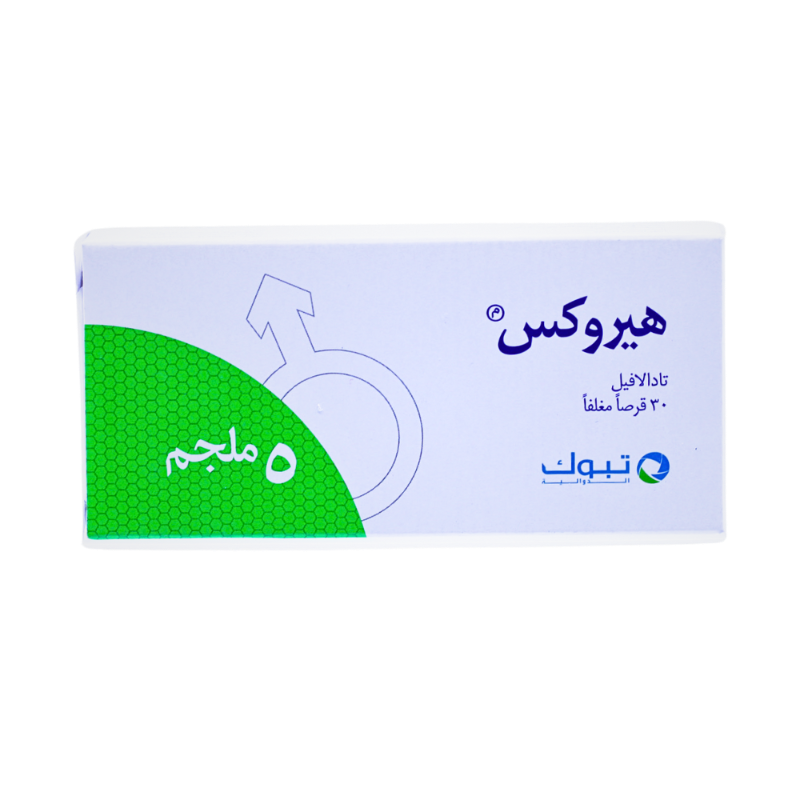
Medications > Sexual Health
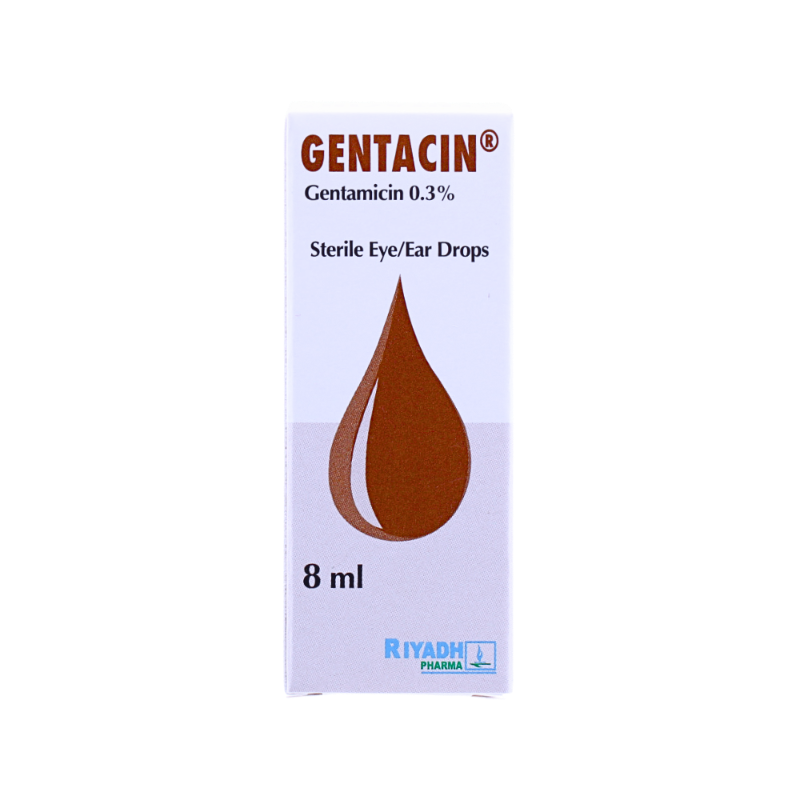
Medications > Eye and Ear Medications

Medications > Painkillers and Antipyretics
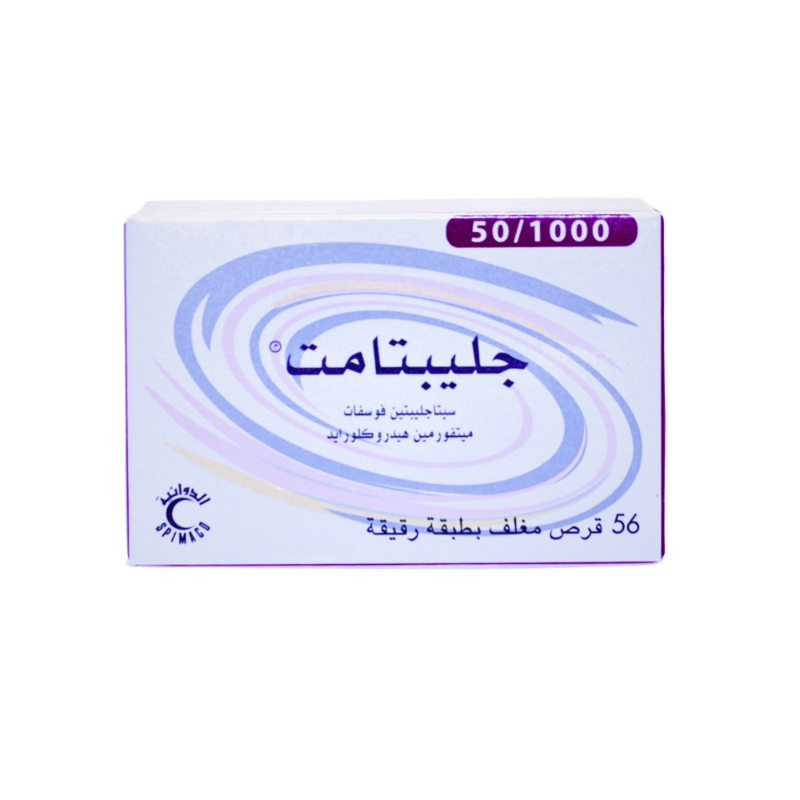
Medications > Diabetes Medications
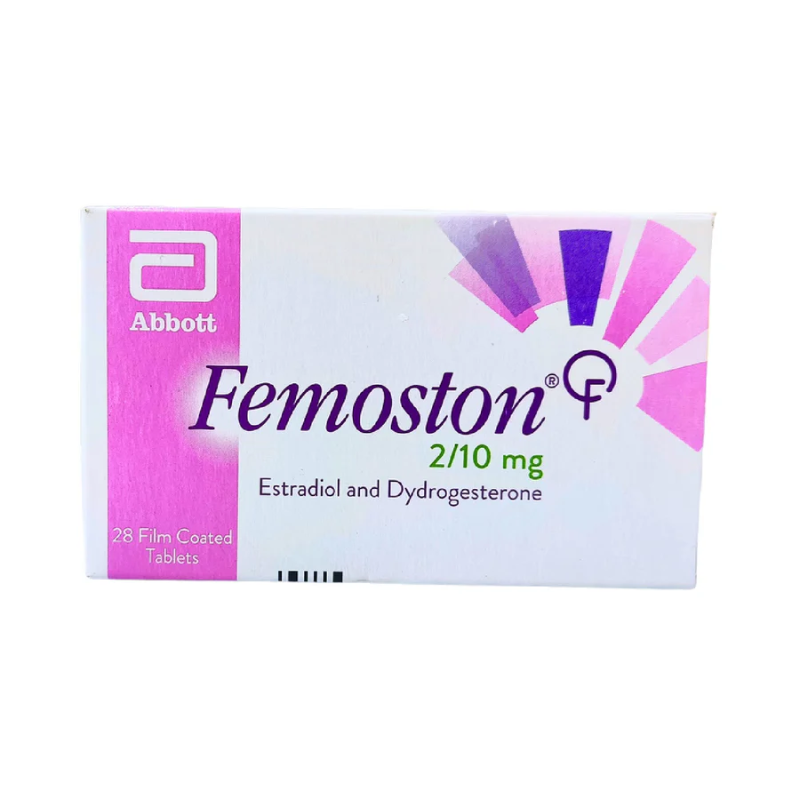
Medications > Contraceptives and Hormonal Medications
Medications > Other Medicines
Medications > Eye and Ear Medications
