
Use Code: ND30 And Get 30% OFF | Get Free Delivery With No Minimum Order
-1744229570.gif "Almujtama Pharmacy logo")
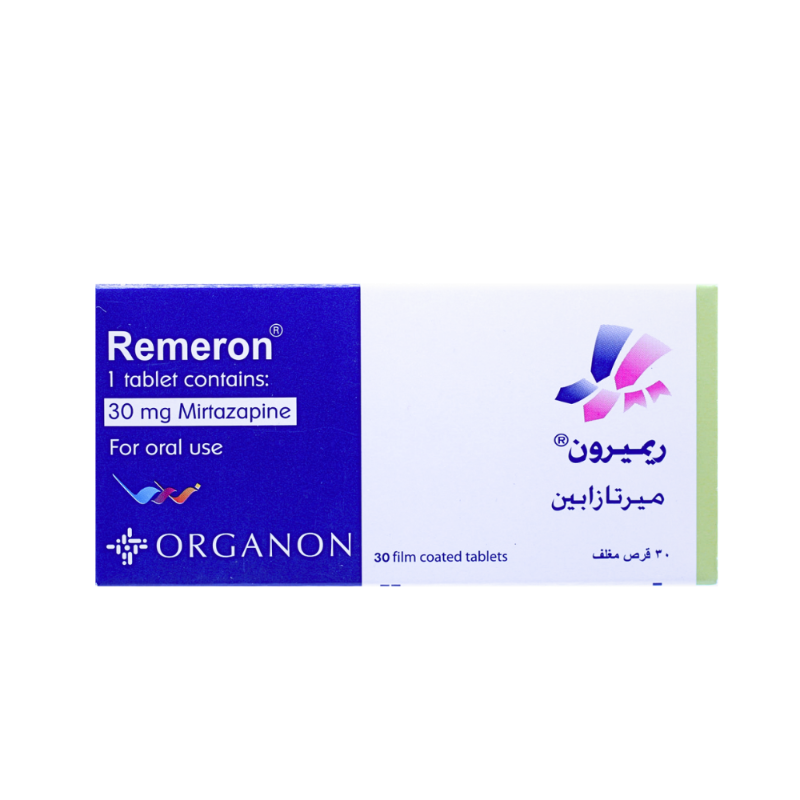




Frequently bought together
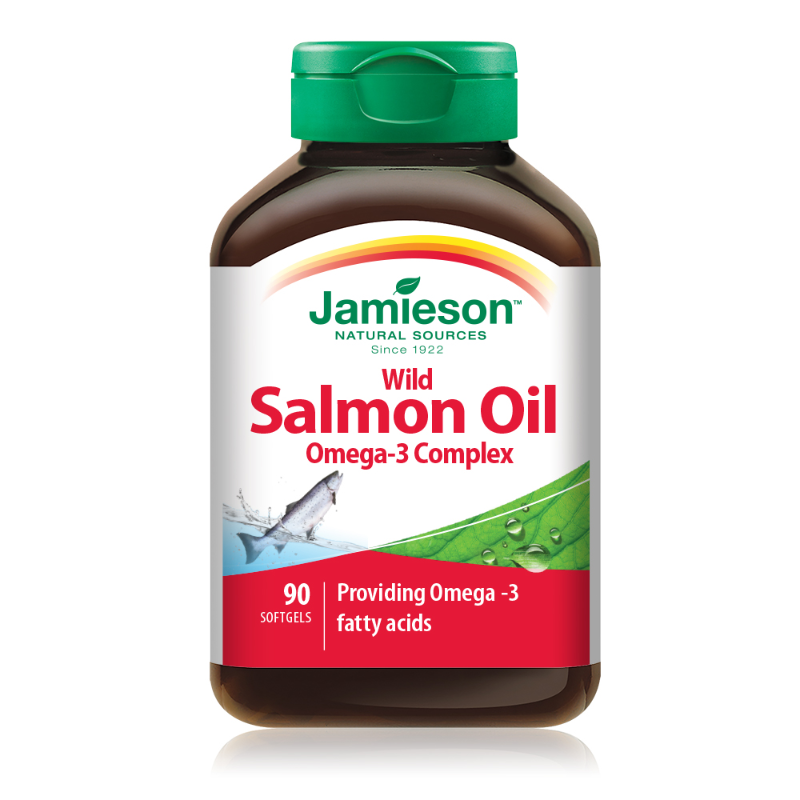
Vitamins & Supplements > Omega-3 Supplements
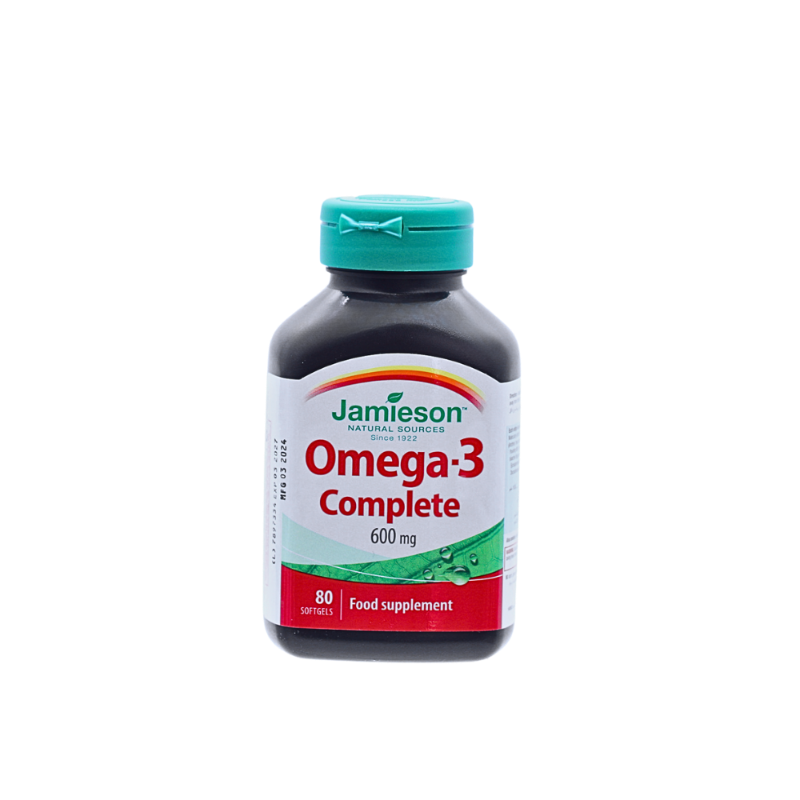
Vitamins & Supplements > Omega-3 Supplements
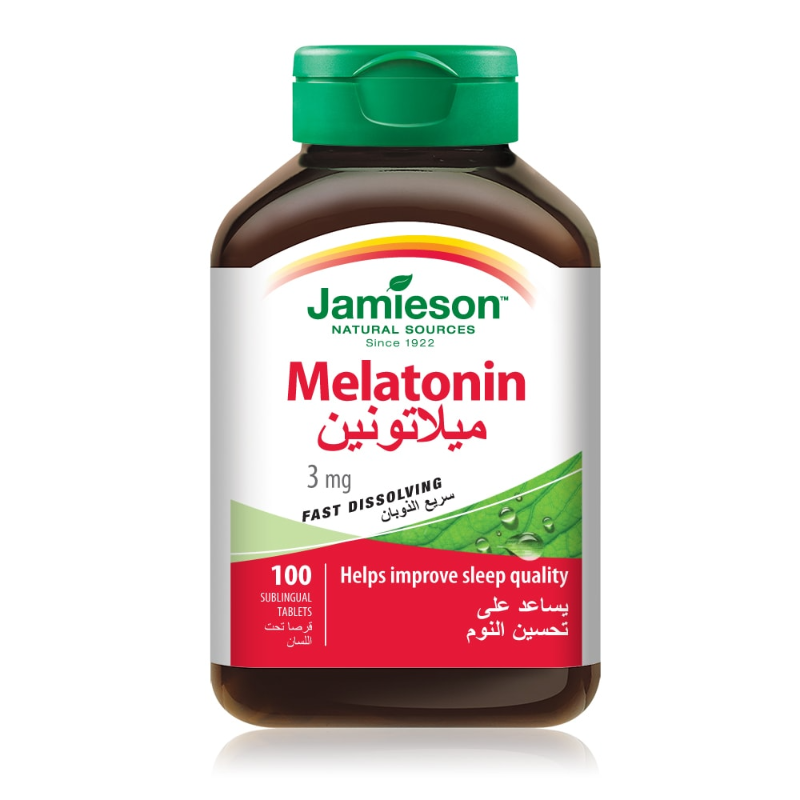
Vitamins & Supplements > Sleeping aid supplements
Vitamins & Supplements > Sleeping aid supplements
Vitamins & Supplements > Omega-3 Supplements
Vitamins & Supplements > Sleeping aid supplements
REMERON 30/MG 30/FC TAB
- Sku : I-005462
Key features
REMERON 30mg Film-coated Tablets contain mirtazapine 30mg, a prescription antidepressant in tablet form. It works as a noradrenergic and specific serotonergic antidepressant by increasing norepinephrine and serotonin activity in the brain while selectively blocking certain serotonin and histamine receptors. It is used for the treatment of major depressive disorder (MDD). This pack contains 30 film-coated tablets.- Brand: REMERON
- Active Ingredient: MIRTAZAPINE 30mg
- Strength: 30mg
- Dosage Form: Film-coated tablet
- Pack Size: 30 Tablets
- Route: Oral use
- Prescription Status: Prescription
- Therapeutic Class: Psychiatric
- Pharmacological Group: Other Antidepressants
- Drug Class: Noradrenergic and Specific Serotonergic Antidepressant (NaSSA)
- Manufacturer: Organon Pharma (UK) Limited
- Country of Origin: United Kingdom
- SFDA Registration No.: 1612200342
- Shelf Life: 36 months
- Storage: store below 30°c
- Psych Class: Antidepressant-Other (NaSSA)
- Controlled Substance: No
Frequently bought together
Vitamins & Supplements > Omega-3 Supplements
Vitamins & Supplements > Omega-3 Supplements
Vitamins & Supplements > Sleeping aid supplements
Vitamins & Supplements > Sleeping aid supplements
Vitamins & Supplements > Omega-3 Supplements
Vitamins & Supplements > Sleeping aid supplements
Indications
Approved Uses
Major depressive disorder (MDD)
Off-Label Uses
Common off-label uses include insomnia (particularly with comorbid depression/anxiety), anxiety disorders (e.g., GAD, panic disorder, PTSD, social anxiety), and appetite/weight stimulation in selected patients (e.g., cancer/HIV-related anorexia/cachexia).
Dosage & Administration
Dosing by Condition
Major Depressive Disorder: Initial 15mg daily at bedtime, titrate up every 1-2 weeks based on response to a usual maintenance dose of 15-45mg daily. Maximum dose is 45mg daily.
Initial Dose
15mg once daily at bedtime.
Maintenance Dose
15-45mg once daily at bedtime
Maximum Dose
45mg per day.
Children's Dosage
Not approved for children or adolescents under 18 years
Dose Adjustment Notes
Titrate based on response/tolerability, generally no more frequently than every 1-2 weeks; consider lower starting dose and/or slower titration in elderly and in renal or hepatic impairment (especially moderate-severe).
How to Take
Oral film‑coated tablet: take once daily, preferably at bedtime; swallow whole with water; may be taken with or without food.
Side Effects
Common Side Effects
Somnolence/drowsiness, increased appetite, weight gain, dry mouth, constipation, dizziness, fatigue/asthenia; metabolic changes such as increased cholesterol/triglycerides can occur.
Side Effect Frequency
Very common (≥10%): somnolence/drowsiness, dry mouth, increased appetite, weight gain, constipation. Common (1-10%): dizziness, headache, fatigue/asthenia, peripheral edema, abnormal dreams, confusion, tremor, nausea. Rare/serious: neutropenia/agranulocytosis, serotonin syndrome (esp. with serotonergic/MAOI exposure), hyponatremia/SIADH, seizures, mania/hypomania, QT prolongation (risk-dependent), hepatic injury.
Safety & Warnings
Contraindications
Contraindicated with: (1) hypersensitivity to mirtazapine; (2) concomitant use with MAOIs or within 14 days of stopping an MAOI (and vice versa); (3) concomitant use with linezolid or intravenous methylene blue (or require washout/close monitoring due to serotonin syndrome risk).
Warnings & Precautions
Key warnings/precautions: monitor for clinical worsening and suicidality (especially ≤24 years); avoid MAOIs/linezolid/IV methylene blue (serotonin syndrome); monitor for infection signs due to severe neutropenia/agranulocytosis; risk of serotonin syndrome with serotonergic drugs; activation of mania/hypomania; seizure risk; angle-closure glaucoma; hyponatremia (esp. elderly/diuretics); sedation/impairment (avoid alcohol/CNS depressants); caution in cardiovascular disease/QT risk; taper to discontinue.
Age Restriction
Not approved for use in pediatric patients (<18 years); safety and effectiveness have not been established.
Driving Warning
Avoid Driving
Drug Interactions
Drug Interactions
Major interactions include: MAOIs (including linezolid and IV methylene blue) (serotonin syndrome), other serotonergic drugs (serotonin syndrome), CNS depressants/benzodiazepines and alcohol (additive sedation), CYP3A4 inhibitors (↑ mirtazapine), CYP3A4 inducers (↓ mirtazapine), strong CYP1A2/2D6 inhibition (e.g., fluvoxamine) (↑ mirtazapine), cimetidine (↑ mirtazapine), and warfarin (monitor INR).
Interaction Severity
MAJOR/contraindicated: MAOIs (including linezolid and IV methylene blue) due to risk of serotonin syndrome; avoid concomitant use and observe appropriate washout. MODERATE: other CNS depressants (including alcohol, benzodiazepines) due to additive sedation; strong CYP3A4 inducers (e.g., carbamazepine, rifampin) may decrease effect; strong CYP inhibitors (e.g., ketoconazole; fluvoxamine can markedly increase exposure) may increase levels; warfarin-monitor INR. MINOR/other: cimetidine may increase mirtazapine exposure; additive hypotension with antihypertensives may occur.
Food Interaction
No restriction.
Alcohol Interaction
Avoid
Special Populations
Pregnancy
Category C
Breastfeeding
Caution
Children
Not approved for children or adolescents under 18 years
Elderly
Start at 7.5-15mg once daily at bedtime; titrate slowly with careful monitoring for sedation, orthostatic hypotension, and hyponatremia; standard maximum dose applies but lower doses may be effective
Kidney Impairment
Renal impairment: use with caution; consider lower starting dose and slower titration particularly when CrCl <40 mL/min, and use extra caution in severe impairment (e.g., <10 mL/min).
Liver Impairment
Hepatic impairment: use with caution; consider a lower starting dose and slower titration (often ~50% lower in moderate-severe impairment) based on clinical response and tolerability.
Storage & Patient Advice
Stopping the Medicine
Do not stop abruptly; taper gradually (typically over several weeks) to minimize discontinuation symptoms.
Overdose
Overdose commonly causes CNS depression (drowsiness/sedation, disorientation), tachycardia and blood pressure changes; severe toxicity is uncommon but can include seizures and QT prolongation/arrhythmias-management is supportive with airway/ventilation as needed, activated charcoal if appropriate, and cardiac/vital sign monitoring; seek emergency care.
Patient Counseling
Take once daily at bedtime due to drowsiness; avoid driving/operating machinery until effects are known; avoid alcohol and other sedatives unless advised; do not stop abruptly-taper with prescriber; improvement may take several weeks; seek urgent help for suicidal thoughts/behavior changes; report fever/sore throat/mouth ulcers (possible neutropenia); expect possible increased appetite/weight gain and consider diet/exercise; inform clinicians about all medicines, especially MAOIs/linezolid/methylene blue and other antidepressants.
Monitoring Requirements
Monitor clinical response and worsening depression/suicidality (especially early and after dose changes); monitor weight/BMI and appetite; consider lipid profile periodically; obtain CBC if signs of infection (e.g., fever, sore throat) occur; consider serum sodium in elderly or those at hyponatremia risk; monitor for mania/hypomania in bipolar risk.
Pharmacology
Mechanism of Action
Noradrenergic and specific serotonergic antidepressant (NaSSA): antagonizes central presynaptic α2 autoreceptors/heteroreceptors increasing norepinephrine and serotonin release; antagonizes 5‑HT2 and 5‑HT3 receptors (shifting signaling toward 5‑HT1A); also blocks H1 receptors (sedation/weight gain).
Onset of Action
Sedation may occur within hours after the first dose; antidepressant effect typically begins within 1-2 weeks (full effect 4-6 weeks).
Duration of Effect
Sedative effects may last ~8-12 hours; antidepressant effect persists with continued once-daily dosing (therapeutic effect maintained over 24 hours between doses; full clinical benefit may take 4-6 weeks).
Half-Life
20-40 hours.
Bioavailability
Approximately 50%.
Metabolism
Extensive hepatic metabolism primarily via CYP3A4 with contributions from CYP2D6 and CYP1A2; metabolites include desmethylmirtazapine and mirtazapine N‑oxide (among others).
Excretion
Renal (75%) and fecal (15%).
Protein Binding
Approximately 85%.
Product Information
Available Dosage Forms
For this product: film‑coated tablet (oral). Other marketed mirtazapine forms may include orally disintegrating tablets (ODT/SolTab) depending on country/brand, but they are not this SFDA-registered product.
Composition per Dose
Each film-coated tablet: 30mg mirtazapine
Generic Availability
Yes
OTC Alternatives
No OTC alternative
Psych Class
Antidepressant-Other (NaSSA)
Controlled Substance
No
Reviewed by Al Mujtama Pharmacy Medical Review Team. Last reviewed 29-08-2026
Similar Products
Medications > Diabetes Medications
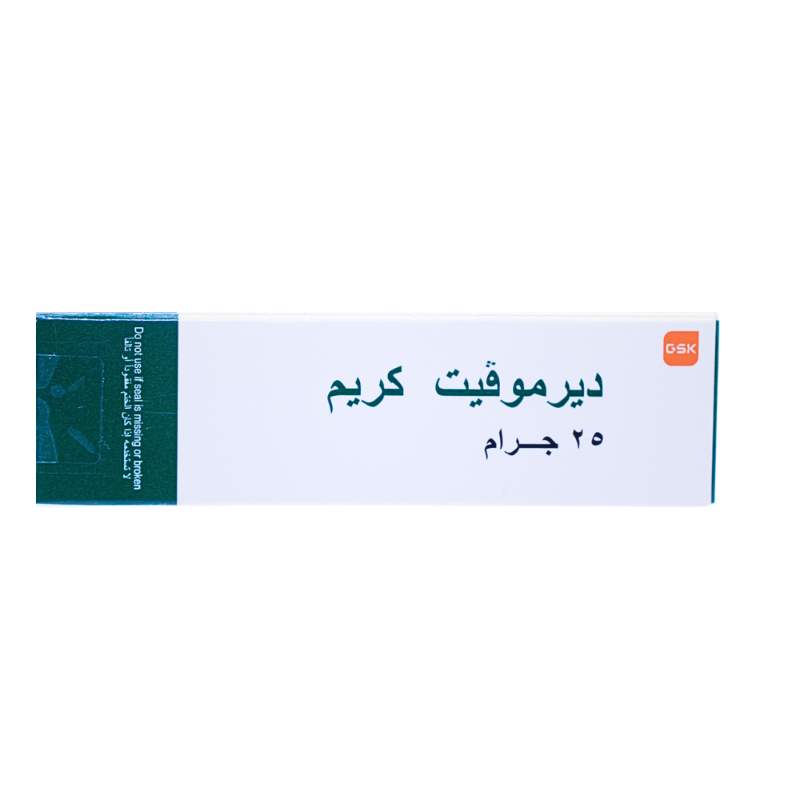
Medications > Dermatology Medications
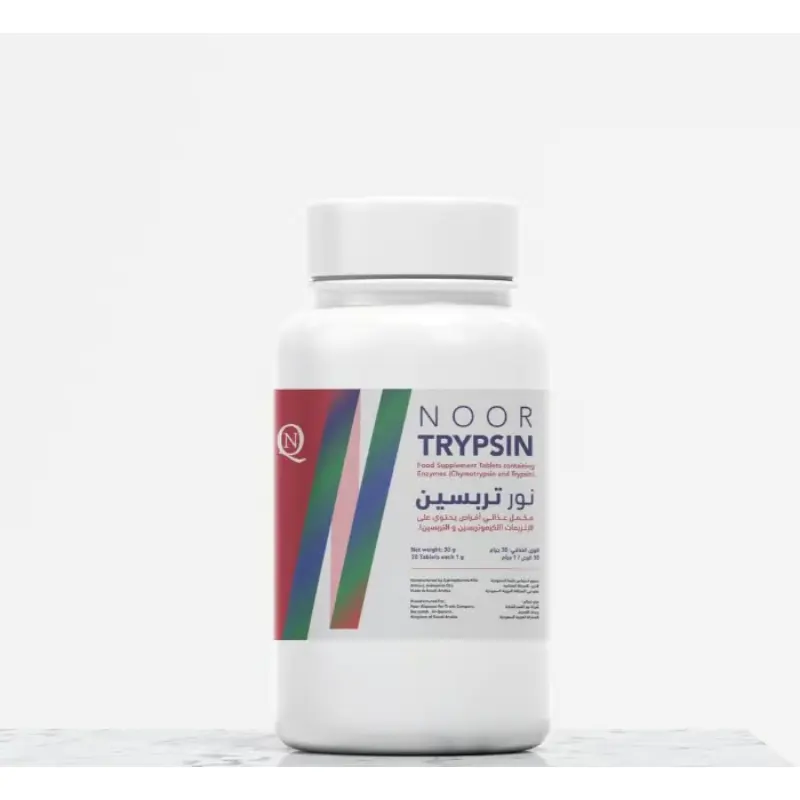
Medications > Painkillers and Antipyretics
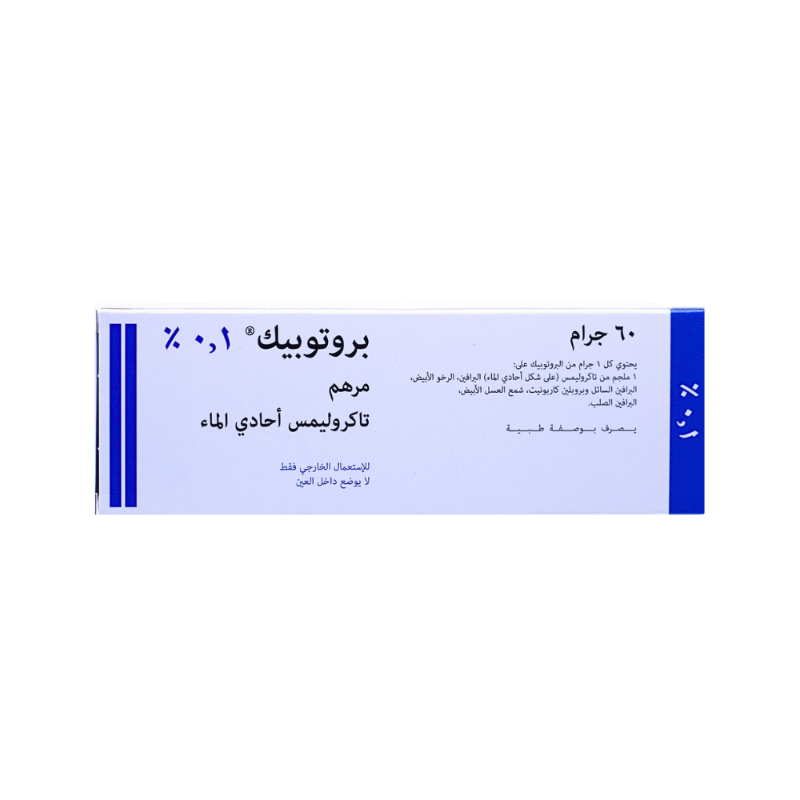
Medications > Dermatology Medications
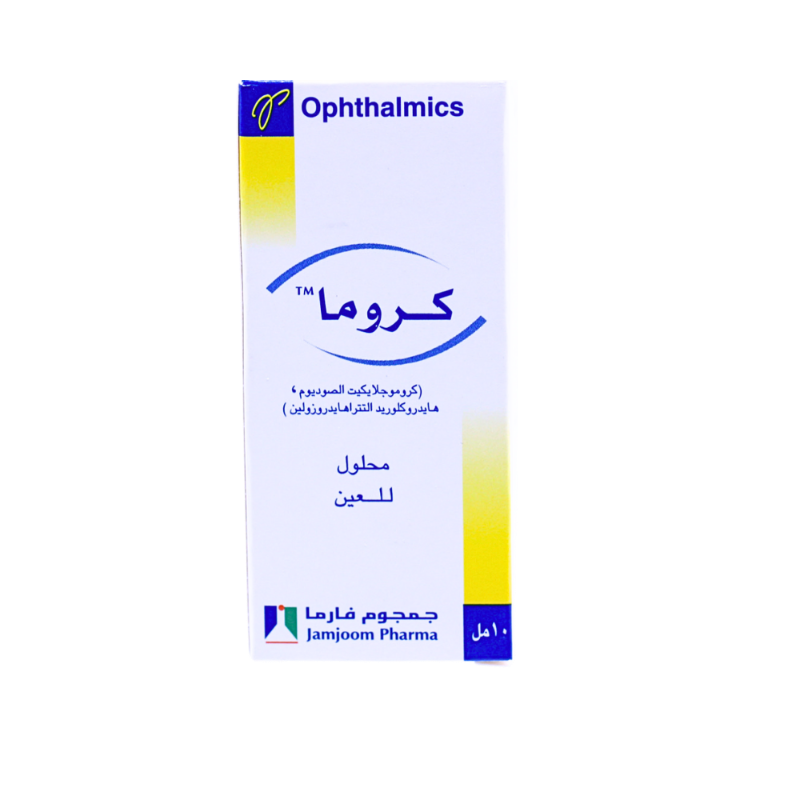
Medications > Eye and Ear Medications
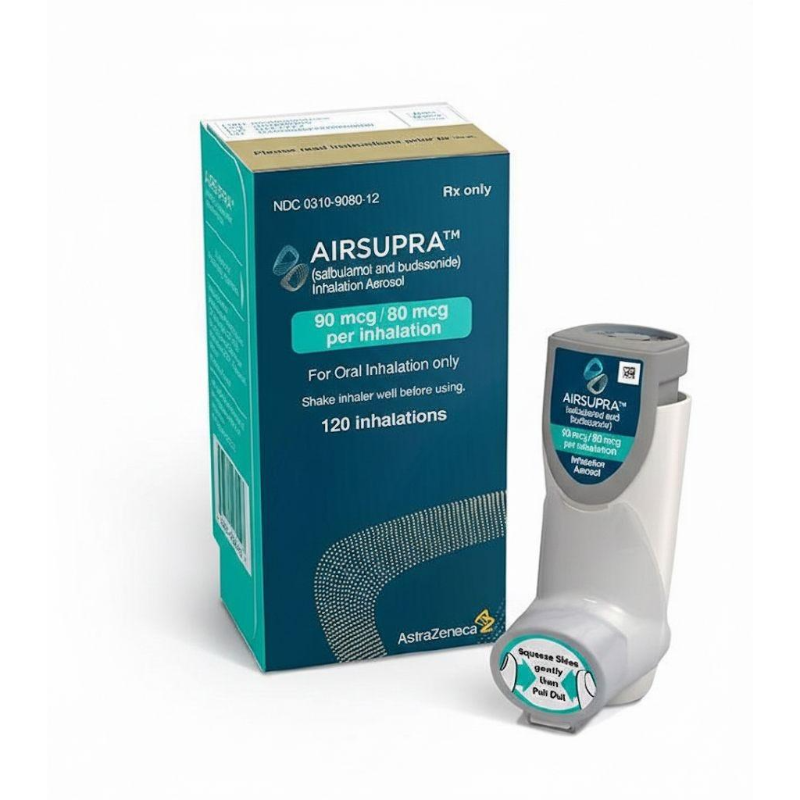
Medications > Other Medicines
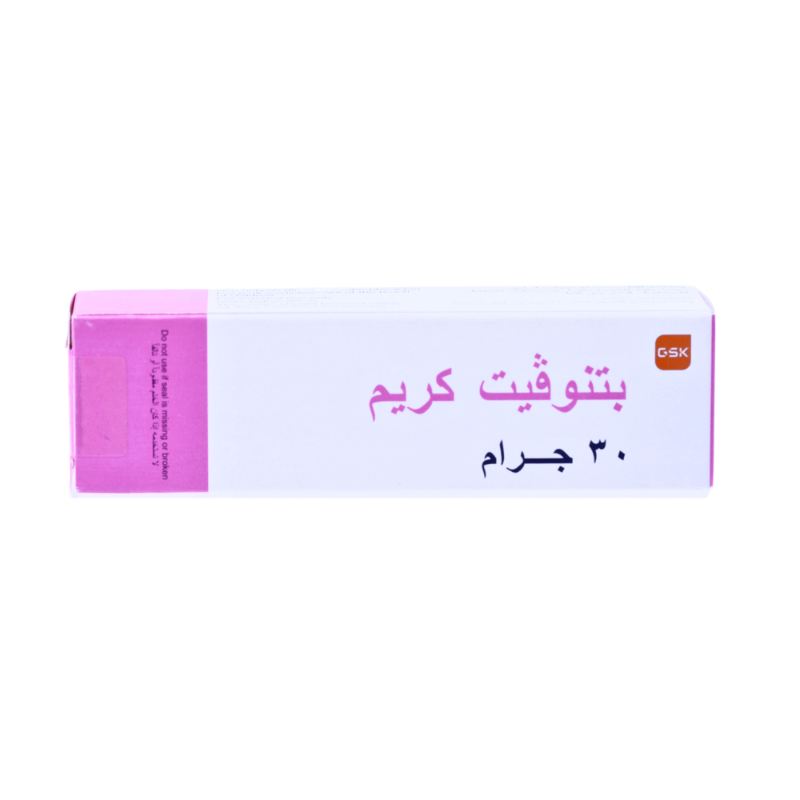
Medications > Dermatology Medications
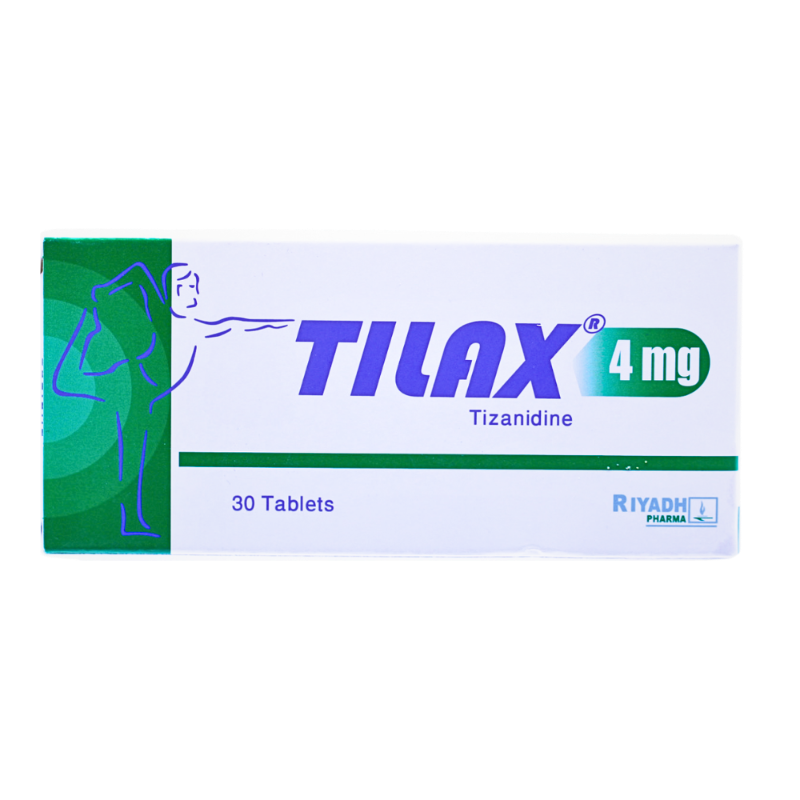
Medications > Painkillers and Antipyretics
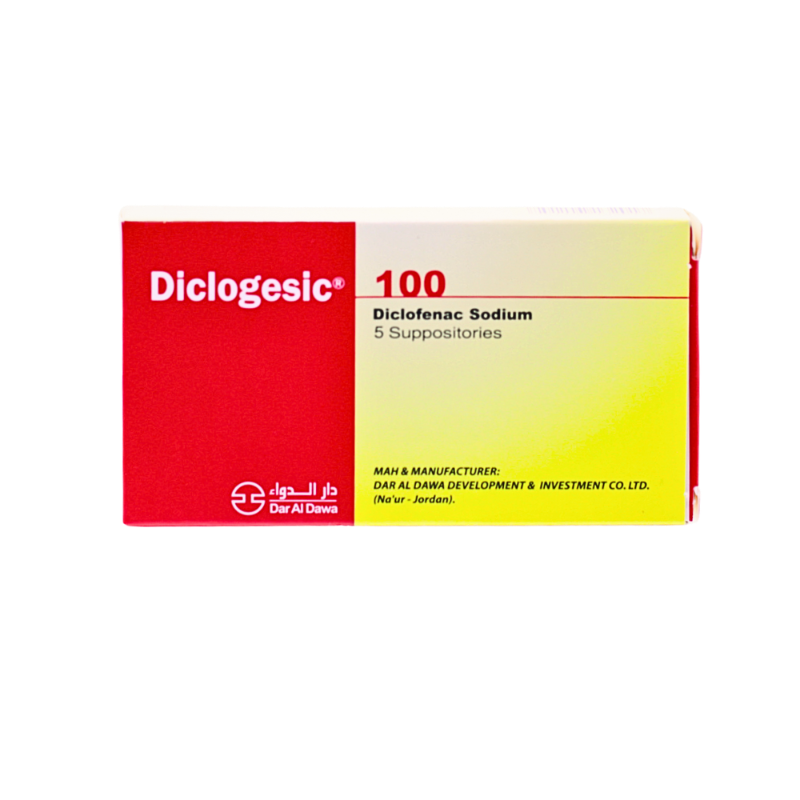
Medications > Painkillers and Antipyretics
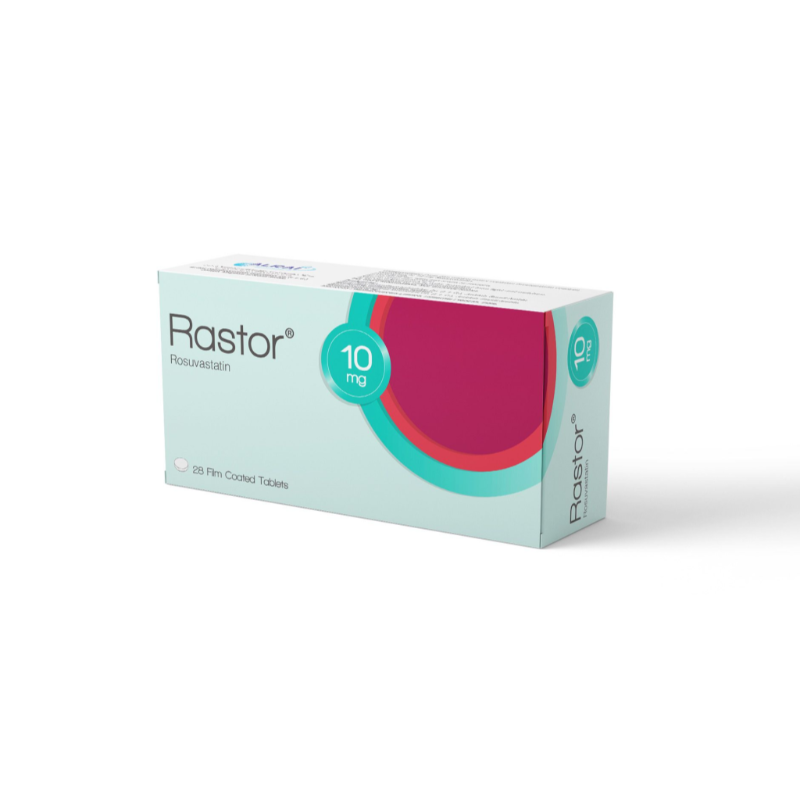
Medications > Cholesterol Medications
