
Use Code: ND30 And Get 30% OFF | Get Free Delivery With No Minimum Order
-1744229570.gif "Almujtama Pharmacy logo")




Frequently bought together

Skin And Body Care > Moisturizers

Skin And Body Care > Moisturizers
Health Care & Wellness > Medical Supplies
Health Care & Wellness > Medical Supplies
Vitamins & Supplements > Vitamins and Minerals
Vitamins & Supplements > Vitamins and Minerals
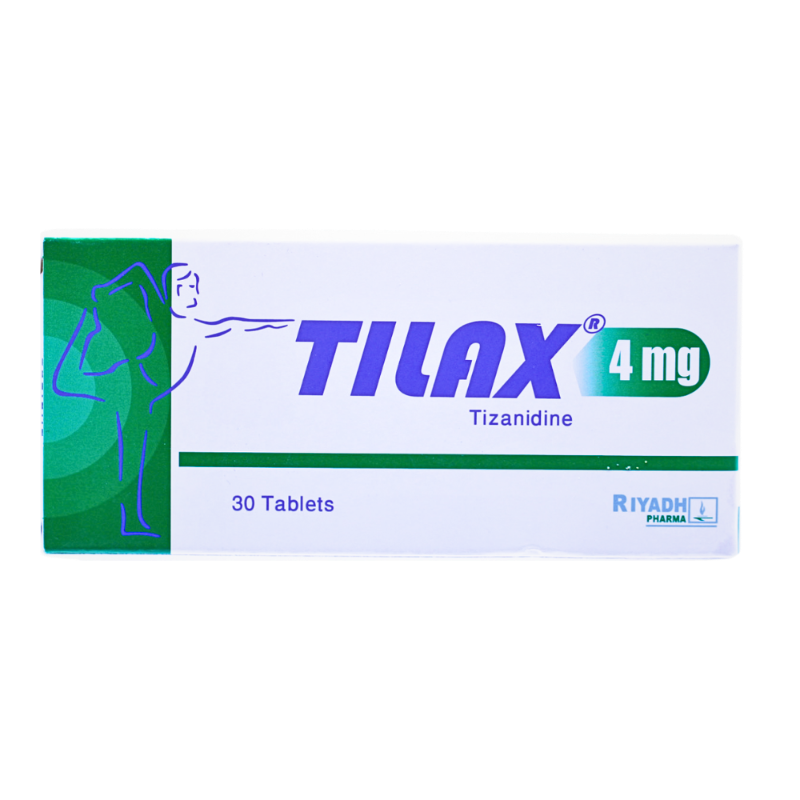
TILAX 4/MG TAB 30/TAB
- Sku : I-017055
Key features
TILAX 4 mg tablets contain the active ingredient tizanidine 4 mg in a tablet formulation. It is a centrally acting alpha-2 adrenergic agonist that increases presynaptic inhibition in the spinal cord, reducing release of excitatory neurotransmitters and lowering muscle tone. It is indicated for the management of spasticity, including spasticity associated with multiple sclerosis and spinal cord injury. Available by prescription in packs of 30 tablets.- Brand: TILAX
- Active Ingredient: TIZANIDINE 4mg
- Strength: 4mg
- Dosage Form: Tablet
- Pack Size: 30 Tablets
- Route: Oral use
- Prescription Status: Prescription
- Therapeutic Class: Musculoskeletal
- Pharmacological Group: Muscle Relaxants
- Drug Class: Centrally acting skeletal muscle relaxant; alpha-2 adrenergic agonist (central).
- Manufacturer: RIYADH PHARMA
- Country of Origin: Saudi Arabia
- SFDA Registration No.: 2901233187
- Shelf Life: 36 months
- Storage: store below 30°c
- Pain Type: Spasticity
- Nsaid: No
- Opioid: No
Frequently bought together
Skin And Body Care > Moisturizers
Skin And Body Care > Moisturizers
Health Care & Wellness > Medical Supplies
Health Care & Wellness > Medical Supplies
Vitamins & Supplements > Vitamins and Minerals
Vitamins & Supplements > Vitamins and Minerals
Indications
Approved Uses
Management of spasticity (e.g., associated with multiple sclerosis or spinal cord injury).
Off-Label Uses
Off-label: musculoskeletal pain/spasm (e.g., acute or chronic low back/neck pain) and certain headache disorders (e.g., chronic migraine/medication-overuse headache) in selected patients.
Dosage & Administration
Dosing by Condition
Spasticity: start 2 mg up to every 6-8 hours as needed; increase by 2-4 mg per dose at intervals of 1-4 days; usual effective single doses often 8 mg up to three times daily; maximum 36 mg/day.
Initial Dose
2-4 mg orally every 6-8 hours as needed
Maintenance Dose
Up to 36 mg/day in 3 divided doses
Maximum Dose
36mg per 24 hours.
Children's Dosage
Safety and efficacy not established in children.
Dose Adjustment Notes
Titrate slowly in 2-4 mg increments; use lower doses and slower titration in renal impairment (CrCl <25 mL/min) and avoid/use extreme caution in hepatic impairment; consider lower starting doses in older adults.
How to Take
Swallow tablet whole with water; may be taken with or without food but take it the same way each time (consistently with food or consistently without food).
Side Effects
Common Side Effects
Drowsiness/somnolence, dizziness, dry mouth, asthenia/fatigue, hypotension (including orthostatic), and bradycardia.
Side Effect Frequency
Very common (>10%): somnolence/drowsiness, dizziness, dry mouth, asthenia/fatigue. Common (1-10%): hypotension, bradycardia, constipation, increased liver enzymes (transaminases).
Safety & Warnings
Contraindications
Contraindicated with fluvoxamine or ciprofloxacin (potent CYP1A2 inhibitors) and in patients with hypersensitivity to tizanidine; avoid use in severe hepatic impairment.
Warnings & Precautions
Monitor liver function (baseline and periodically); risk of hypotension/bradycardia-caution with antihypertensives and in patients prone to syncope; sedation-avoid alcohol/CNS depressants and caution with driving; hallucinations/psychotic-like symptoms; use caution and adjust/titrate carefully in renal impairment and in hepatic impairment; taper to discontinue to avoid rebound hypertension/tachycardia.
Driving Warning
Avoid Driving
Drug Interactions
Drug Interactions
Contraindicated: fluvoxamine, ciprofloxacin. Avoid/Use caution: other CYP1A2 inhibitors (e.g., zileuton, mexiletine, cimetidine, some antiarrhythmics) and oral contraceptives (reduced clearance); additive effects with antihypertensives (hypotension/bradycardia) and CNS depressants/alcohol (sedation/respiratory depression).
Interaction Severity
MAJOR/Contraindicated: ciprofloxacin and fluvoxamine (strong CYP1A2 inhibitors). MODERATE: other CYP1A2 inhibitors (e.g., zileuton, mexiletine), oral contraceptives (reduced clearance), antihypertensives (additive hypotension/bradycardia), alcohol and other CNS depressants (additive sedation/hypotension).
Food Interaction
Food can alter absorption/exposure; take consistently either always with food or always without food.
Alcohol Interaction
Dangerous
Special Populations
Pregnancy
C
Children
Safety and efficacy not established in children.
Elderly
Start at lower doses (2 mg), titrate slowly, monitor blood pressure and renal function closely
Kidney Impairment
CrCl <25 mL/min: start with a low dose and titrate cautiously; increase the individual dose rather than dosing frequency; monitor closely for adverse effects.
Liver Impairment
Hepatic impairment: use with extreme caution; start low and titrate slowly with LFT monitoring; avoid in severe hepatic impairment.
Storage & Patient Advice
Stopping the Medicine
Do not stop abruptly; taper gradually (especially after high doses or prolonged use) to reduce risk of rebound hypertension and tachycardia.
Overdose
Symptoms: marked somnolence, confusion, bradycardia, hypotension, respiratory depression, coma (may include miosis). Management: urgent emergency care; supportive treatment with airway/ventilation as needed, IV fluids/vasopressors for hypotension, cardiac monitoring; consider activated charcoal if early and airway protected.
Patient Counseling
Take exactly as prescribed; take consistently with or without food; may cause drowsiness/dizziness-avoid driving/operating machinery until effects are known; avoid alcohol and other sedatives; rise slowly to reduce dizziness/fainting; do not stop abruptly (risk rebound hypertension/tachycardia); report signs of liver injury (e.g., jaundice, dark urine, persistent nausea) and inform clinicians about all medicines-especially ciprofloxacin or fluvoxamine.
Monitoring Requirements
Monitor liver aminotransferases at baseline and periodically (commonly at ~1 month after reaching/near maximum dose and thereafter as clinically indicated); monitor blood pressure/heart rate during titration and dose increases; assess renal function in patients with renal impairment.
Pharmacology
Mechanism of Action
Centrally acting alpha-2 adrenergic agonist that increases presynaptic inhibition in the spinal cord, reducing release of excitatory neurotransmitters and decreasing spasticity/muscle tone.
Onset of Action
Approximately 1 hour (range ~30-90 minutes) after an oral dose.
Duration of Effect
3-6 hours.
Half-Life
Approximately 2.5 hours (range commonly cited ~2-3 hours).
Bioavailability
Oral absolute bioavailability is approximately 20-40% (commonly cited around ~34%) due to extensive first-pass metabolism; food can increase exposure and alter absorption.
Metabolism
Extensive hepatic metabolism, primarily via CYP1A2.
Protein Binding
Approximately 30% protein bound.
Product Information
Available Dosage Forms
Tablet, Capsule.
Composition per Dose
Each tablet: 4 mg tizanidine (as tizanidine hydrochloride)
Generic Availability
Yes
Pain Type
Spasticity
Nsaid
No
Opioid
No
Reviewed by Al Mujtama Pharmacy Medical Review Team. Last reviewed 23-07-2026
Similar Products
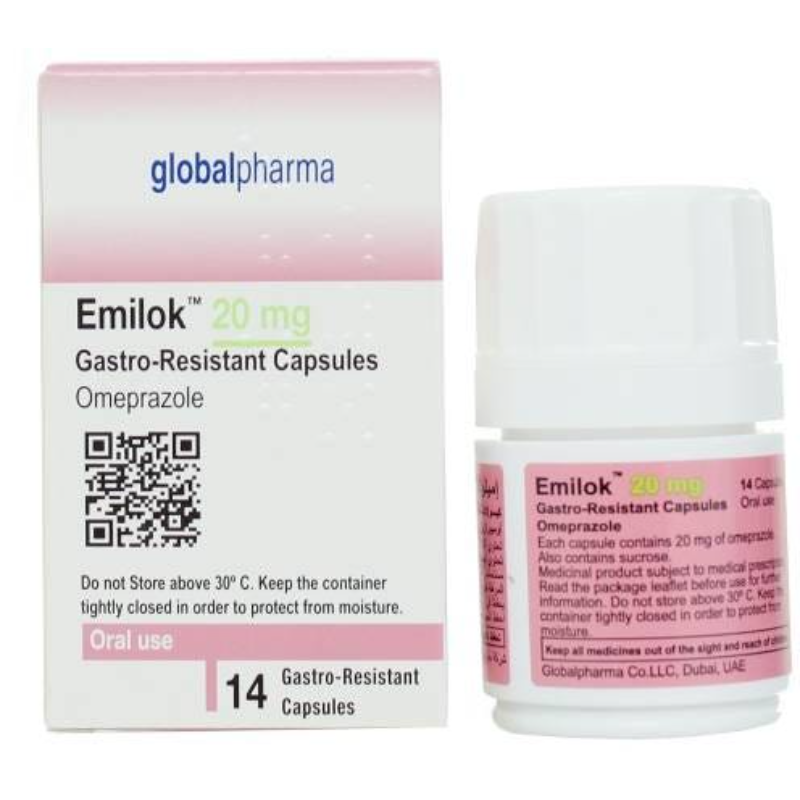
Medications > Gastrointestinal Medications

Medications > Painkillers and Antipyretics
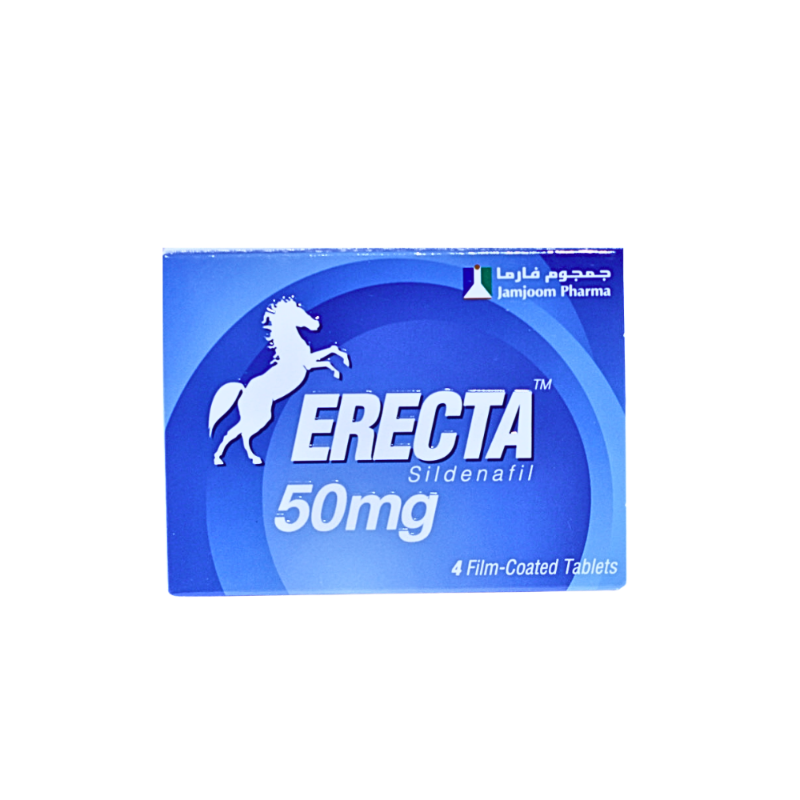
Medications > Sexual Health

Medications > Dermatology Medications
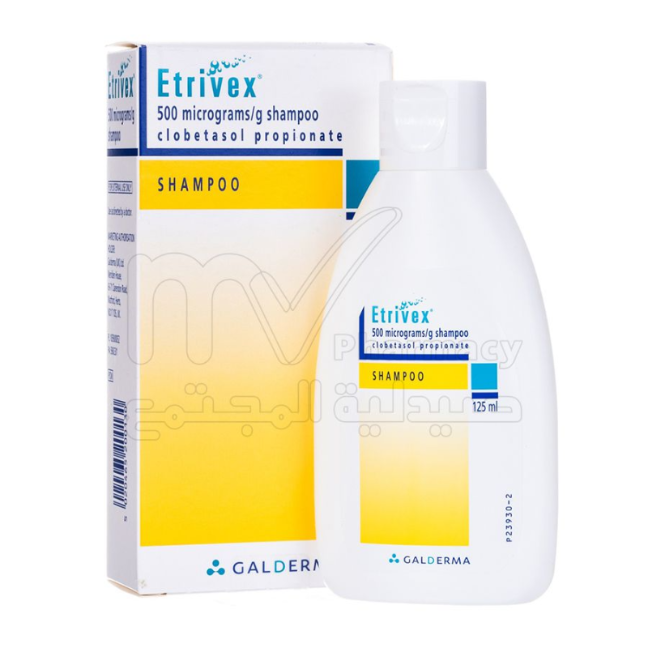
Medications > Dermatology Medications
Medications > Dermatology Medications
Medications > Diabetes Medications
Medications > Painkillers and Antipyretics

Medications > Urology Medications
Medications > Eye and Ear Medications
