
Use Code: ND30 And Get 30% OFF | Get Free Delivery With No Minimum Order
-1744229570.gif "Almujtama Pharmacy logo")




Frequently bought together
Vitamins & Supplements > Sleeping aid supplements
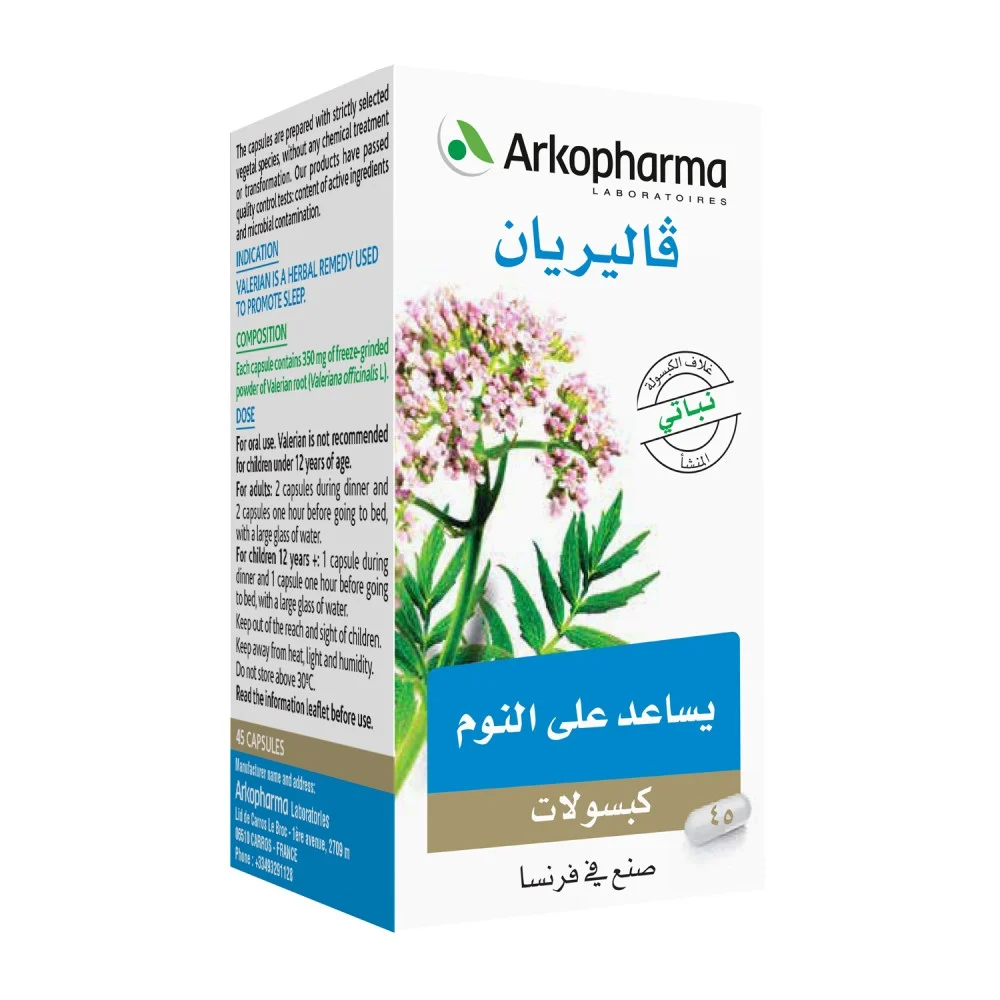
Vitamins & Supplements > Sleeping aid supplements
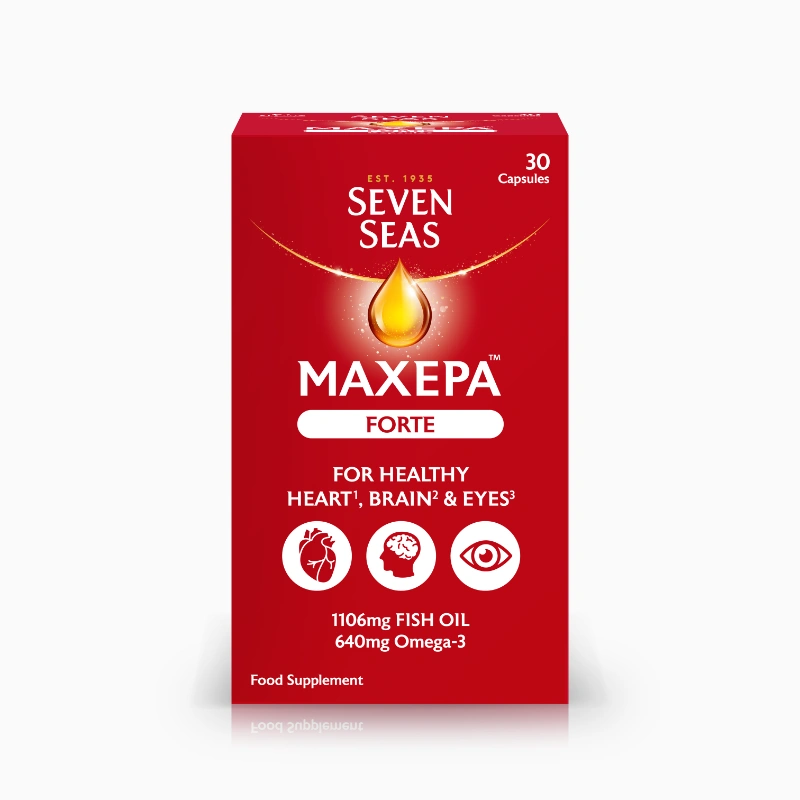
Vitamins & Supplements > Omega-3 Supplements
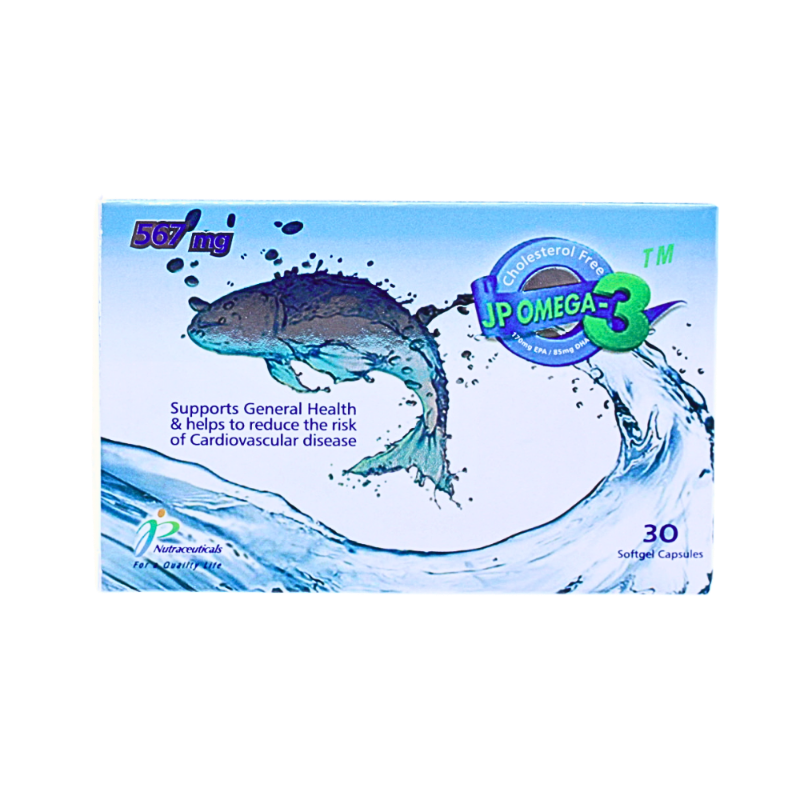
Vitamins & Supplements > Omega-3 Supplements
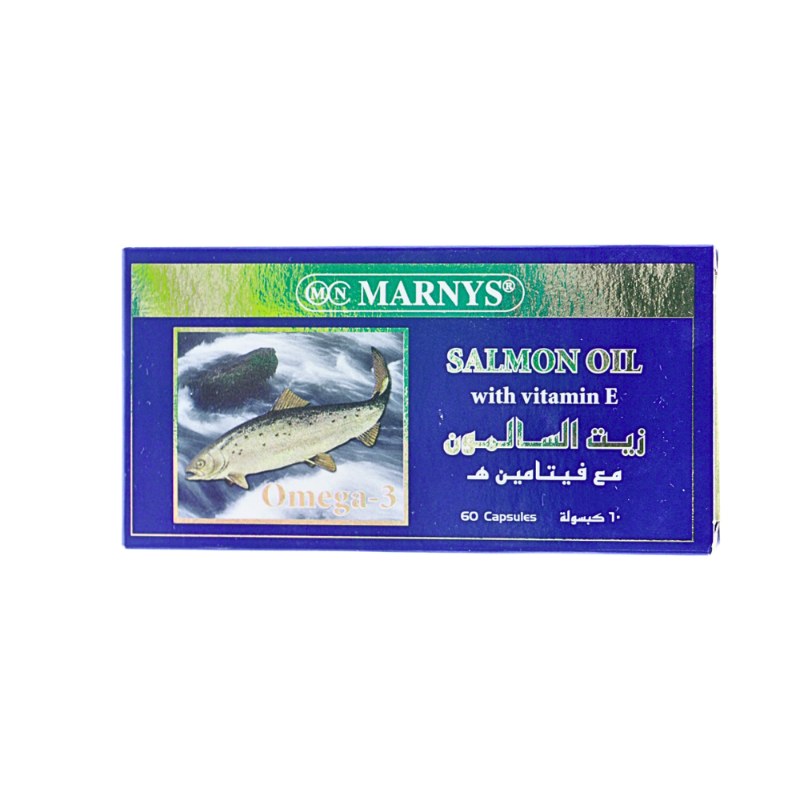
Vitamins & Supplements > Omega-3 Supplements
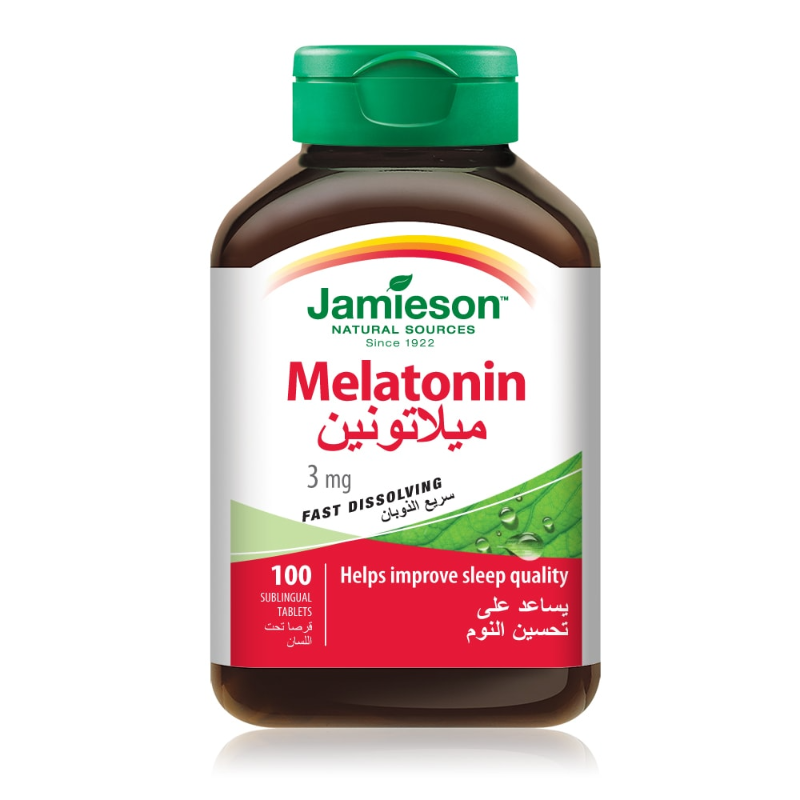
Vitamins & Supplements > Sleeping aid supplements
ANAFRANIL 10MG TAB
- Sku : I-000225
Key features
Anafranil Coated Tablet 10 mg contains clomipramine hydrochloride, a tricyclic antidepressant (TCA) in coated tablet form. It works by increasing serotonin activity in the brain and, to a lesser extent, norepinephrine levels. It is used for the treatment of obsessive-compulsive disorder (OCD). This product is available as 30 coated tablets per pack.- Brand: ANAFRANIL
- Active Ingredient: CLOMIPRAMINE HYDROCHLORIDE 10mg
- Strength: 10mg
- Dosage Form: Coated tablet
- Pack Size: 30 Tablets
- Route: Oral use
- Prescription Status: Prescription
- Therapeutic Class: Psychiatric
- Pharmacological Group: Antidepressants
- Drug Class: Tricyclic Antidepressant (TCA) - Dibenzazepine derivative
- Manufacturer: NOVARTIS
- Country of Origin: Italy
- SFDA Registration No.: 2406257598
- Shelf Life: 36 months
- Storage: store below 25°c
- Psych Class: Antidepressant-TCA
- Controlled Substance: No
Frequently bought together
Vitamins & Supplements > Sleeping aid supplements
Vitamins & Supplements > Sleeping aid supplements
Vitamins & Supplements > Omega-3 Supplements
Vitamins & Supplements > Omega-3 Supplements
Vitamins & Supplements > Omega-3 Supplements
Vitamins & Supplements > Sleeping aid supplements
Indications
Approved Uses
Obsessive-compulsive disorder (OCD).
Off-Label Uses
Off-label uses include panic disorder/phobias, neuropathic pain/chronic pain, cataplexy (narcolepsy), premature ejaculation, and pediatric nocturnal enuresis (specialist use).
Dosage & Administration
Dosing by Condition
OCD (adults): start 25 mg/day; increase gradually over ~2 weeks to ~100 mg/day (often in divided doses with meals during titration); usual effective range 100-250 mg/day; maximum 250 mg/day. (This product is 10 mg tablets, which may be used for low starting doses or sensitive patients.)
Maintenance Dose
100-150mg/day for depression; 100-250mg/day for OCD
Maximum Dose
250 mg per day for adults; 200 mg per day (or 3 mg/kg) for children/adolescents.
Dose Adjustment Notes
Titrate gradually to minimize adverse effects. Consider lower starting doses and slower titration in older adults and in hepatic impairment; use caution in renal impairment (no routine specific adjustment, but monitor tolerability).
How to Take
Oral: swallow the coated tablet whole with water; take with food (especially during initiation/titration) to reduce GI upset. Doses are often divided with meals during titration; once stable, the total daily dose may be given as a single bedtime dose if tolerated to reduce daytime sedation.
Side Effects
Common Side Effects
Common: dry mouth, constipation, nausea, dizziness, somnolence/drowsiness, tremor, sweating, blurred vision, weight gain/increased appetite, fatigue, headache, orthostatic hypotension, urinary hesitancy/retention, and sexual dysfunction.
Side Effect Frequency
Very common (>10%): anticholinergic/CNS effects such as dry mouth, somnolence/drowsiness, dizziness, constipation, nausea, tremor, sweating; weight gain and sexual dysfunction are also commonly reported. Common (1-10%): blurred vision, urinary hesitancy/retention, headache, orthostatic hypotension/tachycardia, insomnia/anxiety, vomiting/diarrhea. Uncommon/rare (<1%): seizures, clinically significant arrhythmias/QT prolongation, hepatotoxicity, blood dyscrasias (e.g., agranulocytosis), serotonin syndrome, severe skin reactions.
Safety & Warnings
Contraindications
Contraindicated in: hypersensitivity to clomipramine/TCAs; concomitant use with MAOIs or within 14 days of stopping an MAOI (and vice versa); use during the acute recovery period after myocardial infarction.
Warnings & Precautions
Key warnings/precautions: monitor for clinical worsening/suicidality (especially early and in younger patients); seizure risk (dose-related); cardiovascular risk (consider baseline ECG in patients with cardiac disease/risk and avoid other QT-prolonging factors); serotonin syndrome with serotonergic drugs/MAOIs; mania/hypomania activation in bipolar disorder; anticholinergic effects (urinary retention, angle-closure glaucoma risk); hepatic impairment caution; taper to discontinue.
Age Restriction
Pediatric: OCD only in patients ≥10 years; safety/efficacy not established <10 years. Not approved for depression in pediatric patients (<18 years). Pediatric dosing applies only to OCD.
Driving Warning
May Cause Drowsiness
Drug Interactions
Drug Interactions
Major/contraindicated: MAOIs (including linezolid and IV methylene blue) due to serotonin syndrome risk-require appropriate washout. Other clinically important interactions: other serotonergic drugs (SSRIs/SNRIs, tramadol, triptans) ↑ serotonin syndrome risk; CYP2D6 inhibitors (e.g., fluoxetine/paroxetine) ↑ clomipramine levels/toxicity; QT-prolonging/antiarrhythmic drugs ↑ arrhythmia risk; CNS depressants/alcohol ↑ sedation; anticholinergics ↑ anticholinergic effects; cimetidine may ↑ levels; enzyme inducers (e.g., rifampin) may ↓ levels.
Interaction Severity
MAJOR/contraindicated: MAO inhibitors (and linezolid or IV methylene blue) due to serotonin syndrome risk; avoid within appropriate washout periods. MODERATE/clinically significant: other serotonergic drugs (SSRIs/SNRIs/triptans, etc.), strong CYP2D6 inhibitors (e.g., fluoxetine/paroxetine) increasing clomipramine levels, QT-prolonging/antiarrhythmic agents (additive arrhythmia risk), CNS depressants/alcohol (additive sedation), and other anticholinergics (additive anticholinergic toxicity).
Alcohol Interaction
Dangerous
Special Populations
Breastfeeding
Caution
Liver Impairment
Use with caution in hepatic impairment; consider lower starting dose/slower titration and monitor (no specific fixed adjustment; avoid or use only with extreme caution in severe hepatic impairment).
Storage & Patient Advice
Stopping the Medicine
Do not stop abruptly; taper gradually (individualized-commonly over at least 2-4 weeks when feasible) to reduce discontinuation symptoms (e.g., dizziness, nausea, headache, irritability, insomnia).
Overdose
Overdose may cause life-threatening TCA toxicity: CNS depression/coma, seizures, anticholinergic effects, hypotension, and cardiac conduction abnormalities/arrhythmias (e.g., QRS widening, QT prolongation). Management: immediate emergency care with airway/ventilation support, continuous ECG monitoring, activated charcoal if appropriate, and IV sodium bicarbonate for QRS widening/ventricular arrhythmias; avoid physostigmine unless directed by a toxicologist.
Patient Counseling
Take exactly as prescribed and do not stop abruptly; benefits may take several weeks. Take with food to reduce stomach upset; it may cause drowsiness-avoid driving/operating machinery until effects are known and avoid alcohol. Rise slowly to reduce dizziness; maintain oral hygiene for dry mouth/constipation. Seek urgent care for suicidal thoughts, severe agitation/serotonin syndrome symptoms, chest pain/palpitations/fainting, or urinary retention.
Monitoring Requirements
Monitor clinical response and suicidality (especially early and after dose changes); blood pressure/orthostasis and anticholinergic effects; consider baseline and follow-up ECG in patients with cardiac disease/risk factors or when using higher doses; consider liver function tests if clinically indicated; monitor weight and for seizure risk in predisposed patients.
Pharmacology
Mechanism of Action
Tricyclic antidepressant: inhibits serotonin reuptake strongly and norepinephrine reuptake to a lesser extent; its metabolite desmethylclomipramine is more noradrenergic. Also has anticholinergic (muscarinic), antihistaminic (H1), and alpha-1 adrenergic blocking activity.
Onset of Action
Some symptom improvement may be seen within 1-2 weeks; clinically meaningful response typically occurs within 2-4 weeks; full therapeutic effect for OCD may take 6-12 weeks.
Duration of Effect
Approximately 24 hours per dose after steady state (supports once-daily dosing after titration in many patients); clinical symptom benefits persist only with continued daily dosing and may take weeks to develop.
Metabolism
Extensive hepatic metabolism; major pathways involve CYP2D6, CYP2C19, and CYP3A4 (with contribution from CYP1A2), forming the active metabolite desmethylclomipramine (norclomipramine) and other metabolites.
Protein Binding
Approximately 97-98% protein bound (mainly to plasma proteins such as albumin).
Product Information
Available Dosage Forms
Coated tablet (oral).
Composition per Dose
Each coated tablet: 10mg clomipramine hydrochloride
OTC Alternatives
No OTC alternative
Psych Class
Antidepressant-TCA
Controlled Substance
No
Reviewed by Al Mujtama Pharmacy Medical Review Team. Last reviewed 09-05-2026
Similar Products
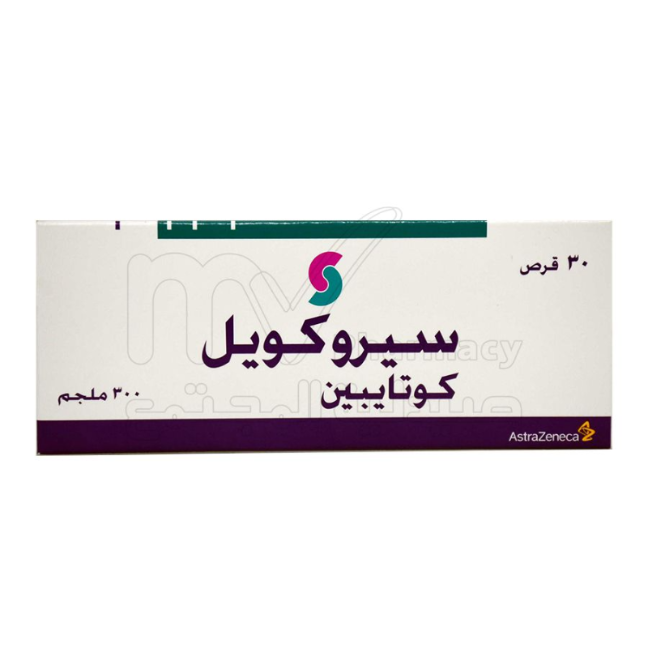
Medications > Psychiatric Medications
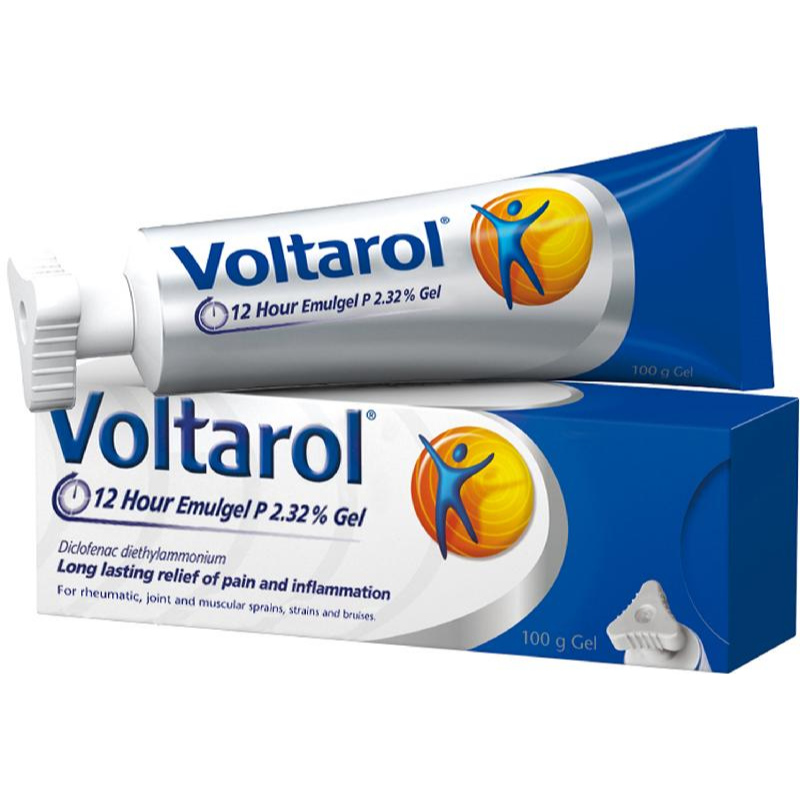
Medications > Painkillers and Antipyretics
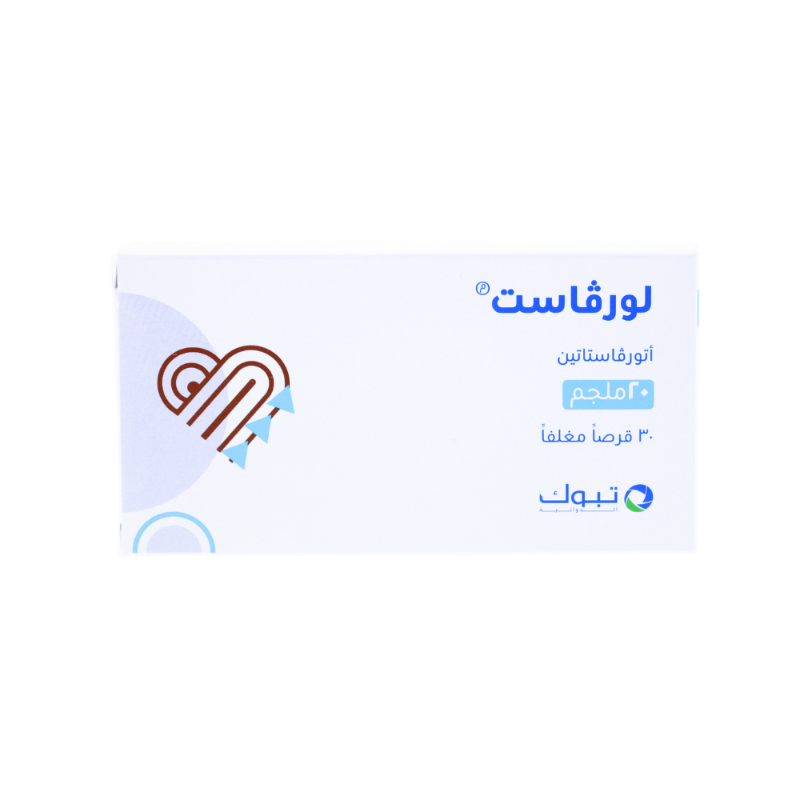
Medications > Cholesterol Medications
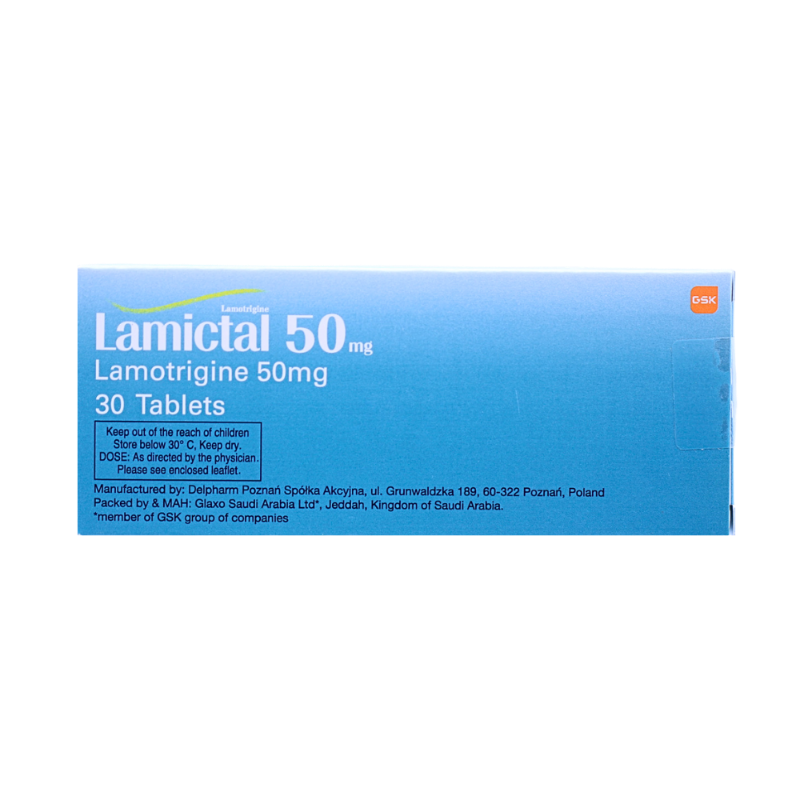
Medications > Psychiatric Medications
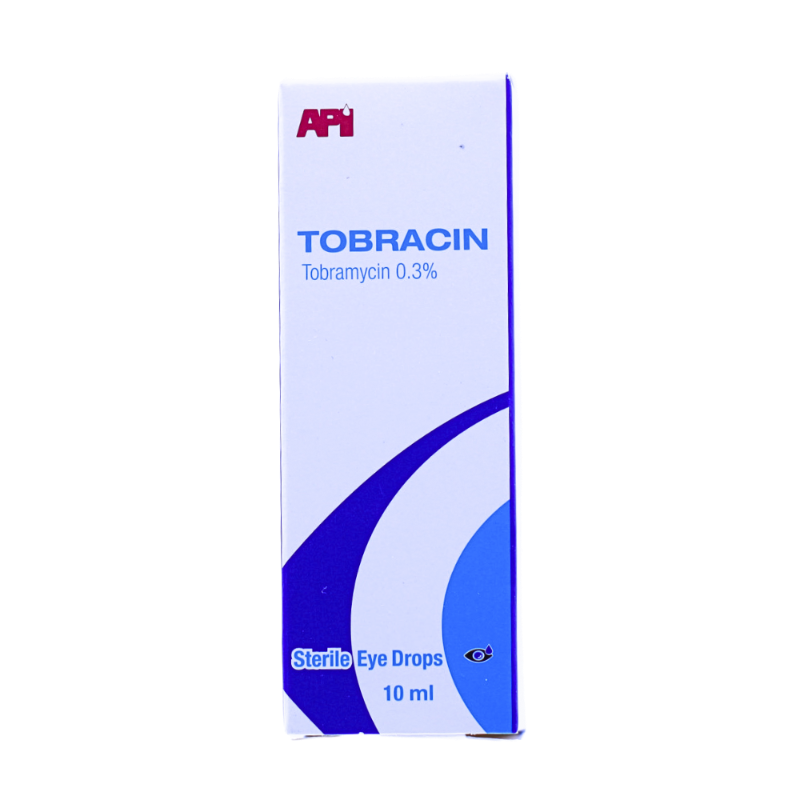
Medications > Eye and Ear Medications
Medications > Gastrointestinal Medications
Medications > Eye and Ear Medications
Medications > Cholesterol Medications
Medications > Eye and Ear Medications
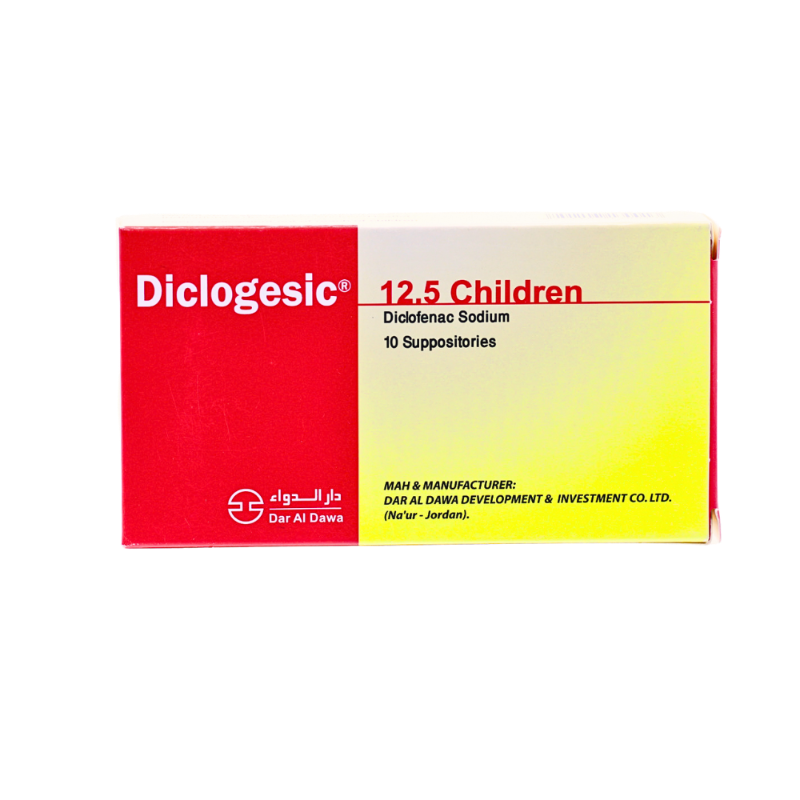
Medications > Painkillers and Antipyretics
