
Use Code: WF26 And Get 30% OFF, T&C Applay | Get Free Delivery With No Minimum Order
-1744229570.gif "Almujtama Pharmacy logo")
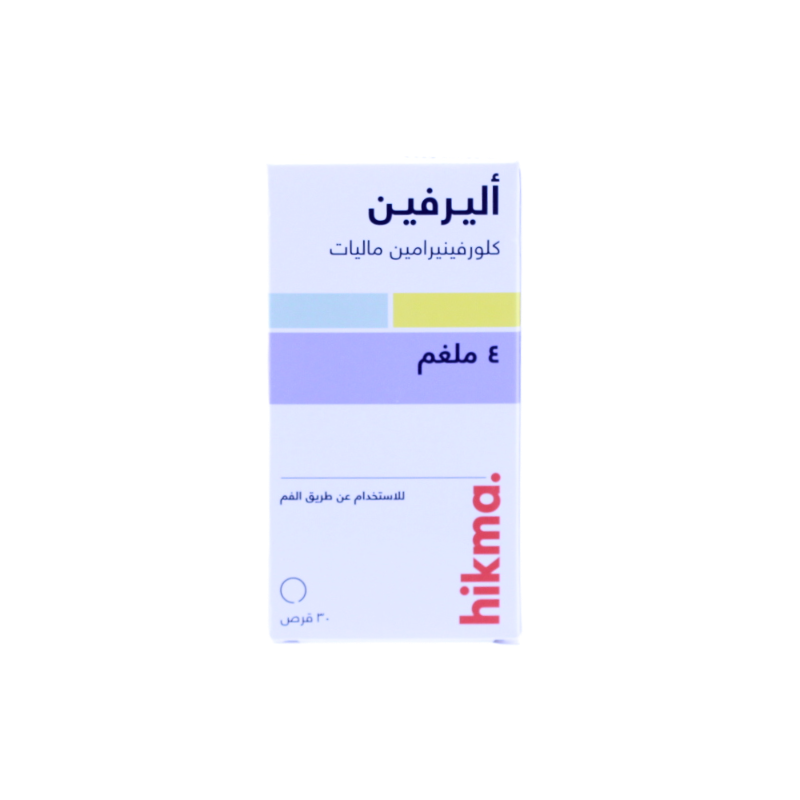


Frequently bought together
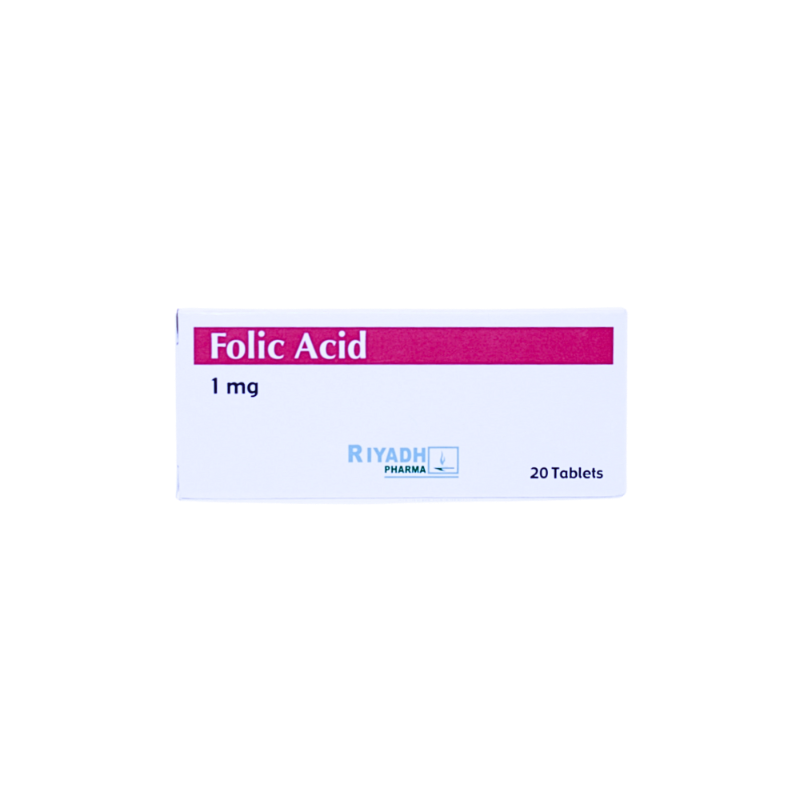
Vitamins & Supplements > Vitamins and Minerals
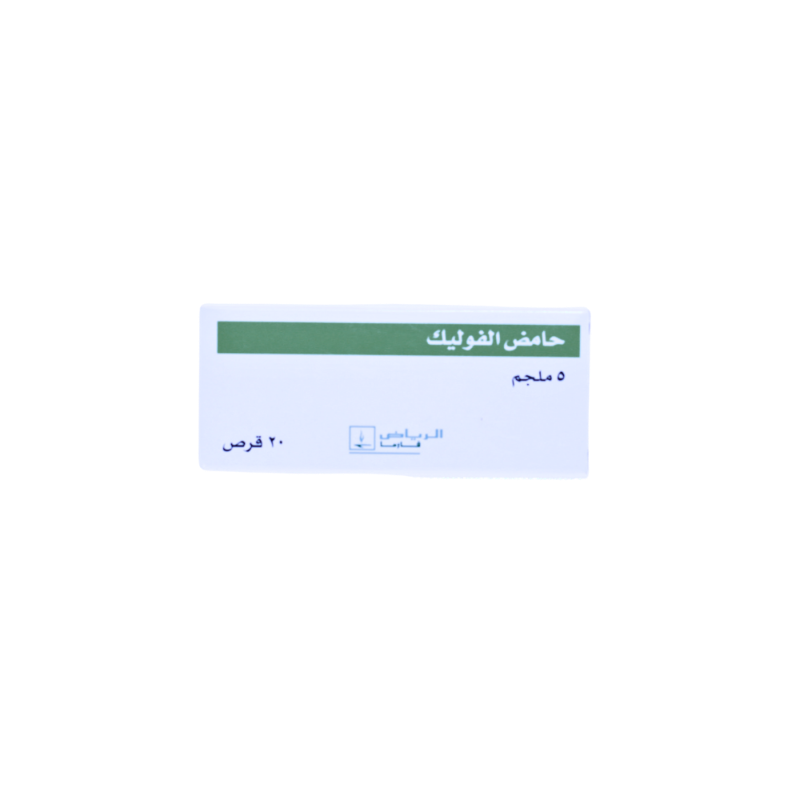
Vitamins & Supplements > Vitamins and Minerals
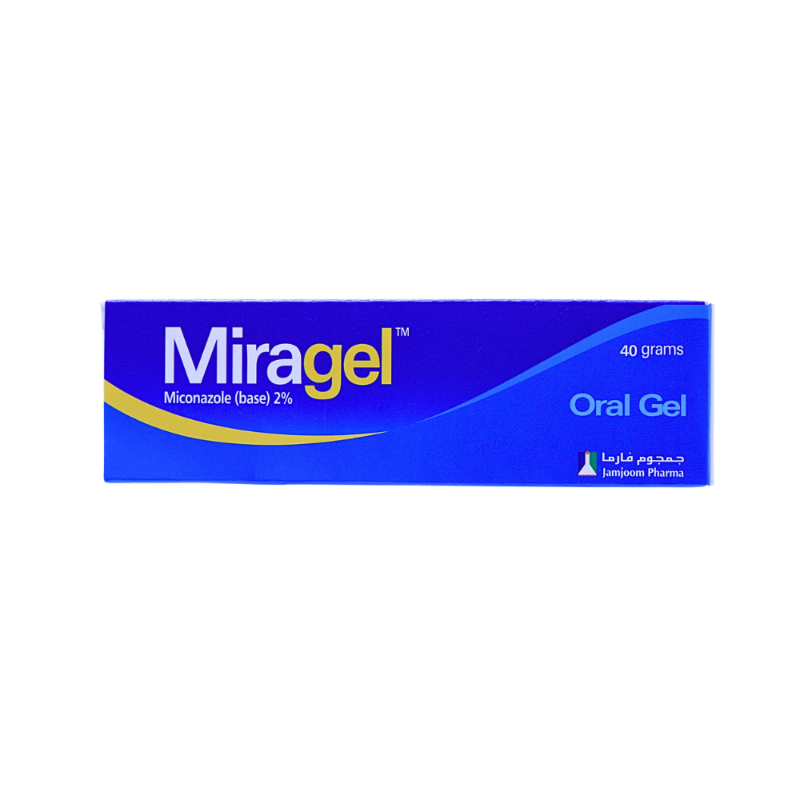
Oral & Dental Care > Throat & Oral Care
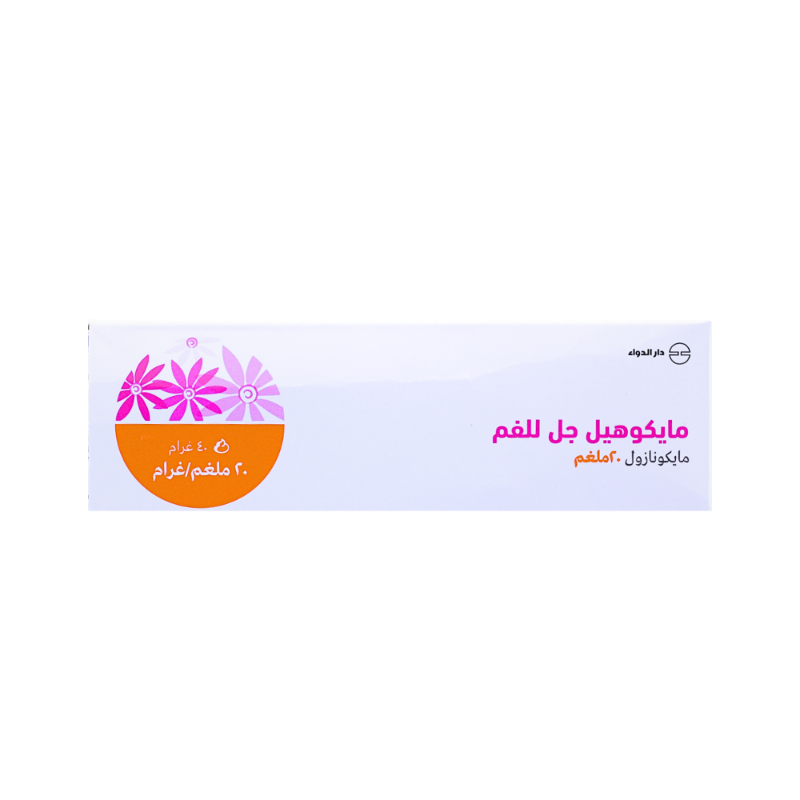
Oral & Dental Care > Throat & Oral Care
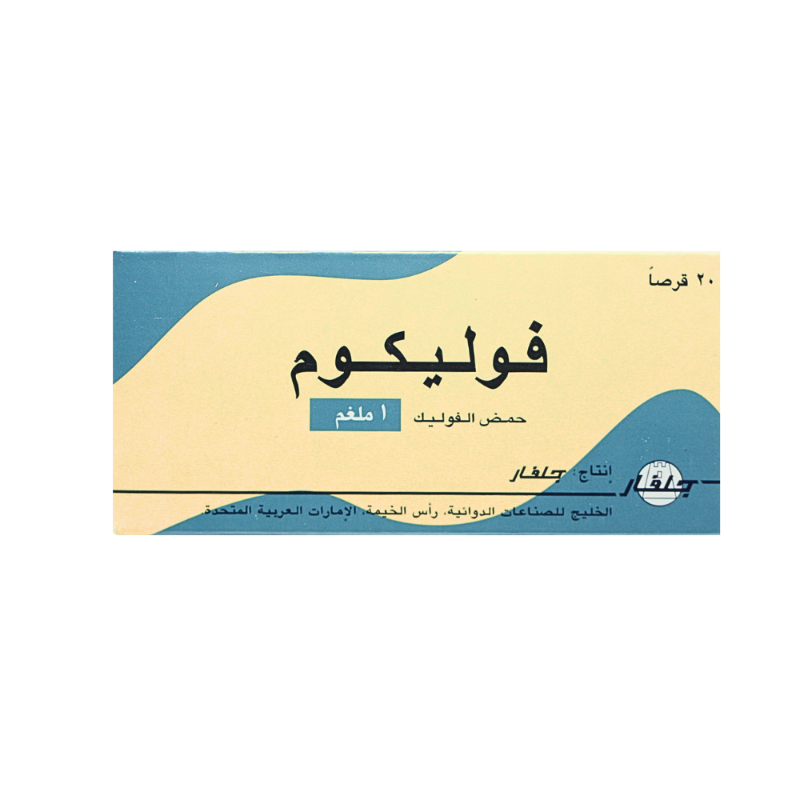
Vitamins & Supplements > Vitamins and Minerals
ALLERFIN 4/MG TAB 30/TAB
- Sku : I-000125
Key features
ALLERFIN 4 mg tablet contains the antihistamine chlorpheniramine maleate as its active ingredient. It acts as a first‑generation H1‑receptor antagonist, reversibly blocking peripheral and central H1 receptors to reduce histamine‑mediated symptoms and produce sedation through CNS H1 blockade. It is indicated for symptomatic relief of allergic rhinitis (hay fever), urticaria and other pruritic allergic skin conditions, and allergic conjunctivitis. ALLERFIN is available OTC in tablet form, pack of 30 tablets.- Brand: ALLERFIN
- Active Ingredient: CHLORPHENIRAMINE MALEATE
- Strength: 4mg
- Dosage Form: Tablet
- Pack Size: 30 Tablets
- Route: Oral use
- Prescription Status: OTC
- Therapeutic Class: Antiallergic
- Pharmacological Group: Antihistamines
- Drug Class: First‑generation alkylamine (propylamine) H1‑receptor antagonist (antihistamine).
- Manufacturer: APM
- Country of Origin: Jordan
- SFDA Registration No.: 3-119-82
- Shelf Life: 60 months
- Storage: store below 30°c
- Symptom Target: Allergy, Runny Nose
- Sedating: Yes
Frequently bought together
Vitamins & Supplements > Vitamins and Minerals
Vitamins & Supplements > Vitamins and Minerals
Oral & Dental Care > Throat & Oral Care
Oral & Dental Care > Throat & Oral Care
Vitamins & Supplements > Vitamins and Minerals
Indications
Approved Uses
Symptomatic relief of allergic conditions such as allergic rhinitis (hay fever), urticaria and other pruritic allergic skin conditions, and allergic conjunctivitis.
Off-Label Uses
Symptomatic relief of common cold (runny nose/sneezing) and short‑term nighttime sedation (not recommended routinely); antiemetic use is not a typical off‑label role for chlorpheniramine compared with other antihistamines.
Dosage & Administration
Dosing by Condition
Allergic symptoms (IR): Adults and ≥12 years: 4 mg every 4-6 hours as needed (max 24 mg/day). Children 6-11 years: 2 mg every 4-6 hours (max 12 mg/day). Children 2-5 years: 1 mg every 4-6 hours (max 6 mg/day).
Initial Dose
4 mg orally every 4-6 hours.
Maintenance Dose
4 mg orally every 4-6 hours as needed.
Maximum Dose
24mg per day in adults
Children's Dosage
Children 6-12 years: 2 mg orally every 4-6 hours, not to exceed 12 mg/day. Children 2-6 years: 1 mg orally every 4-6 hours, not to exceed 6 mg/day. Not recommended for children under 2 years.
How to Take
Oral tablet: swallow with water; may be taken with or without food.
Side Effects
Common Side Effects
Drowsiness/sedation, dizziness, dry mouth (and other anticholinergic effects such as blurred vision, constipation, urinary retention), nausea.
Side Effect Frequency
Common: sedation/drowsiness and anticholinergic effects (e.g., dry mouth, dizziness, blurred vision, constipation, urinary retention/hesitancy, nausea). Rare/serious: paradoxical CNS excitation (especially in children), blood dyscrasias, hypersensitivity reactions; frequency for severe hepatic injury is not well established.
Safety & Warnings
Contraindications
Hypersensitivity to chlorpheniramine; concurrent MAO inhibitor use (or within 14 days); use in premature infants and neonates; narrow-angle glaucoma; urinary retention/bladder neck obstruction/symptomatic prostatic hypertrophy; stenosing peptic ulcer; pyloroduodenal obstruction.
Warnings & Precautions
May cause significant drowsiness-avoid driving/alcohol/CNS depressants; use caution in glaucoma/increased IOP, asthma/COPD, prostatic hypertrophy/urinary retention, cardiovascular disease/hypertension, hyperthyroidism, and hepatic/renal impairment; paradoxical excitation may occur in children; avoid in older adults when possible due to anticholinergic burden (Beers criteria).
Age Restriction
Do not use in children <2 years (especially neonates/premature infants); for ages 2-5 years use only with healthcare provider advice; ≥6 years may use per labeled dosing.
Drug Interactions
Drug Interactions
MAO inhibitors (contraindicated/avoid); alcohol and other CNS depressants (additive sedation/respiratory depression); other anticholinergics and tricyclic antidepressants (additive anticholinergic effects).
Interaction Severity
MAJOR: MAO inhibitors (may intensify/prolong anticholinergic/CNS effects). MODERATE: other CNS depressants including alcohol, benzodiazepines, opioids, sedative‑hypnotics (additive sedation/psychomotor impairment); other anticholinergics/TCAs (additive anticholinergic effects).
Food Interaction
No restriction
Special Populations
Children
Children 6-12 years: 2 mg orally every 4-6 hours, not to exceed 12 mg/day. Children 2-6 years: 1 mg orally every 4-6 hours, not to exceed 6 mg/day. Not recommended for children under 2 years.
Storage & Patient Advice
Missed Dose
Take as soon as remembered; skip if near the time of the next dose. Do not double the dose
Stopping the Medicine
Safe to stop anytime; no tapering required
Overdose
Symptoms: marked sedation or paradoxical excitation (especially in children), anticholinergic toxicity (dry mouth, mydriasis, flushing, hyperthermia, tachycardia, urinary retention), hallucinations, seizures, coma/respiratory depression; Management: urgent medical care, activated charcoal if appropriate, supportive care (airway/ventilation, IV fluids), treat seizures (benzodiazepines), manage hyperthermia/arrhythmias per ACLS/toxicology guidance.
Patient Counseling
May cause drowsiness-avoid driving/operating machinery until effects are known; avoid alcohol and other sedatives; do not exceed recommended dose; use caution/seek advice if glaucoma, prostate enlargement/urinary retention, severe asthma/COPD, or if taking MAOIs/other anticholinergics; take with or without food and manage dry mouth with fluids/sugar‑free lozenges; seek medical advice if symptoms persist/worsen.
Monitoring Requirements
No routine monitoring required for short-term use; monitor for anticholinergic effects in elderly patients
Pharmacology
Mechanism of Action
Reversible competitive antagonism of peripheral and central H1 receptors, reducing histamine‑mediated symptoms (sneezing, rhinorrhea, pruritus) and producing sedation via CNS H1 blockade.
Duration of Effect
4-6 hours.
Half-Life
Approximately 12-43 hours (reported ranges include ~13.9-43.4 hours).
Excretion
Primarily renal (urinary) excretion, mainly as metabolites with a small fraction excreted unchanged; urinary pH can affect elimination.
Protein Binding
Approximately 70% (about 69-72%).
Product Information
Available Dosage Forms
Tablet (this product). Other chlorpheniramine dosage forms exist in some markets (e.g., syrup/oral solution; sustained‑release tablets/capsules), but injection/chewable/capsule forms are not universally available and are not supported by the verified SFDA record for ALLERFIN 4 mg tablets.
Composition per Dose
Each tablet: 4mg chlorpheniramine maleate
Generic Availability
Yes
OTC Alternatives
Second‑generation OTC antihistamines: cetirizine 10 mg, loratadine 10 mg, fexofenadine (e.g., 120 mg/180 mg) as appropriate per local labeling.
Symptom Target
Allergy, Runny Nose
Sedating
Yes
Reviewed by Al Mujtama Pharmacy Medical Review Team. Last reviewed 03-06-2026
Similar Products
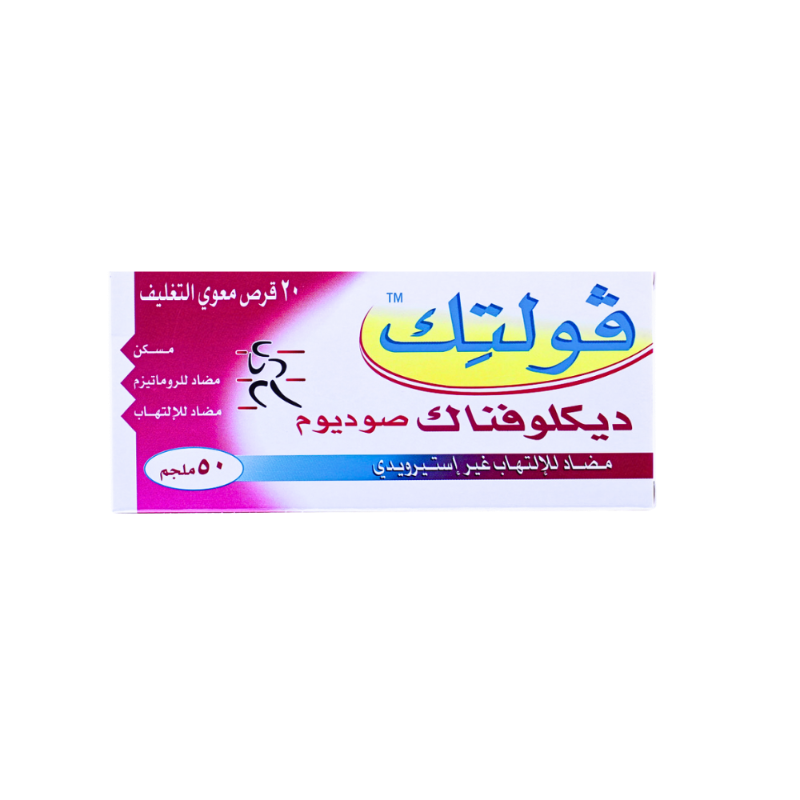
Medications > Painkillers and Antipyretics
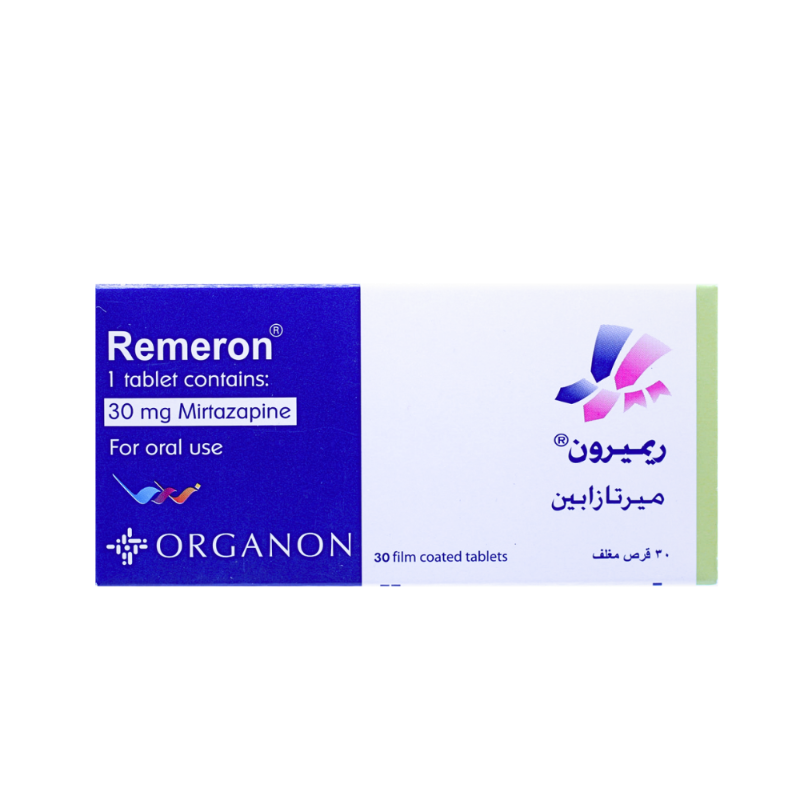
Medications > Psychiatric Medications
Medications > Painkillers and Antipyretics
Medications > Painkillers and Antipyretics
Medications > Urology Medications
Medications > Cold, Cough, and Allergy Medications
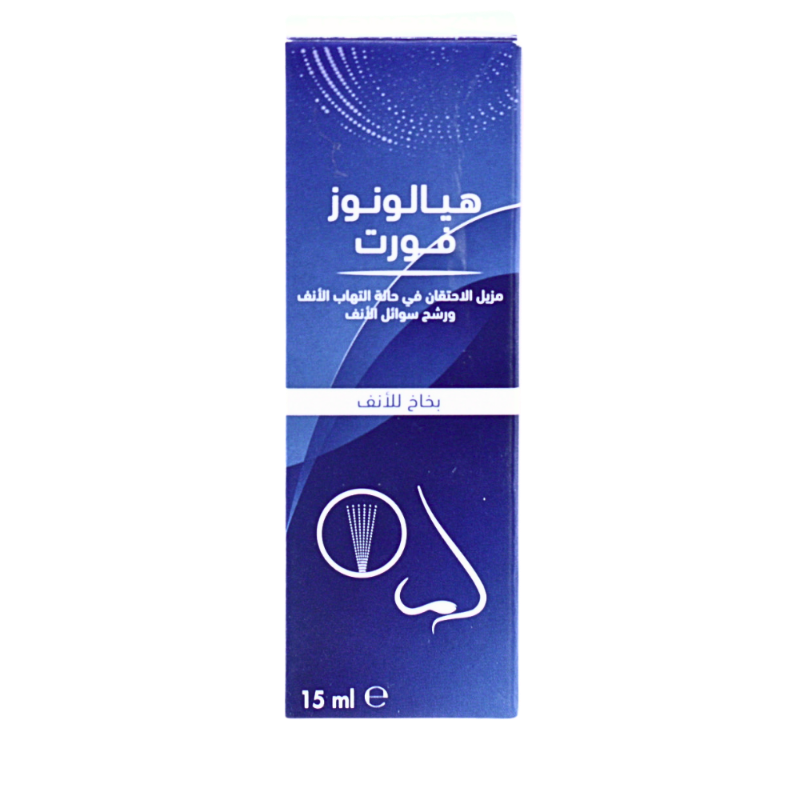
Medications > Cold, Cough, and Allergy Medications
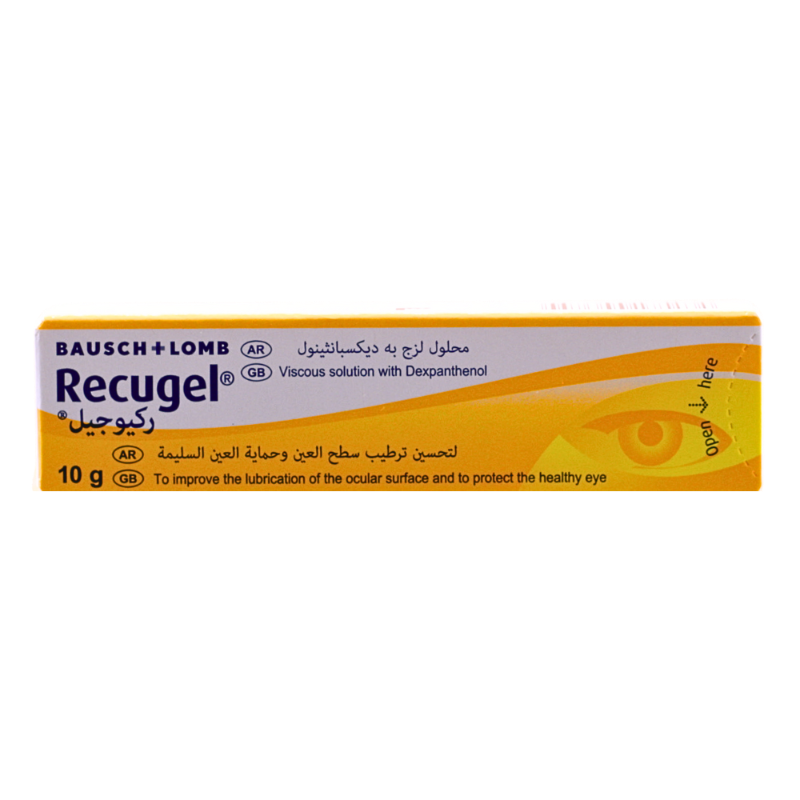
Medications > Eye and Ear Medications
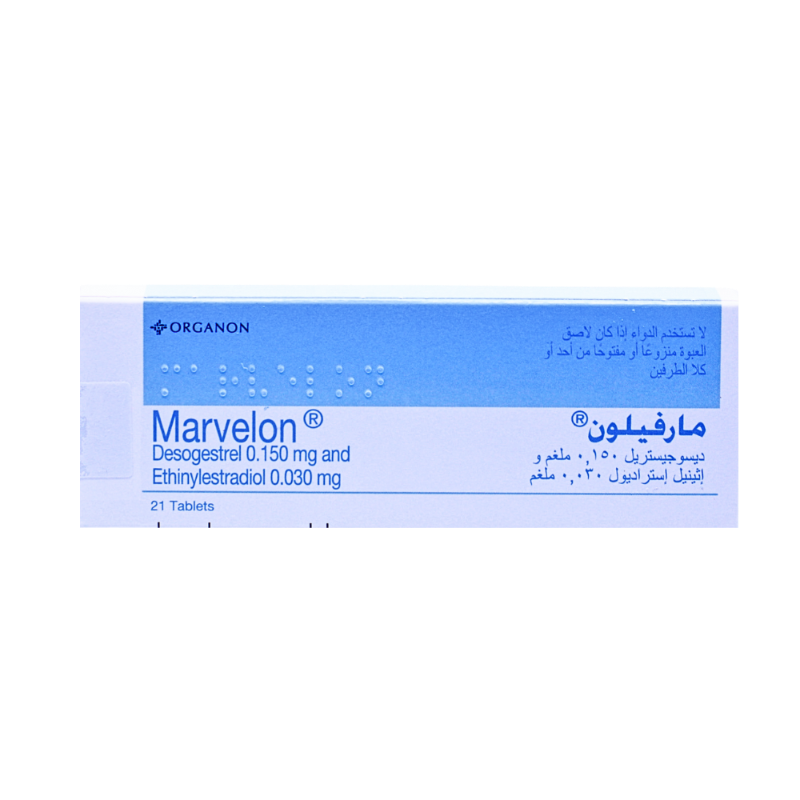
Medications > Contraceptives and Hormonal Medications
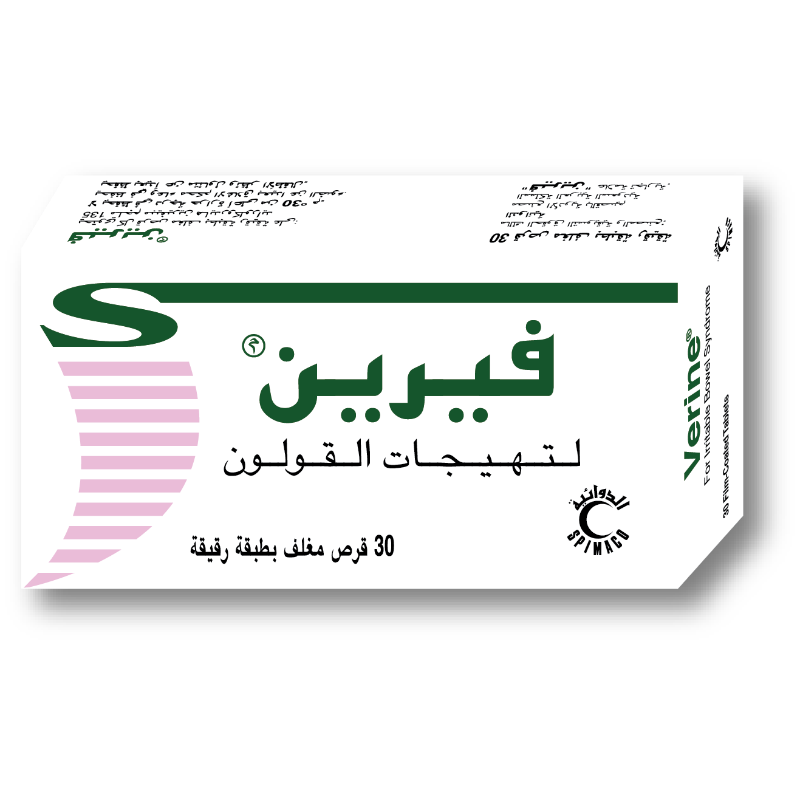
Medications > Gastrointestinal Medications
