Use Code: WF26 And Get 30% OFF, T&C Applay | Get Free Delivery With No Minimum Order
-1744229570.gif "Almujtama Pharmacy logo")


Frequently bought together
ZYRTEC 0.1% SUSP 75ML
- Sku : I-006937
Key features
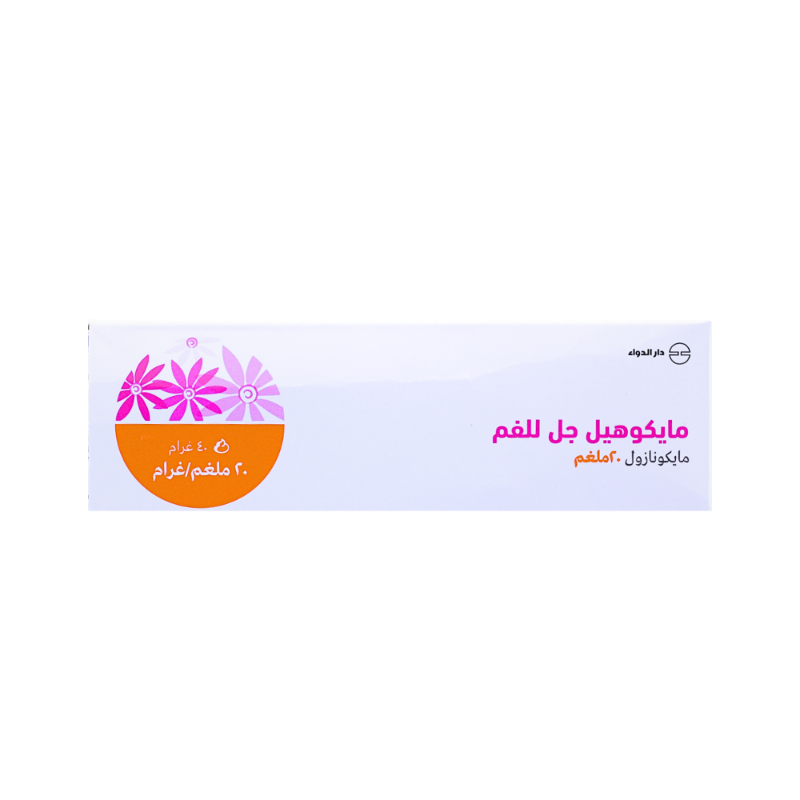
ZYRTEC 0.1% SUSP 75ML is an oral solution containing cetirizine hydrochloride at 1 mg/mL. It is a second-generation H1-antihistamine (piperazine derivative) that acts as a selective H1-receptor antagonist (inverse agonist), reducing histamine-mediated symptoms with relatively limited central nervous system penetration compared with first-generation agents. It is indicated for relief of symptoms of seasonal and perennial allergic rhinitis and for chronic idiopathic urticaria. Available over-the-counter as a 75 ml oral suspension.- Brand: ZYRTEC
- Active Ingredient: CETIRIZINE HYDROCHLORIDE
- Strength: 1mg/ml
- Dosage Form: Oral solution
- Pack Size: 75 ml
- Route: Oral use
- Prescription Status: OTC
- Therapeutic Class: Antiallergic
- Pharmacological Group: Piperazine Antihistamines
- Drug Class: Second-generation H1-antihistamine (piperazine derivative).
- Manufacturer: Aesica Pharmaceuticals S.r.l.
- Country of Origin: Italy
- SFDA Registration No.: 409234099
- Shelf Life: 36 months
- Storage: store below 25°c
- Symptom Target: Allergy, Runny Nose
- Sedating: Yes
Frequently bought together
Indications
Approved Uses
Seasonal allergic rhinitis, perennial allergic rhinitis, and chronic idiopathic urticaria.
Off-Label Uses
Common off-label uses include pruritus related to atopic dermatitis and other allergic dermatoses, insect-bite reactions, and as an adjunct for histamine-mediated symptoms (e.g., urticaria/angioedema) alongside standard care.
Dosage & Administration
Dosing by Condition
Allergic rhinitis or chronic urticaria: Adults and children ≥12 years: 10 mg once daily (or 5 mg twice daily). Children 6-11 years: 5-10 mg/day (commonly 5 mg once daily, may increase to 10 mg/day). Children 2-5 years: 2.5 mg once daily, may increase to 5 mg/day (as 5 mg once daily or 2.5 mg twice daily). Children 6-23 months: 2.5 mg once daily; 12-23 months may increase to 2.5 mg twice daily (max 5 mg/day) where labeled/clinically appropriate.
Initial Dose
Adults and children ≥12 years: 10 mg once daily
Maintenance Dose
Adults: 10 mg once daily; Children 6-11 years: 5 mg once daily
Maximum Dose
Adults: 10 mg/day; Children 6-11 years: 5 mg/day; Children 2-5 years: 5 mg/day
Children's Dosage
1-2 years: 2.5 mg (2.5 mL) once daily. 2-5 years: 2.5 mg (2.5 mL) once daily, may increase to 5 mg/day in two divided doses. 6-11 years: 5 mg (5 mL) once daily or 2.5 mg twice daily
Dose Adjustment Notes
Dose reduction is required in renal impairment; hepatic impairment alone usually does not require adjustment, but consider reduction if hepatic disease is accompanied by renal impairment; elderly may need adjustment based on renal function.
How to Take
Oral use: measure the dose with an appropriate measuring device (oral syringe/cup) and take once daily as directed; may be taken with or without food; do not exceed the recommended dose. (This product is an oral solution-shaking is generally not required unless the label instructs.)
How to Prepare
N/A - ready-to-use oral solution (no reconstitution required)
Side Effects
Common Side Effects
Somnolence (drowsiness), fatigue, dry mouth, headache, dizziness; gastrointestinal upset (e.g., nausea/abdominal pain) and pharyngitis/sore throat can occur.
Side Effect Frequency
Common (1-10%): somnolence, fatigue, dry mouth, dizziness, headache, nausea; pharyngitis is commonly reported (especially in pediatric studies)
Safety & Warnings
Contraindications
Hypersensitivity to cetirizine, hydroxyzine, or other piperazine derivatives (or any excipients); severe renal impairment/end-stage renal disease with CrCl <10 mL/min (including dialysis) is contraindicated.
Warnings & Precautions
Use caution in renal impairment (dose reduction required) and in older adults due to reduced renal clearance; may cause somnolence-caution with driving/machinery and with alcohol/CNS depressants; caution in epilepsy/seizure risk; consider excipients in patients with sensitivities.
Age Restriction
Approved for use in children 6 months and older for certain indications (per product labeling); not recommended for infants <6 months unless specifically directed by a physician.
Driving Warning
May Cause Drowsiness
Drug Interactions
Drug Interactions
Additive CNS depression with alcohol and other CNS depressants (e.g., sedatives, opioids); clinically significant interactions are otherwise limited (theophylline/ritonavir effects are not typically clinically meaningful at usual doses; MAOI interaction is not established for cetirizine).
Interaction Severity
Clinically relevant interactions are mainly additive CNS depression with alcohol and other sedatives (e.g., benzodiazepines, opioids); other interactions are generally not clinically significant for most patients.
Food Interaction
No clinically significant food restriction; may be taken with or without food.
Alcohol Interaction
Avoid
Special Populations
Pregnancy
Caution
Breastfeeding
Not recommended
Children
1-2 years: 2.5 mg (2.5 mL) once daily. 2-5 years: 2.5 mg (2.5 mL) once daily, may increase to 5 mg/day in two divided doses. 6-11 years: 5 mg (5 mL) once daily or 2.5 mg twice daily
Elderly
Start at 5 mg once daily due to age-related reduction in renal clearance; titrate based on tolerability and renal function
Liver Impairment
No routine dose adjustment for hepatic impairment alone; if hepatic impairment coexists with renal impairment, dose should follow renal-adjustment recommendations (often 5 mg once daily in reduced renal function).
Storage & Patient Advice
Preparation Instructions
N/A - ready-to-use oral solution (no reconstitution required)
Stopping the Medicine
Safe to stop anytime (no taper needed); pruritus and/or urticaria can occur after discontinuation in some patients.
Overdose
Symptoms may include somnolence (or paradoxical agitation/restlessness, especially in children), tachycardia, and urinary retention; management is supportive (consider activated charcoal if early), no specific antidote, and hemodialysis is ineffective-seek urgent medical care.
Patient Counseling
Use an accurate measuring device; take once daily as directed and do not exceed the recommended dose; may be taken with or without food; may cause drowsiness-avoid driving/operating machinery until effects are known and avoid alcohol/other sedatives; seek advice if you have kidney disease (dose may need reduction); store below 25°C and keep out of reach of children.
Monitoring Requirements
No routine monitoring required; monitor renal function in patients with renal impairment
Pharmacology
Mechanism of Action
Selective H1-receptor antagonist (inverse agonist) that blocks histamine-mediated symptoms, with relatively limited CNS penetration compared with first-generation antihistamines.
Onset of Action
20-60 minutes.
Duration of Effect
Approximately 24 hours.
Half-Life
Adults: ~8 hours (range ~7-10 hours); shorter in children; prolonged in renal impairment
Bioavailability
Approximately 70% (oral bioavailability)
Metabolism
Minimal hepatic metabolism; largely excreted unchanged; not meaningfully CYP450-mediated
Excretion
Primarily renal: ~60-70% excreted unchanged in urine; remainder mainly in feces (minor fraction)
Product Information
Available Dosage Forms
For this SFDA-registered product: Oral solution (1 mg/mL) in a bottle (75 mL).
Composition per Dose
Each 1 mL: 1 mg cetirizine hydrochloride
Generic Availability
Yes
OTC Alternatives
Other OTC second-generation antihistamines such as loratadine or fexofenadine (age-appropriate formulations), and where appropriate chlorpheniramine (more sedating).
Symptom Target
Allergy, Runny Nose
Sedating
Yes
Reviewed by Al Mujtama Pharmacy Medical Review Team. Last reviewed 09-08-2026
Similar Products