Use Code: SAVE26 And Get 30% OFF | Get Free Delivery With No Minimum Order
-1744229570.gif "Almujtama Pharmacy logo")




Frequently bought together
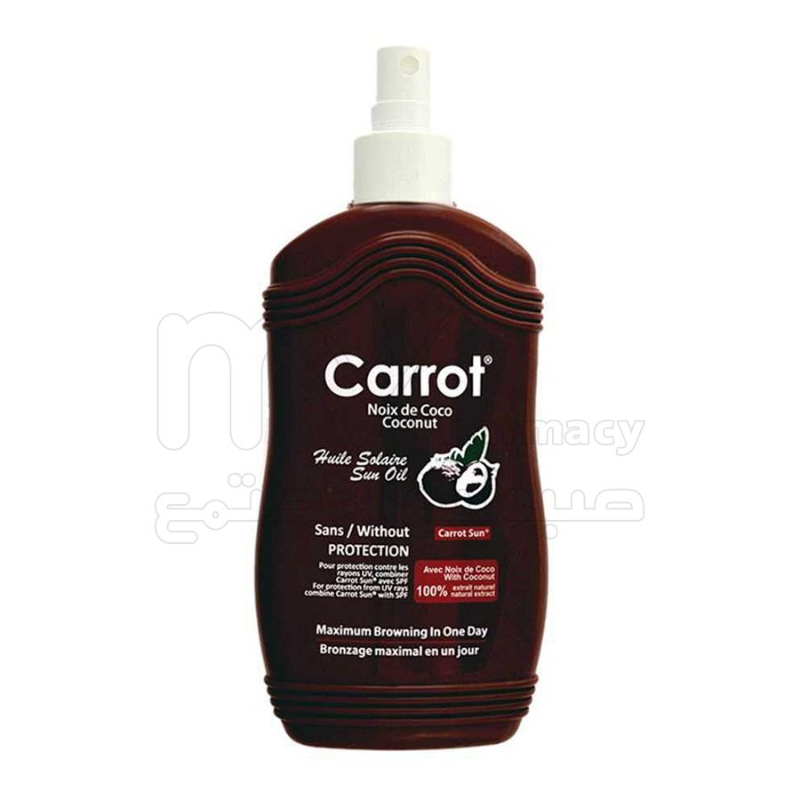
TRAVOCORT CREAM
- Sku : I-006331
Key features
TRAVOCORT Cream is a topical cream containing diflucortolone valerate 0.1% and isoconazole nitrate 0.1%. Diflucortolone valerate is a potent topical glucocorticoid that downregulates inflammatory mediators to reduce erythema, pruritus and edema, while isoconazole nitrate is an imidazole antifungal that inhibits 14-α-demethylase, impairing ergosterol synthesis and fungal cell membrane integrity. It is indicated for the initial, short-term treatment of superficial fungal skin infections accompanied by marked inflammation or eczema, including interdigital areas of the feet, hands and groin/genital region. Supplied as a cream in a 20 g tube.- Brand: TRAVOCORT
- Active Ingredient: DIFLUCORTOLONE VALERATE 0.1%, ISOCONAZOLE NITRATE 0.1%
- Strength: 0.1,0.1%
- Dosage Form: Cream
- Pack Size: 20 g
- Route: Topical
- Prescription Status: Prescription
- Drug Class: Topical corticosteroid (diflucortolone valerate; potent glucocorticoid) + topical imidazole antifungal (isoconazole nitrate).
- Manufacturer: LEO Pharma Manufacturing Italy Srl
- Country of Origin: Italy
- SFDA Registration No.: 1601268930
- Shelf Life: 36 months
- Storage: do not store above 30°c
- Skin Condition: Fungal
- Steroid Potency: Potent
Frequently bought together
Indications
Approved Uses
Initial/short-term treatment of superficial fungal skin infections accompanied by marked inflammation/eczema (e.g., in interdigital spaces of the feet, hands, groin/genital region), where an antifungal plus topical corticosteroid is indicated.
Off-Label Uses
Travocort has documented use in erythrasma, intertrigo due to Candida albicans, tinea corporis, tinea pedis, tinea faciei, and inguino-femoral skin fold mycosis; these represent established clinical applications rather than off-label uses.
Dosage & Administration
Dosing by Condition
For inflamed superficial fungal infections: apply a thin layer twice daily; limit corticosteroid-combination use to short courses (generally up to 2 weeks), then continue with an antifungal alone if needed to complete mycologic cure.
Initial Dose
Apply to the affected area twice daily. [16, 19]
Maintenance Dose
After the inflammatory symptoms subside (at the latest after 2 weeks), treatment should be continued with a corticosteroid-free antifungal preparation. [4, 17]
Maximum Dose
Apply a thin layer twice daily; maximum duration 2 weeks.
Children's Dosage
Use with caution in children under 12 years; apply sparingly for the shortest duration possible; avoid use in infants and neonates due to higher risk of systemic absorption and HPA axis suppression
Side Effects
Common Side Effects
Application-site burning/stinging/irritation, pruritus, erythema, and dryness; less commonly contact dermatitis or folliculitis, and with prolonged use corticosteroid effects such as skin atrophy/striae/telangiectasia.
Safety & Warnings
Warnings & Precautions
External use only; avoid eyes/mucosa; do not use on large areas, for prolonged periods, or under occlusion unless directed; use short courses on face/intertriginous areas; discontinue if irritation/sensitization or worsening infection occurs; if used in genital area, may damage latex condoms/diaphragms; reassess if no improvement.
Age Restriction
Avoid use in infants/young children unless specifically prescribed; if used in children, use the smallest amount for the shortest duration with close supervision (no fixed minimum age in the verified API data).
Driving Warning
Safe
Drug Interactions
Food Interaction
Not applicable (no clinically relevant food interactions with topical use).
Special Populations
Children
Use with caution in children under 12 years; apply sparingly for the shortest duration possible; avoid use in infants and neonates due to higher risk of systemic absorption and HPA axis suppression
Elderly
Use with caution; elderly skin is more susceptible to atrophy and systemic absorption; apply sparingly and for the shortest duration necessary
Liver Impairment
No dose adjustment needed.
Storage & Patient Advice
Stopping the Medicine
Stop when the inflammatory component has resolved and do not exceed 2 weeks of Travocort; if fungal therapy must continue, switch to a steroid-free antifungal.
Patient Counseling
Apply a thin layer to the affected skin twice daily (morning and evening) and rub in gently; use for a short course (typically up to 2 weeks) and do not continue longer or over large areas unless your prescriber advises. Avoid eyes, mouth, and mucous membranes; do not use on the face, groin, or underarms for prolonged periods. Do not use under occlusive/airtight dressings unless instructed. Wash hands after application (and before if applying to others). Stop and seek medical advice if irritation/allergy occurs or if there is no improvement within ~1-2 weeks. This is a prescription topical combination (corticosteroid + antifungal) and should not be shared. Store below 30°C.
Monitoring Requirements
No routine labs for short courses; clinically monitor response and local adverse effects (irritation, atrophy/striae, telangiectasia) and for worsening/secondary infection, with HPA-axis suppression concern only with prolonged/extensive/occlusive use or in children.
Pharmacology
Mechanism of Action
Diflucortolone valerate: glucocorticoid receptor agonist that downregulates inflammatory cytokines/mediators and vasodilation, reducing erythema, pruritus, and edema; Isoconazole nitrate: imidazole antifungal that inhibits fungal 14-α-demethylase (CYP51), impairing ergosterol synthesis and disrupting cell membrane integrity.
Onset of Action
Symptomatic anti-inflammatory relief typically within 1-2 days; antifungal activity starts with application but visible improvement may take several days, and full eradication requires completing the prescribed course.
Duration of Effect
Not a single-dose, time-limited effect; benefits require regular application-anti-inflammatory symptom relief is transient and wanes after stopping, while antifungal cure requires completing the course.
Half-Life
If systemically absorbed, diflucortolone has an elimination half-life of about 4-5 hours; its metabolites may have a longer half-life (around ~9 hours). Isoconazole has minimal systemic exposure after topical use, so a clinically meaningful systemic half-life is usually not applicable.
Bioavailability
Topical use; systemic absorption is generally low but increases with inflamed/broken skin, large surface area, prolonged use, or occlusion.
Product Information
Available Dosage Forms
Cream
Composition per Dose
Each 1g of cream contains: 1mg Diflucortolone valerate (0.1%) and 1mg Isoconazole nitrate (0.1%)
Skin Condition
Fungal
Steroid Potency
Potent
Reviewed by Al Mujtama Pharmacy Medical Review Team. Last reviewed 04-07-2026
Similar Products