
Use Code: ND30 And Get 30% OFF | Get Free Delivery With No Minimum Order
-1744229570.gif "Almujtama Pharmacy logo")




Frequently bought together
Health Care & Wellness > Diabetes Care
Health Care & Wellness > Diabetes Care
Health Care & Wellness > Diabetes Care
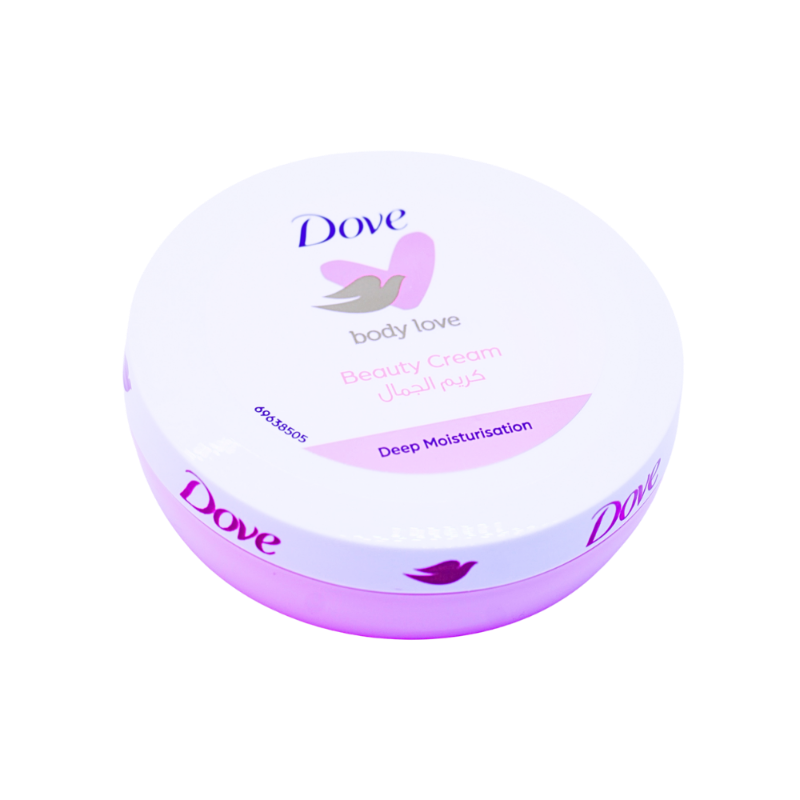
Skin And Body Care > Moisturizers
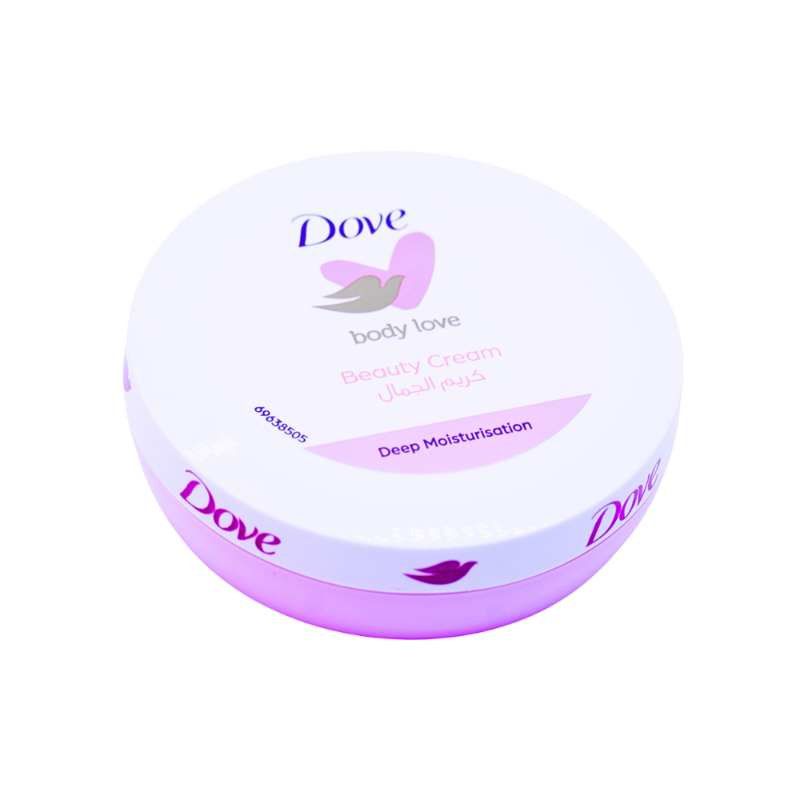
Skin And Body Care > Moisturizers
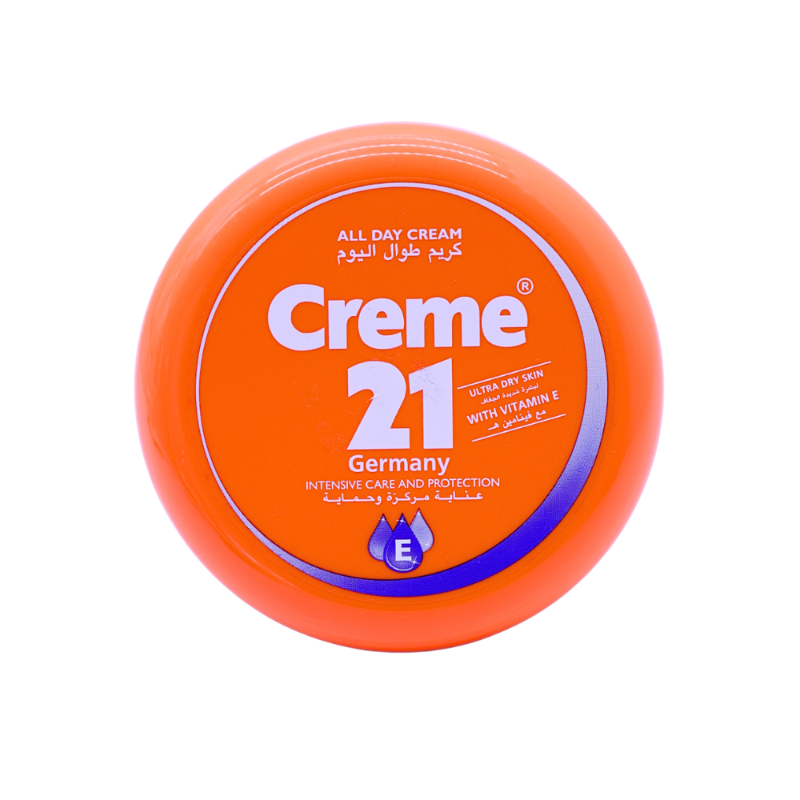
Skin And Body Care > Moisturizers
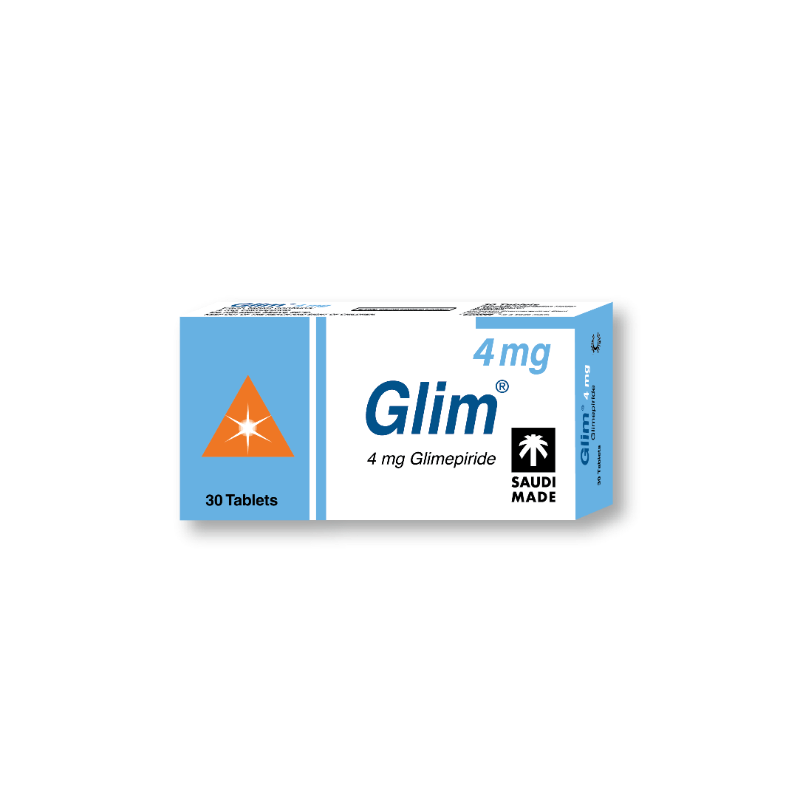
GLIM 4/MG TAB 30/TAB
- Sku : I-002524
Key features
Glim 4mg Tablets 30 Tablets (GLIM) is a tablet containing the active ingredient glimepiride 4 mg. As a second-generation sulfonylurea, it stimulates insulin release by closing ATP-sensitive potassium channels (SUR1) on pancreatic beta cells, leading to cell depolarization and calcium influx, and exerts minor extrapancreatic effects that improve insulin sensitivity. It is indicated for the treatment of type 2 diabetes mellitus in adults, as monotherapy or in combination with metformin or insulin. Available as 4 mg tablets in a pack of 30 tablets (prescription-only).- Brand: GLIM
- Active Ingredient: GLIMEPIRIDE
- Strength: 4mg
- Dosage Form: Tablet
- Pack Size: 30 Tablets
- Route: Oral use
- Prescription Status: Prescription
- Therapeutic Class: Antidiabetic
- Pharmacological Group: Sulfonylureas
- Drug Class: Second-generation Sulfonylurea, Antidiabetic
- Manufacturer: SPIMACO
- Country of Origin: Saudi Arabia
- SFDA Registration No.: 235-212-08
- Shelf Life: 48 months
- Storage: store below 25°c
- Diabetes Type: Type 2
Frequently bought together
Health Care & Wellness > Diabetes Care
Health Care & Wellness > Diabetes Care
Health Care & Wellness > Diabetes Care
Skin And Body Care > Moisturizers
Skin And Body Care > Moisturizers
Skin And Body Care > Moisturizers
Indications
Approved Uses
Type 2 diabetes mellitus in adults as monotherapy or in combination with metformin or insulin
Dosage & Administration
Dosing by Condition
Type 2 diabetes mellitus (oral): Start 1-2 mg once daily with breakfast/first main meal (1 mg if high hypoglycemia risk); usual maintenance 1-4 mg once daily; maximum 8 mg/day. Combination with insulin: continue glimepiride at a low dose and titrate insulin per glucose response (no fixed insulin starting dose is universally recommended).
Initial Dose
1-2 mg once daily with breakfast or first main meal
Maintenance Dose
1-4 mg once daily, titrated at 1-2 mg increments every 1-2 weeks based on blood glucose response
Maximum Dose
8 mg once daily.
Children's Dosage
Not approved for children.
Dose Adjustment Notes
Titrate in 1-2 mg increments no more frequently than every 1-2 weeks based on glucose; use conservative initiation/titration (e.g., start 1 mg daily) in elderly, renal impairment, hepatic impairment, or other high hypoglycemia-risk patients; when switching from longer-acting sulfonylureas, consider a washout or lower starting dose to reduce hypoglycemia risk.
How to Take
Swallow whole with water; take with breakfast or the first main meal of the day; do not crush or chew
Side Effects
Common Side Effects
Hypoglycemia; dizziness; headache; nausea (± vomiting); abdominal pain/dyspepsia; diarrhea; weight gain; asthenia (weakness).
Side Effect Frequency
Common: hypoglycemia; dizziness; headache; nausea (± other GI upset); weight gain; asthenia. Less common/rare but clinically important: hypersensitivity skin reactions, elevated liver enzymes/hepatitis/cholestasis, and hematologic dyscrasias (e.g., leukopenia, thrombocytopenia).
Safety & Warnings
Contraindications
Hypersensitivity to glimepiride/other sulfonylureas (or excipients); type 1 diabetes mellitus; diabetic ketoacidosis (with or without coma).
Warnings & Precautions
High hypoglycemia risk (elderly, malnourished, renal/hepatic impairment; missed meals/exercise); educate/monitor glucose; beta-blockers may mask symptoms; caution in G6PD deficiency (hemolysis); possible cross-reactivity with sulfonamides; during stress/illness/surgery may need temporary insulin; class warning: possible increased cardiovascular mortality (based on older sulfonylurea data).
Age Restriction
Pediatric use: safety and efficacy not established; generally not recommended under 18 years.
Driving Warning
Use caution when driving or operating machinery; risk of hypoglycemia may impair ability to drive
Drug Interactions
Drug Interactions
Key interactions: CYP2C9 inhibitors (e.g., fluconazole) and miconazole increase hypoglycemia risk; NSAIDs/salicylates, ACE inhibitors, MAOIs, warfarin and alcohol may potentiate hypoglycemia; CYP2C9 inducers (e.g., rifampin) and hyperglycemic agents (corticosteroids, thiazides, thyroid hormones) may reduce effect; beta-blockers can mask hypoglycemia symptoms.
Interaction Severity
MAJOR: Miconazole (especially oral/systemic) and other strong CYP2C9 inhibitors (e.g., fluconazole) → markedly increased hypoglycemia risk; Concomitant insulin/other hypoglycemics → additive hypoglycemia. MODERATE: Beta-blockers (mask/prolong hypoglycemia); NSAIDs and some ACE inhibitors/MAOIs (may enhance hypoglycemia); CYP2C9 inducers such as rifampin (reduced effect); corticosteroids and thiazide diuretics (hyperglycemia/reduced control). MINOR/variable: Alcohol (unpredictable glycemic effect; may worsen hypoglycemia).
Food Interaction
Take once daily with breakfast or the first main meal; skipping or delaying meals after a dose increases hypoglycemia risk.
Alcohol Interaction
Avoid
Special Populations
Pregnancy
Consult Doctor
Children
Not approved for children.
Elderly
Initiate at 1 mg once daily; titrate slowly with close blood glucose monitoring due to increased risk of hypoglycemia; renal function should be assessed before and during treatment
Kidney Impairment
Renal impairment: start at 1 mg once daily and titrate slowly with close glucose monitoring; avoid or use extreme caution in severe renal impairment due to high hypoglycemia risk.
Liver Impairment
Use with caution in hepatic impairment; start low (e.g., 1 mg once daily) and titrate carefully; avoid/use alternative therapy in severe hepatic impairment.
Storage & Patient Advice
Missed Dose
Take as soon as remembered with food. If it is almost time for the next dose, skip the missed dose. Do not take a double dose.
Stopping the Medicine
Do not stop abruptly without prescriber advice; stopping can worsen glycemic control-consult your doctor before discontinuation.
Overdose
Overdose causes potentially prolonged severe hypoglycemia (confusion, seizures, coma); treat with rapid glucose (oral if conscious, IV dextrose if not), consider glucagon if IV access unavailable, and monitor/continue dextrose as needed for 24-48 hours with urgent medical care.
Patient Counseling
Take once daily with breakfast/first main meal at the same time each day; do not skip meals after dosing; recognize and treat hypoglycemia (carry fast-acting glucose); monitor glucose as directed; avoid/limit alcohol; use caution driving/operating machinery if hypoglycemia occurs; tell clinicians about all medicines (notably azole antifungals, beta-blockers, NSAIDs, steroids); seek care for severe/recurrent hypoglycemia or signs of allergy, jaundice, or unusual bruising/infection.
Monitoring Requirements
Monitor capillary/SMBG (or CGM) and HbA1c (about every 3 months until stable, then every 3-6 months); monitor for hypoglycemia; assess renal function periodically; consider liver enzymes and CBC if clinically indicated (e.g., symptoms of hepatic dysfunction or blood dyscrasia).
Pharmacology
Mechanism of Action
Sulfonylurea: stimulates insulin release by closing ATP-sensitive K+ channels (SUR1) on pancreatic beta cells causing depolarization and Ca2+ influx; also has minor extrapancreatic effects improving insulin sensitivity.
Onset of Action
Approximately 2-3 hours to peak effect after an oral dose (with glucose-lowering effect beginning within a few hours).
Duration of Effect
24 hours.
Half-Life
5-9 hours.
Bioavailability
High/near-complete oral bioavailability (often cited as ~100%).
Metabolism
Hepatic metabolism primarily via CYP2C9 to M1 (active) and M2 (inactive) metabolites.
Protein Binding
>99.5%.
Product Information
Available Dosage Forms
Tablet.
Composition per Dose
Each tablet: 4 mg glimepiride
Generic Availability
Yes
OTC Alternatives
No OTC alternative
Diabetes Type
Type 2
Reviewed by Al Mujtama Pharmacy Medical Review Team. Last reviewed 29-08-2026
Similar Products
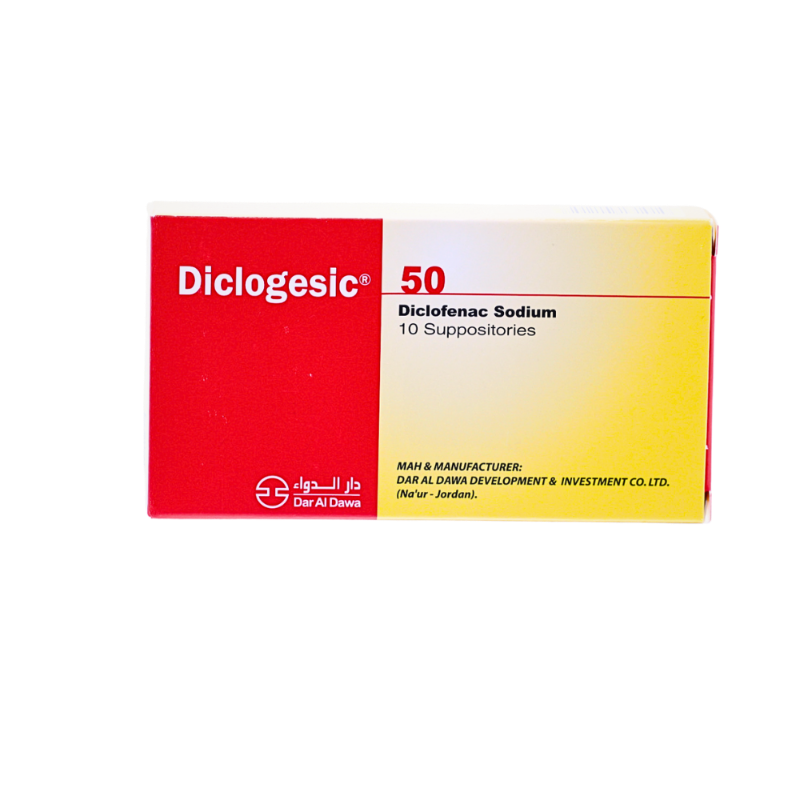
Medications > Painkillers and Antipyretics
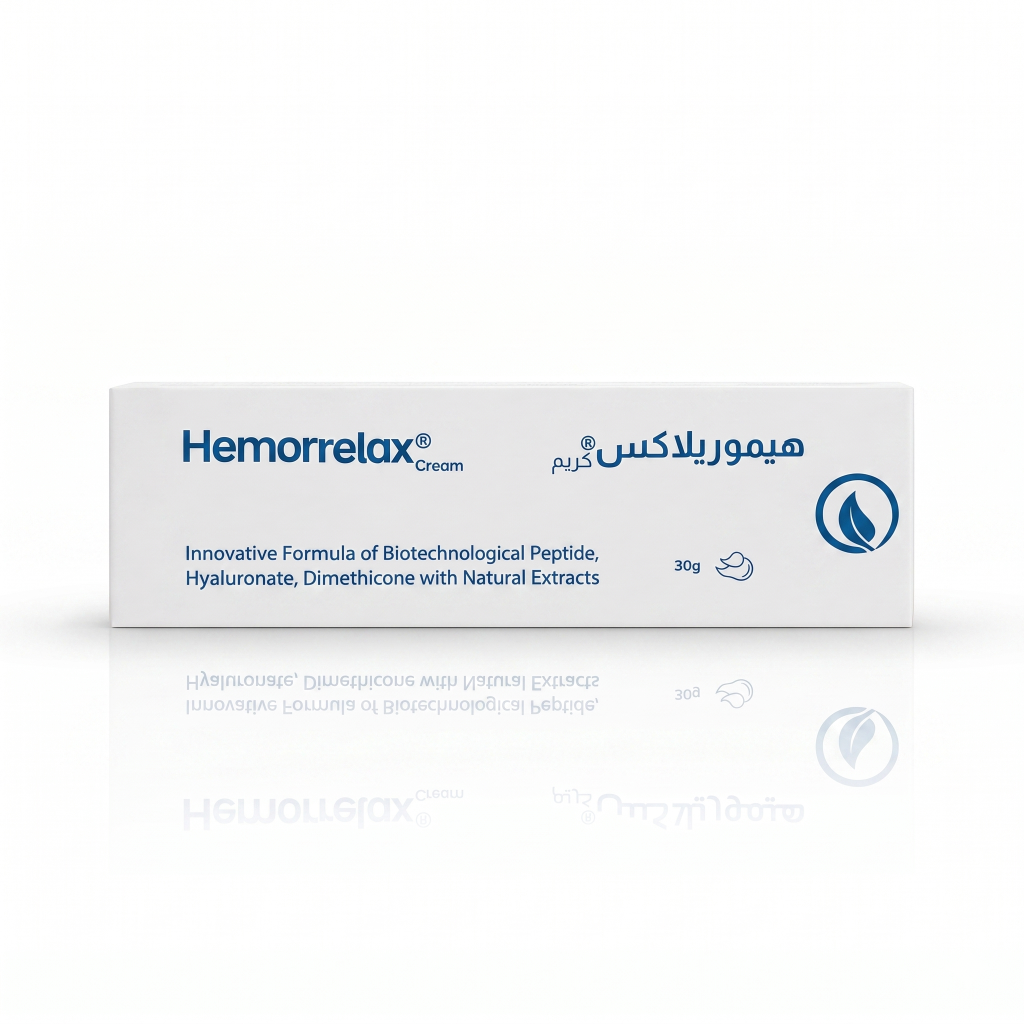
Medications > Hemorrhoid Medications
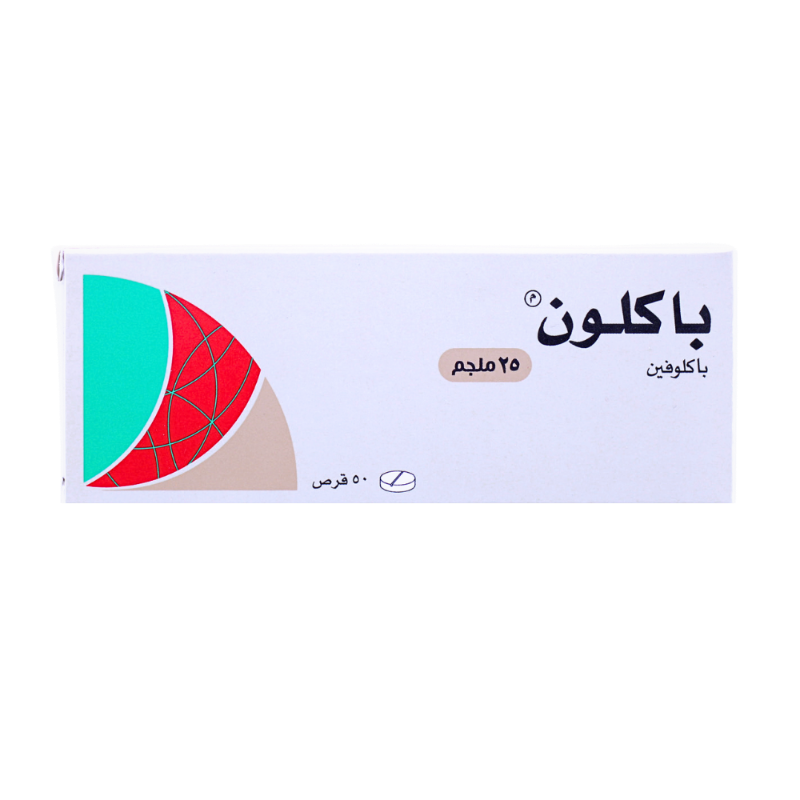
Medications > Painkillers and Antipyretics

Medications > Cold, Cough, and Allergy Medications
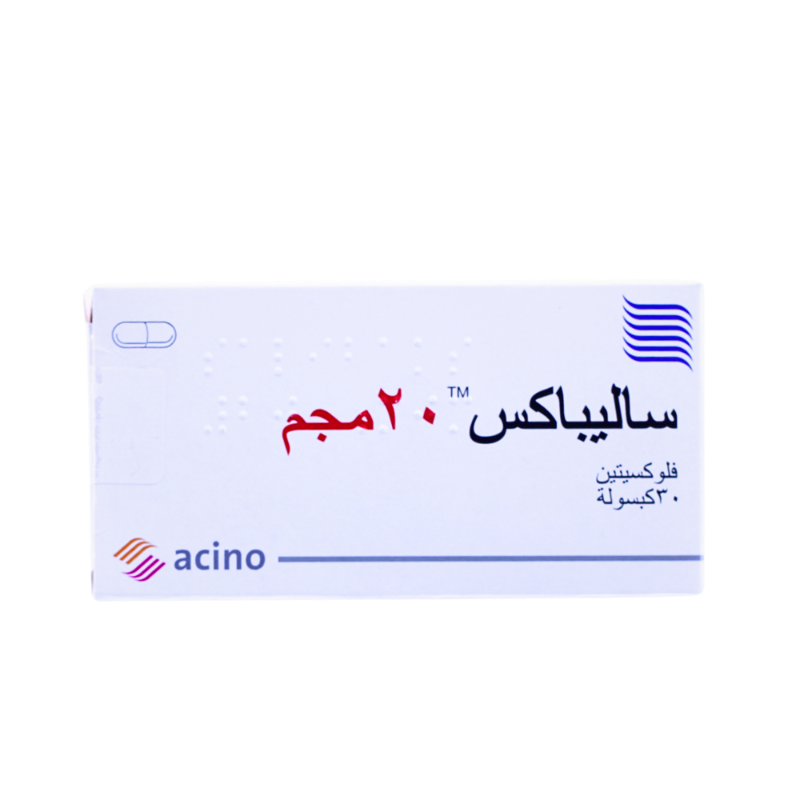
Medications > Psychiatric Medications
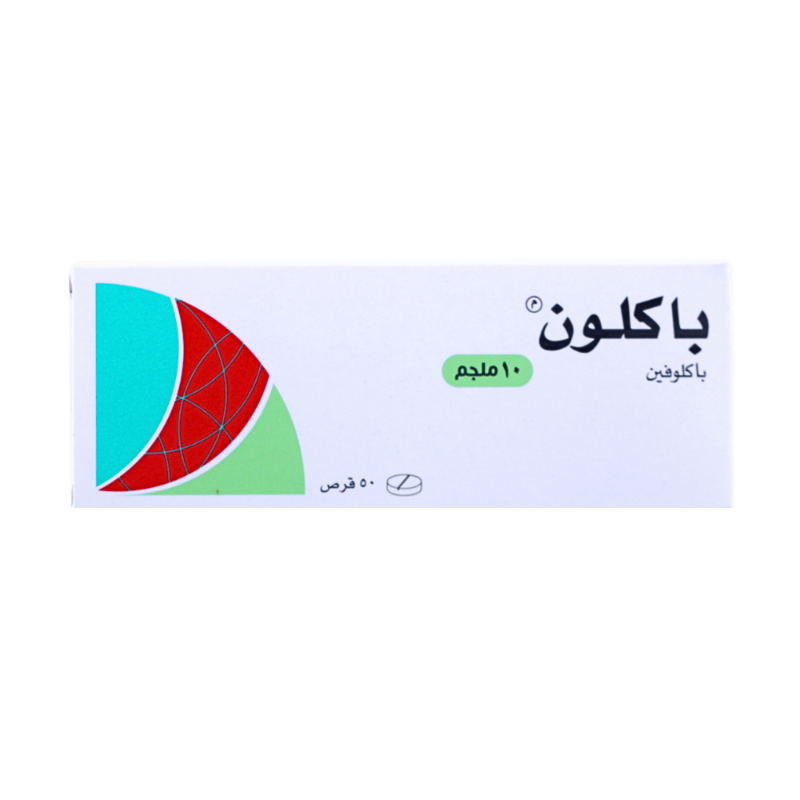
Medications > Painkillers and Antipyretics
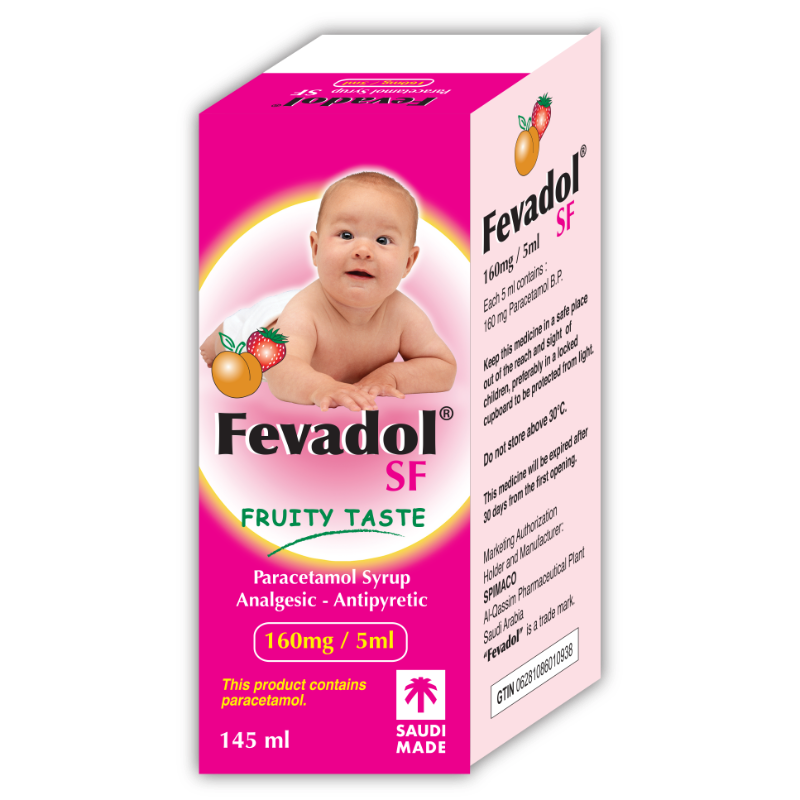
Medications > Painkillers and Antipyretics
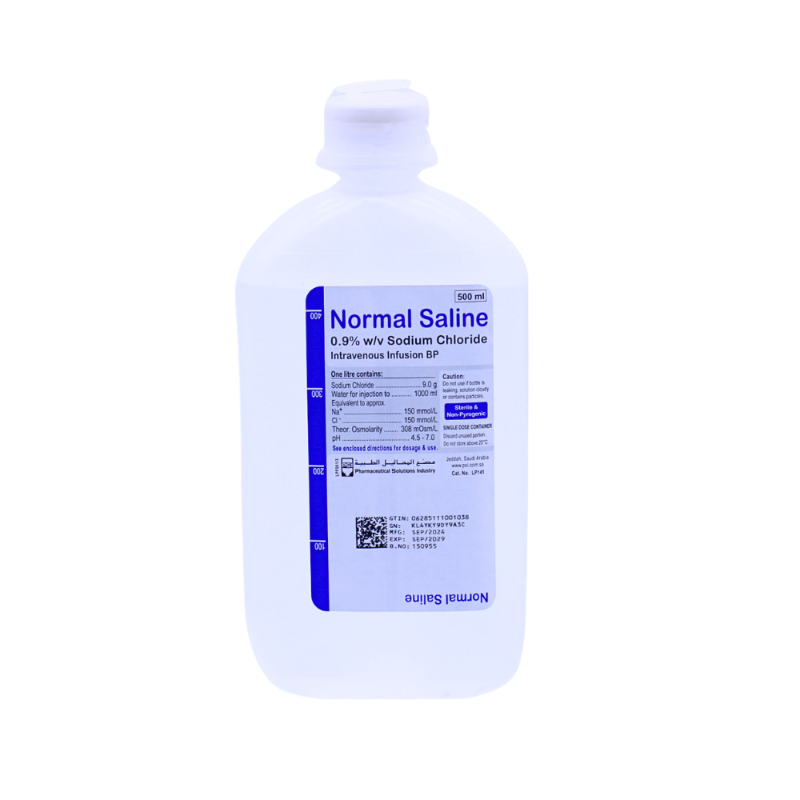
Medications > Other Medicines
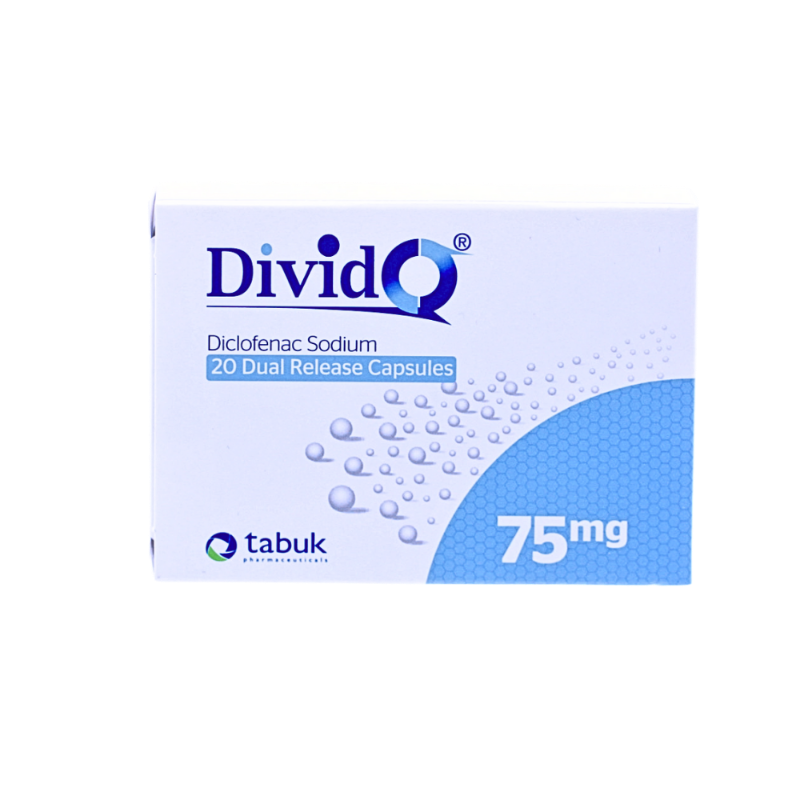
Medications > Painkillers and Antipyretics
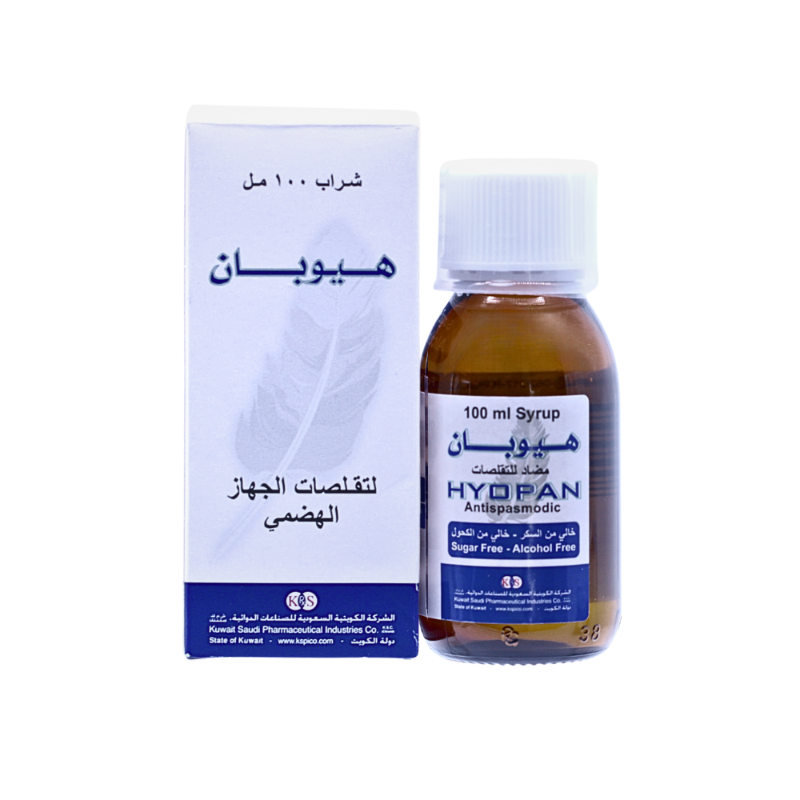
Medications > Gastrointestinal Medications
