
Use Code: ND30 And Get 30% OFF | Get Free Delivery With No Minimum Order
-1744229570.gif "Almujtama Pharmacy logo")




Frequently bought together
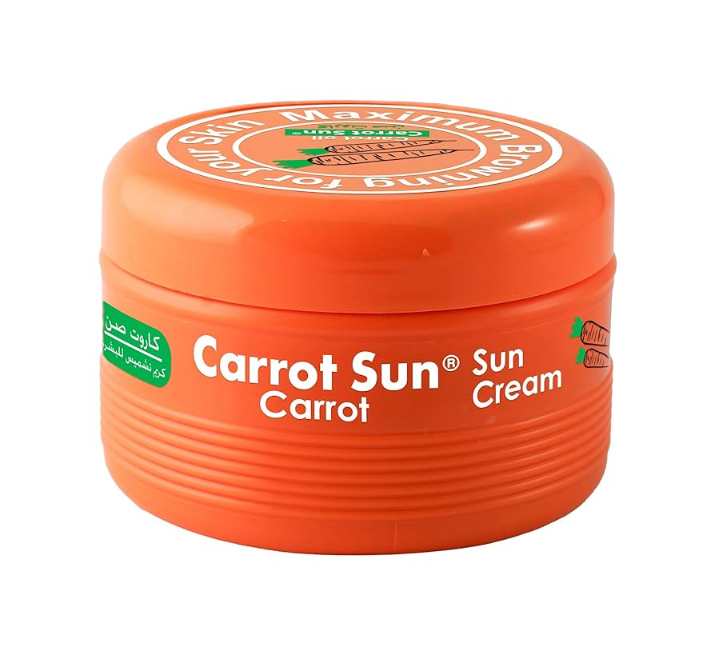
Skin And Body Care > Sun Protection And Tans
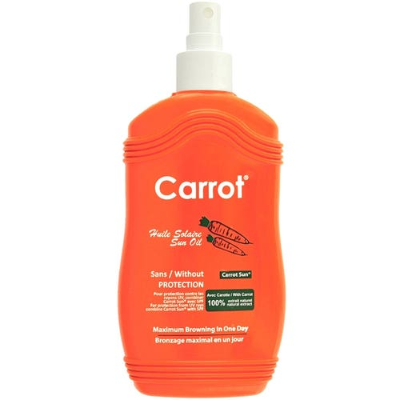
Skin And Body Care > Sun Protection And Tans
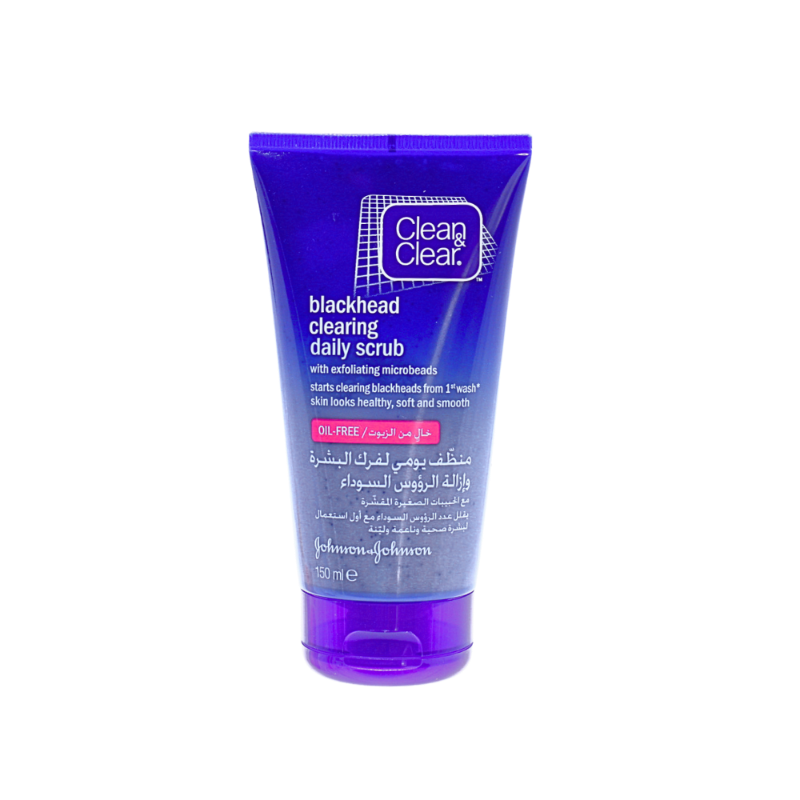
Skin And Body Care > Facial Wash And Exfoliators
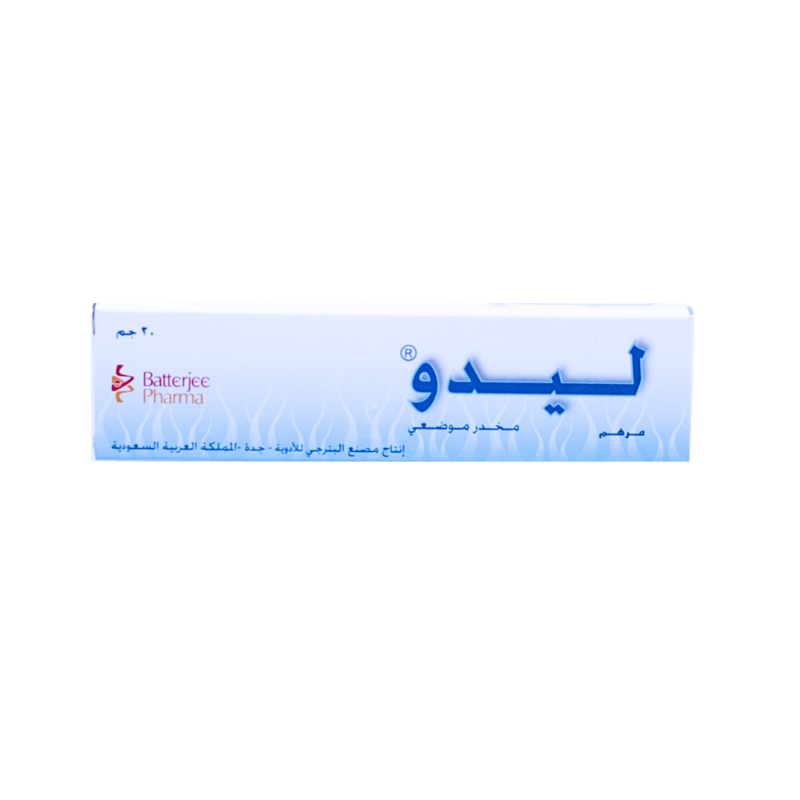
LEDO OINTMENT 20G
- Sku : I-035287
Key features
LEDO OINTMENT 20G is a prescription topical ointment containing lidocaine hydrochloride 5% (LEDO). It is an amide‑type local anesthetic that produces analgesia by blocking sodium channels and inhibiting nerve impulse conduction. It is used for topical local anesthesia and temporary relief of pain and pruritus associated with minor skin conditions such as minor burns (including sunburn), abrasions and insect bites on intact skin. Available by prescription in a 20 g tube.- Brand: LEDO
- Active Ingredient: LIDOCAINE HYDROCHLORIDE 5%
- Strength: 5%
- Dosage Form: Ointment
- Pack Size: 20 g
- Route: Topical
- Prescription Status: Prescription
- Therapeutic Class: Dermatological
- Drug Class: Topical local anesthetic (amide-type sodium channel blocker).
- Manufacturer: BATTERJEE PHARMACETICAL FACTORY
- Country of Origin: Saudi Arabia
- SFDA Registration No.: 14-590-10
- Shelf Life: 24 months
- Storage: store below 30°c
- Skin Condition: Local Anesthesia
Frequently bought together
Skin And Body Care > Sun Protection And Tans
Skin And Body Care > Sun Protection And Tans
Skin And Body Care > Facial Wash And Exfoliators
Indications
Approved Uses
Topical local anesthesia and temporary relief of pain and pruritus from minor skin conditions (e.g., minor burns including sunburn, abrasions, insect bites) on intact skin.
Off-Label Uses
Off-label: symptomatic relief of hemorrhoids/anal fissure pain (external use), and premature ejaculation (topical penile application with precautions to avoid partner exposure).
Dosage & Administration
Initial Dose
Apply a thin layer (approximately 1-2g) to the affected area
Maintenance Dose
Apply to affected area 3-4 times daily as needed; do not exceed recommended application area
Children's Dosage
Maximum dose should not exceed 4.5 mg/kg. For children under 12 years, consult a doctor.
Dose Adjustment Notes
No formal dose adjustment is defined for topical use, but use the minimum effective amount and limit area/frequency in elderly/debilitated patients and in severe hepatic impairment; avoid excessive use especially on compromised skin.
How to Take
Clean and dry the affected area; apply a thin layer of LEDO (lidocaine HCl 5%) ointment to intact skin and gently rub in as needed; wash hands after use (unless treating hands); avoid contact with eyes and other mucous membranes; do not apply to large areas, broken/irritated skin, or under occlusive dressings unless directed by a clinician.
Side Effects
Common Side Effects
Application-site reactions such as mild burning/stinging, redness/erythema, irritation, swelling/edema, or blanching/pallor; rare allergic/contact dermatitis.
Side Effect Frequency
Common: local application-site reactions (burning/stinging, erythema, edema, pallor, altered sensation). Uncommon/rare: allergic/contact dermatitis or urticaria. Very rare but serious (usually with excessive absorption): CNS toxicity (dizziness, drowsiness, seizures), cardiovascular toxicity (bradycardia/arrhythmias), and anaphylaxis; methemoglobinemia is rare.
Safety & Warnings
Contraindications
Hypersensitivity to lidocaine, other amide-type local anesthetics, or any component of the ointment.
Warnings & Precautions
For topical use only; avoid eyes and mucous membranes unless directed; do not apply to large areas, broken/irritated skin, or under occlusive dressings; use the minimum effective amount and duration; increased toxicity risk in young children and in severe hepatic disease; monitor for methemoglobinemia in susceptible patients or with oxidant drugs; stop and seek care if systemic symptoms occur.
Age Restriction
No specific age cutoff in the verified SFDA data; avoid unsupervised use in infants/young children and use only under physician direction in pediatrics (especially <3 years) due to higher risk of systemic absorption/toxicity.
Driving Warning
Safe
Drug Interactions
Drug Interactions
Clinically relevant mainly if significant systemic absorption occurs: additive toxicity with other local anesthetics; additive cardiac effects with class I antiarrhythmics (e.g., mexiletine) and other antiarrhythmics; increased lidocaine exposure with CYP inhibitors such as cimetidine and some beta-blockers (e.g., propranolol); caution with methemoglobinemia-inducing drugs (e.g., dapsone, nitrates, sulfonamides).
Interaction Severity
Clinically significant interactions are mainly relevant only if substantial systemic absorption occurs: additive cardiac/CNS toxicity with class I antiarrhythmics (e.g., mexiletine) and other local anesthetics; increased lidocaine exposure with strong CYP inhibitors (e.g., cimetidine) and reduced clearance with some beta-blockers; caution with methemoglobinemia-inducing drugs is more relevant to agents like benzocaine/prilocaine than lidocaine alone.
Special Populations
Children
Maximum dose should not exceed 4.5 mg/kg. For children under 12 years, consult a doctor.
Elderly
Use minimum effective amount; elderly patients may have increased systemic absorption due to thinner skin; monitor for signs of systemic toxicity
Liver Impairment
No formal dose adjustment defined for topical use; in severe hepatic impairment use the minimum effective amount and avoid large areas/occlusion or frequent applications.
Storage & Patient Advice
Storage Conditions
Store below 30°C. Keep tube tightly closed. Keep out of reach of children.
Stopping the Medicine
Safe to stop anytime.
Overdose
Systemic local-anesthetic toxicity may occur with excessive/large-area/occlusive use: perioral numbness, tinnitus, dizziness, confusion, tremor/seizures, respiratory depression, bradycardia/hypotension, arrhythmias/cardiac arrest; management is immediate removal/washing off, urgent medical care with airway/ventilation support and benzodiazepines for seizures (and lipid emulsion therapy if severe LAST per guidelines).
Patient Counseling
Apply a thin layer of lidocaine 5% ointment to intact skin only, using the smallest amount needed for effect; avoid eyes/mucosa and do not apply to large areas, broken/irritated/infected skin, or under occlusive/airtight dressings unless directed by a prescriber. Wash hands after application (unless treating hands) and stop/seek urgent care if symptoms of systemic local-anesthetic toxicity occur (e.g., dizziness, drowsiness, tinnitus, perioral numbness/metallic taste, confusion, seizures, or palpitations/irregular heartbeat). Keep out of reach of children and use only as prescribed (this product is prescription-only per SFDA).
Monitoring Requirements
No routine monitoring for standard localized topical use; counsel to monitor for local irritation and for systemic toxicity (e.g., dizziness, tinnitus, perioral numbness, confusion, seizures, arrhythmias) if used excessively, on large areas, under occlusion, or on broken skin.
Pharmacology
Onset of Action
Typically within 2-5 minutes after topical application (may be longer on thicker skin).
Duration of Effect
Approximately 30-60 minutes after topical application (variable by site, amount, and skin integrity).
Bioavailability
Systemic absorption from topical lidocaine is generally low on intact skin but is highly variable and increases with application to large areas, prolonged contact, inflamed/broken skin, and occlusive dressings.
Excretion
Primarily renal excretion, mainly as metabolites with only a small fraction excreted unchanged.
Product Information
Composition per Dose
Each gram of ointment contains 50 mg of Lidocaine Hydrochloride (5% w/w).
Generic Availability
Yes
OTC Alternatives
OTC alternatives for minor skin pain/itch include pramoxine-containing products and some lower-strength lidocaine products (commonly 4%) depending on local regulations; benzocaine products are also OTC in some markets but have higher methemoglobinemia risk.
Skin Condition
Local Anesthesia
Reviewed by Al Mujtama Pharmacy Medical Review Team. Last reviewed 04-08-2026
Similar Products
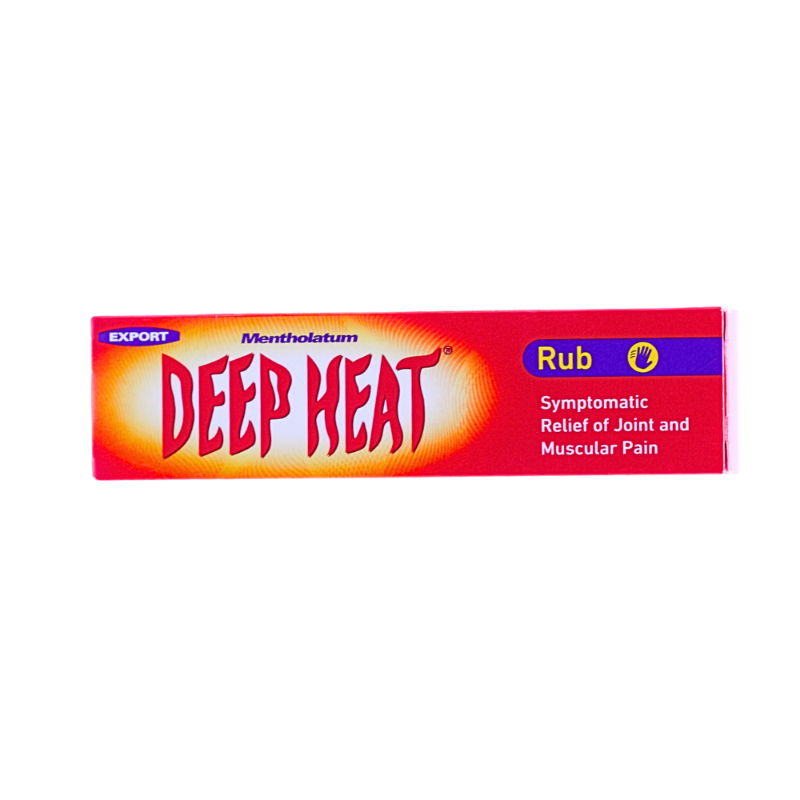
Medications > Painkillers and Antipyretics
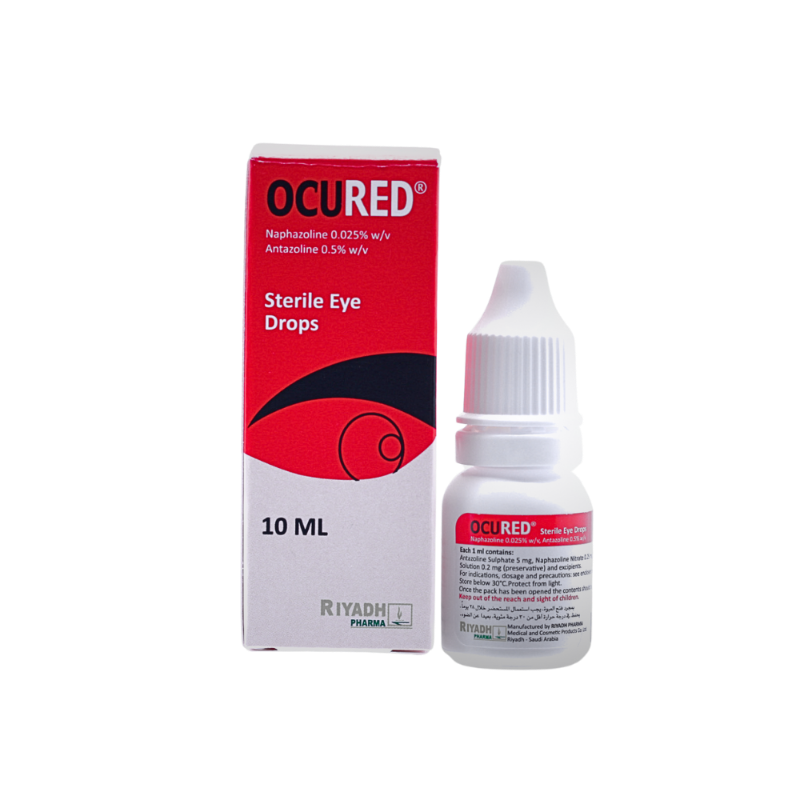
Medications > Eye and Ear Medications
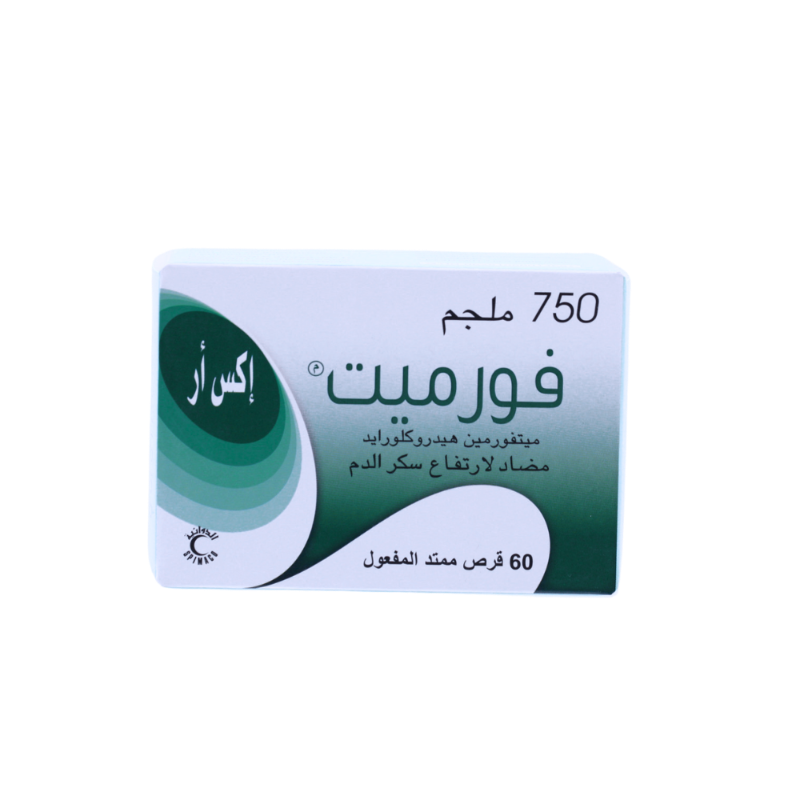
Medications > Diabetes Medications
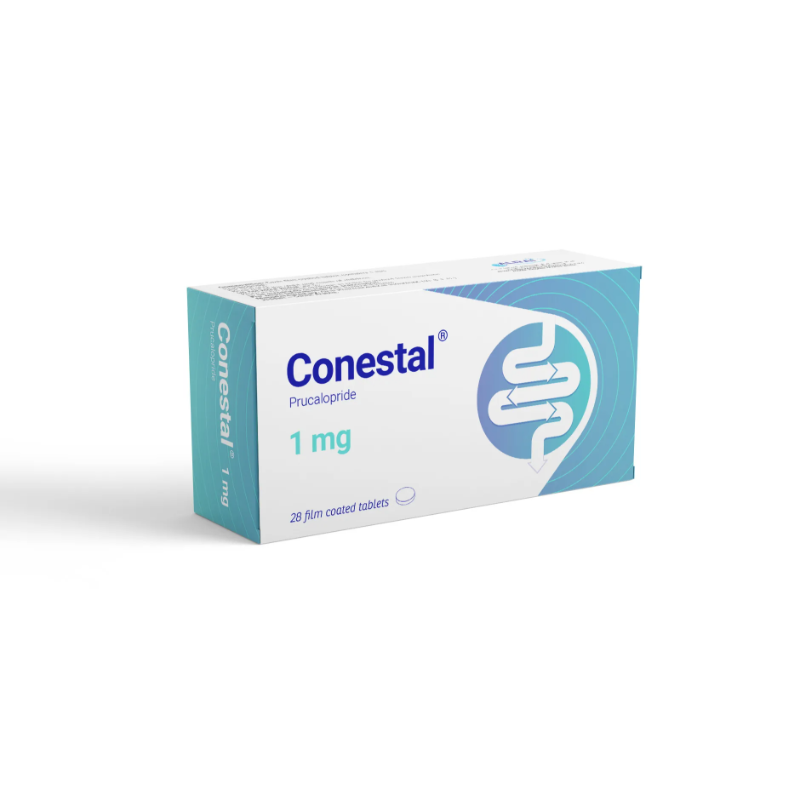
Medications > Gastrointestinal Medications
Medications > Contraceptives and Hormonal Medications
Medications > Dermatology Medications
Medications > Eye and Ear Medications
Medications > Cold, Cough, and Allergy Medications
Medications > Urology Medications
Medications > Eye and Ear Medications
