
Use Code: ND30 And Get 30% OFF | Get Free Delivery With No Minimum Order
-1744229570.gif "Almujtama Pharmacy logo")




Frequently bought together

Vitamins & Supplements > Natural Supplements
Vitamins & Supplements > Natural Supplements
Vitamins & Supplements > Probiotecs
Vitamins & Supplements > Natural Supplements
Vitamins & Supplements > Probiotecs
NOSPASM 10/MG TAB 30/TAB
- Sku : I-004418
Key features
NOSPASM 10 mg tablets contain hyoscine butylbromide 10 mg as the active ingredient. It is a peripherally acting anticholinergic antispasmodic that competitively antagonizes muscarinic acetylcholine receptors on smooth muscle to reduce spasms. It is used for symptomatic relief of smooth‑muscle spasm of the gastrointestinal tract (including IBS-related cramping), biliary tract (biliary colic), and genitourinary tract (including renal colic). It is available OTC in packs of 30 tablets.- Brand: NOSPASM
- Active Ingredient: HYOSCINE BUTYLBROMIDE 10mg
- Strength: 10mg
- Dosage Form: Tablet
- Pack Size: 30 Tablets
- Route: Oral use
- Prescription Status: OTC
- Therapeutic Class: Alimentary Tract & Metabolism
- Drug Class: Anticholinergic antispasmodic (peripherally acting quaternary ammonium antimuscarinic).
- Manufacturer: SPIMACO
- Country of Origin: Saudi Arabia
- SFDA Registration No.: 2005257439
- Shelf Life: 48 months
- Storage: store below 30°c
- Gi Condition: IBS
Frequently bought together
Vitamins & Supplements > Natural Supplements
Vitamins & Supplements > Natural Supplements
Vitamins & Supplements > Probiotecs
Vitamins & Supplements > Natural Supplements
Vitamins & Supplements > Probiotecs
Indications
Approved Uses
Symptomatic relief of smooth‑muscle spasm of the gastrointestinal tract (including IBS-related cramping), biliary tract (biliary colic), and genitourinary tract (including renal colic).
Off-Label Uses
Management of excessive secretions in palliative/end-of-life care (e.g., “death rattle”); sometimes used as an antispasmodic adjunct in bowel/endoscopic procedures depending on local practice.
Dosage & Administration
Dosing by Condition
Adults and adolescents ≥12 years: 10 mg orally 3-5 times daily as needed; may increase per response up to 20 mg per dose (max 80 mg/day). Children 6-11 years: 10 mg orally up to 3 times daily (where labeling allows).
Initial Dose
10mg three times daily for Irritable Bowel Syndrome.
Maintenance Dose
10mg three times daily to 20mg four times daily, as needed.
Maximum Dose
100mg per day (for injectable forms); 80mg per day for oral use (20mg 4 times daily).
Children's Dosage
Children 6-12 years: 10mg three times daily for abdominal cramps. Not recommended for children under 6 years.
Dose Adjustment Notes
No routine dose adjustment is established for renal or hepatic impairment; use caution in severe impairment and monitor for anticholinergic adverse effects.
How to Take
Swallow the tablet whole with water; may be taken with or without food. Do not chew or crush.
Side Effects
Common Side Effects
Dry mouth, blurred vision, tachycardia/palpitations, constipation, urinary retention, skin reactions (e.g., rash/urticaria/pruritus), decreased sweating.
Safety & Warnings
Contraindications
Myasthenia gravis; narrow/closed-angle glaucoma; mechanical stenosis/obstruction of the GI tract (including paralytic ileus); megacolon; prostatic hypertrophy with urinary retention; tachyarrhythmia/tachycardia
Warnings & Precautions
Use caution in patients with narrow/closed-angle glaucoma risk, prostatic hypertrophy/urinary retention, GI obstruction/ileus/megacolon, and tachyarrhythmias; advise urgent evaluation for persistent/worsening abdominal pain or red painful eye/visual symptoms; may cause blurred vision affecting driving/operating machinery
Age Restriction
Not recommended for children under 6 years.
Driving Warning
Generally does not cause drowsiness; if you feel dizzy or have blurred vision, avoid driving or operating machinery.
Drug Interactions
Drug Interactions
Additive anticholinergic effects with other anticholinergics (e.g., TCAs/tetracyclics, antihistamines, antipsychotics, amantadine, quinidine, disopyramide); reduced GI prokinetic effect with dopamine antagonists such as metoclopramide; enhanced tachycardia with beta-adrenergic agents
Interaction Severity
Additive anticholinergic effects with other anticholinergics (e.g., TCAs, first-generation antihistamines, antipsychotics) - typically moderate/clinically significant; antagonizes prokinetics such as metoclopramide (reduced GI motility effect) - moderate; may increase tachycardia with beta-agonists - moderate.
Food Interaction
No restriction.
Special Populations
Pregnancy
Consult Doctor
Children
Children 6-12 years: 10mg three times daily for abdominal cramps. Not recommended for children under 6 years.
Storage & Patient Advice
Stopping the Medicine
Safe to stop anytime. However, it should not be taken for long periods without investigating the cause of abdominal pain.
Overdose
Symptoms: anticholinergic toxicity (dry mouth, blurred vision/mydriasis, flushing, tachycardia, urinary retention, decreased bowel motility/ileus, agitation/confusion). Management: supportive care, consider activated charcoal if early, treat severe anticholinergic delirium with physostigmine only in selected cases under expert supervision; urgent medical evaluation required
Patient Counseling
Swallow with water (with/without food); use for short-term cramp relief. Possible dry mouth, constipation, blurred vision, dizziness, palpitations-avoid driving if vision is affected. Do not exceed recommended dose; seek medical advice if symptoms persist/worsen, or if severe abdominal pain is accompanied by fever, vomiting, fainting, blood in stool, or urinary retention; consult before use if glaucoma, prostate enlargement/urinary obstruction, or significant heart disease.
Monitoring Requirements
No routine monitoring required for oral use. For parenteral administration, monitor blood pressure and heart rate.
Pharmacology
Mechanism of Action
Peripheral competitive antagonism at muscarinic acetylcholine receptors on smooth muscle, reducing GI/biliary/GU spasm and related pain.
Onset of Action
Oral onset typically within 30-60 minutes (may vary; peak effect can be later).
Duration of Effect
Approximately 3-6 hours.
Bioavailability
Very low oral bioavailability (commonly cited as ~1% due to poor absorption/first-pass), with predominantly local/peripheral action.
Metabolism
Primarily metabolized by hydrolytic cleavage (ester hydrolysis) to inactive metabolites (largely hepatic/enzymatic hydrolysis).
Excretion
Predominantly fecal/biliary excretion; urinary excretion is minimal after oral dosing (only trace amounts of unchanged drug in urine).
Protein Binding
Approximately 4-5% (about 4.4%), mainly to albumin.
Product Information
Available Dosage Forms
Tablet, solution for injection, suppository
Composition per Dose
Each tablet: 10 mg hyoscine butylbromide
Generic Availability
Yes
OTC Alternatives
Peppermint oil (enteric-coated) for IBS-related cramping; mebeverine where available OTC locally; simethicone if bloating/gas predominates.
Gi Condition
IBS
Reviewed by Al Mujtama Pharmacy Medical Review Team. Last reviewed 31-05-2026
Similar Products
Medications > Urology Medications
Medications > Painkillers and Antipyretics
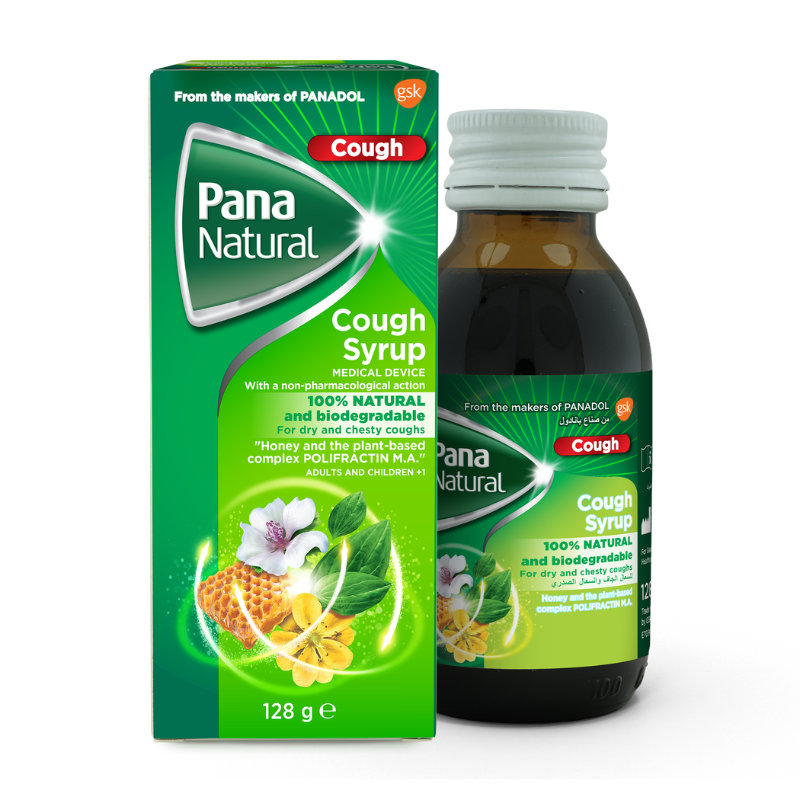
Medications > Cold, Cough, and Allergy Medications
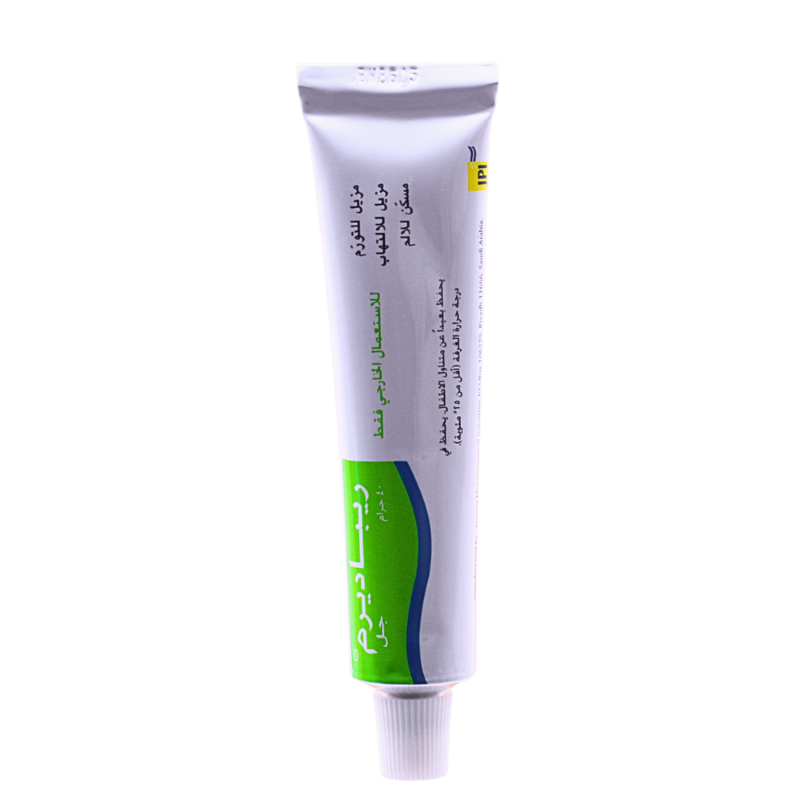
Medications > Painkillers and Antipyretics
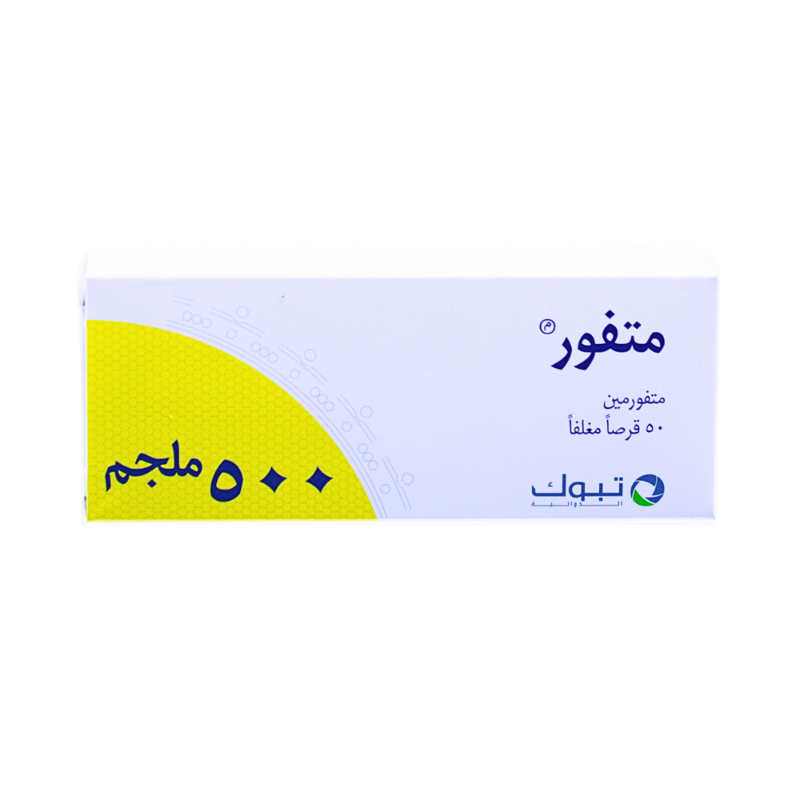
Medications > Diabetes Medications
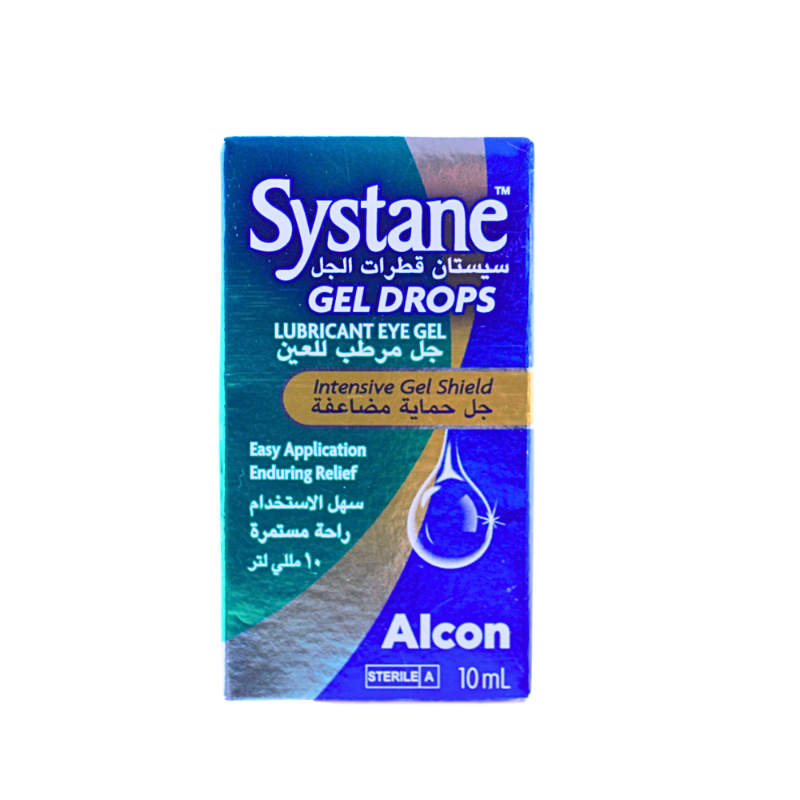
Medications > Eye and Ear Medications
Medications > Cold, Cough, and Allergy Medications
Medications > Other Medicines
Medications > Dermatology Medications
Medications > Dermatology Medications
