
Use Code: ND30 And Get 30% OFF | Get Free Delivery With No Minimum Order
-1744229570.gif "Almujtama Pharmacy logo")




Frequently bought together
Vitamins & Supplements > Omega-3 Supplements
Vitamins & Supplements > Sleeping aid supplements
Vitamins & Supplements > Sleeping aid supplements
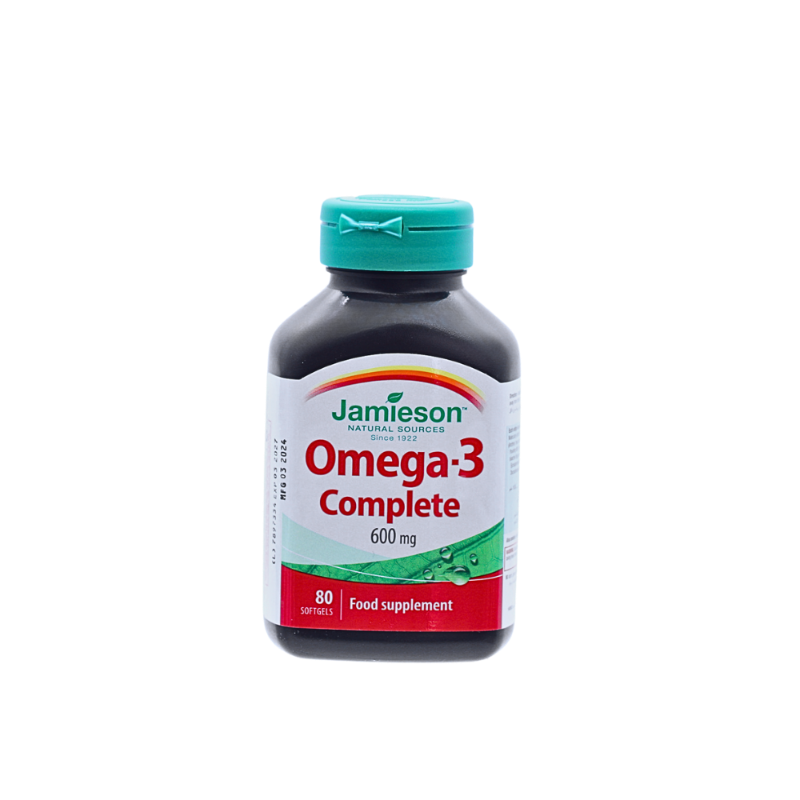
Vitamins & Supplements > Omega-3 Supplements
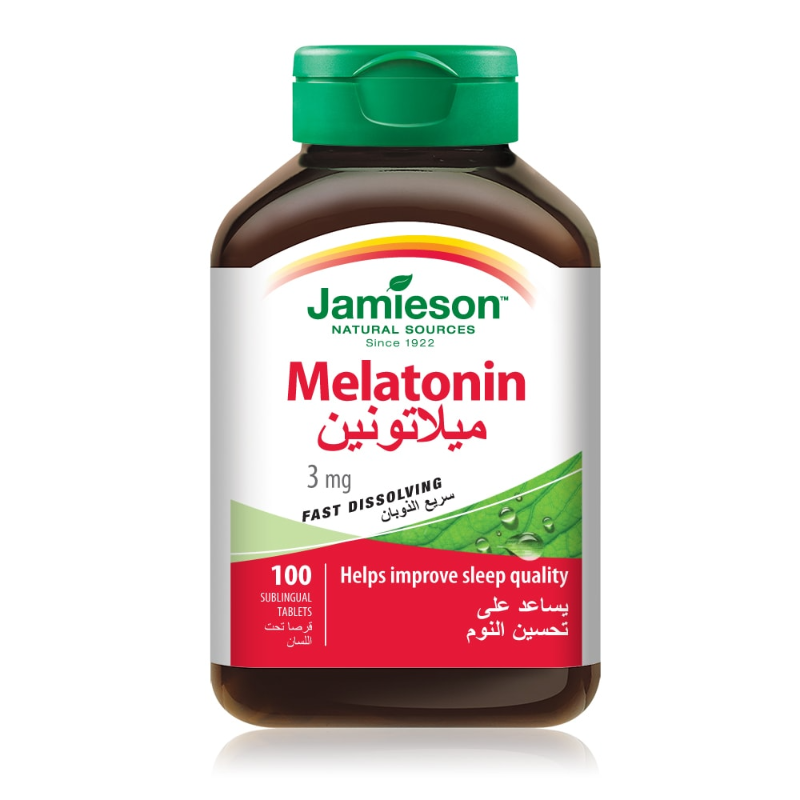
Vitamins & Supplements > Sleeping aid supplements
FEVERIN 50/MG FC TAB 60/FC TAB
- Sku : I-002180
Key features
Faverin 50mg Ec Film-coated Tablet contains fluvoxamine maleate 50mg in a film-coated tablet form. It is a selective serotonin reuptake inhibitor (SSRI) that helps increase serotonin levels in the brain by inhibiting reuptake. It is indicated for the treatment of Obsessive-Compulsive Disorder (OCD). This pack contains 60 tablets and is available by prescription.- Brand: FAVERIN
- Active Ingredient: FLUVOXAMINE MALEATE 50mg
- Strength: 50mg
- Dosage Form: Film-coated tablet
- Pack Size: 60 Tablets
- Route: Oral use
- Prescription Status: Prescription
- Therapeutic Class: Psychiatric
- Pharmacological Group: SSRIs
- Drug Class: SSRI Antidepressant (Selective Serotonin Reuptake Inhibitor)
- Manufacturer: Mylan Laboratories SAS
- Country of Origin: France
- SFDA Registration No.: 1406233806
- Shelf Life: 36 months
- Storage: store below 25°c
- Psych Class: Antidepressant-SSRI
- Controlled Substance: No
Frequently bought together
Vitamins & Supplements > Omega-3 Supplements
Vitamins & Supplements > Sleeping aid supplements
Vitamins & Supplements > Sleeping aid supplements
Vitamins & Supplements > Omega-3 Supplements
Vitamins & Supplements > Sleeping aid supplements
Indications
Approved Uses
Obsessive‑Compulsive Disorder (OCD).
Off-Label Uses
Off-label (varies by guideline): social anxiety disorder, panic disorder, PTSD, body dysmorphic disorder, and some eating disorders.
Dosage & Administration
Dosing by Condition
OCD (adults): start 50 mg once daily at bedtime; increase by 50 mg every 4-7 days as tolerated; usual range 100-300 mg/day; max 300 mg/day; divide doses when total daily dose is >100-150 mg/day (larger dose at bedtime). Pediatric OCD (8-17 years): start 25 mg once daily at bedtime; titrate by 25-50 mg every 4-7 days; max 200 mg/day (8-11 years) and 300 mg/day (12-17 years); divide doses when total daily dose is >50 mg/day.
Initial Dose
50mg once daily at bedtime.
Maintenance Dose
100-200mg/day (depression); 100-300mg/day (OCD)
Maximum Dose
300mg per day.
Children's Dosage
OCD in children 8-17 years: Initial 25mg once daily at bedtime; increase by 25mg every 4-7 days; max 200mg/day in children 8-11 years, max 300mg/day in adolescents 12-17 years. Not approved for depression in children.
Dose Adjustment Notes
Hepatic impairment/elderly: start low and titrate slowly with close monitoring. If higher total daily doses are used (commonly >100-150 mg/day), administer in 2 divided doses; increase dose no more frequently than every 4-7 days as tolerated.
How to Take
Oral: swallow the film‑coated tablet whole with water; may be taken with or without food. Usually given once daily at bedtime; if the total daily dose is higher (commonly >100-150 mg/day), divide into 2 doses (larger portion at bedtime).
Side Effects
Common Side Effects
Common: nausea/GI upset (including diarrhea or constipation), headache, somnolence or insomnia, dizziness, dry mouth, sweating, asthenia/fatigue, decreased appetite, tremor/anxiety/nervousness.
Side Effect Frequency
Very common (>10%): nausea, somnolence, insomnia, headache. Common (1-10%): asthenia/fatigue, dizziness, anxiety/nervousness, dry mouth, diarrhea, decreased appetite/anorexia, sweating, tremor (and other GI/CNS effects may occur).
Safety & Warnings
Contraindications
Contraindicated with MAOIs (including within 14 days of stopping an MAOI; and allow adequate washout after stopping fluvoxamine before starting an MAOI), and with thioridazine, pimozide, tizanidine, and alosetron; contraindicated in hypersensitivity to fluvoxamine.
Warnings & Precautions
Key warnings/precautions: monitor for suicidality/clinical worsening (especially early and in patients <25), serotonin syndrome with serotonergic agents, increased bleeding risk with NSAIDs/aspirin/anticoagulants, mania/hypomania activation (screen for bipolar disorder), seizures (use caution), hyponatremia/SIADH (higher risk in elderly/diuretics), angle-closure glaucoma risk in susceptible patients, significant CYP-mediated drug interactions (notably CYP1A2/2C19 inhibition), and taper to avoid discontinuation symptoms.
Age Restriction
Not approved for children <8 years; for OCD it is approved in pediatric patients ≥8 years, while for depression it is not approved in patients <18 years.
Driving Warning
May Cause Drowsiness
Drug Interactions
Drug Interactions
Major/contraindicated: MAOIs, thioridazine, pimozide, tizanidine, alosetron. Clinically significant: warfarin/other anticoagulants and NSAIDs/aspirin (bleeding risk), theophylline and clozapine (↑ levels via CYP1A2 inhibition), benzodiazepines (notably alprazolam/triazolam/diazepam-↑ sedation/levels), other serotonergic drugs (triptans, tramadol, other SSRIs/SNRIs, linezolid, etc.-serotonin syndrome risk). Ramelteon: avoid/contraindicated due to markedly increased exposure.
Interaction Severity
MAJOR/contraindicated: MAOIs (and within 14 days), tizanidine, thioridazine, pimozide, alosetron. Clinically significant (monitor/adjust): warfarin/other anticoagulants (bleeding/INR), theophylline (↑ levels via CYP1A2 inhibition), clozapine (↑ levels), benzodiazepines such as alprazolam/triazolam (↑ levels), other serotonergic drugs (e.g., tramadol, triptans, linezolid) (serotonin syndrome risk), NSAIDs/aspirin (↑ bleeding risk).
Food Interaction
No restriction.
Special Populations
Pregnancy
Category C
Children
OCD in children 8-17 years: Initial 25mg once daily at bedtime; increase by 25mg every 4-7 days; max 200mg/day in children 8-11 years, max 300mg/day in adolescents 12-17 years. Not approved for depression in children.
Elderly
Start at 50mg once daily at bedtime; titrate more slowly than in younger adults; lower maintenance doses may be sufficient; monitor for hyponatremia and drug interactions
Liver Impairment
Hepatic impairment: start at a lower dose and titrate slowly with close monitoring; consider lower maximum doses, and avoid or use extreme caution in severe hepatic impairment.
Storage & Patient Advice
Stopping the Medicine
Do not stop abruptly; taper gradually (typically over at least 2-4 weeks, individualized) to reduce discontinuation symptoms (e.g., dizziness, nausea, irritability, anxiety, paresthesia).
Overdose
Overdose may cause GI upset (nausea/vomiting/diarrhea), CNS depression (somnolence/dizziness), seizures, and cardiovascular effects (tachy/bradycardia, hypotension, ECG changes), with possible coma and liver function disturbances; management is immediate emergency care with supportive treatment, airway/cardiac monitoring, and activated charcoal when appropriate-no specific antidote.
Patient Counseling
Take exactly as prescribed (often at bedtime); may take with or without food; do not stop abruptly-taper with prescriber guidance. Expect benefit after several weeks (often 2-4 weeks; full effect may take longer, especially for OCD). Avoid alcohol and use caution with driving until effects are known. Seek urgent care for serotonin syndrome symptoms; report worsening mood/suicidal thoughts. Inform providers about all medicines (notably MAOIs, tizanidine, anticoagulants/NSAIDs, theophylline, clozapine, benzodiazepines).
Monitoring Requirements
Monitor for clinical worsening/suicidality (especially early and after dose changes); monitor for serotonin syndrome when combined with serotonergic agents; consider sodium (hyponatremia risk) in older adults or symptomatic patients; monitor INR/bleeding if used with warfarin/anticoagulants; consider LFTs in hepatic impairment or if clinically indicated.
Pharmacology
Mechanism of Action
Selective serotonin reuptake inhibitor (SSRI) that inhibits SERT to increase synaptic serotonin; also has notable sigma‑1 receptor affinity.
Duration of Effect
Dosing interval is typically once daily (or divided twice daily) with ~24‑hour coverage; clinical symptom control is maintained with continued daily therapy.
Half-Life
Approximately 15-22 hours (may be ~22 hours at steady state with repeated dosing).
Metabolism
Extensive hepatic metabolism primarily via CYP1A2 and CYP2D6 (with contributions from other CYPs such as CYP2C19/CYP3A4), producing largely inactive metabolites.
Product Information
Available Dosage Forms
Film‑coated tablet (50 mg), oral.
Composition per Dose
Each film-coated tablet: 50mg fluvoxamine as maleate salt
Generic Availability
Yes
OTC Alternatives
No OTC alternative
Psych Class
Antidepressant-SSRI
Controlled Substance
No
Reviewed by Al Mujtama Pharmacy Medical Review Team. Last reviewed 09-06-2026
Similar Products
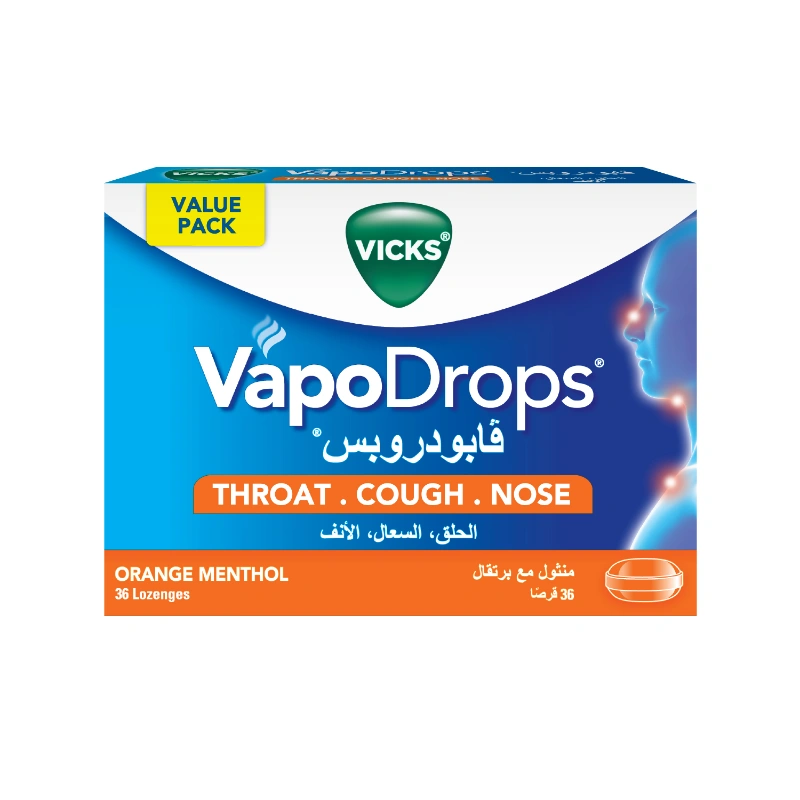
Medications > Cold, Cough, and Allergy Medications
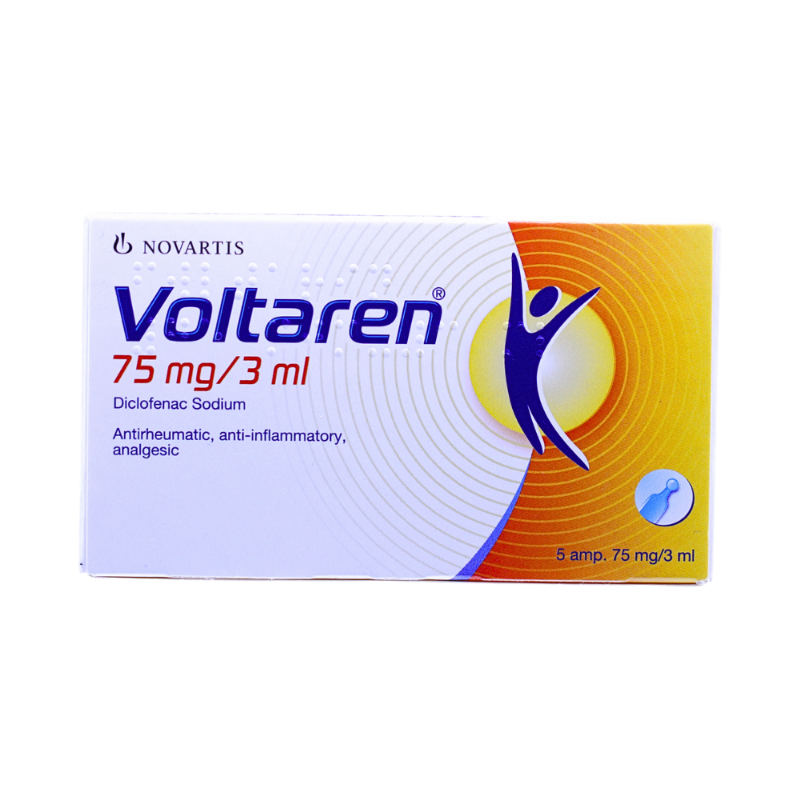
Medications > Painkillers and Antipyretics
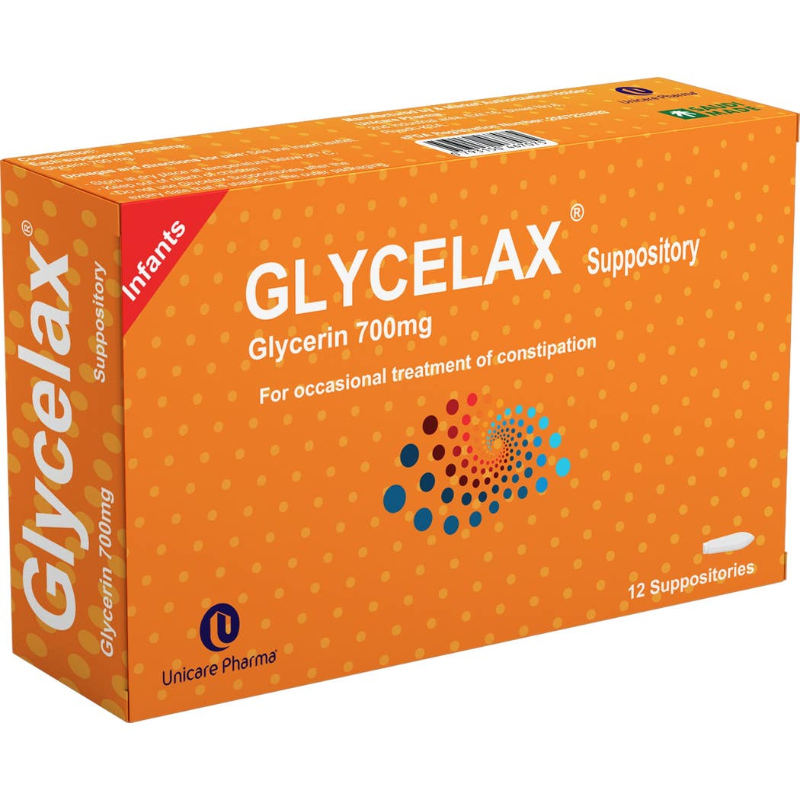
Medications > Gastrointestinal Medications
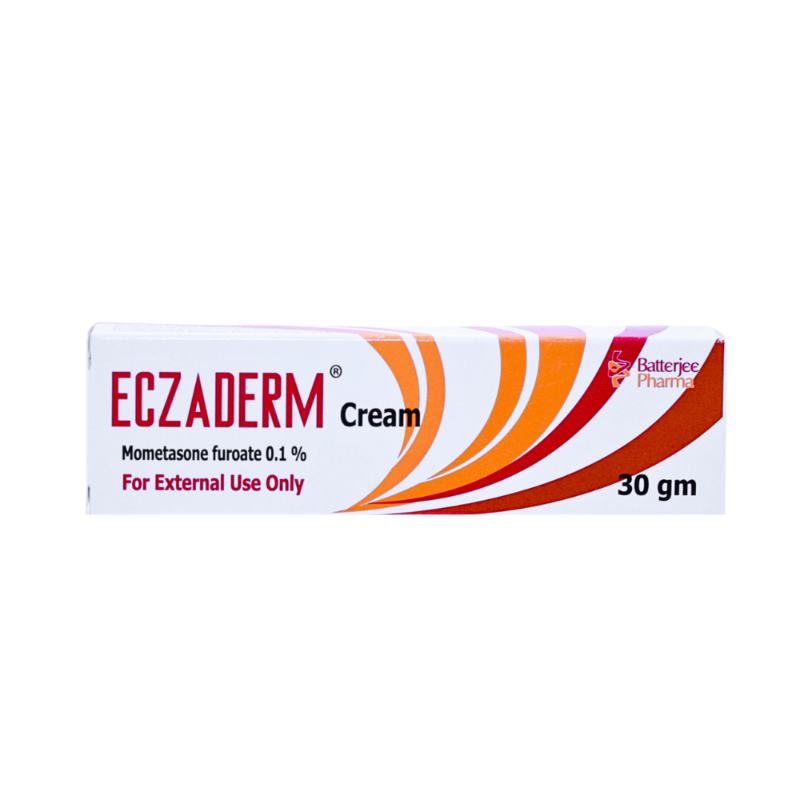
Medications > Dermatology Medications
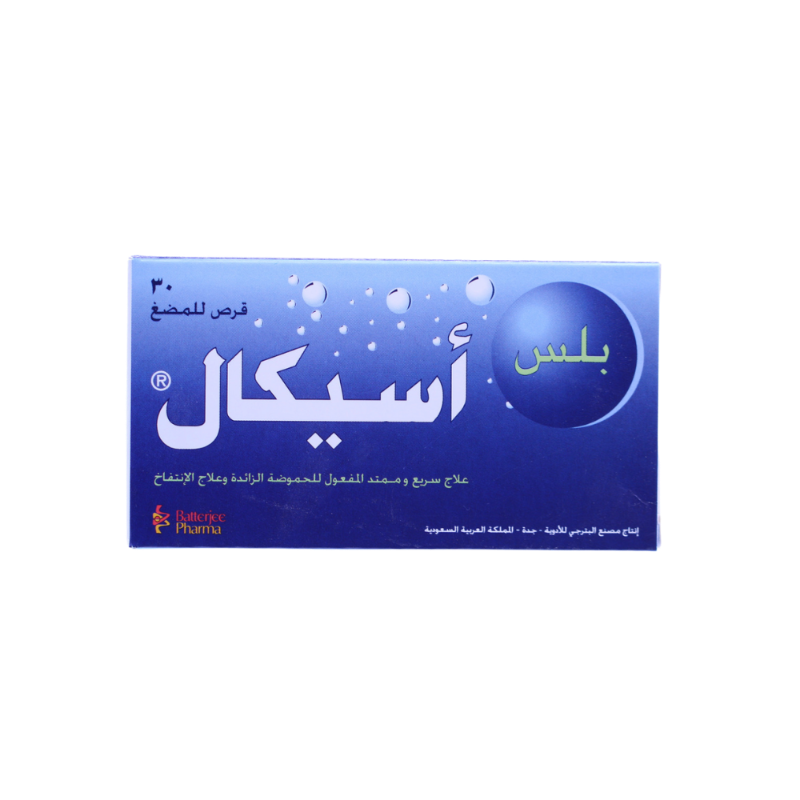
Medications > Gastrointestinal Medications
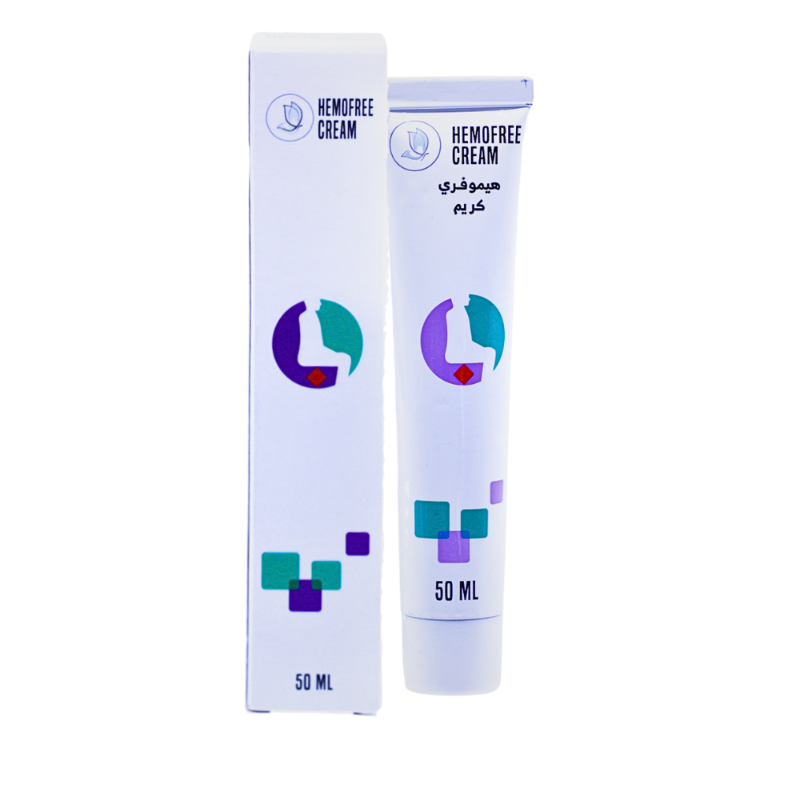
Medications > Hemorrhoid Medications
Medications > Gastrointestinal Medications
Medications > Psychiatric Medications
Medications > Gastrointestinal Medications
Medications > Painkillers and Antipyretics
