
Use Code: ND30 And Get 30% OFF | Get Free Delivery With No Minimum Order
-1744229570.gif "Almujtama Pharmacy logo")




Frequently bought together
Skin And Body Care > Moisturizers
Skin And Body Care > Moisturizers
Health Care & Wellness > Medical Supplies
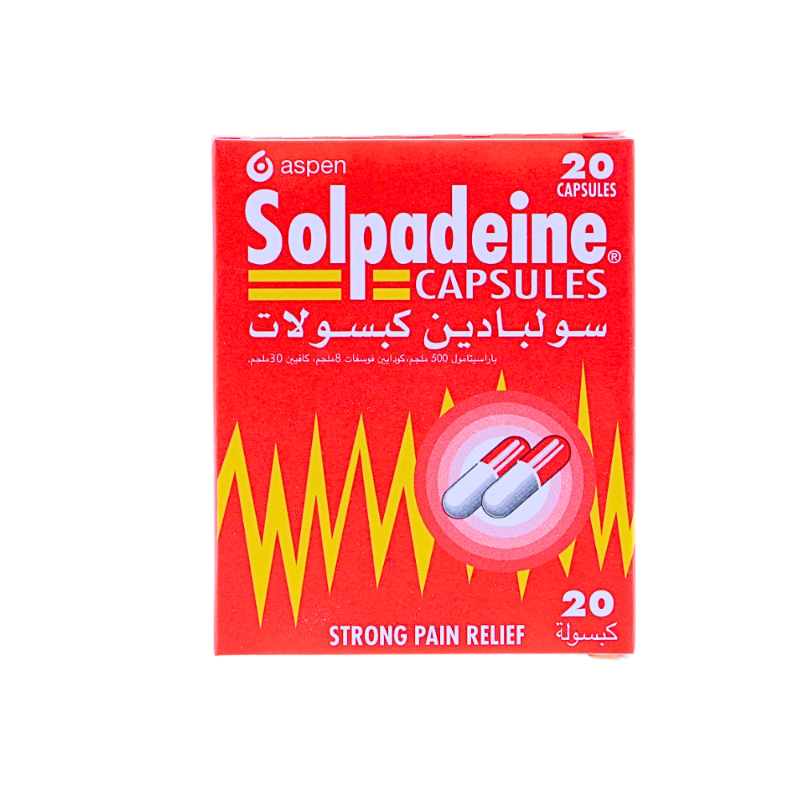
SOLPADEINE CAP 20/CAP
- Sku : I-006043
Key features
Solpadeine Capsule 500,30,8mg 20 Cap (brand SOLPADEIN) is a capsule formulation containing paracetamol 500 mg, caffeine citrate 30 mg and codeine 8 mg. Paracetamol provides central analgesic and antipyretic effects, codeine acts as a weak opioid prodrug partially converted to morphine to activate μ-opioid receptors, and caffeine serves as an adjuvant that can enhance the analgesic response. It is indicated for short-term treatment of acute moderate pain where single-agent analgesics are insufficient, including headache and migraine, dental and musculoskeletal pain, backache and dysmenorrhea. Available by prescription in a pack of 20 capsules.- Brand: SOLPADEIN
- Active Ingredient: PARACETAMOL 500mg, CAFFEINE CITRATE 30mg, CODEINE 8mg
- Strength: 500,30,8mg
- Dosage Form: Capsule
- Pack Size: 20 Capsules
- Route: Oral use
- Prescription Status: Prescription
- Therapeutic Class: Analgesic
- Pharmacological Group: Anilides (Paracetamol)
- Drug Class: Combination analgesic: non-opioid analgesic/antipyretic (paracetamol) + weak opioid (codeine) + analgesic adjuvant/CNS stimulant (caffeine).
- Manufacturer: Haleon Alcala, S.A
- Country of Origin: Spain
- SFDA Registration No.: 0812258752
- Shelf Life: 48 months
- Storage: store below 25°c
- Pain Type: General, Migraine
- Nsaid: No
- Opioid: Yes
Frequently bought together
Skin And Body Care > Moisturizers
Skin And Body Care > Moisturizers
Health Care & Wellness > Medical Supplies
Indications
Approved Uses
Short-term treatment of acute, moderate pain when other analgesics (e.g., paracetamol or ibuprofen alone) are not sufficient, such as headache/migraine, dental pain, backache, musculoskeletal pain, and dysmenorrhea.
Dosage & Administration
Initial Dose
1-2 capsules (Paracetamol 500-1000mg + Caffeine Citrate 30-60mg + Codeine 8-16mg)
Maximum Dose
Adults and adolescents ≥12 years: maximum 8 capsules in 24 hours (paracetamol 4 g/day; codeine 64 mg/day; caffeine citrate 240 mg/day); not indicated/contraindicated in children <12 years.
How to Take
Swallow capsules whole with water; may be taken with or without food. Do not exceed the prescribed dose and leave at least 4-6 hours between doses.
Side Effects
Common Side Effects
Nausea, vomiting, constipation, dizziness, drowsiness, headache, dry mouth, sweating
Safety & Warnings
Age Restriction
Not approved under 12 years.
Driving Warning
May Cause Drowsiness
Drug Interactions
Drug Interactions
Major/clinically important: alcohol, benzodiazepines and other CNS depressants (additive sedation/respiratory depression); MAOIs within 14 days (serious CNS/respiratory effects); other opioids. Important: warfarin/other coumarins with repeated paracetamol use (↑INR/bleeding risk); CYP2D6 inhibitors (e.g., fluoxetine, paroxetine, quinidine) reduce codeine activation/analgesia; enzyme inducers (e.g., rifampicin, carbamazepine, phenytoin) increase hepatotoxicity risk with paracetamol and may reduce analgesic effect; metoclopramide/domperidone (↑paracetamol absorption), colestyramine (↓absorption); flucloxacillin with paracetamol (risk of high anion gap metabolic acidosis, especially with risk factors).
Interaction Severity
MAJOR: other CNS depressants (alcohol, benzodiazepines, sedative-hypnotics, other opioids) → additive sedation/respiratory depression. CONTRAINDICATED/AVOID: concomitant MAOIs or within 14 days (opioid toxicity/CNS effects). MODERATE: warfarin with repeated/prolonged paracetamol use (↑INR/bleeding); strong CYP2D6 inhibitors (e.g., fluoxetine/paroxetine) may reduce codeine analgesia; enzyme inducers (e.g., rifampicin/carbamazepine/phenytoin) may increase paracetamol hepatotoxicity risk. MODERATE (safety signal): flucloxacillin with paracetamol may increase risk of high anion gap metabolic acidosis in predisposed patients.
Food Interaction
No restriction
Alcohol Interaction
Dangerous
Special Populations
Breastfeeding
Contraindicated
Storage & Patient Advice
Missed Dose
Take as soon as remembered; skip if near next scheduled dose. Do not double the dose.
Stopping the Medicine
For intended short-term use, it can generally be stopped when pain resolves; if used regularly for more than a few days or at high doses, stopping may cause withdrawal symptoms-seek medical advice and taper if dependence is suspected.
Overdose
Overdose may cause early nausea/vomiting/abdominal pain with delayed severe hepatotoxicity (paracetamol), CNS depression/miosis/respiratory depression/coma (codeine), and agitation/tremor/tachycardia (caffeine); management is urgent medical assessment, consider activated charcoal if early, give N-acetylcysteine for paracetamol toxicity per nomogram/timing, and naloxone plus airway/ventilatory support for opioid toxicity, with monitoring of LFTs/INR and clinical status.
Pharmacology
Mechanism of Action
Paracetamol provides central analgesic and antipyretic effects (largely via central prostaglandin pathway modulation); codeine is a prodrug partially converted by CYP2D6 to morphine that activates μ-opioid receptors; caffeine acts as an analgesic adjuvant (adenosine receptor antagonism) that can enhance analgesic response.
Onset of Action
30-60 minutes.
Duration of Effect
4-6 hours.
Bioavailability
Paracetamol: ~70-90% oral bioavailability (often cited ~80-90%); caffeine: near-complete absorption (~100%); codeine: well absorbed orally with moderate bioavailability (commonly ~50-60%) due to first-pass metabolism.
Metabolism
Paracetamol: hepatic glucuronidation/sulfation with a minor CYP2E1 pathway producing NAPQI; codeine: hepatic metabolism including CYP2D6 (to morphine) and CYP3A4 (to norcodeine) plus glucuronidation; caffeine: hepatic CYP1A2 metabolism.
Excretion
Primarily renal excretion as metabolites: paracetamol mostly as glucuronide/sulfate conjugates; codeine and metabolites (including morphine conjugates) in urine; caffeine metabolites in urine.
Product Information
Available Dosage Forms
Capsule (this SFDA-registered product). Other Solpadeine brand presentations may exist in some markets (e.g., tablets/soluble/effervescent), but they are not interchangeable and are not part of this specific SFDA product record.
Composition per Dose
Each capsule: Paracetamol 500mg + Caffeine Citrate 30mg + Codeine 8mg
Generic Availability
Yes
OTC Alternatives
Paracetamol alone or ibuprofen (if no contraindications) for mild to moderate pain; consider topical NSAIDs for localized musculoskeletal pain where appropriate.
Pain Type
General, Migraine
Nsaid
No
Opioid
Yes
Reviewed by Al Mujtama Pharmacy Medical Review Team. Last reviewed 26-07-2026
Similar Products
Medications > Gastrointestinal Medications
Medications > Dermatology Medications
Medications > Psychiatric Medications
Medications > Psychiatric Medications
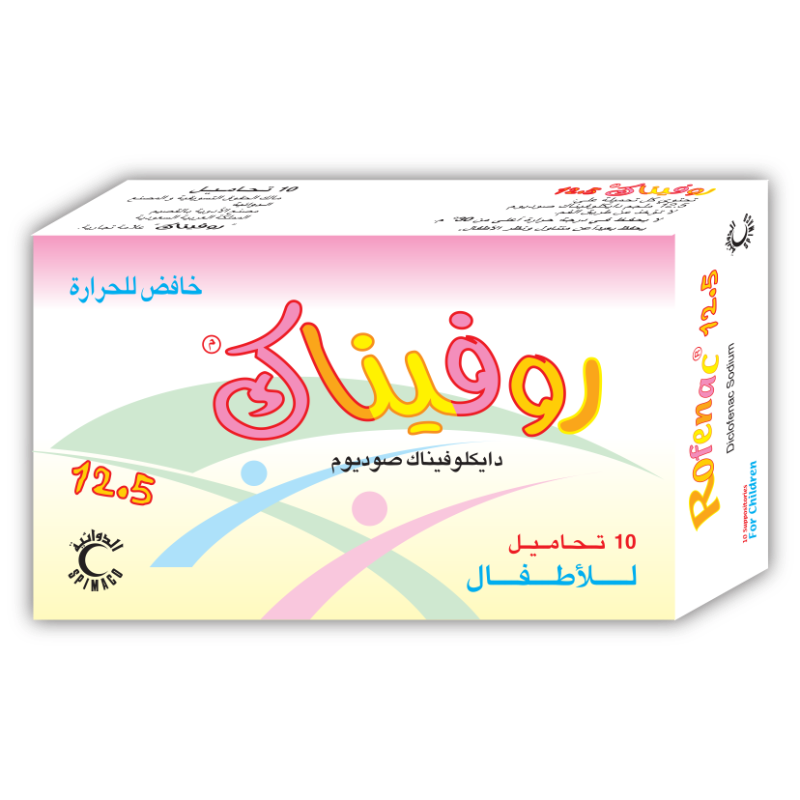
Medications > Painkillers and Antipyretics
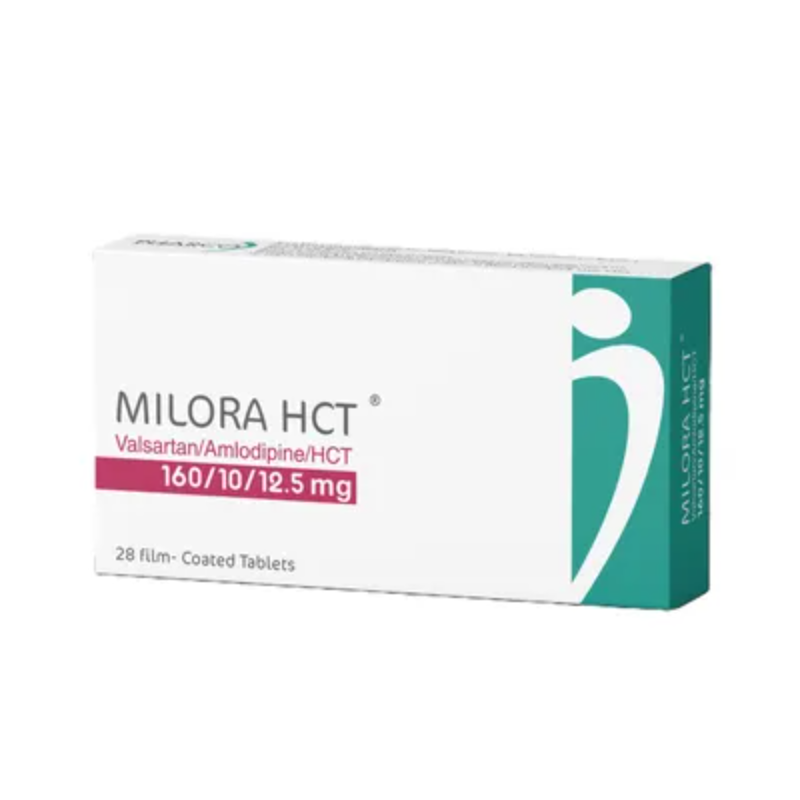
Medications > Hypertesion & Cardiovascular Medications
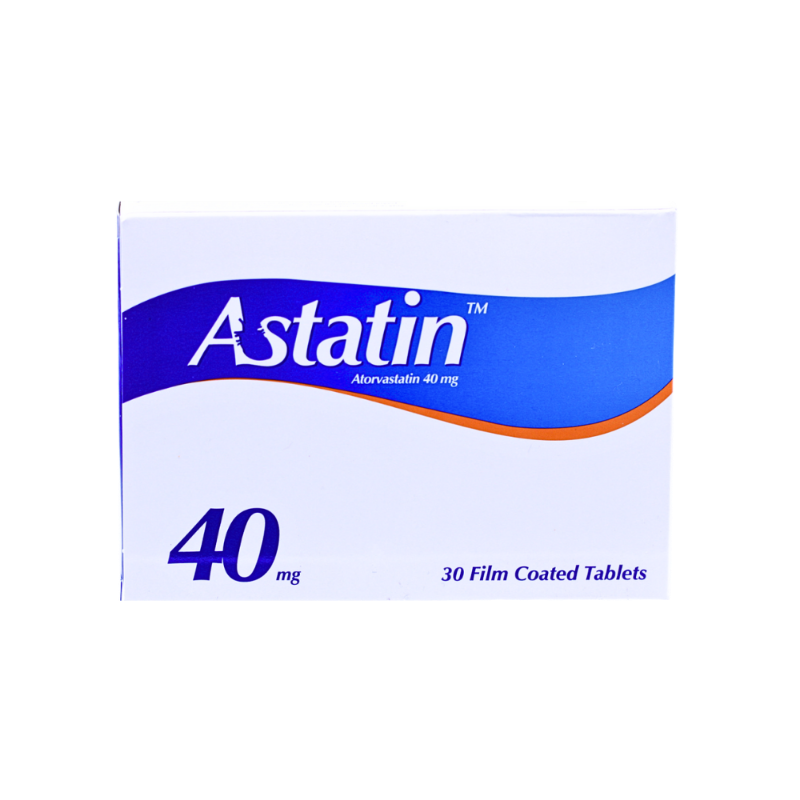
Medications > Cholesterol Medications
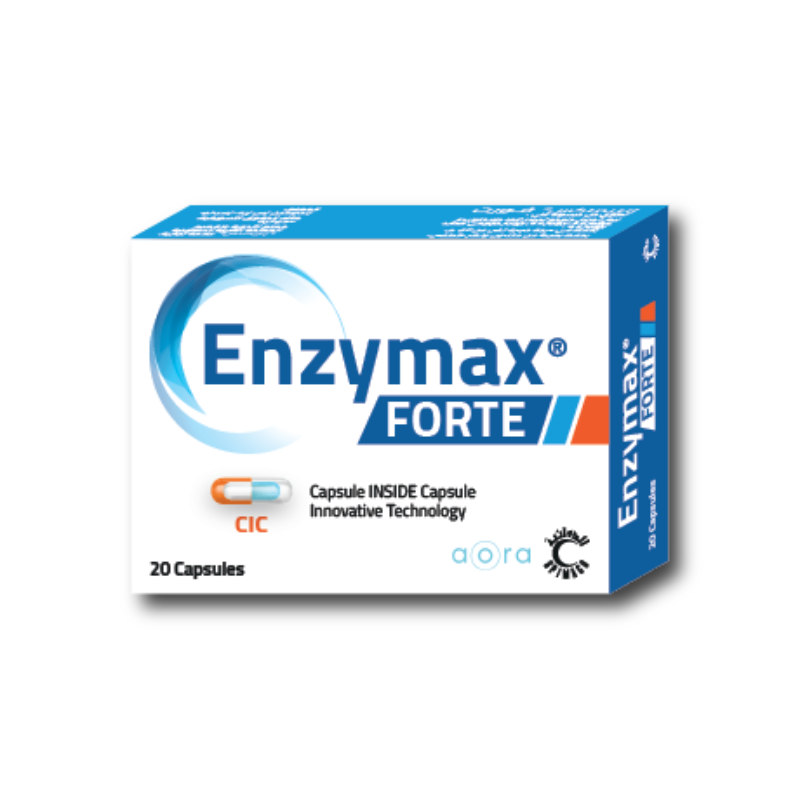
Medications > Gastrointestinal Medications
Medications > Gastrointestinal Medications
Medications > Eye and Ear Medications
