
Use Code: ND30 And Get 30% OFF | Get Free Delivery With No Minimum Order
-1744229570.gif "Almujtama Pharmacy logo")




Frequently bought together
Health Care & Wellness > Napkins
Health Care & Wellness > Napkins

Skin And Body Care > Eye Care
Skin And Body Care > Eye Care
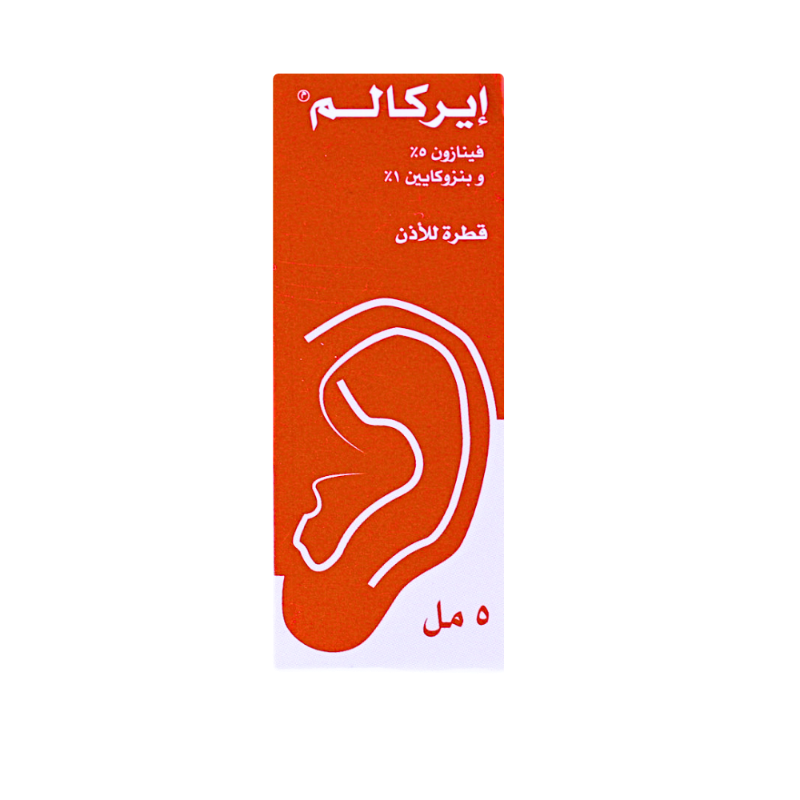
EARCALM EAR DROPS
- Sku : I-001855
Key features
EARCALM ear drops contain phenazone 50 mg and benzocaine 10 mg as an otic analgesic combination. Phenazone provides local analgesic and anti-inflammatory effects while benzocaine delivers rapid local anesthesia by blocking voltage-gated sodium channels. It is indicated for symptomatic relief of ear pain (otalgia) associated with acute otitis media and other painful inflammatory conditions of the external or middle ear when the tympanic membrane is intact. Available by prescription in a 5 ml ear drop bottle.- Brand: EARCALM
- Active Ingredient: PHENAZONE 50mg, BENZOCAINE 10mg
- Strength: 50,10mg
- Dosage Form: Ear drops
- Pack Size: 5 ml
- Route: Auricular use
- Prescription Status: Prescription
- Therapeutic Class: Analgesic
- Pharmacological Group: Non-opioid Analgesics
- Drug Class: Otic analgesic combination: phenazone (antipyrine; non-opioid analgesic/anti-inflammatory, pyrazolone derivative) + benzocaine (ester local anesthetic).
- Manufacturer: RIYADH PHARMA
- Country of Origin: Saudi Arabia
- SFDA Registration No.: 1405245286
- Shelf Life: 36 months
- Storage: store below 25°c
- Target Organ: Ear
Frequently bought together
Health Care & Wellness > Napkins
Health Care & Wellness > Napkins
Skin And Body Care > Eye Care
Skin And Body Care > Eye Care
Indications
Approved Uses
Symptomatic relief of ear pain (otalgia) associated with acute otitis media and other painful inflammatory conditions of the external/middle ear when the tympanic membrane is intact (no perforation).
Off-Label Uses
Not recommended/unsupported for cerumen removal (no established role as a cerumenolytic).
Dosage & Administration
Dosing by Condition
Otalgia associated with acute otitis media (intact tympanic membrane): instill 3-4 drops into the affected ear every 1-2 hours as needed for pain (some references use 3-4 drops up to 3-4 times daily).
Initial Dose
3-4 drops instilled into the affected ear
Maintenance Dose
3-5 drops 3 times daily for 3 days
Children's Dosage
Approved for use in children aged 3 years and older; 4 drops into the affected ear 4 times daily. Some sources suggest suitability for children aged 12 and over.
Dose Adjustment Notes
No renal or hepatic dose adjustment is required for otic use (minimal systemic absorption when used as directed).
Side Effects
Common Side Effects
Local transient burning, stinging, irritation, or pruritus in the ear canal; rarely hypersensitivity reactions (e.g., rash/contact dermatitis).
Side Effect Frequency
Most common: transient local burning/stinging/irritation or pruritus in the ear canal. Uncommon: contact dermatitis or hypersensitivity reactions (more likely in PABA/ester-anesthetic sensitivity). Very rare but serious: methemoglobinemia with benzocaine (risk increases with excessive use or mucosal/systemic exposure).
Safety & Warnings
Contraindications
Hypersensitivity to phenazone, benzocaine (including other ester/PABA-related local anesthetics) or any excipient; suspected/known perforated tympanic membrane (including otorrhea) and generally avoid use with tympanostomy tubes unless specifically directed by an ENT specialist.
Warnings & Precautions
Do not use with suspected/known perforated tympanic membrane or ear tubes unless directed by a clinician; stop and seek care if rash, swelling, worsening pain, discharge, fever, or no improvement within 48-72 hours; caution in young children due to benzocaine-related methemoglobinemia; for auricular use only, avoid eyes; warm bottle in hands before instillation to reduce vestibular dizziness.
Age Restriction
No specific age cutoff can be confirmed from the verified API data; use in children (especially <2 years) only under medical supervision and per local product labeling.
Drug Interactions
Drug Interactions
Clinically significant systemic drug interactions are unlikely with auricular use; avoid concurrent use of other topical local anesthetics/oxidizing agents and be cautious in patients on sulfonamides due to theoretical PABA-related antagonism if meaningful absorption occurs.
Interaction Severity
No clinically significant drug interactions are expected with otic use; theoretical minor interaction: benzocaine (a PABA derivative) may antagonize sulfonamide antibiotics if substantial systemic absorption occurred (unlikely with proper otic use).
Special Populations
Children
Approved for use in children aged 3 years and older; 4 drops into the affected ear 4 times daily. Some sources suggest suitability for children aged 12 and over.
Kidney Impairment
No adjustment needed.
Liver Impairment
No adjustment needed.
Storage & Patient Advice
Patient Counseling
For auricular use only (do not swallow/instill in eyes). Use only if the tympanic membrane is intact-do not use with suspected/known perforation or tympanostomy tubes unless specifically directed by a prescriber. Warm the bottle in the hand before use to reduce discomfort/vertigo; instill prescribed drops without touching the dropper tip to the ear, then keep the treated ear upward for ~3-5 minutes. Stop and seek medical advice if rash, swelling, worsening pain, discharge, fever, or no improvement within 48 hours; this product provides analgesia and does not treat the cause (e.g., infection) and is prescription-only-do not share.
Pharmacology
Mechanism of Action
Phenazone (antipyrine) provides local analgesic/anti-inflammatory activity (likely via inhibition of prostaglandin-mediated pathways); benzocaine blocks voltage-gated sodium channels to produce local anesthesia and rapid pain relief.
Onset of Action
Rapid-typically within minutes (about 1-5 minutes) due to benzocaine; phenazone may contribute additional analgesia thereafter.
Duration of Effect
Approximately 1-2 hours of analgesic effect (variable).
Half-Life
Otic administration: not well characterized/clinically not meaningful due to minimal systemic absorption; systemically, phenazone has a half-life roughly ~10-14 hours, while benzocaine is rapidly hydrolyzed (very short effective half-life).
Bioavailability
Systemic absorption is minimal/negligible when used otically with an intact tympanic membrane; absorption may increase if the membrane is perforated or the canal is significantly inflamed.
Product Information
Available Dosage Forms
Ear drops (otic solution).
OTC Alternatives
No OTC alternative for this combination. Simple analgesics like paracetamol or ibuprofen can be used for ear pain.
Target Organ
Ear
Reviewed by Al Mujtama Pharmacy Medical Review Team. Last reviewed 18-08-2026
Similar Products
Medications > Diabetes Medications
Medications > Contraceptives and Hormonal Medications
Medications > Cold, Cough, and Allergy Medications
Medications > Psychiatric Medications
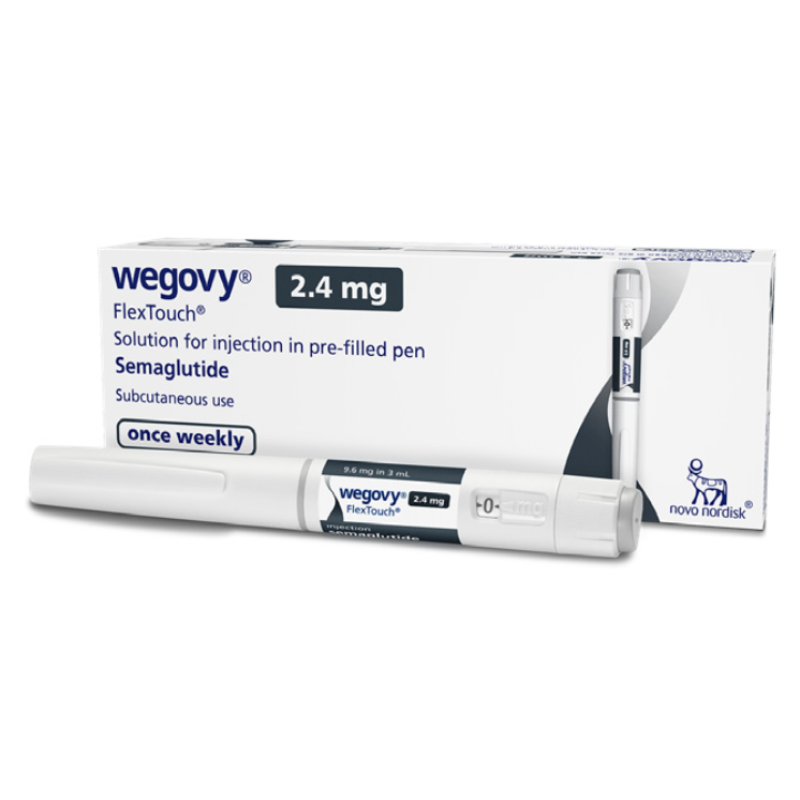

Medications > Diabetes Medications
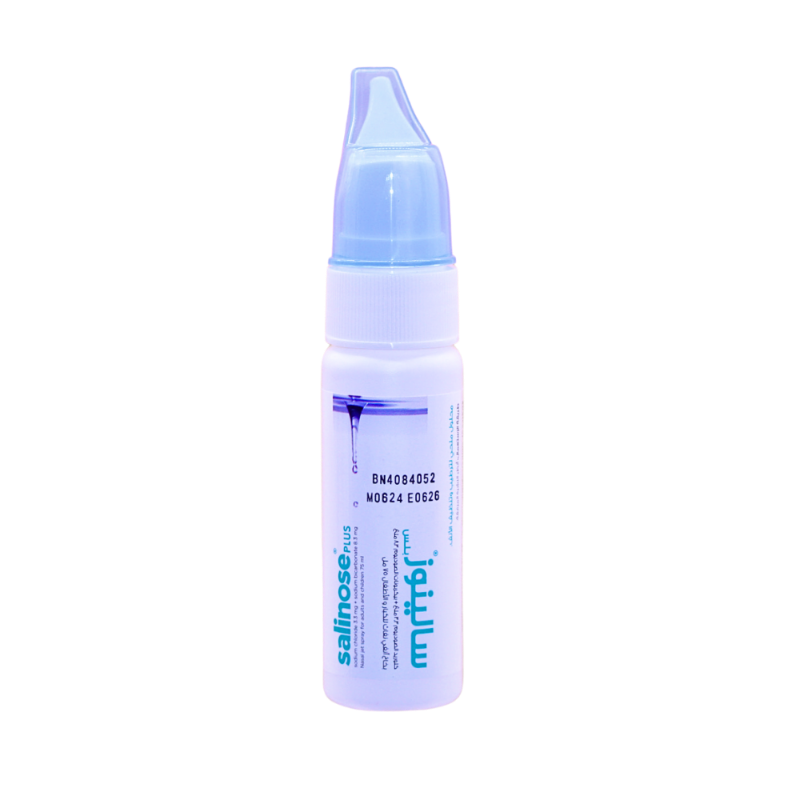
Medications > Cold, Cough, and Allergy Medications
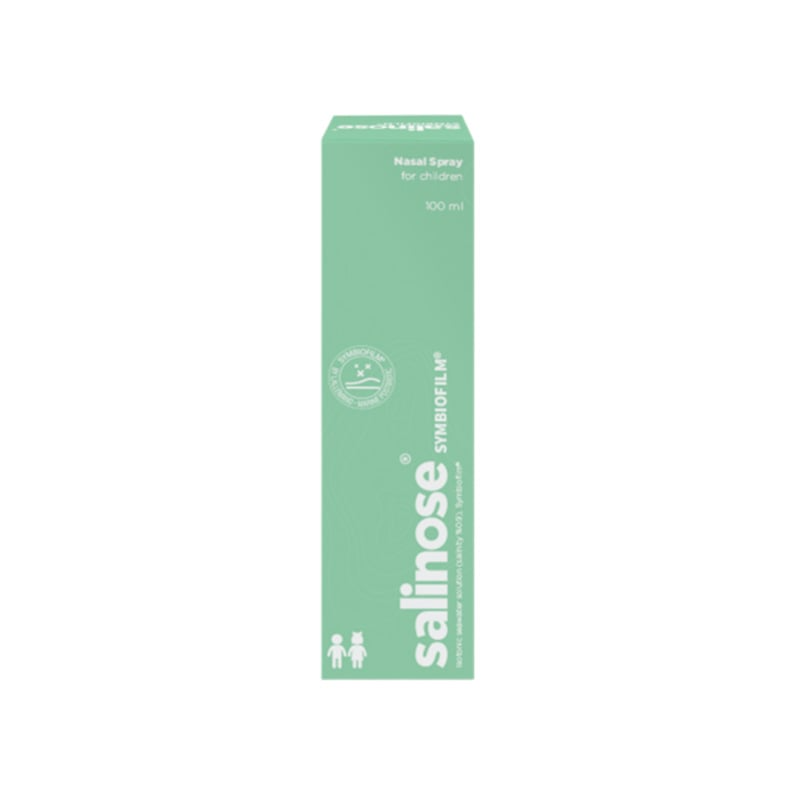
Medications > Cold, Cough, and Allergy Medications
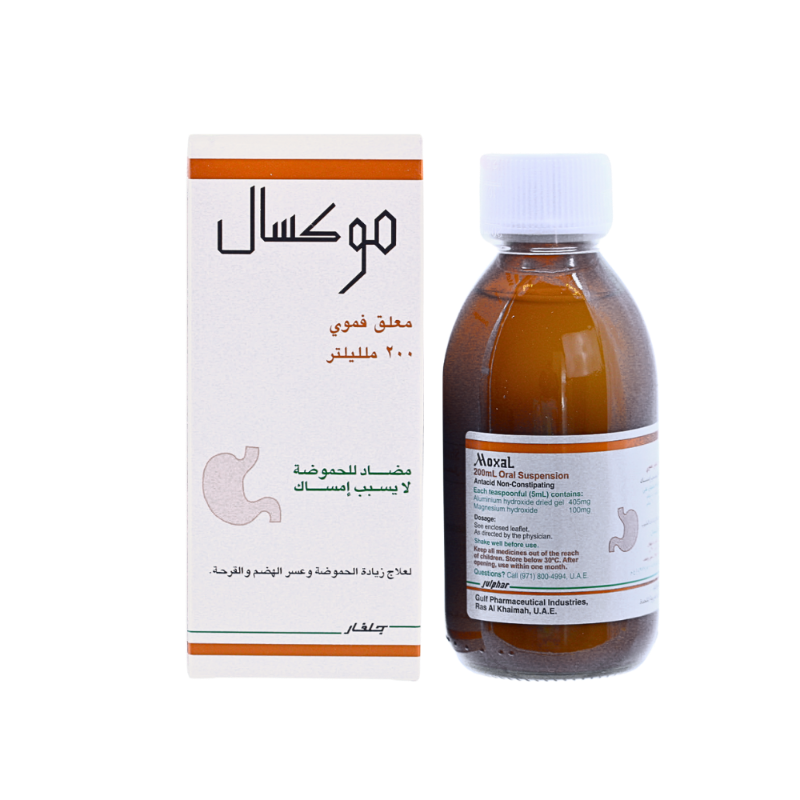
Medications > Gastrointestinal Medications
Medications > Cold, Cough, and Allergy Medications
Medications > Gastrointestinal Medications
