
Use Code: ND30 And Get 30% OFF | Get Free Delivery With No Minimum Order
-1744229570.gif "Almujtama Pharmacy logo")




Frequently bought together
Vitamins & Supplements > Vitamins and Minerals
Vitamins & Supplements > Vitamins and Minerals
Vitamins & Supplements > Vitamins and Minerals
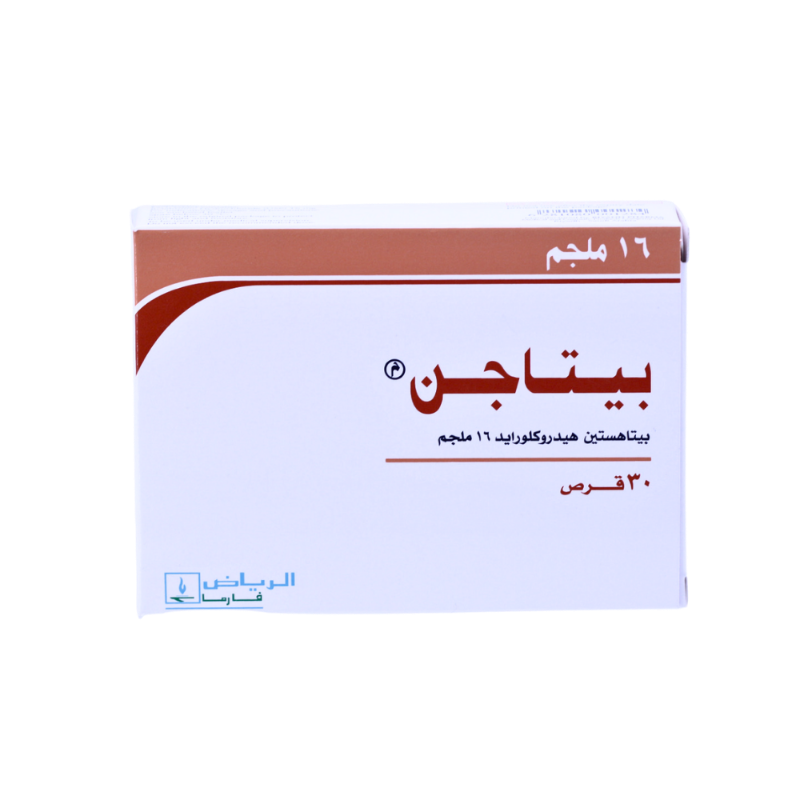
BETAGEN 16/MG TAB 30/TAB
- Sku : I-000662
Key features
Betagen Tablet 16mg is a prescription tablet containing betahistine dihydrochloride 16mg. It works as a histamine analogue that helps improve inner-ear microcirculation and supports vestibular compensation, which may reduce vertigo symptoms. It is used for the symptomatic treatment of Ménière’s disease and vestibular vertigo, including associated tinnitus and hearing loss. It is available in a pack of 30 tablets.- Brand: BETAGEN
- Active Ingredient: BETAHISTINE DIHYDROCHLORIDE 16mg
- Strength: 16mg
- Dosage Form: Tablet
- Pack Size: 30 Tablets
- Route: Oral use
- Prescription Status: Prescription
- Therapeutic Class: Nervous System
- Pharmacological Group: Other Nervous System Drugs
- Drug Class: Histamine analogue; anti-vertigo agent (H1 agonist activity and H3 antagonist activity).
- Manufacturer: RIYADH PHARMA
- Country of Origin: Saudi Arabia
- SFDA Registration No.: 3003221897
- Shelf Life: 36 months
- Storage: do not store above 30°c
- Primary Use: For the treatment of Ménière's disease symptoms, including vertigo (dizziness), tinnitus (ringing in the ears), and hearing loss.
Frequently bought together
Vitamins & Supplements > Vitamins and Minerals
Vitamins & Supplements > Vitamins and Minerals
Vitamins & Supplements > Vitamins and Minerals
Indications
Approved Uses
Ménière’s disease/syndrome (symptomatic treatment of vertigo, tinnitus and hearing loss) and symptomatic treatment of vestibular vertigo.
Off-Label Uses
No well-established off-label uses supported by strong guideline evidence; sometimes used empirically for other dizziness syndromes, but evidence is limited.
Dosage & Administration
Dosing by Condition
Ménière's disease / Vestibular Vertigo: Initial dose is 8-16mg three times daily. Maintenance dose is 24-48mg daily in divided doses. The maximum daily dose should not exceed 48mg.
Initial Dose
16mg three times daily
Maintenance Dose
24-48mg daily in 2-3 divided doses
Maximum Dose
48 mg per day.
Children's Dosage
Not recommended for use in children and adolescents below age 18 due to lack of data on safety and efficacy.
Dose Adjustment Notes
No routine dose adjustment is generally required in renal or hepatic impairment, but evidence is limited; use caution/monitor in patients with peptic ulcer disease and in asthma.
How to Take
Oral: swallow the tablet with water; take with or after food to minimize gastrointestinal upset.
Side Effects
Common Side Effects
Nausea, dyspepsia/indigestion, headache; may also cause abdominal pain and bloating.
Side Effect Frequency
Common (≥1/100 to <1/10): headache, nausea, dyspepsia; Not known: hypersensitivity reactions (including rash, pruritus, urticaria/angioedema, anaphylaxis) and other GI complaints (e.g., vomiting, abdominal pain, bloating)
Safety & Warnings
Contraindications
Hypersensitivity to betahistine (or any excipient); pheochromocytoma. (Active peptic ulcer disease is generally a warning/precaution rather than an absolute contraindication.)
Warnings & Precautions
Use with caution in bronchial asthma and in patients with active or history of peptic ulcer disease; monitor for hypersensitivity reactions. (Pheochromocytoma is a contraindication rather than a precaution.)
Age Restriction
Not approved under 18 years.
Drug Interactions
Drug Interactions
MAO inhibitors (including MAO-B inhibitors) may increase betahistine exposure; antihistamines (H1 blockers) may reduce betahistine’s effect. No clinically established interaction with beta-2 agonists (only theoretical).
Interaction Severity
MODERATE: MAO inhibitors (including MAO-B inhibitors) may reduce betahistine metabolism and increase exposure. MINOR/THEORETICAL: H1 antihistamines may antagonize betahistine’s effect.
Food Interaction
Take with food.
Special Populations
Pregnancy
Consult Doctor
Children
Not recommended for use in children and adolescents below age 18 due to lack of data on safety and efficacy.
Elderly
Use with caution, although extensive post-marketing experience suggests no dose adjustment is necessary.
Liver Impairment
No specific dose adjustment recommendation; use caution because formal studies in hepatic impairment are lacking (dose individualization based on tolerability/response).
Storage & Patient Advice
Stopping the Medicine
No taper is required; it can be stopped without withdrawal, but patients should follow the prescriber’s plan (often continued for weeks-months to assess benefit) and seek review if symptoms recur.
Overdose
Symptoms: nausea, vomiting, dyspepsia/abdominal pain, somnolence/drowsiness; at very high/intentional overdoses, convulsions and cardiopulmonary complications have been reported. Management: supportive/symptomatic care; consider activated charcoal if early after ingestion (and airway protected); gastric lavage is rarely needed and only for very recent, potentially severe ingestions per toxicology practice.
Monitoring Requirements
No routine laboratory monitoring; monitor clinically for worsening asthma/bronchospasm and for gastrointestinal symptoms/ulcer recurrence in at-risk patients.
Pharmacology
Mechanism of Action
Histaminergic agent with H1 agonist/partial agonist effects and H3 antagonist effects; increases inner-ear microcirculation and facilitates vestibular compensation, reducing endolymphatic pressure and vertigo symptoms.
Onset of Action
Symptom improvement often begins after ~2 weeks; maximal benefit may require several weeks to a few months of continuous therapy.
Duration of Effect
Not well-defined; clinical benefit is maintained only with regular continuous dosing (symptom control rather than a single-dose sustained effect).
Half-Life
Approximately 3-4 hours (reported for the main metabolite 2‑pyridylacetic acid [2‑PAA])
Bioavailability
Readily and almost completely absorbed after oral administration.
Metabolism
Rapid and extensive first‑pass metabolism to inactive 2‑pyridylacetic acid (2‑PAA), primarily via oxidative deamination (MAO-mediated pathways)
Excretion
Primarily renal excretion as metabolites (mainly 2‑pyridylacetic acid), with the majority of the dose recovered in urine within about 24 hours.
Product Information
Available Dosage Forms
Tablet (16 mg) for this SFDA-registered product BETAGEN.
Composition per Dose
Each tablet: 16mg betahistine dihydrochloride
Generic Availability
Yes
OTC Alternatives
No OTC alternative
Primary Use
For the treatment of Ménière's disease symptoms, including vertigo (dizziness), tinnitus (ringing in the ears), and hearing loss.
Reviewed by Al Mujtama Pharmacy Medical Review Team. Last reviewed 20-05-2026
Similar Products
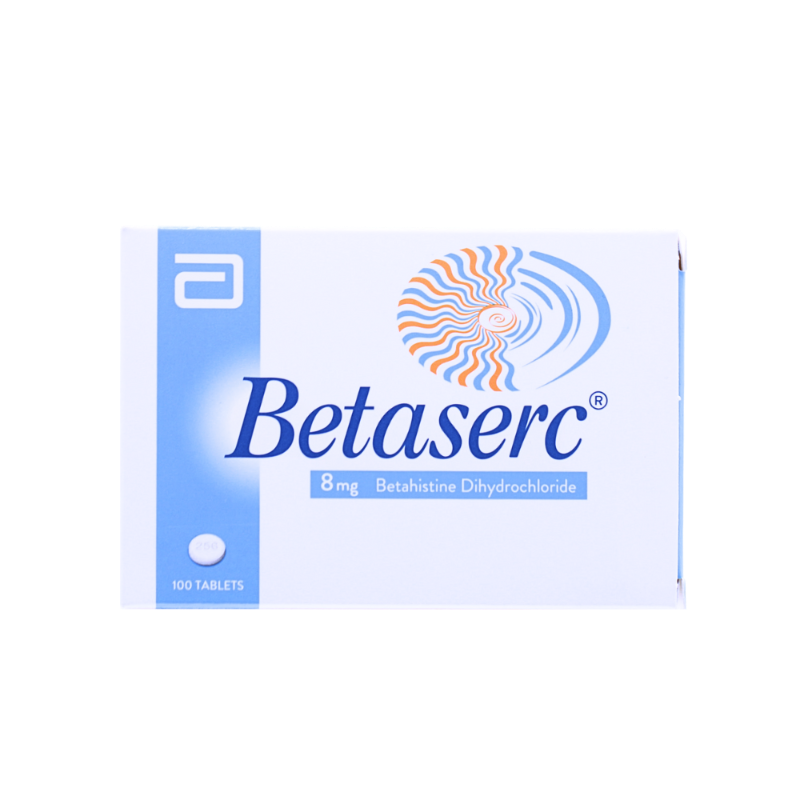
Medications > Other Medicines
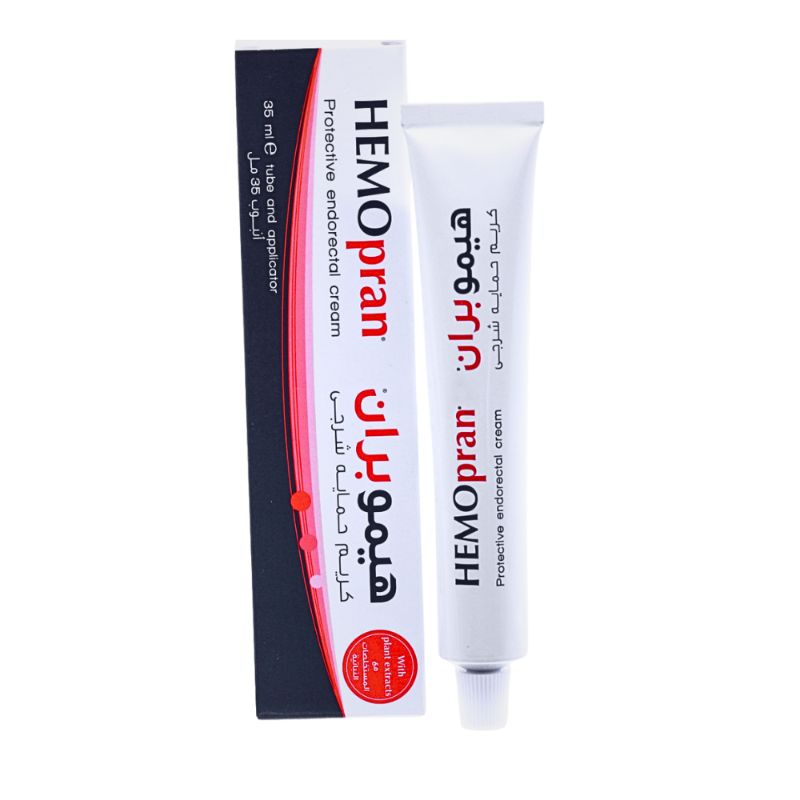
Medications > Hemorrhoid Medications
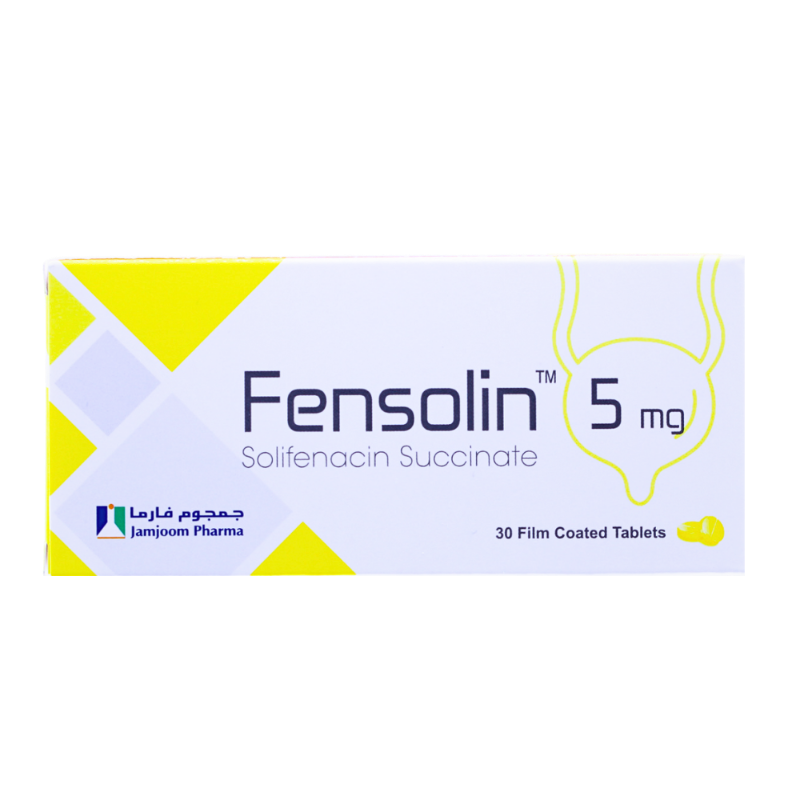
Medications > Urology Medications
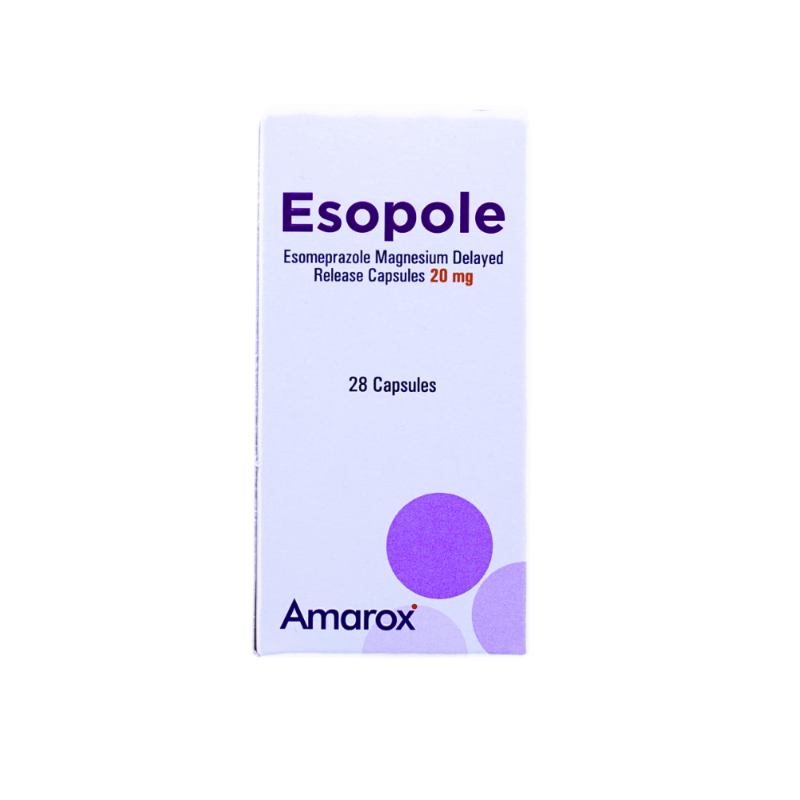
Medications > Gastrointestinal Medications
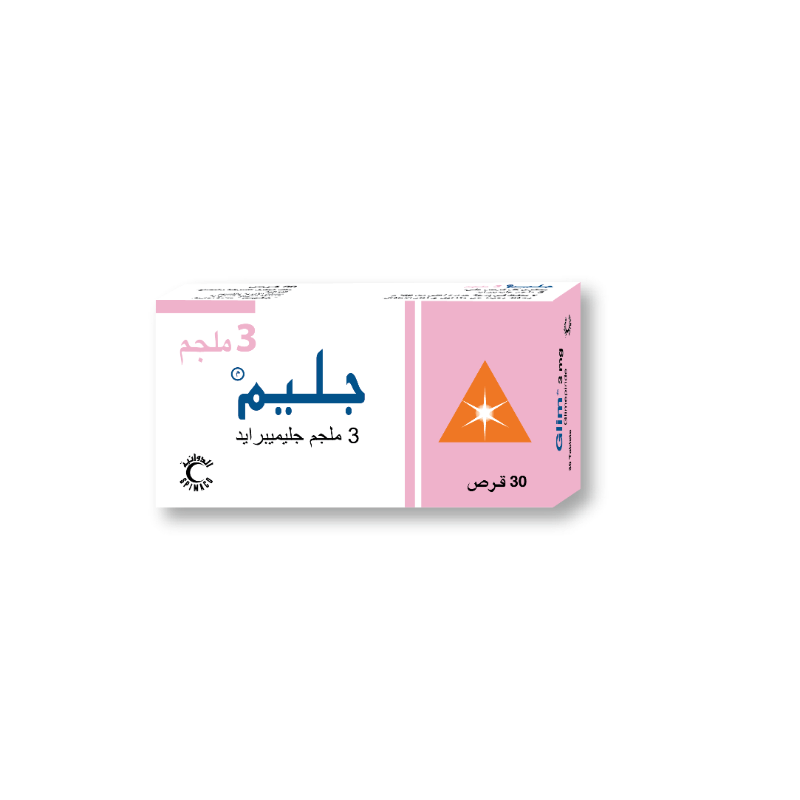
Medications > Diabetes Medications
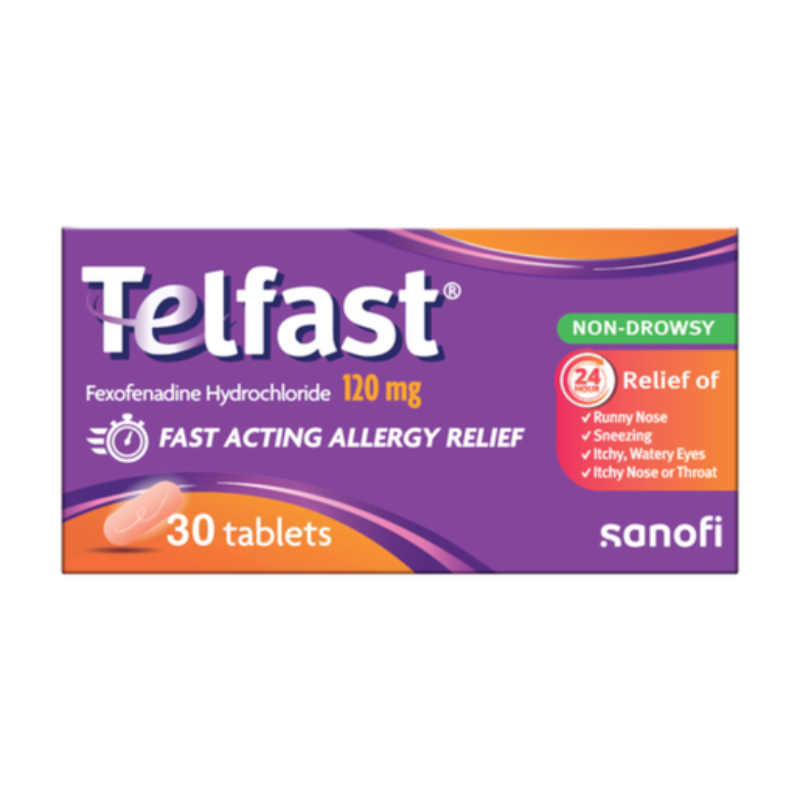
Medications > Cold, Cough, and Allergy Medications
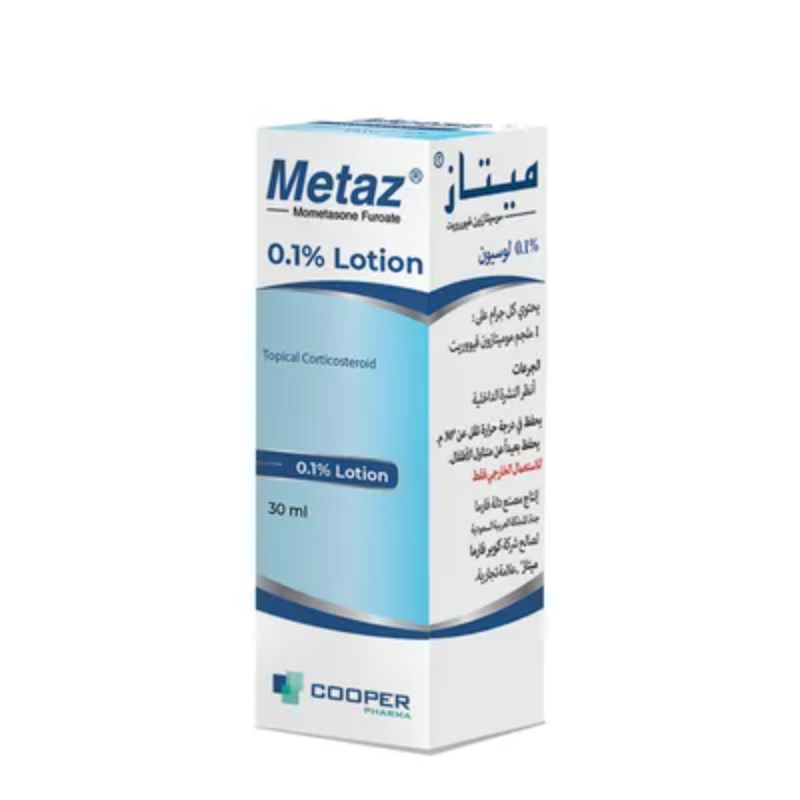
Medications > Dermatology Medications
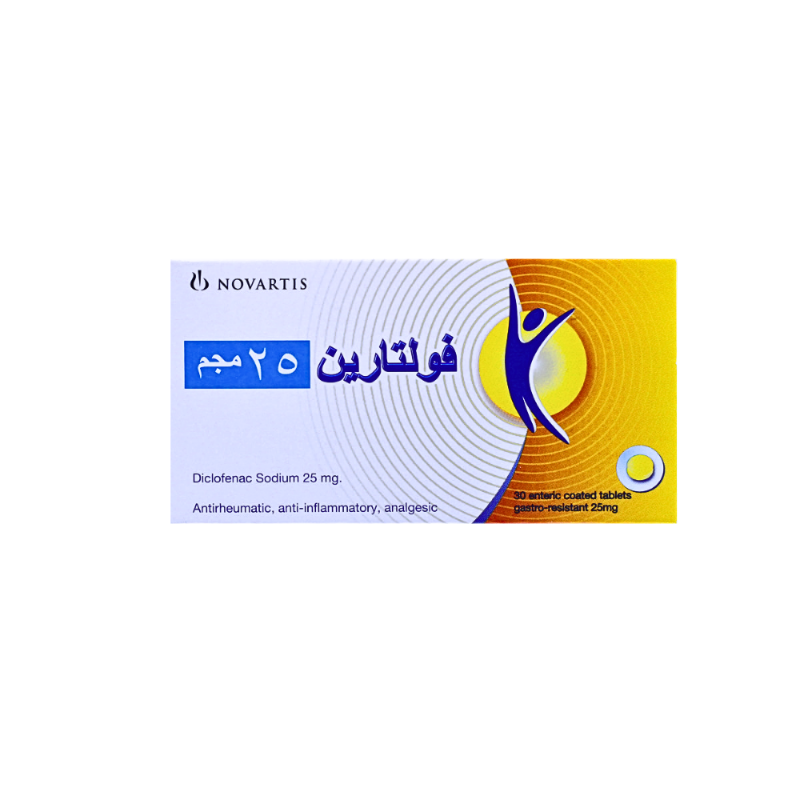
Medications > Painkillers and Antipyretics
Medications > Sexual Health
Medications > Contraceptives and Hormonal Medications
