
Use Code: ND30 And Get 30% OFF | Get Free Delivery With No Minimum Order
-1744229570.gif "Almujtama Pharmacy logo")
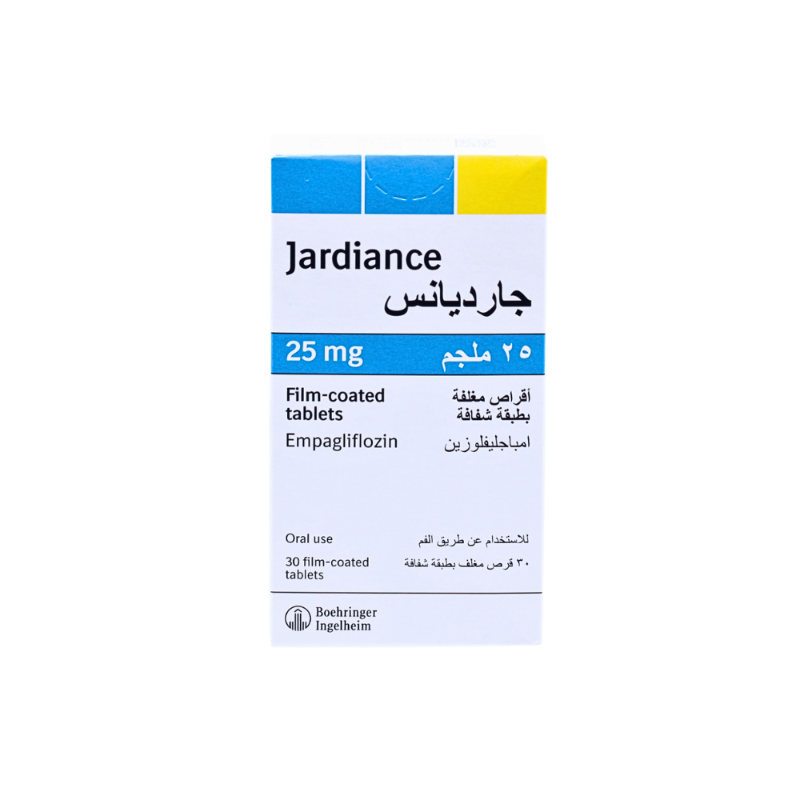




Frequently bought together
Health Care & Wellness > Diabetes Care
Health Care & Wellness > Diabetes Care
Health Care & Wellness > Diabetes Care
Skin And Body Care > Moisturizers
Skin And Body Care > Moisturizers
Skin And Body Care > Moisturizers
JARDIANCE 25/MG FC TAB 30/FC TAB
- Sku : I-018790
Key features
JARDIANCE 25 mg film-coated tablet contains the active ingredient empagliflozin 25 mg. It selectively inhibits the sodium‑glucose co‑transporter 2 (SGLT2) in the proximal renal tubule, reducing renal glucose reabsorption and increasing urinary glucose excretion to lower plasma glucose. It is indicated to improve glycaemic control in adults and children aged 10 years and older with type 2 diabetes mellitus as an adjunct to diet and exercise, to reduce the risk of cardiovascular death in adults with type 2 diabetes and established cardiovascular disease, to reduce the risk of cardiovascular death and hospitalization for heart failure in adults with heart failure, and to reduce the risk of sustained eGFR decline, end‑stage kidney disease, cardiovascular death, and hospitalization in adults with chronic kidney disease. Available as film‑coated tablets in a pack of 30 tablets, prescription only.- Brand: JARDIANCE
- Active Ingredient: EMPAGLIFLOZIN 25mg
- Strength: 25mg
- Dosage Form: Film-coated tablet
- Pack Size: 30 Tablets
- Route: Oral use
- Prescription Status: Prescription
- Therapeutic Class: Antidiabetic
- Pharmacological Group: Oral Antidiabetics
- Drug Class: Sodium-Glucose Co-transporter 2 (SGLT2) Inhibitor
- Manufacturer: BOEHRINGER INGELHEIM
- Country of Origin: Germany
- SFDA Registration No.: 2810211246
- Shelf Life: 36 months
- Storage: store below 30°c
- Diabetes Type: Type 2
Frequently bought together
Health Care & Wellness > Diabetes Care
Health Care & Wellness > Diabetes Care
Health Care & Wellness > Diabetes Care
Skin And Body Care > Moisturizers
Skin And Body Care > Moisturizers
Skin And Body Care > Moisturizers
Indications
Approved Uses
To improve glycemic control in adults and children aged 10 years and older with type 2 diabetes mellitus as an adjunct to diet and exercise, To reduce the risk of cardiovascular death in adults with type 2 diabetes mellitus and established cardiovascular disease, To reduce the risk of cardiovascular death and hospitalization for heart failure in adults with heart failure, To reduce the risk of sustained eGFR decline, end-stage kidney disease, cardiovascular death, and hospitalization in adults with chronic kidney disease.
Dosage & Administration
Dosing by Condition
Type 2 diabetes: 10 mg PO once daily, may increase to 25 mg once daily for additional glycemic control; Heart failure: 10 mg PO once daily; Chronic kidney disease: 10 mg PO once daily; Cardiovascular risk reduction in T2D with established CVD: 10 mg PO once daily.
Initial Dose
10 mg once daily.
Maintenance Dose
10 mg to 25 mg once daily.
Maximum Dose
25 mg once daily.
Children's Dosage
Approved for children 10 years and older for type 2 diabetes. The safety profile is similar to adults, but the risk of hypoglycemia is higher.
Dose Adjustment Notes
Assess renal function (eGFR) before initiation and periodically; for glycemic control, do not initiate if eGFR <30 mL/min/1.73 m² and use is not recommended below this threshold; no dose adjustment is required for hepatic impairment; when used with insulin or insulin secretagogues, consider lowering their dose to reduce hypoglycemia risk.
How to Take
Swallow tablet whole with water, with or without food, preferably in the morning
Side Effects
Common Side Effects
Urinary tract infection; genital mycotic infections (vulvovaginal candidiasis/vulvovaginitis, balanitis); increased urination (polyuria); thirst; nasopharyngitis/upper respiratory tract infection
Side Effect Frequency
Very common/common: genital mycotic infections (more frequent in females), urinary tract infection, increased urination, pruritus; hypoglycemia is common primarily when combined with insulin or insulin secretagogues; uncommon/rare but serious: ketoacidosis (including euglycemic), volume depletion/hypotension, acute kidney injury, Fournier’s gangrene.
Safety & Warnings
Contraindications
Contraindicated in: (1) serious hypersensitivity to empagliflozin or any excipient; (2) patients on dialysis.
Warnings & Precautions
Key warnings/precautions: ketoacidosis (withhold for major surgery/prolonged fasting and stop if suspected), volume depletion/hypotension (correct volume status; caution with diuretics/elderly), acute kidney injury/renal function monitoring, genital mycotic infections, serious UTIs (urosepsis/pyelonephritis), Fournier’s gangrene, and hypoglycemia risk when used with insulin/secretagogues.
Age Restriction
Approved for use in children 10 years of age and older (for type 2 diabetes); not indicated for type 1 diabetes.
Drug Interactions
Drug Interactions
Key clinically relevant interactions: insulin/insulin secretagogues (↑ hypoglycemia risk-consider dose reduction), diuretics (↑ volume depletion/hypotension), lithium (may ↓ lithium concentrations-monitor), and other agents that increase dehydration/AKI risk (e.g., NSAIDs) should be used cautiously.
Interaction Severity
MODERATE: Insulin and insulin secretagogues (e.g., sulfonylureas) - increased hypoglycemia risk requiring possible dose reduction; MODERATE: Diuretics (loop/thiazide) - additive volume depletion/hypotension risk.
Food Interaction
No restriction.
Special Populations
Pregnancy
Not recommended during 2nd and 3rd trimesters; insufficient data in 1st trimester; potential risk of congenital malformations and hypotension.
Breastfeeding
Present in human milk at low levels; use not recommended as benefits may not outweigh risks.
Children
Approved for children 10 years and older for type 2 diabetes. The safety profile is similar to adults, but the risk of hypoglycemia is higher.
Elderly
Standard adult dosing; greater caution warranted due to higher risk of volume depletion, hypotension, and renal impairment - assess renal function and blood pressure before initiating
Kidney Impairment
Do not initiate for glycemic control if eGFR <30 mL/min/1.73 m²; for HF/CKD indications, may be used down to eGFR ≥20 mL/min/1.73 m² per contemporary guidance; contraindicated in patients on dialysis.
Liver Impairment
No dosage adjustment required in hepatic impairment; use caution in severe hepatic impairment due to limited clinical experience.
Storage & Patient Advice
Stopping the Medicine
Can be stopped without tapering, but should be done in consultation with the prescriber because stopping may worsen glycemic control and/or HF/CKD outcomes depending on indication.
Overdose
Manage overdose with supportive care (monitor vitals, renal function, electrolytes; treat volume depletion/hypotension); consider GI decontamination if appropriate; removal by hemodialysis has not been studied and is unlikely to be effective.
Patient Counseling
Take once daily (often in the morning) with or without food; expect increased urination and maintain hydration; recognize and report genital yeast infection/UTI symptoms; seek urgent care for ketoacidosis symptoms (nausea/vomiting, abdominal pain, rapid breathing) even if glucose is not very high; report perineal pain/redness/swelling urgently (Fournier’s gangrene warning); discuss holding before major surgery/prolonged fasting/acute illness per clinician advice; if used with insulin/sulfonylurea, review hypoglycemia prevention; store below 30°C (per SFDA verified API data).
Monitoring Requirements
Renal function (eGFR/serum creatinine) before initiation and periodically; volume status and blood pressure (especially with diuretics/elderly); glycemic control (glucose/HbA1c) when used for diabetes; monitor for genital mycotic infections and UTIs; monitor for ketoacidosis symptoms (especially during acute illness, fasting, or perioperatively); consider lipids (LDL-C) as clinically indicated.
Pharmacology
Mechanism of Action
Selectively inhibits SGLT2 in the proximal renal tubule, reducing glucose reabsorption and increasing urinary glucose excretion, thereby lowering plasma glucose.
Onset of Action
Pharmacodynamic effect (urinary glucose excretion) begins after the first dose; peak plasma concentration occurs ~1.5 hours after dosing; clinically meaningful HbA1c reduction is typically assessed over weeks (about 4-12 weeks).
Duration of Effect
24 hours
Half-Life
Approximately 12.4 hours.
Bioavailability
Approximately 78%.
Metabolism
Primarily metabolized by glucuronidation via UGT enzymes (notably UGT1A3, UGT1A8, UGT1A9, UGT2B7) with minimal CYP involvement.
Protein Binding
Approximately 86% (about 86.2%).
Product Information
Available Dosage Forms
Film-coated tablet.
Composition per Dose
Each film-coated tablet: Empagliflozin 25 mg
Generic Availability
No
OTC Alternatives
No OTC alternative
Diabetes Type
Type 2
Reviewed by Al Mujtama Pharmacy Medical Review Team. Last reviewed 16-07-2026
Similar Products
Medications > Sexual Health
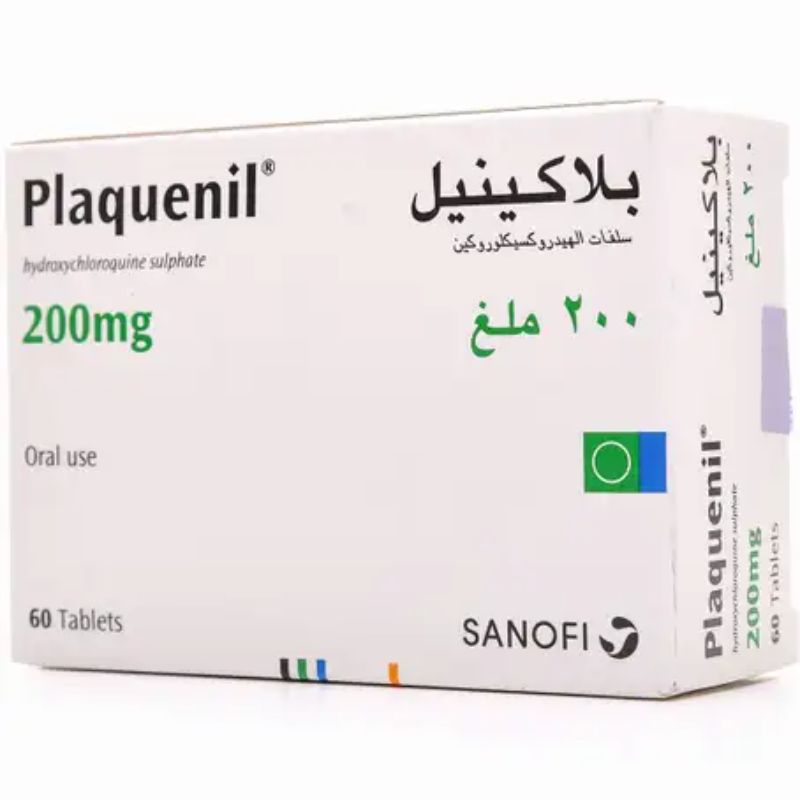
Medications > Painkillers and Antipyretics
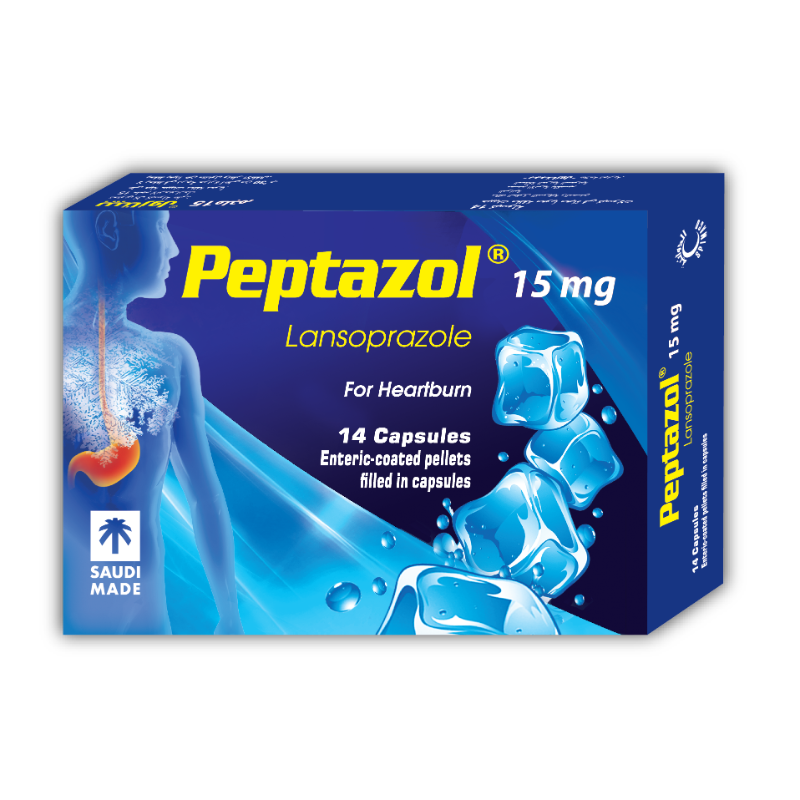
Medications > Gastrointestinal Medications
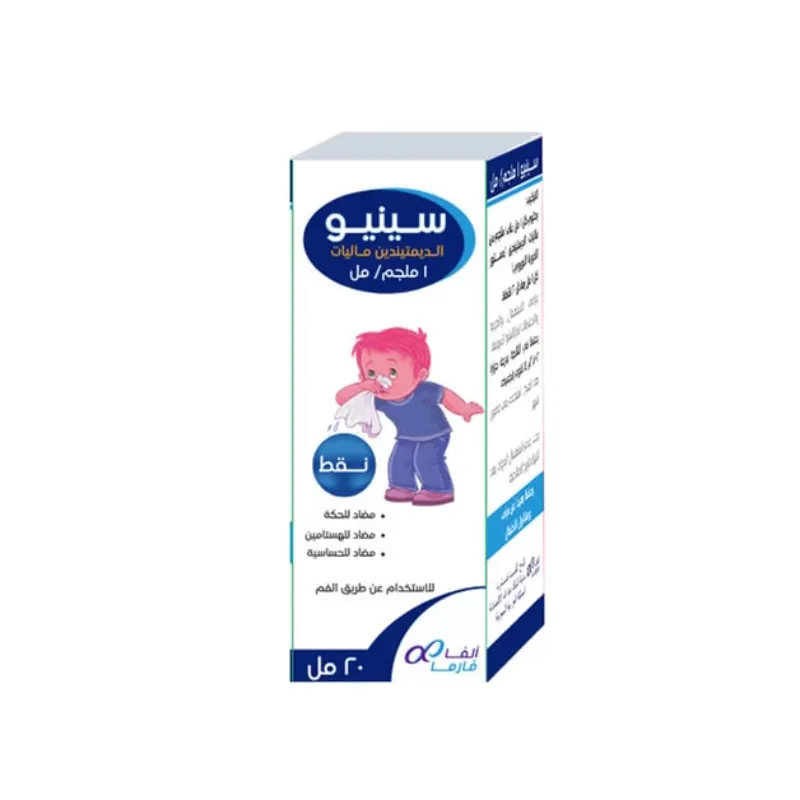
Medications > Cold, Cough, and Allergy Medications
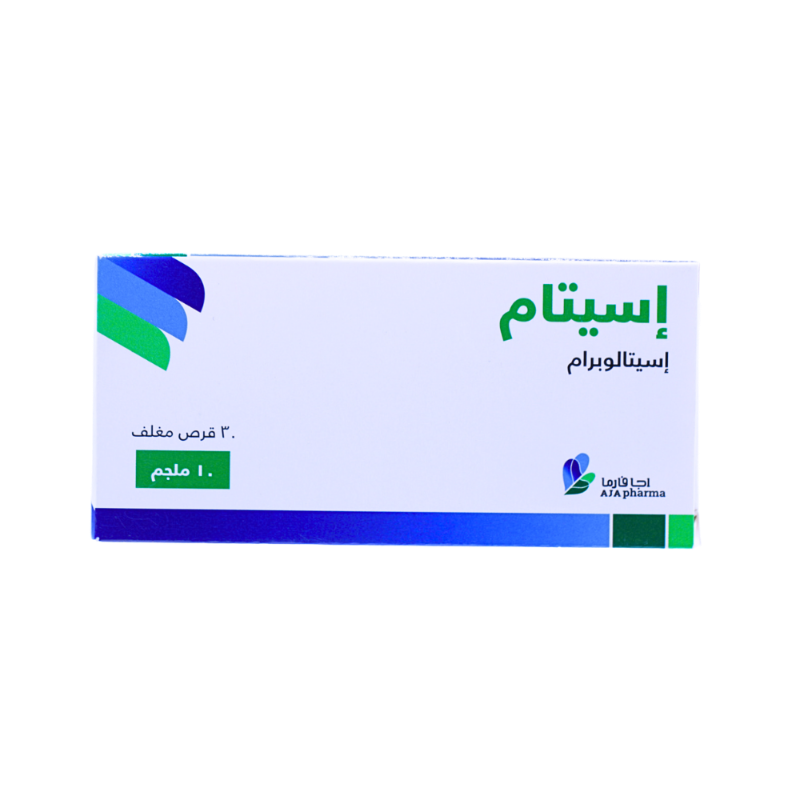
Medications > Psychiatric Medications
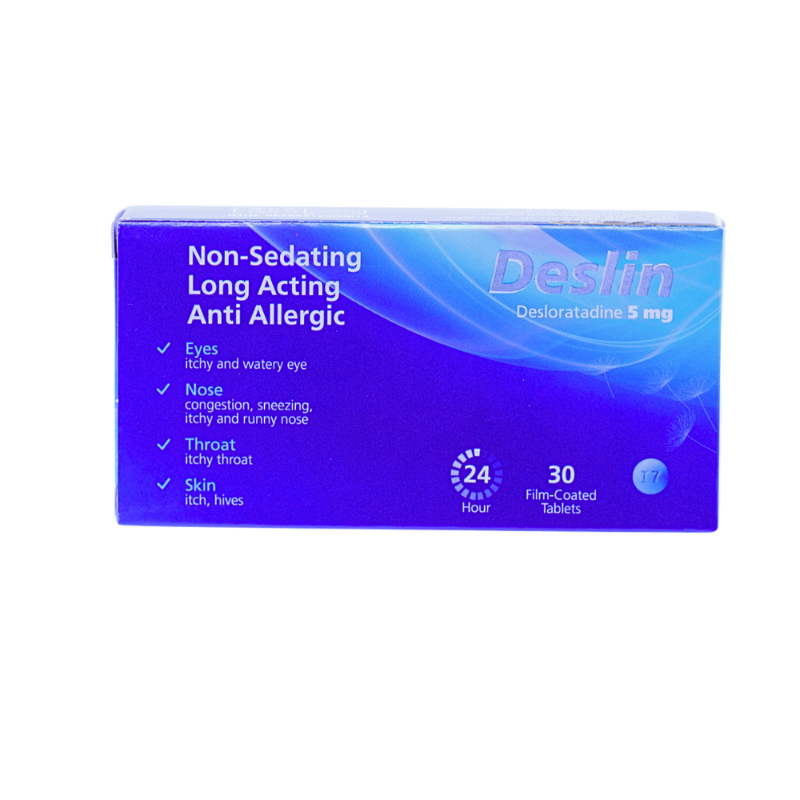
Medications > Cold, Cough, and Allergy Medications
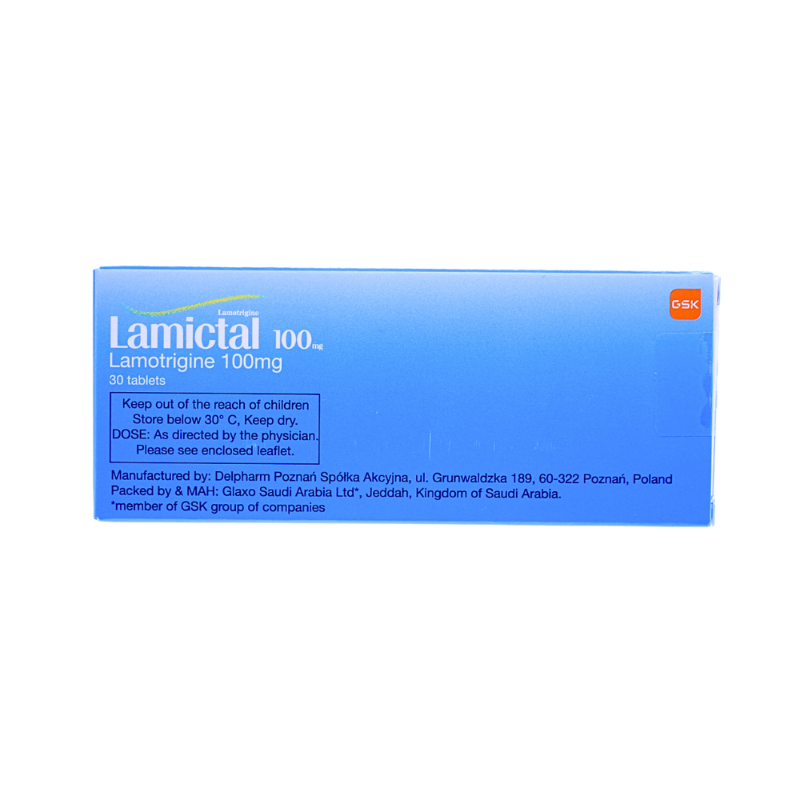
Medications > Psychiatric Medications
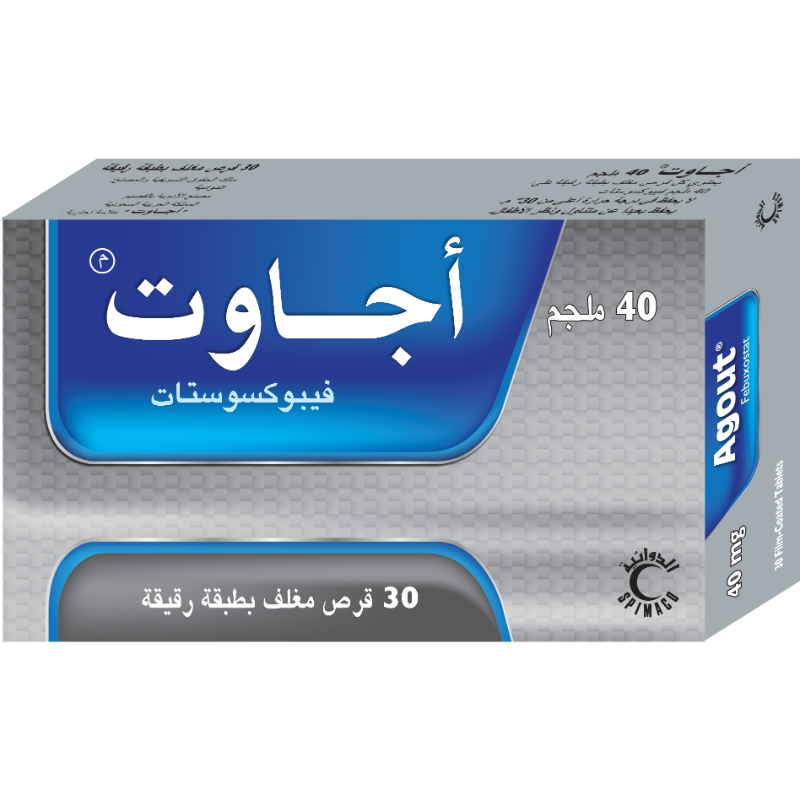
Medications > Urology Medications
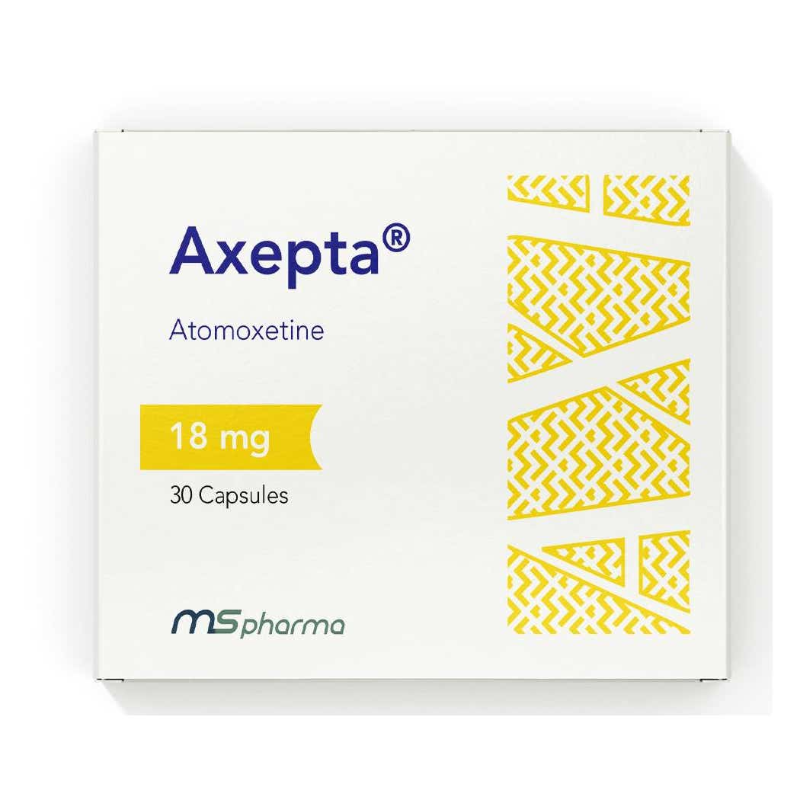
Medications > Psychiatric Medications
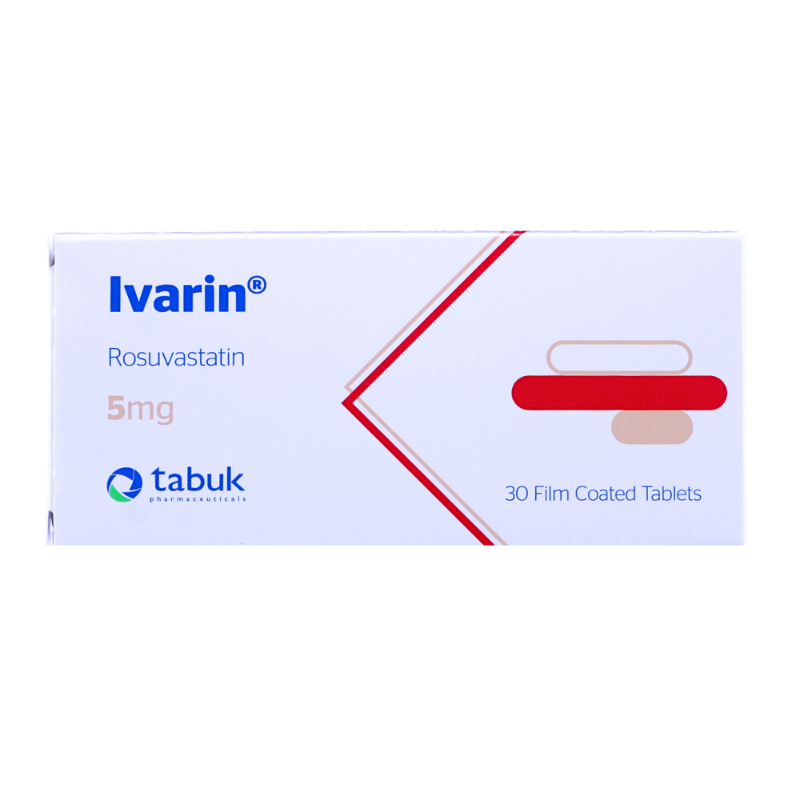
Medications > Cholesterol Medications
