
Use Code: ND30 And Get 30% OFF | Get Free Delivery With No Minimum Order
-1744229570.gif "Almujtama Pharmacy logo")




Frequently bought together
Skin And Body Care > Moisturizers
Skin And Body Care > Moisturizers
Vitamins & Supplements > Vitamins and Minerals
Vitamins & Supplements > Vitamins and Minerals
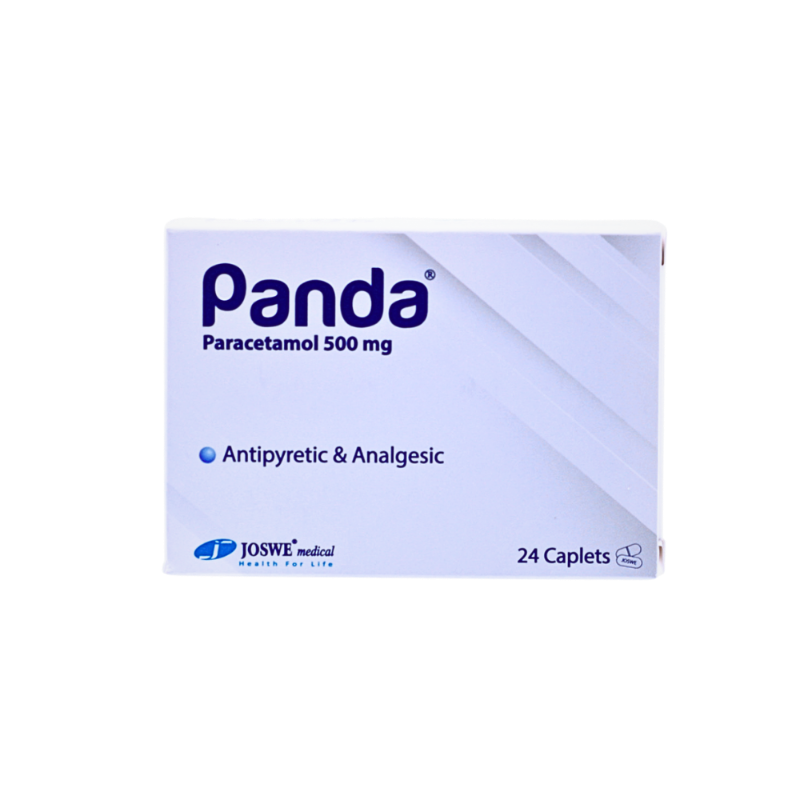
PANDA 500/MG TAB 24/TAB
- Sku : I-030865
Key features
Panda Advance Tablet 500mg 30 Tablets is an over-the-counter tablet containing paracetamol 500 mg as its active ingredient. It acts centrally to inhibit prostaglandin synthesis, providing non-opioid analgesic and antipyretic effects. It is used for the symptomatic relief of mild to moderate pain and for reduction of fever. Available in tablet form, pack of 30 tablets.- Brand: PANDA
- Active Ingredient: PARACETAMOL 500mg
- Strength: 500mg
- Dosage Form: Tablet
- Pack Size: 30 Tablets
- Route: Oral use
- Prescription Status: OTC
- Therapeutic Class: Analgesic
- Pharmacological Group: Anilides (Paracetamol)
- Drug Class: Non-opioid analgesic and antipyretic; anilide (para-aminophenol derivative).
- Manufacturer: Jordan Sweden Medical and Sterilization Co.
- Country of Origin: Jordan
- SFDA Registration No.: 0404233466
- Shelf Life: 36 months
- Storage: store below 30°c
- Pain Type: General
- Nsaid: No
- Opioid: No
Frequently bought together
Skin And Body Care > Moisturizers
Skin And Body Care > Moisturizers
Vitamins & Supplements > Vitamins and Minerals
Vitamins & Supplements > Vitamins and Minerals
Indications
Approved Uses
Symptomatic relief of mild to moderate pain and reduction of fever (antipyretic).
Dosage & Administration
Dosing by Condition
Pain/Fever (adults and ≥12 years): 500-1,000 mg orally every 4-6 hours as needed; maximum 4,000 mg/day (lower maxima in hepatic risk or low body weight). Pediatric dosing: 10-15 mg/kg/dose every 4-6 hours as needed; maximum 60 mg/kg/day (and generally no more than 4 doses/24 h).
Initial Dose
500-1000mg
Maintenance Dose
500-1000mg every 4-6 hours as needed
Maximum Dose
4000mg per day (adults); 75mg/kg/day in children not exceeding 4000mg/day
Children's Dosage
10-15mg/kg/dose every 4-6 hours as needed; max 5 doses in 24 hours. Children 2-6 years: 120-250mg per dose. Children 6-12 years: 250-500mg per dose
Dose Adjustment Notes
Hepatic impairment/chronic alcohol use/malnutrition: use the lowest effective dose and consider a reduced maximum daily dose (often ≤3,000 mg/day) and avoid prolonged use; severe renal impairment (CrCl <30 mL/min): extend dosing interval (e.g., every 6-8 hours). Adults <50 kg: use weight-based dosing and a lower maximum daily dose (commonly 60 mg/kg/day, not to exceed 3,000 mg/day).
Side Effects
Common Side Effects
Uncommon/rare at recommended doses. Possible effects include nausea, vomiting, abdominal discomfort, and hypersensitivity reactions such as rash or urticaria; very rare serious effects include liver injury (usually with overdose) and blood disorders (e.g., thrombocytopenia).
Side Effect Frequency
Uncommon/rare: nausea, vomiting, abdominal discomfort; hypersensitivity reactions (rash/urticaria). Very rare: blood dyscrasias (e.g., thrombocytopenia). Serious hepatotoxicity is rare at therapeutic doses and is mainly associated with overdose.
Safety & Warnings
Contraindications
Contraindicated in patients with hypersensitivity to paracetamol or any excipients; avoid/contraindicated in severe hepatic impairment or active liver disease (per product labeling conventions).
Warnings & Precautions
Do not exceed recommended dose or maximum daily dose (typically 4 g/day in adults); avoid concurrent use with other paracetamol-containing products; use caution and consider lower max daily dose in hepatic impairment, chronic alcohol use, malnutrition/low body weight, and dehydration; use caution in renal impairment with possible longer dosing intervals; discontinue and seek care if rash or hypersensitivity occurs; avoid prolonged continuous use without medical advice.
Age Restriction
This product is a 500 mg oral tablet; it is generally intended for adults and adolescents, and in children it should only be used if they can safely swallow tablets and dosing can be weight/age-appropriate (commonly ≥6-12 years depending on local labeling). Infants (e.g., 2-3 months) require pediatric liquid/suppository formulations, not a 500 mg tablet.
Drug Interactions
Food Interaction
No clinically significant food restriction; food may delay the rate of absorption (slower onset) but does not meaningfully reduce overall effect at usual doses.
Alcohol Interaction
Dangerous
Special Populations
Children
10-15mg/kg/dose every 4-6 hours as needed; max 5 doses in 24 hours. Children 2-6 years: 120-250mg per dose. Children 6-12 years: 250-500mg per dose
Elderly
Standard adult dosing; use the lowest effective dose; maximum 3000mg/day recommended in frail elderly patients
Liver Impairment
Severe hepatic impairment/active liver disease: avoid use; chronic stable liver disease or risk factors (e.g., chronic alcohol use, malnutrition): use the lowest effective dose and consider a reduced maximum daily dose (often 2-3 g/day) and/or extended dosing interval.
Storage & Patient Advice
Stopping the Medicine
Can be stopped abruptly when no longer needed; no tapering is required. Do not exceed the recommended dose or duration. Seek medical advice if symptoms persist or if frequent/prolonged use is needed.
Overdose
Overdose: early symptoms may be nausea, vomiting, pallor/diaphoresis and abdominal pain; serious hepatotoxicity can develop after 24-72 hours with jaundice, coagulopathy, hypoglycemia, encephalopathy and acute liver failure. Management: urgent medical assessment, consider activated charcoal if within ~1 hour of a significant ingestion, and administer N-acetylcysteine (NAC) as soon as possible per nomogram/protocol with monitoring of LFTs/INR.
Patient Counseling
Do not exceed the maximum daily dose (typically 4,000 mg/day in adults; consider ≤3,000 mg/day in hepatic risk/low body weight). Check all other medicines for paracetamol/acetaminophen to avoid accidental overdose. Avoid or limit alcohol. Use the lowest effective dose for the shortest duration; seek medical advice if fever >3 days or pain >5 days (or symptoms worsen). Seek urgent help after overdose even if asymptomatic; stop and seek care for rash or signs of liver injury (e.g., jaundice, dark urine, severe upper abdominal pain).
Monitoring Requirements
No routine monitoring for short-term OTC use at recommended doses; consider liver function monitoring with prolonged/high-dose use or in patients with hepatic risk factors, and monitor INR if used repeatedly for several days in patients on warfarin.
Pharmacology
Half-Life
Approximately 2 hours (typical range 1-3 hours in healthy adults)
Excretion
Renal excretion predominantly as metabolites; >90% recovered in urine mainly as glucuronide and sulfate conjugates, with <5% unchanged
Product Information
Available Dosage Forms
For this PRODUCT: oral tablet only (paracetamol 500 mg tablet).
Composition per Dose
Each tablet: 500mg paracetamol
Generic Availability
Yes
OTC Alternatives
Ibuprofen (OTC) is a common alternative for pain/fever; aspirin may be an alternative for adults for pain/fever but is generally avoided in children/teens with viral illness due to Reye’s syndrome risk and has more GI/bleeding risk.
Pain Type
General
Nsaid
No
Opioid
No
Reviewed by Al Mujtama Pharmacy Medical Review Team. Last reviewed 12-05-2026
Similar Products
Medications > Eye and Ear Medications
Medications > Painkillers and Antipyretics
Medications > Painkillers and Antipyretics
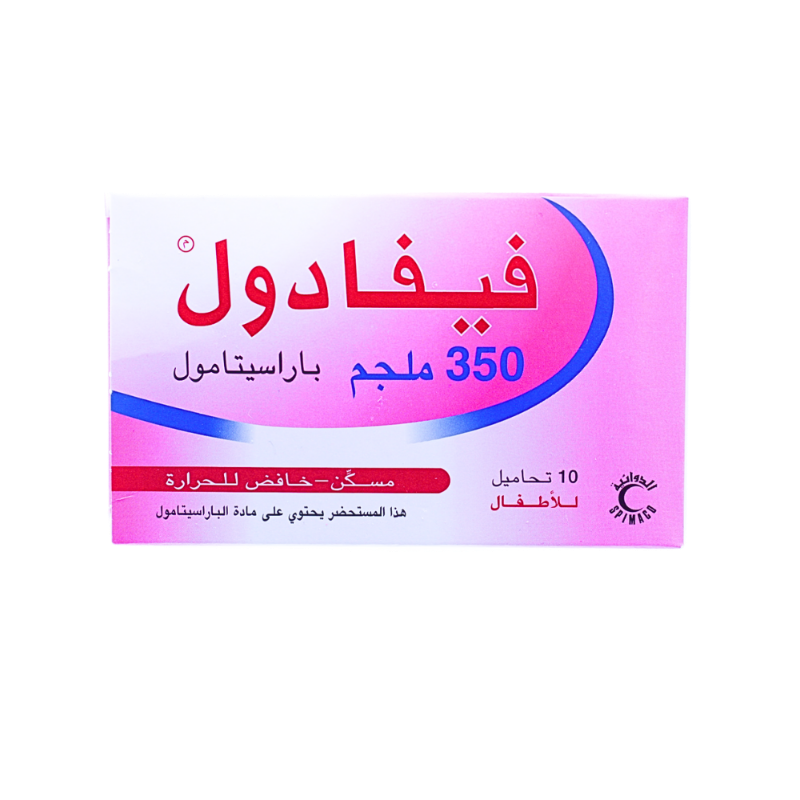
Medications > Painkillers and Antipyretics
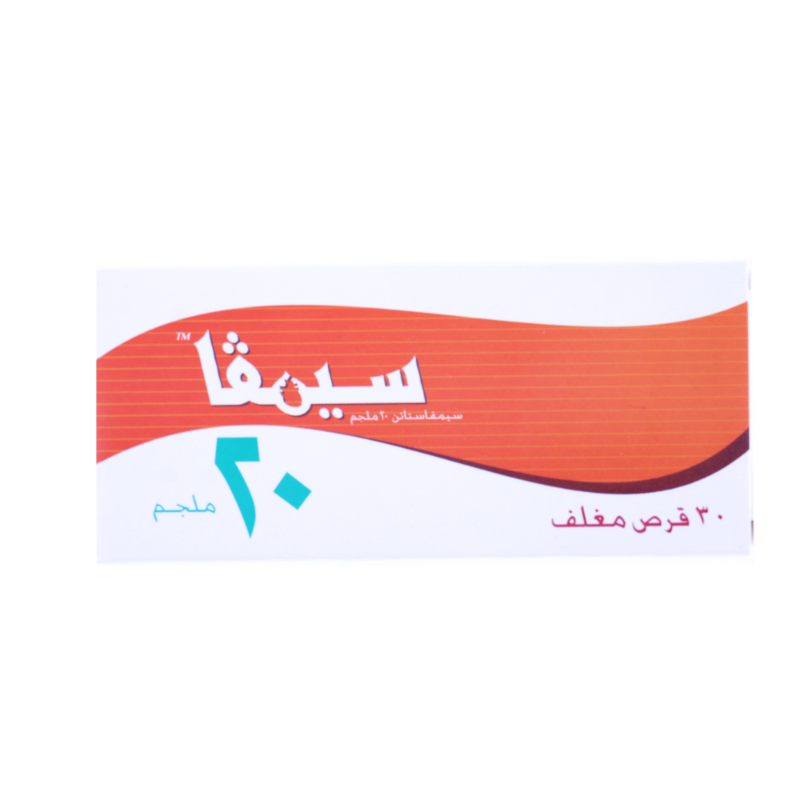
Medications > Cholesterol Medications
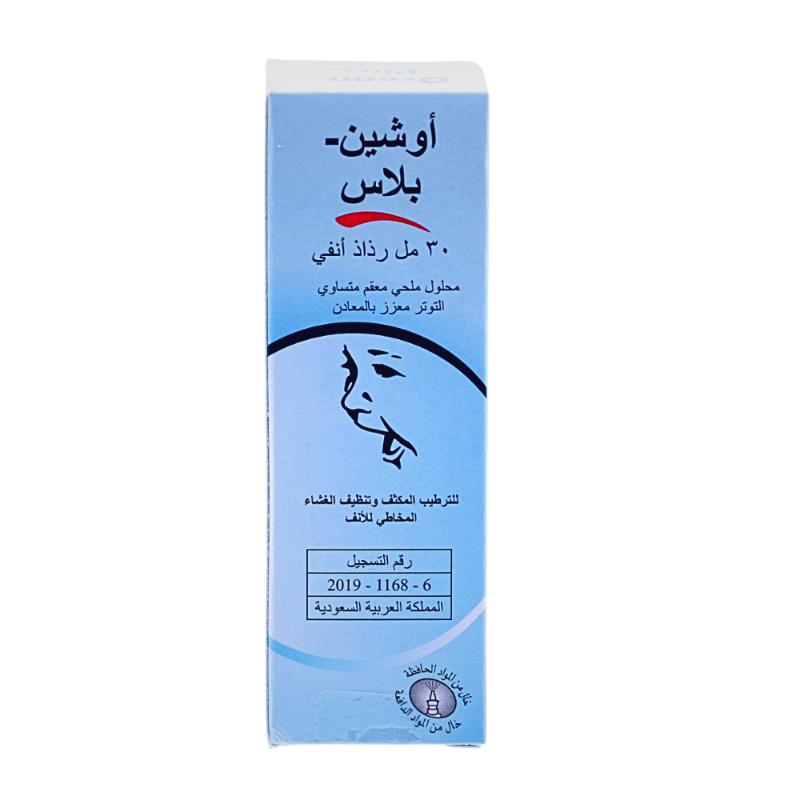
Medications > Cold, Cough, and Allergy Medications
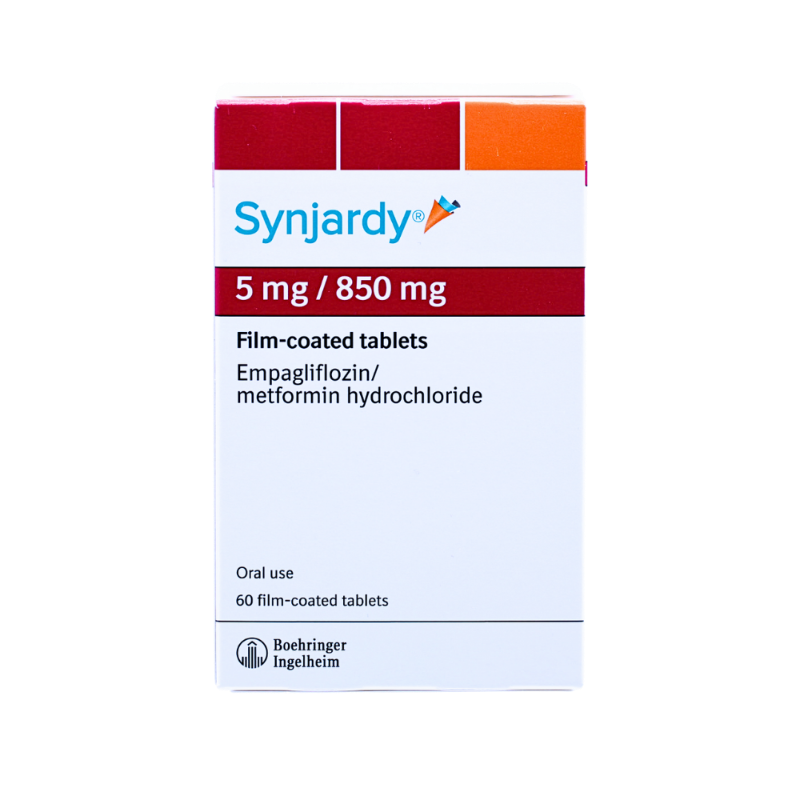
Medications > Diabetes Medications
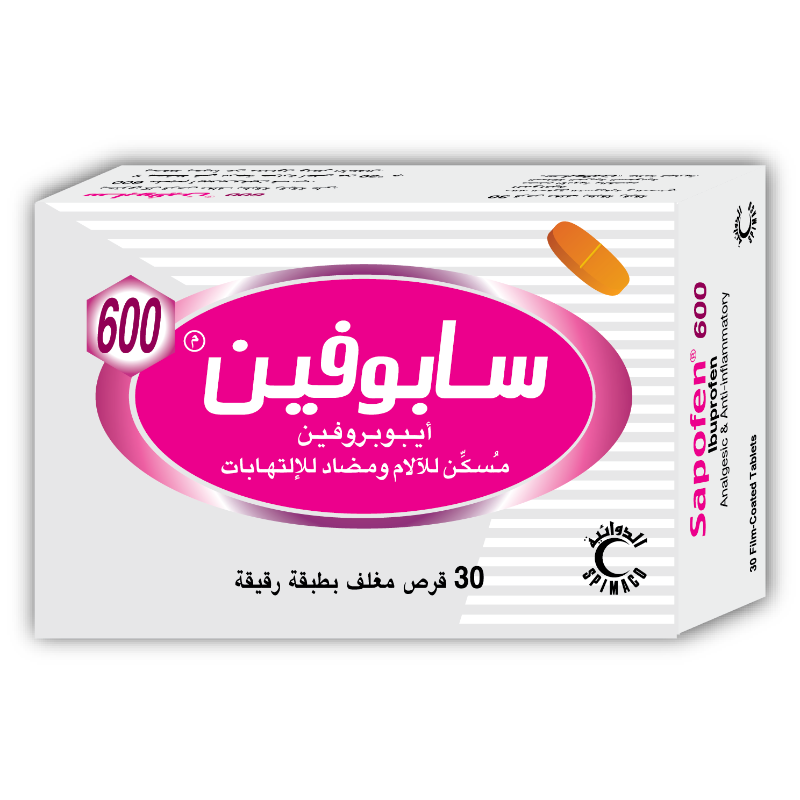
Medications > Painkillers and Antipyretics
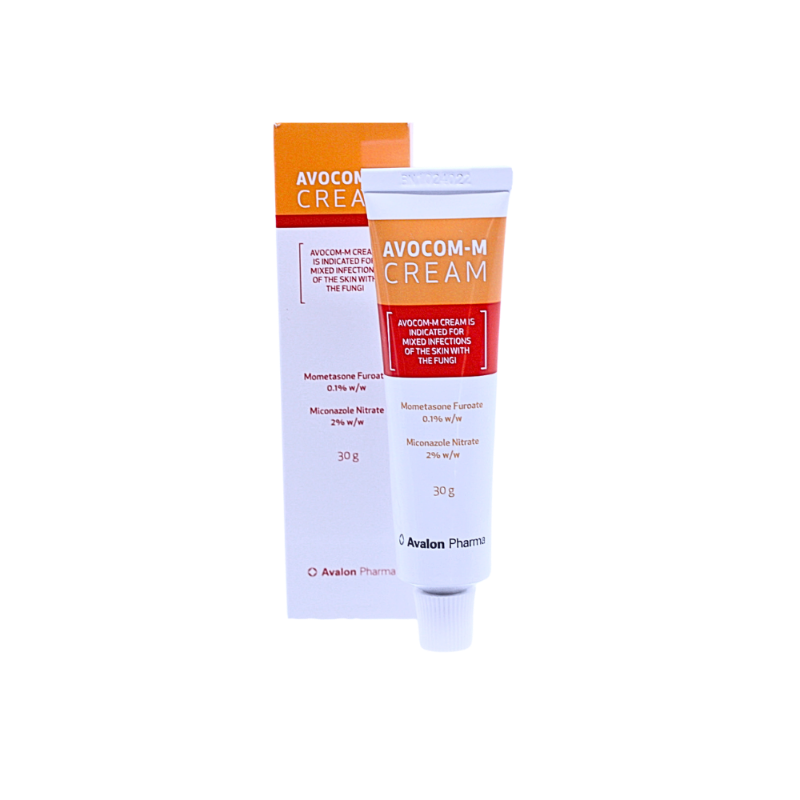
Medications > Dermatology Medications
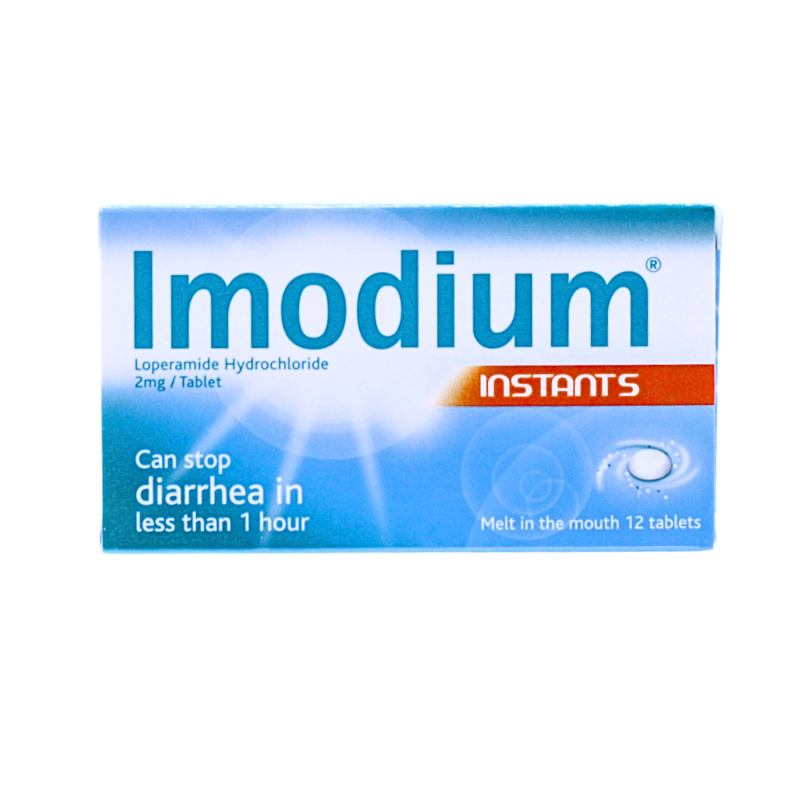
Medications > Gastrointestinal Medications
