
Use Code: SAVE26 And Get 30% OFF | Get Free Delivery With No Minimum Order
-1744229570.gif "Almujtama Pharmacy logo")
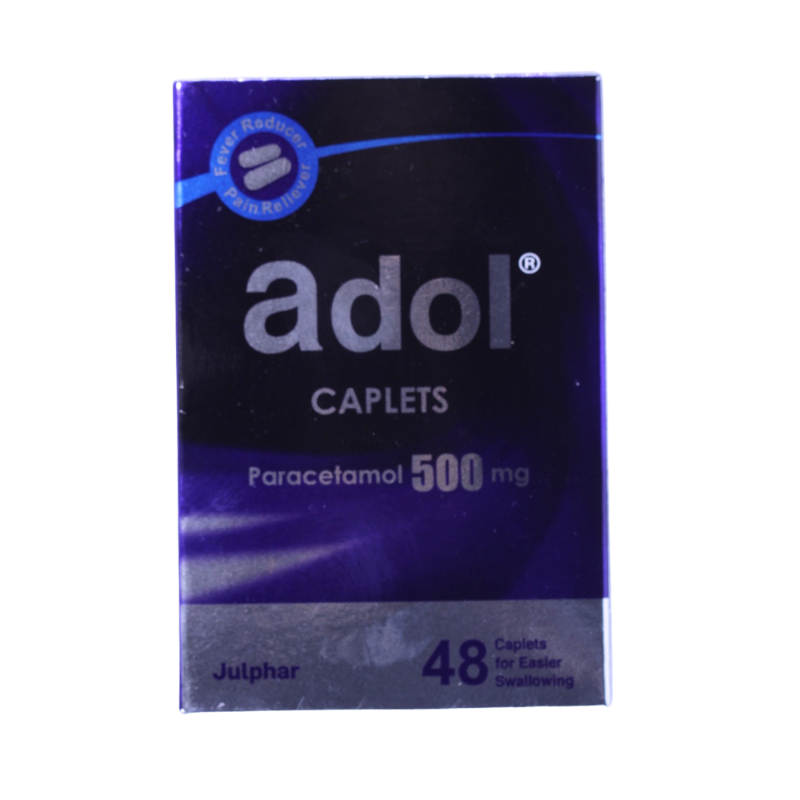




Frequently bought together
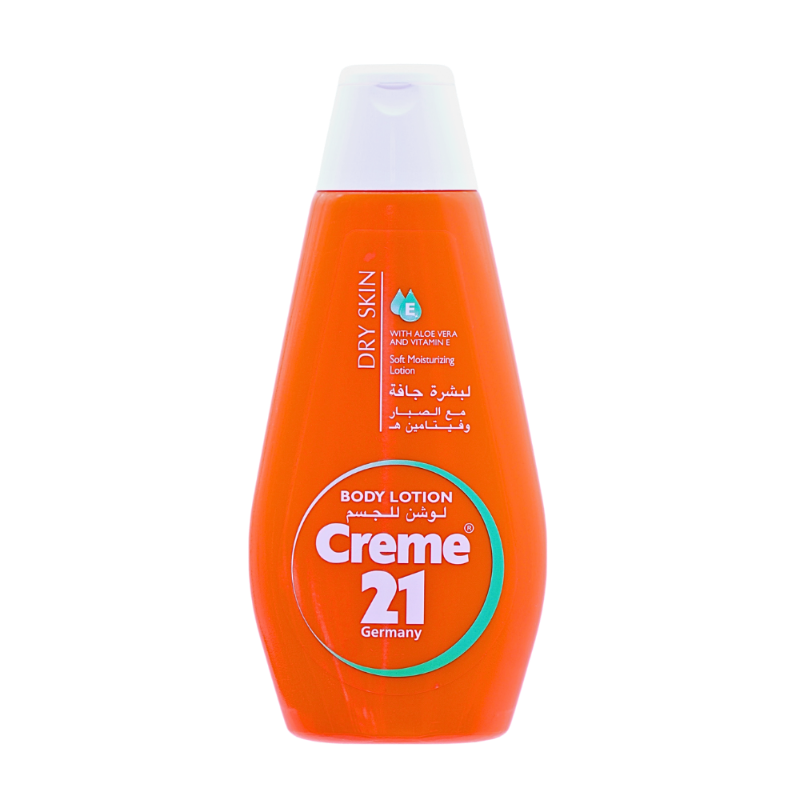
Skin And Body Care > Moisturizers
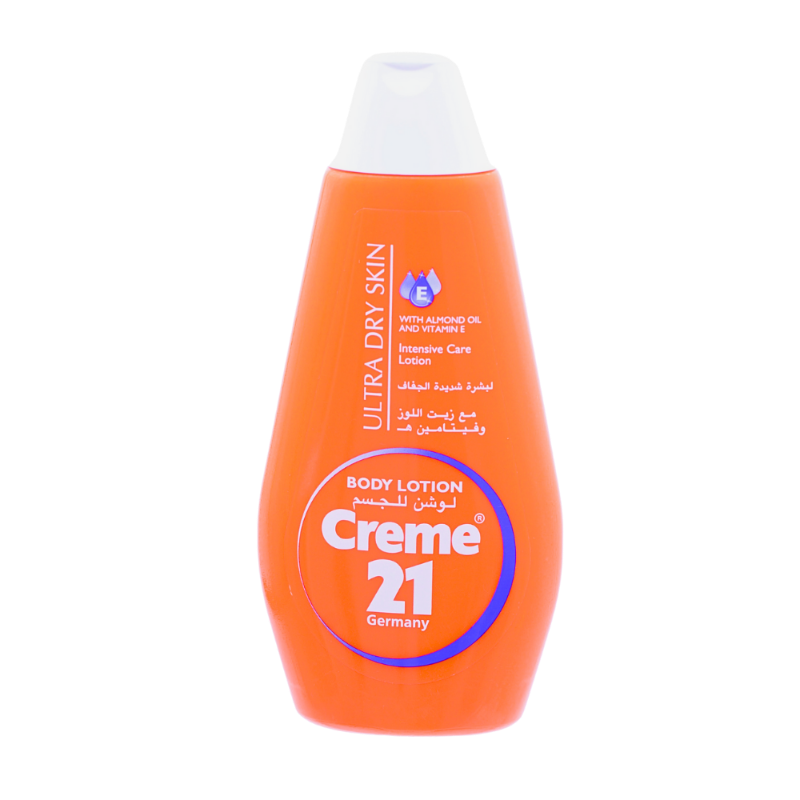
Skin And Body Care > Moisturizers
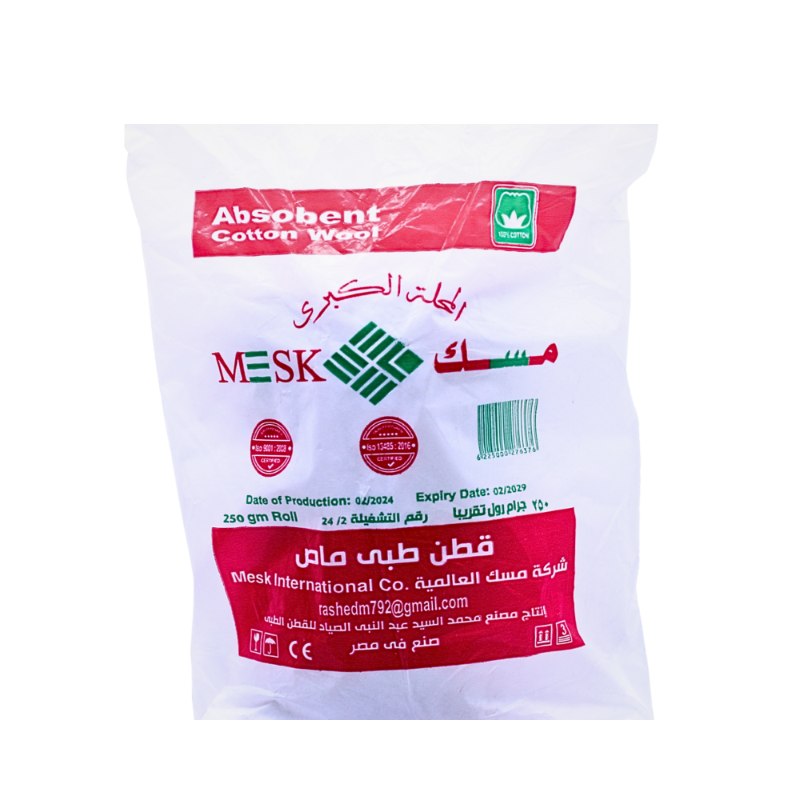
Health Care & Wellness > Medical Supplies
Vitamins & Supplements > Vitamins and Minerals
ADOL 500MG CAPLET 48/CAPLET
- Sku : I-033241
Key features
ADOL Caplets Paracetamol 500 mg are caplets containing paracetamol 500 mg as the active ingredient. The product works centrally by inhibiting prostaglandin synthesis and peripherally by blocking pain-impulse generation, and it produces an antipyretic effect via the hypothalamic heat‑regulating center. It is indicated for symptomatic relief of mild to moderate pain and for reduction of fever. Available OTC as caplets in a 48-caplet pack.- Brand: ADOL
- Active Ingredient: PARACETAMOL 500mg
- Strength: 500mg
- Dosage Form: Tablet
- Pack Size: 24 Tablets
- Route: Oral use
- Prescription Status: OTC
- Therapeutic Class: Analgesic
- Pharmacological Group: Anilides (Paracetamol)
- Drug Class: Non-opioid analgesic and antipyretic; anilide (para-aminophenol derivative).
- Manufacturer: GLAXOSMITHKLINE (GSK)
- Country of Origin: Ireland
- SFDA Registration No.: 3006222293
- Shelf Life: 24 months
- Storage: store below 25°c
- Pain Type: General
- Nsaid: No
- Opioid: No
Frequently bought together
Skin And Body Care > Moisturizers
Skin And Body Care > Moisturizers
Health Care & Wellness > Medical Supplies
Vitamins & Supplements > Vitamins and Minerals
Indications
Approved Uses
Symptomatic relief of mild to moderate pain and reduction of fever (antipyretic).
Off-Label Uses
None to list for this OTC product entry (paracetamol is commonly used for osteoarthritis pain, but this is generally within symptomatic pain relief rather than a distinct off-label use for an OTC listing).
Dosage & Administration
Dosing by Condition
Adults and adolescents ≥12 years: 500-1000 mg every 4-6 hours as needed; maximum 4,000 mg/day (lower maximum in hepatic risk factors). Children: dose by weight (10-15 mg/kg per dose every 4-6 hours; max 60 mg/kg/day, not exceeding 4 doses/24 h).
Initial Dose
500mg-1000mg
Maintenance Dose
500mg-1000mg every 4-6 hours as needed
Maximum Dose
4000mg per 24 hours in healthy adults; reduce maximum dose by 50-75% in patients with hepatic impairment or history of alcohol abuse.
Children's Dosage
Children 2-12 years: 10-15mg/kg/dose every 4-6 hours, max 5 doses in 24 hours. Children under 2 years: use only under medical supervision. Neonates: 10-15mg/kg/dose every 6-8 hours
Dose Adjustment Notes
Renal impairment: if CrCl <30 mL/min, extend dosing interval (e.g., every 6-8 hours) and keep within maximum daily dose. Hepatic impairment/chronic alcohol use/malnutrition/low body weight: use the lowest effective dose and consider a reduced maximum daily dose (often ≤2-3 g/day) and avoid prolonged use. Maintain at least 4 hours between doses.
How to Take
Oral: swallow the 500 mg tablet/caplet with water; may be taken with or without food. Do not exceed the labeled dose; do not take with other paracetamol-containing products.
Side Effects
Common Side Effects
Usually none at recommended doses; rare: nausea, vomiting, rash/urticaria (hypersensitivity).
Side Effect Frequency
Rare: nausea, vomiting, rash/urticaria (hypersensitivity). Very rare: serious skin reactions (SJS/TEN), blood dyscrasias. Hepatotoxicity is primarily overdose-related (rare at recommended doses).
Safety & Warnings
Contraindications
Hypersensitivity to paracetamol or any excipients; severe hepatic impairment or severe active liver disease.
Warnings & Precautions
Do not exceed recommended dose (max 4 g/day in adults with normal liver function); avoid concurrent use with other paracetamol-containing products; use caution/seek advice in hepatic disease, chronic alcohol use, malnutrition/low body weight, dehydration, and severe renal impairment; stop and seek care if rash or hypersensitivity occurs; seek urgent care after any suspected overdose even if asymptomatic; consult a clinician if symptoms persist (e.g., pain >3 days or fever persists).
Age Restriction
No specific age restriction for paracetamol as an active ingredient; however, this 500 mg tablet/caplet strength is generally intended for adults and adolescents (commonly ≥12 years). For children <12 years, use age/weight-appropriate pediatric formulations; for <2 years, use only under medical advice.
Drug Interactions
Drug Interactions
Warfarin/coumarins (INR may increase with regular/prolonged paracetamol use); enzyme inducers (e.g., carbamazepine, phenytoin, phenobarbital, rifampicin) and isoniazid (increased hepatotoxicity risk); alcohol/chronic heavy use (increased hepatotoxicity risk); cholestyramine (reduced absorption if given close together); metoclopramide/domperidone (increased absorption rate).
Interaction Severity
MAJOR: Excess/chronic alcohol use (increased hepatotoxicity risk); other paracetamol-containing products (overdose risk). MODERATE: Warfarin (regular use may increase INR/bleeding risk); enzyme inducers (e.g., carbamazepine, phenytoin, phenobarbital, rifampicin) and isoniazid (increased hepatotoxicity risk). MINOR: Cholestyramine (reduced absorption-separate by ≥1 hour); metoclopramide/domperidone (faster absorption).
Food Interaction
No restriction
Alcohol Interaction
Dangerous
Special Populations
Children
Children 2-12 years: 10-15mg/kg/dose every 4-6 hours, max 5 doses in 24 hours. Children under 2 years: use only under medical supervision. Neonates: 10-15mg/kg/dose every 6-8 hours
Elderly
Standard adult dosing; however, consider reducing maximum daily dose to 3000mg/day in frail elderly patients or those with low body weight
Liver Impairment
Use with caution in hepatic impairment; in chronic liver disease/cirrhosis consider reducing maximum total daily dose to 2 g/day and avoid use in severe active liver disease unless specifically directed/monitored by a clinician.
Storage & Patient Advice
Missed Dose
If needed regularly and a dose is missed, take it when remembered; if it is close to the next dose, skip the missed dose and resume the usual schedule. Do not double doses.
Stopping the Medicine
No tapering is required. May be stopped when no longer needed. If used regularly for several days or longer, avoid exceeding the recommended dose and seek medical advice if symptoms persist or if frequent/long-term use is needed.
Overdose
Early symptoms may be absent or include nausea, vomiting, diaphoresis, and abdominal pain; serious hepatotoxicity can develop 24-72 hours after ingestion (jaundice, coagulopathy, hepatic failure). Management: urgent emergency assessment, consider activated charcoal if within ~1 hour of a significant ingestion, and administer N-acetylcysteine (NAC) as the specific antidote as early as possible (most effective within 8-10 hours, but beneficial later).
Patient Counseling
Do not exceed the recommended dose (max 4 g/day in adults unless advised lower); keep at least 4 hours between doses. Do not use with any other paracetamol/acetaminophen-containing products. Avoid or limit alcohol; seek medical advice if chronic alcohol use, liver disease, malnutrition, or low body weight. Seek urgent care immediately after overdose even if asymptomatic. If symptoms persist (e.g., fever >3 days or pain >5 days), consult a clinician.
Monitoring Requirements
No routine monitoring required at therapeutic doses. Monitor liver function tests in patients with pre-existing hepatic disease or prolonged use at high doses
Pharmacology
Mechanism of Action
Inhibits prostaglandin synthesis in the central nervous system (CNS) and peripherally blocks pain-impulse generation. It produces an antipyretic effect by acting on the hypothalamic heat-regulating center.
Onset of Action
30-60 minutes
Half-Life
1-3 hours
Bioavailability
70-90%
Metabolism
Primarily hepatic metabolism via glucuronidation and sulfation; a small fraction undergoes CYP-mediated oxidation (mainly CYP2E1, also CYP1A2/3A4) to NAPQI, detoxified by glutathione at therapeutic doses.
Excretion
Primarily renal excretion as metabolites (glucuronide/sulfate conjugates); a small fraction is excreted unchanged (typically <5%).
Protein Binding
10-25%
Product Information
Available Dosage Forms
Tablet, Capsule, Caplet, Orally disintegrating tablet, Effervescent tablet, Oral suspension, Oral solution, Oral drops, Powder for oral solution, Suppository, Intravenous infusion
Composition per Dose
Each caplet: 500mg paracetamol
Generic Availability
Yes
OTC Alternatives
Ibuprofen (NSAID) and aspirin (adults only) are common OTC alternatives for pain/fever; diclofenac low-dose may be available OTC in some markets but is jurisdiction-dependent.
Pain Type
General
Nsaid
No
Opioid
No
Reviewed by Al Mujtama Pharmacy Medical Review Team. Last reviewed 28-05-2026
Similar Products
Medications > Dermatology Medications
Medications > Cold, Cough, and Allergy Medications
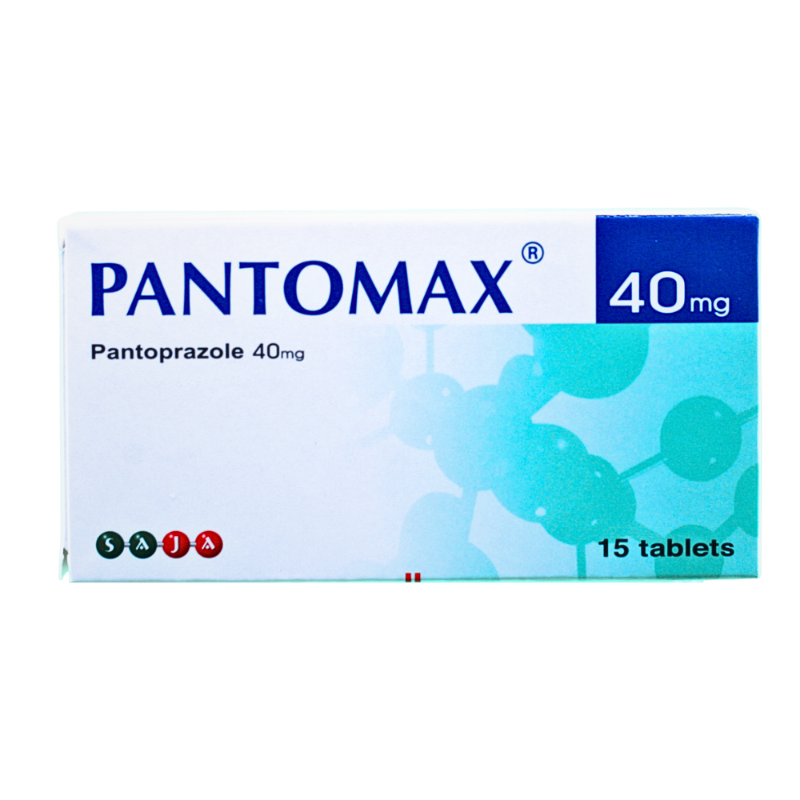
Medications > Gastrointestinal Medications
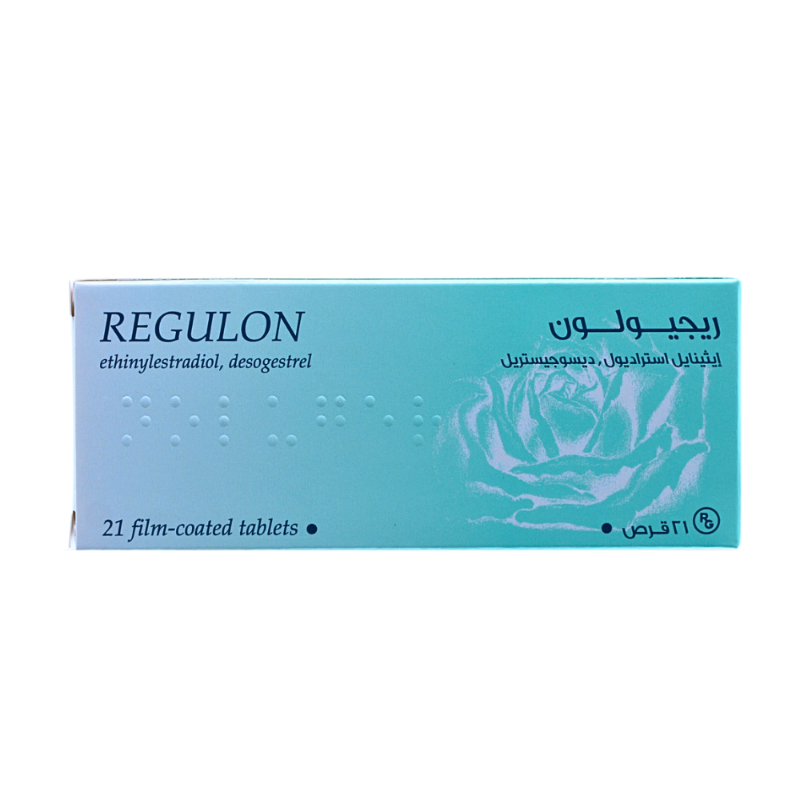
Medications > Contraceptives and Hormonal Medications
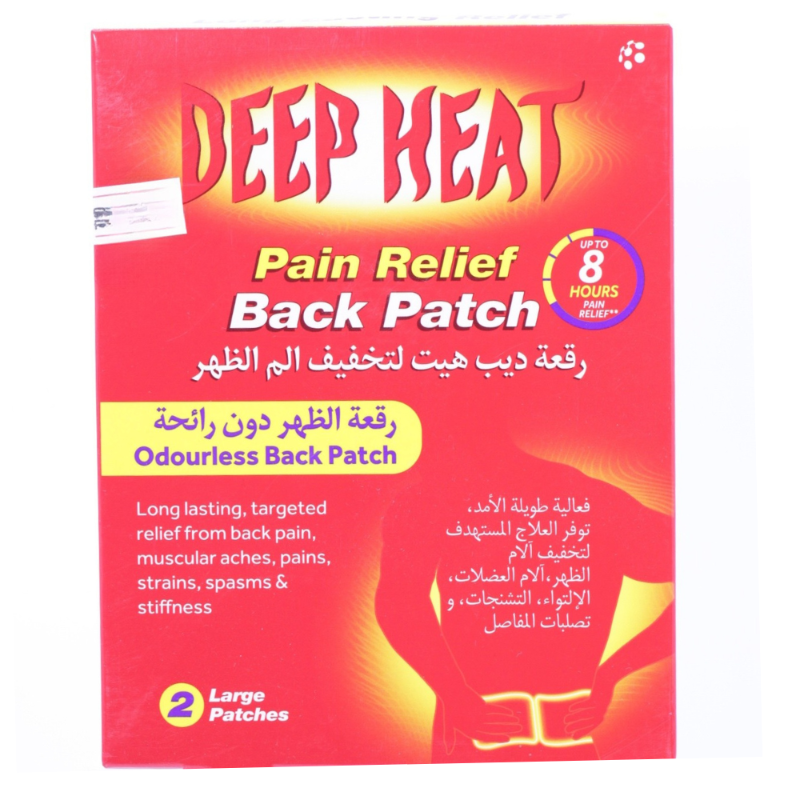
Medications > Painkillers and Antipyretics
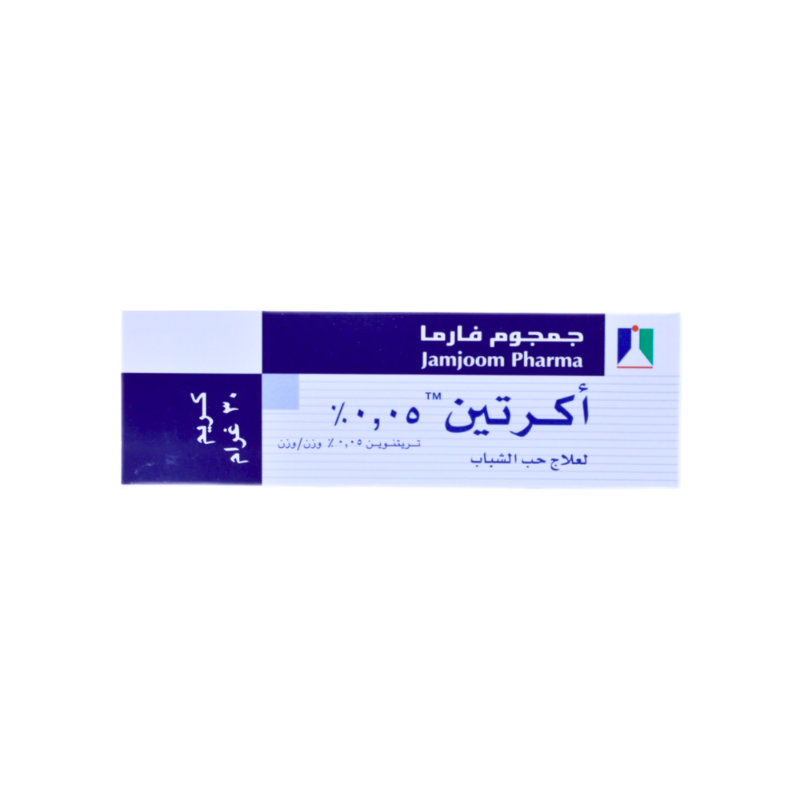
Medications > Dermatology Medications
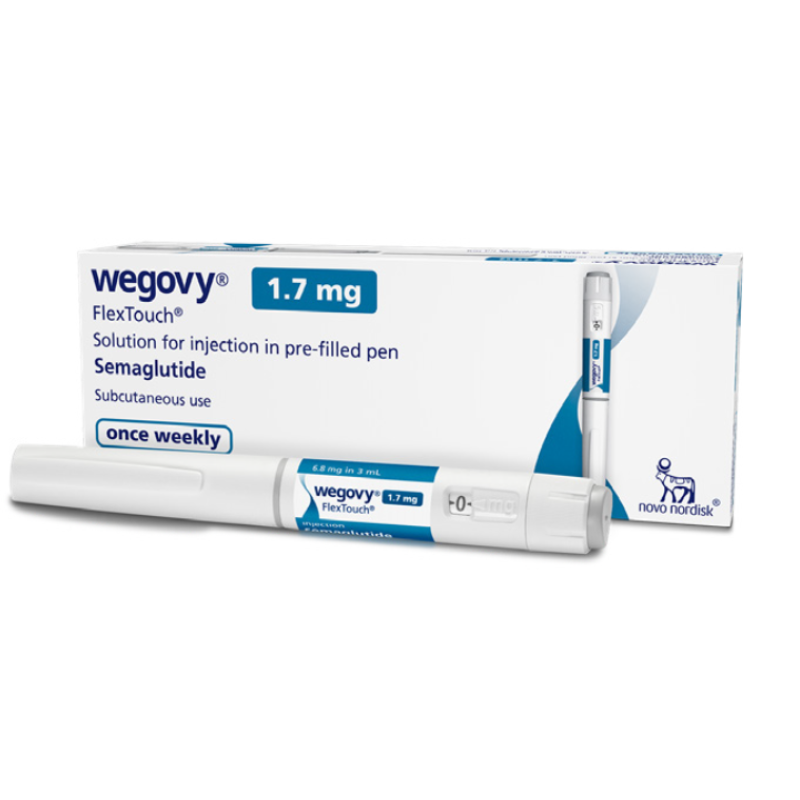
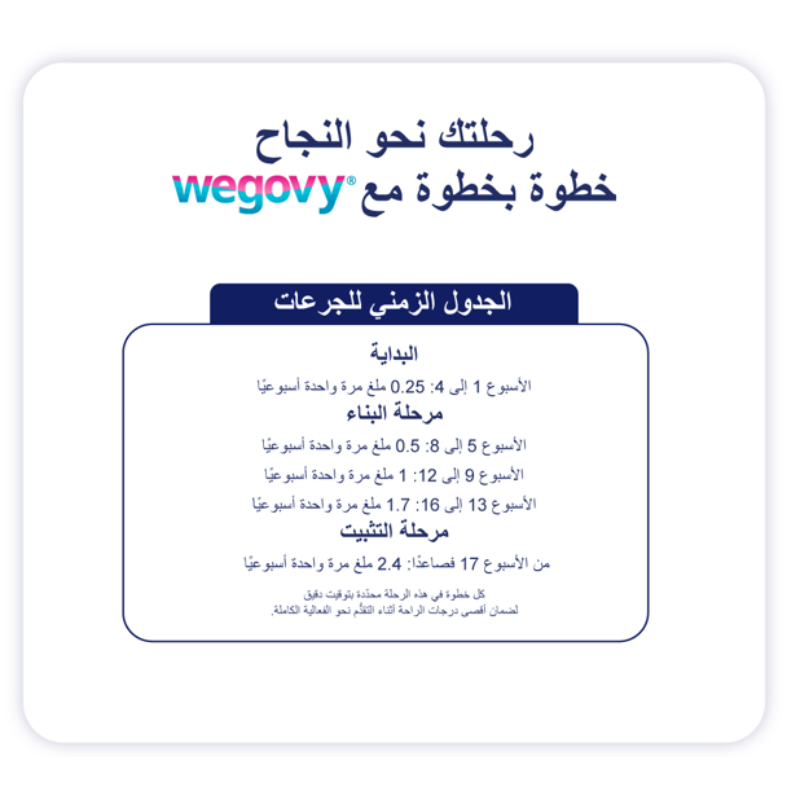
Medications > Diabetes Medications
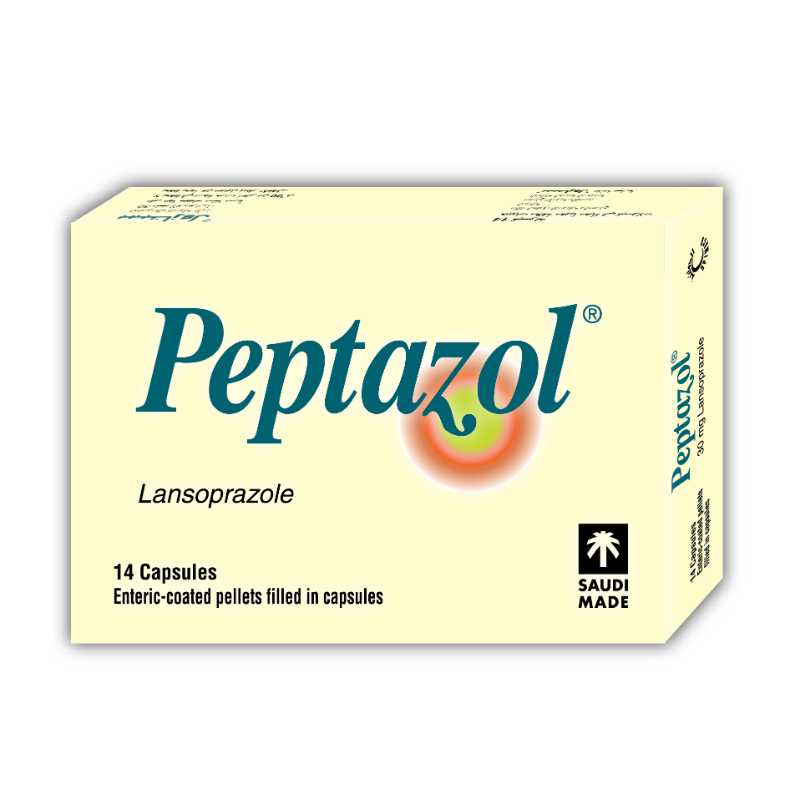
Medications > Gastrointestinal Medications
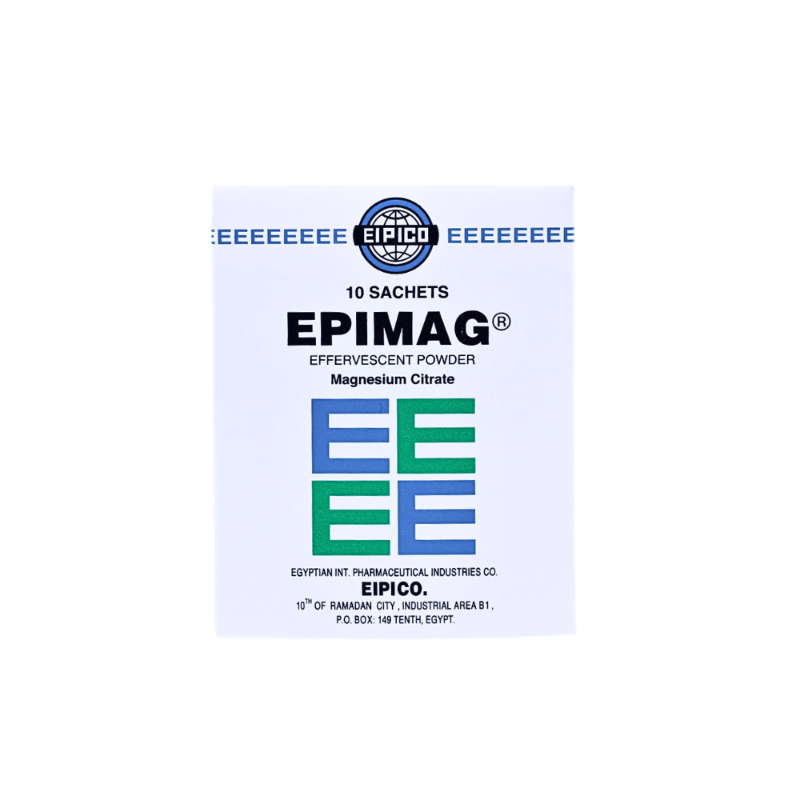
Medications > Urology Medications
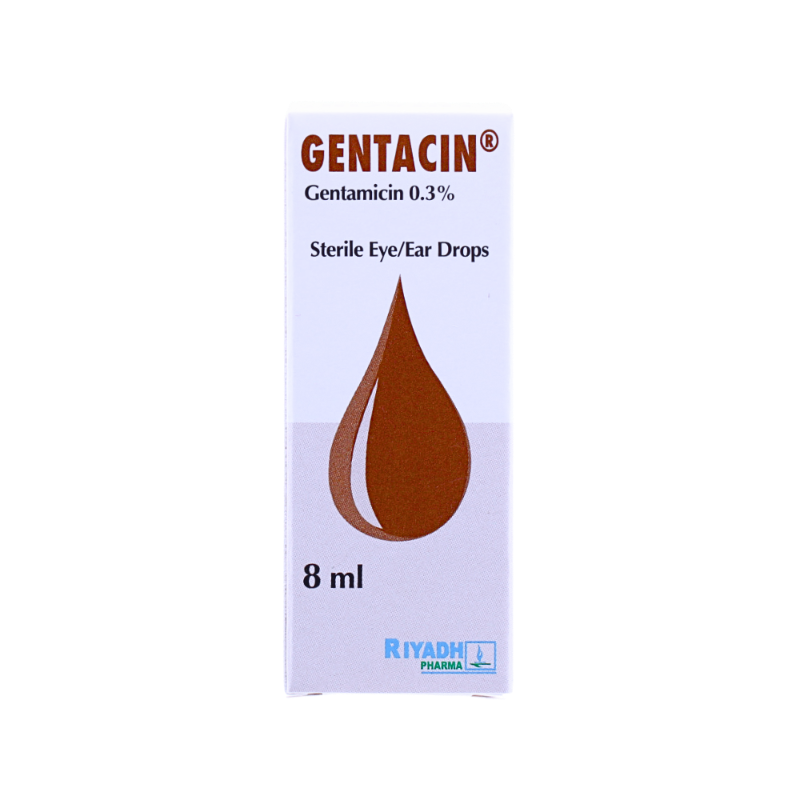
Medications > Eye and Ear Medications
