
Use Code: ND30 And Get 30% OFF | Get Free Delivery With No Minimum Order
-1744229570.gif "Almujtama Pharmacy logo")
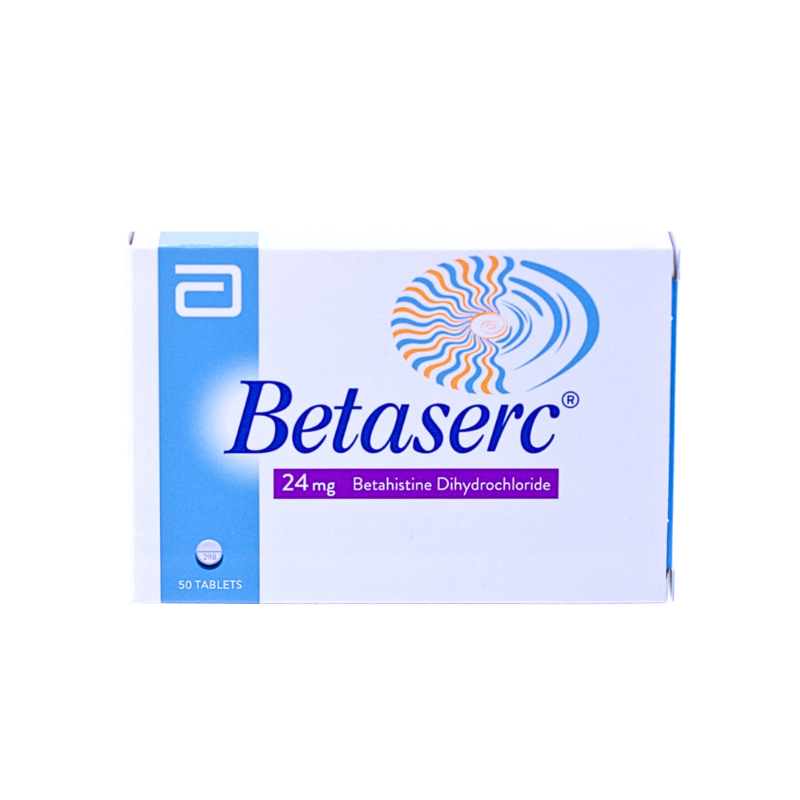




Frequently bought together
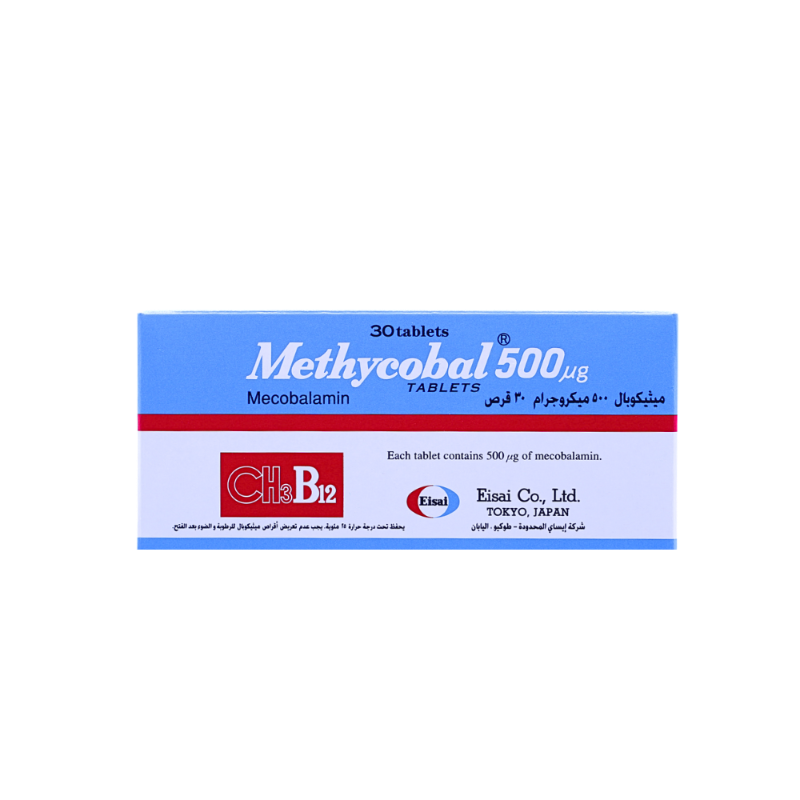
Vitamins & Supplements > Vitamins and Minerals

Vitamins & Supplements > Vitamins and Minerals
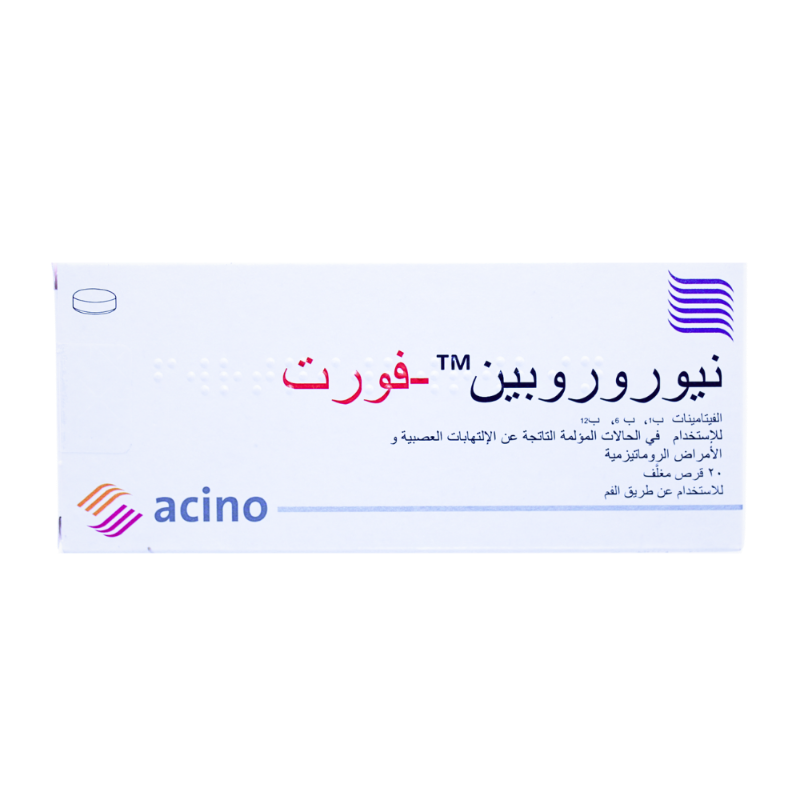
Vitamins & Supplements > Vitamins and Minerals
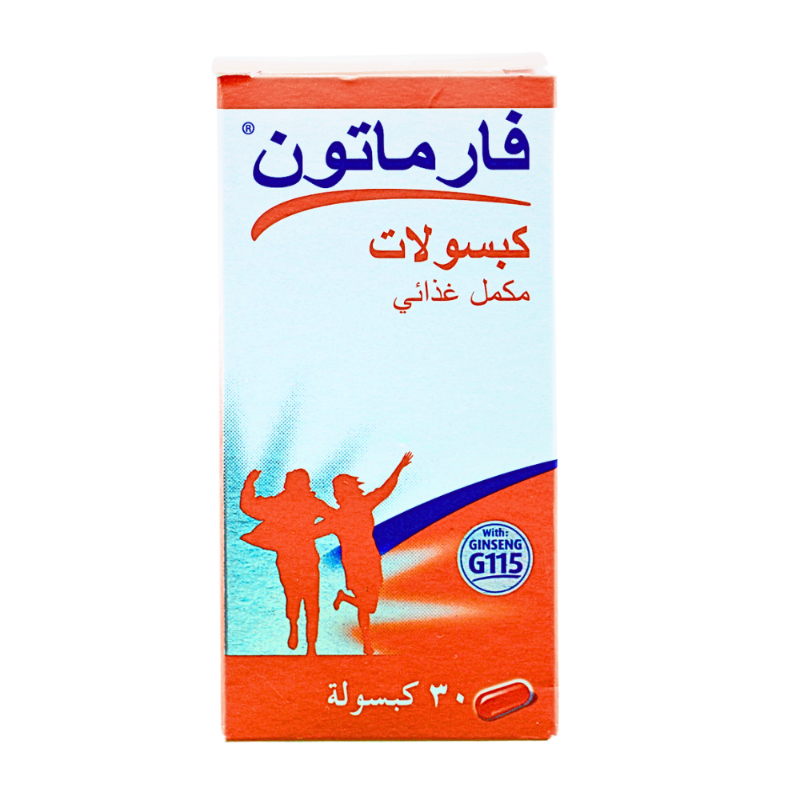
Vitamins & Supplements > Vitamins and Minerals
Vitamins & Supplements > Vitamins and Minerals
BETASERC 24/MG TAB 50/TAB
- Sku : I-000668
Key features
Betaserc 24 mg Tablets are a prescription tablet containing betahistine dihydrochloride. It acts as a histamine analogue with antivertigo properties, helping improve inner-ear circulation and vestibular function to reduce vertigo symptoms. It is used for Ménière’s syndrome and disease, including symptoms such as vertigo, tinnitus, and hearing loss, as well as symptomatic treatment of vestibular vertigo. This pack contains 50 tablets.- Brand: BETASERC
- Active Ingredient: BETAHISTINE DIHYDROCHLORIDE
- Strength: 24mg
- Dosage Form: Tablet
- Pack Size: 50 Tablets
- Route: Oral use
- Prescription Status: Prescription
- Therapeutic Class: Nervous System
- Pharmacological Group: Other Nervous System Drugs
- Drug Class: Histamine analogue; antivertigo agent (weak H1 agonist and H3 antagonist).
- Manufacturer: Mylan Laboratories SAS
- Country of Origin: France
- SFDA Registration No.: 2201233135
- Shelf Life: 36 months
- Storage: do not store above 30°c
- Primary Use: Treatment of Ménière's disease and vestibular vertigo, reducing episodes of dizziness, tinnitus, and hearing disturbance
Frequently bought together
Vitamins & Supplements > Vitamins and Minerals
Vitamins & Supplements > Vitamins and Minerals
Vitamins & Supplements > Vitamins and Minerals
Vitamins & Supplements > Vitamins and Minerals
Vitamins & Supplements > Vitamins and Minerals
Indications
Approved Uses
Ménière’s syndrome/disease (symptoms such as vertigo, tinnitus and hearing loss) and symptomatic treatment of vestibular vertigo.
Off-Label Uses
Used for vertiginous syndromes such as positional paroxysmal vertigo and vertigo secondary to vertebrobasilar insufficiency
Dosage & Administration
Dosing by Condition
Ménière’s disease/vestibular vertigo: total 24-48 mg/day orally in divided doses (e.g., 24 mg twice daily); maximum typically 48 mg/day.
Initial Dose
24 mg twice daily (48 mg/day
Maintenance Dose
24-48 mg daily, adjusted according to patient response.
Maximum Dose
48 mg daily. Higher doses up to 480 mg/day have been used in refractory cases under specialist supervision.
Children's Dosage
Not recommended for use in children and adolescents below age 18 due to lack of data on safety and efficacy.
How to Take
Oral: swallow the tablet with water; take with or after food to reduce gastrointestinal upset.
Side Effects
Common Side Effects
Headache; nausea; dyspepsia/indigestion; mild gastrointestinal complaints (e.g., abdominal pain, abdominal distension/bloating, vomiting).
Side Effect Frequency
Common (≥1/100 to <1/10): nausea, dyspepsia, headache; Not known: hypersensitivity reactions (including rash, pruritus, urticaria, angioedema) and other gastrointestinal complaints (e.g., vomiting, abdominal pain, bloating).
Safety & Warnings
Contraindications
Hypersensitivity to betahistine dihydrochloride or to any excipients; pheochromocytoma.
Warnings & Precautions
Use with caution in bronchial asthma and in patients with active or history of peptic ulcer disease; avoid use in pheochromocytoma; pregnancy/lactation: use only if clearly needed (limited data).
Age Restriction
Not approved under 18 years.
Drug Interactions
Drug Interactions
Potential interaction with MAO inhibitors (including MAO-B inhibitors) which may increase betahistine exposure; antihistamines may antagonize betahistine’s effect (reduced efficacy).
Special Populations
Pregnancy
Consult Doctor
Breastfeeding
Consult Doctor
Children
Not recommended for use in children and adolescents below age 18 due to lack of data on safety and efficacy.
Storage & Patient Advice
Stopping the Medicine
May be stopped without tapering; discontinue on clinician advice, noting symptoms may recur if stopped.
Overdose
Symptoms: nausea, vomiting, dyspepsia/abdominal pain, somnolence/drowsiness, ataxia; at high doses (especially with co-ingestants) seizures/convulsions and cardiopulmonary complications have been reported. Management: supportive/symptomatic care; consider activated charcoal if recent ingestion and airway protected; urgent medical evaluation.
Patient Counseling
Take with or after food and swallow with water; take regularly at the same times daily. Expect gradual improvement (weeks; sometimes months). Dizziness may affect driving/operating machinery. Tell your clinician if you have asthma or a history of peptic ulcer. Seek urgent care for allergic reactions (rash, swelling, breathing difficulty) or severe/worsening GI symptoms.
Pharmacology
Mechanism of Action
Histamine analogue acting as a weak H1 receptor agonist and potent H3 receptor antagonist; thought to improve inner-ear microcirculation and vestibular neurotransmission, reducing endolymphatic pressure and vertigo symptoms.
Onset of Action
Improvement is often seen after 2-4 weeks; maximal benefit may take several months of continuous therapy.
Duration of Effect
Symptom control is maintained with continued regular dosing; benefits typically wane after discontinuation (no defined single-dose duration).
Half-Life
Approximately 3-4 hours (commonly reported as the elimination half-life of the main metabolite 2‑PAA).
Metabolism
Rapid and extensive metabolism to 2‑pyridylacetic acid (2‑PAA), largely via oxidative deamination (MAO-mediated); not considered a clinically relevant CYP450 substrate.
Excretion
Primarily renal excretion, mainly as the inactive metabolite 2‑pyridylacetic acid (2‑PAA), with the majority of the dose recovered in urine within ~24 hours.
Product Information
Available Dosage Forms
Tablet (24 mg) for oral use.
Composition per Dose
Each tablet: 24 mg betahistine as dihydrochloride
Generic Availability
Yes
OTC Alternatives
No OTC alternative
Primary Use
Treatment of Ménière's disease and vestibular vertigo, reducing episodes of dizziness, tinnitus, and hearing disturbance
Reviewed by Al Mujtama Pharmacy Medical Review Team. Last reviewed 13-07-2026
Similar Products
Medications > Hemorrhoid Medications

Medications > Eye and Ear Medications

Medications > Sexual Health
Medications > Psychiatric Medications
Medications > Dermatology Medications

Medications > Gastrointestinal Medications
Medications > Dermatology Medications
Medications > Cholesterol Medications
Medications > Gastrointestinal Medications
Medications > Sexual Health
