
Use Code: ND30 And Get 30% OFF | Get Free Delivery With No Minimum Order
-1744229570.gif "Almujtama Pharmacy logo")
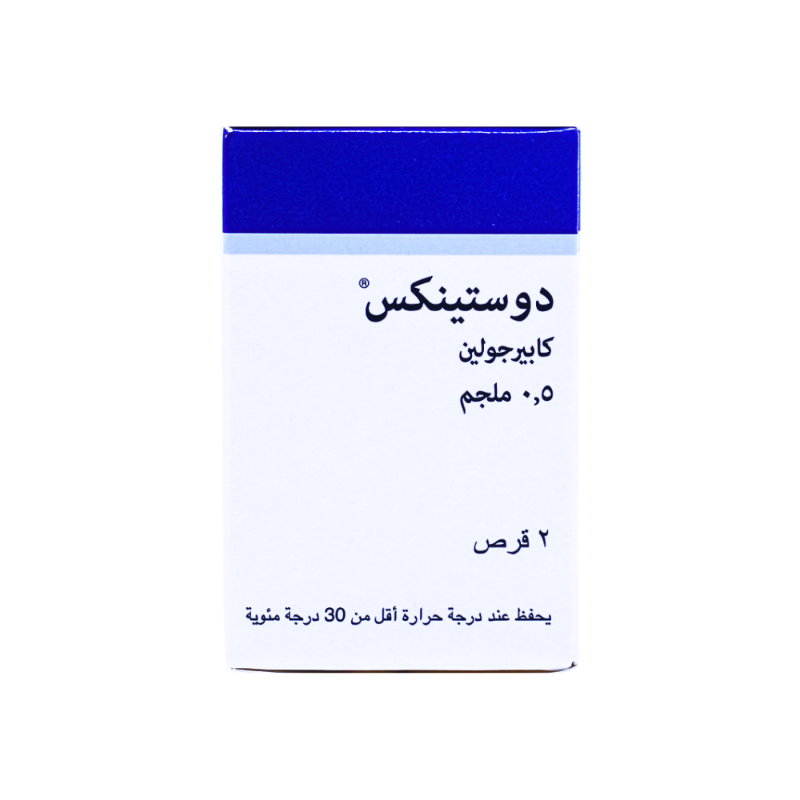




Frequently bought together
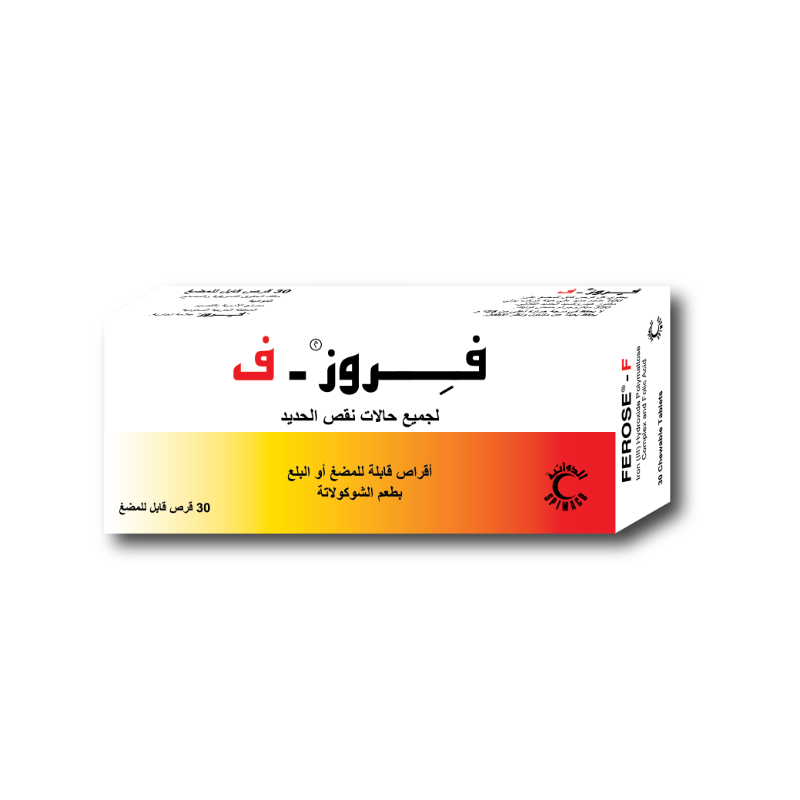
Vitamins & Supplements > Iron & Anemia Supplements
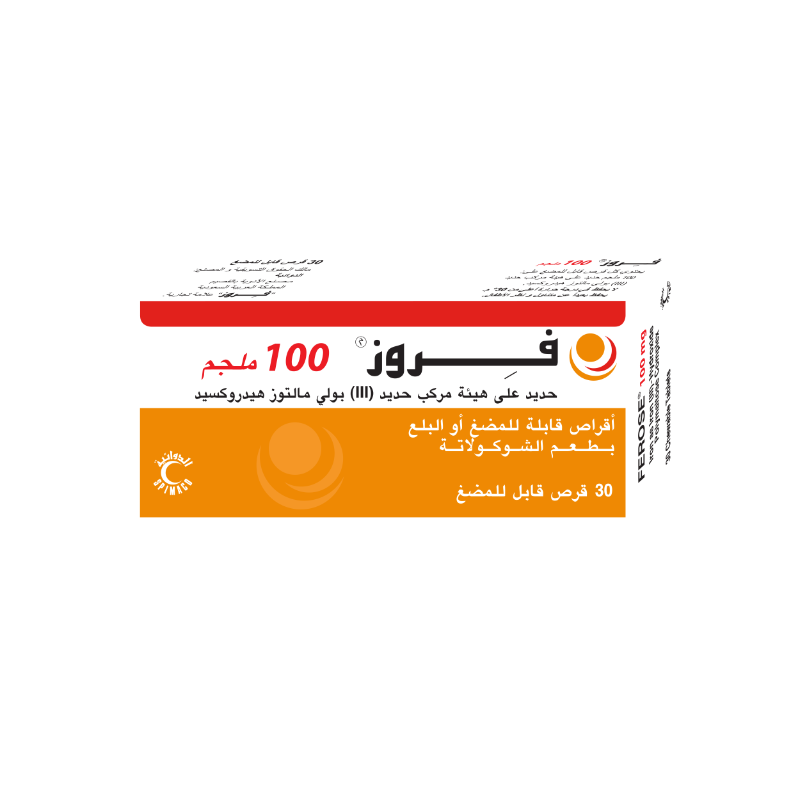
Vitamins & Supplements > Iron & Anemia Supplements
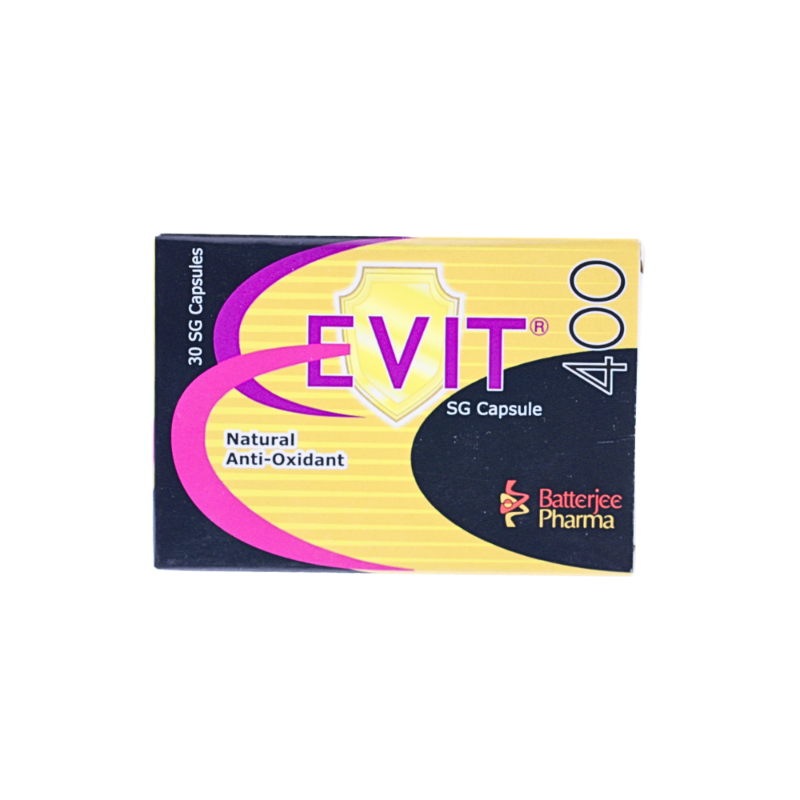
Vitamins & Supplements > Vitamins and Minerals
Vitamins & Supplements > Vitamins and Minerals
Vitamins & Supplements > Iron & Anemia Supplements

Vitamins & Supplements > Vitamins and Minerals
DOSTINEX 0.5/MG 2/TAB
- Sku : I-001712
Key features
Dostinex 0.5 mg Tablet is a prescription medicine containing cabergoline, supplied as oral tablets. It works as a long-acting dopamine D2-receptor agonist that helps reduce prolactin secretion from the pituitary gland. It is used to treat hyperprolactinemic disorders, including idiopathic hyperprolactinemia and prolactinomas caused by pituitary adenomas. This product is available as a pack of 2 tablets.- Brand: DOSTINEX
- Active Ingredient: CABERGOLINE
- Strength: 0.5mg
- Dosage Form: Tablet
- Pack Size: 2 Tablets
- Route: Oral use
- Prescription Status: Prescription
- Therapeutic Class: Genitourinary
- Pharmacological Group: Uterine Drugs
- Drug Class: Ergot-derived dopamine D2-receptor agonist (prolactin inhibitor).
- Manufacturer: PFIZER
- Country of Origin: Italy
- SFDA Registration No.: 0309234085
- Shelf Life: 24 months
- Storage: store below 30°c
- Hormone Type: Non-hormonal
- Method: Oral
Frequently bought together
Vitamins & Supplements > Iron & Anemia Supplements
Vitamins & Supplements > Iron & Anemia Supplements
Vitamins & Supplements > Vitamins and Minerals
Vitamins & Supplements > Vitamins and Minerals
Vitamins & Supplements > Iron & Anemia Supplements
Vitamins & Supplements > Vitamins and Minerals
Indications
Approved Uses
Treatment of hyperprolactinemic disorders (idiopathic hyperprolactinemia or due to pituitary adenomas/prolactinomas).
Dosage & Administration
Dosing by Condition
Hyperprolactinemia: start 0.25 mg twice weekly (or 0.5 mg/week total), then increase by 0.25 mg twice weekly (0.5 mg/week) at intervals of at least 4 weeks based on prolactin/tolerability; usual maintenance 0.5-1 mg/week; maximum commonly referenced 2 mg/week (some references allow higher under specialist supervision).
Initial Dose
0.25 mg orally twice a week.
Maintenance Dose
Maximum recommended maintenance dose is 1 mg twice weekly (2 mg per week total); usual maintenance varies by individual response.
Maximum Dose
Maximum for hyperprolactinemia: 2 mg per week (1 mg twice weekly), titrated based on prolactin/clinical response.
Children's Dosage
Safety and efficacy have not been established in patients younger than 18 years.
Dose Adjustment Notes
Titrate based on serum prolactin and tolerability; increase in small increments no more frequently than every 4 weeks. Use caution in hepatic impairment (especially severe) and consider lower starting dose/slower titration.
How to Take
Oral tablet; may be taken with or without food (taking with food can reduce nausea). For hyperprolactinemia, the weekly dose may be taken as a single weekly dose or divided into 2 doses on separate days each week (e.g., twice weekly).
Side Effects
Common Side Effects
Nausea, headache, dizziness/vertigo, fatigue/asthenia, constipation, abdominal pain/dyspepsia, vomiting; may also cause orthostatic hypotension.
Side Effect Frequency
Common (≥1% to <10%): nausea, headache, dizziness/vertigo, abdominal pain/dyspepsia/gastritis, constipation, vomiting, fatigue/asthenia. Uncommon (≥0.1% to <1%): somnolence, orthostatic hypotension, hot flushes, depression. Rare/very rare (serious): fibrotic reactions (pleural/pulmonary/retroperitoneal), cardiac valvulopathy (risk increases with higher cumulative doses), and psychiatric/impulse-control effects.
Safety & Warnings
Contraindications
Hypersensitivity to cabergoline or other ergot derivatives; history of cardiac valvulopathy; history/evidence of pulmonary, pericardial, or retroperitoneal fibrotic disorders; uncontrolled hypertension (including pregnancy-induced hypertension such as pre-eclampsia/eclampsia and postpartum hypertension).
Warnings & Precautions
Baseline cardiovascular evaluation including echocardiography before starting and periodically during therapy (especially long-term/high dose); monitor for signs/symptoms of fibrotic disorders (pulmonary/pleural, pericardial, retroperitoneal) and discontinue if suspected; monitor blood pressure (risk of orthostatic hypotension and postpartum/pregnancy-related hypertension concerns); caution in hepatic impairment; caution in patients with history of severe psychiatric disorders; counsel/monitor for somnolence and impulse control disorders.
Driving Warning
May Cause Drowsiness
Drug Interactions
Food Interaction
No clinically significant food restriction; may be taken with or without food, but taking with food can reduce nausea/GI upset.
Special Populations
Pregnancy
Consult Doctor
Breastfeeding
Contraindicated
Children
Safety and efficacy have not been established in patients younger than 18 years.
Liver Impairment
Severe hepatic impairment: use with caution and consider lower doses (exposure increases); mild-moderate impairment: no routine adjustment but monitor tolerability/response.
Storage & Patient Advice
Overdose
Symptoms may include nausea/vomiting, dizziness, hypotension/orthostasis, syncope, nasal congestion, confusion/hallucinations; management is supportive (airway/BP monitoring, IV fluids/vasopressors as needed), consider activated charcoal if early, and a dopamine antagonist may be used for severe CNS effects under medical supervision-seek urgent care.
Patient Counseling
Take exactly as prescribed on the same day(s) each week; may take with food if nausea occurs. Rise slowly (risk of dizziness/orthostatic hypotension) and avoid driving until effects are known. Report shortness of breath, chest pain, persistent cough, leg swelling, or back pain (possible fibrotic/valvular complications) and report new impulse-control symptoms (e.g., gambling, hypersexuality). Keep follow-up for prolactin tests and cardiac monitoring.
Monitoring Requirements
Monitor serum prolactin to guide titration and maintenance. Baseline cardiovascular assessment including echocardiogram, with periodic follow-up echocardiography during long-term therapy (commonly every 6-12 months) and monitor blood pressure (especially during initiation/titration).
Pharmacology
Mechanism of Action
Long-acting dopamine D2-receptor agonist that inhibits prolactin secretion by stimulating D2 receptors on pituitary lactotroph cells.
Bioavailability
Absolute oral bioavailability in humans is not established (unknown).
Product Information
Available Dosage Forms
Tablet.
Composition per Dose
Each tablet: 0.5 mg cabergoline
OTC Alternatives
No OTC alternative
Hormone Type
Non-hormonal
Method
Oral
Reviewed by Al Mujtama Pharmacy Medical Review Team. Last reviewed 27-08-2026
Similar Products
Medications > Diabetes Medications

Medications > Gastrointestinal Medications
Medications > Diabetes Medications
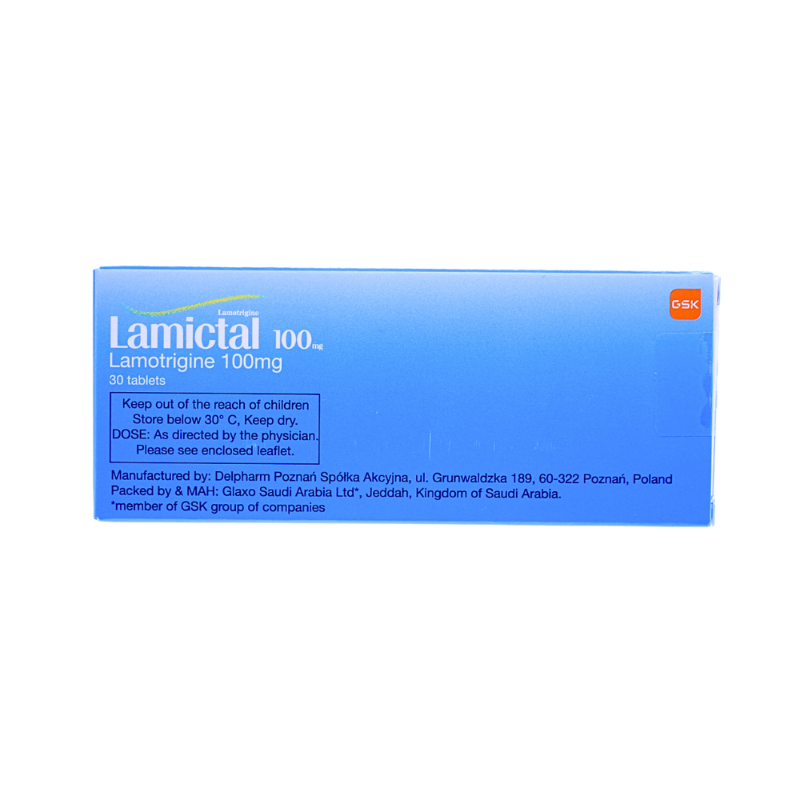
Medications > Psychiatric Medications
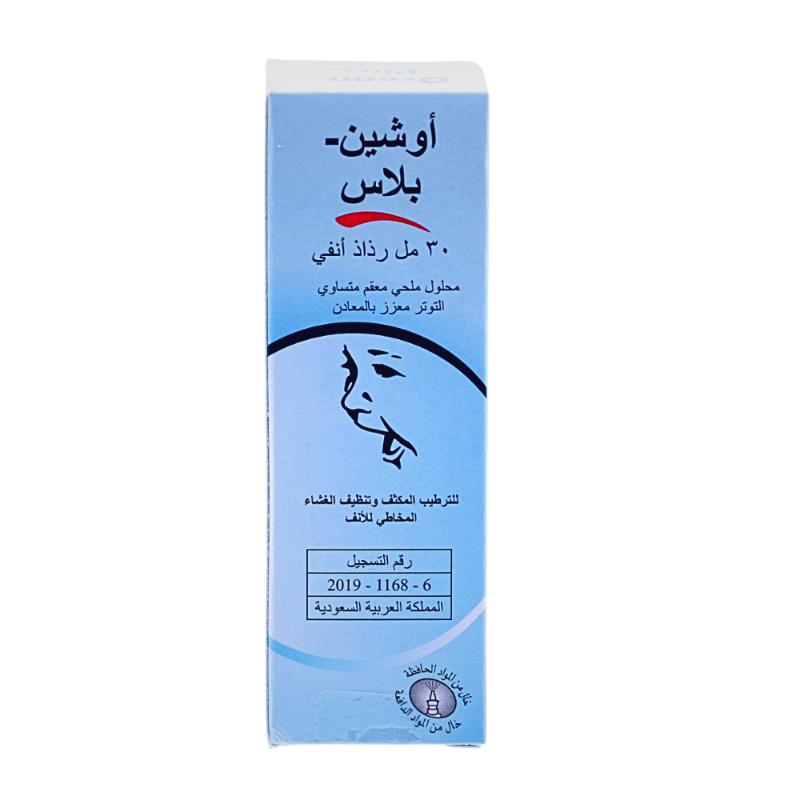
Medications > Cold, Cough, and Allergy Medications
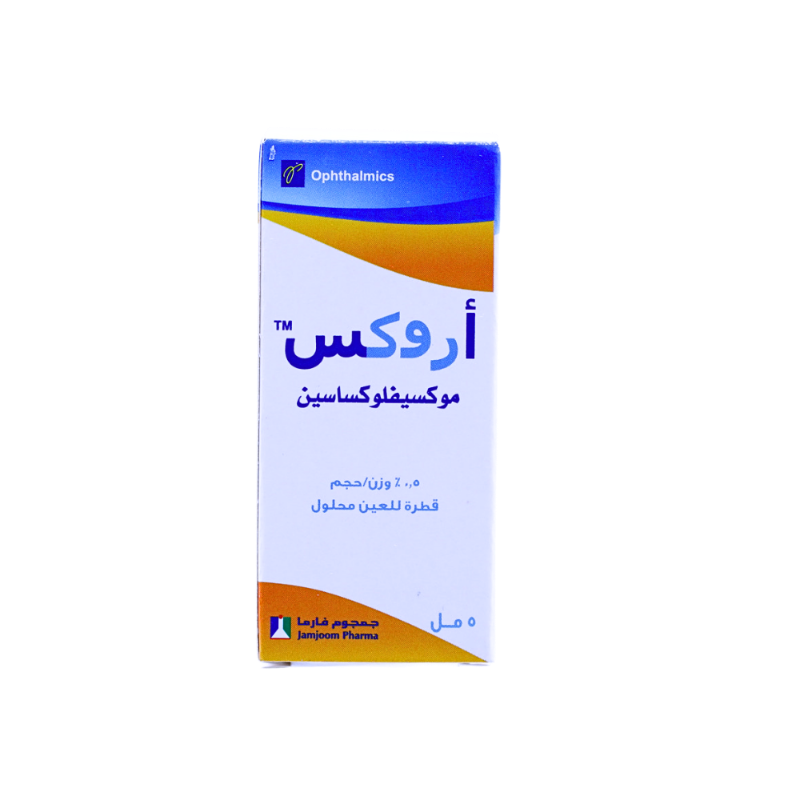
Medications > Eye and Ear Medications
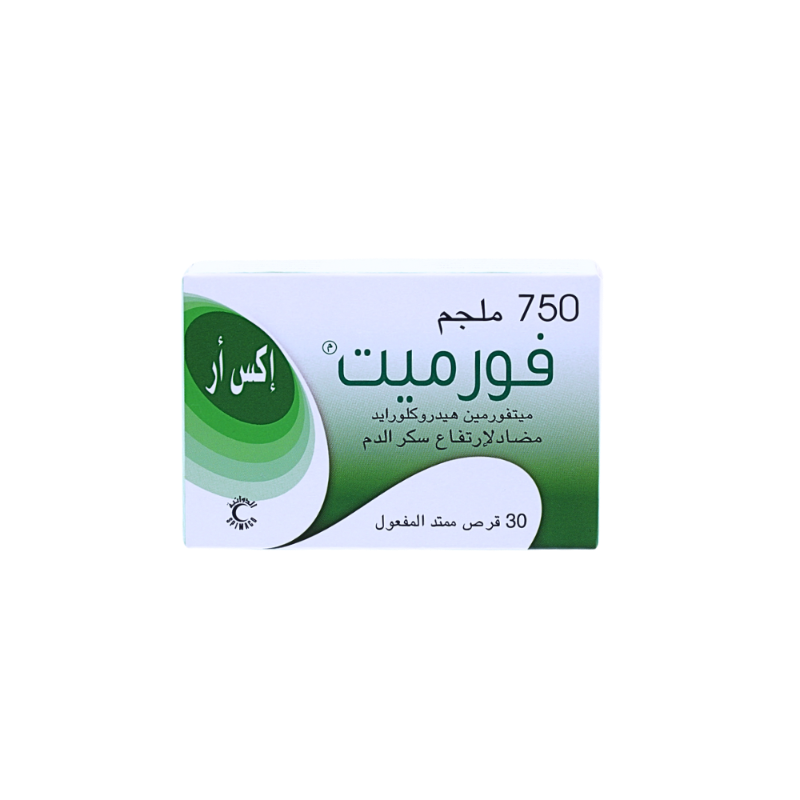
Medications > Diabetes Medications
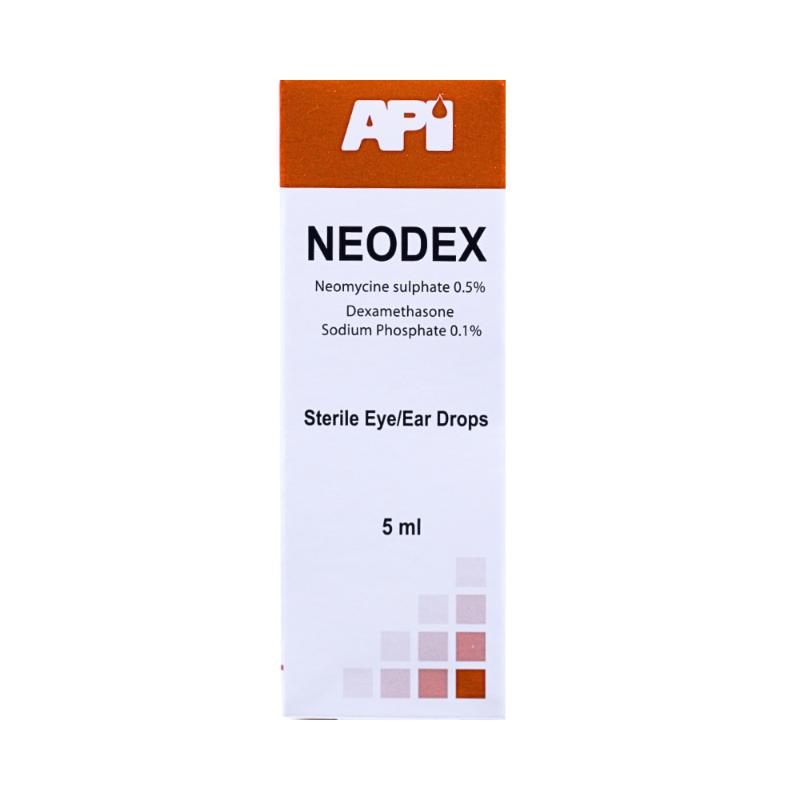
Medications > Eye and Ear Medications
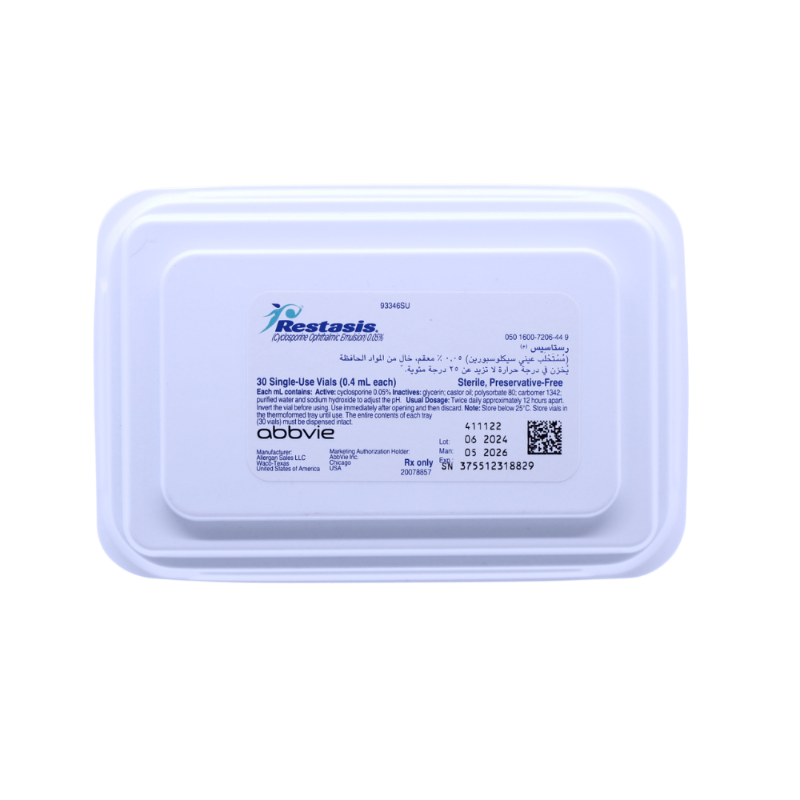
Medications > Eye and Ear Medications
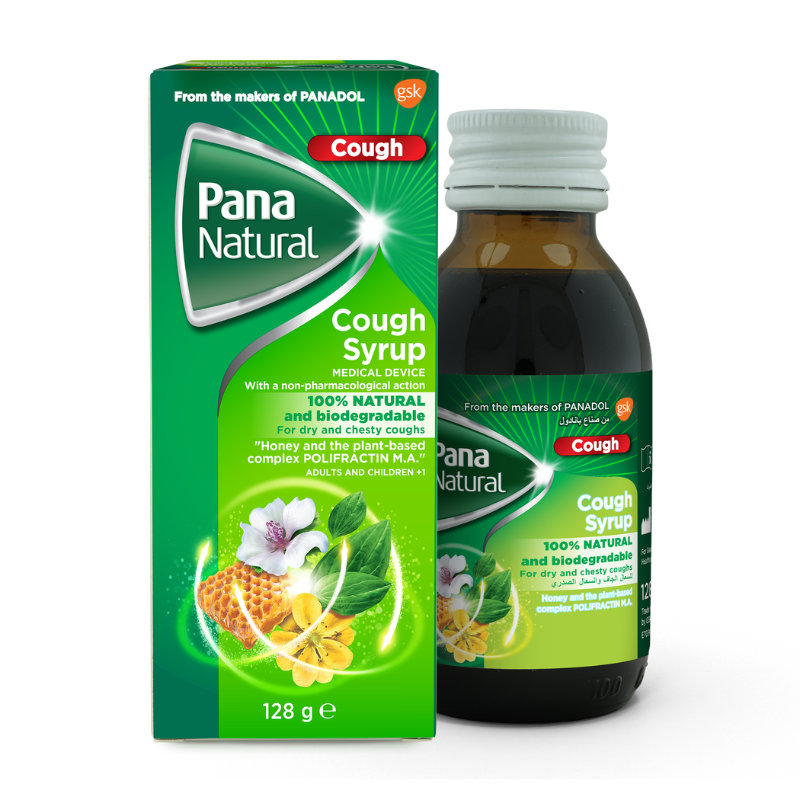
Medications > Cold, Cough, and Allergy Medications
