
Use Code: ND30 And Get 30% OFF | Get Free Delivery With No Minimum Order
-1744229570.gif "Almujtama Pharmacy logo")
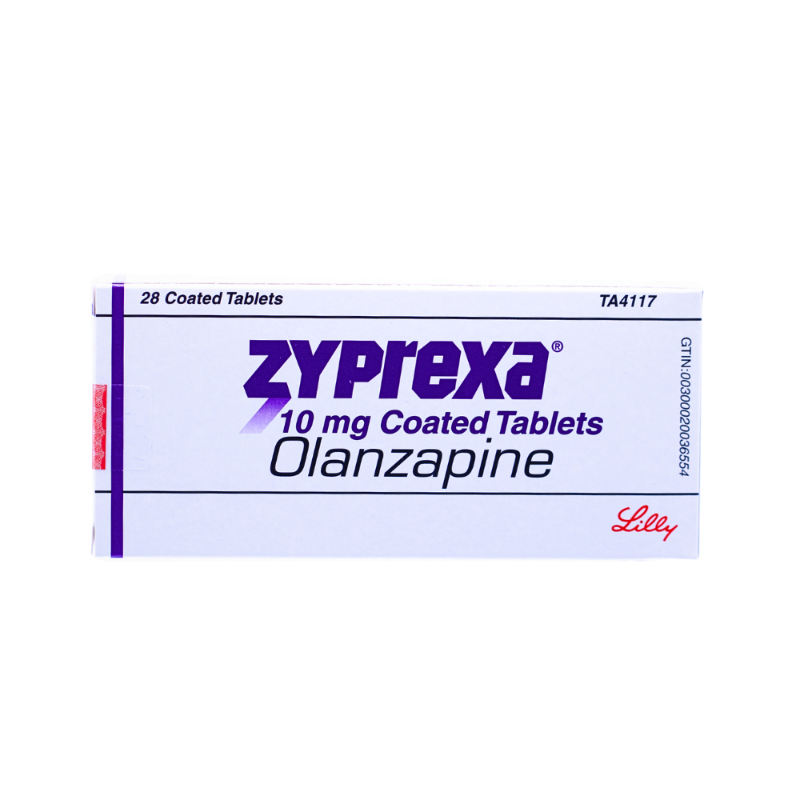




Frequently bought together
Vitamins & Supplements > Omega-3 Supplements
Vitamins & Supplements > Sleeping aid supplements
Vitamins & Supplements > Sleeping aid supplements
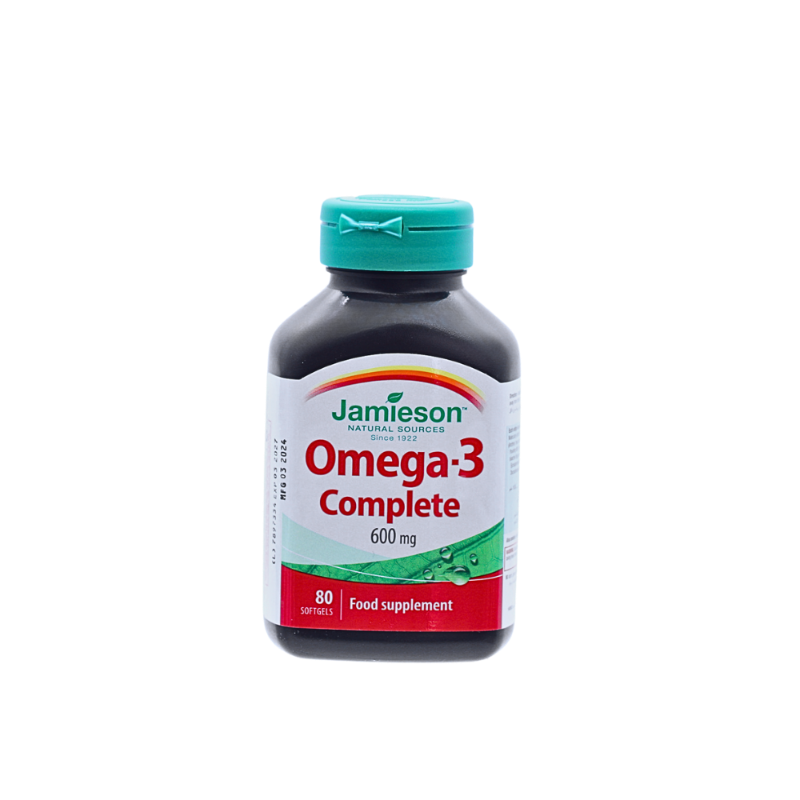
Vitamins & Supplements > Omega-3 Supplements
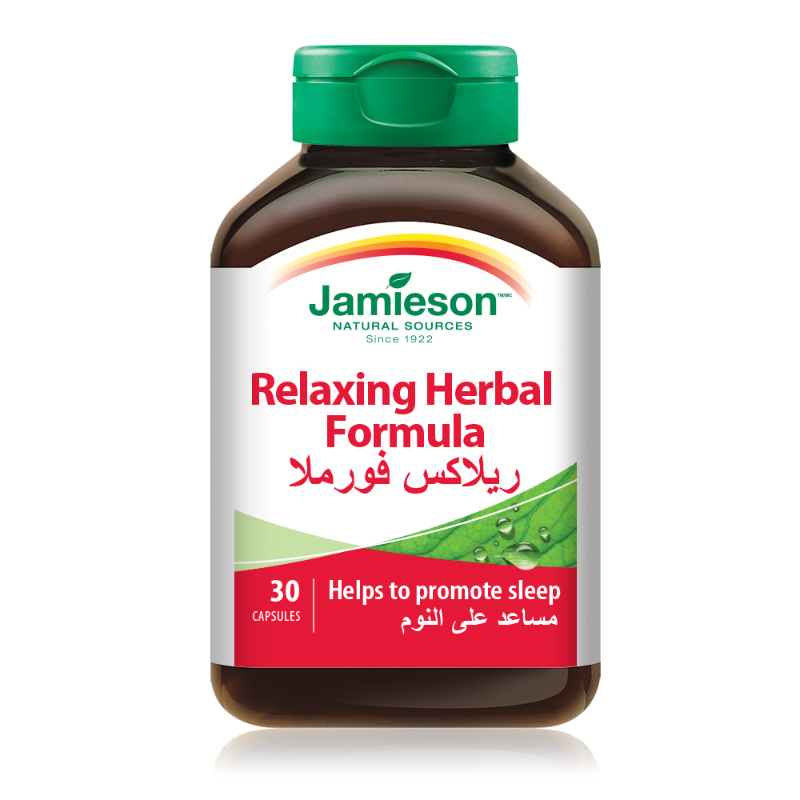
Vitamins & Supplements > Sleeping aid supplements
ZYPREXA 10/MG 28/FC TAB
- Sku : I-016897
Key features
Zyprexa 10 mg F.C. Tab is a coated tablet containing olanzapine 10 mg. It works by helping balance certain chemical messengers in the brain, which supports improved control of mood and thought symptoms. It is used for the treatment of schizophrenia, bipolar I disorder, and treatment-resistant depression when used with fluoxetine. This prescription medicine is supplied in a pack of 28 tablets.- Brand: ZYPREXA
- Active Ingredient: OLANZAPINE 10mg
- Strength: 10mg
- Dosage Form: Coated tablet
- Pack Size: 28 Tablets
- Route: Oral use
- Prescription Status: Prescription
- Therapeutic Class: Psychiatric
- Pharmacological Group: Antipsychotics
- Drug Class: Atypical Antipsychotic (Second-Generation Antipsychotic), Thienobenzodiazepine derivative
- Manufacturer: LILLY DEL CARIBE, INC.
- Country of Origin: United States
- SFDA Registration No.: 1503233372
- Shelf Life: 36 months
- Storage: store below 30°c
- Psych Class: Antipsychotic-Atypical
- Controlled Substance: No
Frequently bought together
Vitamins & Supplements > Omega-3 Supplements
Vitamins & Supplements > Sleeping aid supplements
Vitamins & Supplements > Sleeping aid supplements
Vitamins & Supplements > Omega-3 Supplements
Vitamins & Supplements > Sleeping aid supplements
Indications
Approved Uses
Schizophrenia (acute and maintenance), Bipolar I disorder (acute manic or mixed episodes as monotherapy or adjunct to lithium/valproate), Bipolar I disorder maintenance, Treatment-resistant depression (in combination with fluoxetine as Symbyax)
Dosage & Administration
Dosing by Condition
Schizophrenia (adults): start 5-10 mg once daily; usual target/maintenance 10 mg daily; max 20 mg/day. Bipolar I acute mania (adults): start 10-15 mg once daily (monotherapy) or 10 mg once daily (adjunct); maintenance typically 5-20 mg/day; max 20 mg/day. Olanzapine/fluoxetine combination (where available) is used for bipolar depression and treatment-resistant depression with evening dosing per product labeling.
Initial Dose
5-10mg once daily (schizophrenia); 10-15mg once daily (acute mania)
Maintenance Dose
10mg once daily (range 5-20mg/day)
Maximum Dose
20 mg per day.
Children's Dosage
Adolescents 13-17 years (schizophrenia and bipolar mania): Initial 2.5-5mg once daily, target 10mg once daily, max 20mg/day. Not approved for children under 13 years.
Dose Adjustment Notes
Typical adult initiation is 5-10 mg once daily with cautious titration; consider a lower starting dose (e.g., 5 mg) in elderly/debilitated patients, those with hepatic impairment, or those predisposed to hypotension; dose changes should generally occur no more frequently than about weekly; smoking status changes can alter exposure (smoking induces CYP1A2 and lowers levels; stopping smoking may increase levels).
How to Take
Swallow the 10 mg film-coated tablet whole with water once daily; may be taken with or without food; take at the same time each day (evening dosing may be preferred if sedation occurs).
Side Effects
Common Side Effects
Common adverse effects include somnolence/drowsiness, weight gain and increased appetite, dizziness, constipation, dry mouth, orthostatic hypotension, fatigue, and tremor/akathisia; metabolic changes (hyperglycemia and dyslipidemia) are also common/clinically important.
Side Effect Frequency
Very common (≥10%): weight gain, somnolence/sedation, increased appetite; metabolic changes such as increased glucose and lipid parameters are common and may be very common depending on population/definition. Common (1-10%): dizziness, constipation, dry mouth, orthostatic hypotension, akathisia/tremor, increased prolactin, elevated liver enzymes. Serious but uncommon/rare: NMS, seizures, tardive dyskinesia, severe hyperglycemia/DKA, blood dyscrasias.
Safety & Warnings
Contraindications
Known hypersensitivity to olanzapine or to any component of the formulation (including prior serious hypersensitivity reactions such as anaphylaxis/angioedema).
Warnings & Precautions
Boxed warning: increased mortality in elderly with dementia-related psychosis (not approved). Major precautions: metabolic changes (hyperglycemia/diabetes, dyslipidemia, significant weight gain-monitor glucose/lipids/weight), NMS, tardive dyskinesia, orthostatic hypotension, leukopenia/neutropenia (CBC if risk factors), seizure risk, anticholinergic effects, and hepatic impairment caution.
Age Restriction
Schizophrenia and bipolar I mania: approved in adolescents ≥13 years (not approved <13). Bipolar I maintenance: adults only. Treatment-resistant depression (with fluoxetine) and depressive episodes in bipolar I: adults only (not approved in pediatrics).
Driving Warning
May Cause Drowsiness
Drug Interactions
Interaction Severity
MAJOR: Concomitant IM olanzapine with parenteral benzodiazepines (risk of excessive sedation/respiratory depression); strong CYP1A2 inhibitors (e.g., fluvoxamine, ciprofloxacin) can markedly increase olanzapine exposure requiring close monitoring/dose adjustment. MODERATE: CYP1A2 inducers (e.g., carbamazepine, rifampin, tobacco smoking) can reduce levels; other CNS depressants (alcohol, opioids, benzodiazepines) increase sedation; antihypertensives increase hypotension risk; dopamine agonists/levodopa may have reduced efficacy. QTc-prolonging agents: additive QT risk is possible but olanzapine has relatively low QT liability compared with several other antipsychotics (use caution rather than categorizing as universally 'major').
Food Interaction
No food restriction; may be taken with or without food.
Special Populations
Pregnancy
Not assigned a pregnancy category (Risk Summary: Limited human data; animal studies show adverse effects
Children
Adolescents 13-17 years (schizophrenia and bipolar mania): Initial 2.5-5mg once daily, target 10mg once daily, max 20mg/day. Not approved for children under 13 years.
Elderly
Start at 5mg once daily; titrate slowly with careful monitoring of orthostatic hypotension, sedation, and metabolic parameters. Not recommended for elderly patients with dementia-related psychosis.
Liver Impairment
Use with caution; consider a lower starting dose (e.g., 5 mg/day) and titrate cautiously in hepatic impairment.
Storage & Patient Advice
Overdose
Symptoms: somnolence/sedation, tachycardia, agitation, dysarthria, anticholinergic effects, hypotension, extrapyramidal symptoms; severe cases may include respiratory depression, seizures, coma and possible QT prolongation/arrhythmias. Management: no specific antidote-supportive care with airway/ventilation and cardiovascular monitoring; consider activated charcoal if early; treat hypotension with IV fluids/vasopressors and avoid epinephrine due to potential paradoxical hypotension (alpha-blockade).
Patient Counseling
Take once daily as prescribed (with or without food) and avoid abrupt discontinuation without clinician advice; may cause drowsiness-avoid driving/alcohol until effects are known; stand up slowly to reduce dizziness/orthostasis; monitor weight and report symptoms of high blood sugar; inform clinicians about smoking status changes and before starting new medicines; seek urgent care for severe muscle stiffness/fever/confusion (possible NMS) or uncontrolled abnormal movements.
Monitoring Requirements
Monitor metabolic parameters at baseline and periodically: weight/BMI (and waist circumference if used), blood pressure, fasting glucose or HbA1c, and fasting lipid profile; assess for extrapyramidal symptoms/tardive dyskinesia; consider LFTs and CBC when clinically indicated (e.g., hepatic disease, infection risk, prior blood dyscrasia).
Pharmacology
Half-Life
Elimination half-life ranges ~21-54 hours (mean ~33 hours).
Bioavailability
Oral bioavailability is approximately 60% (variable due to first-pass metabolism); peak plasma concentrations typically occur about 5-8 hours after an oral dose.
Metabolism
Hepatic metabolism via direct glucuronidation (primarily UGT1A4) and oxidative metabolism (primarily CYP1A2; minor CYP2D6); metabolites include 10-N-glucuronide and 4′-N-desmethyl olanzapine (generally inactive).
Protein Binding
Approximately 93% (primarily to albumin and alpha-1-acid glycoprotein)
Product Information
Available Dosage Forms
Olanzapine is available as: oral film-coated tablets (this product), orally disintegrating tablets, short-acting intramuscular injection, and long-acting intramuscular depot injection (olanzapine pamoate).
Composition per Dose
Each film-coated tablet: 10mg olanzapine.
Generic Availability
Yes
OTC Alternatives
No OTC alternative.
Psych Class
Antipsychotic-Atypical
Controlled Substance
No
Reviewed by Al Mujtama Pharmacy Medical Review Team. Last reviewed 18-08-2026
Similar Products
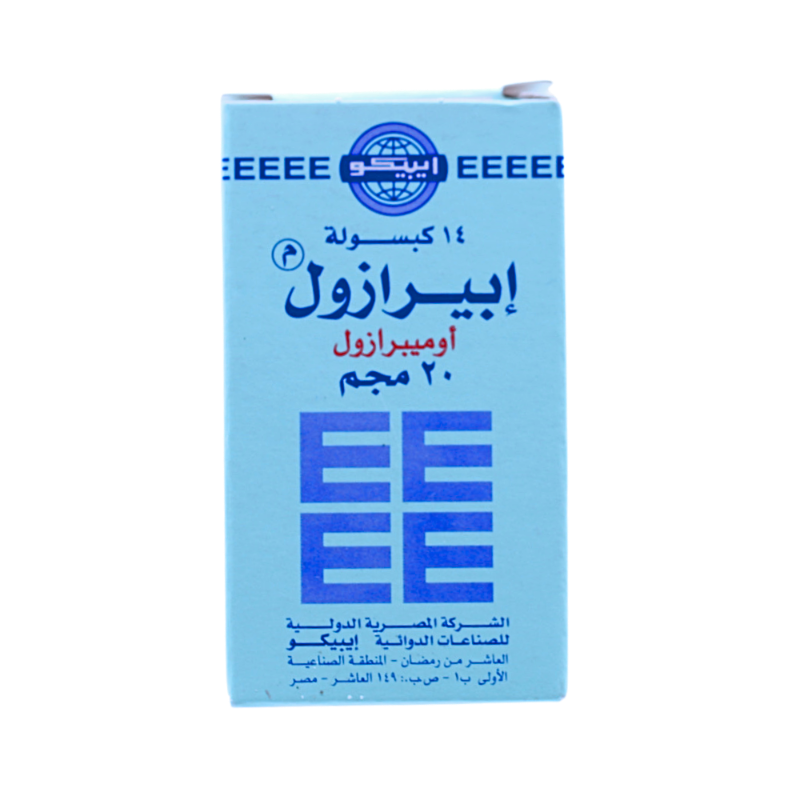
Medications > Gastrointestinal Medications
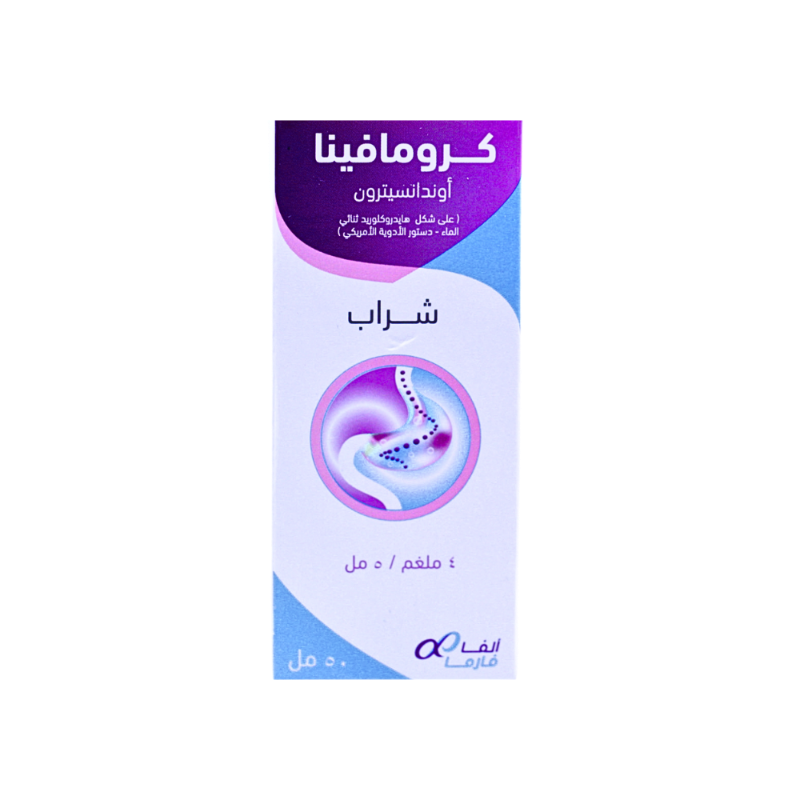
Medications > Gastrointestinal Medications
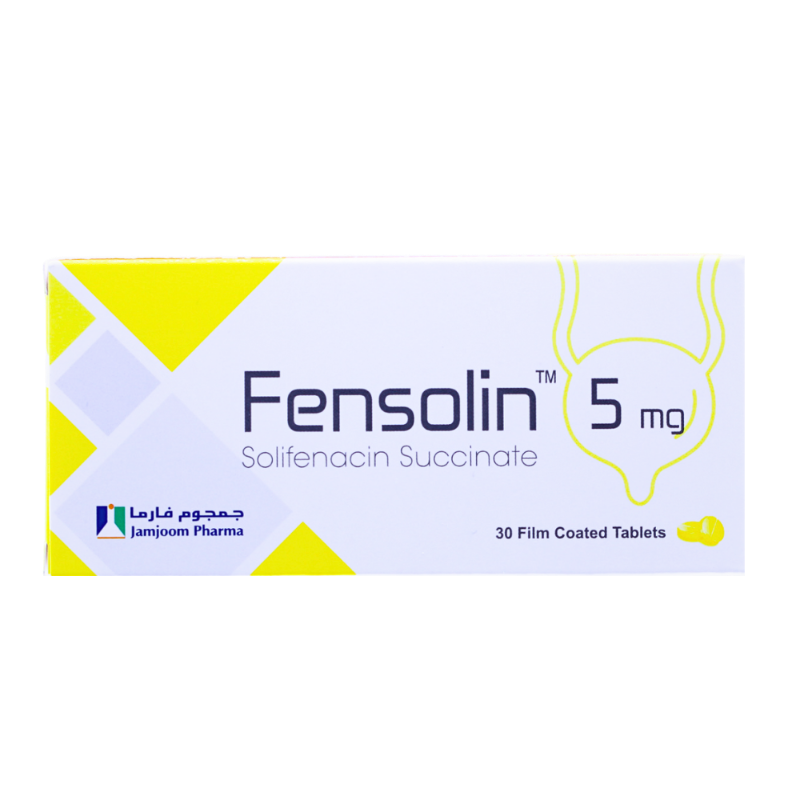
Medications > Urology Medications
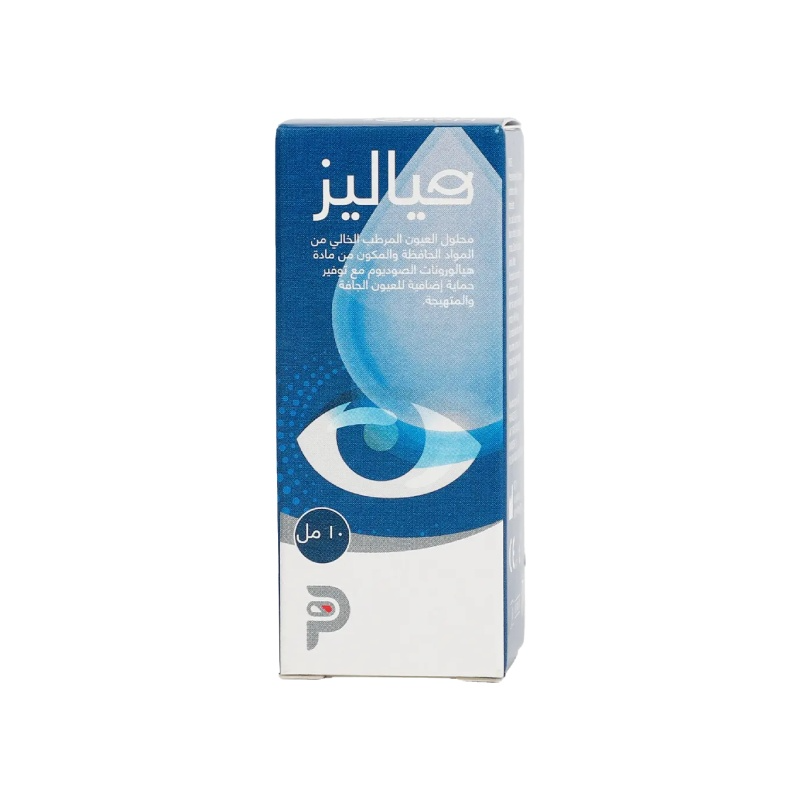
Medications > Eye and Ear Medications
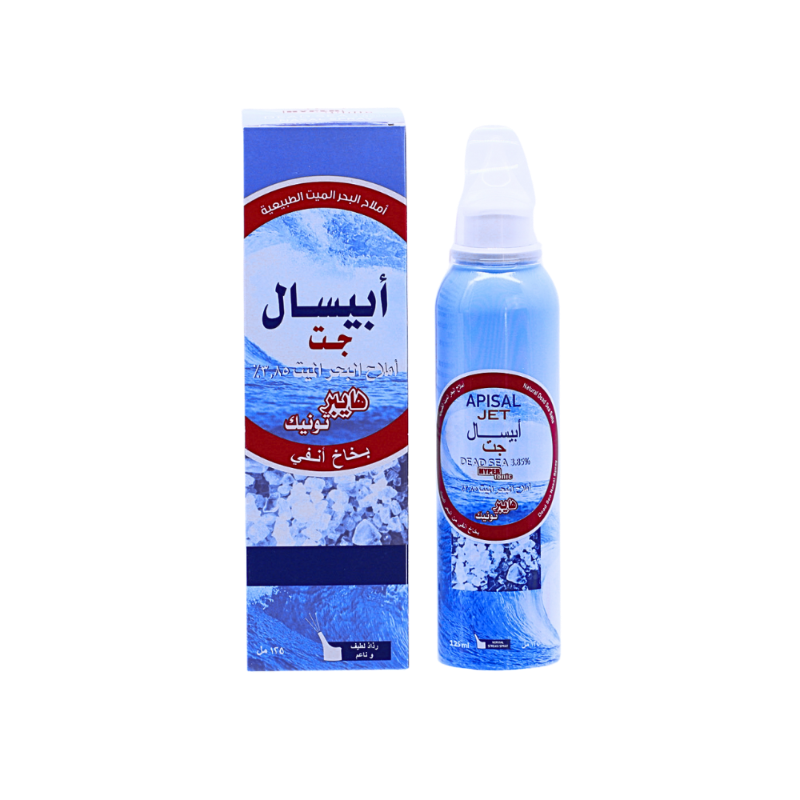
Medications > Cold, Cough, and Allergy Medications
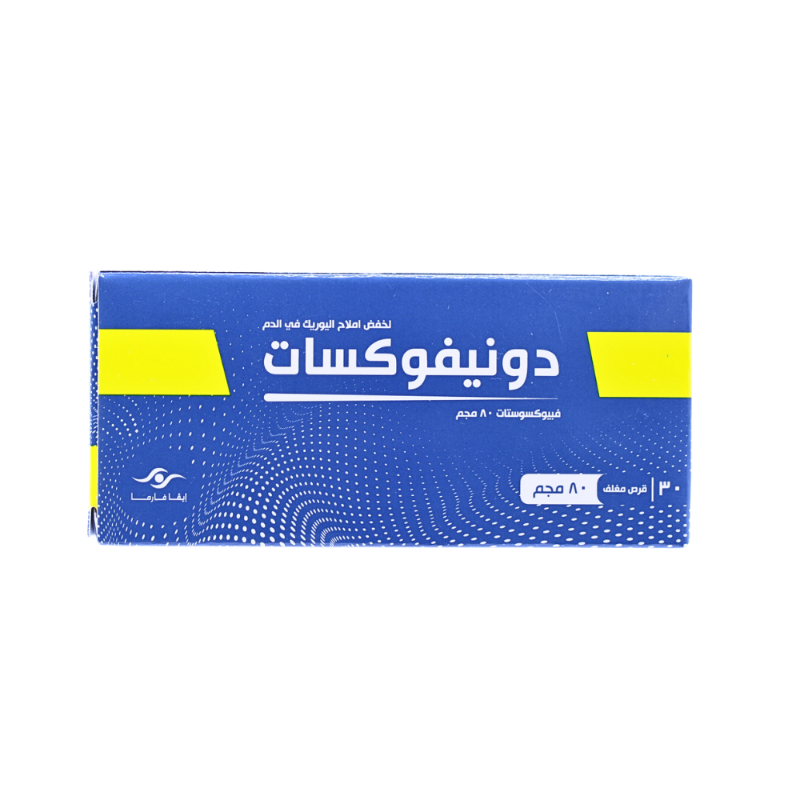
Medications > Urology Medications
Medications > Urology Medications
Medications > Cholesterol Medications
Medications > Dermatology Medications

Medications > Psychiatric Medications
