
Use Code: SAVE26 And Get 30% OFF | Get Free Delivery With No Minimum Order
-1744229570.gif "Almujtama Pharmacy logo")


Frequently bought together
Oral & Dental Care > Throat & Oral Care

Oral & Dental Care > Throat & Oral Care
Oral & Dental Care > Throat & Oral Care
Vitamins & Supplements > Vitamins and Minerals
Vitamins & Supplements > Vitamins and Minerals
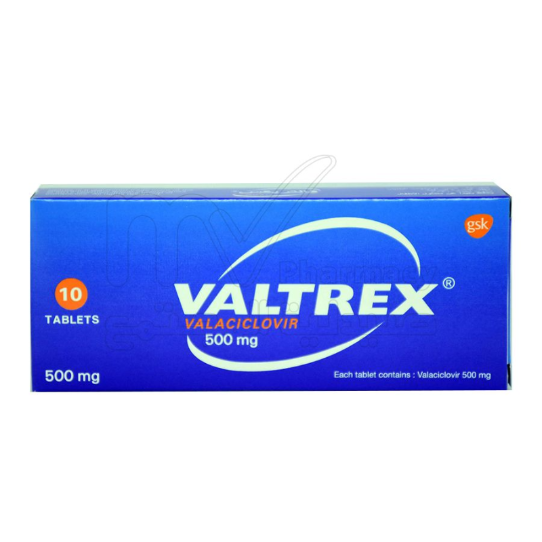
VALTREX 500/MG TAB 10/TAB
- Sku : I-006469
Key features
VALTREX 500 mg tablets contain the active ingredient valaciclovir, an antiviral prodrug of acyclovir. Valaciclovir is rapidly converted to acyclovir, which is phosphorylated by viral thymidine kinase to an active triphosphate that inhibits viral DNA polymerase and causes DNA chain termination. It is indicated for herpes zoster (shingles); initial and recurrent genital herpes, including chronic suppressive therapy and reduction of transmission where appropriate; and herpes labialis (cold sores). Available by prescription in a pack of 10 tablets (500 mg each).- Brand: VALTREX
- Active Ingredient: VALACICLOVIR
- Strength: 500mg
- Dosage Form: Tablet
- Pack Size: 10 Tablets
- Route: Oral use
- Prescription Status: Prescription
- Therapeutic Class: Anti-infective
- Pharmacological Group: Direct Acting Antivirals
- Drug Class: Antiviral; guanosine nucleoside analogue (prodrug of acyclovir) that inhibits viral DNA polymerase after activation.
- Manufacturer: GLAXO SAUDI ARABIA
- Country of Origin: Saudi Arabia
- SFDA Registration No.: 2312200358
- Shelf Life: 24 months
- Storage: do not store above 30°c
- Viral Target: Herpes (HSV-1, HSV-2, VZV)
Frequently bought together
Oral & Dental Care > Throat & Oral Care
Oral & Dental Care > Throat & Oral Care
Oral & Dental Care > Throat & Oral Care
Vitamins & Supplements > Vitamins and Minerals
Vitamins & Supplements > Vitamins and Minerals
Indications
Approved Uses
Herpes zoster (shingles); genital herpes (initial/recurrent treatment and chronic suppressive therapy, including reduction of transmission in appropriate patients); herpes labialis (cold sores).
Dosage & Administration
Dosing by Condition
Herpes zoster: 1 g PO three times daily for 7 days. Genital herpes-initial episode: 1 g PO twice daily for 10 days. Genital herpes-recurrent episode: 500 mg PO twice daily for 3 days (alternative regimens exist). Genital herpes-suppressive therapy (immunocompetent): 500 mg PO once daily (or 1 g once daily for frequent recurrences); reduction of transmission: 500 mg once daily in source partner. Herpes labialis: 2 g PO twice daily for 1 day (doses 12 hours apart).
Initial Dose
500mg to 1000mg depending on indication
Maintenance Dose
500mg once daily (suppressive therapy) to 1000mg three times daily (herpes zoster)
Maximum Dose
For herpes zoster, 3g per day (1g three times daily).
Children's Dosage
Herpes labialis (cold sores): approved for children ≥12 years at adult dose (2000mg twice daily for 1 day). Chickenpox (varicella): 20mg/kg (max 1000mg) three times daily for 5 days in children 2-18 years. Not approved for genital herpes suppression in children under 12 years
Dose Adjustment Notes
Dose adjustment is required in renal impairment (based on creatinine clearance); encourage adequate hydration; no adjustment generally needed in mild-to-moderate hepatic impairment, but use caution in severe hepatic disease.
How to Take
Swallow tablets whole with water; may be taken with or without food; maintain adequate hydration during therapy (especially in elderly/renal impairment) to reduce risk of crystalluria/AKI.
Side Effects
Common Side Effects
Headache, nausea, vomiting, diarrhea, abdominal pain, dizziness, fatigue
Side Effect Frequency
Very common/common: headache and nausea (often reported ≥10% in some datasets); other common (1-10%): abdominal pain, vomiting, diarrhea, dizziness; uncommon/rare: rash/urticaria; neurotoxicity (confusion/hallucinations/seizures) and acute kidney injury are rare but clinically important, especially with renal impairment/dehydration.
Safety & Warnings
Contraindications
Contraindicated in patients with hypersensitivity to valacyclovir, acyclovir, or any component/excipient of the formulation.
Warnings & Precautions
Key warnings/precautions: adjust dose in renal impairment and ensure adequate hydration to reduce renal toxicity; monitor for neuropsychiatric/CNS effects especially in elderly or renally impaired; rare TTP/HUS risk in immunocompromised patients at high doses; counsel that therapy reduces symptoms/viral shedding but does not eliminate transmission risk.
Age Restriction
Pediatric approvals: Varicella (chickenpox) in immunocompetent children 2-<18 years; Herpes labialis (cold sores) in children ≥12 years; other indications (e.g., genital herpes, herpes zoster) are generally adult indications and pediatric use is not established/varies by label.
Drug Interactions
Drug Interactions
Key interactions: probenecid and cimetidine (increase acyclovir exposure by reducing renal tubular secretion); other nephrotoxic agents (e.g., aminoglycosides, tacrolimus/cyclosporine, high-dose NSAIDs, IV contrast, tenofovir) increase risk of renal toxicity; mycophenolate mofetil may increase acyclovir exposure (clinically relevant mainly with renal impairment).
Interaction Severity
MODERATE: Probenecid and cimetidine (increase acyclovir exposure via reduced renal tubular secretion); other nephrotoxic agents (e.g., aminoglycosides, cyclosporine, tacrolimus, high-dose/regular NSAIDs) increase AKI risk-monitor renal function/hydration. No common 'major' interaction in routine practice.
Food Interaction
No clinically significant food interaction; may be taken with or without food.
Special Populations
Children
Herpes labialis (cold sores): approved for children ≥12 years at adult dose (2000mg twice daily for 1 day). Chickenpox (varicella): 20mg/kg (max 1000mg) three times daily for 5 days in children 2-18 years. Not approved for genital herpes suppression in children under 12 years
Elderly
Standard adult dosing may be used; however, renal function should be assessed and dose adjusted accordingly as renal clearance declines with age. Ensure adequate hydration. Monitor for neurological adverse effects.
Kidney Impairment
Dose reduction is required in renal impairment; typical label-based adjustments include: Herpes zoster: CrCl 30-49: 1 g q12h; 10-29: 1 g q24h; <10: 500 mg q24h. Herpes labialis (1-day regimen): CrCl 30-49: 1 g q12h x 2 doses; 10-29: 500 mg q12h x 2 doses; <10: 500 mg once. Genital herpes recurrent episodes: CrCl 10-29: 500 mg q24h; <10: 500 mg q24h. Suppressive therapy: CrCl <30: 500 mg q24h (some labels use 500 mg q48h when CrCl <30 for certain suppression regimens-follow local label/prescriber). Hemodialysis: give dose after dialysis.
Liver Impairment
No dosage adjustment is required in mild-to-moderate hepatic impairment; data are limited in severe hepatic impairment-use caution.
Storage & Patient Advice
Overdose
Overdose may cause acute renal failure (crystalluria/tubular precipitation) and neurotoxicity (confusion, hallucinations, agitation, seizures, coma) with GI symptoms (nausea/vomiting); management is supportive with aggressive hydration and hemodialysis can enhance acyclovir removal-seek urgent medical care.
Monitoring Requirements
Monitor renal function (SCr/CrCl) in elderly, those with renal impairment, and those receiving nephrotoxic drugs; monitor for neurotoxicity (confusion, hallucinations, tremor) particularly in elderly/renally impaired; ensure hydration.
Pharmacology
Mechanism of Action
Valacyclovir is rapidly converted to acyclovir; acyclovir is phosphorylated by viral thymidine kinase to the active triphosphate, which inhibits viral DNA polymerase and causes DNA chain termination, inhibiting herpesvirus replication.
Onset of Action
Acyclovir peak concentrations occur about 1-3 hours after an oral dose; clinical improvement depends on indication and early initiation (often within ~1-3 days for symptom improvement, with lesion healing benefits over subsequent days).
Duration of Effect
Clinical antiviral activity is maintained with scheduled dosing; suppressive benefit requires continuous daily dosing (no persistent post-treatment protection).
Half-Life
Acyclovir (active) half-life ~2.5-3.3 hours in normal renal function; prolonged markedly in severe renal impairment/ESRD (often ~14-20 hours).
Bioavailability
Approximately 55% (as aciclovir), about 3-5 times higher than oral aciclovir.
Metabolism
Rapid, near-complete first-pass hydrolysis to aciclovir and L-valine by valaciclovirase (intestinal/hepatic); aciclovir then undergoes minimal metabolism to inactive metabolites (e.g., 9-carboxymethoxymethylguanine).
Excretion
Primarily renal excretion as aciclovir via glomerular filtration and active tubular secretion; a substantial fraction is excreted unchanged in urine (commonly cited around ~45%).
Product Information
Available Dosage Forms
Oral tablet (film-coated).
Composition per Dose
Each tablet: 500mg valaciclovir as valaciclovir hydrochloride
Generic Availability
Yes
Viral Target
Herpes (HSV-1, HSV-2, VZV)
Reviewed by Al Mujtama Pharmacy Medical Review Team. Last reviewed 03-05-2026
Similar Products
Medications > Dermatology Medications
Medications > Dermatology Medications
Medications > Cold, Cough, and Allergy Medications
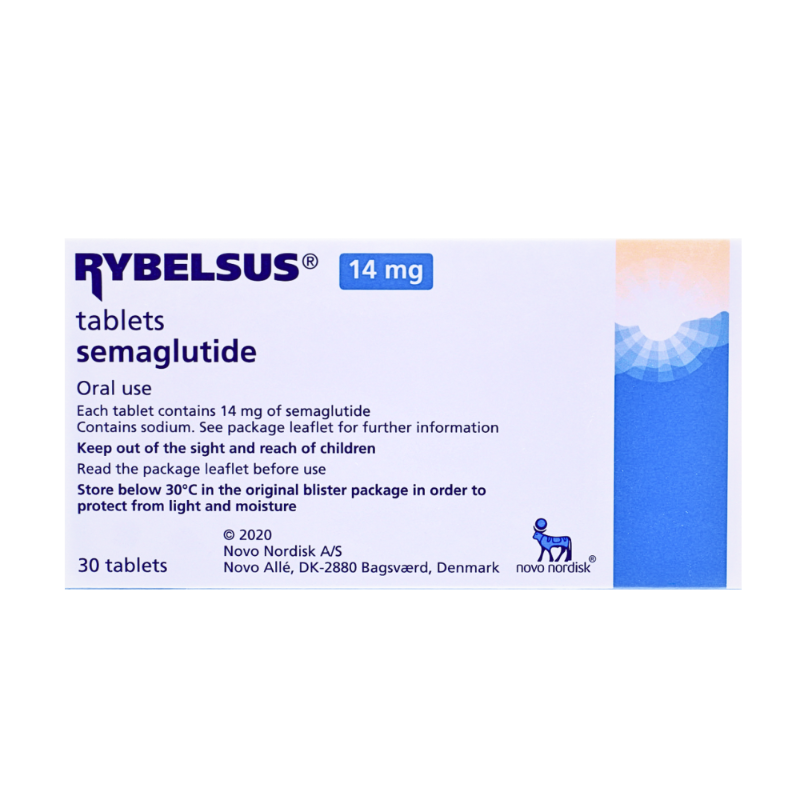
Medications > Diabetes Medications
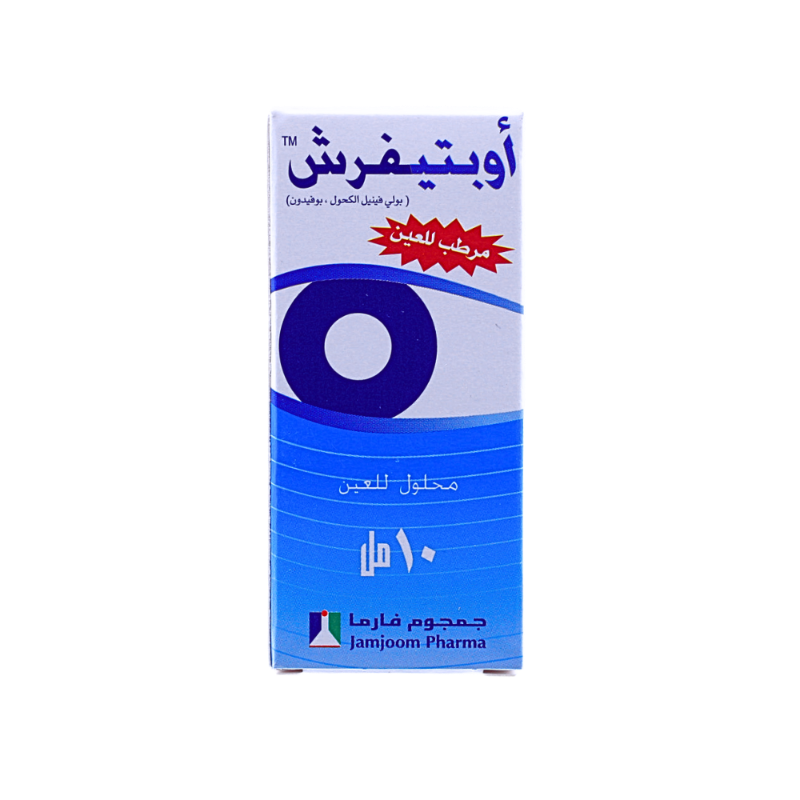
Medications > Eye and Ear Medications
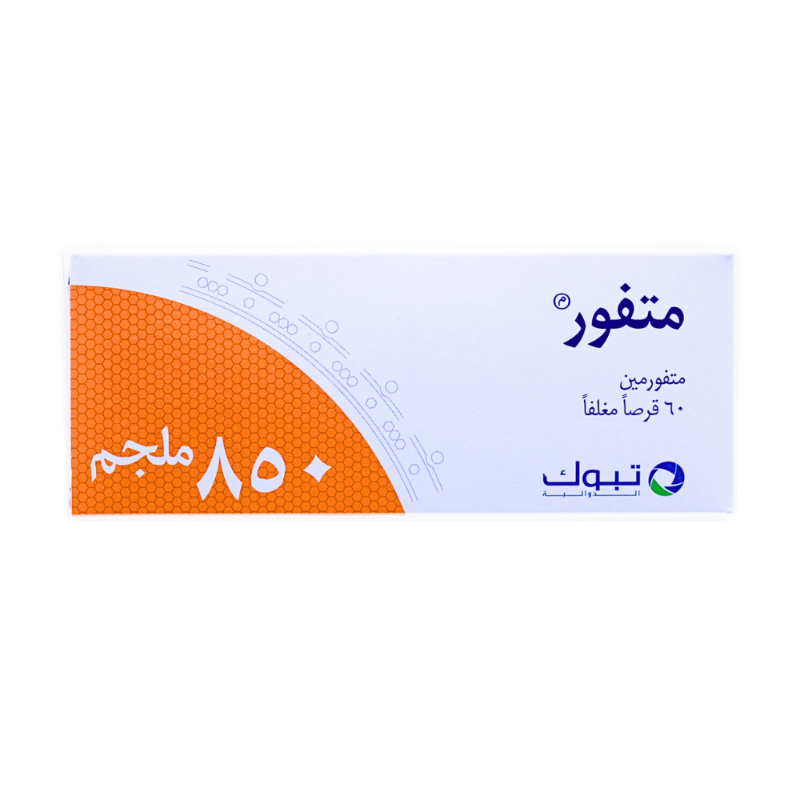
Medications > Diabetes Medications
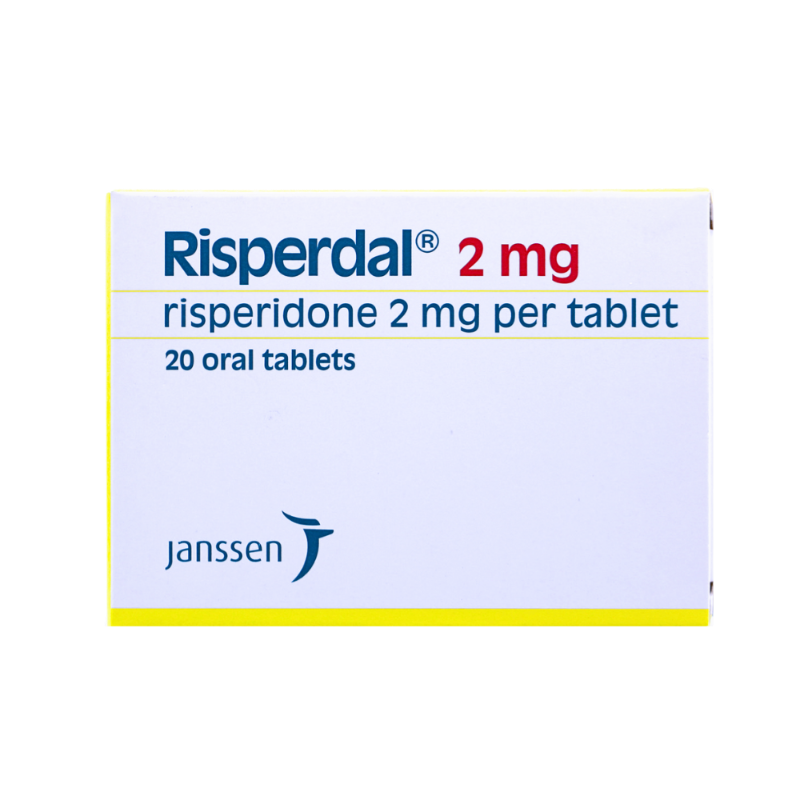
Medications > Psychiatric Medications
Medications > Hypertesion & Cardiovascular Medications
Medications > Dermatology Medications
Medications > Painkillers and Antipyretics
