
Use Code: SAVE26 And Get 30% OFF | Get Free Delivery With No Minimum Order
-1744229570.gif "Almujtama Pharmacy logo")




Frequently bought together

Vitamins & Supplements > Vitamin_D & Bone Health

Vitamins & Supplements > Vitamins and Minerals
Vitamins & Supplements > Vitamins and Minerals
TEGRETOL 2% SYRUP 100ML
- Sku : I-006246
Key features
TEGRETOL 2% Syrup 100 ml is an oral suspension containing carbamazepine 2 mg/mL. It stabilizes neuronal activity through use-dependent blockade of voltage-gated sodium channels, reducing high-frequency neuronal firing and excitatory neurotransmission. It is indicated for epilepsy - including partial seizures (with or without secondary generalization), generalized tonic-clonic seizures and mixed seizure patterns - and for trigeminal and glossopharyngeal neuralgia. Available by prescription as a 100 ml oral suspension (2 mg/mL).- Brand: TEGRETOL
- Active Ingredient: CARBAMAZEPINE 2mg/ml
- Strength: 2mg/ml
- Dosage Form: Oral suspension
- Pack Size: 100 ml
- Route: Oral use
- Prescription Status: Prescription
- Therapeutic Class: Anticonvulsant
- Pharmacological Group: Antiepileptics
- Drug Class: Antiepileptic (anticonvulsant) of the iminostilbene/dibenzazepine class; also used as a mood stabilizer (ATC N03AF01; OpenFDA EPC: Mood Stabilizer).
- Manufacturer: DELPHARM HUNINGUE S.A.S.
- Country of Origin: France
- SFDA Registration No.: 121-11-88
- Shelf Life: 36 months
- Storage: store below 30°c
- Also Used For: ["Neuropathic Pain", "Mood Stabilization", "Trigeminal Neuralgia", "Glossopharyngeal Neuralgia", "Alcohol Withdrawal", "Restless Legs Syndrome", "Diabetic Peripheral Neuropathy", "Postherpetic Neuralgia"]
Frequently bought together
Vitamins & Supplements > Vitamin_D & Bone Health
Vitamins & Supplements > Vitamins and Minerals
Vitamins & Supplements > Vitamins and Minerals
Indications
Approved Uses
Epilepsy (partial seizures with or without secondary generalization, generalized tonic-clonic seizures, mixed seizure patterns), Trigeminal neuralgia, Glossopharyngeal neuralgia
Off-Label Uses
Neuropathic pain syndromes (other than classic trigeminal neuralgia), diabetic neuropathy, alcohol withdrawal (adjunct), aggression/impulsivity (selected cases), and adjunctive use in some psychiatric disorders; evidence is variable and many uses are not guideline-preferred.
Dosage & Administration
Dosing by Condition
Epilepsy (adults, IR/suspension): start 200 mg/day in divided doses (or 100 mg BID), increase gradually (e.g., by 200 mg/day at weekly intervals) to usual maintenance 800-1200 mg/day in divided doses (some require up to 1600 mg/day). Trigeminal neuralgia: start 100 mg BID, increase by 200 mg/day as needed; usual maintenance 400-800 mg/day; max commonly 1200 mg/day. Bipolar acute mania (off-label/varies by guideline): start 200 mg BID and titrate; typical range 400-1600 mg/day.
Initial Dose
100-200mg once or twice daily (adults); titrate gradually
Maintenance Dose
400-1200mg/day in 2-4 divided doses (adults)
Maximum Dose
Adults (epilepsy): usual maximum 1200 mg/day PO in divided doses; some patients may require up to 1600 mg/day under specialist supervision. Trigeminal neuralgia: typically up to 1200 mg/day.
Children's Dosage
1-5 years: 100-200mg/day in divided doses (max 400mg/day); 6-10 years: 200-400mg/day in divided doses (max 600mg/day); 11-15 years: 400-600mg/day in divided doses (max 1000mg/day); dose based on 5-20mg/kg/day
Dose Adjustment Notes
Increase dose gradually to minimize CNS adverse effects; expect autoinduction over ~3-5 weeks which may lower levels and necessitate dose adjustment; use therapeutic drug monitoring when clinically indicated; use caution in hepatic impairment and in older adults; renal impairment generally requires caution rather than routine adjustment.
How to Take
Shake well before each dose; measure with an oral syringe/medicine spoon; administer in divided doses as prescribed and preferably with food to reduce GI upset; do not stop abruptly.
How to Prepare
No reconstitution needed (ready-to-use oral suspension); shake well before each use and measure doses accurately with a calibrated device.
Side Effects
Common Side Effects
Dizziness, drowsiness/somnolence, ataxia/unsteadiness, nausea/vomiting, diplopia/blurred vision, headache; constipation and dry mouth can occur; rash is an important common adverse effect to counsel on.
Side Effect Frequency
Very common (>10%): dizziness, drowsiness/somnolence, ataxia, nausea/vomiting, diplopia/blurred vision. Common (1-10%): headache, fatigue, dry mouth, constipation, rash, hyponatremia/SIADH, edema/weight gain, elevated liver enzymes, leukopenia. Rare/very rare: agranulocytosis, aplastic anemia, thrombocytopenia, severe cutaneous adverse reactions (SJS/TEN), DRESS, hepatitis/liver failure, significant arrhythmias/conduction disorders.
Safety & Warnings
Contraindications
Contraindications: hypersensitivity to carbamazepine or tricyclic antidepressants; bone marrow depression/history of significant hematologic reaction; concomitant MAO inhibitor use or within 14 days; atrioventricular (AV) block; acute hepatic porphyrias (e.g., acute intermittent porphyria); concomitant use with voriconazole.
Warnings & Precautions
Key precautions: screen at-risk (especially Asian ancestry) patients for HLA-B*1502 before initiation; baseline and periodic CBC and LFTs; monitor sodium (hyponatremia risk); watch for rash/systemic hypersensitivity (DRESS) and stop promptly if suspected; may worsen absence/myoclonic seizures; avoid abrupt withdrawal; significant drug-drug interactions due to strong CYP induction; monitor for suicidal ideation; use caution in cardiac disease/conduction disorders.
Age Restriction
Pediatric use: approved/accepted for epilepsy in children (including infants and older children); trigeminal neuralgia and acute mania/bipolar indications are primarily adult indications.
Driving Warning
May Cause Drowsiness
Drug Interactions
Drug Interactions
Major interactions: strong enzyme induction by carbamazepine lowers exposure/effect of many drugs (e.g., hormonal contraceptives, warfarin, calcineurin inhibitors, some antiretrovirals, methadone, some antiseizure meds); carbamazepine levels increase with CYP3A4 inhibitors (macrolides like erythromycin/clarithromycin, azole antifungals, grapefruit juice, some SSRIs/cimetidine) and decrease with inducers; avoid with MAOIs (contraindicated) and avoid with voriconazole (contraindicated).
Interaction Severity
MAJOR/contraindicated: concomitant MAOIs (require washout), strong CYP3A4 inhibitors that markedly raise levels (e.g., macrolides like erythromycin/clarithromycin; azoles such as voriconazole often contraindicated), and nefazodone (contraindicated in many labels). MAJOR/clinically significant: oral contraceptives (reduced efficacy), warfarin (reduced INR/anticoagulant effect), and many other CYP substrates reduced by induction (e.g., calcineurin inhibitors).
Food Interaction
May take with food to reduce GI upset; avoid grapefruit/grapefruit juice because it can increase carbamazepine concentrations and toxicity risk.
Special Populations
Breastfeeding
Caution
Children
1-5 years: 100-200mg/day in divided doses (max 400mg/day); 6-10 years: 200-400mg/day in divided doses (max 600mg/day); 11-15 years: 400-600mg/day in divided doses (max 1000mg/day); dose based on 5-20mg/kg/day
Kidney Impairment
No routine renal dose adjustment; use caution in severe renal impairment and monitor clinical response/adverse effects (and levels if used).
Liver Impairment
Use with caution in hepatic impairment; obtain baseline and periodic LFTs; discontinue if active liver disease or significant/worsening hepatic dysfunction occurs; avoid/contraindicated in severe hepatic disease.
Storage & Patient Advice
Preparation Instructions
No reconstitution needed (ready-to-use oral suspension); shake well before each use and measure doses accurately with a calibrated device.
Stopping the Medicine
Do not stop abruptly; taper gradually under prescriber supervision to reduce risk of rebound seizures/status epilepticus.
Overdose
Overdose may cause CNS depression (drowsiness, ataxia, nystagmus, seizures, coma), anticholinergic effects, respiratory depression, and cardiac conduction/arrhythmias; management is emergency supportive care with airway/ventilation as needed, ECG monitoring, activated charcoal (often multiple-dose), and consideration of extracorporeal removal (e.g., hemodialysis/hemoperfusion) in severe cases-no specific antidote.
Patient Counseling
Shake well before each dose; measure with an oral syringe/spoon. Take with food if GI upset occurs. Do not stop abruptly (risk of seizure/relapse); taper only under prescriber direction. May cause dizziness/drowsiness/blurred or double vision-avoid driving/operating machinery until effects are known; avoid alcohol. Avoid grapefruit/grapefruit juice (can increase carbamazepine exposure and toxicity). Seek urgent care for rash/blistering/mouth sores/fever or facial swelling (risk of SJS/TEN/DRESS), sore throat/infection, unusual bruising/bleeding (blood dyscrasias), or jaundice/dark urine (hepatotoxicity). Inform clinician about pregnancy plans; use effective contraception-carbamazepine reduces hormonal contraceptive effectiveness; discuss pregnancy risks/folate. Keep all monitoring appointments (CBC, LFTs, sodium, and drug levels as indicated). Store below 30°C and keep out of reach of children.
Monitoring Requirements
Baseline and periodic: CBC (including platelets), liver function tests, and serum sodium; consider renal function; therapeutic drug monitoring of carbamazepine levels (typical target 4-12 mcg/mL) when indicated; consider HLA-B*1502 (and often HLA-A*3101) screening in at-risk ethnicities before initiation; pregnancy considerations and drug-drug interaction review are essential.
Pharmacology
Mechanism of Action
Use-dependent blockade of voltage-gated sodium channels (stabilizes inactivated state), reducing high-frequency neuronal firing and decreasing excitatory neurotransmission.
Product Information
Available Dosage Forms
Carbamazepine is available as an oral suspension, immediate-release tablets (including chewable tablets in some markets), and extended/controlled-release tablets; extended-release capsules exist in some markets (e.g., Carbatrol) but are not universally marketed as Tegretol.
Composition per Dose
Each 5ml: Carbamazepine 100mg (as 2mg/ml suspension)
Generic Availability
Yes
Also Used For
["Neuropathic Pain", "Mood Stabilization", "Trigeminal Neuralgia", "Glossopharyngeal Neuralgia", "Alcohol Withdrawal", "Restless Legs Syndrome", "Diabetic Peripheral Neuropathy", "Postherpetic Neuralgia"]
Reviewed by Al Mujtama Pharmacy Medical Review Team. Last reviewed 10-05-2026
Similar Products
Medications > Eye and Ear Medications
Medications > Urology Medications

Medications > Cold, Cough, and Allergy Medications
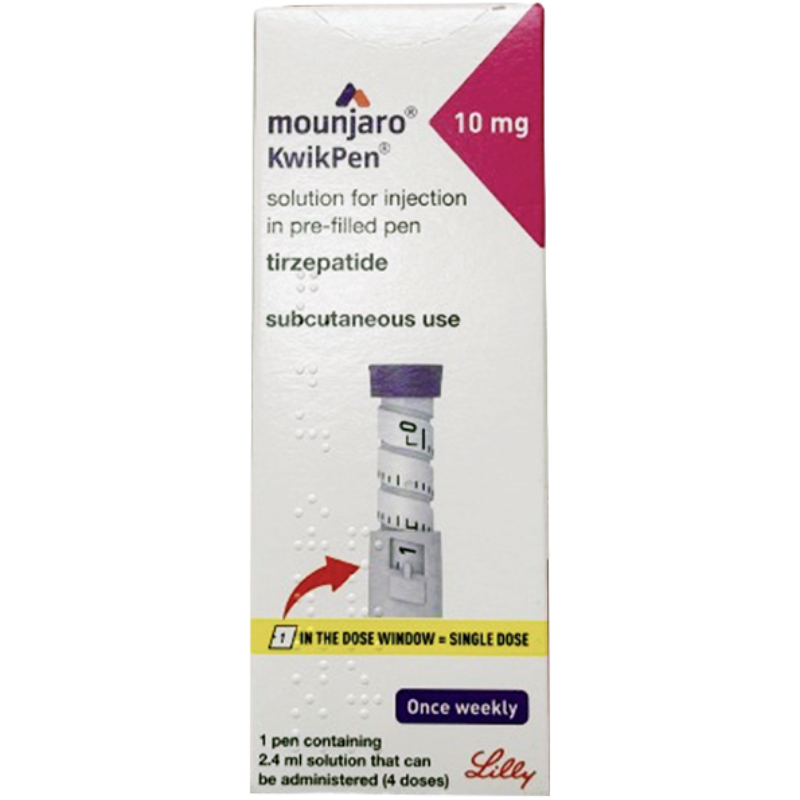
Medications > Diabetes Medications
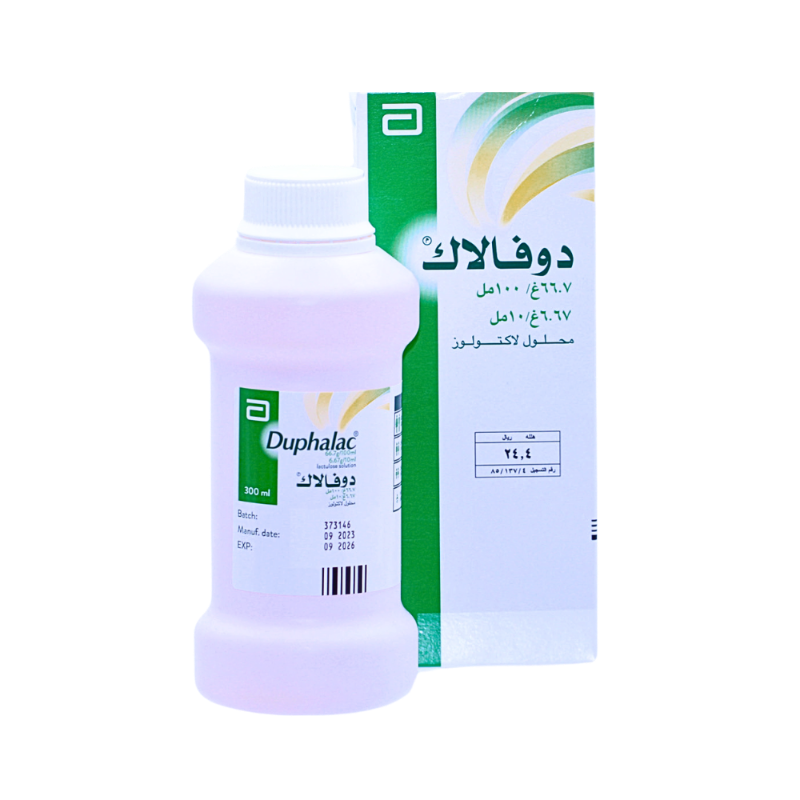
Medications > Gastrointestinal Medications
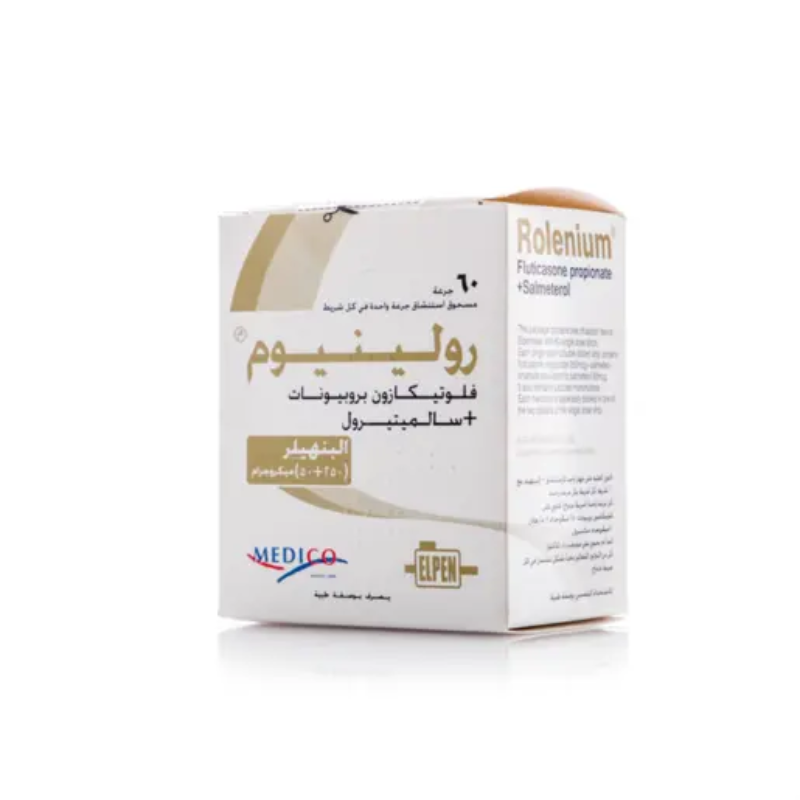
Medications > Cold, Cough, and Allergy Medications
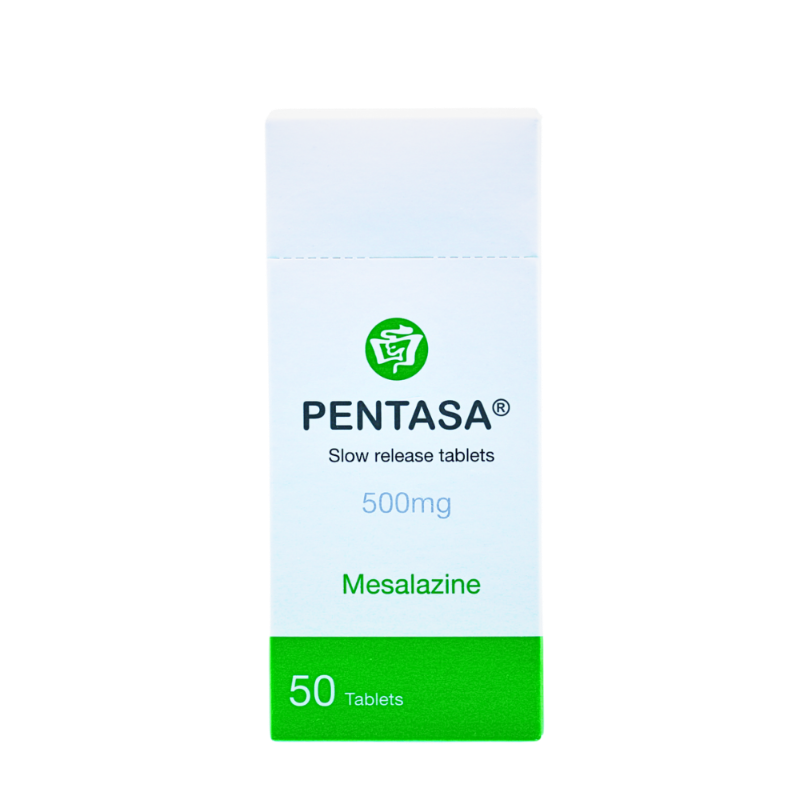
Medications > Gastrointestinal Medications
Medications > Other Medicines
Medications > Cholesterol Medications
Medications > Psychiatric Medications
