
Use Code: ND30 And Get 30% OFF | Get Free Delivery With No Minimum Order
-1744229570.gif "Almujtama Pharmacy logo")




Frequently bought together
Vitamins & Supplements > Natural Supplements
Vitamins & Supplements > Natural Supplements
Vitamins & Supplements > Probiotecs
Vitamins & Supplements > Probiotecs
PENTASA 500/MG 50/TAB
- Sku : I-005072
Key features
PENTASA 500mg prolonged‑release tablets contain the active ingredient mesalazine. Mesalazine acts topically on the intestinal mucosa, exerting anti-inflammatory effects by inhibiting cyclooxygenase and lipoxygenase pathways and reducing prostaglandin and leukotriene production. It is used for induction of remission and for the treatment of mildly to moderately active ulcerative colitis. Available by prescription in packs of 50 prolonged‑release tablets.- Brand: PENTASA
- Active Ingredient: MESALAZINE
- Strength: 500mg
- Dosage Form: Prolonged-release tablet
- Pack Size: 50 Tablets
- Route: Oral use
- Prescription Status: Prescription
- Therapeutic Class: Gastrointestinal
- Pharmacological Group: Antidiarrheals & Anti-inflammatory
- Drug Class: Aminosalicylate Anti-inflammatory Agent (5-ASA)
- Manufacturer: FERRING PHARMA INTERNATIONAL CENTER
- Country of Origin: Switzerland
- SFDA Registration No.: 2208234023
- Shelf Life: 36 months
- Storage: Store below 30°C Don't Freez
- Gi Condition: Inflammatory Bowel Disease
Frequently bought together
Vitamins & Supplements > Natural Supplements
Vitamins & Supplements > Natural Supplements
Vitamins & Supplements > Probiotecs
Vitamins & Supplements > Probiotecs
Indications
Approved Uses
Induction of remission and for the treatment of patients with mildly to moderately active ulcerative colitis.
Dosage & Administration
Dosing by Condition
Ulcerative colitis (active, mild-moderate): 4 g/day in divided doses. Ulcerative colitis (maintenance): not indicated.
Initial Dose
1 g four times daily (4 g/day) for mildly to moderately active ulcerative colitis
Maintenance Dose
1 g four times daily (4 g/day)
Maximum Dose
4 g/day (oral tablets)
Dose Adjustment Notes
Renal: avoid in severe renal impairment and use caution with close monitoring in mild-moderate impairment. Hepatic: use with caution (especially in hepatic impairment) and monitor; no routine titration is required-adjust based on response/tolerability.
How to Take
Swallow the prolonged-release tablets whole with water; do not crush or chew. If swallowing is difficult, the tablets may be dispersed in a small amount of cold water, stirred, and swallowed immediately without chewing the granules/particles.
Side Effects
Common Side Effects
Headache, nausea, abdominal pain, diarrhea, dyspepsia, vomiting, flatulence, rash
Side Effect Frequency
Common (1-10%): diarrhea, headache, nausea, abdominal pain, dyspepsia, vomiting, rash (rates vary by study/formulation; e.g., diarrhea ~3.4%, headache ~2.0%); serious reactions such as interstitial nephritis, myocarditis/pericarditis, pancreatitis, blood dyscrasias are rare/uncommon.
Safety & Warnings
Contraindications
Hypersensitivity to mesalazine/other salicylates/any excipients; severe renal impairment; (often also) severe hepatic impairment-avoid/contraindicated per product labeling.
Warnings & Precautions
Baseline and periodic renal function monitoring; caution in renal/hepatic impairment; stop and evaluate if acute intolerance syndrome occurs; monitor for hypersensitivity (including myocarditis/pericarditis) and blood dyscrasias; be alert for severe cutaneous reactions.
Driving Warning
Safe
Drug Interactions
Drug Interactions
Key clinically relevant interactions: thiopurines (azathioprine/6-MP) ↑ myelosuppression risk; nephrotoxic agents (e.g., NSAIDs) ↑ nephrotoxicity risk; consider additive toxicity with other nephrotoxic drugs and monitor renal function.
Food Interaction
Can be taken with or without food; taking with meals may improve GI tolerability. No clinically important food interaction is expected for Pentasa prolonged-release tablets.
Alcohol Interaction
Safe
Special Populations
Breastfeeding
Caution
Elderly
Use with caution; start at lower end of dosing range; monitor renal function closely as elderly patients are more susceptible to nephrotoxicity
Kidney Impairment
No routine dose adjustment is established; use with caution in any renal impairment with baseline and periodic renal monitoring, and avoid/contraindicated in severe renal impairment; discontinue if renal function deteriorates.
Liver Impairment
Contraindicated in severe hepatic impairment. Use with caution in patients with mild to moderate liver impairment.
Storage & Patient Advice
Missed Dose
Take as soon as remembered; skip if it is almost time for the next dose; do not double the dose
Stopping the Medicine
Do not stop without consulting the prescriber; abrupt discontinuation can precipitate relapse.
Overdose
Symptoms may resemble salicylate toxicity (e.g., nausea/vomiting, tinnitus, hyperventilation, acid-base/electrolyte disturbances); management is supportive with urgent medical evaluation/poison center involvement, and decontamination may be considered if early after ingestion.
Patient Counseling
Swallow tablets whole with water (do not crush/chew); if unable to swallow, disperse in cold water and swallow immediately without chewing particles. Take consistently every day even when well. Maintain adequate hydration and report rash, fever, worsening diarrhea/abdominal pain, or signs of kidney problems; attend scheduled renal (and other) lab monitoring. Urine discoloration with bleach contact can occur and is harmless.
Monitoring Requirements
Baseline and periodic renal function monitoring (serum creatinine/eGFR ± urinalysis) is required; consider baseline and periodic CBC and LFTs, especially if clinically indicated or with concomitant myelotoxic drugs (e.g., thiopurines) or hepatic disease.
Pharmacology
Mechanism of Action
The exact mechanism is not fully defined; mesalazine acts topically in the intestinal mucosa with anti-inflammatory effects, including inhibition of cyclooxygenase and lipoxygenase pathways and reduced prostaglandin/leukotriene production.
Duration of Effect
Prolonged-release provides drug delivery throughout the GI tract over the dosing interval; clinical benefit requires continuous daily dosing to maintain remission.
Half-Life
Mesalazine has a short plasma half-life (about ~0.5-1.5 hours) and N-acetyl-5-ASA about ~5-10 hours; prolonged-release affects absorption profile but does not eliminate the ability to cite these elimination half-lives.
Bioavailability
Approximately 20-30% of an oral dose is systemically absorbed; the remainder acts locally in the gut and is excreted in feces.
Metabolism
Primarily acetylated by N-acetyltransferase in the intestinal mucosa and liver to N-acetyl-5-aminosalicylic acid (Ac-5-ASA); not significantly metabolized by CYP450 enzymes.
Excretion
Unabsorbed drug is excreted in feces; the absorbed fraction is primarily eliminated renally, largely as N-acetyl-5-ASA (and other metabolites).
Protein Binding
Mesalazine: ~43% protein bound; N-acetyl-5-aminosalicylic acid (Ac-5-ASA): ~78% protein bound (often reported up to ~83%).
Product Information
Available Dosage Forms
Controlled-Release Capsules.
Composition per Dose
Each prolonged-release tablet: 500 mg mesalazine (5-aminosalicylic acid)
Generic Availability
Yes
OTC Alternatives
No OTC alternative
Gi Condition
Inflammatory Bowel Disease
Reviewed by Al Mujtama Pharmacy Medical Review Team. Last reviewed 14-05-2026
Similar Products
Medications > Psychiatric Medications

Medications > Urology Medications
Medications > Cold, Cough, and Allergy Medications
Medications > Gastrointestinal Medications
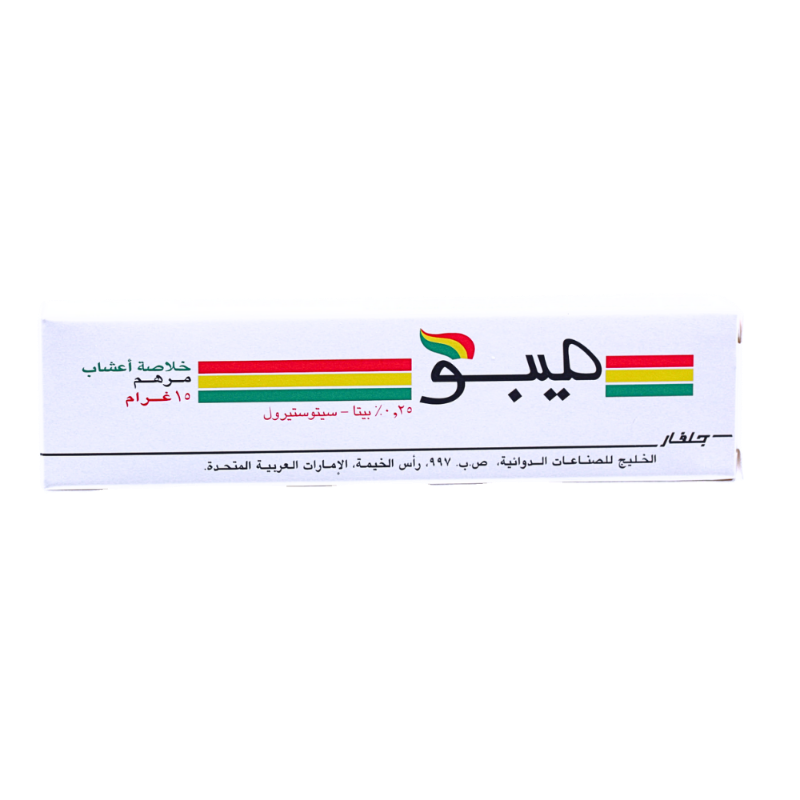
Medications > Dermatology Medications
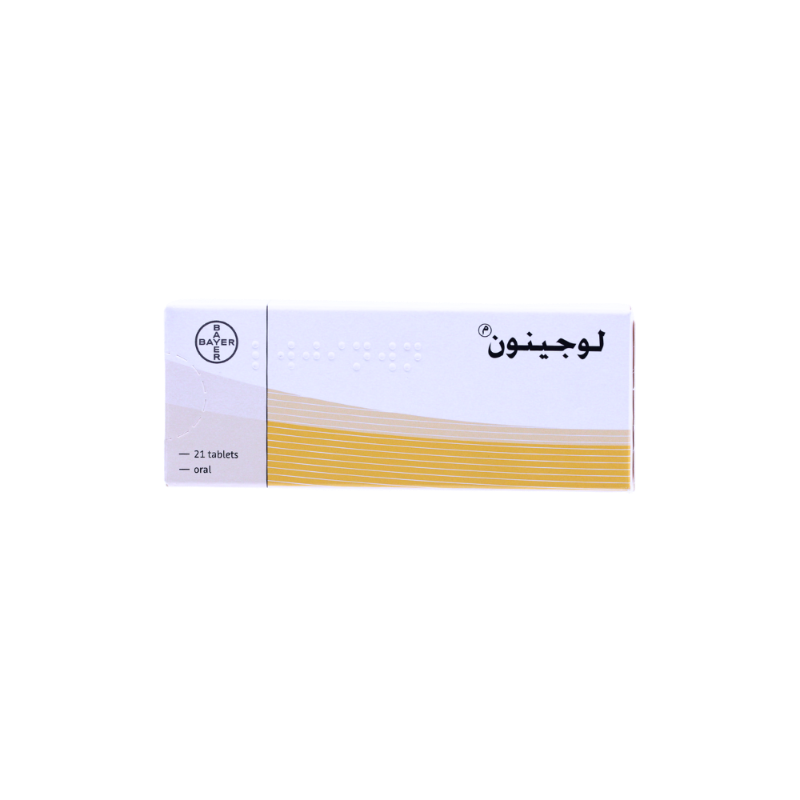
Medications > Contraceptives and Hormonal Medications
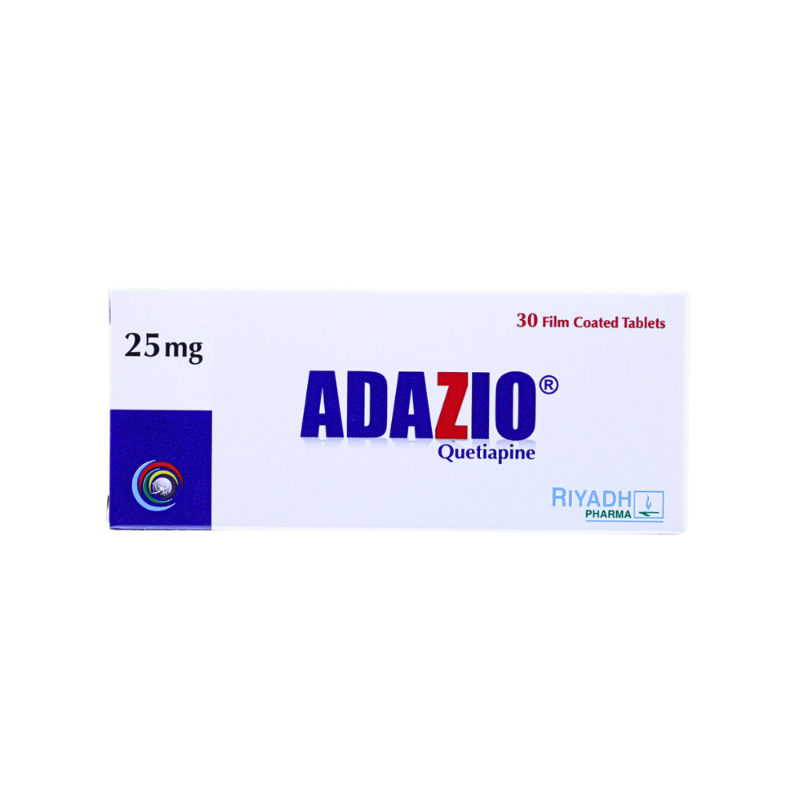
Medications > Psychiatric Medications
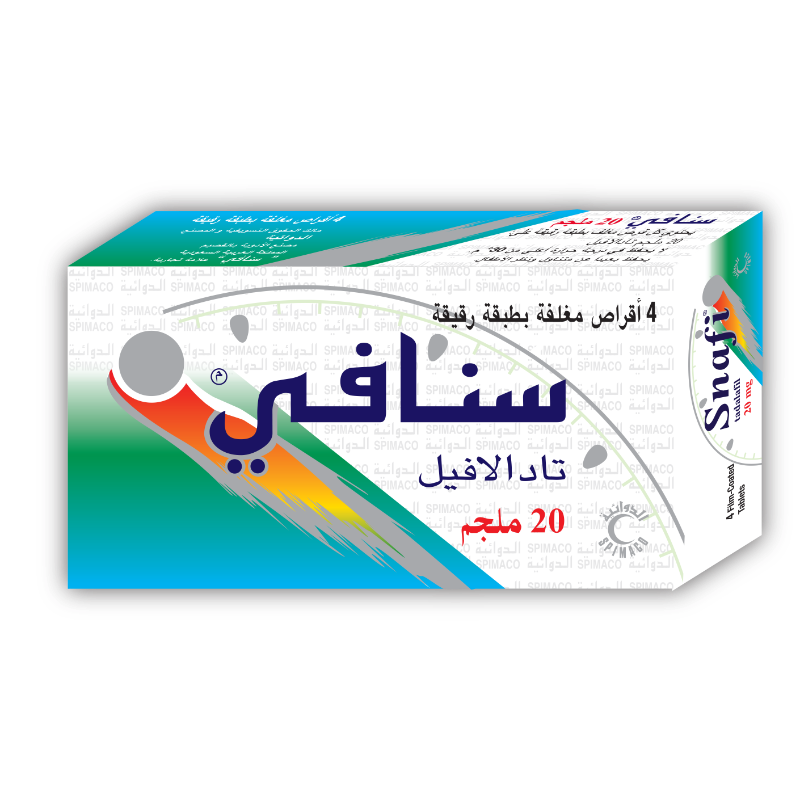
Medications > Sexual Health
Medications > Painkillers and Antipyretics

Medications > Eye and Ear Medications
