
Use Code: SAVE26 And Get 30% OFF | Get Free Delivery With No Minimum Order
-1744229570.gif "Almujtama Pharmacy logo")




Frequently bought together
Personal Care > Sexual Care
Personal Care > Sexual Care
Personal Care > Sexual Care
Vitamins & Supplements > Natural Supplements

Vitamins & Supplements > Natural Supplements
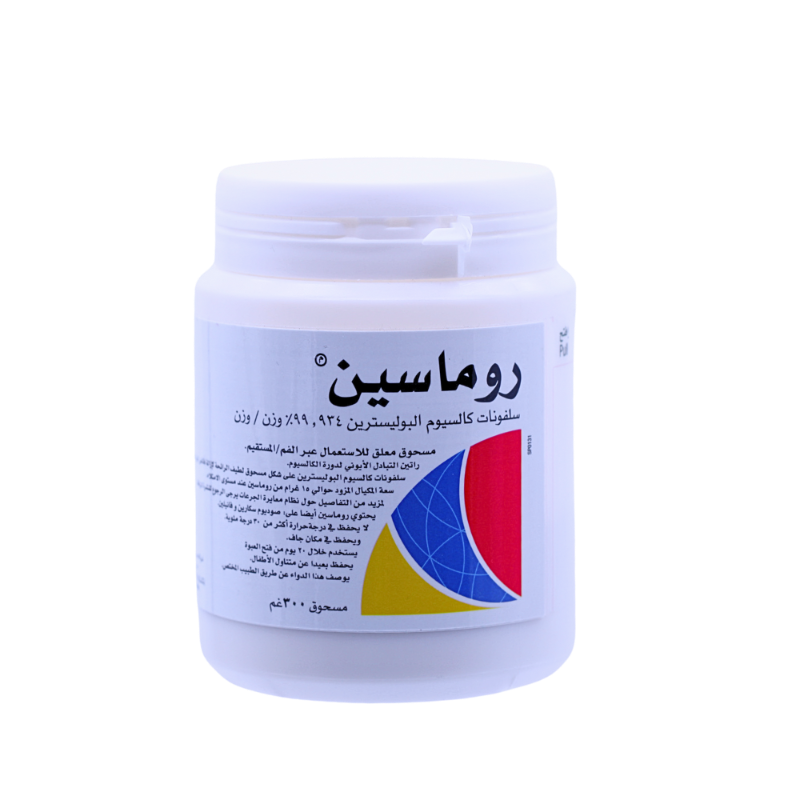
ROMACIN 99.934% POWDER 300G
- Sku : I-029190
Key features
ROMACIN POWDER FOR ORAL/RECTAL Suspension 99.934% is a prescription powder for oral or rectal suspension containing calcium polystyrene sulfonate. It works as a non-absorbed cation-exchange resin that binds potassium in the gastrointestinal tract and helps increase its elimination in the stool. It is used for the treatment of hyperkalemia in adults and children, including patients with renal impairment, and may be used as adjunctive therapy in severe cases. It is available in a 300 g pack size.- Brand: ROMACIN
- Active Ingredient: CALCIUM POLYSTYRENE SULFONATE 99.934%
- Strength: 99.934%
- Dosage Form: Powder for oral/rectal suspension
- Pack Size: 300 g
- Route: Oral, Rectal
- Prescription Status: Prescription
- Therapeutic Class: Various
- Drug Class: Cation-exchange resin (potassium-binding resin; potassium-removing agent).
- Manufacturer: Alrai Pharmaceutical industry Co. (L.L.C)
- Country of Origin: Saudi Arabia
- SFDA Registration No.: 0912246379
- Shelf Life: 36 months
- Storage: store below 30°c
- Urological Condition: Hyperkalemia (not kidney stones
Frequently bought together
Personal Care > Sexual Care
Personal Care > Sexual Care
Personal Care > Sexual Care
Vitamins & Supplements > Natural Supplements
Vitamins & Supplements > Natural Supplements
Indications
Approved Uses
Treatment of hyperkalemia (elevated serum potassium) in adults and children, including in patients with renal impairment; it may be used as adjunctive therapy in severe hyperkalemia (including dialysis patients) but is not limited to anuria/oliguria or dialysis only.
Dosage & Administration
Dosing by Condition
Hyperkalemia-Adults: Oral 15 g 3-4 times daily as a suspension; Rectal 30 g in ~100-200 mL water as a retention enema, repeat as needed based on potassium. Pediatrics: commonly 0.5-1 g/kg/day in divided doses (oral or rectal) with close monitoring.
Initial Dose
15g orally three to four times daily (adults)
Maintenance Dose
15g orally one to three times daily, adjusted based on serum potassium levels
Maximum Dose
60g per day (oral); 30g per enema (rectal)
Children's Dosage
1 g/kg every 6 hours orally or rectally as needed; oral use not recommended in neonates
Dose Adjustment Notes
Titrate to serial serum potassium and stop/hold once potassium is normalized to avoid hypokalemia; monitor and adjust for electrolyte disturbances (calcium/magnesium) and constipation/impaction risk, especially in renal impairment and the elderly.
How to Take
Oral: Do not take the dry powder. Measure the prescribed dose and disperse in water (or another suitable non‑sorbitol vehicle) to form a suspension; administer promptly and follow with additional water. Separate from other oral medicines by at least 3 hours (≥6 hours for narrow‑therapeutic‑index drugs when feasible). Rectal: Prepare an aqueous suspension and administer via rectal catheter as a retention enema; retain as long as possible (commonly 30-60 minutes) then evacuate/irrigate as directed; avoid sorbitol-containing enemas.
How to Prepare
Oral: Suspend each dose in water (typical guidance ~3-4 mL water per gram of resin) and administer promptly. Rectal: Prepare a suspension (commonly 30 g in ~150 mL water or 10% dextrose) for retention enema and use immediately.
Side Effects
Common Side Effects
GI: constipation, nausea, vomiting, diarrhea, anorexia; Electrolytes/metabolic: hypokalemia, hypercalcemia, hypomagnesemia; Rare but serious: intestinal/colonic necrosis (especially with sorbitol), fecal impaction/obstruction.
Side Effect Frequency
Common: Gastrointestinal effects (constipation, nausea, vomiting, diarrhea, anorexia). Important/rare but serious: fecal impaction, intestinal obstruction, GI ulceration/ischemia/necrosis/perforation; electrolyte disturbances including hypokalemia, hypercalcemia, and hypomagnesemia.
Safety & Warnings
Contraindications
Contraindications include: hypersensitivity to calcium polystyrene sulfonate/resin components; hypokalemia (do not use when potassium is low/normal); obstructive bowel disease/ileus or conditions with markedly reduced gut motility (including neonates); and concomitant sorbitol use should be avoided (often treated as a contraindication due to intestinal necrosis risk).
Warnings & Precautions
Avoid concomitant sorbitol due to intestinal necrosis risk; monitor serum electrolytes regularly (K+, Ca2+, Mg2+ and others as clinically indicated) and stop/adjust if hypokalemia or hypercalcemia develops; ensure adequate bowel function and discontinue if significant constipation/impaction occurs; use caution in patients with reduced gut motility or high GI-risk states (post-op, ileus); not for rapid emergency lowering of potassium-use standard acute hyperkalemia measures when needed; avoid aspiration during oral administration.
Age Restriction
Oral administration is contraindicated in neonates; rectal use in neonates/infants is generally avoided and, if ever considered, should be only under specialist supervision with extreme caution due to high risk of GI complications.
Drug Interactions
Drug Interactions
Key interactions: sorbitol (avoid-associated with intestinal necrosis); other oral medicines (reduced absorption-separate administration by several hours); antacids/laxatives containing magnesium or aluminum (and other cations) may increase risk of alkalosis and reduce resin effectiveness; digitalis/digoxin (toxicity risk increased if resin causes hypokalemia); levothyroxine and lithium (reduced absorption).
Interaction Severity
MAJOR: Sorbitol (oral or rectal) due to risk of intestinal necrosis. MODERATE: Other oral medications (reduced absorption-separate by ≥3 hours; longer for narrow-therapeutic-index drugs), Digoxin (toxicity risk if hypokalemia occurs), Levothyroxine (reduced absorption-separate), Lithium (reduced absorption), Magnesium/aluminum-containing antacids/laxatives (electrolyte/metabolic effects and GI risks).
Food Interaction
May be taken with or without food; do not mix/administer with high-potassium liquids/foods (e.g., orange juice) and avoid sorbitol-containing products.
Special Populations
Children
1 g/kg every 6 hours orally or rectally as needed; oral use not recommended in neonates
Kidney Impairment
No formal renal dose adjustment is specified, but use requires close monitoring of electrolytes (especially potassium, calcium, magnesium) and bowel function in renal impairment.
Storage & Patient Advice
Storage Conditions
Store below 30°C in a tightly closed container. After reconstitution/preparation as an oral or rectal suspension: use immediately; do not store for later use unless specifically directed by the manufacturer/pharmacy.
Preparation Instructions
Oral: Suspend each dose in water (typical guidance ~3-4 mL water per gram of resin) and administer promptly. Rectal: Prepare a suspension (commonly 30 g in ~150 mL water or 10% dextrose) for retention enema and use immediately.
Stopping the Medicine
Discontinue once serum potassium has returned to the desired/normal range (i.e., when hyperkalemia is corrected), with continued monitoring to avoid overshoot hypokalemia; do not treat to a fixed threshold of 5 mmol/L for all patients.
Overdose
Overdose may cause severe hypokalemia (weakness, paralysis, arrhythmias), hypercalcemia, and GI complications (constipation, fecal impaction, obstruction); management is to stop the resin, correct electrolytes, provide supportive care, and remove resin from the GI tract (laxatives/enemas as appropriate) with urgent medical evaluation.
Patient Counseling
Mix well with water/syrup and take immediately-never swallow dry powder; separate from other oral medicines by ≥3 hours; avoid sorbitol-containing products and avoid mixing with high-potassium beverages (e.g., orange juice); follow prescribed low-potassium diet; maintain hydration and report constipation, no bowel movement, severe abdominal pain, blood in stool, or muscle weakness; attend scheduled blood tests for potassium and other electrolytes.
Monitoring Requirements
Serum electrolytes (K+, Ca2+, Mg2+, Na+, bicarbonate as clinically indicated) and clinical GI status (bowel movements/constipation, abdominal pain); in severe hyperkalemia monitor ECG and repeat potassium frequently until controlled.
Pharmacology
Mechanism of Action
A non-absorbed cation-exchange resin that exchanges calcium for potassium in the gastrointestinal tract (predominantly the colon), increasing fecal potassium excretion and lowering serum potassium.
Onset of Action
Delayed: typically hours with rectal administration and several hours to >24 hours orally; not reliable for immediate, life-threatening hyperkalemia (use temporizing measures instead).
Duration of Effect
Effect persists while resin remains in the GI tract; potassium-lowering can continue for ~1-2 days after the last dose depending on GI transit and repeat dosing.
Half-Life
Not applicable (not systemically absorbed).
Bioavailability
Not systemically absorbed; acts locally in the gastrointestinal tract (oral/rectal).
Metabolism
Not metabolized.
Excretion
Excreted in feces as resin (including potassium-bound resin).
Protein Binding
Not applicable (not systemically absorbed).
Product Information
Available Dosage Forms
Powder for oral suspension, powder for rectal suspension
Composition per Dose
Each 15g dose (approximately 3 level teaspoons): 15g calcium polystyrene sulfonate 99.934% w/w
Generic Availability
Yes
OTC Alternatives
No OTC alternative
Urological Condition
Hyperkalemia (not kidney stones
Reviewed by Al Mujtama Pharmacy Medical Review Team. Last reviewed 12-07-2026
Similar Products
Medications > Cold, Cough, and Allergy Medications
Medications > Dermatology Medications
Medications > Eye and Ear Medications

Medications > Dermatology Medications
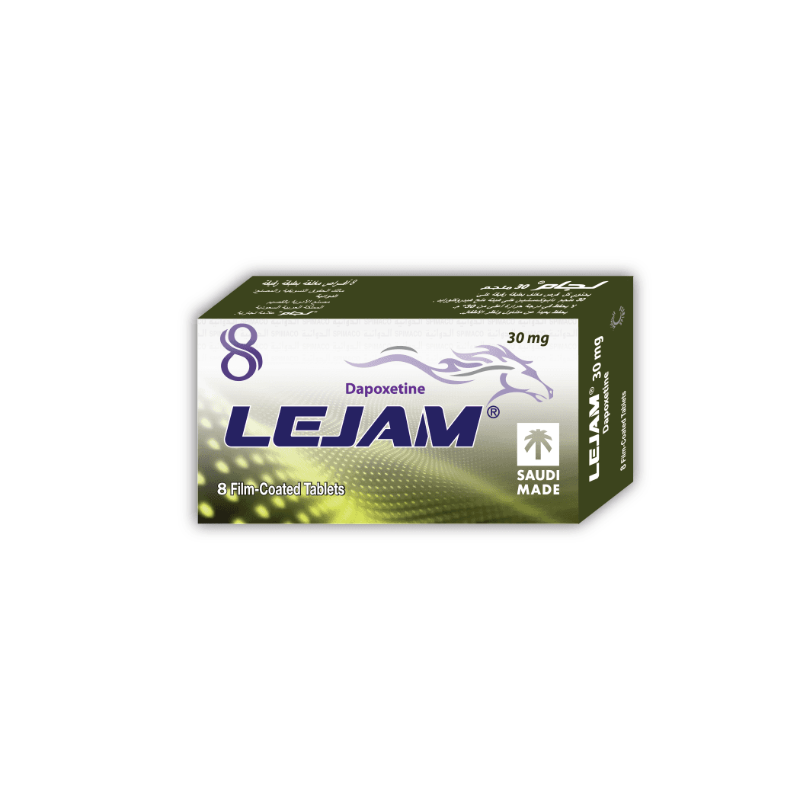
Medications > Sexual Health
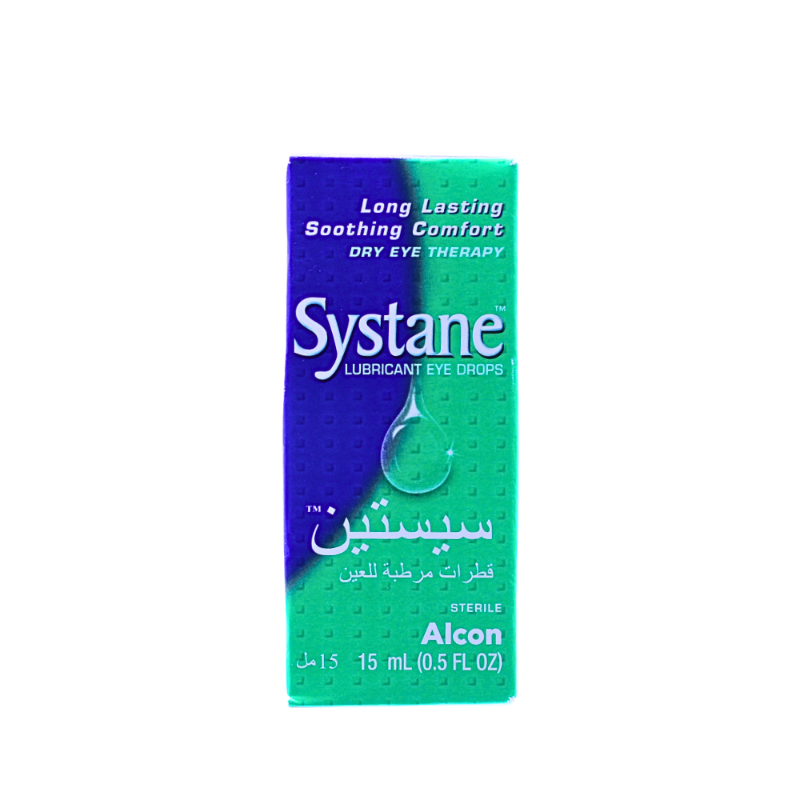
Medications > Eye and Ear Medications
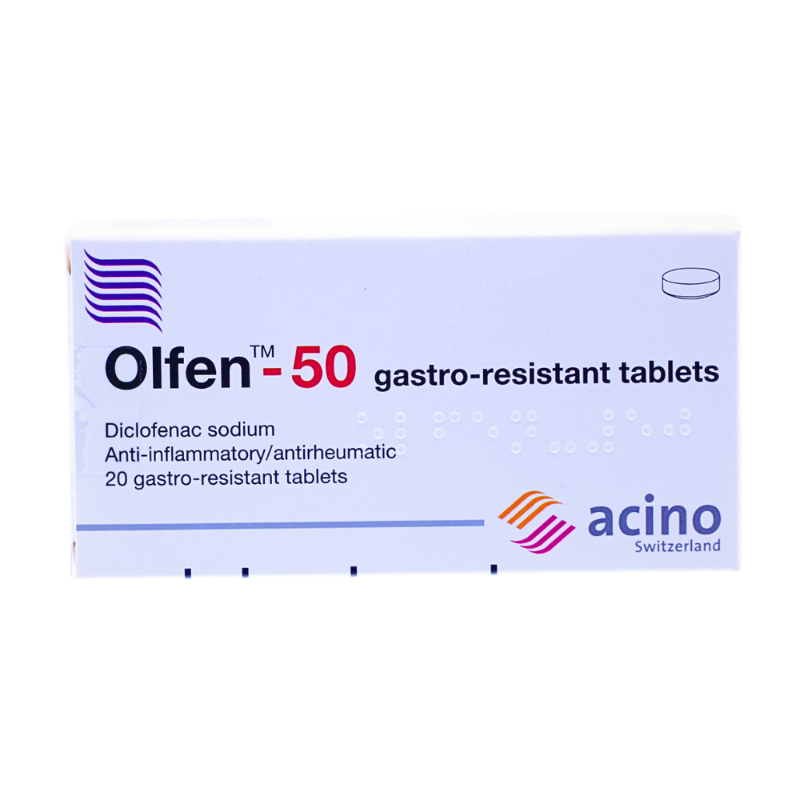
Medications > Painkillers and Antipyretics
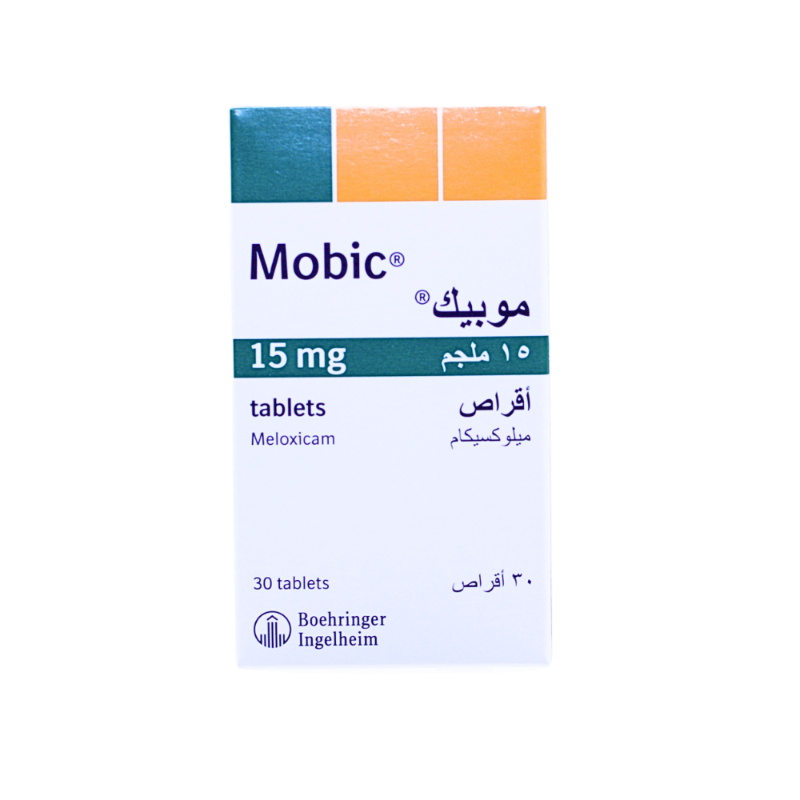
Medications > Painkillers and Antipyretics
Medications > Gastrointestinal Medications
Medications > Painkillers and Antipyretics
