
Use Code: WF26 And Get 30% OFF, T&C Applay | Get Free Delivery With No Minimum Order
-1744229570.gif "Almujtama Pharmacy logo")


Frequently bought together
Oral & Dental Care > Throat & Oral Care

Oral & Dental Care > Throat & Oral Care

Vitamins & Supplements > Vitamins and Minerals
Vitamins & Supplements > Vitamins and Minerals
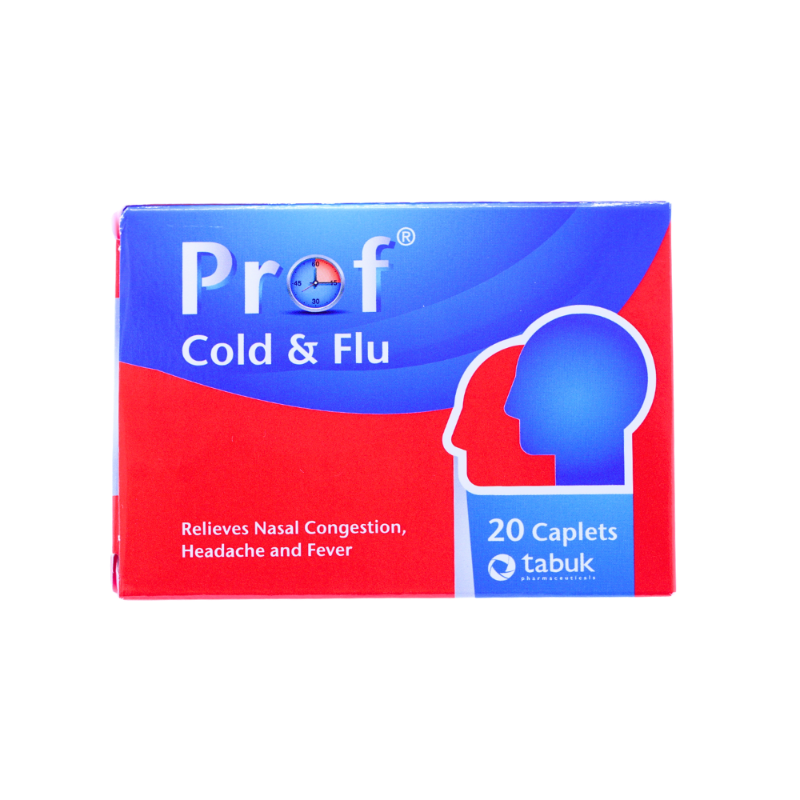
PROF COLD&FLU TAB
- Sku : I-016081
Key features
PROF COLD&FLU TAB is a film-coated tablet containing ibuprofen 200 mg, pseudoephedrine hydrochloride 30 mg, and chlorpheniramine maleate 2 mg. Ibuprofen reduces pain and fever by inhibiting cyclooxygenase-mediated prostaglandin synthesis, pseudoephedrine provides nasal decongestion via alpha-adrenergic vasoconstriction, and chlorpheniramine blocks H1 receptors to relieve histamine-mediated symptoms. It is indicated for temporary relief of common cold and flu symptoms including nasal congestion, rhinorrhea, sneezing, headache, fever, and minor aches and pains, and may also ease sinus pressure associated with congestion. Available OTC as film-coated tablets in packs of 20.- Brand: PROF
- Active Ingredient: IBUPROFEN 200mg, PSEUDOEPHEDRINE HYDROCHLORIDE 30mg, CHLORPHENIRAMINE MALEATE 2mg
- Strength: 200,30,2mg
- Dosage Form: Film-coated tablet
- Pack Size: 20 Tablets
- Route: Oral use
- Prescription Status: OTC
- Therapeutic Class: Respiratory
- Pharmacological Group: Cough & Cold Preparations
- Drug Class: Fixed-dose combination: NSAID analgesic/antipyretic (ibuprofen) + sympathomimetic nasal decongestant (pseudoephedrine HCl) + first‑generation H1 antihistamine (chlorpheniramine maleate).
- Manufacturer: TABUK PHARMACEUTICAL MANUFACTURING CO.
- Country of Origin: Saudi Arabia
- SFDA Registration No.: 287-277-14
- Shelf Life: 36 months
- Storage: store below 30°c
- Symptom Target: Multi-symptom
- Sedating: Yes
Frequently bought together
Oral & Dental Care > Throat & Oral Care
Oral & Dental Care > Throat & Oral Care
Vitamins & Supplements > Vitamins and Minerals
Vitamins & Supplements > Vitamins and Minerals
Indications
Approved Uses
Temporary relief of common cold/flu symptoms including nasal congestion, runny nose/rhinorrhea, sneezing, headache, fever, and minor aches and pains (may also relieve sinus pressure/pain associated with congestion).
Dosage & Administration
Dosing by Condition
Adults and children ≥12 years: 1 tablet every 4-6 hours as needed; do not exceed 6 tablets in 24 hours; not recommended for <12 years unless directed by a clinician.
Children's Dosage
Not recommended for children under 12 years of age.
Dose Adjustment Notes
No routine dose adjustment for short-term OTC use, but use the lowest effective dose for the shortest duration; avoid in severe renal impairment and use caution in renal/hepatic impairment and in older adults; do not use longer than label-directed duration without medical advice.
How to Take
Swallow the film‑coated tablet whole with water; do not crush or chew. May be taken with food or milk if stomach upset occurs.
Side Effects
Common Side Effects
Drowsiness/sedation, dizziness, dry mouth, nausea/dyspepsia or upset stomach, constipation, blurred vision; nervousness/insomnia and palpitations may occur; urinary retention/hesitancy can occur (especially in BPH).
Safety & Warnings
Contraindications
Hypersensitivity to ibuprofen/other NSAIDs (including aspirin-exacerbated respiratory disease) or to pseudoephedrine or chlorpheniramine; concomitant use of MAOIs or within 14 days; third trimester of pregnancy; active peptic ulcer/GI bleeding; severe hypertension or significant coronary artery disease; narrow-angle glaucoma; urinary retention/prostatic hypertrophy; severe renal impairment (eGFR/CrCl <30 mL/min); avoid peri-operative use in CABG surgery; not for children <12 years.
Warnings & Precautions
Use the lowest effective dose for the shortest duration; avoid duplicate NSAID/ibuprofen-containing products; caution in hypertension/heart disease, diabetes, thyroid disease, glaucoma, and BPH/urinary retention; may cause drowsiness-avoid driving/alcohol/sedatives; pseudoephedrine may raise BP/HR; stop and seek care for GI bleeding, chest pain/neurologic symptoms, severe rash, or allergic reaction.
Age Restriction
Not for use in children under 12 years (unless specifically directed by a clinician).
Driving Warning
May Cause Drowsiness
Drug Interactions
Drug Interactions
Major/clinically important interactions include: MAOIs (contraindicated-hypertensive crisis with pseudoephedrine); other NSAIDs/aspirin (additive GI/renal risk); anticoagulants/antiplatelets (increased bleeding with ibuprofen); SSRIs/SNRIs (increased GI bleeding risk); antihypertensives/diuretics/ACEi/ARBs (reduced BP control and increased renal risk with NSAIDs); lithium and methotrexate (increased levels/toxicity with NSAIDs); sedatives/alcohol (additive CNS depression with chlorpheniramine); tricyclic antidepressants/other sympathomimetics (enhanced pressor/CNS effects with pseudoephedrine).
Interaction Severity
MAJOR/CONTRAINDICATED: MAO inhibitors within 14 days (risk of hypertensive crisis with pseudoephedrine). MAJOR: Concomitant anticoagulants/antiplatelets (e.g., warfarin) and other NSAIDs (including ketorolac) due to increased bleeding/GI toxicity. MODERATE: Antihypertensives/diuretics/ACEi/ARBs (reduced BP control and renal risk), SSRIs/SNRIs (increased GI bleeding risk with NSAID), lithium and methotrexate (increased levels/toxicity), tricyclic antidepressants/other sympathomimetics (enhanced pressor/CNS effects), alcohol/CNS depressants (additive sedation with chlorpheniramine).
Food Interaction
Food is not required, but taking with food or milk can reduce ibuprofen-related stomach upset.
Alcohol Interaction
Avoid
Special Populations
Pregnancy
Ibuprofen: Category C (1st/2nd trimester); D (3rd trimester); Pseudoephedrine: Category C; Chlorpheniramine: Category B
Breastfeeding
Consult Doctor
Children
Not recommended for children under 12 years of age.
Elderly
Use lowest effective dose for shortest duration; increased risk of GI bleeding, renal impairment, and cardiovascular events; monitor blood pressure and renal function; chlorpheniramine may cause excessive sedation and anticholinergic effects in elderly patients
Kidney Impairment
Mild-to-moderate renal impairment (eGFR/CrCl 30-60 mL/min): use with caution, lowest effective dose/shortest duration; severe impairment (eGFR/CrCl <30 mL/min): avoid.
Liver Impairment
Mild-to-moderate hepatic impairment: use with caution at the lowest effective dose for the shortest duration; severe hepatic impairment: avoid.
Storage & Patient Advice
Missed Dose
Take as soon as remembered; skip if near the time of the next dose. Do not double the dose.
Stopping the Medicine
May be stopped at any time when symptoms resolve; no taper is required for short-term OTC use.
Overdose
Overdose may cause GI symptoms (nausea/vomiting/epigastric pain), CNS effects (drowsiness, dizziness, agitation, seizures), tinnitus, and cardiovascular effects (hypertension, tachycardia/arrhythmias) and urinary retention; seek emergency care/poison center immediately-management is supportive (consider activated charcoal if early, monitor vitals, ECG, renal function).
Patient Counseling
Swallow whole with water; take with food/milk if stomach upset. Adults/≥12 years: 1 tablet every 4-6 hours as needed; max 6 tablets/24 h. May cause drowsiness-avoid driving/alcohol and other sedatives. Do not combine with other NSAIDs/ibuprofen-containing products or other decongestants/antihistamines. Seek advice before use if you have hypertension/heart disease, thyroid disease, glaucoma, prostate enlargement/urinary retention, or kidney disease; stop and seek care for chest pain, severe dizziness, shortness of breath, black/tarry stools, vomiting blood, or severe rash. Avoid in pregnancy especially 3rd trimester unless advised by a clinician.
Monitoring Requirements
No routine monitoring for short-term OTC use; consider monitoring blood pressure/heart rate in patients with hypertension/CVD and watch for GI bleeding symptoms and renal risk in susceptible patients.
Pharmacology
Mechanism of Action
Ibuprofen inhibits COX-1/COX-2 to reduce prostaglandin synthesis (analgesic/antipyretic/anti-inflammatory); pseudoephedrine is a sympathomimetic (primarily alpha-adrenergic) causing nasal vasoconstriction; chlorpheniramine is a first-generation H1 receptor antagonist reducing histamine-mediated symptoms (rhinorrhea/sneezing/itching).
Onset of Action
30-60 minutes.
Duration of Effect
4-6 hours.
Bioavailability
Ibuprofen: ~80% (rapid absorption). Pseudoephedrine: high oral bioavailability (often cited ~90% or higher). Chlorpheniramine: variable, ~25-50%.
Excretion
Ibuprofen: primarily renal excretion of metabolites (minimal unchanged). Pseudoephedrine: renal excretion with a substantial fraction unchanged (pH-dependent). Chlorpheniramine: primarily renal excretion (as metabolites and some unchanged).
Protein Binding
Ibuprofen: >99% protein bound; Pseudoephedrine: low protein binding (approximately 0-20%); Chlorpheniramine: ~70% protein bound (commonly reported ~69-72%).
Product Information
Available Dosage Forms
Film‑coated tablet (oral).
Composition per Dose
Each film-coated tablet: Ibuprofen 200mg + Pseudoephedrine hydrochloride 30mg + Chlorpheniramine maleate 2mg
OTC Alternatives
Symptom-targeted OTC options: paracetamol (acetaminophen) for pain/fever; ibuprofen alone for pain/fever; pseudoephedrine or topical nasal decongestant for congestion; non-sedating antihistamine (e.g., loratadine/cetirizine) for prominent allergic symptoms; avoid duplicating ingredients with other combination cold/flu products.
Symptom Target
Multi-symptom
Sedating
Yes
Reviewed by Al Mujtama Pharmacy Medical Review Team. Last reviewed 08-06-2026
Similar Products
Medications > Cold, Cough, and Allergy Medications
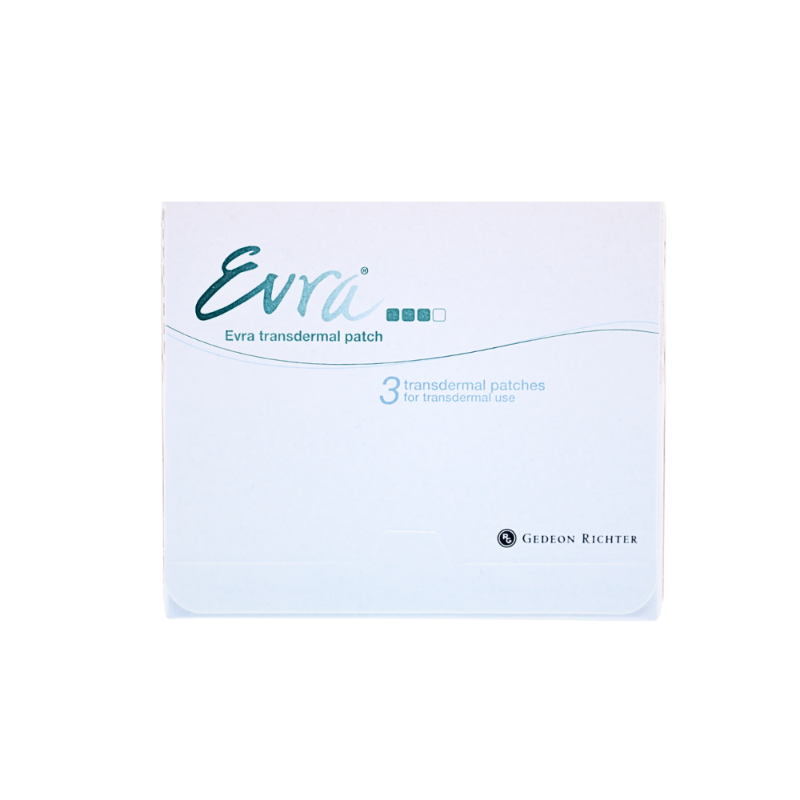
Medications > Contraceptives and Hormonal Medications
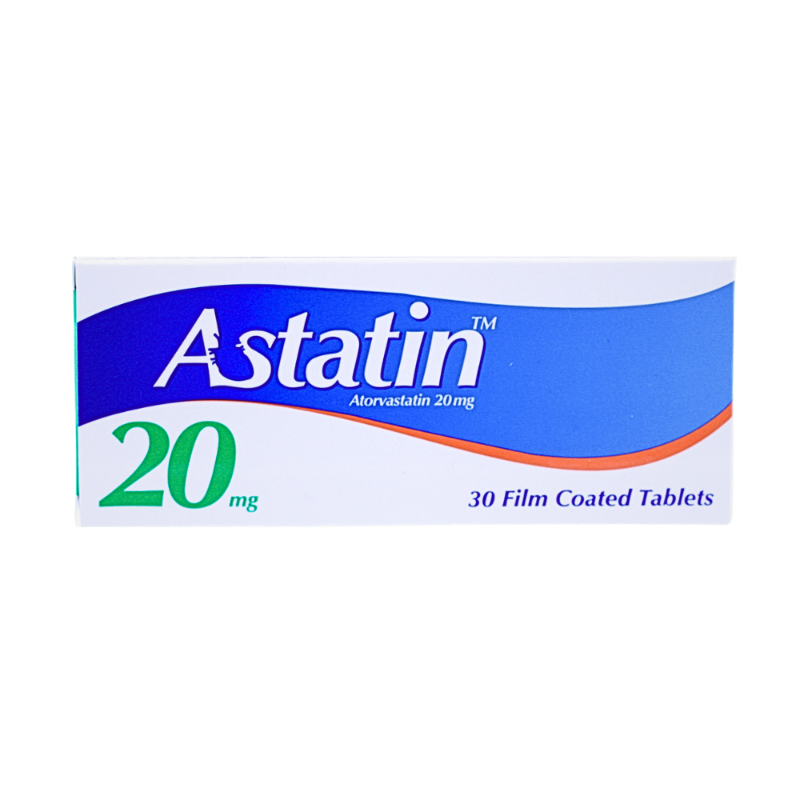
Medications > Cholesterol Medications
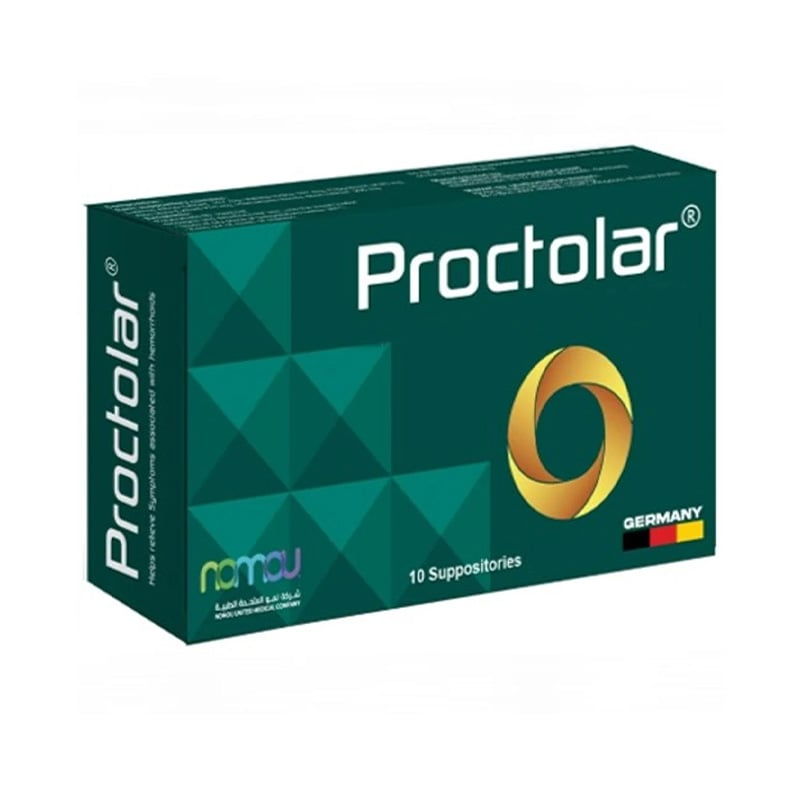
Medications > Hemorrhoid Medications
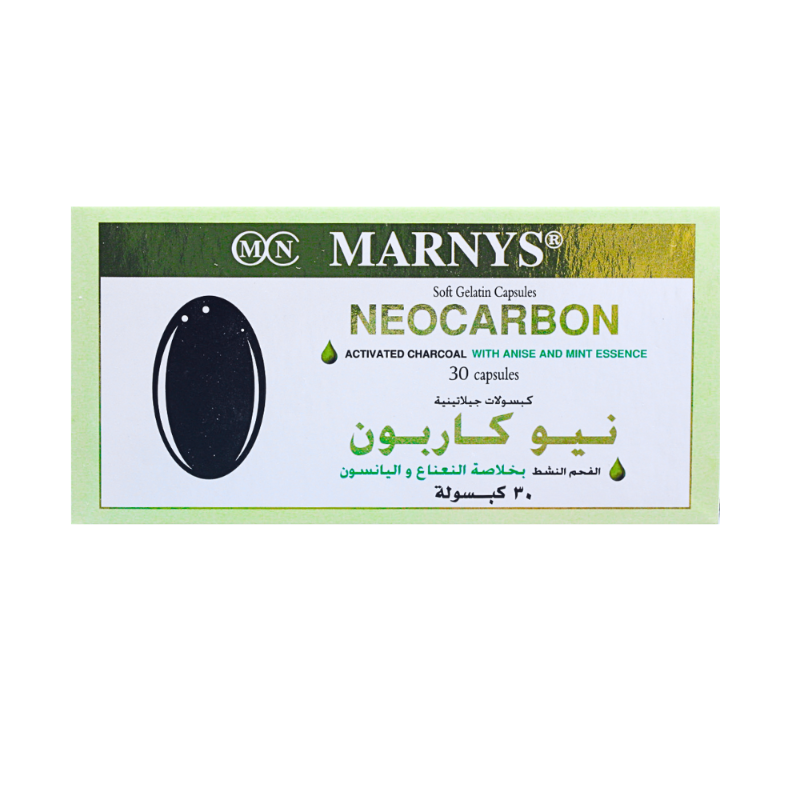
Medications > Gastrointestinal Medications
Medications > Eye and Ear Medications
Medications > Cold, Cough, and Allergy Medications
Medications > Diabetes Medications
Medications > Painkillers and Antipyretics

Medications > Diabetes Medications
